In de Keuken van Floris

We're Smart World 3 Radishes
Our verdict
In de Keuken van Floris sits on Honingerdijk in Rotterdam's east, where chef Floris Versluijs runs an eight-course menu with matched wines through a format built around direct, table-side explanation. Vegetables and fruit anchor the kitchen's approach, processed whole, skins, seeds, roots and all, into sorbet, foam, brine and preserved forms. A full vegetarian menu and a juice pairing are available alongside the wine arrangement.

Pearl is the En Primeur Club membership app, where members save venues, book tables and use the concierge.
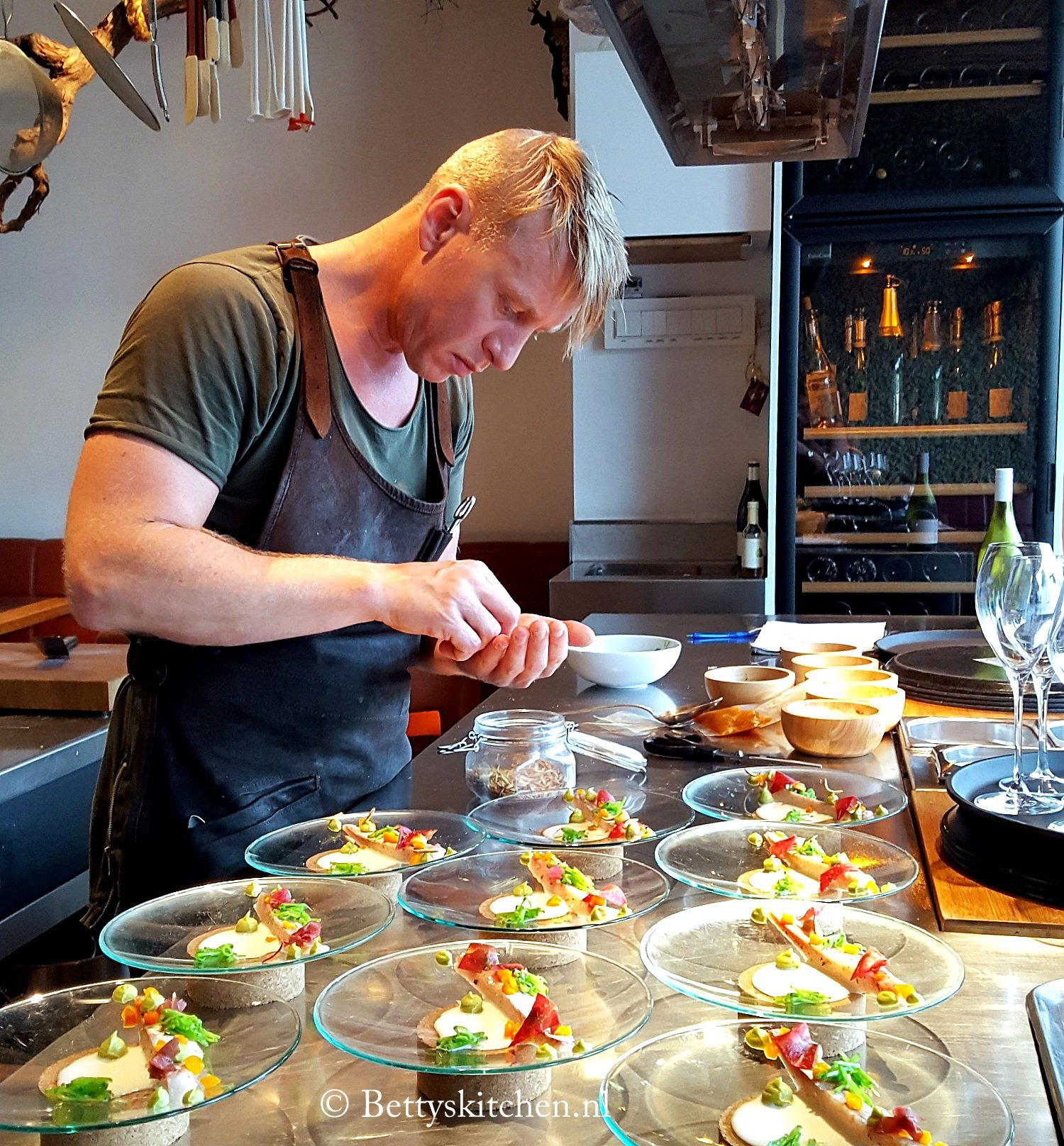
A Kitchen That Makes the Meal an Event
Rotterdam's dining scene has, over the past decade, divided clearly into two tiers. At the upper end, a handful of high-investment creative restaurants FG - François Geurds, Fred, and Parkheuvel, operate at the €€€€ bracket with full tasting menus and international positioning. Below and alongside them, a smaller set of independently run chef's table formats has developed a different kind of evening: more personal in scale, less formal in register, but no less serious about the food on the plate. In de Keuken van Floris, at Honingerdijk 259 in the city's east, belongs to this second group.
The address sits outside Rotterdam's dense central restaurant cluster, which matters for how the room feels. This is not a destination built for passing trade or hotel-adjacent foot traffic. Guests travel to it, and the format rewards that commitment with something closer to a hosted evening than a conventional restaurant service. The eight-course structure and table-side explanations from chef Floris Versluijs are designed to fill the evening rather than fit inside it.
The Dutch Vegetable Tradition and What This Kitchen Does With It
Netherlands cuisine has undergone a serious reappraisal since the early 2010s, partly through the influence of the New Nordic movement and partly through a domestic turn toward ingredient-led cooking that treats the Dutch landscape's vegetables, dairy, and preserved products as primary rather than supporting material. The most technically accomplished version of this approach is visible at places like De Librije in Zwolle and Aan de Poel in Amstelveen, where classical French scaffolding supports locally inflected ingredients. In de Keuken van Floris operates at a smaller scale but draws from a similar philosophical position: vegetables and fruit are treated as complete subjects, not garnish.
What distinguishes the kitchen's approach is its commitment to whole-plant processing. Leaves, seeds, peelings and roots all move through the kitchen rather than into the bin. This is not purely an ethical position, though the Dutch tradition of resourceful, anti-waste cooking runs deep in the country's food culture, it is also a technical one. Brine made from vegetable peelings carries a different acidity profile than a standard pickling liquor. Sorbet built from fruit scraps rather than pulped flesh has a more complex sugar and fiber balance. The kitchen appears to treat these preparations as distinct products in their own right, which places In de Keuken van Floris in an interesting position relative to peers operating more conventional produce-forward menus.
Comparable whole-plant seriousness in the Dutch context is rarer than the ingredient trend might suggest. Many restaurants that market themselves as vegetable-forward still anchor courses around protein with vegetables in supporting roles. The full vegetarian menu available here, not an afterthought reduction of the main menu, signals a kitchen that has thought through plant-based cooking as a primary discipline rather than an accommodation. For context on how this compares across the Netherlands, it is worth looking at what Brut172 in Reijmerstok and De Bokkedoorns in Overveen are doing with Dutch regional ingredients at comparable ambition levels.
Format, Pacing, and the Case for Table-Side Explanation
The tasting menu format in Europe has split over recent years between two poles: kitchens that let the food speak through presentation alone, and those where the chef or front-of-house serves as an active narrator. At the former end, places like Ciel Bleu in Amsterdam operate with trained sommelier programs and polished brigade service that positions explanation as part of the luxury register. At the latter end, chef-owner formats in smaller rooms tend toward directness: the person who cooked the food describes it at the table, which creates a different kind of authority.
In de Keuken van Floris operates in this second mode. The enthusiastic table-side explanations from Versluijs are not incidental to the experience, they are, according to guests, part of why the evening feels different from a conventional tasting menu. The eight-course structure is long enough to require pacing, and the matched wine arrangement (or fresh juice alternative, available as a full parallel pairing) is explained rather than simply poured. This kind of format places considerable demands on the kitchen's ability to sustain coherence across eight courses, which is where the vegetable-led approach does useful structural work: a kitchen that treats brine, foam, and sorbet as distinct techniques across a single ingredient category has more compositional vocabulary to draw from than one working through a protein-per-course logic.
For context on how Rotterdam's other top-end menus are structured, Amarone and Fitzgerald both represent the Modern French-influenced end of the city's tasting menu spectrum. In de Keuken van Floris sits in a different register, less formally French in technique, more explicitly Dutch in ingredient logic.
Wine, Juice, and the Pairing Question
The matched wine arrangement here is positioned as the default, with table-side explanation built into the service. The juice pairing alternative is a genuine program rather than a token option, which reflects a broader shift in European fine dining toward treating non-alcoholic beverage pairings with the same technical investment as wine. This trend is visible at the highest levels internationally, Le Bernardin in New York City has long offered sophisticated non-alcoholic pairings, and its presence at a smaller independent format in Rotterdam is a useful indicator of how the practice has moved down the size scale. The juice arrangement, built around the same vegetable and fruit processing logic as the food, has an internal coherence that is harder to achieve when pairings are simply purchased in rather than made in-house.
Rotterdam Context and How to Approach This Meal
Honingerdijk 259 is in the Kralingen area of Rotterdam's east. Guests arriving from the centre should plan for the travel time rather than treat it as adjacent to the city's waterfront restaurant cluster. The format is explicitly evening-filling, which means arriving close to the opening time is sensible rather than arriving with the option to leave early. For anyone building a broader Rotterdam trip around food and drink, the full Rotterdam restaurants guide maps the city's dining range, while the Rotterdam hotels guide, bars guide, and experiences guide cover the wider stay. The Rotterdam wineries guide is also relevant for those interested in how Dutch wine culture has developed alongside the country's food scene.
For regional comparison across the Netherlands, 't Nonnetje in Harderwijk and Emeril's in New Orleans represent different points on the spectrum of chef-forward tasting format restaurants globally. In de Keuken van Floris occupies a specific position in this field: a small, chef-narrated format with a serious vegetable processing program and a non-alcoholic pairing option that is built rather than bought.
Frequently asked questions
Is In de Keuken van Floris good for families?
The format is an evening-filling eight-course tasting menu with table-side wine explanations for each course, which suits adults looking for an extended, engaged meal rather than a quick or flexible dinner. Families with young children would find the pacing difficult to work around. A fresh juice pairing is available as an alternative to wine, which does open the table to non-drinkers, but the overall structure is designed for guests who want to commit to the full experience.
What should I expect atmosphere-wise at In de Keuken van Floris?
The kitchen is positioned as a spectacle rather than background scenery. Each of the eight courses comes with an explanation delivered at the table, so conversation with the kitchen or service team is built into the rhythm of the meal. The address on Honingerdijk in Rotterdam's Kralingen district is away from the city centre, which gives the evening a destination quality rather than a drop-in feel.
What distinctions does In de Keuken van Floris have?
In de Keuken van Floris has received recognition including: Guests are happy to give themselves to the evening-filling spectacle of chef Floris Versluijs. Eight small courses and matching wines are enthusiastically explained at the table. A complete vegetarian menu is also possible, as is a fresh ju….
What's the signature dish at In de Keuken van Floris?
No single dish is documented, but the kitchen's defining approach is the use of the entire vegetable across multiple preparations within a single menu. Leaves, seeds, peels, and roots are all processed alongside the main ingredient, which appears as sorbet, foam, brine, or in its pure state across the eight courses. That whole-plant logic is the throughline rather than any individual plate.
Budget Reality Check
Comparable venues nearby, for context on price, style, and recognition.
| Venue | Cuisine | Price | Awards | Notes |
|---|---|---|---|---|
| In de Keuken van FlorisThis venue (the venue you are viewing) | Modern Fusion Tasting with Champagne Pairings | Not listed | We're Smart World 3 Radishes | Not listed |
| The Suicide Club | Asian-Mediterranean Fusion Small Plates | $30–50 | Not listed | C.S. Kwartier, Asian-Mediterranean Fusion Small Plates |
| CELEST | Modern European Fine Dining with Asian Influences | $100–150 | Not listed | Stadsdriehoek, Modern European Fine Dining with Asian Influences |
| POSSE | Basque-Inspired Fine Dining | Not listed | Not listed | Katendrecht, Basque-Inspired Fine Dining |
| FG Food Labs | Modern French Fine Dining | $150–200 | Not listed | Agniesebuurt, Modern French Fine Dining |
| Xīn | Modern Chinese Fine Dining | $100–150 | Michelin Plate | Oude Westen, Modern Chinese Fine Dining |
Recognition history
Dated appearances from independent guides and award organizations, with the underlying list record or original source where available.
We're Smart World 3 Radishes
We're Smart World
Continue exploring
More in Rotterdam
Restaurants in Rotterdam
All restaurants in Rotterdam →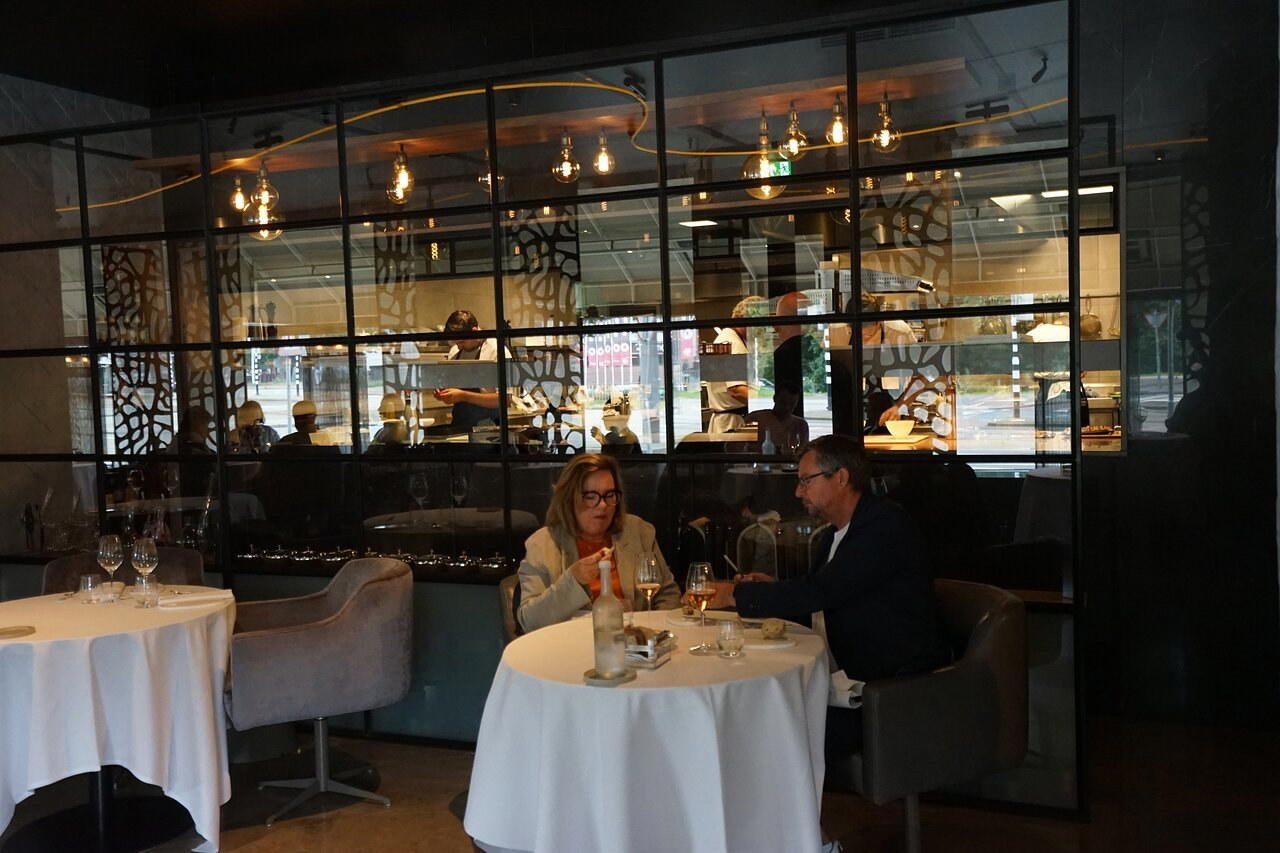
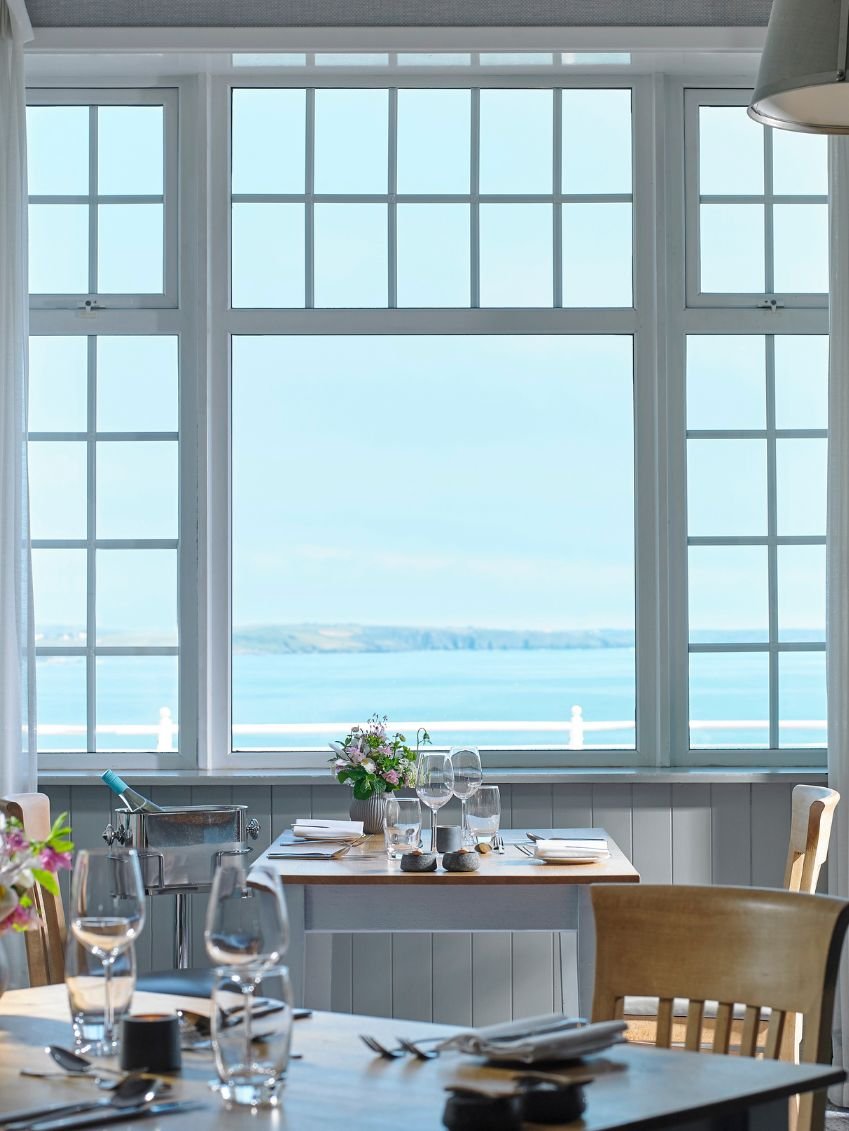
Bars in Rotterdam
All bars in Rotterdam →
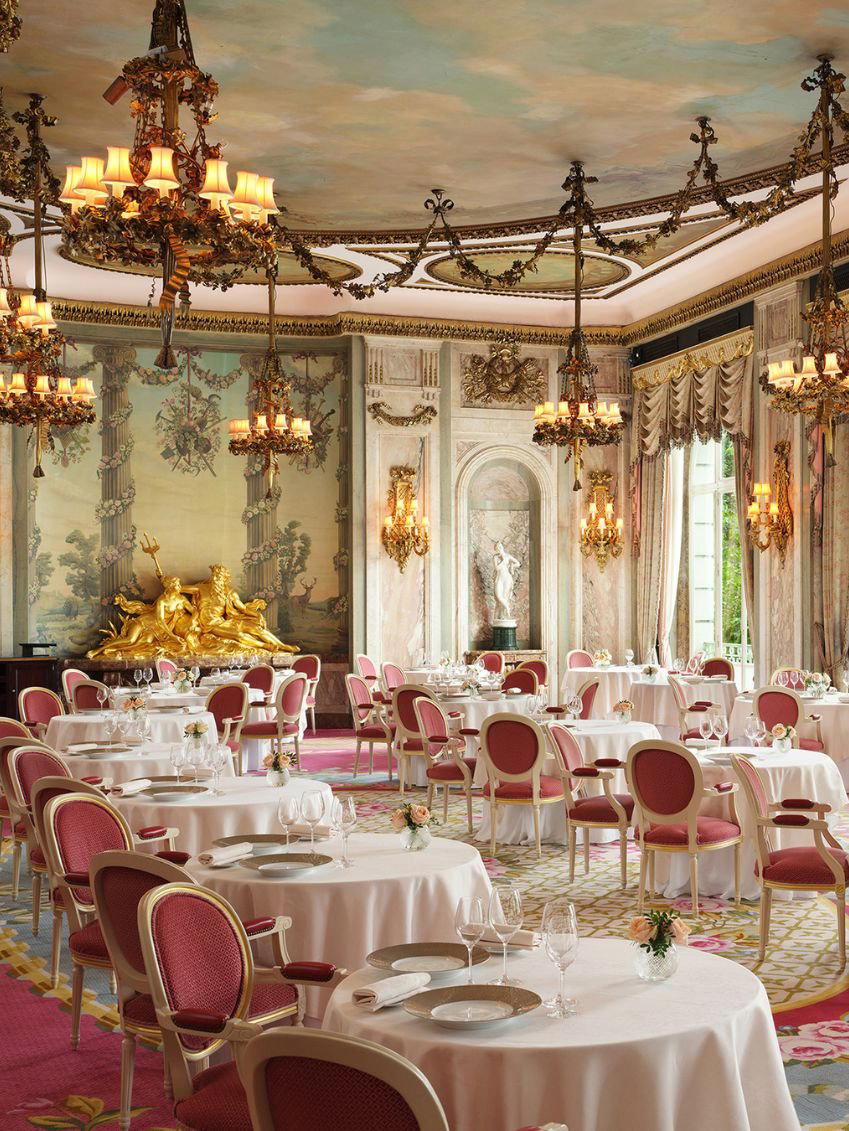
Hotels in Rotterdam
All hotels in Rotterdam →

Wineries in Rotterdam
Browse all →
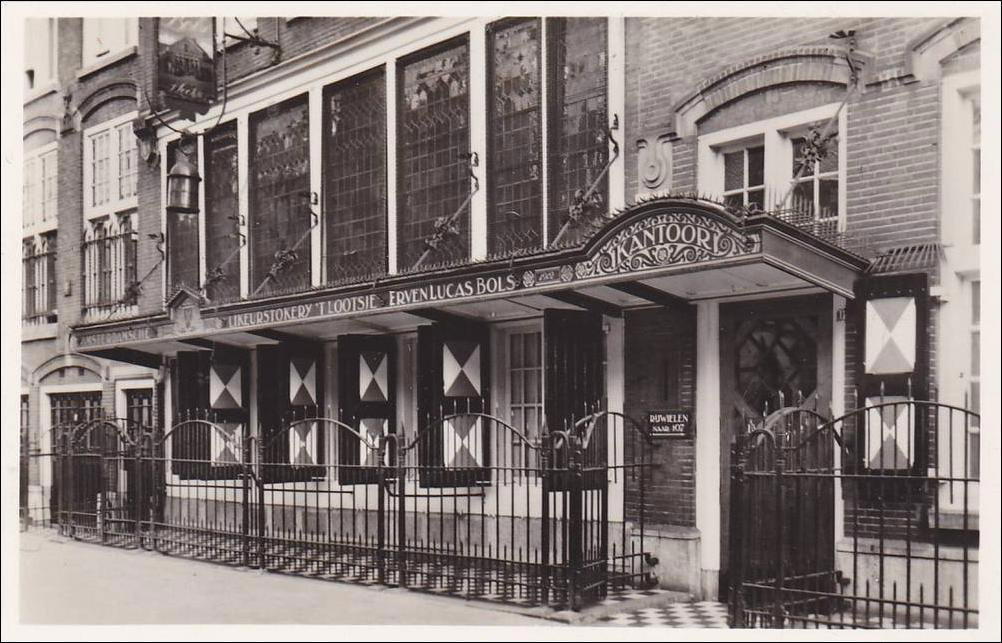
In de Keuken van Floris
The wine
- Wine program
- Deep wine list
- Extensive wine list
Details
- Intimate
- Cozy
- Sophisticated
- Date Night
- Special Occasion
- Open Kitchen
- Chefs Counter
- Extensive Wine List
- Farm To Table
- Zero Waste
- Tasting Menu
- Champagne
- Vegetarian Friendly
Current opening hours
- Monday
- Closed
- Tuesday
- Closed
- Wednesday
- 6:30–10 PM
- Thursday
- 6:30–10 PM
- Friday
- 6:30–10 PM
- Saturday
- 6–10 PM
- Sunday
- Closed
Hours can change for holidays and private events. Hours as of .
Informal and dynamic atmosphere centered around the open kitchen with a focus on culinary theater and guest involvement.