Il Était Une Fois Toi et Moi sits on the Chaussée de Nivelles in Seneffe, a small Walloon commune better known for its canal and 18th-century château than its restaurant scene. With a name that reads like a chapter heading from a French novel, the address suggests something intimate and considered rather than high-volume. Visitors to the broader Hainaut dining circuit place it alongside other provincial addresses where the room size and personal touch matter as much as the plate.
 Discover on Pearl
Pearl is the En Primeur Club membership app — saves, bookings, and concierge access live there. Same editors, same standards.
- Address
- Chau. de Nivelles 13, 7181 Seneffe, Belgium
- Phone
- +3267685378
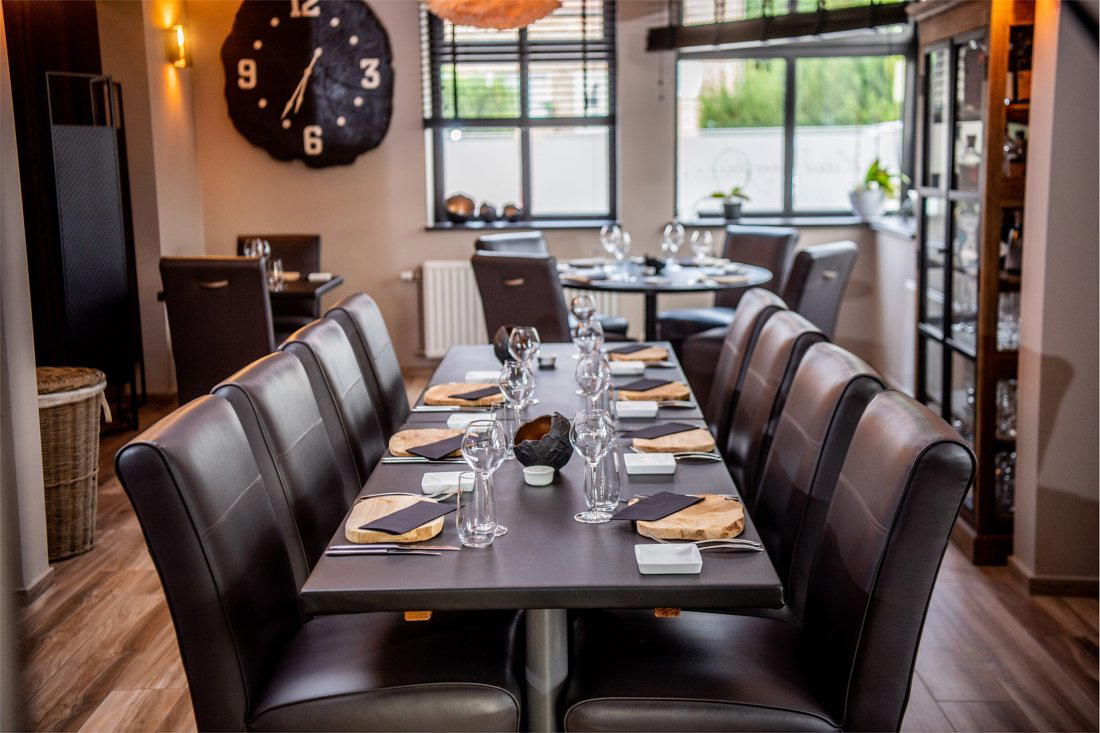
A Provincial Address in Hainaut's Quieter Dining Circuit
Belgium's most-discussed restaurants tend to cluster along a familiar axis: Brussels, the Flemish coastal strip, and a handful of destination addresses in the countryside outside Ghent or Bruges. Hof van Cleve - Floris Van Der Veken in Kruishoutem, Boury in Roeselare, and Zilte in Antwerp define the upper Flemish tier, while the Walloon side, south of Brussels, through Brabant Wallon and into Hainaut, operates on a different register: quieter, less internationally marketed, and often more rooted in the rhythms of local supply than in the prestige of named chefs. Seneffe sits squarely in that quieter zone. The town is positioned roughly midway between Charleroi and Nivelles, flanked by the Canal du Centre and the grounds of the Château de Seneffe. It is not a dining destination in the way that, say, Liernu became one once L'air du temps in Liernu established itself on the international radar. What it does have is a small, functional restaurant culture oriented toward locals and regional visitors rather than culinary tourism.
Il Était Une Fois Toi et Moi occupies an address on the Chaussée de Nivelles, the main road running through the commune. The name itself, which translates loosely as "Once upon a time, you and me", positions the room before a single dish is described. It signals a certain tone: romantic, personal, and French-inflected in a way that many Walloon addresses adopt without apology. The register is closer to neighbourhood bistro sentiment than to the detached precision of a tasting-menu counter. In the broader Belgian context, this places it alongside a category of provincial French-Belgian rooms that have always been central to how the country actually eats, even as international attention concentrates on the multi-course format.
Where Hainaut Sourcing Shapes the Plate
The ingredient story in the Hainaut region differs from the coastal and Ardennes narratives that dominate Belgian food writing. The coast supplies its own vocabulary, North Sea sole, grey shrimp, turbot landed at Zeebrugge, while the Ardennes grounds its identity in game, Ardennes ham, and freshwater fish from the Ourthe and Semois river systems. Hainaut's sourcing sits between these poles: agricultural rather than coastal or forested, with strong market-garden traditions, quality pork and poultry from smaller farms, and proximity to the vegetable-growing belt that feeds much of southern Belgium. A kitchen working in this area that takes sourcing seriously draws from a different ingredient palette than its more celebrated peers.
This matters because the leading provincial French-Belgian rooms are not simply smaller versions of city restaurants. They are often more directly connected to nearby suppliers, butchers, market growers, local dairies, precisely because they lack the purchasing scale and logistics infrastructure of larger urban operations. The relationship between a Hainaut kitchen and its regional suppliers tends to be practical and long-standing rather than curated for narrative purposes. Au Gré du Vent in Seneffe operates explicitly within a farm-to-table framework in the same commune, which signals that the local sourcing ethic in this pocket of Wallonia has enough critical mass to support more than one address with regional commitments.
For diners comparing provincial addresses across southern Belgium, the sourcing question often determines whether a meal feels tethered to its place or could have been assembled anywhere. Addresses like d'Eugénie à Emilie in Baudour and La Table de Maxime in Our represent the Walloon approach to ingredient-grounded cooking at different price points and with different levels of formality, but share with Il Était Une Fois Toi et Moi a context where regional identity comes through supply chain rather than through cosmopolitan technique.
The Intimate Room Format and What It Implies
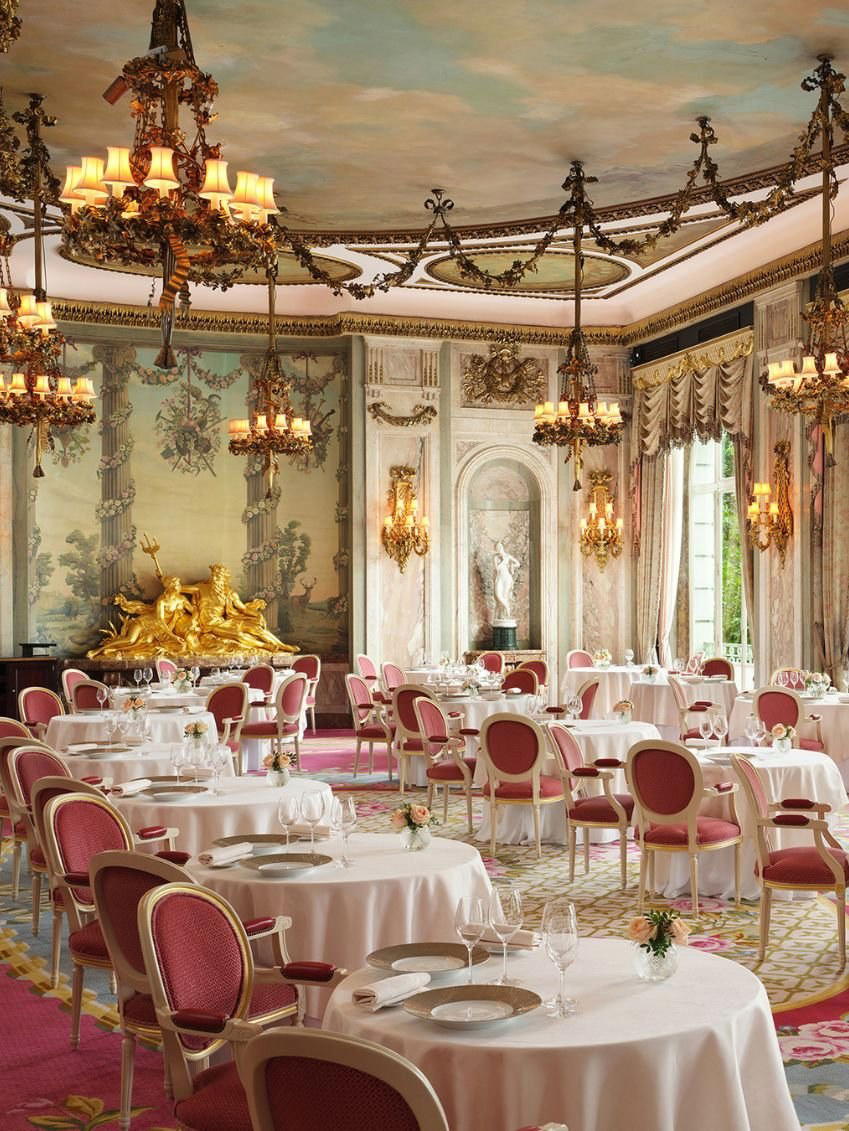
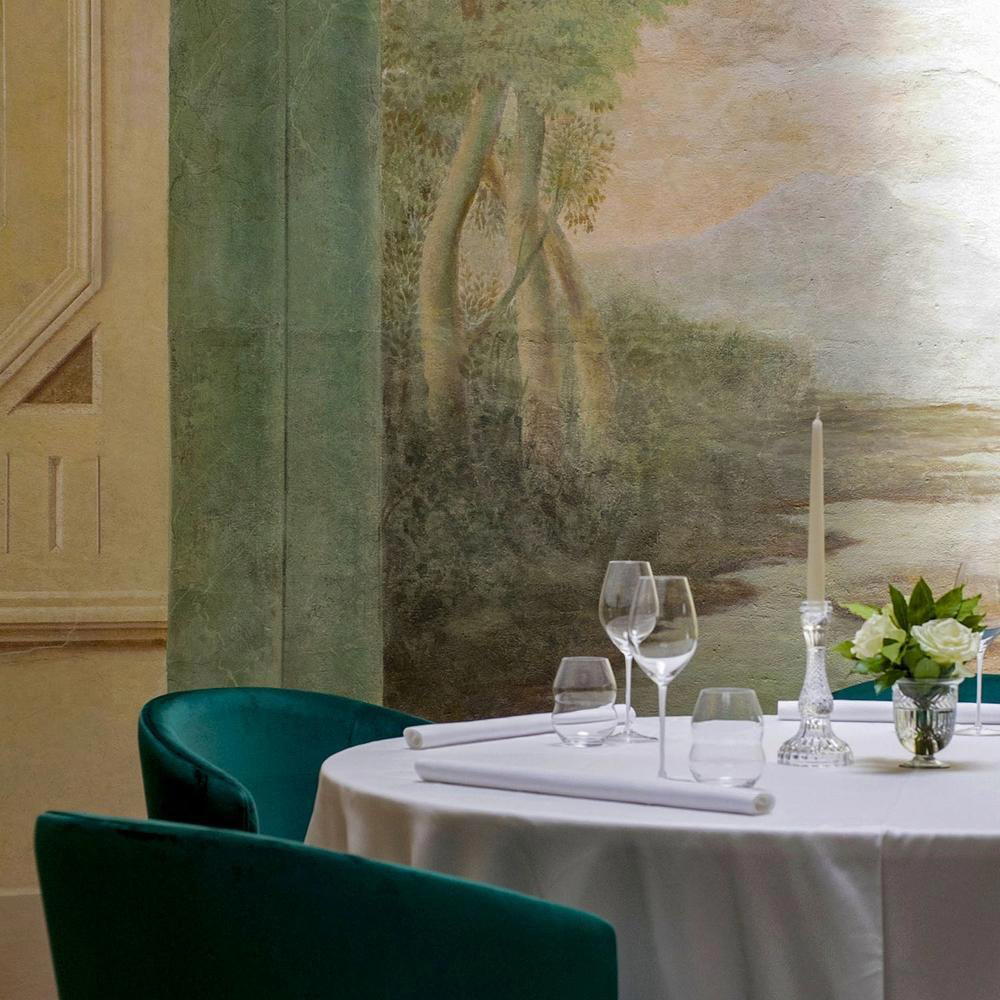
Small-format dining rooms in Belgium have a specific competitive logic. At the high end, Bartholomeus in Heist and Willem Hiele in Oudenburg use limited capacity as a deliberate signal, reinforcing exclusivity and justifying premium pricing. At the provincial level, limited capacity is often a function of the building and the ambition rather than a marketing choice, a dining room of twenty covers runs on a different cost structure and serves a different community function than a forty-cover restaurant angling for critical recognition. The name Il Était Une Fois Toi et Moi suggests the former dynamic: a room built for occasions, for couples and small groups marking something, rather than for the turn-and-earn logic of a neighbourhood lunch spot.
This format is not unusual in the Belgian provincial dining tradition. French-Belgian cuisine at the bourgeois level has always accommodated the occasion restaurant, a room where the decor signals effort, the menu leans toward classical preparation, and the clientele arrives with a specific social purpose. These rooms rarely attract the kind of critical attention that flows toward the Michelin-tracked addresses, but they serve a function that the starred circuit does not: they are the places where a region's residents actually mark their anniversaries, celebrate family milestones, and eat well without travelling to the city. Seen in that light, a restaurant like this is not competing with Bozar Restaurant in Brussels or Le Chalet de la Forêt in Uccle. It is operating in a separate category with its own set of expectations and its own criteria for success.
Planning a Visit: Practical Considerations
Seneffe is accessible by car from both Brussels (roughly 45 kilometres southwest via the E19 and A54) and Charleroi (under 20 kilometres north). The Chaussée de Nivelles is a main arterial road, making the address direct to locate without local knowledge. Public transport connections to Seneffe are limited, and most visitors to this part of Hainaut arrive by car. Prospective diners should verify current availability directly with the restaurant before planning travel. For those building a wider Walloon itinerary, De Jonkman in Sint-Kruis, Castor in Beveren, La Durée in Izegem, and Maison Colette in Tongerlo represent comparison points across different Belgian provinces and price tiers. For a transatlantic reference frame on what French-influenced cooking looks like at the highest technical level, Le Bernardin in New York City and Atomix in New York City illustrate how far the genre can extend in a different urban context.
Fast Comparison
Comparable venues nearby, for context on price, style, and recognition.
| Venue | Cuisine | Price | Awards | Notes |
|---|---|---|---|---|
| Il Était Une Fois Toi et MoiThis venue — the venue you are viewing | Modern French | $$$ | , | |
| Au Gré du Vent | French Farm-to-Table Fine Dining | $$$$ | Michelin 1 Star | Seneffe |
| De Verleiding | Classic French-Belgian Fine Dining | $$$ | , | Pajottenland |
| Sapor | Modern French-Belgian with vegetable focus | $$$ | , | Living Tomorrow Innovation Campus |
| a'Muze | French-Belgian Fine Dining | $$$ | , | Opwijk |
| La Saline | Classic French Gastro-Bistro | $$$ | , | Plancenoit |
At a Glance
- Elegant
- Cozy
- Sophisticated
- Date Night
- Business Dinner
- Special Occasion
- Extensive Wine List
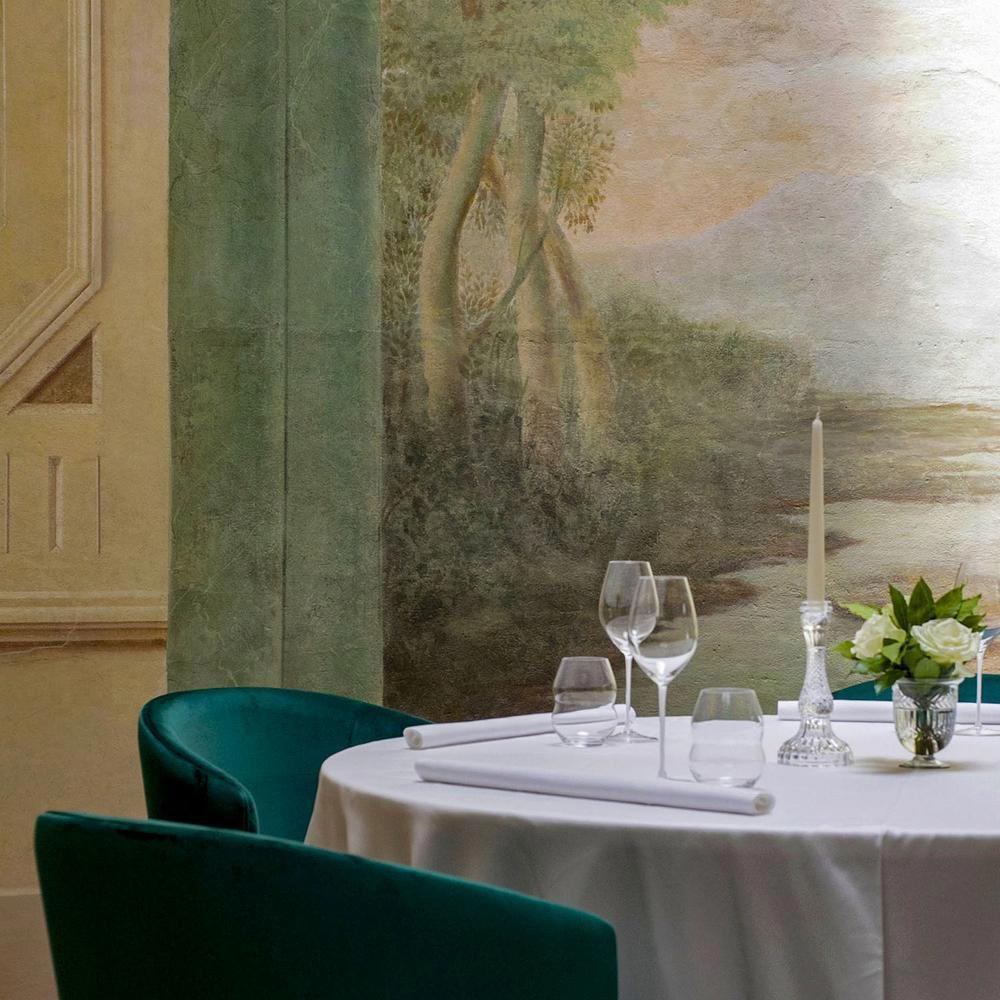
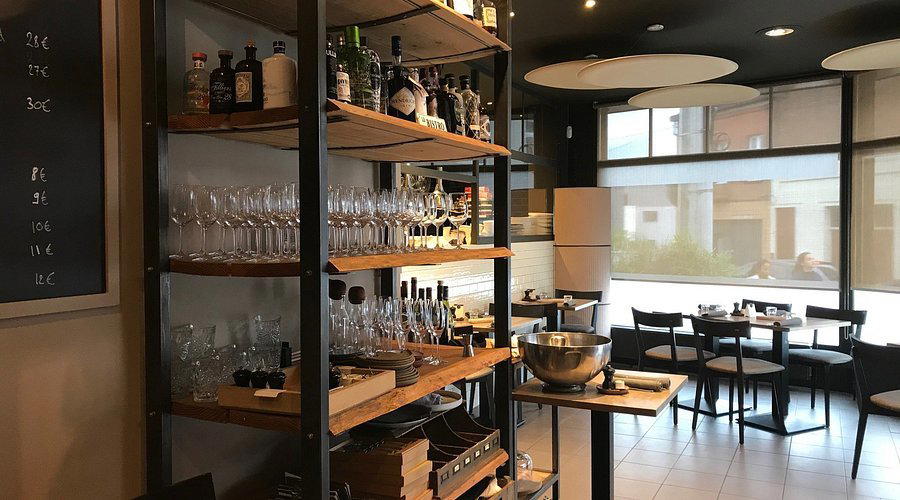
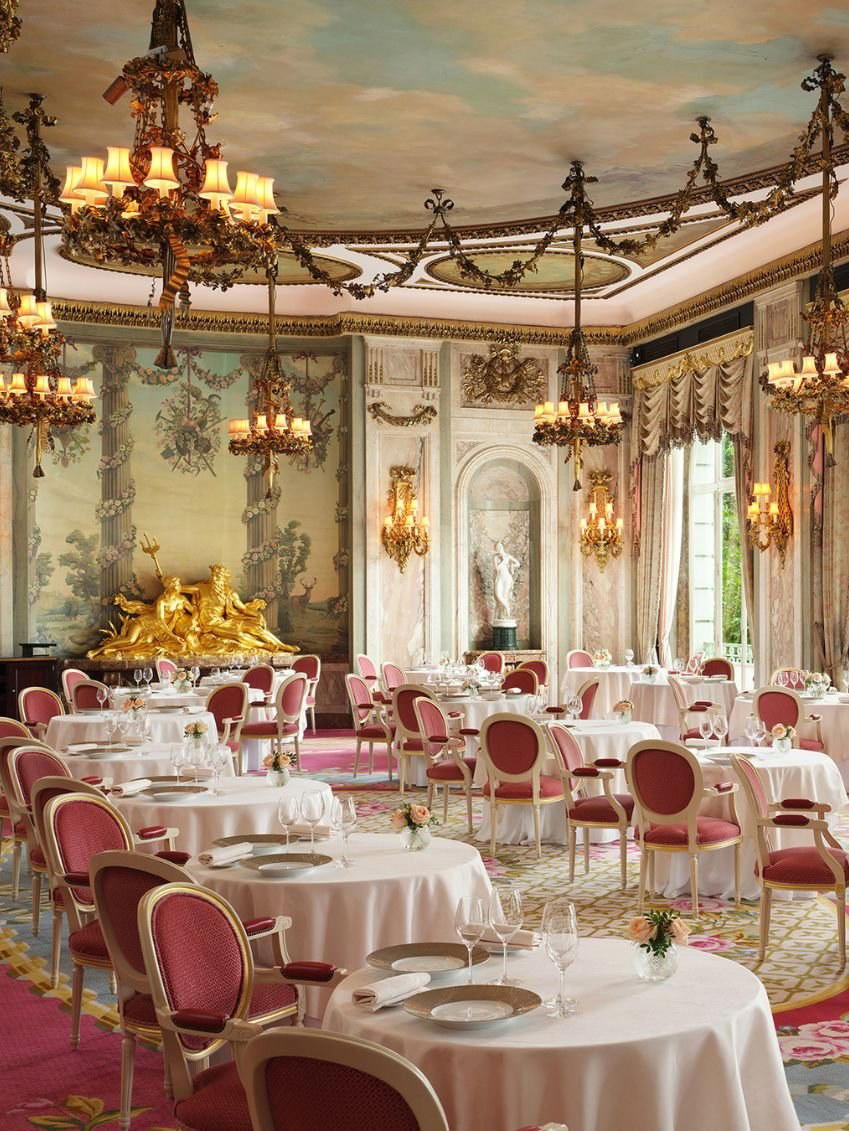
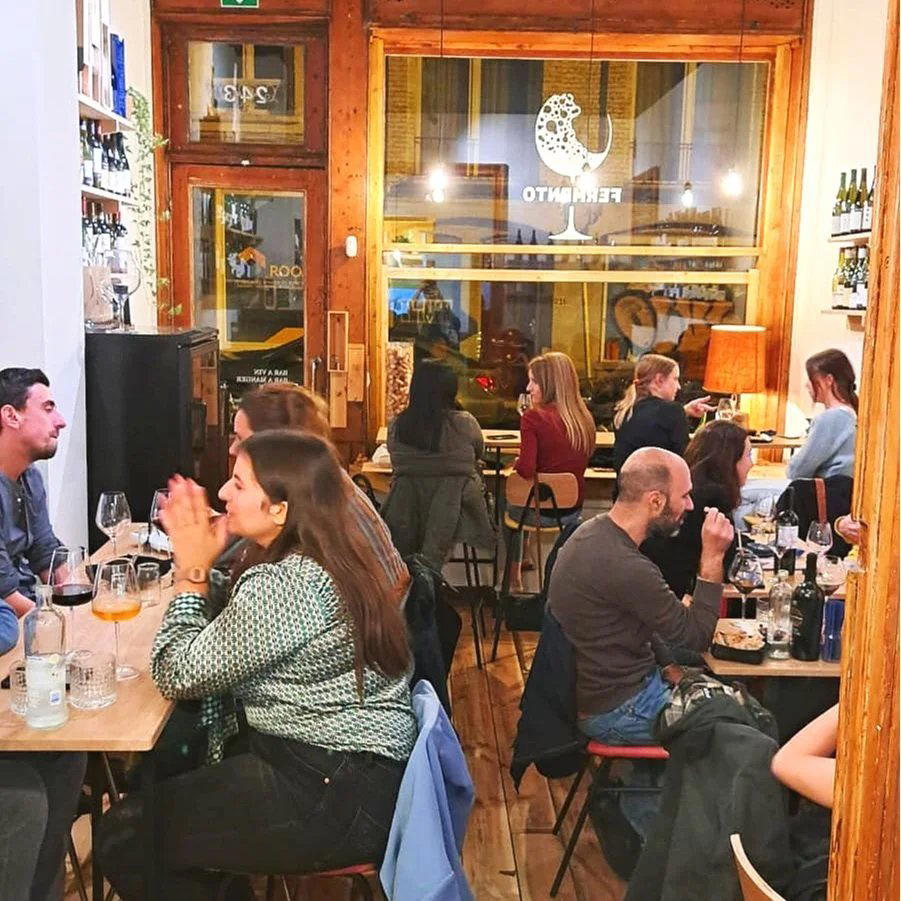
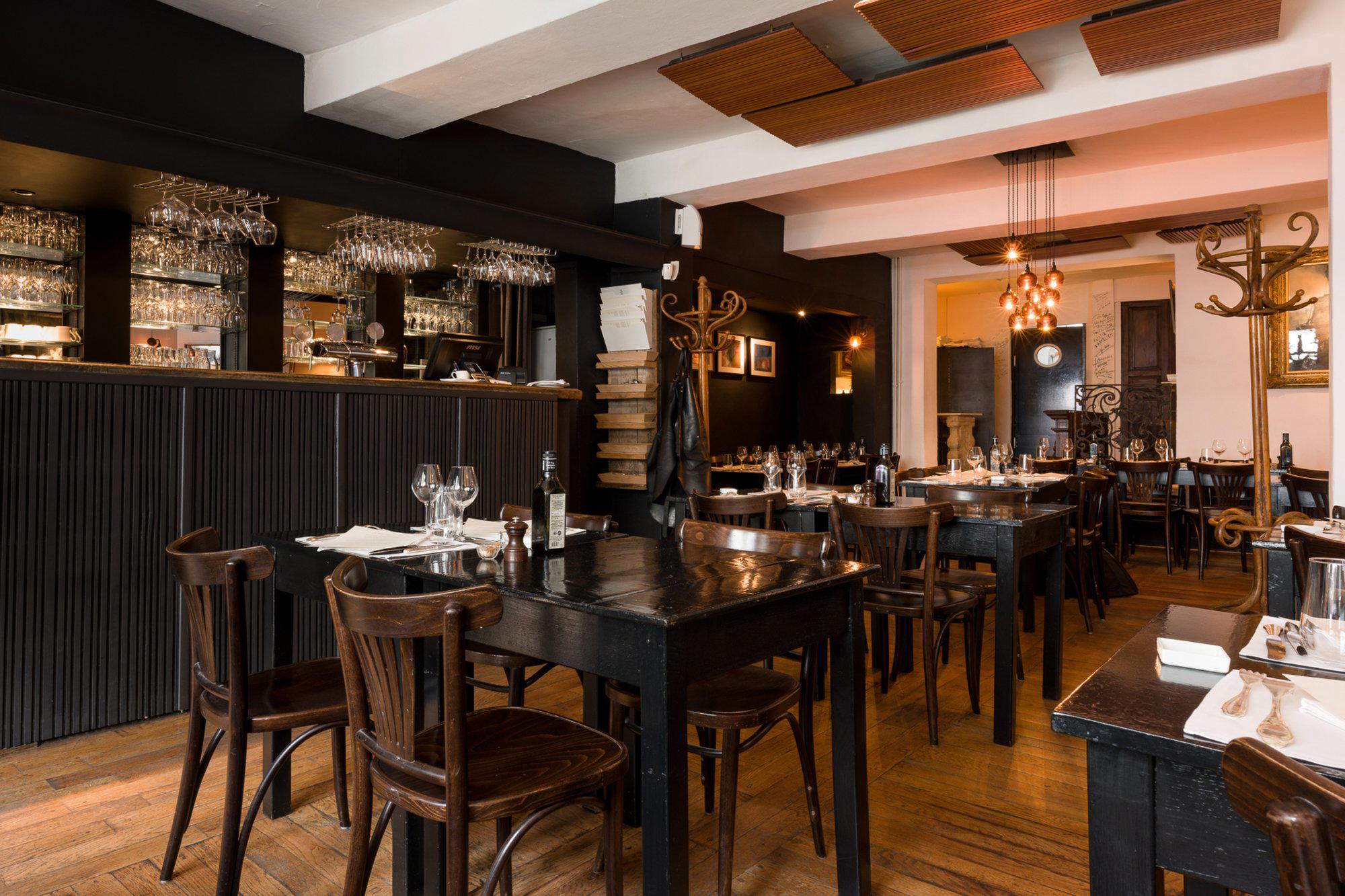
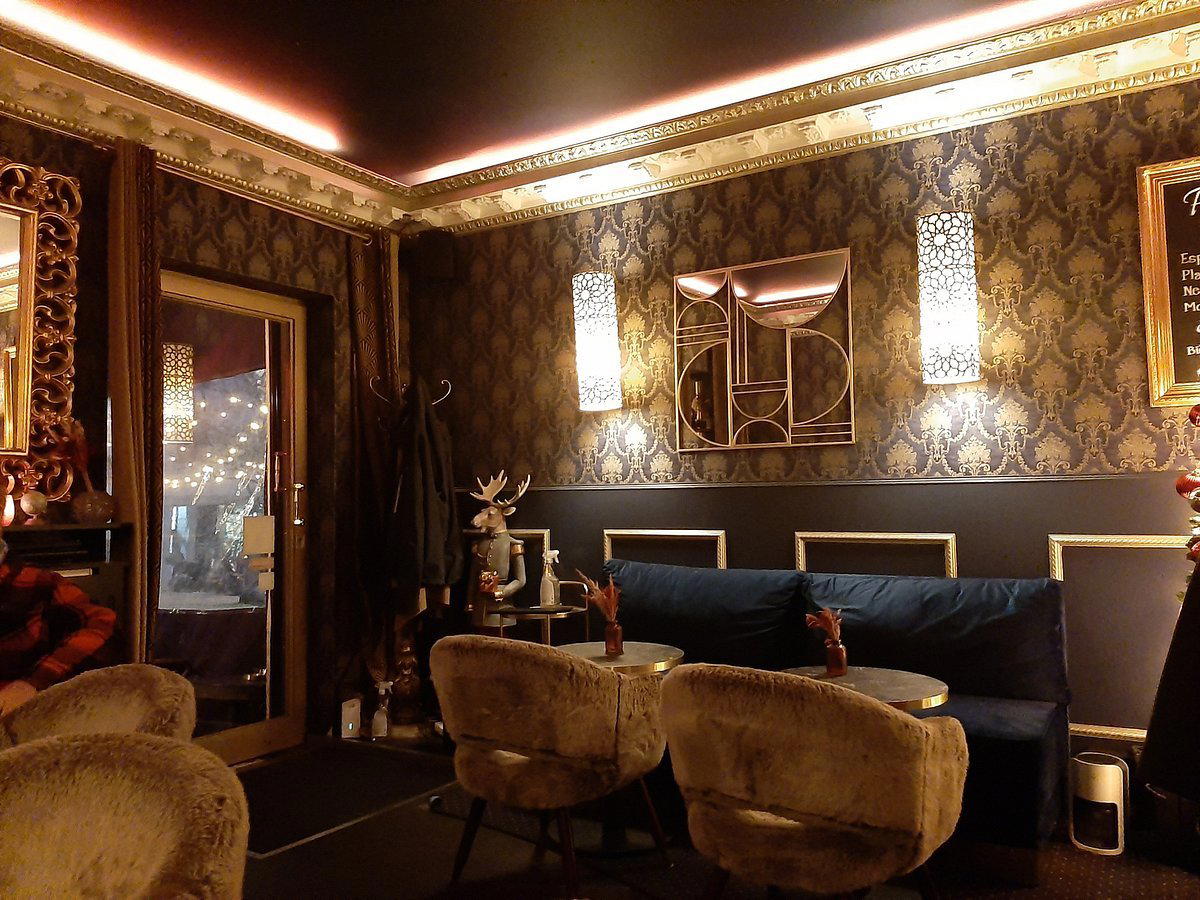
Warm and welcoming with elegant decor and artistic touches creating a relaxing and convivial atmosphere.