Our verdict
Sapor sits on Indringingsweg in Vilvoorde, a short drive north of Brussels, and operates in the quieter register of Belgian dining where sourcing and restraint carry more weight than spectacle. The address places it outside the capital's obvious circuits, which tends to filter the room toward guests who have sought it out deliberately. Expect produce-led cooking in a city with more dining ambition than its modest reputation suggests.

Pearl is the En Primeur Club membership app — saves, bookings, and concierge access live there. Same editors, same standards.
- Address
- Indringingsweg 1, 1800 Vilvoorde, Belgium
- Phone
- +32470615429
- Hours
- Mon–Fri 12–2 PM, 6–8:30 PMSat–Sun Closed
- Website
- sapor.eu
- Directions
- Get directions
- Booking
- Book on Zenchef
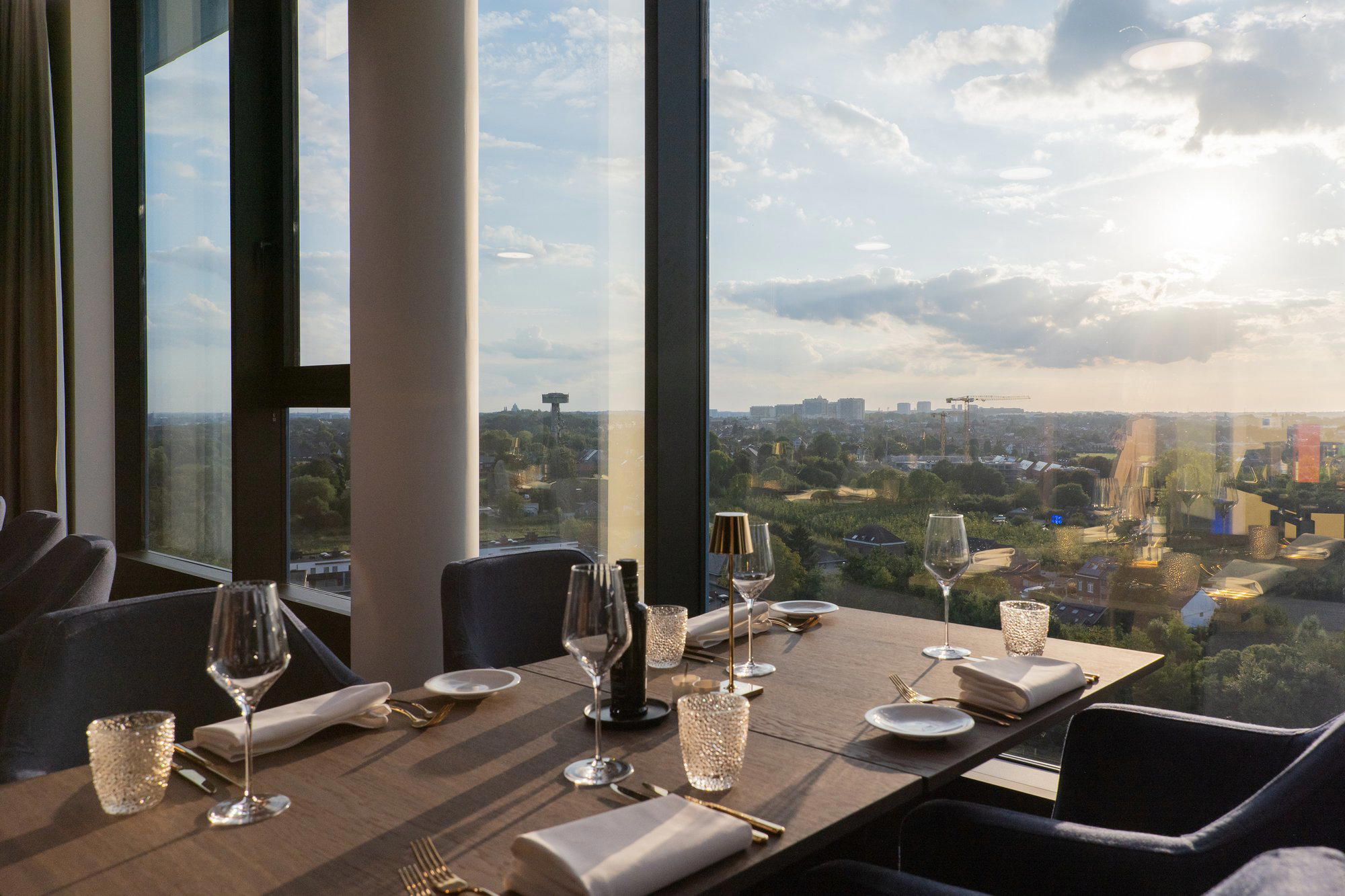
Vilvoorde's Quieter Argument for Serious Eating
Belgium's dining reputation is built almost entirely on a handful of well-documented addresses: the three-star institutions in Flanders, the grand brasseries of Brussels, the coastal kitchens running on North Sea catch. Vilvoorde, a compact city pressed between the capital's northern ring and the Zenne river, rarely enters that conversation. That relative anonymity is part of what defines the eating experience here. The guests who find their way to Indringingsweg are not passing through; they are arriving with purpose. Sapor, positioned at number one on that street, benefits from that dynamic in the way that many strong regional tables do: the room self-selects toward people who already care.
That pattern is familiar across Belgium's secondary cities. Tables operating outside Brussels or Antwerp often carry lower ambient noise, lower price ceilings, and a directness of hospitality that the capital's more competitive market sometimes dilutes. Venues in this tier, including Sapor's immediate neighbours Brasserie Taste (Classic Cuisine), De Kuiper, and Testa Rossi, together form a small but coherent dining cluster that rewards the traveller willing to step outside the obvious circuits. For a fuller picture of what the city currently offers, our full Vilvoorde restaurants guide maps the scene in more depth.
What Ingredient Sourcing Means at This Level
Across Belgian fine and near-fine dining, the shift toward traceable, proximity-sourced produce has been one of the defining movements of the past decade. The argument is partly ecological and partly culinary: shorter supply chains mean produce arrives at peak condition, and kitchens that buy directly from growers tend to build menus around what is available rather than what is fashionable. This is the logic behind some of Belgium's most-discussed addresses, from the coastal kitchen at Bartholomeus in Heist, where North Sea proximity shapes the entire menu architecture, to Willem Hiele in Oudenburg, where the sourcing philosophy extends to fermented and cured house preparations. Further north, Zilte in Antwerp operates at the top of the Flanders range with a produce-led intelligence that has sustained serious critical attention for years.
Vilvoorde sits in agricultural reach of the Flemish interior, with market gardening traditions along the Zenne corridor that predate the city's industrial period. A kitchen working with that geography has access to the same seasonal produce cycles that kitchens in Ghent and Brussels have been mining for at least fifteen years. The name Sapor, drawing on the Latin for taste or flavour, signals an orientation toward the sensory properties of ingredients rather than toward technique as spectacle. That framing places the restaurant inside the broader Belgian tradition of letting primary produce carry the plate, a tradition articulated at the highest tier by addresses like Hof van Cleve in Kruishoutem and Boury in Roeselare, and at the more accessible register by a growing number of regional tables.
The Broader Belgian Context
Belgium produces a density of serious kitchens relative to its population that few countries outside France and Japan can match. The Michelin Guide's Belgian coverage reflects this: starred restaurants appear in towns that would be unremarkable by any other measure, and the competition for sourcing relationships, skilled kitchen staff, and a loyal local clientele is sharp even outside the major cities.
Castor in Beveren, De Jonkman in Sint-Kruis, La Durée in Izegem, and d'Eugénie à Emilie in Baudour all operate in secondary Belgian cities with regional sourcing at the centre of their identity. In Wallonia, L'air du Temps in Liernu and La Table de Maxime in Our demonstrate how deeply the produce-first argument has penetrated even the country's most rural dining. For international reference, the sustained produce discipline at Bozar Restaurant in Brussels shows what that approach looks like when brought into a capital city institution. The American comparison is different in scale but not in ambition: kitchens like Le Bernardin in New York City and Atomix in New York City demonstrate how sourcing integrity at the top of a market shapes the expectations that filter down through every price tier.
Getting There and Planning the Visit
Vilvoorde is accessible from Brussels in under fifteen minutes by train from Gare du Nord or Gare Centrale, with connections running frequently throughout the day. Indringingsweg is a short walk or taxi ride from Vilvoorde station. For guests driving from Brussels or from Brussels Airport, which sits within a few kilometres to the northeast, parking in the area is generally less pressured than in the capital's inner arrondissements. Given the limited published data on booking method, hours, and pricing for Sapor at the time of writing, contacting the restaurant directly or checking current listings before visiting is advisable. Booking in advance is a reasonable assumption for any restaurant in this category, particularly on weekends, when even smaller Belgian tables tend to fill from a combination of local regulars and Brussels day-trippers.
Frequently asked questions
Where is Sapor in Vilvoorde?
Sapor is located at Indringingsweg 1, 1800 Vilvoorde, Belgium, Vilvoorde.
Is Sapor a good option for a dinner excursion from Brussels?
Vilvoorde is under fifteen minutes from Brussels Gare du Nord or Gare Centrale by train, making Sapor at Indringingsweg 1 a practical dinner destination without the city's parking or postcode constraints. Belgium's broader dining circuit has a documented record of serious kitchens operating in secondary towns, and Vilvoorde fits that pattern. For visitors already in Brussels, the logistics are straightforward enough that distance is not a meaningful barrier.
What should I eat at Sapor?
In Belgium's current serious dining scene, that approach typically means shorter menus with a higher proportion of local suppliers. Arriving without fixed expectations is the most practical stance here.
How hard is it to get a table at Sapor?
Sapor is based in Vilvoorde at Indringingsweg 1, a location that draws a focused rather than tourist-heavy crowd, which can work in your favour for availability compared to Brussels city-centre addresses. No booking data is publicly documented, so contacting the venue directly is the only reliable method. Smaller dining rooms at this level in Belgium often fill midweek as well as at weekends.
What's the signature at Sapor?
Belgium's near-fine dining tier has increasingly defined itself through sourcing specificity rather than technique showmanship. That framing is the closest available read on Sapor's identity.
Can Sapor adjust for dietary needs?
As a standard practice across Belgian fine and near-fine dining, kitchens at this level typically handle dietary requirements when notified in advance at the time of booking. Direct communication with Sapor before your visit is the only way to confirm what adjustments are possible.
Quick Comparison
Comparable venues nearby, for context on price, style, and recognition.
| Venue | Cuisine | Price | Awards | Notes |
|---|---|---|---|---|
| SaporThis venue — the venue you are viewing | Modern French-Belgian with vegetable focus | Not listed | Not listed | Not listed |
| De Kuiper | Traditional Belgian Horse Meat Steakhouse | $30–50 | Not listed | Vilvoorde |
| Brasserie Taste | Classic French Brasserie | $50–100 | Michelin Plate | Peutie |
| Testa Rossi | Authentic Italian Trattoria | $20–30 | Not listed | Vilvoorde |
| The 1040 | Modern Belgian Brasserie | $50–100 | Not listed | Etterbeek |
| Zilverden | Modern French-Belgian | $50–100 | Not listed | Kalmthout |
Continue exploring
More in Vilvoorde
Restaurants in Vilvoorde
Browse all →
Bars in Vilvoorde
Browse all →
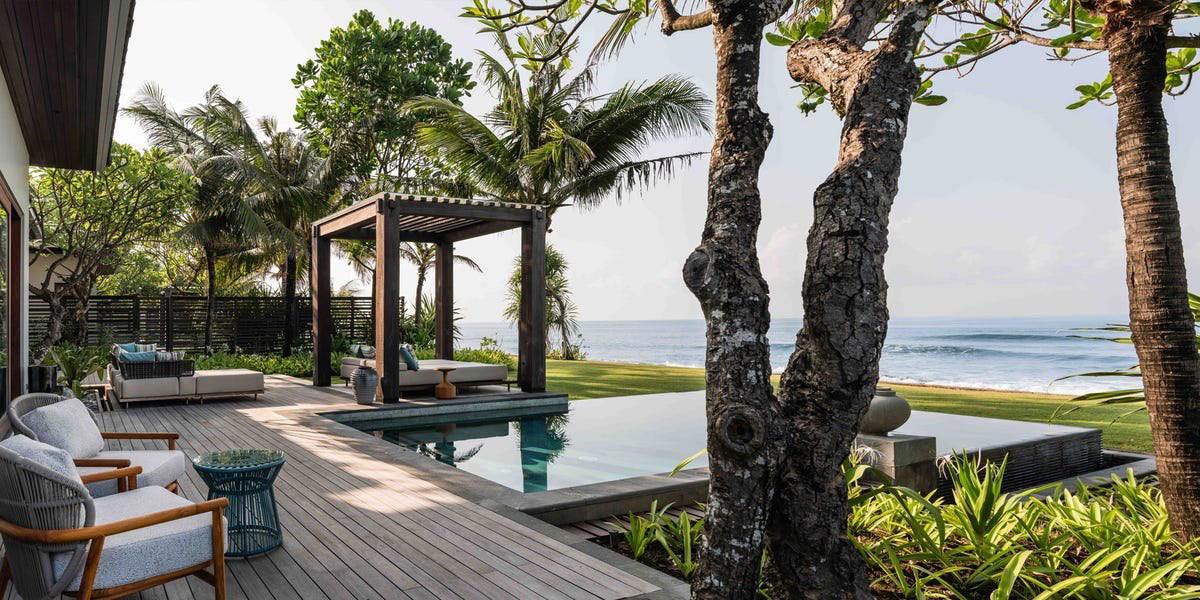
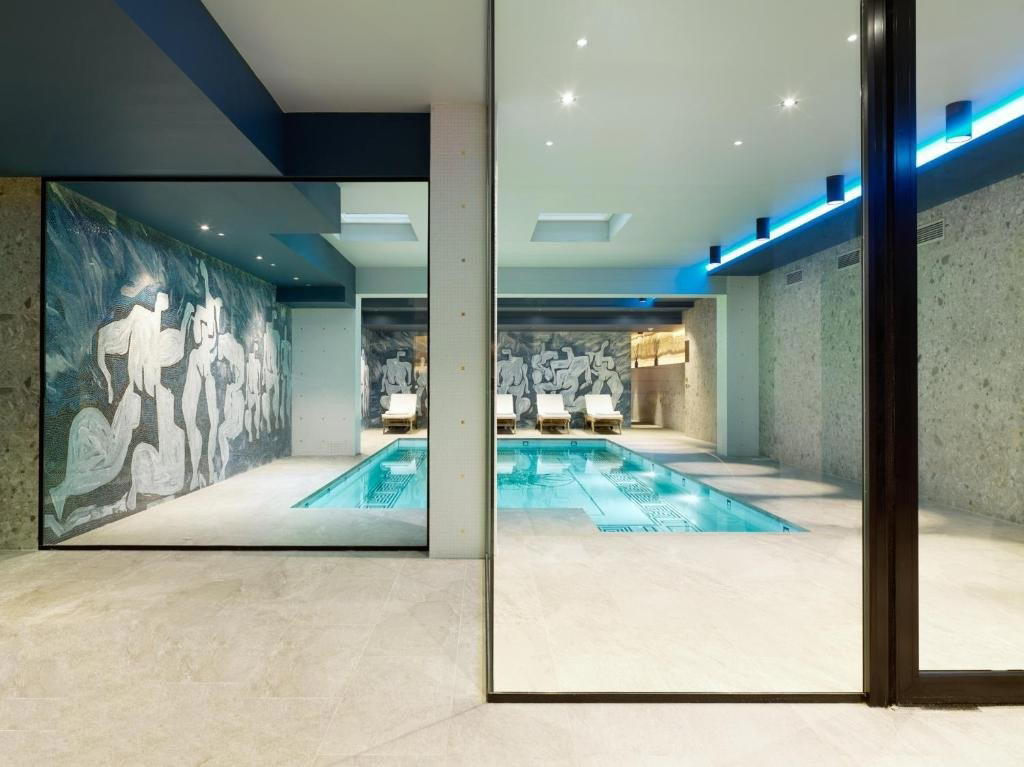
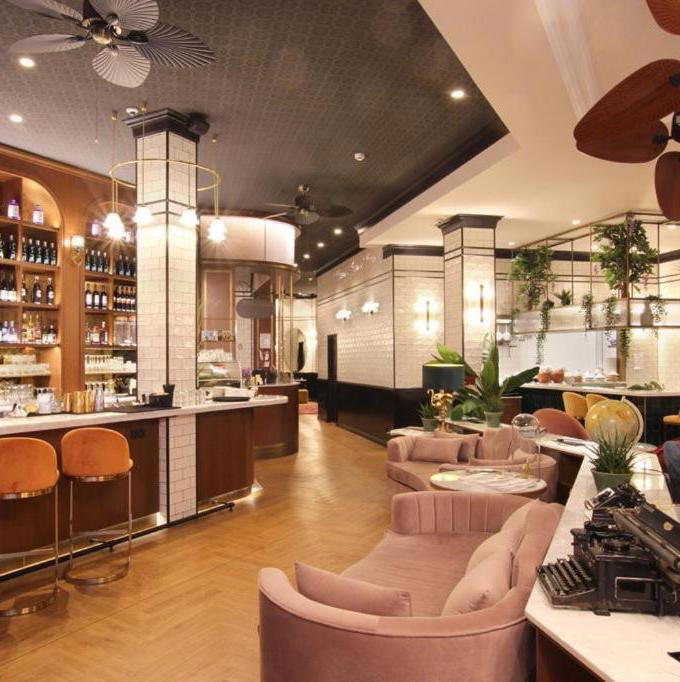
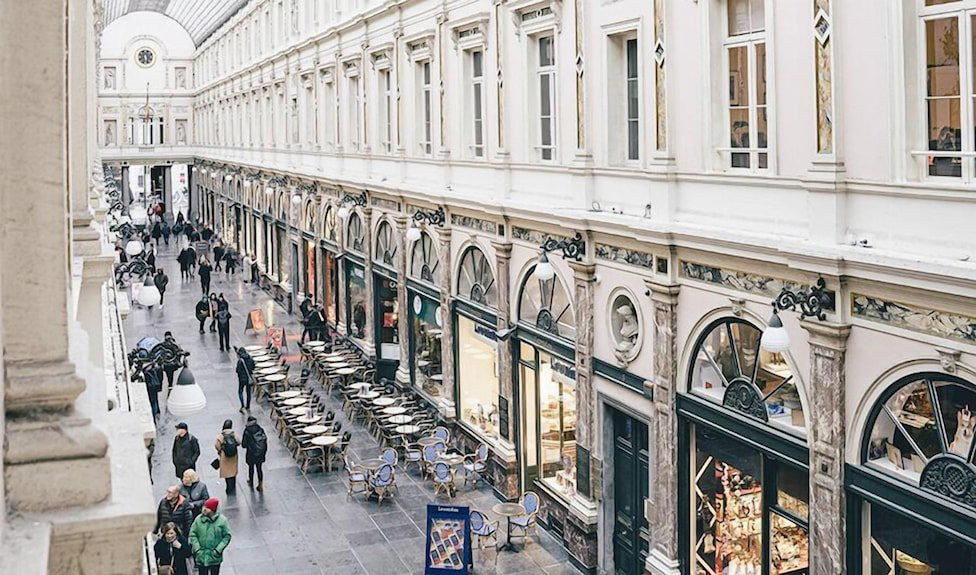
Details
- Elegant
- Cozy
- Modern
- Sophisticated
- Intimate
- Date Night
- Business Dinner
- Special Occasion
- Open Kitchen
- Panoramic View
- Extensive Wine List
- Local Sourcing
- Skyline
- A La Carte
- Vegetarian Friendly
- Vegan Options
- Gluten Free Options
Current opening hours
- Monday
- 12–2 PM, 6–8:30 PM
- Tuesday
- 12–2 PM, 6–8:30 PM
- Wednesday
- 12–2 PM, 6–8:30 PM
- Thursday
- 12–2 PM, 6–8:30 PM
- Friday
- 12–2 PM, 6–8:30 PM
- Saturday
- Closed
- Sunday
- Closed
Hours can change for holidays and private events. Last verified .
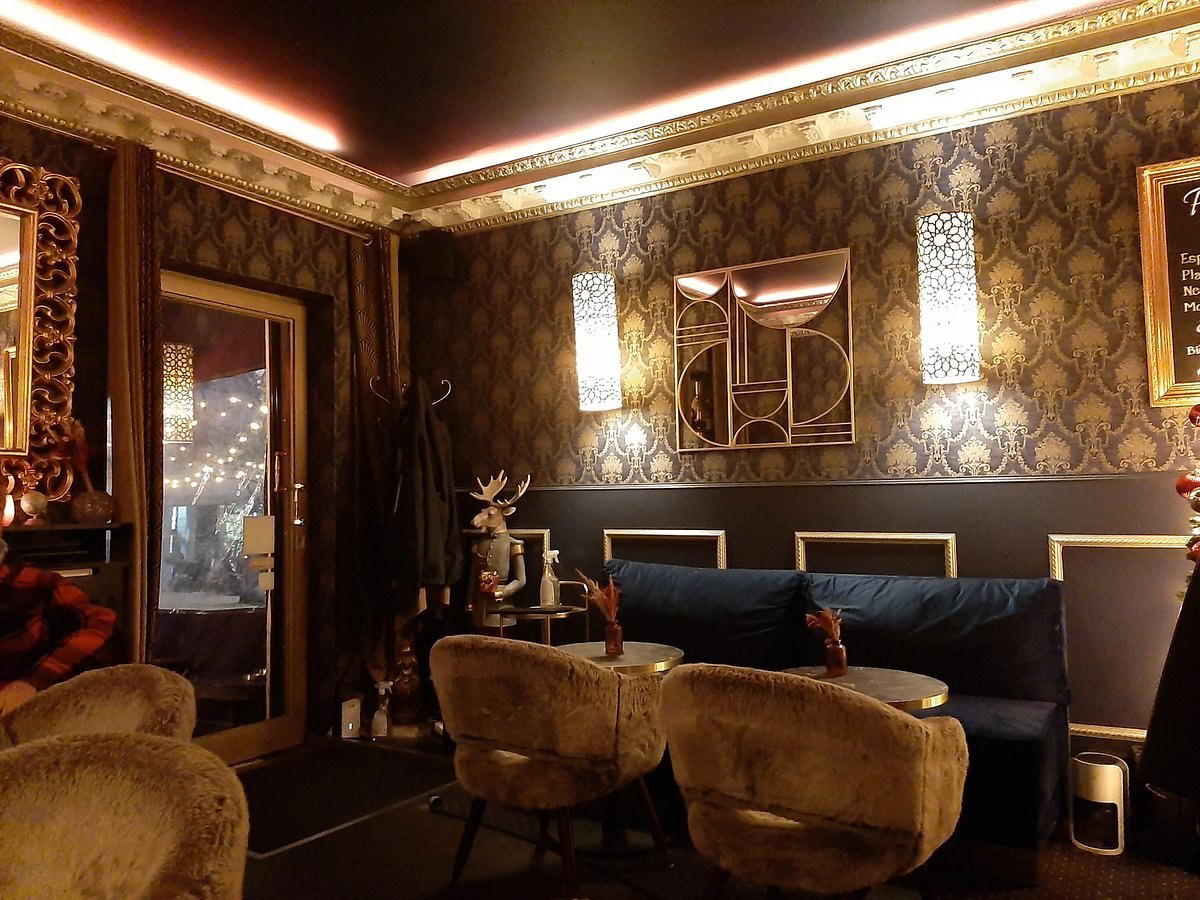
Cozy and homely setting in the Miele Cooking Lab with large windows offering far-reaching views, warm lighting, and an intimate atmosphere.