a'Muze sits on Gasthuisstraat in Opwijk, a Flemish Brabant town that rarely appears on international dining itineraries but draws a devoted local following for precisely that reason. The restaurant occupies a tier of Belgian fine dining where ingredient provenance and regional produce inform the kitchen's direction as clearly as any formal technique. For those plotting a serious eating trip through Flanders, it warrants the detour.
Pearl is the En Primeur Club membership app — saves, bookings, and concierge access live there. Same editors, same standards.
- Address
- Gasthuisstraat 12, 1745 Opwijk, Belgium
- Phone
- +3252353536
- Website
- a-muze.be
- Directions
- Get directions
 Saves & bookings on Pearl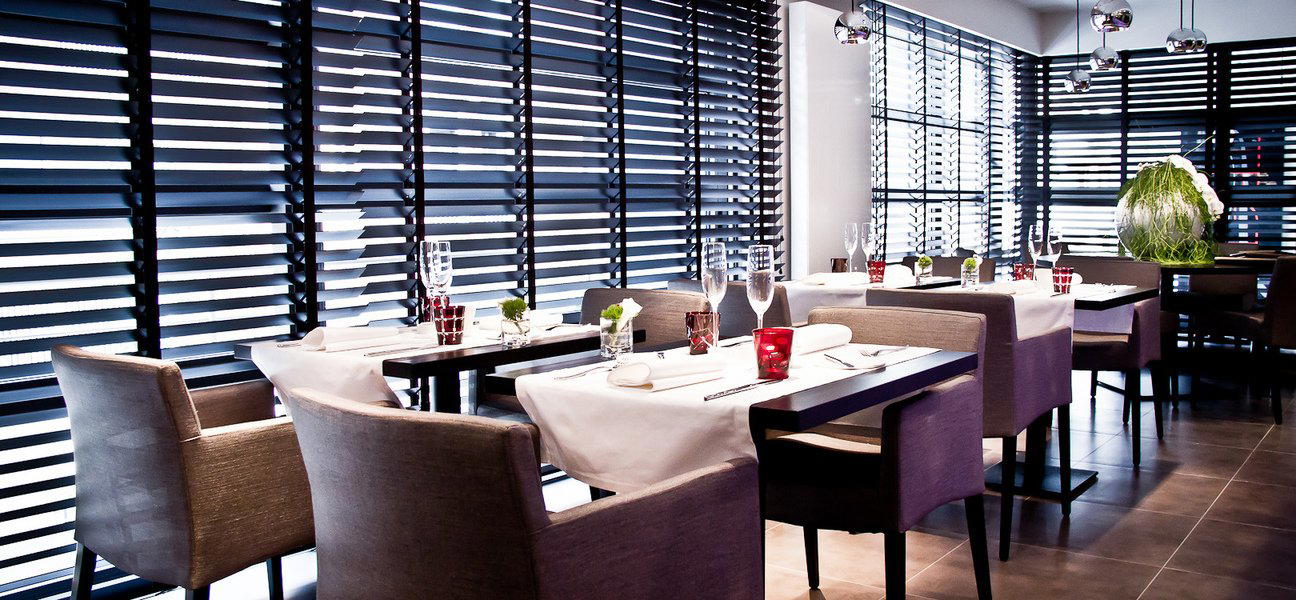
A Flemish Village Table That Takes Its Sources Seriously
Opwijk is the kind of Flemish Brabant municipality that does not announce itself. The town sits roughly midway between Brussels and Ghent, close enough to both that serious diners from either city have made the case for the drive, yet distinct enough from both that it operates on its own quiet register. Gasthuisstraat 12 is a residential address in every sense: the surrounding streets carry the unhurried rhythm of a working Flemish village rather than the ambient noise of a restaurant district. That physical context matters, because it sets the frame for what a kitchen in this location can credibly be.
Restaurants in small Belgian municipalities outside the major cities tend to bifurcate into two types: neighbourhood operations serving classic Flemish comfort food to a loyal local crowd, and more ambitious tables that have made a deliberate choice to bring serious cooking to a place that does not automatically reward it with walk-in trade. a'Muze, at Gasthuisstraat 12 in Opwijk, reads as the latter. The name itself, a play on the word for muse, signals an aspiration toward something considered rather than utilitarian. Whether that aspiration is consistently met is the question worth asking.
Where the Food Comes From, and Why That Shapes the Plate
Belgium's relationship with ingredient sourcing is not incidental to its fine dining culture; it is structural. The country's small geography places a kitchen in Opwijk within reach of North Sea ports, the market gardens of Flanders and Brabant, Ardennes game territory, and the specialist producers that have supplied the country's leading tables for decades. Restaurants at the serious end of the Belgian market, from Hof van Cleve - Floris Van Der Veken in Kruishoutem to Boury in Roeselare, have built their menus around this geographic reality rather than importing a culinary framework from elsewhere and then sourcing to fit it.
A kitchen operating in Opwijk benefits from proximity to the Flemish agricultural belt, where seasonal produce cycles are tight and the gap between field and plate is genuinely short rather than rhetorically so. This matters because ingredient-led cooking in Belgium is not a recent trend imported from Scandinavian influence; it predates that movement and connects to a tradition of market-driven cookery that runs through every serious Belgian table from the brasseries of Brussels to the creative kitchens of West Flanders. Willem Hiele in Oudenburg and Bartholomeus in Heist both demonstrate how coastal proximity shapes menu structure; for a Brabant kitchen, it is the interior agricultural calendar that sets the rhythm.
That rhythm means spring asparagus, summer tomatoes from Flemish glasshouses, autumn game, and the root vegetables that dominate the colder months are not decorative choices but structural ones. A menu in this part of Belgium that ignores the seasonal calendar is unusual; one that leans into it has the full weight of regional tradition on its side.
Opwijk in the Context of Belgian Serious Dining
Belgium's fine dining map has never been exclusively a story of its major cities. The country has a long tradition of ambitious restaurants operating in villages and small towns, often drawing their clientele from a wide catchment rather than a dense local population. Tables like Castor in Beveren, De Jonkman in Sint-Kruis, and Maison Colette in Tongerlo all operate outside urban centres yet maintain reputations that extend well beyond their immediate municipalities. The model works in Belgium in ways it might not elsewhere, because Belgian diners have historically been willing to drive for a serious meal in a way that diners in more centralized food cultures sometimes are not.
Opwijk fits into this pattern. Clay is among the other Opwijk addresses worth knowing; for a fuller picture of what the town and its surroundings offer, the full Opwijk restaurants guide provides useful orientation.
At the regional level, the comparison set for a restaurant like a'Muze includes not just Flemish peers but the broader Belgian field. Zilte in Antwerp operates at the upper end of the country's fine dining market with full Michelin recognition; L'air du temps in Liernu and Le Chalet de la Forêt in Uccle represent different nodes of the Walloon and Brussels-proximate scenes respectively. Bozar Restaurant in Brussels and d'Eugénie à Emilie in Baudour round out a sense of how geographically distributed serious Belgian cooking has become. Within that spread, a Flemish Brabant address like a'Muze occupies a specific niche: close enough to Brussels to serve the capital's dining public, rooted enough in its Flemish context to draw from the regional ingredient tradition rather than the international hotel-dining template.
For those building a broader Belgian eating itinerary, the comparison is also worth extending internationally: the model of a high-ambition kitchen in a modest municipality echoes what La Durée in Izegem and La Table de Maxime in Our have demonstrated in their respective Belgian contexts, and sits within a European tradition that ranges from rural French Michelin destinations to what venues like Le Bernardin in New York City or Atomix in New York City represent at the other end of the urban-rural spectrum.
Planning a Visit
a'Muze is located at Gasthuisstraat 12, 1745 Opwijk. Opwijk is accessible by road from Brussels in under 30 minutes under normal traffic conditions, and from Ghent in roughly 40 minutes. Given the town's scale, a car is the practical choice; public transport connections exist but require changes and extend journey times considerably. Booking in advance is advisable for any serious Belgian table operating in a small municipality, where covers are limited and the local following tends to fill the calendar.
Fast Comparison
Comparable venues nearby, for context on price, style, and recognition.
| Venue | Cuisine | Price | Notes |
|---|---|---|---|
| a'MuzeThis venue — the venue you are viewing | French-Belgian Fine Dining | $$$ | Not listed |
| Clay | French Contemporary Fine Dining | $$$$ | centrum |
| Mirin | Refined French-Belgian with Asian Touches | $$$ | Roosdaal |
| La Buvette | Modern French-Belgian Bistro | $$$ | Saint-Gilles |
| Vienna | French-Belgian Bistro | $$$ | Lokeren Station |
| DAPPER. | Modern European Fine Dining | $$$ | Nieuw Gent - UZ |

At a Glance
- Cozy
- Elegant
- Intimate
- Date Night
- Special Occasion
- Open Kitchen
- Sommelier Led
Current opening hours
- Monday
- 12–2 PM, 6:30–9:30 PM
- Tuesday
- Closed
- Wednesday
- Closed
- Thursday
- 12–2 PM, 6:30–9:30 PM
- Friday
- 12–2 PM, 6:30–9:30 PM
- Saturday
- 6:30–9:30 PM
- Sunday
- 12–2 PM
Hours can change for holidays and private events. Last verified .
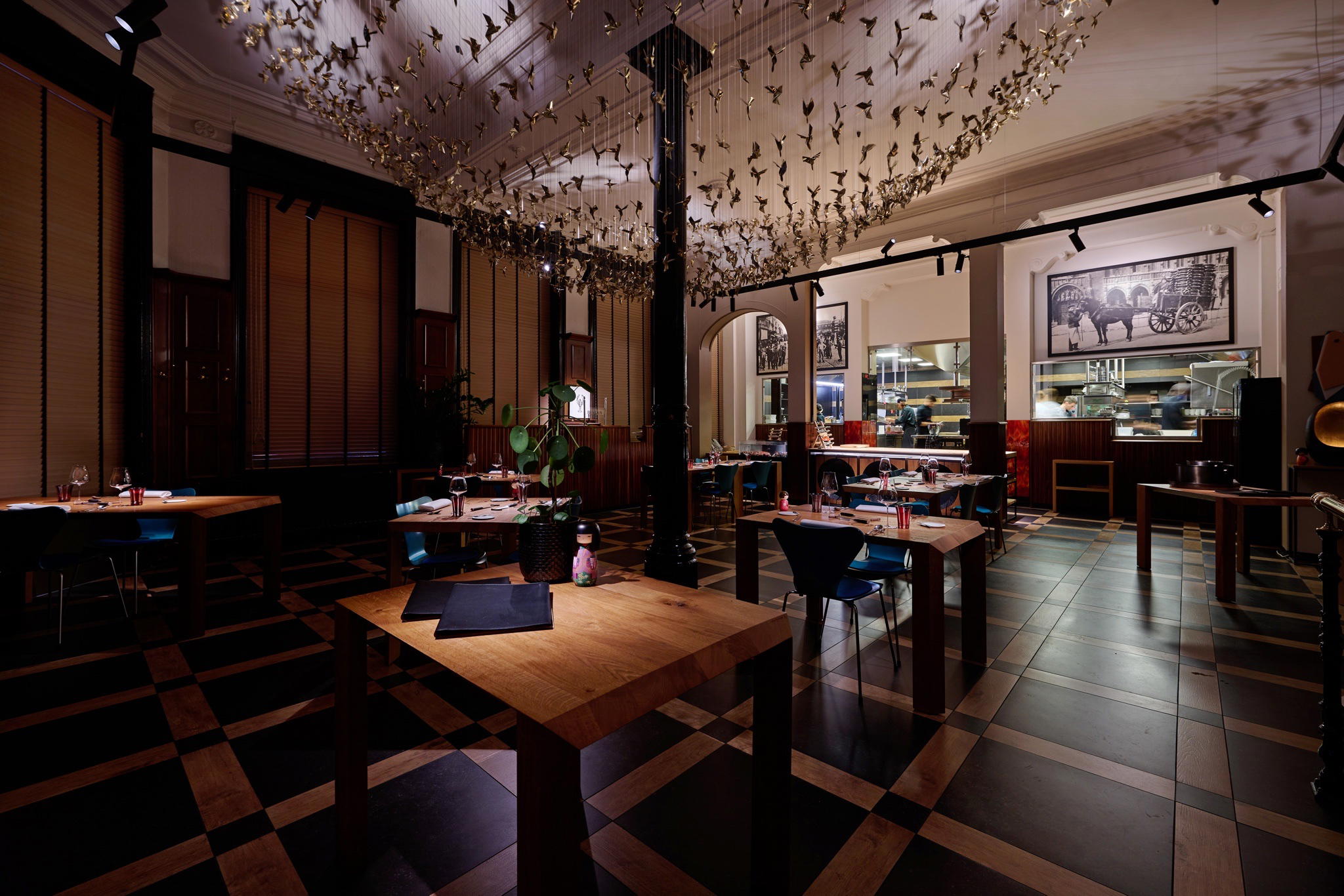
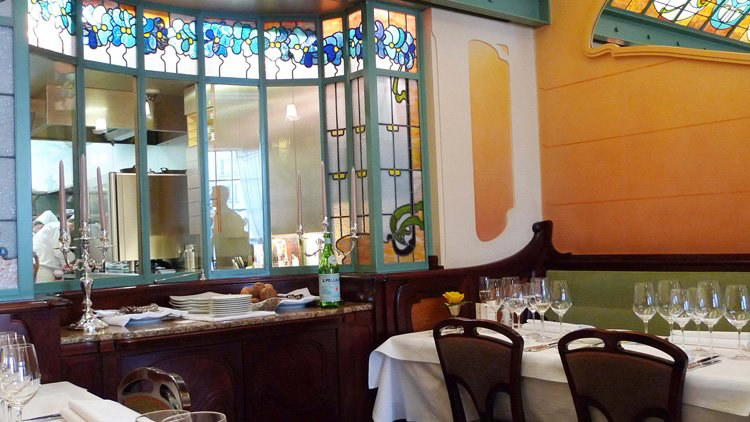
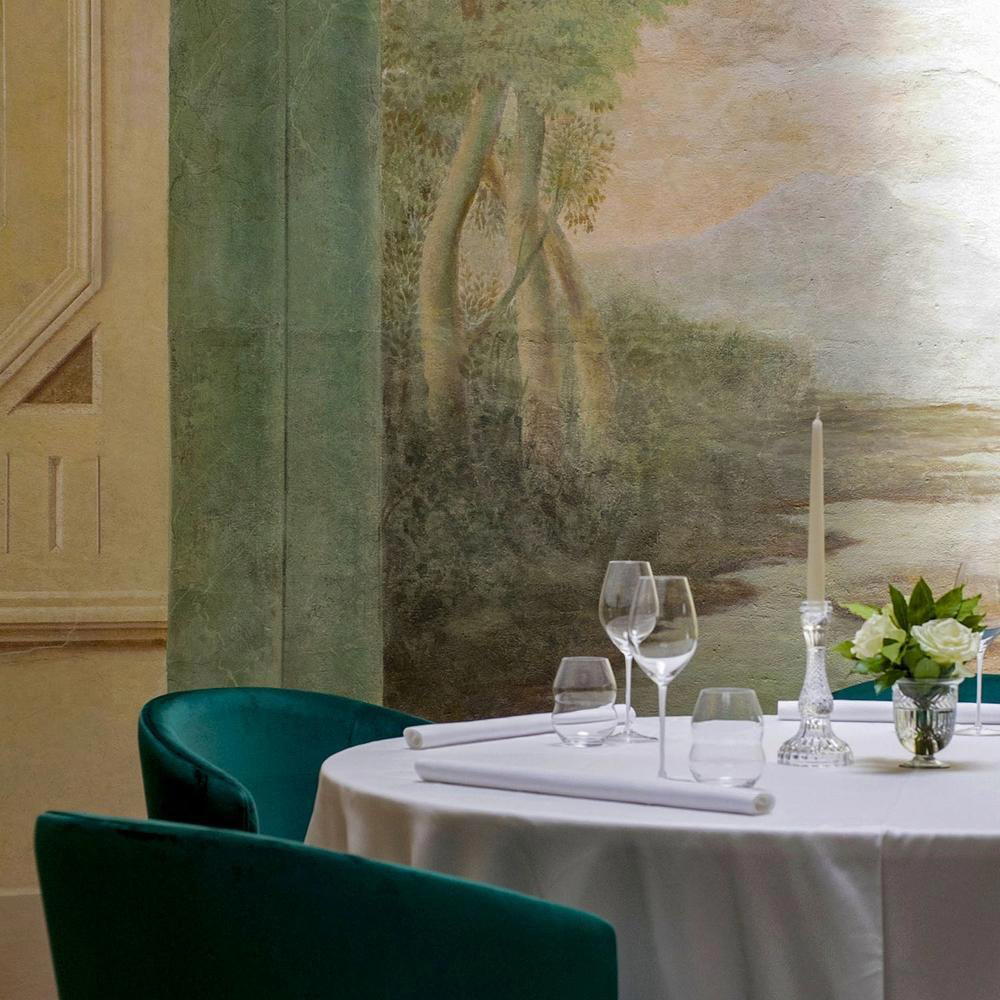
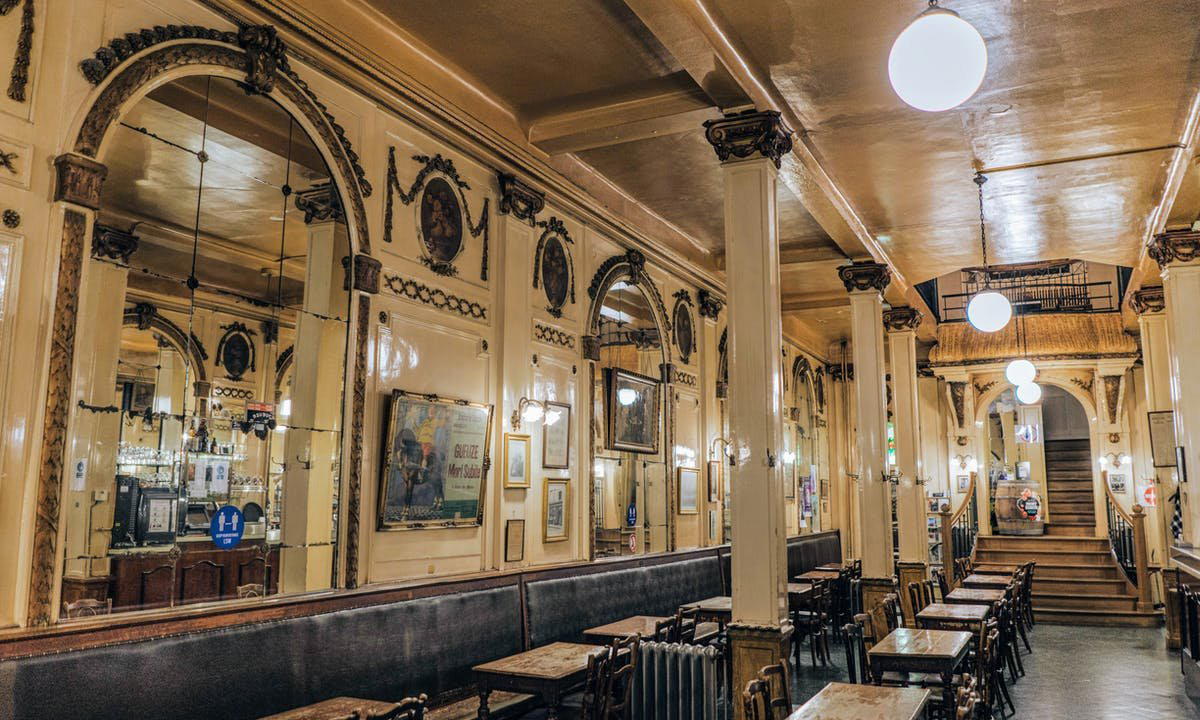
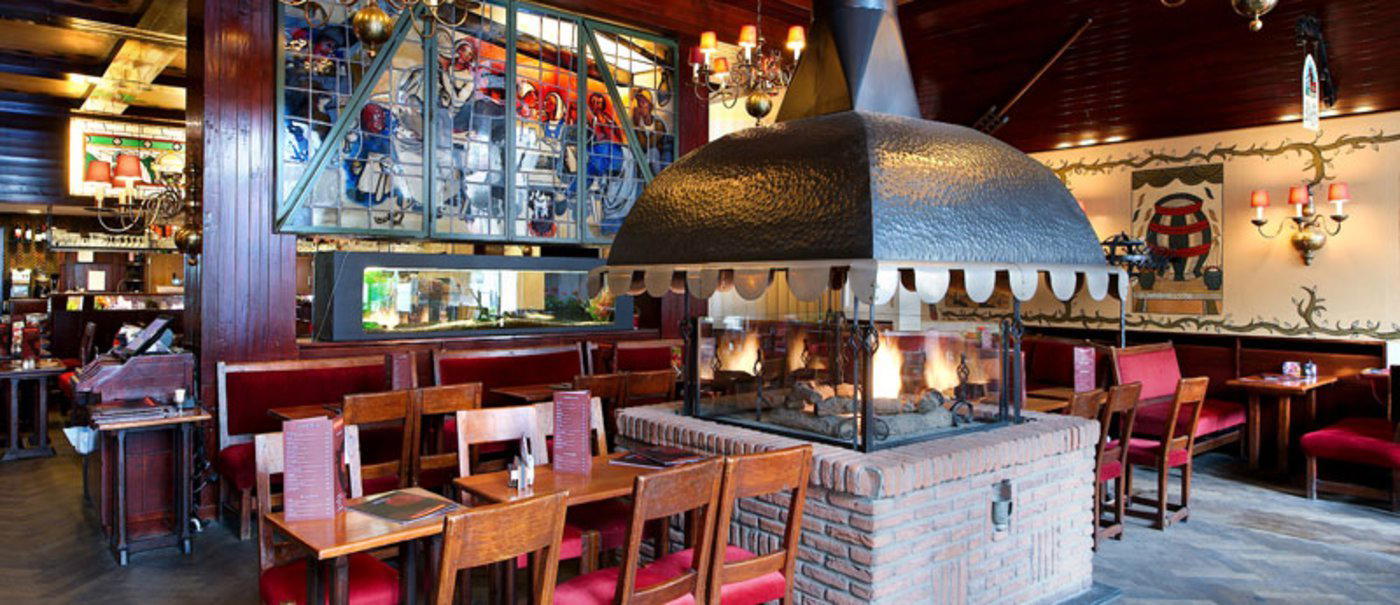
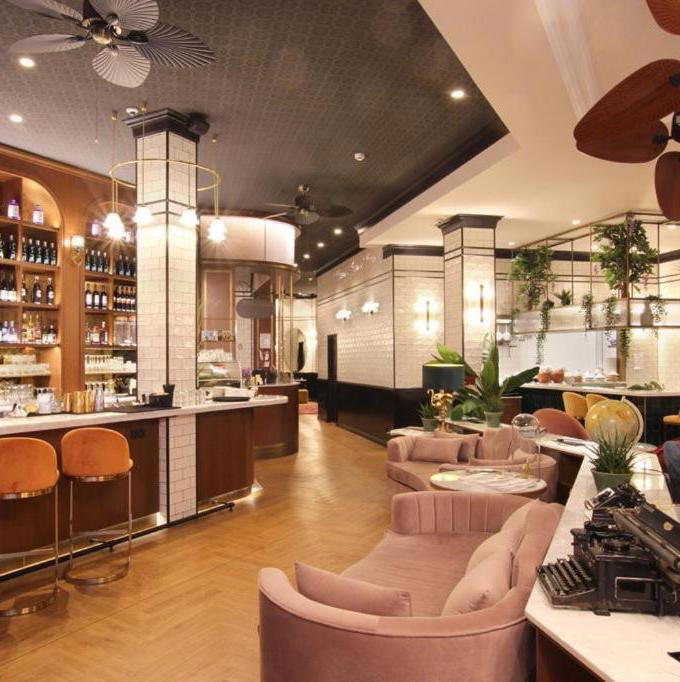
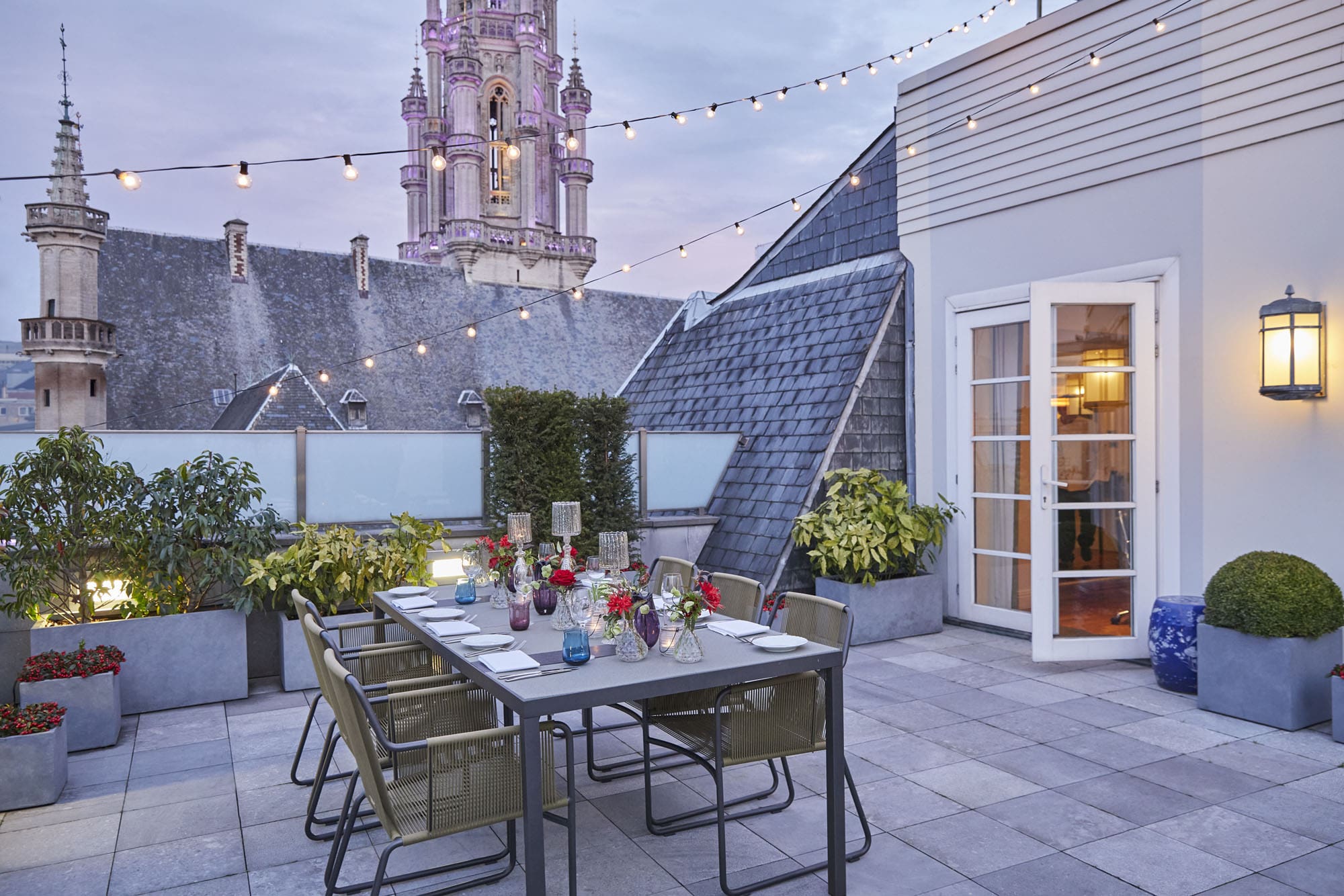
Cozy setting with pleasant lighting, comfortable chairs, and good acoustics for extensive dining.