Our verdict
L'Artista sits on Filderhauptstraße in Stuttgart's southern residential fringe, occupying a quieter register than the city's Michelin-decorated dining rooms without abandoning ambition. The kitchen's emphasis on ingredient provenance places it in a growing cohort of Italian-influenced neighbourhood restaurants where sourcing discipline does more work than spectacle. Practical, direct, and worth knowing about for Stuttgart visitors moving beyond the city's well-documented fine-dining circuit.

Pearl is the En Primeur Club membership app, where members save venues, book tables and use the concierge.

The menu
What to order
- Pizza Salami
- Pizza 4 Formaggi
- Tiramisu
Stuttgart's Southern Dining Fringe and What It Signals
The restaurants that define a city's dining identity are rarely found at its geographical centre. Stuttgart's more discussed kitchens Speisemeisterei, 5, and Délice, operate in formats where four-figure covers and extensive tasting menus are the norm. The more instructive shift in the city over the past several years has been the growth of neighbourhood restaurants on Stuttgart's residential periphery: places that draw from similar sourcing traditions without the ceremony, and where the room feels like it belongs to the street rather than to a dining occasion.
L'Artista, on Filderhauptstraße 12 in the 70599 postcode, sits in this southern district. The address alone says something useful. Möhringen and the surrounding neighbourhoods occupy a different social geography from the Bohnenviertel or the uphill terraces closer to the city's formal restaurant row. Guests arriving here are not walking between courses in a wine bar district; they are in a quieter, more residential Stuttgart, where a restaurant succeeds or fails on its relationship with its immediate community as much as its pull from across the city.
The Sourcing Argument at the Heart of Italian Neighbourhood Cooking
Italian-influenced cooking in Germany has historically occupied two tiers: casual pizza-and-pasta operations built on commodity ingredients, and the smaller category of Italian fine dining rooms that compete with their French counterparts for Michelin recognition. The more interesting space sits between them, restaurants that apply the sourcing rigour associated with the fine-dining tier to formats that remain accessible in price and tone.
This is the context in which ingredient provenance matters most. Across the Italian cooking tradition, the argument for sourcing specificity is unusually strong: Campanian tomatoes, Sicilian capers, aged Parmigiano from regulated consortia, and imported bottarga carry flavour profiles that domestic commodity equivalents cannot replicate. In a neighbourhood format, where the menu is shorter and each dish is more exposed, the quality of individual ingredients does more of the structural work that technique and elaboration handle in multi-course tasting menus.
Germany's better Italian kitchens, whether in Munich or in regional cities like Stuttgart, have increasingly engaged with this logic. The supply chains exist: importers serving Italian communities have long moved quality product into German cities, and the growth of specialist food distributors serving the restaurant trade has made denomination-controlled Italian ingredients more accessible to kitchens outside the fine-dining tier. What determines whether a neighbourhood Italian restaurant uses this infrastructure or defaults to broader-distribution commodity supply is largely a question of intent and cost discipline.
Stuttgart in the Wider German Restaurant Conversation
Understanding L'Artista's position requires some sense of Stuttgart's dining range. The city carries more Michelin weight per capita than most German cities outside Munich and Hamburg. Der Zauberlehrling operates in the creative tier; Hegel Eins has built a following at the modern cuisine end. At the decorated extreme of the German scene, rooms like Schwarzwaldstube in Baiersbronn and Vendôme in Bergisch Gladbach set the standard against which serious German kitchens measure themselves.
L'Artista does not compete in that bracket and is not positioned to. Its neighbourhood address and format place it in a different conversation entirely: the question is not whether it belongs alongside Aqua in Wolfsburg or Victor's Fine Dining in Perl, but whether it delivers on the more local and more immediate promise of a reliable, ingredient-conscious Italian kitchen in a part of Stuttgart that the city's dining press does not routinely cover. That is a narrower claim, but it is an honest one, and it is what neighbourhood restaurants in residential districts are actually being judged against.
For comparison with what disciplined sourcing can achieve at a higher price point and with more formal presentation, the German scene offers useful reference points: ES:SENZ in Grassau and Schanz in Piesport both make provenance central to their editorial identity. Even internationally, kitchens like Le Bernardin in New York and Atomix demonstrate how ingredient sourcing can anchor a restaurant's identity at every price tier.
What to Expect Approaching the Room
Filderhauptstraße is a through-road connecting southern Stuttgart to the wider Filder plateau. The immediate surroundings are residential and commercial rather than destination-oriented, which shapes the experience from the moment of arrival. There is no neighbourhood of complementary bars and wine shops to extend an evening around; the restaurant operates as the primary reason for being in that part of the city.
This is not unusual for neighbourhood Italian restaurants in German cities, and it focuses the experience on the room itself rather than on a broader district. The physical atmosphere at places operating in this format tends to be warm and functional rather than design-forward, with the regulars' familiarity evident in the way tables are settled and paced. Whether L'Artista's room reflects that pattern specifically is something that current visitors are better placed to confirm than published record alone can verify.
Planning a Visit
L'Artista's address in Stuttgart's 70599 district is accessible by public transport via S-Bahn connections to the Möhringen area, or by car from the city centre in under twenty minutes depending on traffic. For a broader orientation to Stuttgart's restaurant range across price tiers and formats, the full Stuttgart restaurants guide covers the city's most-discussed kitchens in context.
Visitors building a Stuttgart dining itinerary around serious cooking would do well to map L'Artista alongside the city's more documented options: Speisemeisterei for creative tasting-menu format, Der Zauberlehrling for a different register of creative cooking, and Hegel Eins for modern cuisine in the mid-to-upper tier. L'Artista occupies a different position in the city's overall picture, but that position is a legitimate one.
Frequently asked questions
Is L'Artista child-friendly?
The residential setting on Filderhauptstraße in Stuttgart's 70599 district suggests a neighbourhood-oriented clientele rather than a formal dining room, which typically means a more relaxed approach to families.
How would you describe the vibe at L'Artista?
The address on Filderhauptstraße, a through-road connecting southern Stuttgart to the Filder plateau, places the restaurant firmly in a residential and commercial corridor rather than a tourist or gastro-district context. That geography tends to produce a local, repeat-customer atmosphere rather than a destination-dining scene. Think neighbourhood anchor rather than special-occasion showcase.
How does L'Artista fit into Stuttgart's broader Italian restaurant scene?
Stuttgart carries more Michelin-listed restaurants per capita than most German cities, yet the southern residential fringe where L'Artista operates on Filderhauptstraße remains less discussed than the city-centre kitchens that attract most critical attention. Italian-influenced cooking in Germany has historically split between commodity-driven casual operations and more considered sourcing-led approaches, L'Artista's position in a residential neighbourhood rather than a high-footfall dining district points toward the latter orientation. For visitors specifically seeking Italian cooking outside Stuttgart's more trafficked areas, the 70599 address is the concrete starting point.
What's the best thing to order at L'Artista?
Italian-influenced kitchens in Stuttgart's southern neighbourhoods have generally leaned on sourcing and simplicity over elaborate plating, so dishes built around a short, seasonal core are worth attention when you visit. Asking the kitchen directly what arrived that week is the most reliable approach at any serious Italian neighbourhood operation.
How do I find L'Artista?
L'Artista is located at Filderhauptstraße 12, 70599 Stuttgart, Germany, Stuttgart.
Quick Comparison
Comparable venues nearby, for context on price, style, and recognition.
| Venue | Cuisine | Price | Notes |
|---|---|---|---|
| L'ArtistaThis venue (the venue you are viewing) | Authentic Neapolitan Pizza | $10–20 | Not listed |
| Valle | Authentic Italian Pizza and Pasta | $20–30 | Gablenberg |
| RAGAZZI | Neapolitan Pizzeria | $20–30 | Gablenberg |
| Italo Disco | Trendy Neapolitan-Style Pizza & Pasta | $20–30 | Heslach |
| Fruchttick | Healthy Salads & Bowls | $10–20 | Gablenberg |
| Il Pomodoro | Authentic Southern Italian Pizza & Pasta | $10–20 | Gablenberg |
Continue exploring
More in Stuttgart
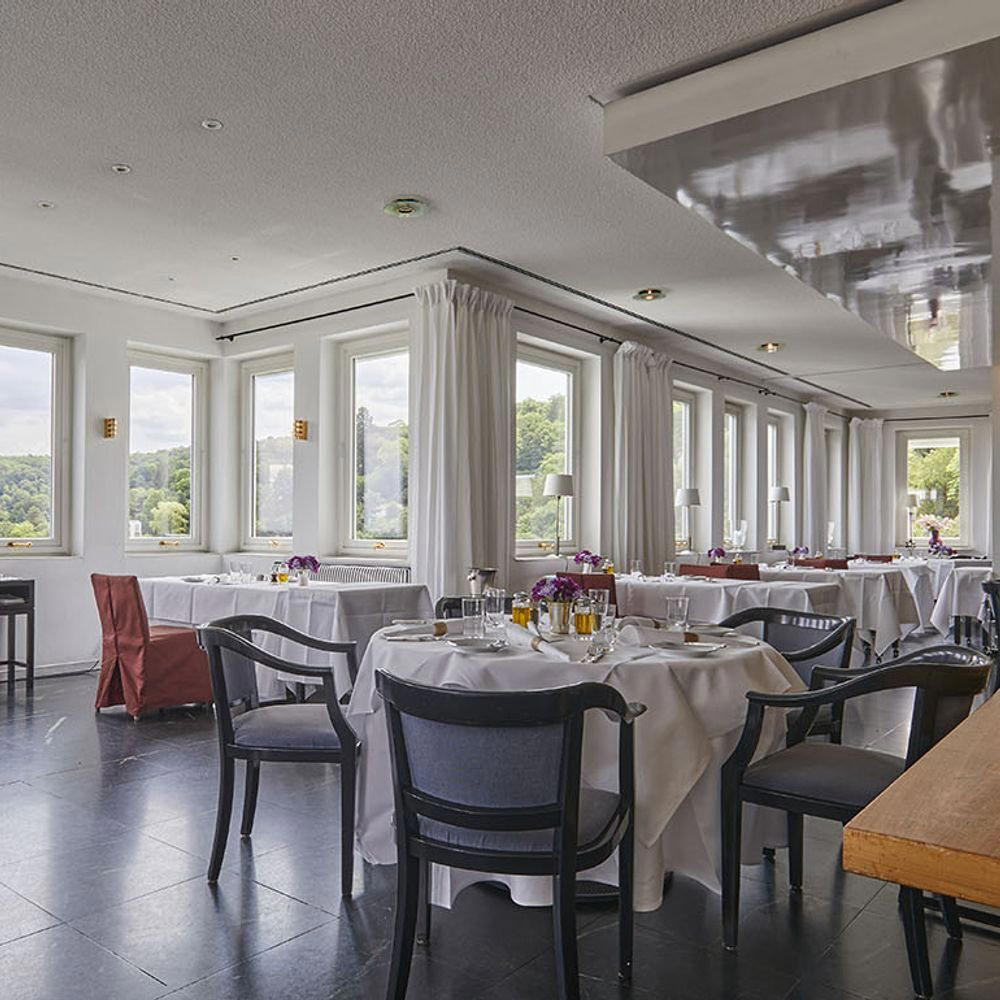
Restaurants in Stuttgart
All restaurants in Stuttgart →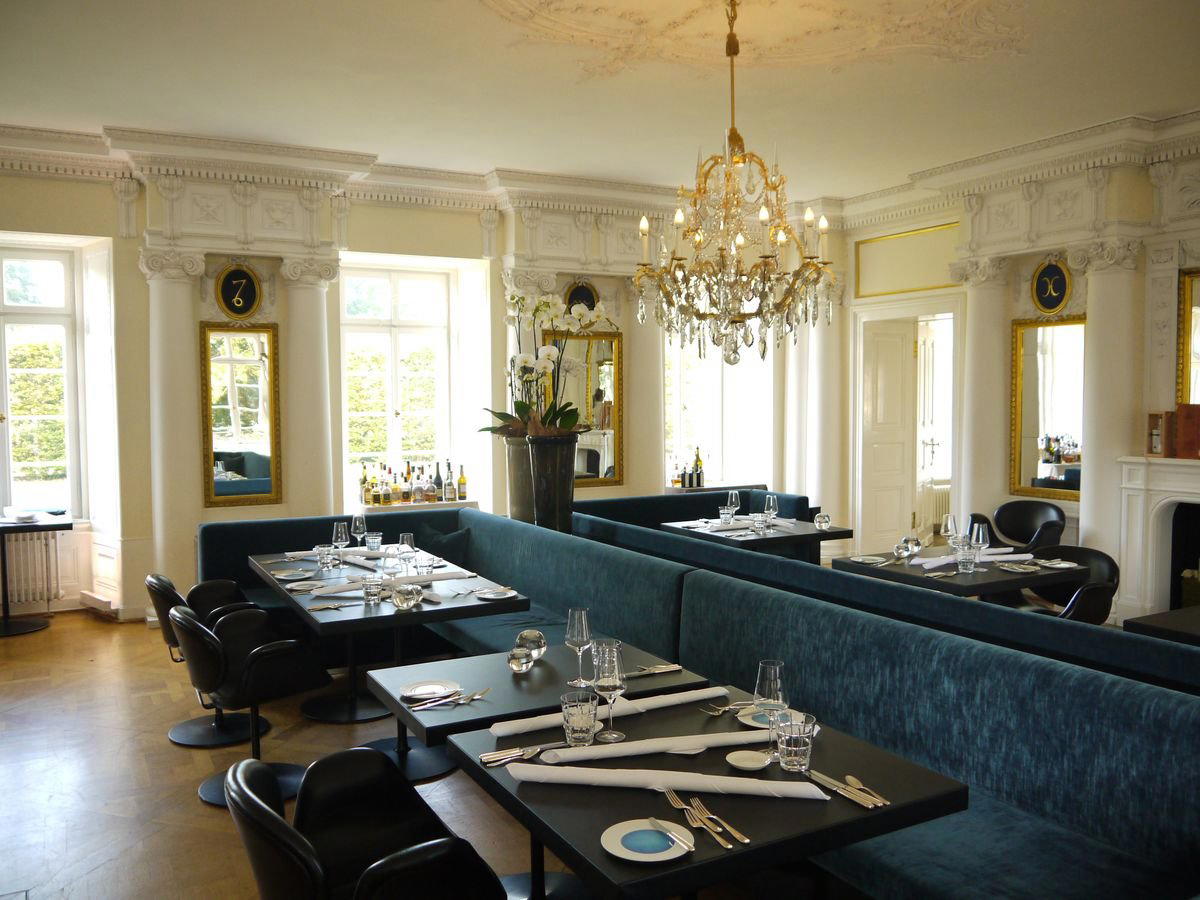

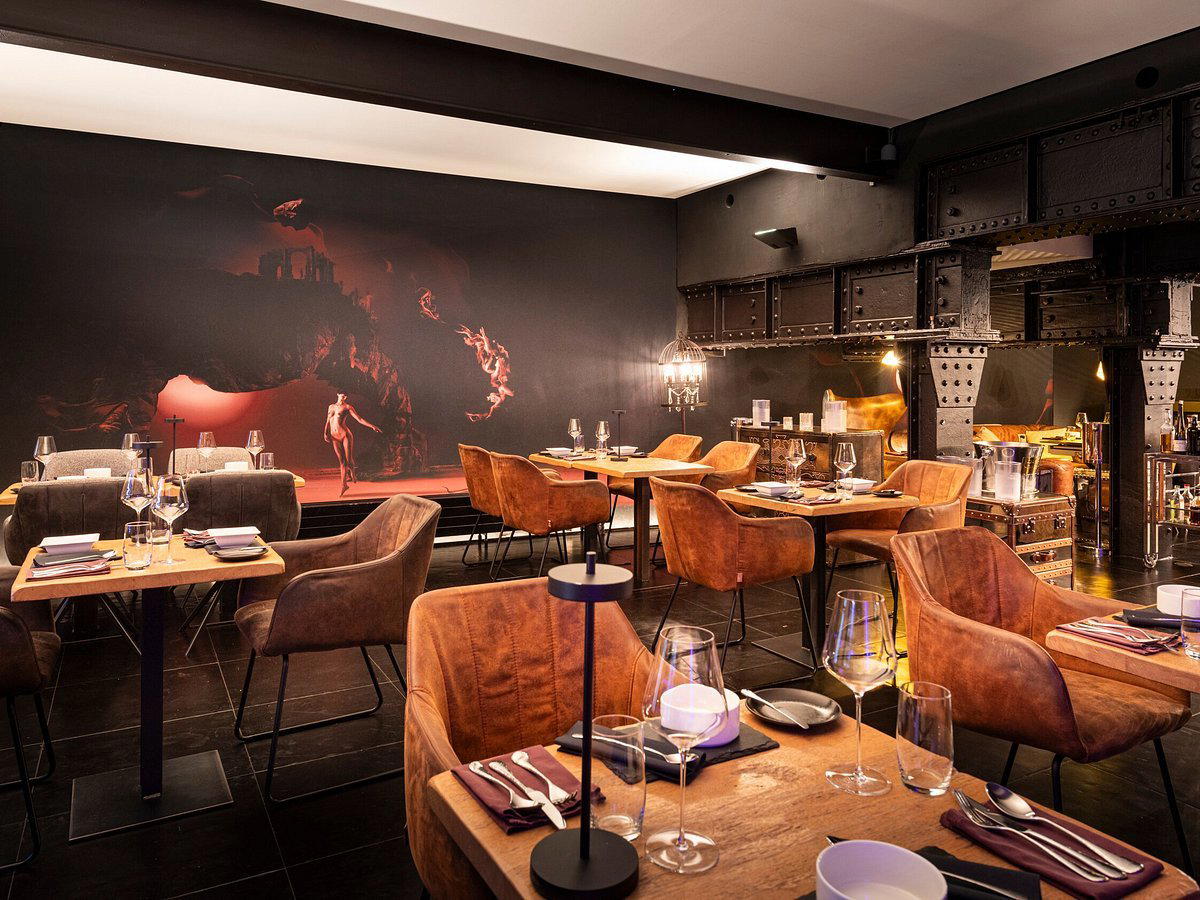
Bars in Stuttgart
All bars in Stuttgart →
Hotels in Stuttgart
All hotels in Stuttgart →

Details
- Lively
- Casual Hangout
- Date Night
- Open Kitchen
- A La Carte
- Vegan Options
- Vegetarian Friendly
Current opening hours
- Monday
- Closed
- Tuesday
- 5–11 PM
- Wednesday
- 5–11 PM
- Thursday
- 5–11 PM
- Friday
- 5–11 PM
- Saturday
- 5–11 PM
- Sunday
- 5–11 PM
Hours can change for holidays and private events. Hours as of .
Lively atmosphere with fast friendly service.