Located beneath Stuttgart's Stadtmitte S-Bahn station at Rotebühlplatz, Andiamore occupies one of the city's more architecturally distinctive dining addresses. The venue sits within Stuttgart's active fine-dining tier, where creative cuisine and collaborative kitchen culture define the leading tables. Current pricing and booking details are best confirmed directly with the restaurant before planning your visit.
Pearl is the En Primeur Club membership app — saves, bookings, and concierge access live there. Same editors, same standards.
- Address
- A-D Im UG S-Bahn Station Stadtmitte, Rotebühlpl. 20, 70173 Stuttgart, Germany
- Phone
- +491755815858
- Website
- andiamore.com
- Directions
- Get directions
 Saves & bookings on Pearl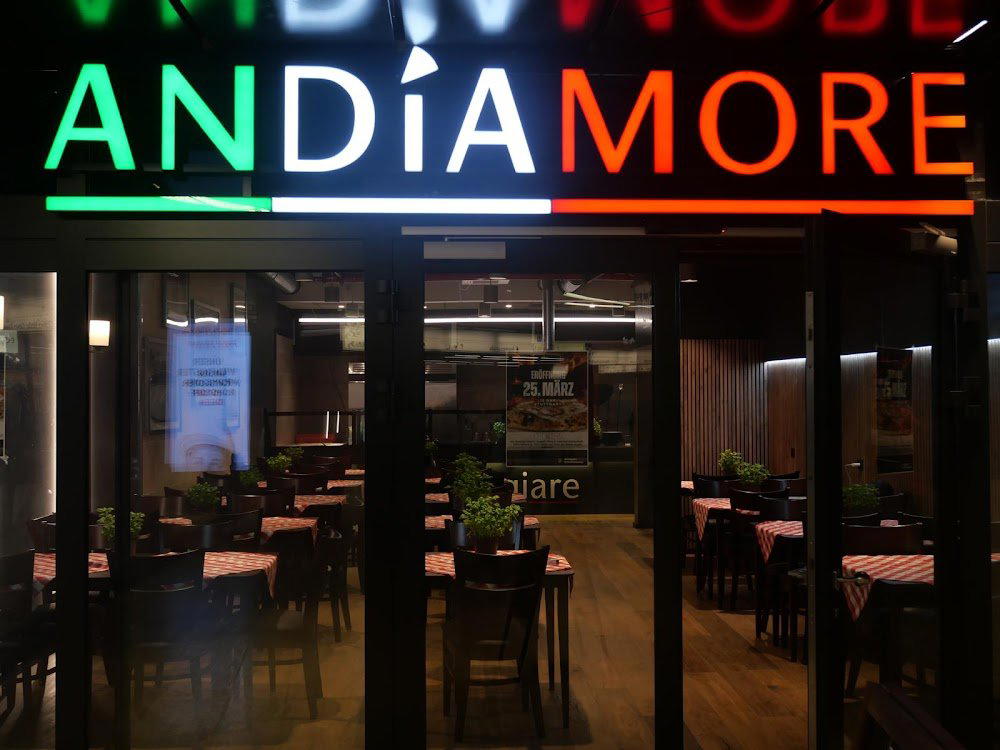
Dining Below Street Level: Stuttgart's Underground Fine-Dining Scene
Stuttgart has quietly built one of Germany's more concentrated dining circuits, spread across a city that tends to understate its own culinary ambitions. The Swabian capital hosts multiple Michelin-decorated tables, a serious wine culture rooted in the surrounding Württemberg vineyards, and a dining public that expects precision without ceremony. Within that context, Andiamore occupies a setting that few city-centre restaurants can claim: the lower ground floor of the Stadtmitte S-Bahn station at Rotebühlplatz, in Stuttgart's 70173 postal district. The approach alone, descending below street level into a dining room carved from functional transit infrastructure, signals that this is not a conventional address.
That physical contrast between the utilitarian shell of a commuter station and the register of a serious restaurant is, in several European cities, a deliberate editorial choice. It strips away the inherited grandeur that older fine-dining addresses carry and places the entire weight of the experience on what happens at the table. Stuttgart's dining circuit has moved in this direction across multiple venues, with particularly considered rooms now defined by service choreography and culinary coherence rather than period architecture or panoramic views.
The Collaborative Framework Behind the Room
Particularly durable fine-dining experiences in Germany's upper tier are increasingly built around team coherence rather than a single dominant personality. The model that produced landmark results at venues like Aqua in Wolfsburg and Vendôme in Bergisch Gladbach relies on a tight alignment between kitchen ambition, floor rhythm, and the wine programme, three departments that can each undermine the others if their signals conflict. At its leading, this produces a meal where the sommelier's pour confirms a decision the kitchen made three courses earlier, and where the front-of-house team reads the table without interrupting it.
Andiamore's position within Stuttgart's fine-dining tier places it in a peer conversation with addresses like Speisemeisterei, which operates at the creative end of the city's offer, and Hegel Eins, which sits in the modern cuisine bracket at the €€€€ price point. Understanding where Andiamore fits within that field requires attention to the specific signals a restaurant sends through its team structure: whether the wine selection reflects the kitchen's flavour direction, whether the service pace is set by the brigade or by the guest, and whether the front-of-house team has the authority to improvise.
These are not small distinctions. In a city where tables like Délice and Der Zauberlehrling have cultivated long-term regulars partly through the consistency of their floor teams, new entrants are judged as much on hospitality culture as on plate quality. The kitchen may set the agenda, but it is the sommelier and the front-of-house lead who determine whether that agenda lands.
Stuttgart's Fine-Dining Tier in Context
Germany's decorated restaurant circuit extends well beyond Munich and Berlin. The southwest corridor, anchored by Baden-Württemberg, has produced some of the country's most sustained fine-dining careers. Schwarzwaldstube in Baiersbronn remains a reference point for the region's classical ambitions, while addresses like ES:SENZ in Grassau and Schanz in Piesport demonstrate how German fine dining has expanded its geographic footprint beyond the obvious urban centres. Stuttgart benefits from proximity to this wider circuit while maintaining its own distinct dining identity, one shaped by Swabian pragmatism, local wine culture, and a long tradition of precision manufacturing that finds its culinary parallel in technically demanding kitchen work.
Internationally, the collaborative team model that defines the upper end of this tradition has parallels at addresses like Le Bernardin in New York City and Lazy Bear in San Francisco, where the front-of-house and kitchen operate as a single designed system rather than parallel departments. That alignment, when it works, is what separates a technically accomplished meal from one that sustains in the memory. Germany's decorated tables have increasingly understood this, and the results are visible in the service culture at venues from Restaurant Haerlin in Hamburg to Victor's Fine Dining by Christian Bau in Perl.
What the Address Tells You About the Offer
A restaurant choosing to operate in a transit station at Rotebühlplatz is making a statement about accessibility, both geographic and conceptual. Stadtmitte is Stuttgart's central district, served directly by the S-Bahn network and within direct reach of the city's hotel corridors. For a fine-dining venue, this is a deliberate positioning choice: the address is easy to reach without being showy, and it places the restaurant within reach of both city residents and visitors staying centrally.
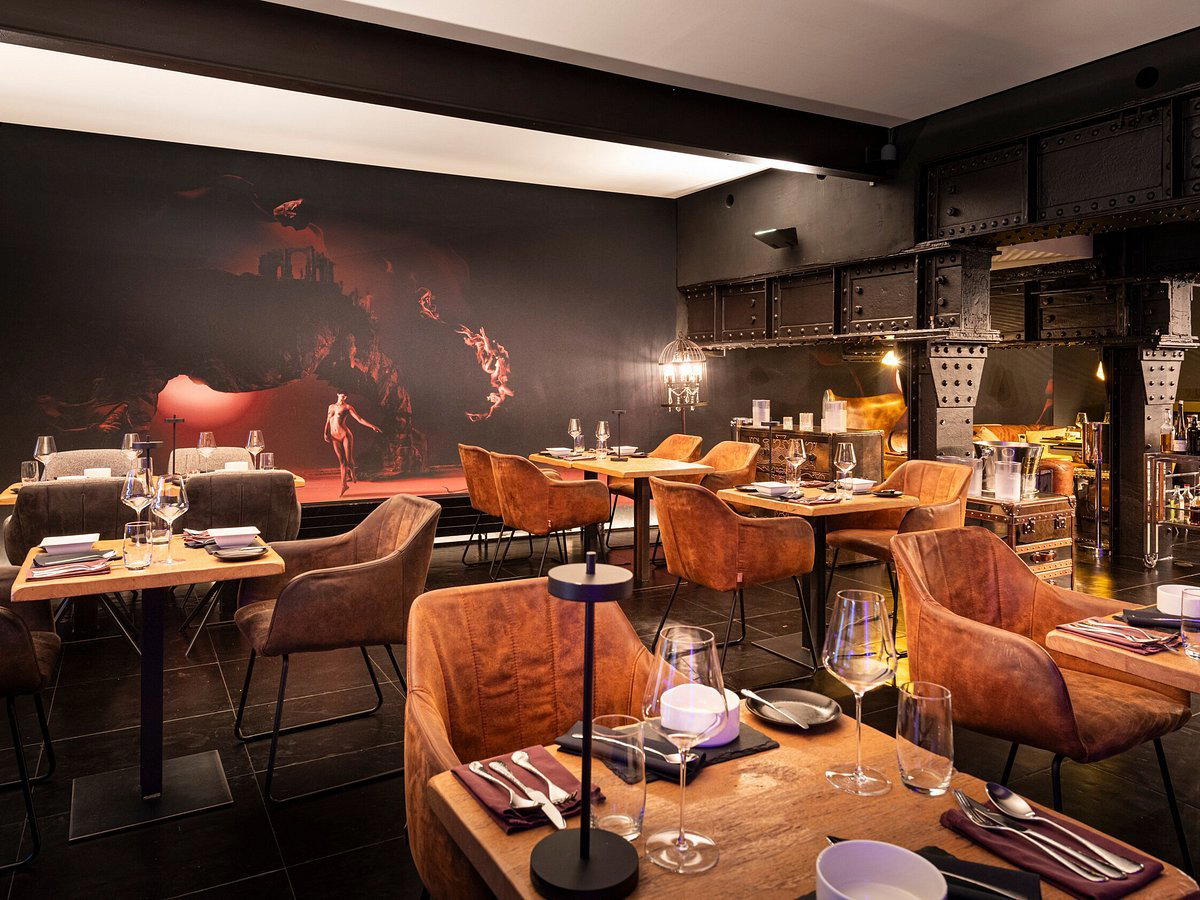
The underground setting carries its own atmospheric logic. Without natural light and without a neighbourhood streetscape to borrow atmosphere from, the room must generate its own internal climate, through lighting, acoustics, table spacing, and service warmth. These are precisely the conditions that test whether a front-of-house team has the skill to create the sense of occasion that an exterior view or a heritage building would otherwise provide automatically. In that sense, the physical constraints of the address are a useful filter: venues that succeed in this kind of setting have earned it through hospitality craft rather than inherited advantage.
For a wider orientation to Stuttgart's dining scene across price points and styles, the Stuttgart restaurants guide maps the city's full offer, from the creative end represented by venues like 5 through to the classic French tradition. Germany's broader fine-dining circuit, including the dessert-forward format at CODA Dessert Dining in Berlin and the modern approach at JAN in Munich, provides additional context for how Andiamore fits within the national picture. The Waldhotel Sonnora in Dreis rounds out the regional reference set for guests calibrating expectations across Baden-Württemberg and the Eifel.
Planning Your Visit
Andiamore's location within the Stadtmitte S-Bahn station at Rotebühlplatz 20 makes it directly accessible from Stuttgart's central rail network, which is the practical starting point for any visit. This applies particularly to guests with dietary requirements or those planning visits as part of a wider Stuttgart itinerary that includes other decorated tables.
Budget and Context
Comparable venues nearby, for context on price, style, and recognition.
| Venue | Cuisine | Price | Notes |
|---|---|---|---|
| AndiamoreThis venue — the venue you are viewing | Not listed | $$ | Not listed |
| Valle | Not listed | $$ | Gablenberg, Authentic Italian Pizza and Pasta |
| RAGAZZI | Gablenberg, Neapolitan Pizzeria | $$ | Not listed |
| vhy in plants we trust | Heslach, Creative Vegan | $$ | Not listed |
| Los Locos Latinos | Weilimdorf, Argentine Steakhouse | $$ | Not listed |
| Il Pomodoro | Not listed | $$ | Gablenberg, Authentic Southern Italian Pizza & Pasta |
Continue exploring
More in Stuttgart
Restaurants in Stuttgart
Browse all →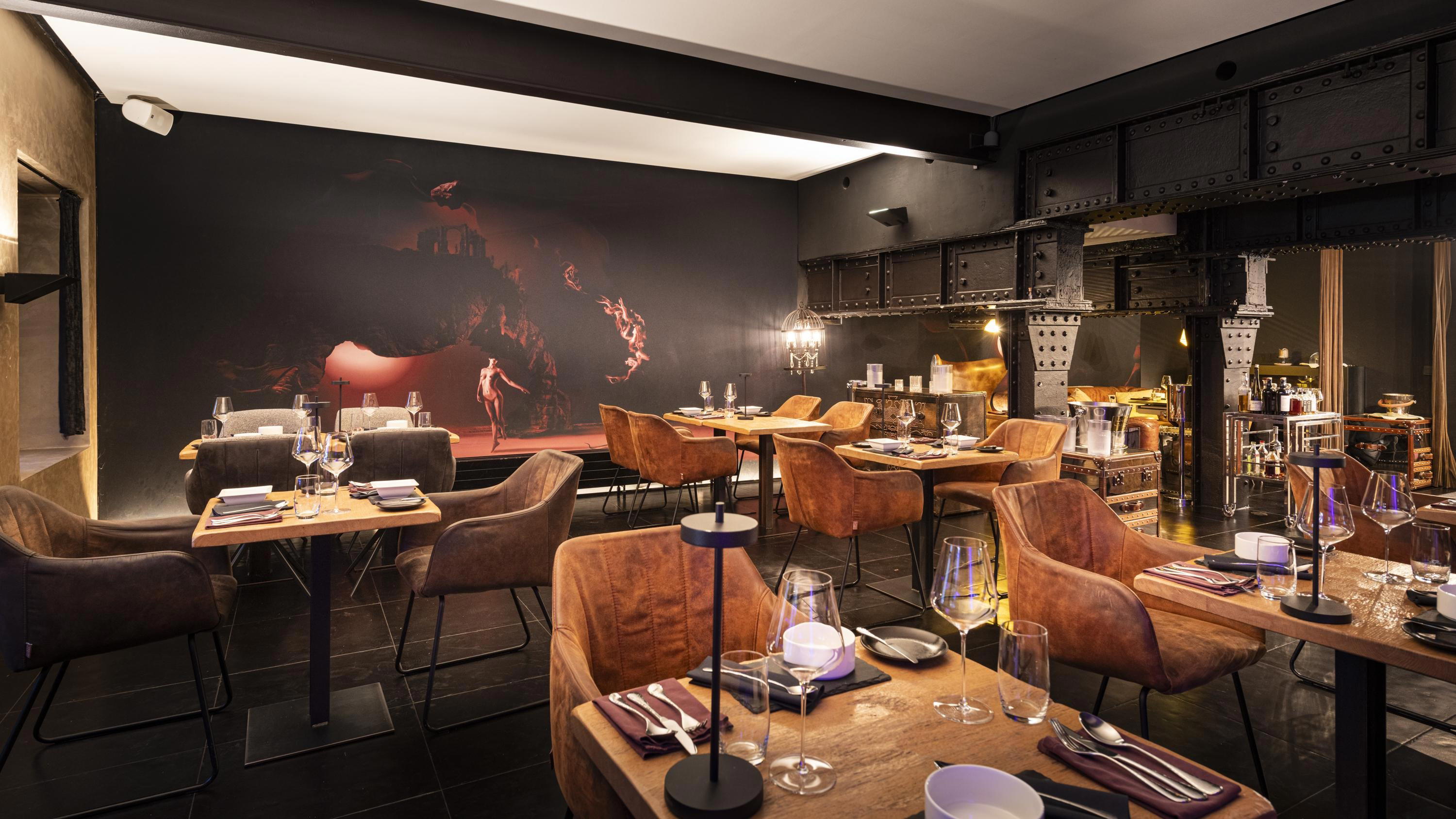
Bars in Stuttgart
Browse all →
Hotels in Stuttgart
Browse all →

At a Glance
- Modern
- Trendy
- Casual Hangout
- Date Night
- Open Kitchen
Current opening hours
- Monday
- 11 AM–8 PM
- Tuesday
- 11 AM–8 PM
- Wednesday
- 11 AM–8 PM
- Thursday
- 11 AM–8 PM
- Friday
- 11 AM–8 PM
- Saturday
- 12–8 PM
- Sunday
- Closed
Hours can change for holidays and private events. Last verified .
Modern, interactive open kitchen atmosphere with focus on fresh preparation.