Il Napoleone all'Allea
Il Napoleone all'Allea sits in Abbiategrasso, a small Lombard town at the agricultural edge of the Milanese hinterland, where the Po Valley's market garden tradition shapes what arrives on the plate. The address on Via Gaetano Negri places it away from the tourist circuits that concentrate on Milan, making it a reference point for ingredient-led cooking in a region that has been feeding the city for centuries.
Pearl is the En Primeur Club membership app — saves, bookings, and concierge access live there. Same editors, same standards.
- Address
- Via Gaetano Negri, 28, 20081 Abbiategrasso MI, Italy
- Phone
- +39292892719
- Website
- ristoranteilnapoleone.it
- Directions
- Get directions
 Saves & bookings on Pearl
Where the Po Valley Sets the Table
The approach to Abbiategrasso from Milan takes you through flat, irrigated farmland that has supplied Lombard kitchens since the medieval period. The canals here, part of the same network Leonardo da Vinci helped engineer, still regulate water across rice paddies and market gardens that feed a region far larger than this quiet town of around 32,000 people. By the time you reach Via Gaetano Negri, the pace has already shifted. It is a destination that announces itself quietly. The architecture is low and civic, the streets functional rather than picturesque, and the restaurant sits within that everyday urban fabric rather than apart from it.
That rootedness in ordinary Lombard life matters for understanding what kind of cooking belongs here. The Po Valley has always operated on a different logic from the tourist-facing kitchens of Tuscany or the prestige amphitheatre of Milanese fine dining. The region's wealth is agricultural first, and the leading local tables have historically reflected that: rice from the Lomellina plain, pork from the Parco del Ticino farms, freshwater fish from the rivers, hard cheese aged in the countryside just north and south. Il Napoleone all'Allea sits in the tradition of Lombard cooking that draws directly from this supply chain rather than constructing one for effect.
Ingredient Territory: The Lombard Hinterland as Larder
Understanding what makes this address relevant to a wider conversation about northern Italian cooking requires a brief map of the surrounding food geography. Abbiategrasso sits within a triangle formed by Milan to the northeast, Pavia to the south, and the Ticino river to the west. Each point of that triangle contributes something specific to the larder. The Ticino valley produces game and freshwater species rarely seen in urban menus. Pavia's province accounts for a significant share of Italian risotto rice, including the Carnaroli and Vialone Nano varieties that define the texture of classic risotto alla Milanese. The dairy belt running through Lodi and Cremona, accessible within an hour, supplies aged Grana Padano and butter-rich fresh cheeses.
This is the context that separates kitchens in the Milanese hinterland from their city counterparts, where ingredient sourcing tends to be more cosmopolitan and seasonality more curated than instinctive. The restaurants Italy tends to celebrate at the highest tier, from Dal Pescatore in Runate in the Mantuan countryside to Piazza Duomo in Alba in the Langhe, share a quality of deep territorial anchoring: the cooking reads as a direct expression of a specific agricultural zone rather than a portable aesthetic applied anywhere. The hinterland around Abbiategrasso has the raw material for that kind of table. Whether any given kitchen builds it is a question of commitment as much as geography.
The Lombard Dining Mode Beyond Milan
Milan's restaurant scene has moved steadily toward a narrow premium tier over the past decade. The concentration of multi-starred addresses at the city's centre, places like Enrico Bartolini operating within the Mudec complex, has raised the floor price for serious dining inside the ring road while pushing mid-tier cooking toward an informal register. That bifurcation has opened space in the surrounding towns for a different kind of proposition: locally anchored, unhurried, priced for residents as much as visitors.
Abbiategrasso fits that pattern. A town at this scale sustains restaurants differently from a city. The pressure toward concept-driven formats and high-end tasting menus is lower; the expectation of honest seasonal cooking in a recognisable Lombard idiom is higher. The comparison set for a serious address here is not Osteria Francescana in Modena or Le Calandre in Rubano, where progressive Italian cooking operates at a European scale. It is closer to the network of Lombard trattorie and osterie that maintain regional craft without chasing trophies.
For visitors travelling between Milan and the Lomellina wine zone or the Oltrepo Pavese, Abbiategrasso makes a logical stop. The town is roughly 22 kilometres southwest of Milan's centre, accessible via the SS494 road or regional rail from Porta Genova. Day-trippers from the city have treated it as a lunch destination for generations, a pattern that holds wherever a town offers serious cooking at prices structurally below the urban premium. See our full Abbiategrasso restaurants guide for the broader picture of what the town offers.
Placed in the Northern Italian Conversation
The range of serious Italian restaurants operating outside the main tourist axes is broader than the international press tends to suggest. Coverage naturally concentrates on the prestige addresses: Enoteca Pinchiorri in Florence, La Pergola in Rome, Villa Crespi in Orta San Giulio. But the fabric of Italian dining at its most honest is woven from the mid-sized towns and agricultural communities where cooking is less performative and more functional: feeding a community from its own land.
The northern Italian hinterland has a particular density of this kind of cooking. Da Vittorio in Brusaporto, operating from a Bergamo suburb rather than a city address, is one model of how an out-of-centre Lombard kitchen can build serious standing. Casa Perbellini 12 Apostoli in Verona is another example of how a regional city outside the Milan-Rome axis sustains ambitious cooking with local rather than international clientele. For comparison beyond Italy's borders, ingredient-driven precision at a distance from metropolitan centres is equally visible in formats like Atelier Moessmer Norbert Niederkofler in Brunico, where the Alpine larder defines the menu in much the same way the Po Valley defines kitchens in the Lombard plain.
Planning a Visit
Via Gaetano Negri, 28 is the address for Il Napoleone all'Allea. Abbiategrasso is reachable by regional train from Milan Porta Genova in under 40 minutes, and by car the journey from Milan's centre runs approximately 30 minutes outside peak hours. For current opening hours, booking options, and seasonal closures, check directly with the restaurant.
At-a-Glance Comparison
Comparable venues nearby, for context on price, style, and recognition.
| Venue | Cuisine | Price | Notes |
|---|---|---|---|
| Il Napoleone all'AlleaThis venue — the venue you are viewing | Traditional Italian Pizza & Ristorante | $$ | Not listed |
| The Lido | Italian Lakeside Pizzeria & Beach Club | $$ | Cernobbio |
| Arso Trattoria Moderna | Traditional Roman Trattoria | $$ | .null |
| Con Le Mani | Neapolitan Pizza | $$ | Arese |
| Eggs Milano | Roman Egg-Focused Trattoria | $$ | Brera |
| Marghe Pizza | Neapolitan Pizza | $$ | Xxii Marzo |
Continue exploring
More in Abbiategrasso
Restaurants in Abbiategrasso
Browse all →
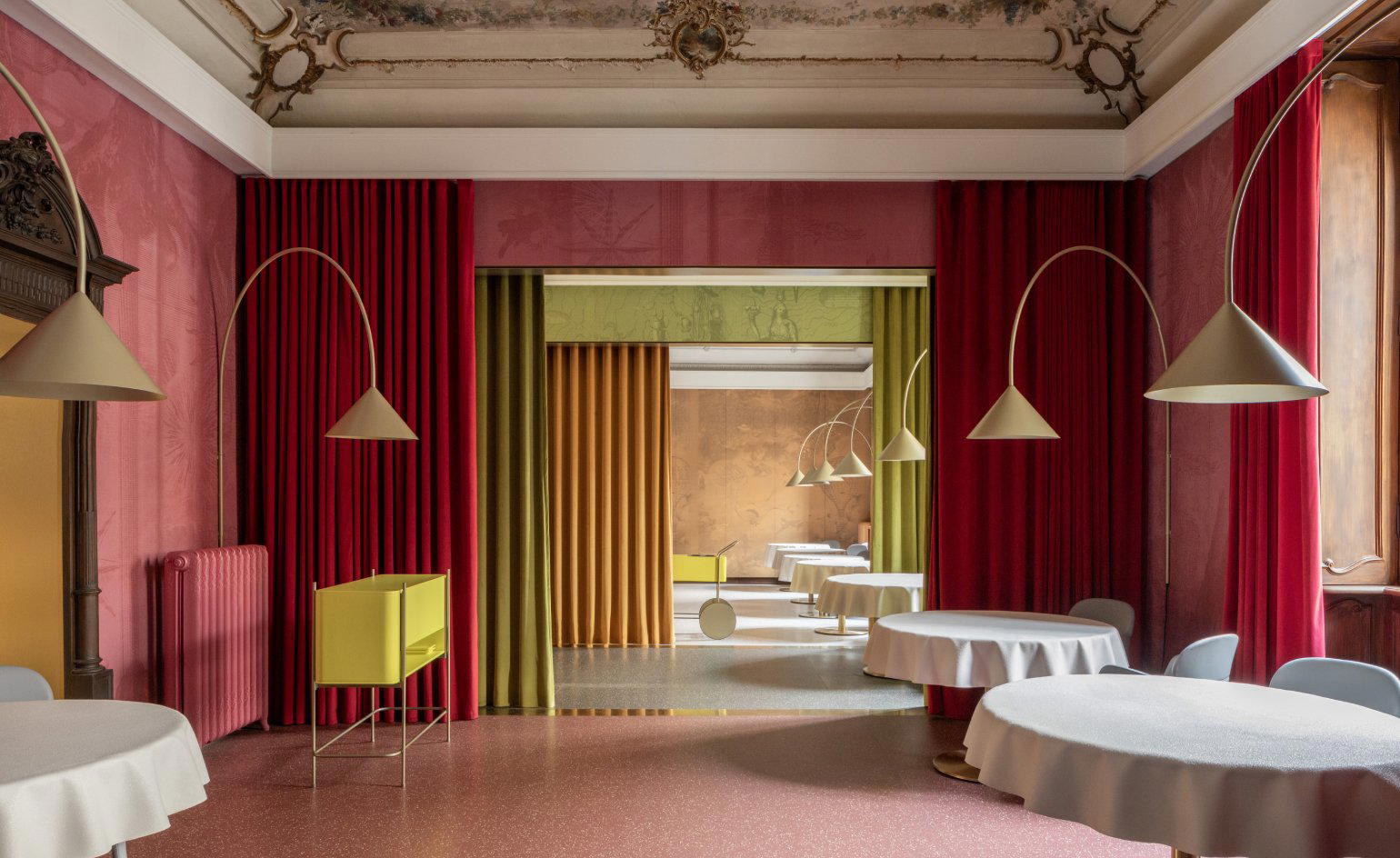
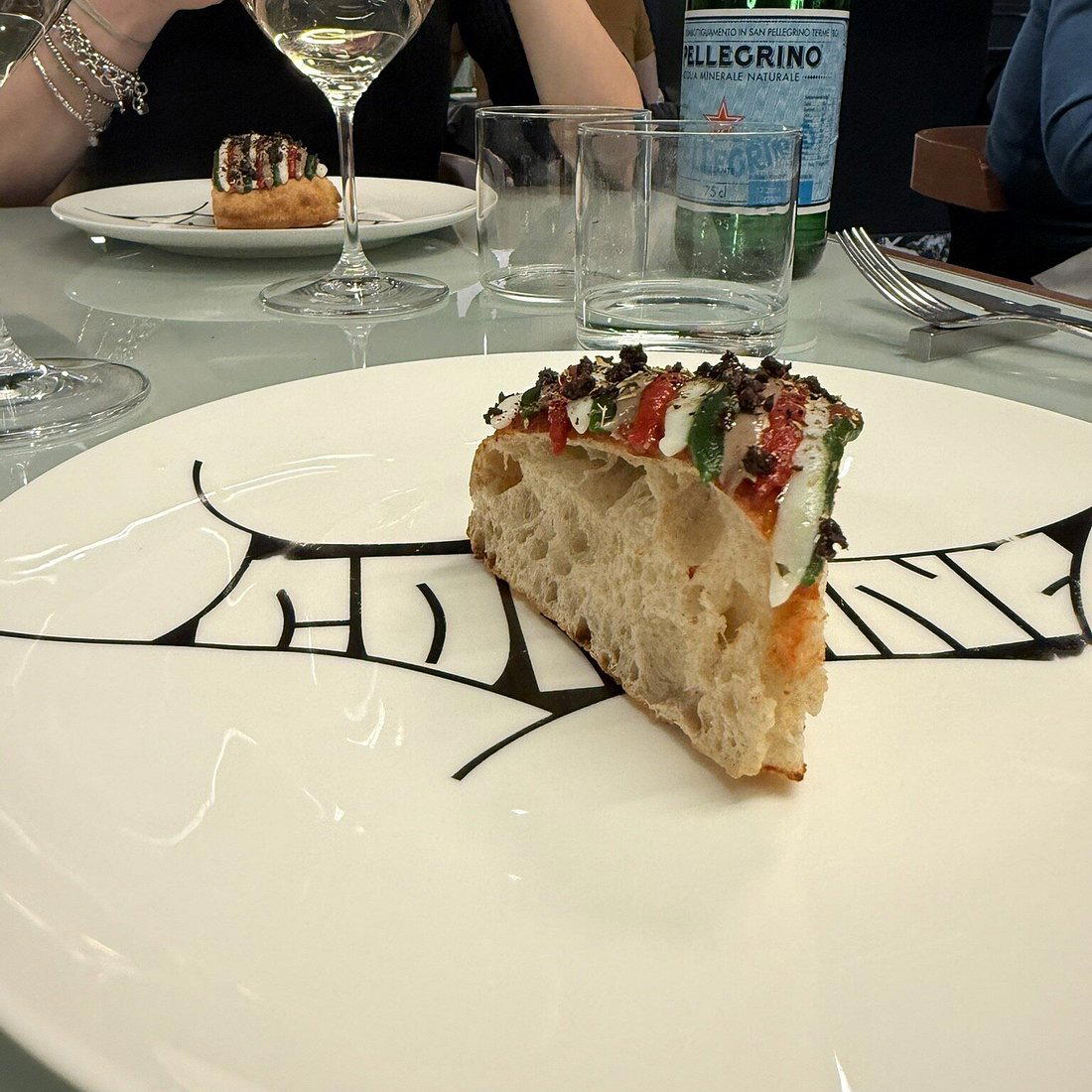
Bars in Abbiategrasso
Browse all →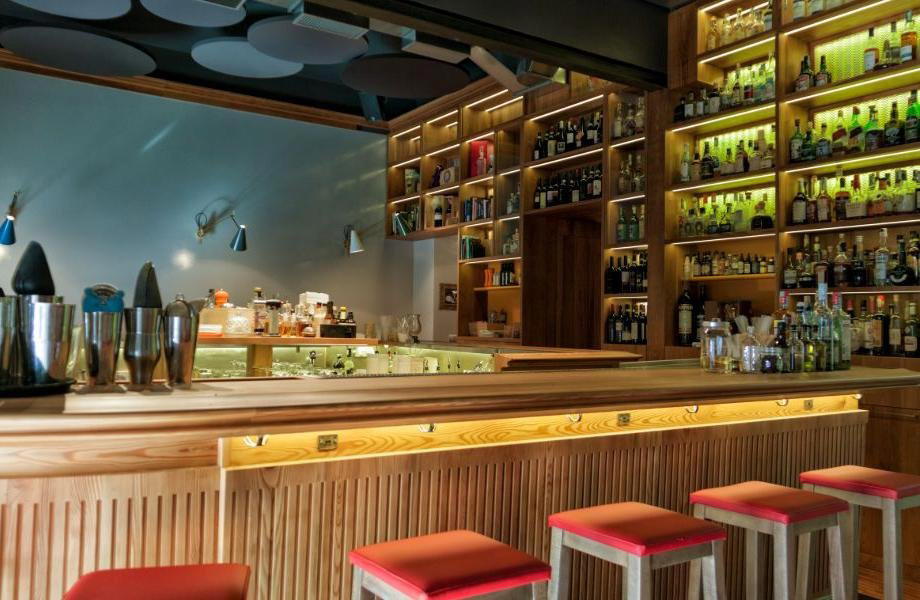
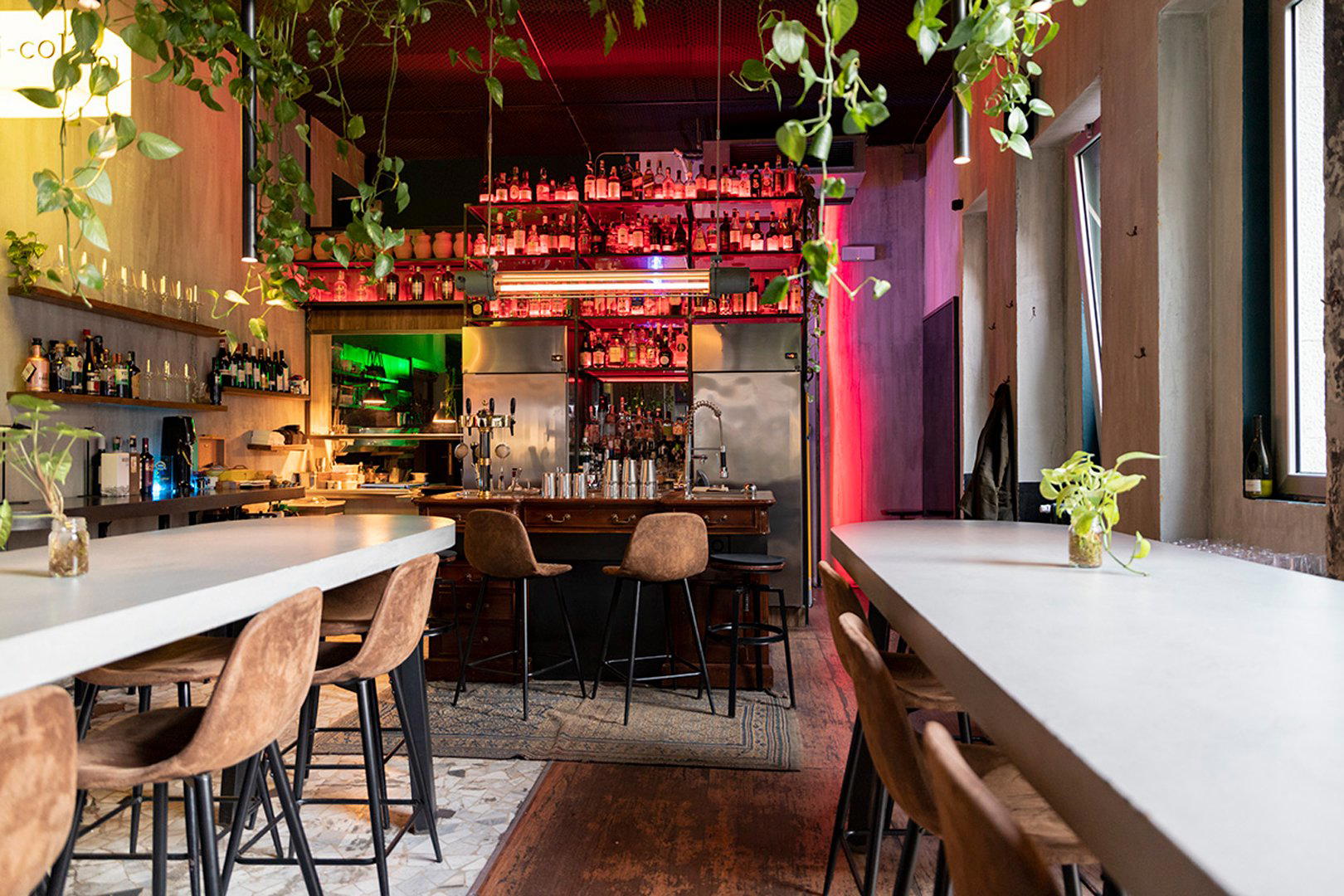
Hotels in Abbiategrasso
Browse all →

At a Glance
- Classic
- Cozy
- Rustic
- Family
- Casual Hangout
- Historic Building
- Local Sourcing
Current opening hours
- Monday
- 12:15–2:30 PM, 7:15–11 PM
- Tuesday
- Closed
- Wednesday
- 7:15–11 PM
- Thursday
- 12:15–2:30 PM, 7:15–11 PM
- Friday
- 12:15–2:30 PM, 7:15–11 PM
- Saturday
- 12:15–2:30 PM, 7:15–11 PM
- Sunday
- 12:15–2:30 PM, 7:15–11 PM
Hours can change for holidays and private events. Last verified .
Warm and welcoming atmosphere with a classic, cozy feel in a historic setting.