Il Chiostro
Il Chiostro serves Italian pizza at Corso C. Battisti, 72, with Chiostro and S.P.K.T. on the menu; casual, conversational service suits lunch or dinner.
Pearl is the En Primeur Club membership app — saves, bookings, and concierge access live there. Same editors, same standards.
- Address
- Corso C. Battisti, 72, 37058 Sanguinetto VR, Italy
- Phone
- +39442365472
- Website
- ilchiostropizzeria.it
- Directions
- Get directions
 Saves & bookings on Pearl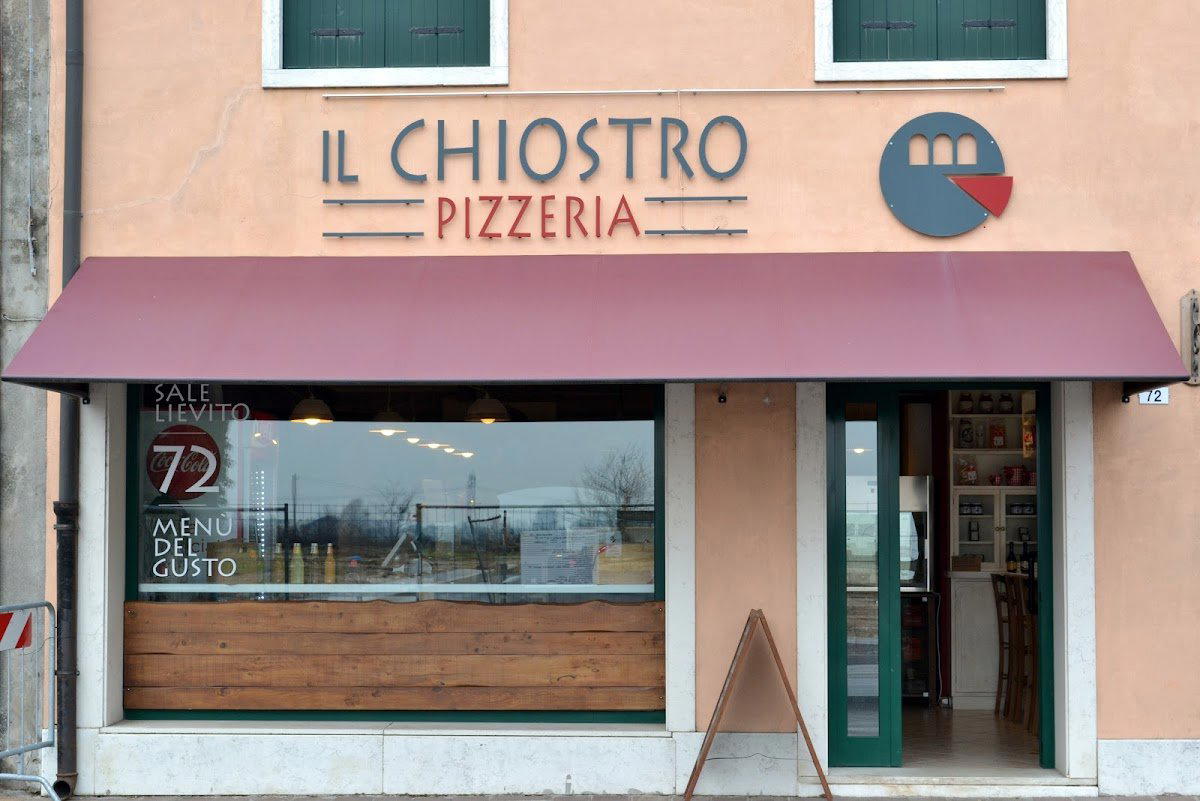
A Courtyard Address in the Veneto's Quiet Interior
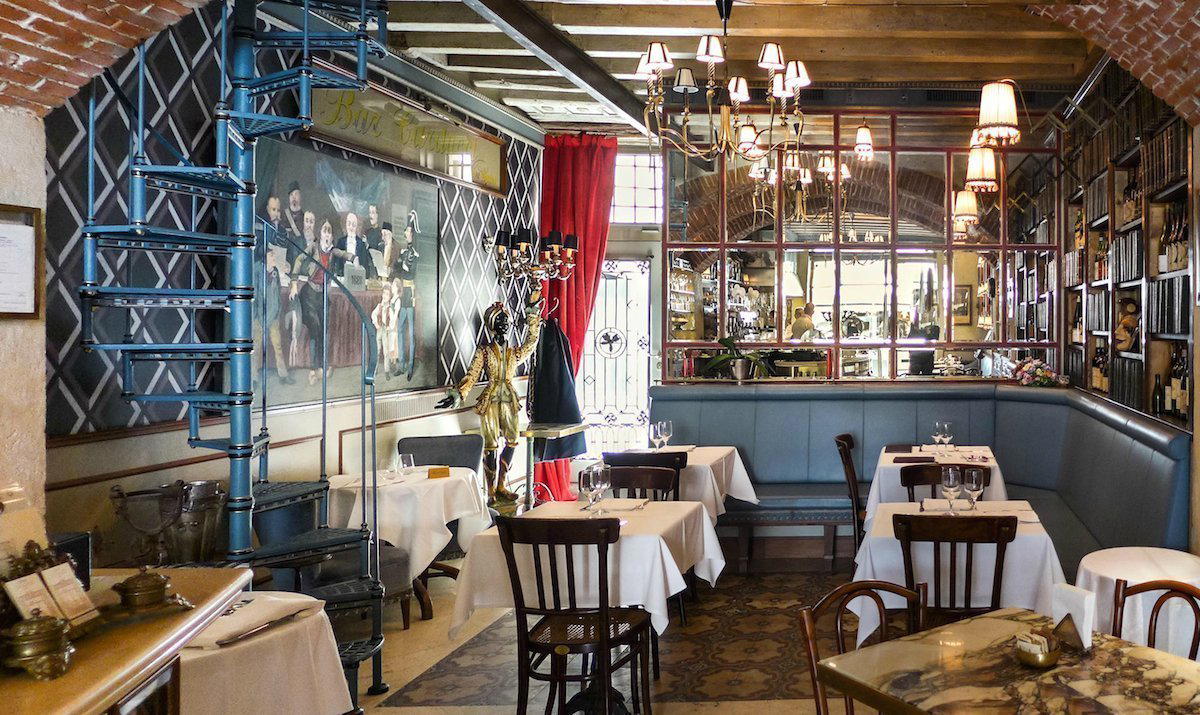
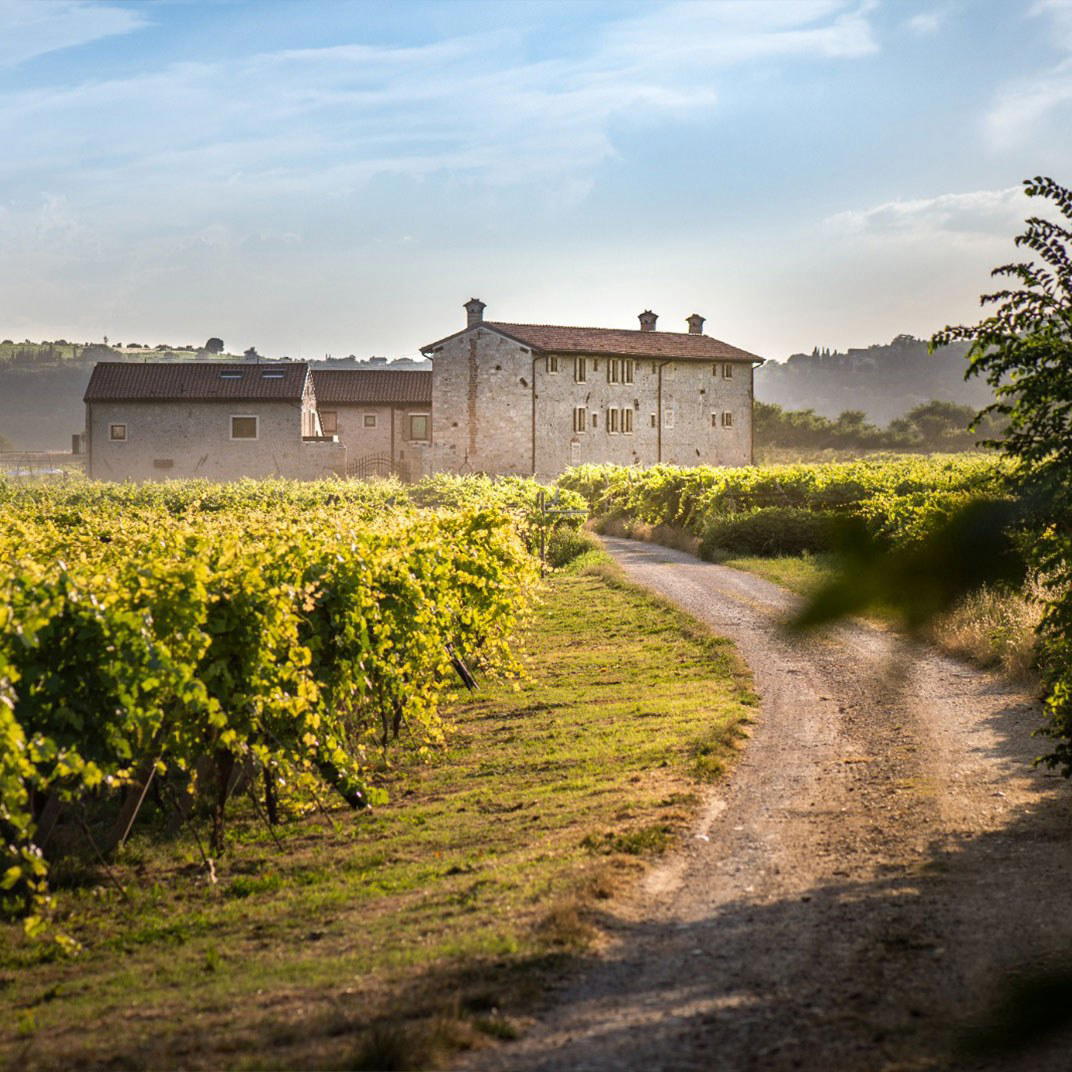
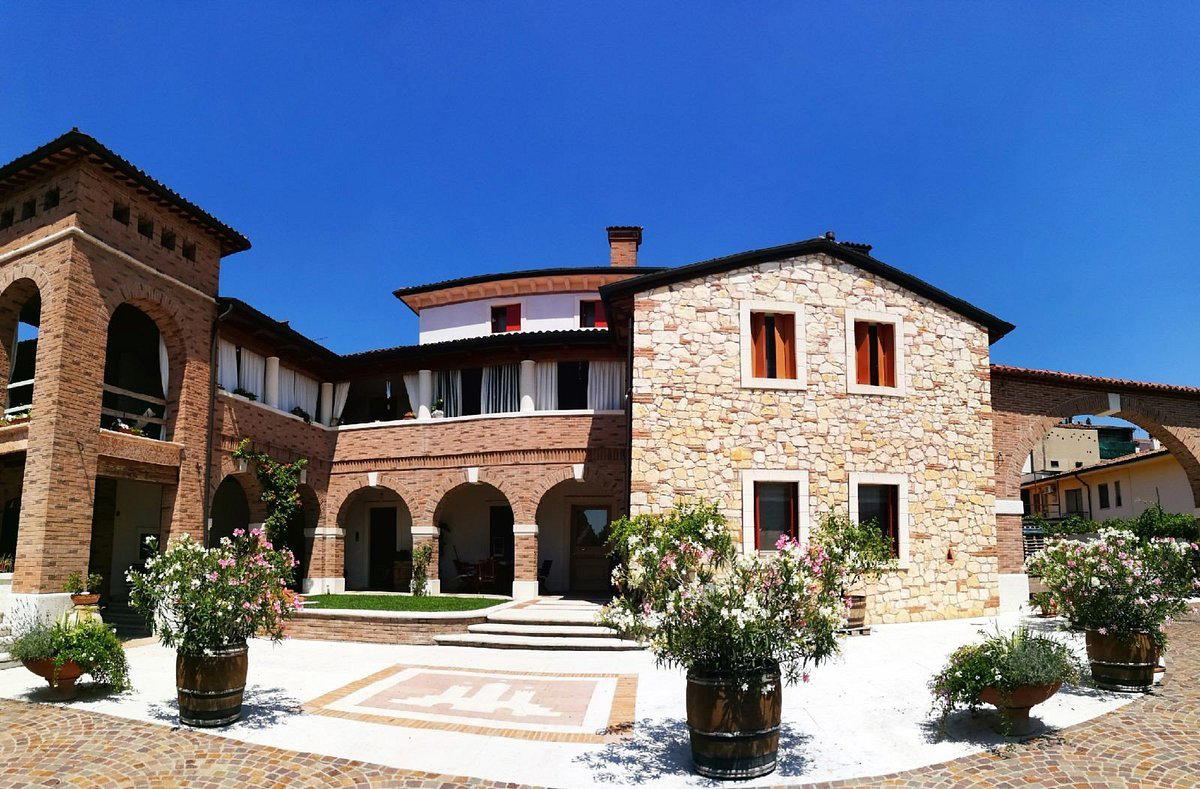
Sanguinetto sits in the lower Veronese plain, well east of Lake Garda and far from the tourist circuits that funnel visitors between Verona's amphitheatre and the Valpolicella vineyards. Arriving at Corso C. Battisti on a weekday afternoon, the street is unhurried in the way that small Veneto market towns tend to be: local bars, a piazza with the proportions of a stage set that nobody performs on anymore, and the kind of architectural continuity that survives only when a place has never been fashionable enough to be renovated. Il Chiostro occupies a position on that corso that signals, through the building itself, a longer relationship with the town than most dining rooms in the region can claim. A cloister, by definition, implies enclosure and deliberate separation from the street, and that sense of stepping aside from ordinary movement is precisely what shapes the experience before a single dish arrives.
What Small-Town Northern Italy Means for the Plate
The cuisine of the Veronese plain is not the cuisine of the Dolomites, and it is not the cuisine of the Adriatic coast. It sits in a zone where rice and polenta compete with pasta, where Soave and Bardolino are the default pour rather than an occasion, and where the proximity to agricultural flatlands means ingredients travel shorter distances than almost anywhere else in northern Italy. That geography matters. Restaurants operating in this register, away from the premium urban addressess of Casa Perbellini 12 Apostoli in Verona or the destination format of Dal Pescatore in Runate, tend to draw their sourcing logic from the immediate catchment: local river fish, alluvial-plain vegetables, livestock from nearby farms, and the kind of dairy that never needs to be described as artisanal because it simply has not become anything else yet. The ingredient chain is short because the population density and the economics of the area have kept it that way, not because a chef made a philosophical decision to pursue locality. That distinction matters when reading the food: what arrives on the plate in a place like Sanguinetto carries the practical logic of proximity rather than the performance of it.
Sourcing in a Region That Has Always Fed Itself
The Veneto produces more DOC and DOCG wine than any other Italian region, but its agricultural identity extends well beyond viticulture. The province of Verona, within which Sanguinetto sits, yields a consistent supply of Vialone Nano rice (the preferred grain of Veronese risotto, protected under IGP designation), white asparagus from the Zevio area, and market garden produce from the alluvial soils that run alongside the Adige and its tributaries. Restaurants embedded in this territory inherit those supply lines without negotiation. The sourcing advantage is structural: a kitchen here has access to ingredients at a freshness and price point that urban restaurants, including the celebrated multi-Michelin rooms like Enoteca Pinchiorri in Florence or Le Calandre in Rubano, can approximate but rarely match on the same terms. The trade-off is scale and recognition: places like Piazza Duomo in Alba or Osteria Francescana in Modena command international audiences partly because they occupy cities that function as cultural destinations. A restaurant in Sanguinetto does not have that tailwind, and the cooking does not need to pretend otherwise. It is cooking that serves a community before it serves a reputation, and that ordering of priorities tends to produce a different kind of reliability.
The Cloister Format and What It Does to a Meal
Cloister buildings in northern Italy were designed around light and shade, with internal courtyards that mediate between the exposure of the street and the enclosure of the rooms beyond. Dining in such a space places the room itself in a different register than a modern restaurant interior: the architectural weight is present, the proportions are given rather than designed, and the acoustics behave differently from a purpose-built dining room. This puts Il Chiostro in a category of Italian restaurants where the setting does independent work, where the building provides a frame that does not need to be explained or themed. For context, the broader northern Italian dining scene has, in its high-end tier, sometimes leaned into heritage architecture as a deliberate marker of arrival, as at Villa Crespi in Orta San Giulio. In a smaller, more local context, the same architectural inheritance operates without the staging. The space reads as what it is, and the meal unfolds inside it on those terms.
Placing Il Chiostro in the Wider Italian Scene
Italy's restaurant culture has always accommodated two parallel tracks: the destination rooms that pull visitors from across Europe (and whose contemporary peers include Uliassi in Senigallia, Reale in Castel di Sangro, and Atelier Moessmer Norbert Niederkofler in Brunico), and the embedded local restaurants that serve a town's residents across decades without seeking a wider profile. The latter category is, in aggregate, where the majority of serious Italian cooking actually happens. It is also the category that international food media chronically undercovers, partly because these restaurants do not generate the narrative material that drives awards coverage. There are no press releases, no tasting menus engineered for social documentation, no international wine lists styled after Enrico Bartolini in Milan or Da Vittorio in Brusaporto. What there is, in a town like Sanguinetto, is a cooking tradition that draws from a specific place and serves a specific community with the kind of consistency that accumulates over years rather than seasons. Visitors arriving from larger cities, including those who have eaten at La Pergola in Rome or internationally at Le Bernardin in New York City or Atomix in New York City, often find that the calibration required for eating in this tier is a readjustment worth making. The frame is different. The ambition is different. The food tends to be honest in a way that high-wire tasting menus, for all their technical achievement, cannot quite replicate.
Planning a Visit
Sanguinetto is most practically reached by car from Verona, approximately 30 kilometres to the northwest, or from Mantua to the west. The town is not on a major rail line, which means a visit to Il Chiostro requires deliberate routing rather than passing convenience. The address at Corso C. Battisti, 72 places the restaurant on the town's main commercial street, which simplifies orientation on arrival. A willingness to arrive without fixed expectations, to let the building and the cooking do their own work, is especially useful preparation a visitor can make.
At-a-Glance Comparison
Comparable venues nearby, for context on price, style, and recognition.
| Venue | Cuisine | Price | Notes |
|---|---|---|---|
| Il ChiostroThis venue — the venue you are viewing | Italian Pizza | $$ | Not listed |
| Ristorante da Cherubino | Traditional Venetian Trattoria | $$ | San Marco |
| Trattoria all'Antenna | Traditional Northern Italian Trattoria | $$ | Contrà Barona |
| Pedrocchino | Italian Pizza & Cakes | $$ | Campodoro |
| Vâgh íñ ufézzí | Traditional Bolognese Osteria | $$ | Santo Stefano |
| Araldo Verona | Modern Italian Pizzeria | $$ | Bosco Chiesanuova |
Continue exploring
More in Sanguinetto
Restaurants in Sanguinetto
Browse all →
Bars in Sanguinetto
Browse all →
Hotels in Sanguinetto
Browse all →
At a Glance
- Cozy
- Rustic
- Family
- Casual Hangout
Current opening hours
- Monday
- Closed
- Tuesday
- 6–11 PM
- Wednesday
- 6–11 PM
- Thursday
- 6–11 PM
- Friday
- 6–11 PM
- Saturday
- 10 AM–12:30 PM, 6–11 PM
- Sunday
- 10 AM–12:30 PM, 6–11 PM
Hours can change for holidays and private events. Last verified .
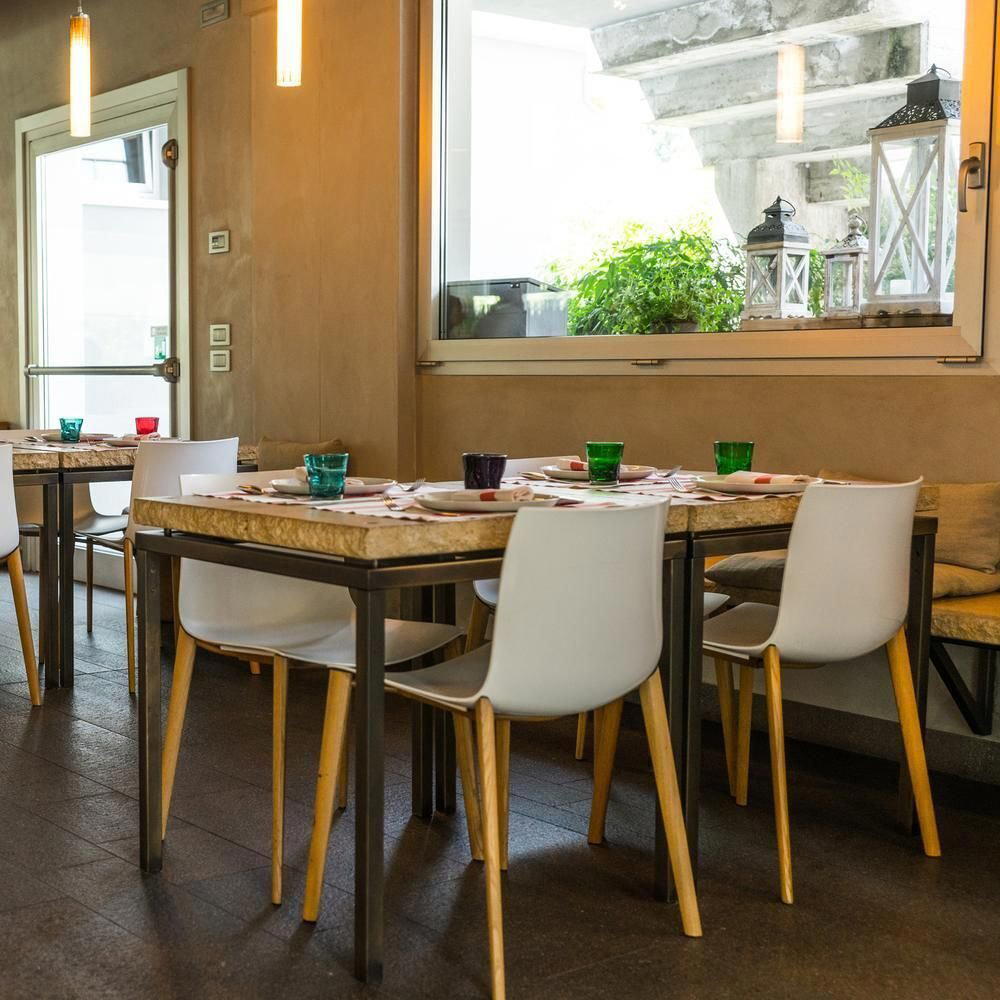
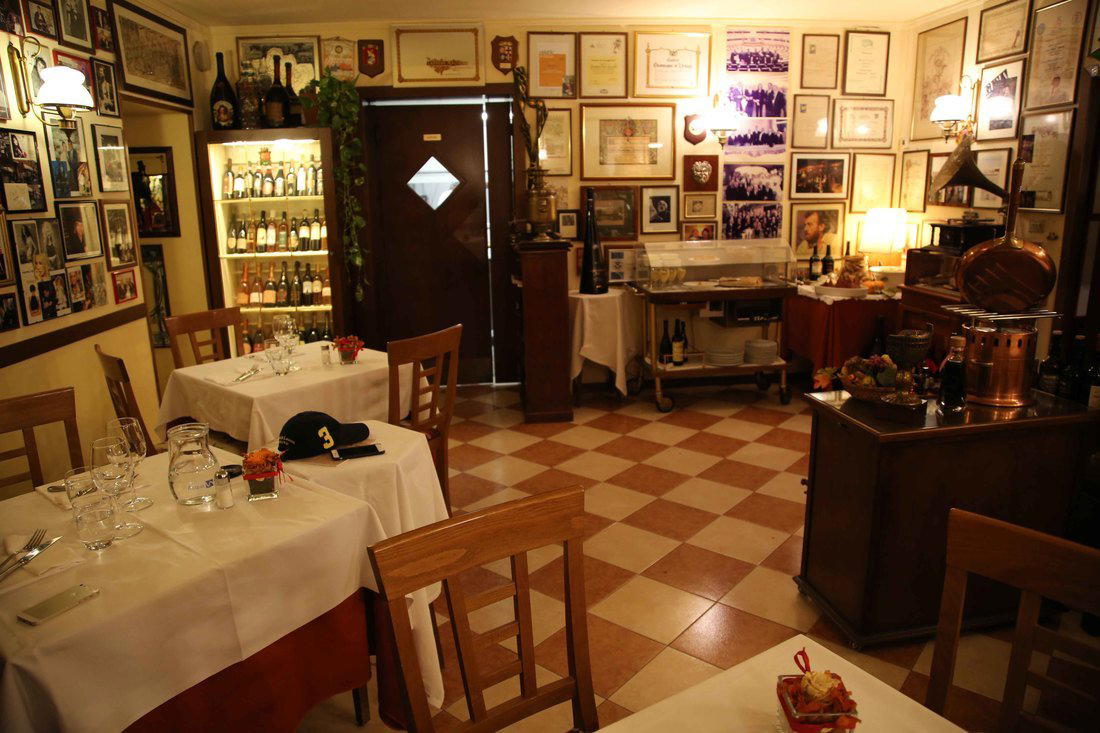
Fresh, bright, and welcoming atmosphere with a clean, accogliente setting.