La Nonna
On Mulberry Street in the heart of Little Italy, La Nonna occupies a corner of Manhattan where the neighbourhood's Italian-American dining tradition runs deepest. The kitchen draws on the sourcing and cooking sensibility that defined the block long before the area became a tourist shorthand, making it a reference point for the ingredient-led end of New York's red-sauce canon.
Pearl is the En Primeur Club membership app — saves, bookings, and concierge access live there. Same editors, same standards.
- Address
- 134 Mulberry St, New York, NY 10013
- Phone
- +12123346200
- Website
- lanonnaristorante.com
- Directions
- Get directions
 Saves & bookings on Pearl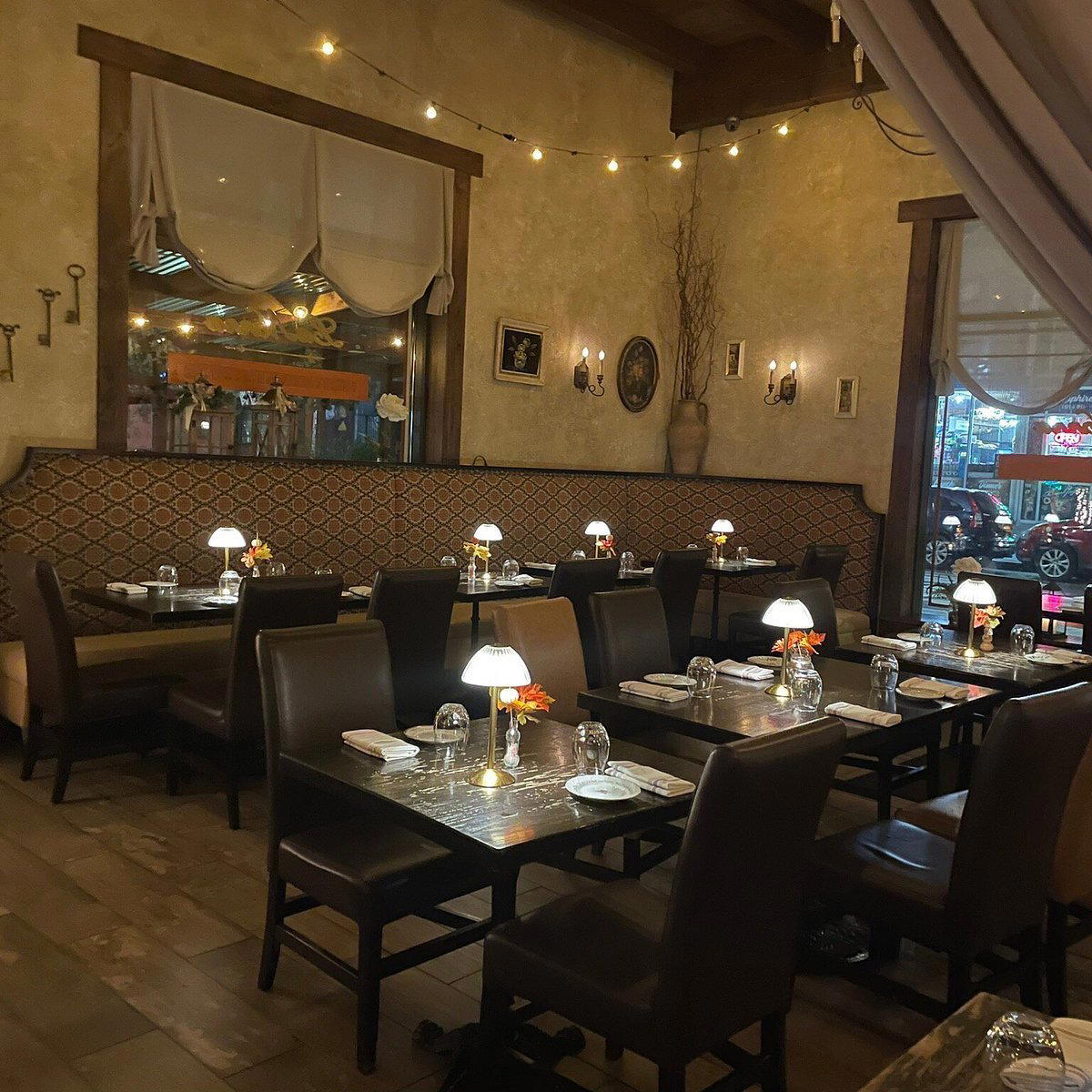
Mulberry Street and the Weight of a Block
There is a particular quality to Mulberry Street on a weekday evening before the tourist hour begins, the clatter from open kitchen windows, the specific smell of olive oil meeting a hot pan, the way the street narrows past Grand Avenue and starts to feel genuinely compressed. At 134 Mulberry St, La Nonna sits inside this atmosphere rather than performing it. La Nonna is a Classic Italian Trattoria in New York City, with a casual dress code and reservations recommended. Little Italy's restaurant row has thinned considerably over the past two decades, as rising rents and changing demographics pushed many of its mid-century trattorias into the margins. What remains is a more edited block, where the kitchens that survived tend to have something more durable than nostalgia holding them together.
That durability, in most cases, comes down to sourcing. The Italian-American cooking tradition that built this neighbourhood was never simply about recipe heritage, it was about produce markets, relationships with suppliers, and the belief that the right tomato or the right piece of cheese is not interchangeable. That philosophy, which animates the farm-driven end of the American dining spectrum from Blue Hill at Stone Barns in Tarrytown to Single Thread Farm in Healdsburg, has deeper roots in neighbourhood Italian cooking than fine dining often acknowledges.
Where the Food Comes From
Italian cooking, at its most coherent, is inseparable from its ingredients' origin. The distinction between a San Marzano tomato grown in Campanian volcanic soil and a generic canned substitute is not a marketing point, it is a flavour reality that any sauce-based dish will expose within the first few minutes on the plate. The same logic applies to aged Parmigiano-Reggiano against domestic parmesan, to imported Calabrian chiles against generic dried flakes, to 00 flour against all-purpose in fresh pasta production.
Little Italy's better kitchens have always understood this, and the neighbourhood's proximity to the old Lower East Side wholesale markets, and later to specialty importers concentrated in the surrounding blocks, gave them consistent access to Italian-origin product at a time when that was neither easy nor cheap. The sourcing infrastructure available to a Mulberry Street kitchen today, through both wholesale Italian importers and the broader regional farm networks that now serve New York restaurants at every price point, is substantially deeper than it was a generation ago.
This matters for a restaurant operating in a neighbourhood that trades partly on authenticity. The gap between a kitchen that sources DOP-certified ingredients and builds its pasta in-house, and one that assembles from generic commercial stock, shows up in the food in ways that a first-time visitor may not be able to name but will almost certainly register. In a block where the competition is partly theatrical, red-checked tablecloths, candles in wine bottles, accordion music from the street, the question of what is actually in the kitchen becomes especially relevant editorial distinction.
Little Italy in the Context of New York's Italian Dining
New York's Italian restaurant scene operates across a wide range of registers. At the upper end, places like Le Bernardin and Per Se represent the French-influenced fine dining tier that rarely intersects with Italian-American neighbourhood cooking. The mid-tier is where most of Manhattan's Italian restaurants operate, and it is here that the sourcing and execution gaps between kitchens become most visible, without the formality of a tasting menu format or the price signal of a $300 cover to structure expectations, the ingredients and technique are doing most of the work.
Internationally, the reference points for ingredient-obsessed Italian cooking include the multi-Michelin-starred dining rooms of Monaco and the south of France, where Alain Ducasse at Louis XV in Monte Carlo and the broader Mediterranean tradition have long made provenance central to the menu conversation. In the United States, farm-to-table dining programmes at The French Laundry in Napa and the produce-led cooking at Bacchanalia in Atlanta show how seriously sourcing can define a restaurant's identity across categories and price points. La Nonna sits in a different tier, but the underlying logic, that the food is only as good as what goes into it, is the same.
For visitors working through New York's broader dining landscape, the context is worth holding: the city's Italian-American cooking tradition and its upper-tier fine dining scene (Atomix, Masa, Jungsik New York) share a city but occupy almost entirely separate conversations. Little Italy is not where you go for the kind of precision that characterises those rooms. It is where you go when the subject is a different kind of cooking knowledge, one accumulated over generations, expressed through a bowl of pasta and a glass of something from the south of Italy.
The Neighbourhood as Dining Context
Mulberry Street between Broome and Canal is a short walk from SoHo's restaurant density and roughly ten minutes from the financial district's lunch trade, but it operates on a different clock. Dinner here tends to run later and longer than the tasting-menu rooms uptown. The pacing is course-by-course in the loosest sense, a kitchen that has been cooking the same dishes for years does not need the choreography that a progression-format restaurant requires.
The street itself functions as a kind of communal dining room in warmer months, when tables extend onto the pavement and the block takes on the compressed, sociable quality that outdoor dining in Manhattan rarely achieves. This is worth knowing for timing: early autumn and late spring offer the outdoor experience without the peak-summer tourist volume that can push wait times and crowd the block.
Visitors planning a broader New York itinerary around serious eating will find La Nonna most useful as a counterpoint to the city's higher-format rooms. Emeril's in New Orleans and Lazy Bear in San Francisco each represent kitchens where a defined culinary identity has outlasted the trends around them, and Alinea in Chicago, Providence in Los Angeles, and Addison in San Diego show what happens when that identity is built around entirely different ambitions. 8 1/2 Otto e Mezzo Bombana in Hong Kong and The Inn at Little Washington illustrate how Italian and American culinary traditions travel when removed from their neighbourhood contexts entirely.
What It’s Closest To
Comparable venues nearby, for context on price, style, and recognition.
| Venue | Cuisine | Price | Notes |
|---|---|---|---|
| La NonnaThis venue — the venue you are viewing | Classic Italian Trattoria | $$ | Not listed |
| Lil' Frankie's | Neapolitan Pizza and Pasta | $$ | East Village |
| Cacio e Pepe | Authentic Roman Italian Pasta | $$ | East Village |
| Noodle Pudding | Traditional Italian | $$ | Brooklyn Heights |
| Paul & Jimmy's Ristorante | Traditional Italian | $$ | Gramercy |
| Lucali | Brick-Oven Neapolitan Pizza | $$ | Carroll Gardens-Cobble Hill-Gowanus-Red Hook |
Continue exploring
More in New York City
Restaurants in New York City
Browse all →
Bars in New York City
Browse all →
Hotels in New York City
Browse all →





At a Glance
- Classic
- Cozy
- Family
- Casual Hangout
- Group Dining
- Extensive Wine List
Current opening hours
- Monday
- 12–10 PM
- Tuesday
- 12–10 PM
- Wednesday
- 12–10 PM
- Thursday
- 12–10 PM
- Friday
- 12–10:30 PM
- Saturday
- 12–10:30 PM
- Sunday
- 12–10 PM
Hours can change for holidays and private events. Last verified .
Inviting and lively with attentive table service and Italian music.