Love & Dough
Our verdict
Located on Pearl Street in DUMBO, Brooklyn, Love & Dough occupies a corner of New York City's increasingly serious artisan food corridor. The address places it within reach of a neighbourhood that has moved decisively from industrial relic to destination dining, where technique-driven operations have quietly replaced the area's earlier casual wave. EP Club tracks it as a Brooklyn address worth understanding in the context of the borough's broader craft-food shift.

Pearl is the En Primeur Club membership app, where members save venues, book tables and use the concierge.
The menu
What to order
- Prosciutto & Arugula Pizza
- Margherita Pizza
- Cherry Stone Clam Pizza
- Gnocchi Al Tartufo Nero
Brooklyn's Artisan Corridor and Where Love & Dough Sits Within It
Pearl Street in DUMBO has undergone a pattern familiar to anyone tracking New York's food geography over the past decade. Industrial buildings converted to residential and commercial use, early-wave casual cafes replaced by operations with sharper technical intent, and a slow gravitational pull toward the kind of food businesses that treat process as a selling point rather than a background detail. Love & Dough at 57 Pearl Street is a product of that trajectory: a Brooklyn address that carries the neighbourhood's evolving identity as a backdrop for whatever it puts on the counter or plate.
The broader DUMBO corridor now functions as a kind of proving ground for operators who want the density and foot traffic of Manhattan-adjacent Brooklyn without the full cost structure of, say, Carroll Gardens or Cobble Hill's restaurant rows. Pearl Street specifically sits close enough to the waterfront to benefit from weekend tourism but retains enough local residential density to sustain a weekday trade. That combination rewards venues with a clear offering, because the customer mix is genuinely varied: bridge-walkers looking for something casual, local residents with regular habits, and food-aware visitors who've done their research.
What the Name Signals About the Format
The pairing of "love" and "dough" in a venue name is a deliberate signal in contemporary food branding. It points toward the fermentation-forward, slow-process end of the bread and baked goods category, the segment that has grown significantly in American cities since the early 2010s and shows no signs of contracting. That segment operates at the intersection of imported European techniques, particularly from French and Scandinavian bread traditions, and locally sourced grain and dairy, which has become a near-standard commitment among operations that position themselves in the craft tier.
This intersection of imported method and indigenous product is where the most interesting American baking has happened over the past fifteen years. The country's heritage grain revival, led by mill operations in the Northeast and the Pacific Northwest, gave urban bakers access to regional wheats, ryes, and spelt varieties that had largely disappeared from commercial flour supply. Applied through long-fermentation sourdough technique or lamination methods refined in French and Austrian bakeries, those grains produce flavour profiles that differ meaningfully from commodity flour results. Venues operating in this space, whether in Brooklyn, San Francisco, or Chicago, tend to treat their grain sourcing with the same seriousness that fine-dining kitchens apply to produce provenance.
Brooklyn has a particularly concentrated version of this scene. The borough's artisan bread operators have collectively pushed New York's standards upward and created a customer base that can identify fermentation quality by crust colour and crumb structure. That educated local market is both an asset and a demand: it means the floor is high, and operators who don't meet it lose ground quickly to neighbours who do.
Technique, Tradition, and the American Craft Bakery Moment
The global-technique, local-ingredient framework that defines serious American baking now is worth understanding in comparative terms. Operations like Blue Hill at Stone Barns in Tarrytown built their identity explicitly around the farm-to-table supply chain; the bread category has absorbed a version of that logic, applying it to grain rather than produce. What distinguishes the leading operators in this tier is not simply the sourcing commitment but the technical depth applied to those ingredients: fermentation schedules, hydration ratios, baking temperature curves, and aging protocols that take years to calibrate.
New York's fine dining restaurants have reinforced this standard from the leading down. Kitchens at addresses like Le Bernardin, Per Se, and Atomix treat bread service as a genuine course, not a filler. That standard filters through the city's food culture and raises expectations even at the retail and casual end of the market. A Brooklyn bakery operating in 2024 is, in that sense, downstream of a decade of fine dining investment in bread quality.
Internationally, the same dynamic plays out in cities where technical cooking has reset expectations across price tiers. Venues like Alain Ducasse at Louis XV in Monte Carlo or 8½ Otto e Mezzo Bombana in Hong Kong represent the formal end of the spectrum where classical European technique is applied in non-European contexts. The American craft bakery moment is a more democratic version of the same impulse: taking methods developed in specific European traditions and applying them to ingredients that are genuinely native to the American agricultural system.
Across the United States, this pattern has produced a set of regionally distinct but technically overlapping operations. Lazy Bear in San Francisco and Single Thread Farm in Healdsburg represent the fine dining version of hyper-local sourcing applied with precision technique; Alinea in Chicago and The French Laundry in Napa anchor the classical-technique end of the American canon. The craft bakery tier, including Brooklyn operations at Love & Dough's address, sits at a different price point but draws from the same cultural shift toward rigor and provenance.
Planning a Visit: What to Know Before You Go
DUMBO is accessible via the A and C trains at High Street, or the F train at York Street, both within a short walk of Pearl Street. The neighbourhood is navigable on foot, and the waterfront promenade and Brooklyn Bridge Park make a logical pairing with any food stop in the area. Weekend mornings bring higher foot traffic given the park's draw, and any operation in the artisan baked goods category in Brooklyn tends to see its leading supply early in the day: stock depletes, particularly for whole loaves and specialty items, well before midday on Saturdays and Sundays.
For broader context on the New York food scene that Love & Dough sits within, our full New York City restaurants guide covers the range from neighbourhood-level craft operations through Michelin-starred formal dining, including Masa, Jungsik New York, and beyond. For those building a broader American itinerary, comparable craft-forward operations worth cross-referencing include Emeril's in New Orleans, Providence in Los Angeles, Addison in San Diego, Bacchanalia in Atlanta, and The Inn at Little Washington.
Quick reference: 57 Pearl St, Brooklyn, NY 11201. Nearest subway: High Street (A/C) or York Street (F). Plan for morning visits on weekends to access full selection.
Frequently asked questions
at Love & Dough?
Do I need a reservation at Love & Dough?
Is Love & Dough part of Brooklyn's broader grain-sourcing movement?
Side-by-Side Snapshot
Comparable venues nearby, for context on price, style, and recognition.
| Venue | Cuisine | Price | Notes |
|---|---|---|---|
| Love & DoughThis venue (the venue you are viewing) | Neapolitan Pizza | $20–30 | Not listed |
| La Mela | Traditional Southern Italian | $30–50 | SoHo-Little Italy-Hudson Square |
| Convivium Osteria | Authentic Old World Italian Osteria | $50–100 | Park Slope |
| Brodo - East Village | Bone Broth Bar | $10–20 | East Village |
| Denino's Greenwich Village | Classic Thin-Crust Italian Pizzeria | $30–50 | Greenwich Village |
| Corto | Seasonal Italian Pasta | $30–50 | Bedford-Stuyvesant (West) |

Continue exploring
More in New York City
Restaurants in New York City
All restaurants in New York City →
Bars in New York City
All bars in New York City →

Details
- Cozy
- Trendy
- Intimate
- Casual Hangout
- Brunch
- Date Night
- Open Kitchen
- Street Scene
- A La Carte
- Vegetarian Friendly
- Gluten Free Options
Current opening hours
- Monday
- 11 AM–11 PM
- Tuesday
- 11 AM–11 PM
- Wednesday
- 11 AM–11 PM
- Thursday
- 11 AM–11 PM
- Friday
- 11 AM–11 PM
- Saturday
- 11 AM–11 PM
- Sunday
- 11 AM–11 PM
Hours can change for holidays and private events. Hours as of .
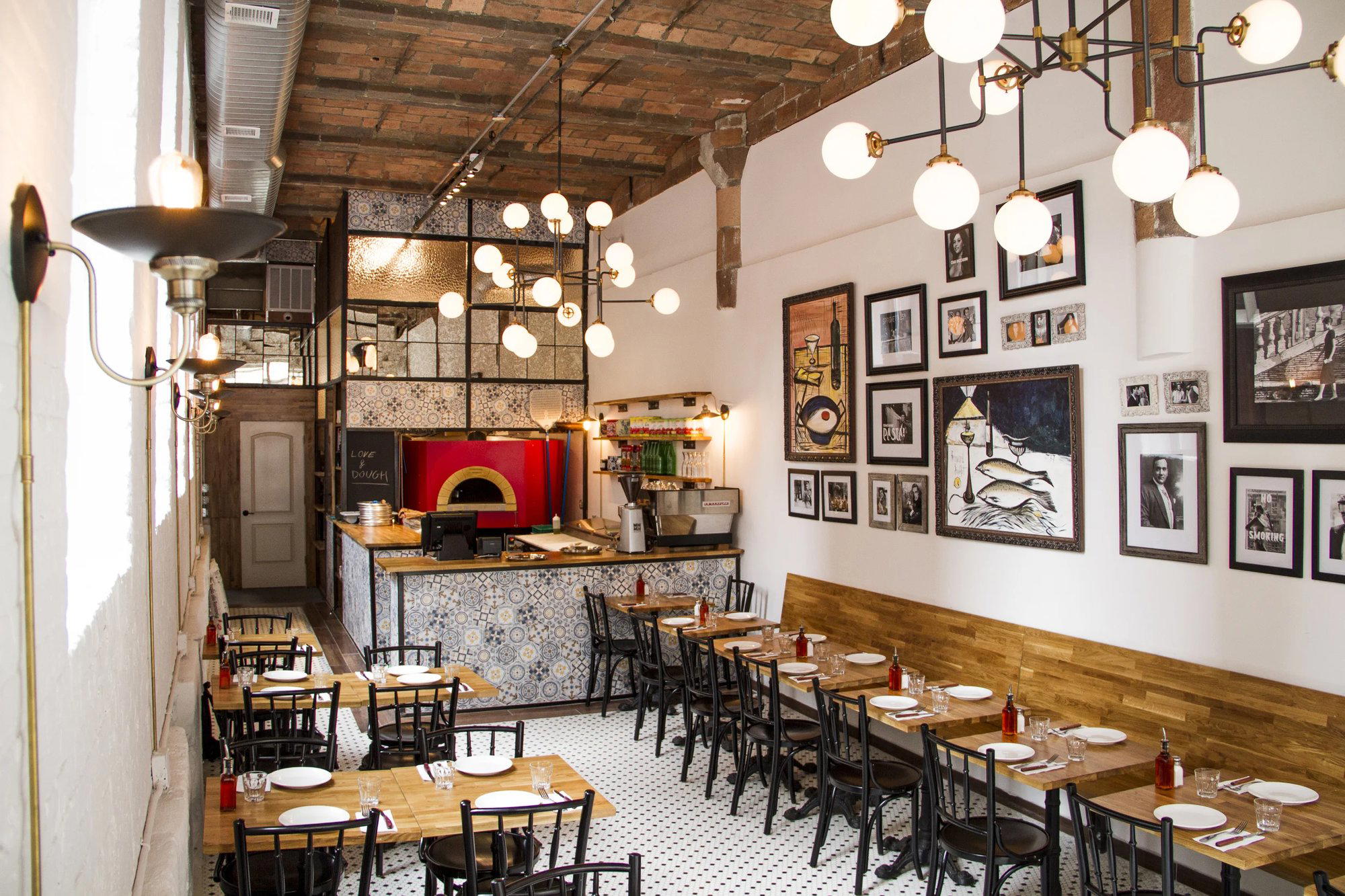
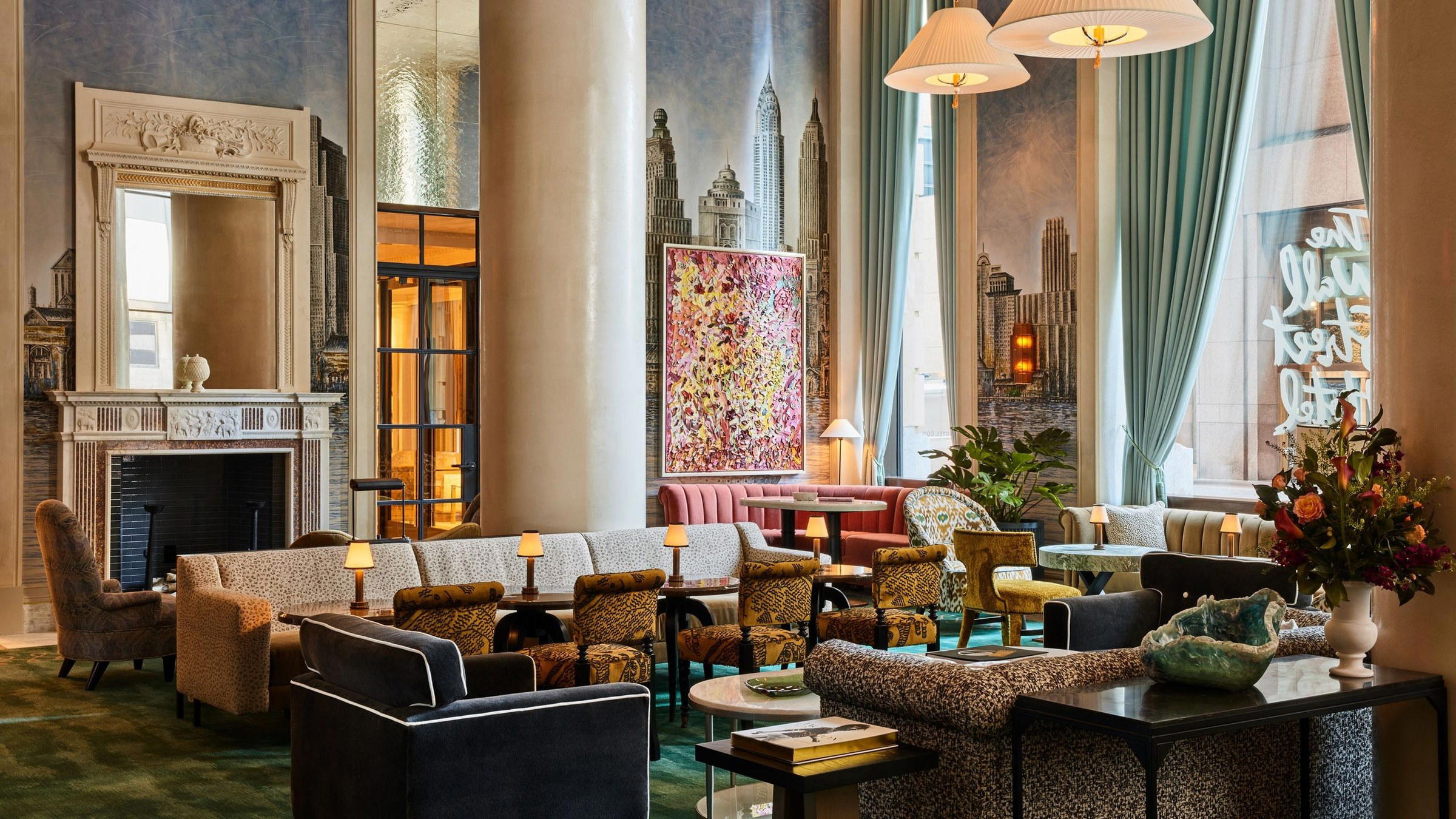
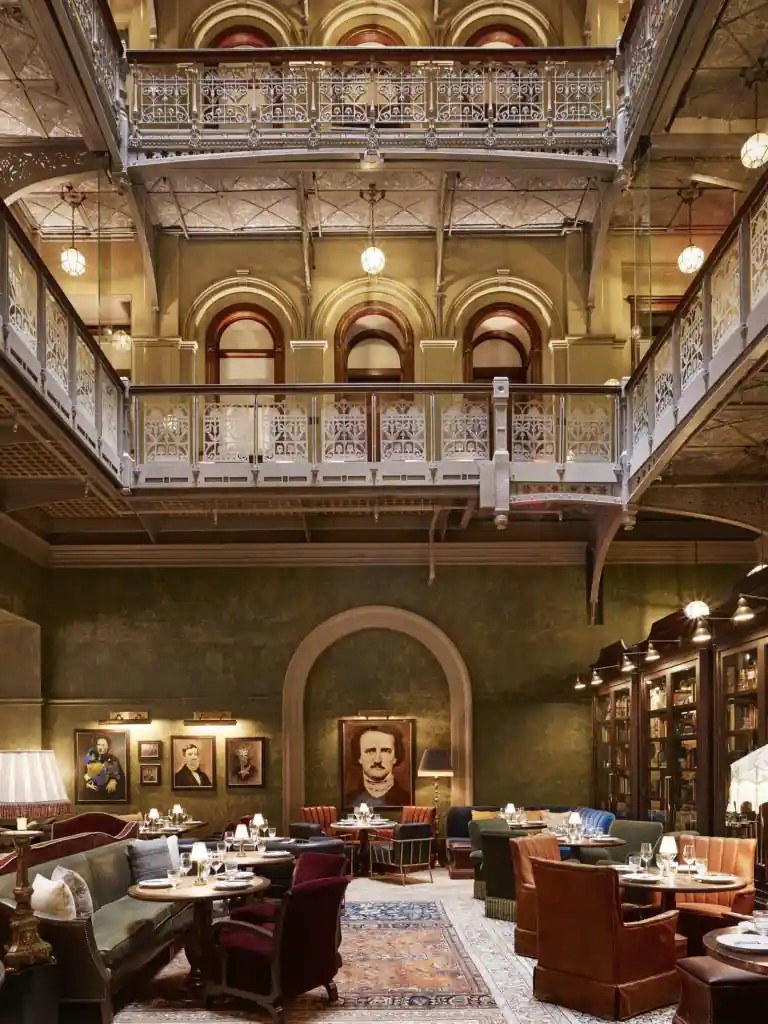
Cozy atmosphere with old black and white photos of Italian actors and the inviting smell of brick oven pizza.