Da Nico Ristorante
Da Nico Ristorante on Mulberry Street sits at the heart of Manhattan's Little Italy, a neighbourhood whose Italian-American dining tradition stretches back more than a century. The restaurant represents the red-sauce canon that defined the district long before New York's fine-dining conversation moved uptown. For visitors tracing the city's Italian roots, 164 Mulberry is a reliable address on among the more storied blocks in American immigrant gastronomy.
Pearl is the En Primeur Club membership app — saves, bookings, and concierge access live there. Same editors, same standards.
- Address
- 164 Mulberry St, New York, NY 10013
- Phone
- +12123431212
- Website
- danicoristorante.com
- Directions
- Get directions
 Saves & bookings on Pearl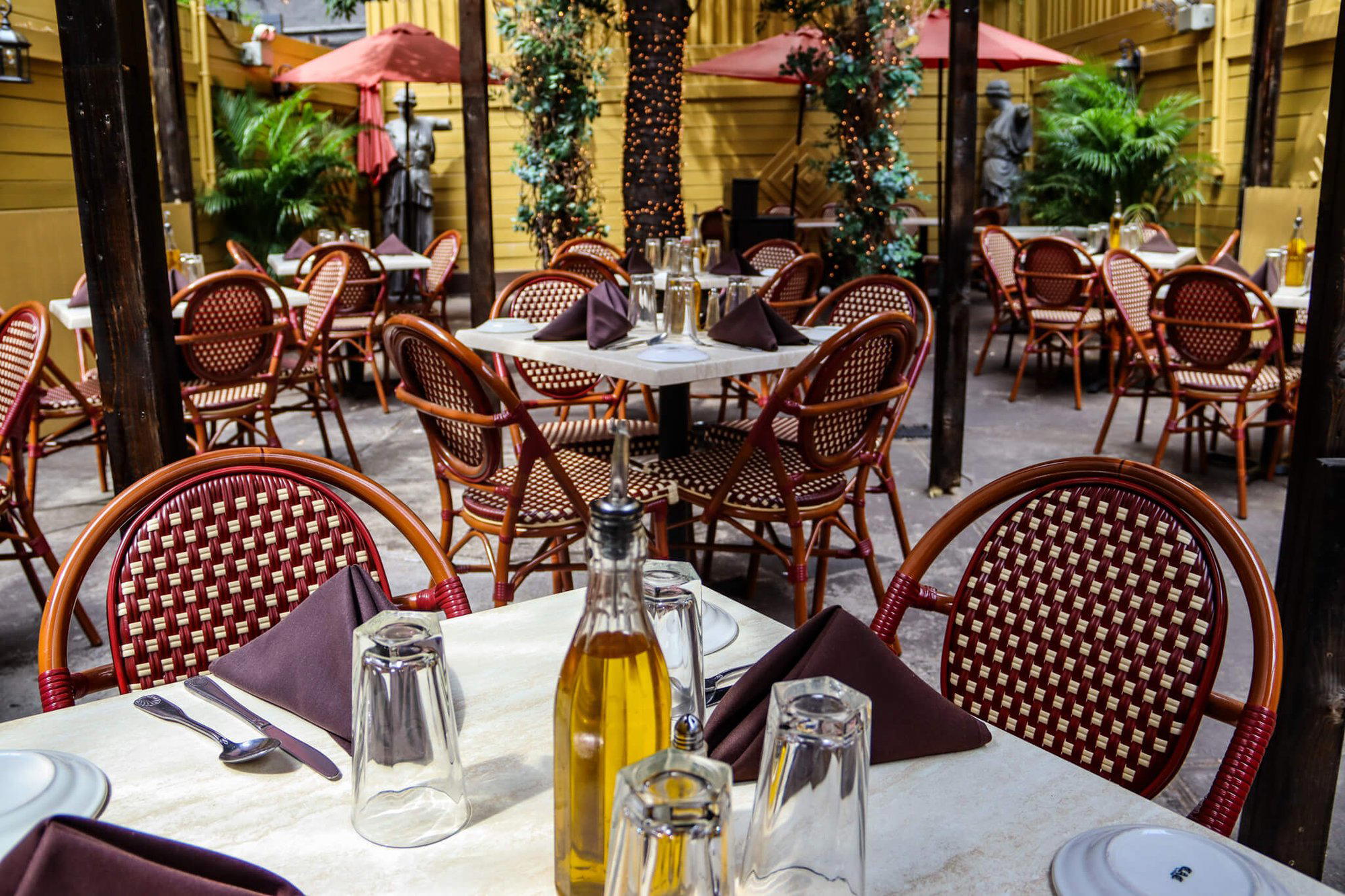
Little Italy's Long Table: What Mulberry Street Still Means
Manhattan's Little Italy has contracted sharply over the past four decades. At its peak, the neighbourhood stretched across a dozen blocks and housed tens of thousands of Italian-American residents. Today it occupies a sliver of Mulberry Street between Canal and Broome, a few blocks where the red-white-green bunting stays up year-round and the dining rooms open early for tourists who have been walking since the Brooklyn Bridge. That compression has consequences for the restaurants that remain: they carry the entire weight of a culinary tradition that once spread across a much wider footprint. Da Nico Ristorante, at 164 Mulberry Street, sits inside that tradition and on among the more photographed restaurant blocks in New York City.
To understand what Little Italy restaurants are doing in 2024, it helps to understand what they are not doing. The competitive set here is different: neighbourhood longevity, the credibility that comes from decades on the same street, and a menu that reads as a document of Italian-American culinary history rather than a seasonal editorial statement.
The Italian-American Canon and What It Actually Contains
The red-sauce tradition that anchors Little Italy is often misread as a lesser category, a simplification of what Italian cooking can be. That reading misses the point. Italian-American cuisine is its own distinct culinary form, shaped by Southern Italian immigrants adapting recipes to the ingredients available in early-twentieth-century New York: canned tomatoes from New Jersey canneries, dried pasta sold by weight in the streets around Hester and Grand, meats and cheeses from pushcart markets that no longer exist. The dishes that resulted, from baked ziti to veal piccata to the chicken parmigiana that became a fixture of American dining culture, are not approximations of Italian cooking. They are their own thing, and Mulberry Street is where that thing was codified.
That context matters when you sit down to a menu in this neighbourhood. What you are eating is not an import. It is a local product with deep roots in New York's immigrant history, as specific to this city as the dim sum format is to Flushing or the West African pepper soups are to the restaurants along Jerome Avenue in the Bronx. For readers tracking the full range of American regional dining, from Emeril's in New Orleans to Lazy Bear in San Francisco, the Little Italy canon belongs in that map.
Wine in a Neighbourhood That Predates the Sommelier Profession
The editorial angle that deserves attention at any serious Little Italy restaurant is the wine program, because it reveals how much the category has evolved even when the menus appear unchanged. The Italian-American dining room of fifty years ago poured house Chianti by the carafe, often from jugs, without vintage information, producer names, or any of the selection apparatus that now defines restaurant wine culture. That model has largely persisted in the mid-tier restaurants of the neighbourhood, but the better addresses have quietly built lists that reflect the depth of Italian wine production without abandoning the format's accessibility.
Italian wine is among the more complex national categories in the world, covering twenty wine regions, hundreds of indigenous grape varieties, and a quality range that spans entry-level cooperative production to the allocation-only bottlings from Barolo's leading crus. A thoughtfully assembled list at a Little Italy restaurant can function as a primer on that range in a way that a Burgundy-focused list at a downtown French room cannot. The question to ask at any such restaurant is whether the list moves beyond the obvious markers, Barolo, Brunello, Amarone, into the less-charted appellations: Etna Rosso from Sicily's volcanic slopes, Timorasso from the Colli Tortonesi, Aglianico from Campania's Taurasi zone. These wines tell a more complete story about what Italian viticulture actually is, and they tend to offer better value relative to their quality tier than the benchmark names. Comparable depth of curation, matched to regional cuisine, can be found at operations like Frasca Food and Wine in Boulder, which has built its program around Northern Italian regional specificity, or at Single Thread Farm in Healdsburg, where the cellar reflects the same philosophy of regional depth over brand recognition.
For a point of reference in the Italian fine-dining context, Dal Pescatore in Runate and Atelier Moessmer Norbert Niederkofler in Brunico represent the standard against which Italian wine programs are measured at the highest level. Neither is a reference point for a Mulberry Street neighbourhood restaurant, but they illustrate the scale of what the Italian list can contain when curation is taken seriously.
Mulberry Street in the Wider New York Dining Conversation
New York's restaurant conversation in 2024 tilts heavily toward new openings in the West Village, the far western edge of Williamsburg, and the blocks around Kenmare Street that mark the northern edge of Nolita. Little Italy, sitting immediately south of that zone, receives less editorial attention than it did a generation ago. That is partly a function of the neighbourhood's tourist profile, which makes it easier to dismiss, and partly a function of the broader critical preference for novelty over continuity.
But continuity has its own value in a city that turns over its restaurant stock as aggressively as New York does. A restaurant that has operated on the same block for years, serving a menu that its regular customers can recite from memory, is doing something that the opening-night-buzz operations in trendier neighbourhoods are not. It is holding ground, maintaining a relationship with its audience, and preserving a culinary form that would otherwise disappear as the neighbourhood's residential character continues to shift. For readers building a full picture of New York's dining culture, from the Michelin-chasing tasting menus to the borough-specific ethnic cooking that defines the outer neighbourhoods, our full New York City restaurants guide maps all of those tiers. Da Nico's position is more modest in scale, but the logic of place-specific tradition is the same.
- Coal Brick Oven Pizza
- Lasagna
- Ravioli
- Lobster Fra Diavolo
- Baby Lamb Chops
- Veal Chops
- Spaghetti Carbonara
A Pricing-First Comparison
Comparable venues nearby, for context on price, style, and recognition.
| Venue | Cuisine | Price | Notes |
|---|---|---|---|
| Da Nico RistoranteThis venue — the venue you are viewing | Not listed | $$ | Not listed |
| L’Industrie | Not listed | $$ | Little Italy, New York-Style Thin-Crust Pizza |
| Pizza Studio Tamaki | East Village, Tokyo-Neapolitan Pizza | $$ | Not listed |
| Paesano | Not listed | $$ | SoHo-Little Italy-Hudson Square, Classic Italian-American Red Sauce |
| Supper | East Village, Northern Italian Osteria | $$ | Not listed |
| Gnocco | East Village, Authentic Northern Italian | $$ | Not listed |
Continue exploring
More in New York City
Restaurants in New York City
Browse all →
Bars in New York City
Browse all →
Hotels in New York City
Browse all →





At a Glance
- Classic
- Well Known
- Casual
- Family
- Group Dining
- Casual Hangout
- Celebration
- Garden
- Standalone
Current opening hours
- Monday
- 12–10 PM
- Tuesday
- 12–10 PM
- Wednesday
- 12–10 PM
- Thursday
- 12–10 PM
- Friday
- 12–11 PM
- Saturday
- 12–11 PM
- Sunday
- 12–10 PM
Hours can change for holidays and private events. Last verified .
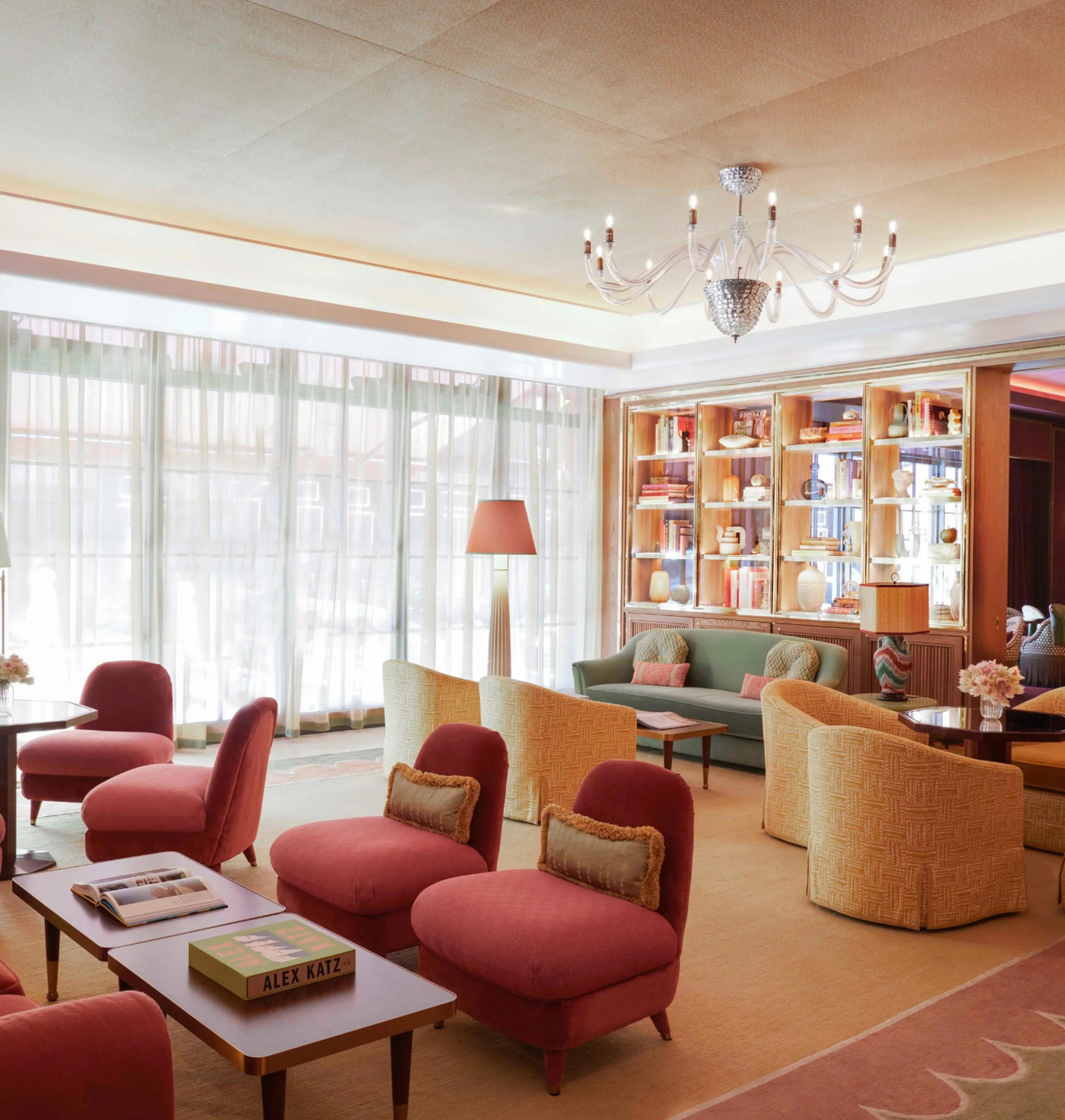
Warm, inviting indoor dining room with a casual family-friendly atmosphere; outdoor garden seating available.