Noodle Pudding
A Brooklyn Heights institution on Henry Street, Noodle Pudding has been drawing neighbourhood regulars and Manhattan crossers for years with its direct Italian cooking and a wine list that punches well above the room's casual register. The address alone, a residential block in one of New York's most architecturally preserved neighbourhoods, tells you something about the crowd it keeps and the mood it sustains.
Pearl is the En Primeur Club membership app — saves, bookings, and concierge access live there. Same editors, same standards.
- Address
- 38 Henry St, Brooklyn, NY 11201
- Phone
- +17186253737
- Directions
- Get directions
 Saves & bookings on Pearl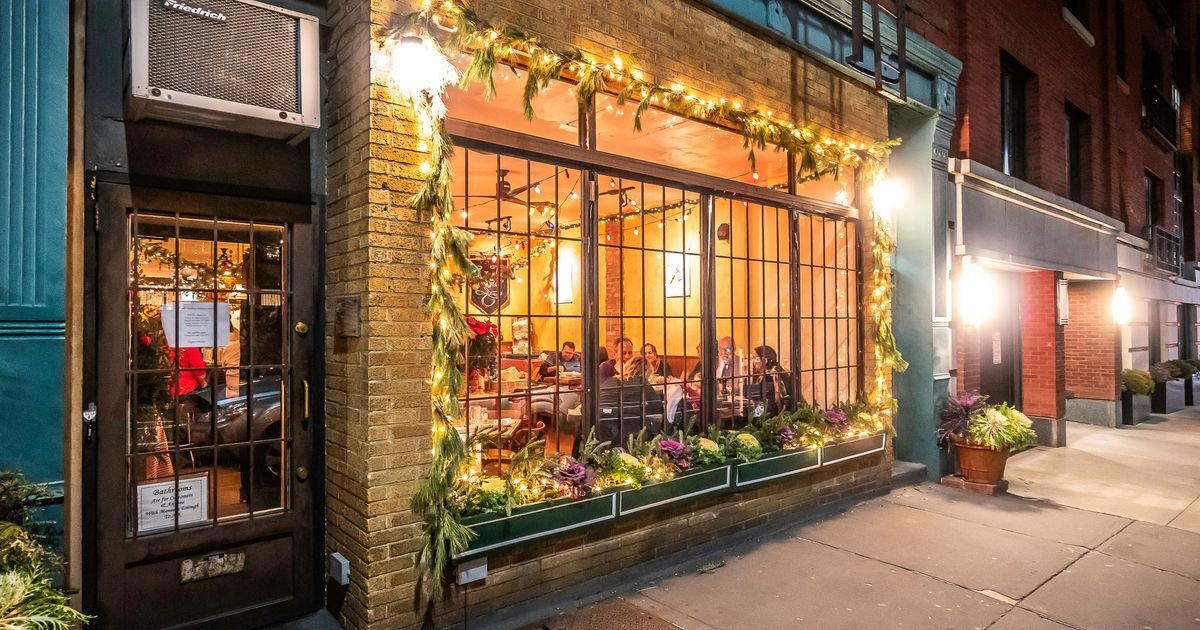
Italian Brooklyn, Before It Was a Brand
Noodle Pudding, at 38 Henry Street, belongs to that earlier tradition. It occupies a residential stretch of Brooklyn Heights where the streets are still lined with Federal and Greek Revival brownstones, and where the dining culture has historically followed the neighbourhood's own rhythms rather than the louder signals coming from across the East River. In a borough now home to ambitious tasting-menu formats and cocktail programs that compete directly with Manhattan's more celebrated rooms, Noodle Pudding operates as a counter-argument: that the Italian trattoria model, applied with consistency, can sustain a restaurant across decades.
The Wine List as the Room's Quiet Statement
Italian neighbourhood restaurants in New York tend to resolve their wine programs in one of two directions. The first is the perfunctory house-wine approach, where a few serviceable bottles fulfil the function without asking anything of the diner. The second is the considered regional list, where Piedmont, Campania, Sicily, and the Veneto each contribute something specific, and where the list itself signals that the kitchen takes the table seriously. The latter approach is rarer than it should be at this price tier, and it is where a restaurant like Noodle Pudding earns its standing among those who pay attention. A wine program calibrated to the food, rather than to margin alone, changes the character of the meal in ways that are immediately legible. It gives the secondi something to work with. And it tells the returning guest that the room has a point of view, not just a liquor licence.
For context, the highest-tier Italian wine programs in New York, the kind found at the white-tablecloth level, or in the cellar depth maintained by rooms operating in the same bracket as Le Bernardin or Per Se, are built on years of allocation relationships and considerable capital. The neighbourhood trattoria operates under entirely different constraints. What separates the good ones from the merely adequate is curation intelligence: knowing which Sicilian producer merits a place on the list, which Barolo is worth the carrying cost, and which Vermentino will actually sell at a table of four splitting a Monday-night dinner. That editorial discipline, applied consistently, is what defines a wine program worth discussing.
Henry Street in Context
Brooklyn Heights sits at a particular intersection of New York dining geography. It is close enough to lower Manhattan that it attracts professionals making a deliberate crossing, but residential enough that the dominant dining occasion is still the local weeknight meal rather than the special-occasion pilgrimage. The neighbourhood's restaurant density is lower than Carroll Gardens or Cobble Hill to the south, and its character is quieter than Dumbo to the north. What it has sustained is a cluster of places that serve the people who actually live there, and the restaurant is among the more durable of those.
That durability matters. In a city where restaurant mortality is high and the calculus of rent, labour, and food cost eliminates most independent operators within five years, longevity is its own form of credential. It is not the credential that earns Michelin recognition, the inspectors who award stars to Atomix, Masa, or Jungsik New York are measuring different things, but it is the credential that matters most to the guest deciding where to spend a Tuesday evening in a neighbourhood they know well. The restaurants that survive long enough to become part of a neighbourhood's identity earn a different kind of trust.
Where Noodle Pudding Sits in the Wider American Italian Tradition
Italian-American cooking has two distinct registers in serious American restaurant cities. The first is the Italian-American canon: red sauce, long-simmered Sunday gravies, the dishes that arrived with early twentieth-century immigration and then evolved into something distinctly local. The second is the modern Italian or Italian-adjacent approach, which draws on regional Italian tradition, seasonal sourcing, and a kitchen vocabulary more influenced by cooking in Italy itself than by the Ellis Island lineage. New York contains both, often within a few blocks of each other, and the distinction shapes wine programs as much as menus: the former pairs naturally with Chianti and Montepulciano; the latter tends toward a more granular regionalism.
The restaurant, in name and in address, is positioned in the neighbourhood-restaurant register rather than the fine-dining Italian tradition represented nationally by rooms like The French Laundry in Napa or Alinea in Chicago, or the ingredient-driven ambition of Blue Hill at Stone Barns in Tarrytown. It belongs instead to the tradition of the honest neighbourhood room, the Italian restaurants that New York has always produced and that the city's dining culture still depends on, even as the critical conversation has moved toward tasting-menu formats and ambitious chef projects.
Comparable neighbourhood durability can be found in independent operators across other American cities, including Bacchanalia in Atlanta and Emeril's in New Orleans, though those occupy different price tiers and culinary registers. The point of comparison is tenure and community standing, not format or ambition level.
Side-by-Side Snapshot
Comparable venues nearby, for context on price, style, and recognition.
| Venue | Cuisine | Price | Notes |
|---|---|---|---|
| Noodle PuddingThis venue — the venue you are viewing | Traditional Italian | $$ | Not listed |
| Love & Dough | Neapolitan Pizza | $$ | Downtown Brooklyn-DUMBO-Boerum Hill |
| 'inoteca | Italian Wine Bar & Trattoria | $$ | Lower East Side |
| La Mela | Traditional Southern Italian | $$ | SoHo-Little Italy-Hudson Square |
| Tre | Napoli-Inspired Italian | $$ | East Village |
| Risotteria Melotti | Gluten-Free Northern Italian Risotteria | $$ | East Village |
Continue exploring
More in New York City
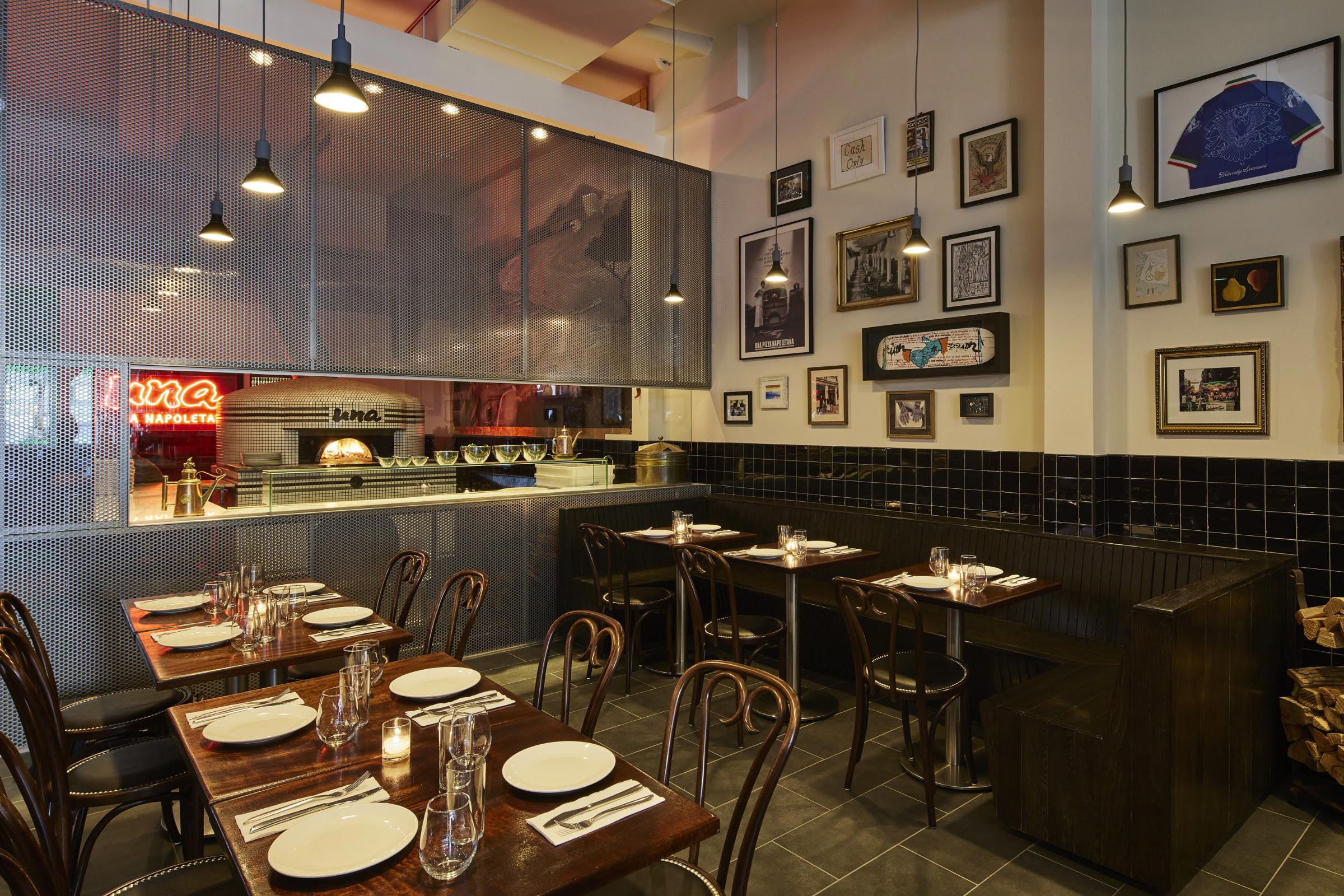
Restaurants in New York City
Browse all →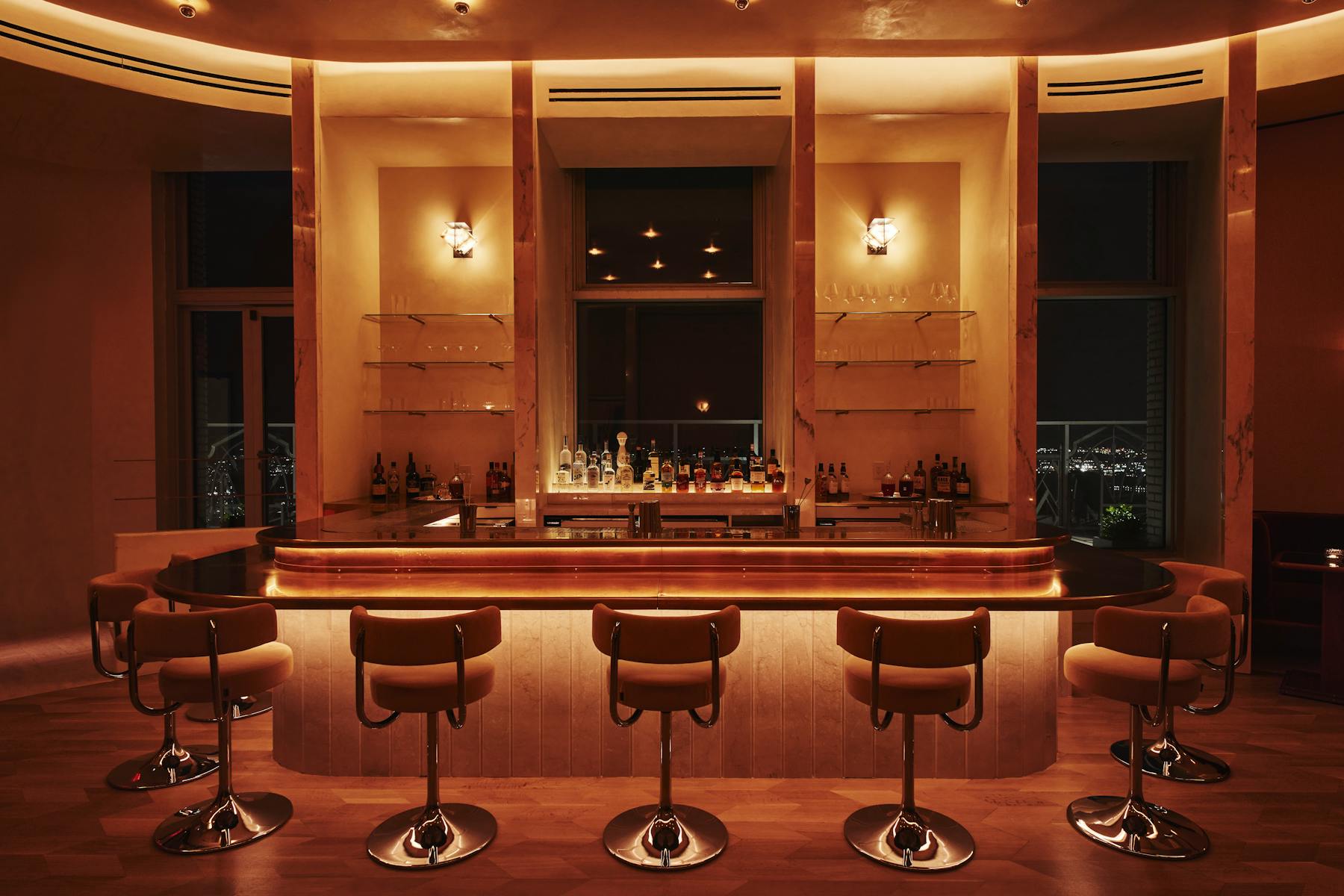
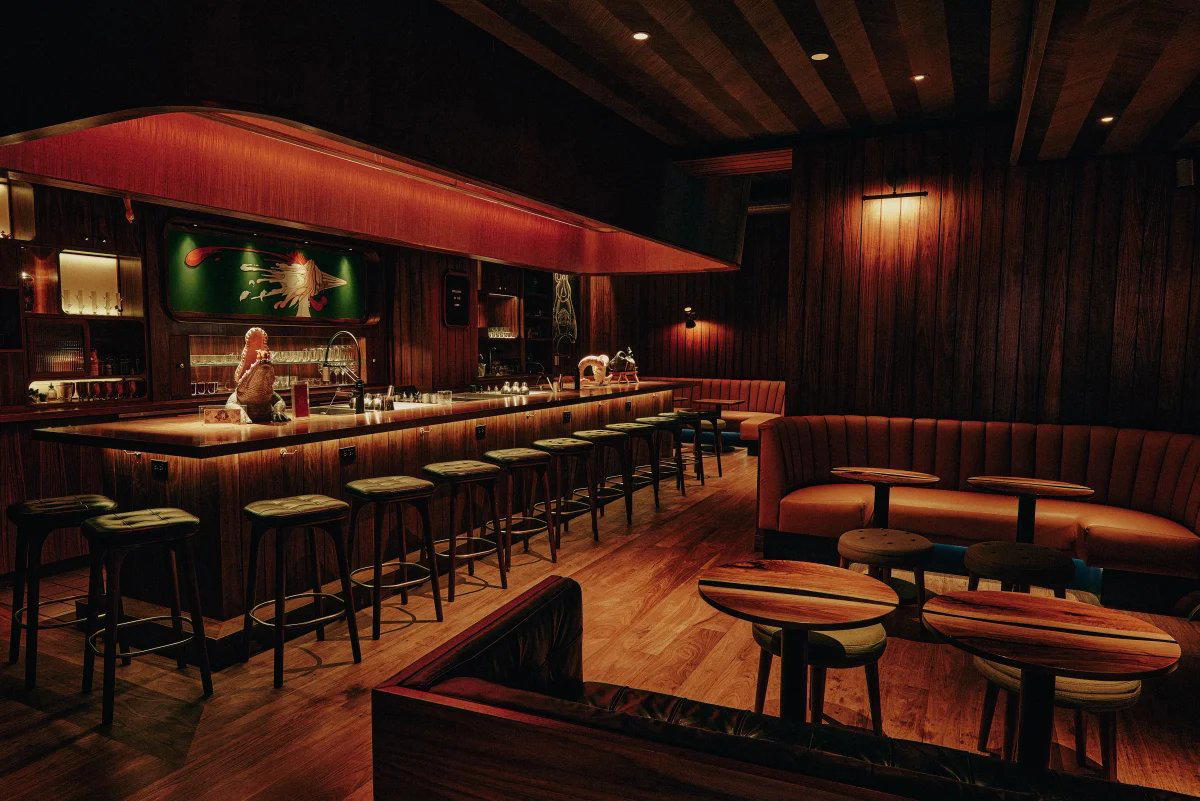
Bars in New York City
Browse all →
Hotels in New York City
Browse all →







At a Glance
- Cozy
- Classic
- Intimate
- Family
- Group Dining
- Casual Hangout
- Standalone
Current opening hours
- Monday
- Closed
- Tuesday
- 5–10 PM
- Wednesday
- 5–10 PM
- Thursday
- 5–10 PM
- Friday
- 5–10 PM
- Saturday
- 5–10 PM
- Sunday
- 5–10 PM
Hours can change for holidays and private events. Last verified .
Mahogany-detailed dining room with warm, friendly neighborhood atmosphere that becomes lively and sometimes noisy.