
Lito puts Nagoya’s contemporary Italian conversation in a tighter, more serious register: small room, wine-led service, fermentation in the kitchen vocabulary, and recognition from The Tabelog Award 2026 Bronze plus Tabelog Italian EAST 100 2025. Its appeal is not red-sauce nostalgia, but the Japanese evolution of regional Italian technique into a reservation-only format built for diners who track the category closely.
Pearl is the En Primeur Club membership app — saves, bookings, and concierge access live there. Same editors, same standards.
- Address
- Japan, 〒461-0001 Aichi, Nagoya, Izumi, 1 Chome−17−3 第ニ オレンジ久屋ビル202
- Phone
- +81 52-291-4694
- Website
- instagram.com
- Directions
- Get directions
 Saves & bookings on Pearl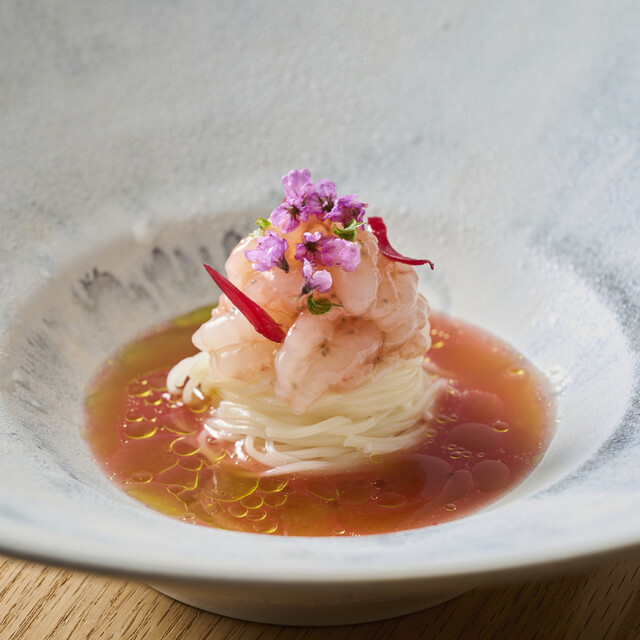
In Izumi, just off the Hisaya Odori axis, the mood shifts from broad Nagoya dining to something more controlled: a compact second-floor room, scarce counter seats, and service built around everyone beginning together. That format matters. Contemporary Italian in Japan has moved beyond the old split between trattoria comfort and hotel dining room formality; sharper addresses now behave more like tasting-menu restaurants, with wine service, timing discipline, and a kitchen language borrowing from regional Italy without staging a museum piece.
Lito sits in that newer category. The cuisine is Italian, but its public positioning points to fermentation and wine rather than one regional costume. That places it near the Japanese-Italian lineage that treats Piedmont, Tuscany, Emilia-Romagna, Campania, and Sicily as references, then filters them through local pacing, small-room hospitality, and a high-control reservation model. For travellers using Our full Nagoya restaurants guide, it is not a casual pasta stop before the train: the evening’s structure matters as much as the cuisine label.
Nagoya's Italian scene is no longer a side note to Tokyo and Kyoto
Japan’s serious Italian restaurants often reveal character through regional identity. Roman cooking prizes directness and offal traditions; Tuscan cooking leans on grilled meat, beans, bread, and olive oil; Neapolitan influence brings pizza, tomato, and southern ease; Milanese and broader northern references introduce butter, rice, veal, and restraint. In Nagoya, stronger Italian rooms rarely declare allegiance to one school. They assemble a grammar: handmade pasta for structure, wine for direction, fermentation when umami and acidity can do more than cream or reduction.
That is why Lito’s recognition signals category, not decoration. The restaurant received The Tabelog Award 2026 Bronze and was selected for Tabelog Italian EAST 100 in 2025, with a Tabelog score listed above 4.1 across the award materials. In Japan, where Tabelog’s user culture can be exacting and conservative, those markers quickly place a young restaurant in a serious competitive band. The late-2023 opening also matters: this is not an old Nagoya institution trading on memory, but part of a current wave in which intimate, wine-aware Italian rooms compete with sushi counters, kappo restaurants, and French tasting menus.
The local comparison set clarifies the decision. il AOYAMA and Japan no Italian Ryori Ten sai are useful Nagoya reference points for diners mapping the city’s higher-spend Italian category, while 1022, 451, and Aaron show how serious dining has spread beyond one cuisine lane. Lito’s position is narrower: small capacity, simultaneous starts, wine attention, and a kitchen identity more contemporary than regional-purist.
Fermentation and wine pull the meal away from regional cosplay
The weaker version of Japanese Italian cooking imitates postcard Italy: a little Tuscan rusticity, Amalfi sunshine, and Roman carbonara theatre. The stronger version understands Italian regional cooking as decisions about grain, fat, acidity, bitterness, preservation, and wine. Fermentation lets a Nagoya kitchen enter that conversation without pretending to be in Alba or Naples. It can echo aged cheese, cured fish, vinegar, miso-adjacent depth, or preserved vegetables while staying anchored in Japan’s comfort with controlled transformation.
Wine is the other tell. A sommelier is listed, and the drinks program is explicitly wine-focused, pushing the restaurant toward a European meal structure rather than a simple chef’s-counter performance. In this price and recognition band, wine service is not an accessory; it shapes how Italian food reads across a long menu. Northern Italian references can feel austere without the right bottle, southern references heavy without acid, and fermentation-led dishes need a cellar that can handle salt, bitterness, and savor. The question is not whether the cooking is “authentic,” but whether the kitchen uses Italian technique to solve Japanese dining-room expectations: precision, pacing, and compact luxury.
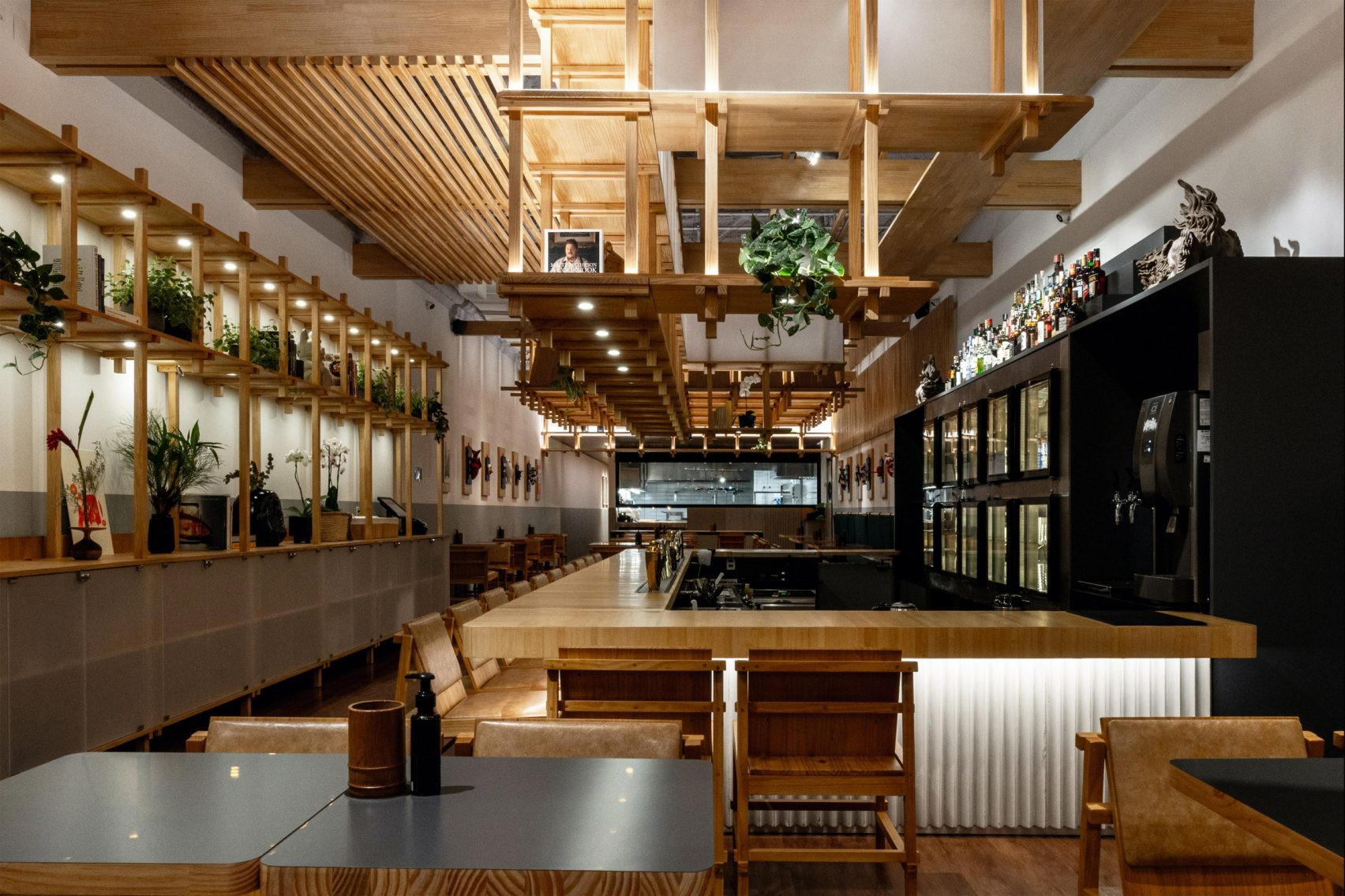
The room size reinforces the point. A 15-seat restaurant with only five counter seats operates closer to a controlled tasting environment than a neighborhood trattoria. Private rooms are absent, smoking is not part of the setting, and private use is possible for larger groups, making the space feel calibrated for diners who accept the house rhythm. This is where Nagoya’s Italian scene becomes compelling: it borrows the discipline of Japanese high-end dining while keeping pasta, wine, and the emotional register of Italian food.
How to place it on a Nagoya itinerary
For a traveller, the decision is category fit. Lito is the call when the evening should sit between Japanese precision and Italian reference points, not when the brief is a quick bowl of noodles, a family meal with flexible timing, or a casual late dinner. The strict start rewards punctual diners and suits less anyone building the night around loose bar-hopping. Nagoya’s broader hospitality map can be planned through Our full Nagoya hotels guide, Our full Nagoya bars guide, Our full Nagoya wineries guide, and Our full Nagoya experiences guide, but this meal asks to be the anchor, not a prelude.
It also belongs in a wider Japan dining conversation. Travellers comparing formats across the country might look at how a focused regional table differs from -Grilled beef Sukiyaki- KAMAKURA TANUKIAN 鎌倉 たぬき庵 in Kamakura. 鮪と炭火焼き うお炭 秋葉原店 in Tokyo.cafe in Osaka.know in Kumamoto, (Shoku) Vietnam in Kawasaki, and [Curry Senmon Ten] Maruyama Kyoju. in Sapporo. For an international Italian benchmark, 112 Eatery, Italian in Minneapolis and 8 1/2 Otto e Mezzo Bombana (Hong Kong), Italian in Hong Kong underline the same point from different markets: Italian cooking travels well when it adapts to local dining habits without losing structure.
The editorial case for Lito is clear. Nagoya has enough polished dining rooms that another expensive Italian address would not matter on format alone. What makes this one relevant is the convergence of youth, small scale, wine service, fermentation-led identity, and fast recognition in Japanese award culture. For diners tracking contemporary Italian in Japan, that combination says more than a checklist of dishes could.
Fast Comparison
Comparable venues by cuisine and price in the same metro.
| Venue | Cuisine | Price | Notes |
|---|---|---|---|
| LitoThis venue — the venue you are viewing | Modern Fermented Italian | $$$ | Not listed |
| オステリア リュウ | Northern Italian Osteria | $$$ | Chikusa |
| Ecco | Seasonal Italian | $$$ | Nishi |
| SOLAMENT'UNO | Modern Italian Course Dining | $$$ | Higashi |
| Shokudo chisan | Modern local-sourcing Italian (pasta & steak) | $$$ | Nakamura |
| Toriryori Jun | Omakase Yakitori & Chicken Cuisine | $$$ | Higashi |
Recognition history
Dated appearances from independent guides and award organizations, with the underlying list record or original source where available.
Tabelog Bronze #244
Tabelog
Tabelog 100 #21 · No. 21
Tabelog · Tabelog 100 - Italian - EAST - 2025
Continue exploring
More in Nagoya
Restaurants in Nagoya
Browse all →
At a Glance
- Elegant
- Intimate
- Sophisticated
- Minimalist
- Date Night
- Special Occasion
- Chefs Counter
- Extensive Wine List
- Sommelier Led
- Local Sourcing
Current opening hours
- Monday
- 12–3 PM, 6:30–10 PM
- Tuesday
- 12–3 PM, 6:30–10 PM
- Wednesday
- 12–3 PM, 6:30–10 PM
- Thursday
- 12–3 PM, 6:30–10 PM
- Friday
- 12–3 PM, 6:30–10 PM
- Saturday
- 12–3:30 PM, 6:30–10 PM
- Sunday
- Closed
Hours can change for holidays and private events. Last verified .
Warm wood tones, subdued colors, and minimalist design create an understated elegant and serene atmosphere with intimate 15-seat spacing.