
Japan no Italian Ryori Ten sai belongs to Nagoya’s small, serious tier of Japanese-Italian dining, where regional Italian technique is filtered through domestic produce rather than reproduced as trattoria nostalgia. Its Tabelog Award 2026 Bronze status and Tabelog Italian EAST 100 selections in 2025 and 2023 put it in a competitive set with the city’s more ambitious Italian rooms.
Pearl is the En Primeur Club membership app — saves, bookings, and concierge access live there. Same editors, same standards.
- Address
- Japan, 〒460-0012 Aichi, Nagoya, Naka Ward, Chiyoda, 2 Chome−8−17 グリーンハイツ鶴舞公園 E号
- Phone
- +81 52-265-7117
- Website
- tablecheck.com
- Directions
- Get directions
 Saves & bookings on Pearl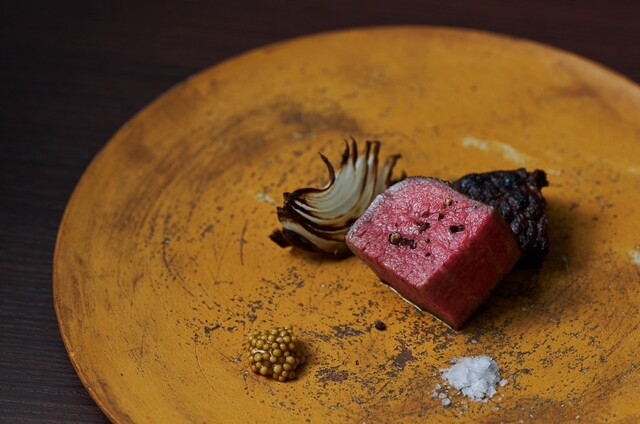
Serious Italian dining in Nagoya often feels quieter than in Tokyo or Kyoto: fewer grand rooms, less theatre, more focus on whether Italian structure can speak fluently with Japanese ingredients. Japan no Italian Ryori Ten sai sits in that idiom. The name states the premise, but the regional question is sharper: not whether the cooking is “authentic” in a museum sense, but which Italian grammar it borrows, and how much Japanese seasonality enters the sentence.
In Japan, high-end Italian restaurants have moved beyond the red-sauce shorthand that once shaped perceptions of the cuisine. The serious tier tends to split three ways: Tuscan and northern-Italian restraint around meat, game, and wine; pasta-driven formats leaning toward Emilia-Romagna and Rome; and coastal or southern references built on seafood, acidity, and olive oil. Nagoya’s version prizes discretion over spectacle. Rooms are smaller, pricing is ambitious, and recognition often comes through Japanese ranking culture as much as international guidebooks.
Japanese ingredients, Italian grammar
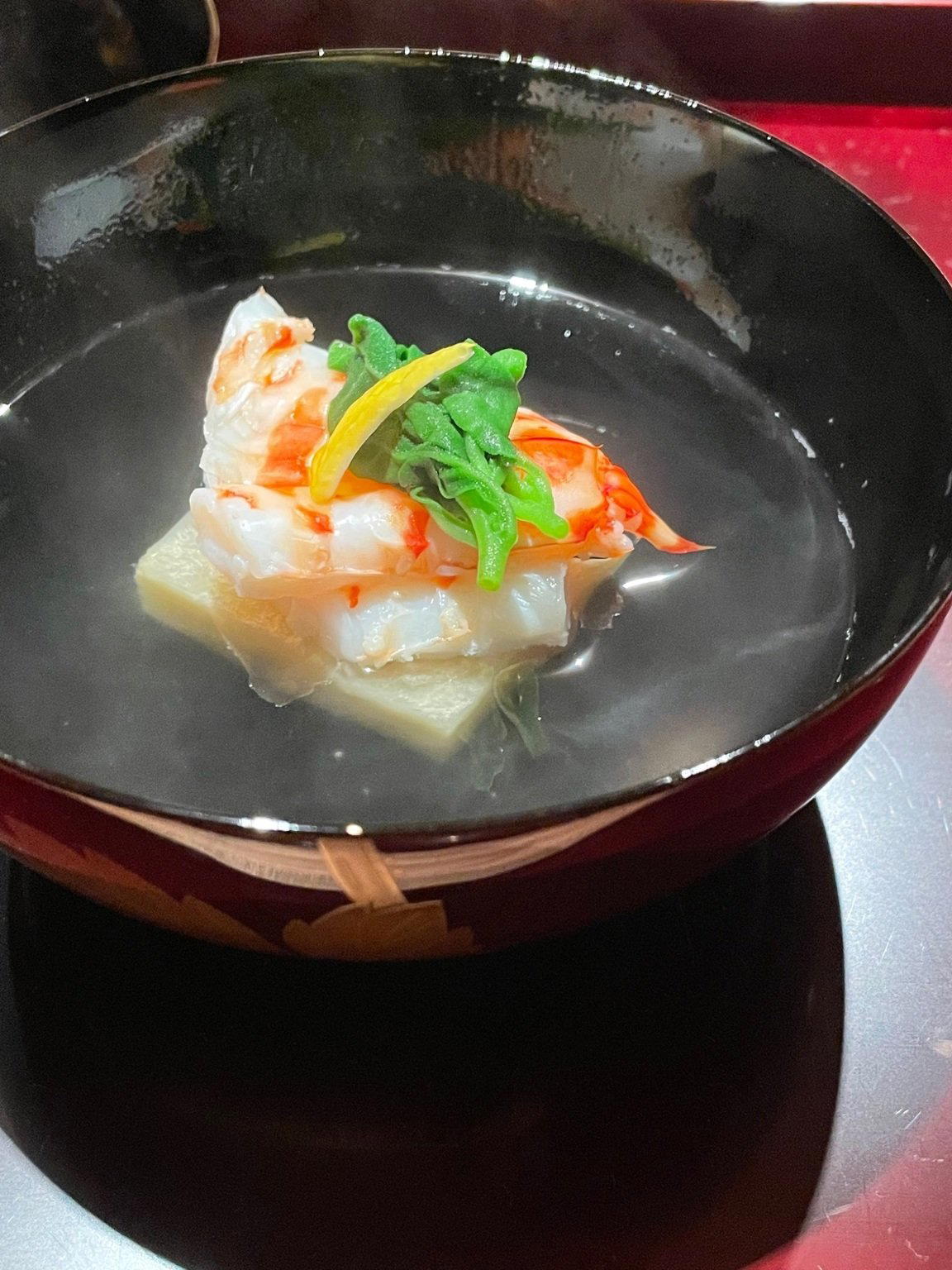
The case for this restaurant rests on a hybrid category: Italian cuisine expressed through Japan’s produce rather than imported as a fixed regional replica. A Roman trattoria model is built on repetition, carbonara, amatriciana, offal, and civic bluntness. Tuscan cooking carries olive oil, beans, grilled meats, and austere luxury. Neapolitan and broader southern traditions depend on tomato, seafood, heat, and looseness. A Japanese-Italian room at this level usually borrows structure from several regions, then edits around season, sourcing, and the expectations of a Japanese dégustation audience.
Japan no Italian Ryori Ten sai has the markers of that serious tier: Tabelog Award 2026 Bronze, a Tabelog score listed at 4.14 in the award entry, and selection for Tabelog Italian EAST 100 in both 2025 and 2023. These are not decorative badges in Japan’s dining economy. Tabelog’s higher scores and award lists carry weight with domestic diners, especially outside the Michelin-dominant conversation. For Nagoya, often under-read by inbound diners who default to Tokyo, Kyoto, and Osaka, that recognition places the restaurant in a narrower lane: destination Italian in a regional city rather than casual neighborhood Italian.
The more useful comparison is local. Lito occupies a similar Italian price tier in Nagoya, while il AOYAMA is another reference for diners tracing the city’s contemporary Italian circuit. The distinction is not simply who cooks better; it is which version of Italian-Japanese dining a traveler wants. Some rooms read more classically European, others more Japanese in pacing and ingredient emphasis. Ten sai’s public positioning points to the latter: Italian cuisine as a framework for Japanese product, not a stage set of regional Italy.
Nagoya's Italian scene rewards small-room seriousness
Nagoya’s dining identity is often discussed through miso katsu, hitsumabushi, kishimen, and coffee-shop culture, but its high-end restaurants have another rhythm. The city has corporate wealth, strong local regulars, and enough distance from the tourist corridor for restaurants to develop without constant international narration. That can make the scene opaque to visitors, but it also gives domestic recognition practical meaning. A Bronze-level Tabelog Award restaurant in Nagoya competes for Japanese diners who scrutinize value, consistency, and reservation discipline.
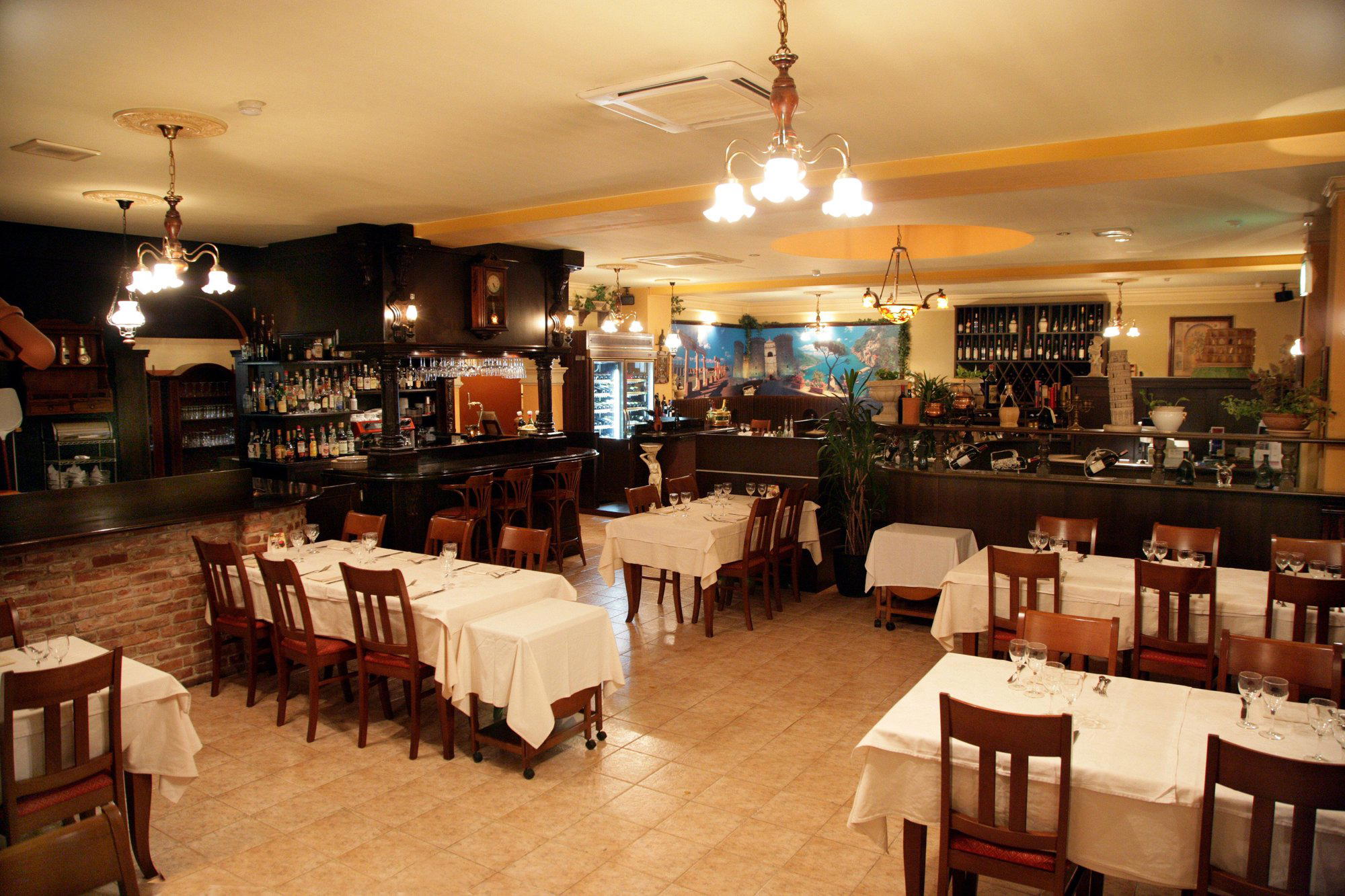
The room format reinforces that seriousness. Public details list 14 seats, including counter seating and a private room, putting the experience closer to a controlled tasting-menu environment than a broad à la carte room. That scale changes the meal. Italian cooking here becomes less about trattoria abundance than sequencing, temperature, portion rhythm, and wine service. A sommelier and BYO availability also frame the restaurant for diners who treat Italian food through bottles as much as plates.
There is a useful caution for travelers expecting regional Italian purity. Japanese-Italian fine dining is not a substitute for Rome, Florence, Milan, or Naples. It is a parallel tradition shaped by Japanese produce calendars, smaller rooms, and a tasting-menu culture that prizes balance over rusticity. The reward is precision; the trade-off is that southern Italian looseness or Tuscan muscular simplicity may be softened. For some diners, that edit is the point.
How to place it in a Nagoya itinerary
Ten sai makes the strongest sense for travelers who already understand Japan’s Italian category and want to see it outside the major tourist cities. It is less useful as a first encounter with Nagoya food culture than as a counterpoint. A day built around local staples and dinner here gives a sharper read on the city: Aichi comfort food on one side, a polished international form adapted to Japanese expectations on the other.
For broader planning, use Our full Nagoya restaurants guide to position it against other dining styles, then pair the meal with Our full Nagoya hotels guide if staying centrally. Drink-led itineraries can continue through Our full Nagoya bars guide, while category completists can scan Our full Nagoya wineries guide and Our full Nagoya experiences guide for adjacent planning.
Within Nagoya’s wider restaurant map, 1022, 451, and Aaron show how fragmented the city’s premium dining choices can be across formats and cuisines. For context beyond Nagoya, compare how Italian identity travels at 112 Eatery, Italian in Minneapolis and 8 1/2 Otto e Mezzo Bombana (Hong Kong), Italian in Hong Kong. Japan’s broader dining range is better read through contrasts as well: -Grilled beef Sukiyaki- KAMAKURA TANUKIAN 鎌倉 たぬき庵 in Kamakura. 鮪と炭火焼き うお炭 秋葉原店 in Tokyo.cafe in Osaka.know in Kumamoto, (Shoku) Vietnam in Kawasaki, and [Curry Senmon Ten] Maruyama Kyoju. in Sapporo each illustrates a different way local categories resist simple labels.
The editorial read is clear: this is not the Nagoya table for diners chasing Italian regional nostalgia. It is for those interested in the Japanese evolution of Italian fine dining, where awards, scale, and format point toward a controlled, ingredient-led meal. In a city whose international dining reputation remains quieter than its economic importance, Ten sai is a meaningful stop for travelers mapping Japan’s serious Italian rooms beyond the usual circuit.
Snapshot
Comparable venues by cuisine and price in the same metro.
| Venue | Cuisine | Price | Notes |
|---|---|---|---|
| Japan no Italian Ryori Ten saiThis venue — the venue you are viewing | Japan no Italian Ryori | $$$ | Not listed |
| La Violetta | Italian | $$$ | Higashi |
| Gastronomy Sole Yanagiya | Seasonal Italian Gastronomy by Yanagiya | $$$$ | Naka |
| Lilla | Italian Fine Dining | $$$ | Higashi |
| OLMO | Seasonal Italian in a renovated Nagoya kominka | $$$$ | Nishi |
| Pizzeria Vacanze Nagone | Neapolitan Pizza & Italian Trattoria | $$ | Chikusa |
Recognition history
Dated appearances from independent guides and award organizations, with the underlying list record or original source where available.
Tabelog Bronze #380
Tabelog
Tabelog 100 #100 · No. 100
Tabelog · Tabelog 100 - Italian - EAST - 2025
Continue exploring
More in Nagoya
Restaurants in Nagoya
Browse all →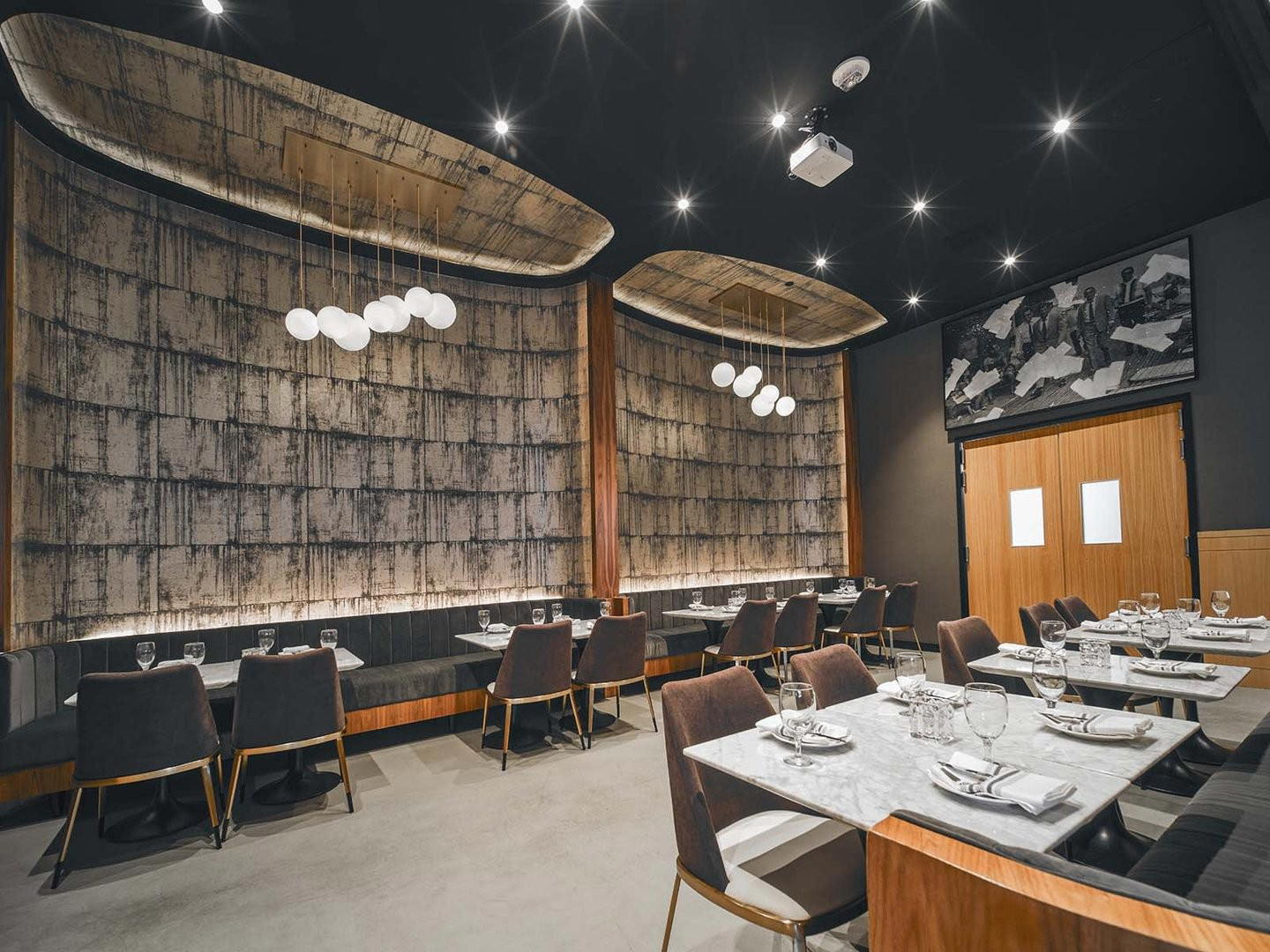
At a Glance
- Intimate
- Elegant
- Cozy
- Sophisticated
- Special Occasion
- Date Night
- Celebration
- Private Dining
- Sake Program
Current opening hours
- Monday
- 11:30 AM–2:30 PM, 6–10 PM
- Tuesday
- 11:30 AM–2:30 PM, 6–10 PM
- Wednesday
- Closed
- Thursday
- Closed
- Friday
- 6–10 PM
- Saturday
- 11:30 AM–2:30 PM, 6–10 PM
- Sunday
- 11:30 AM–2:30 PM, 6–10 PM
Hours can change for holidays and private events. Last verified .
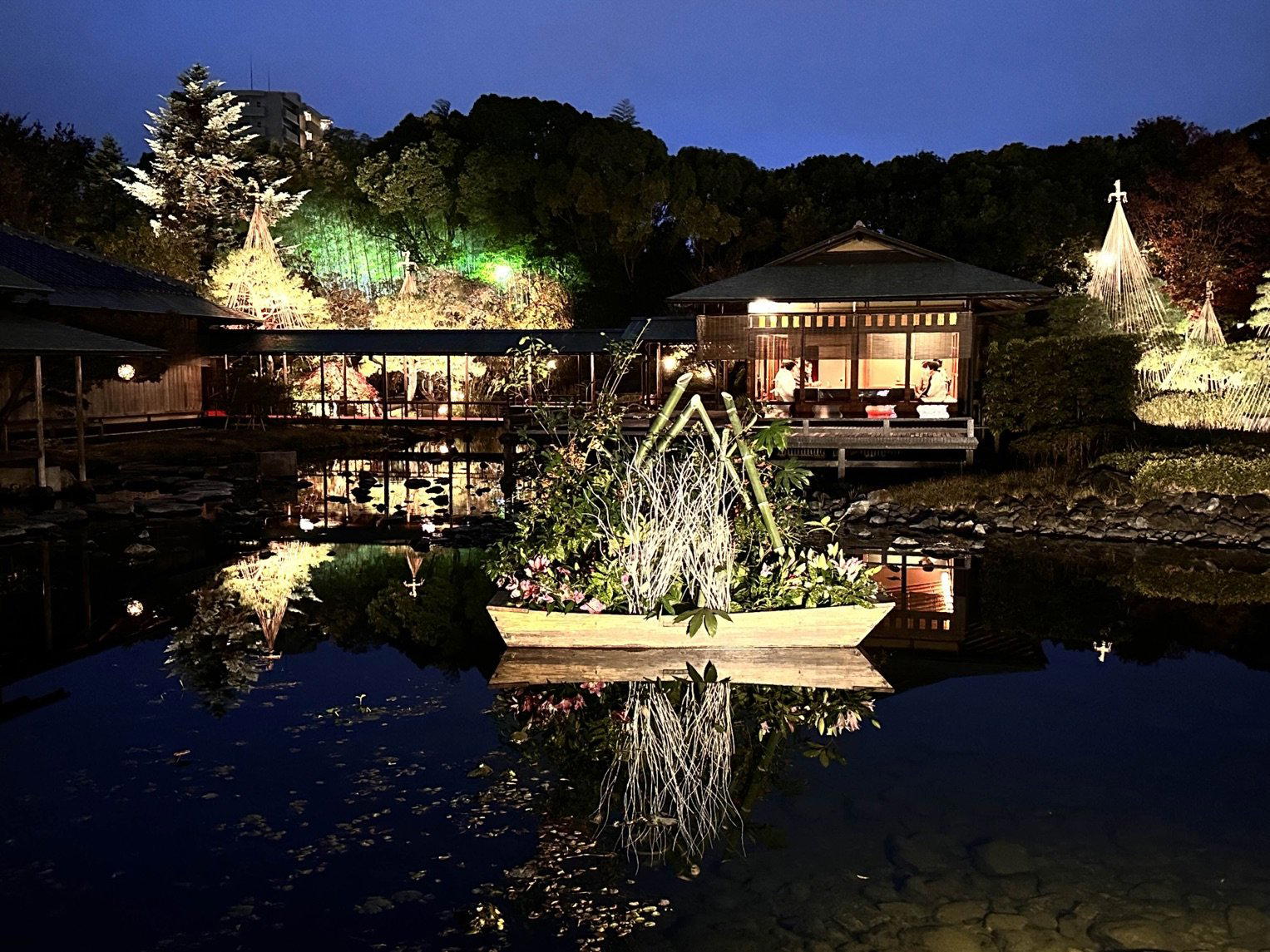
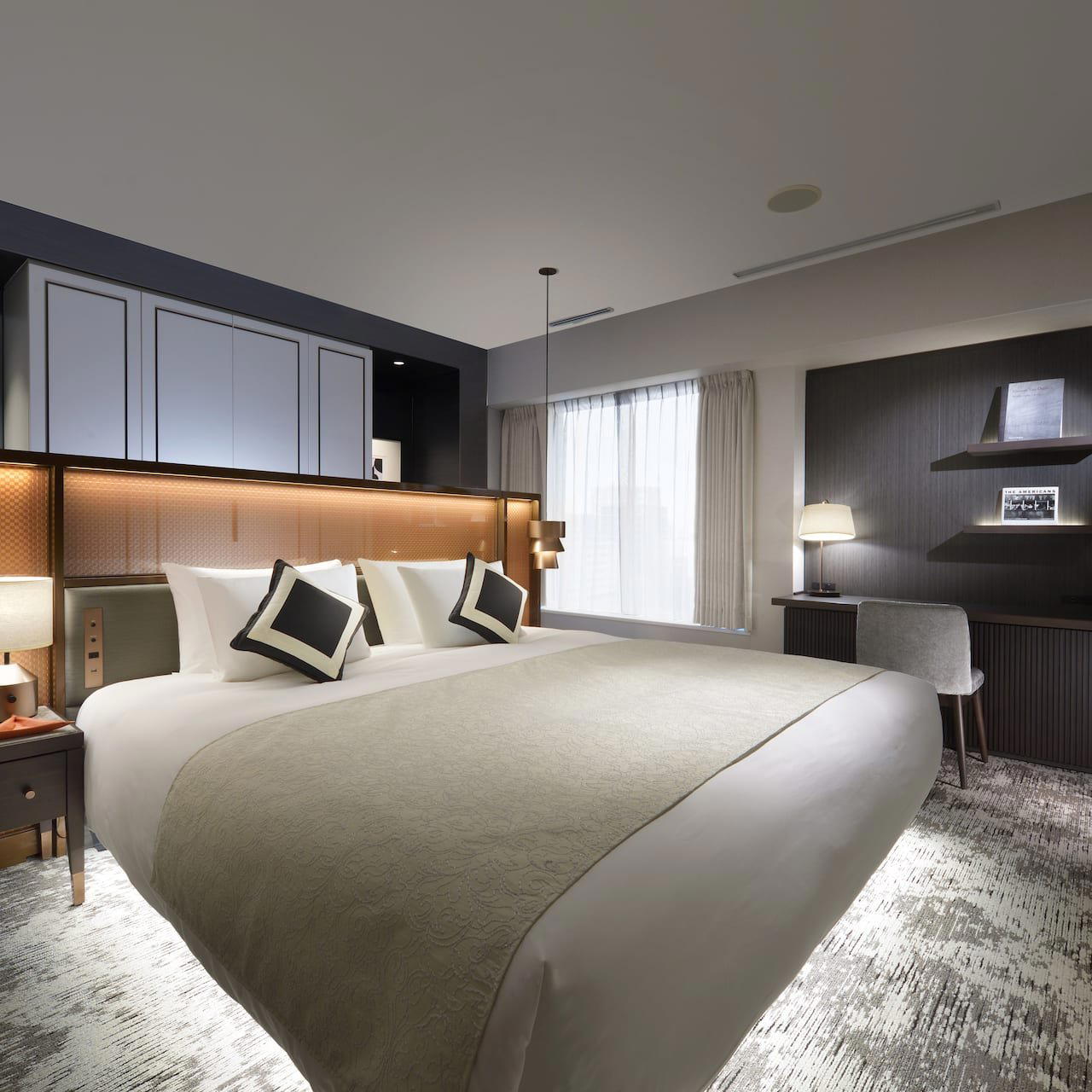
Stylish and relaxing space with counter seating and private room.