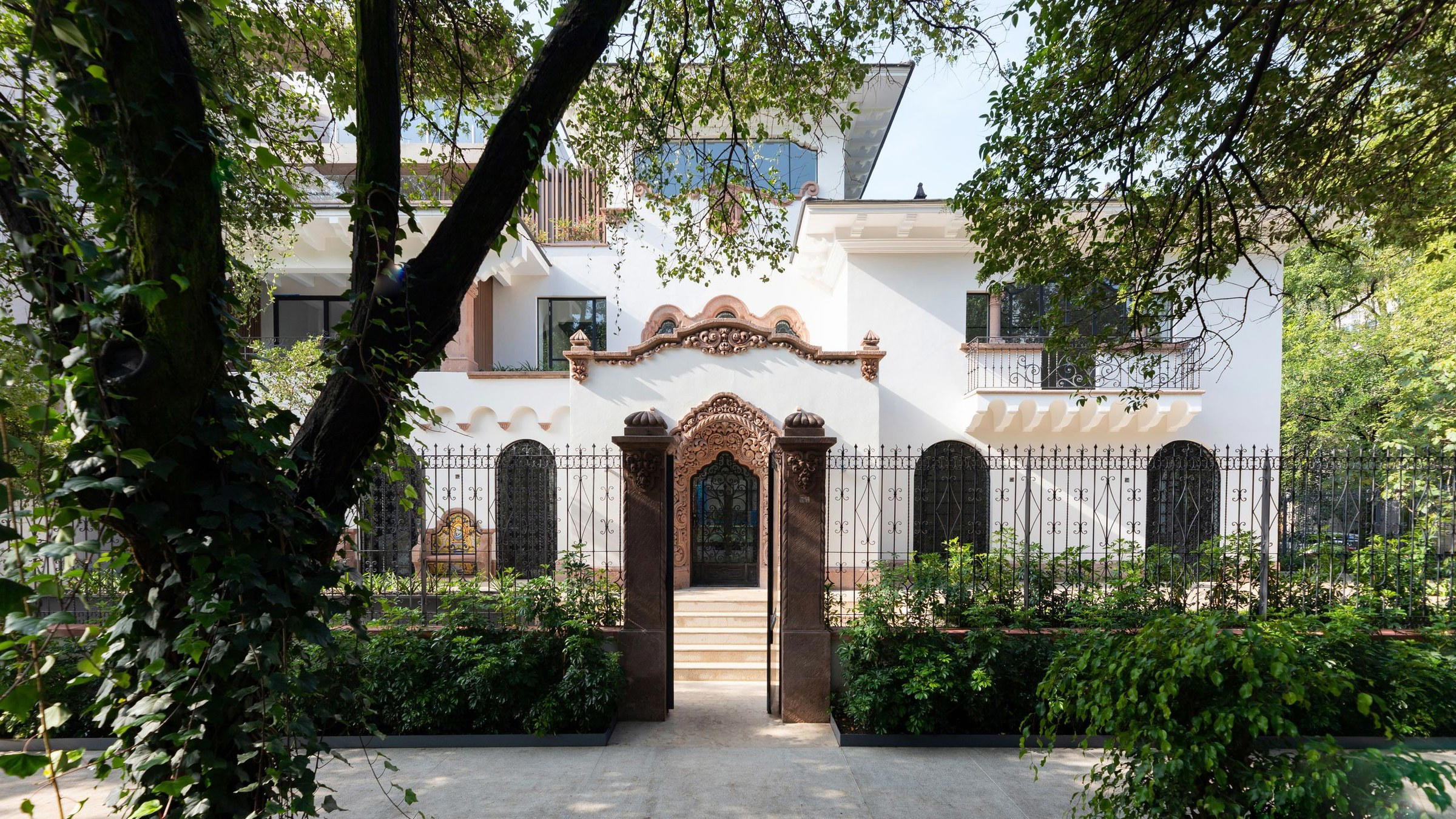
Hunan Artz
Our verdict
Hunan Artz occupies the southern stretch of Mexico City's Periferico Sur, in the Jardines del Pedregal neighbourhood where the capital's restaurant scene has been quietly expanding beyond its traditional strongholds. The address places it near the Artz Pedregal complex, a reference point for the area's growing concentration of dining options that sit outside the Roma-Condesa circuit.

Pearl is the En Primeur Club membership app — saves, bookings, and concierge access live there. Same editors, same standards.
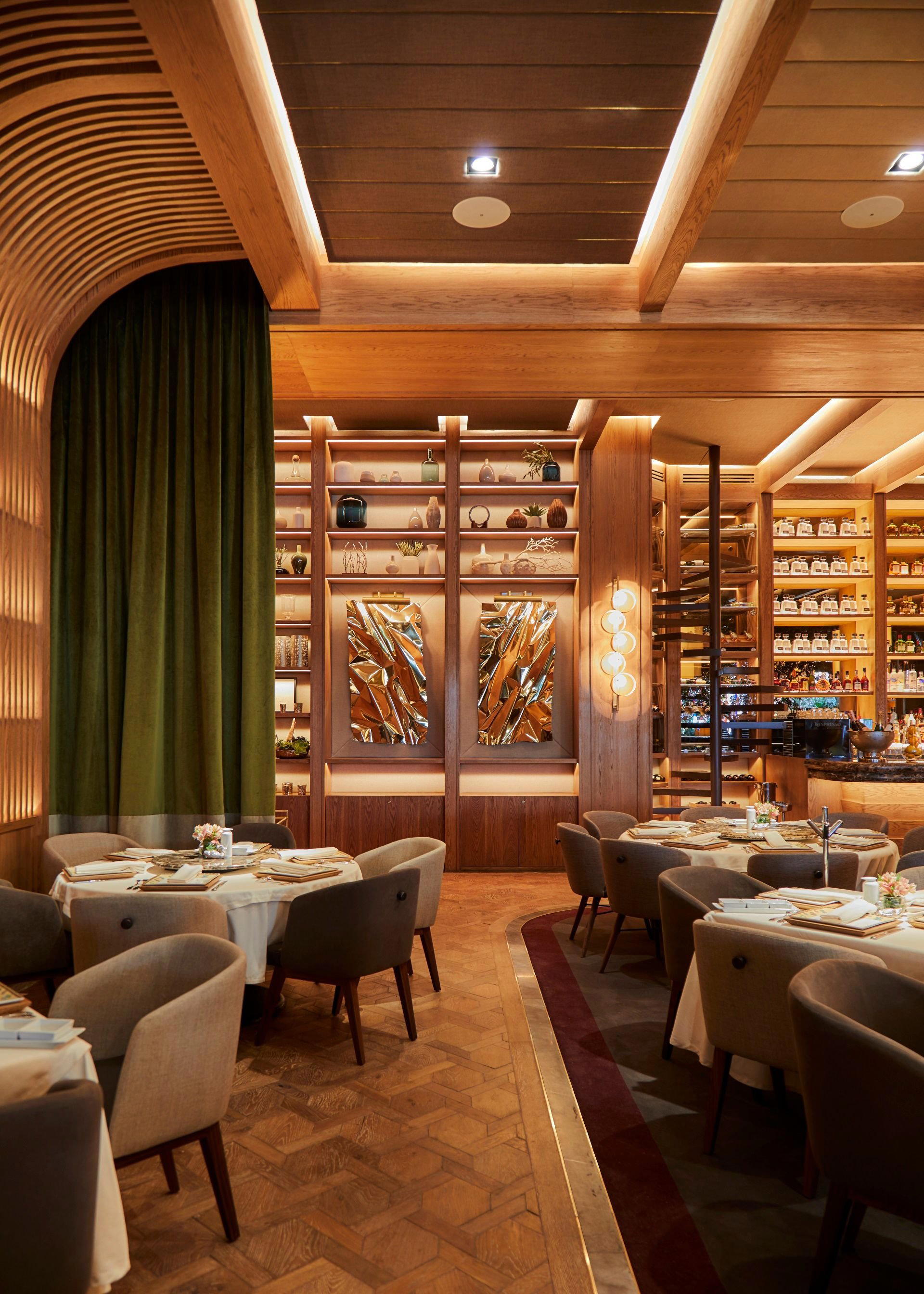
The Southern Corridor and What It Signals
Mexico City's dining conversation has long defaulted to a handful of postcodes: Roma Norte, Condesa, Polanco. The restaurants that define the city's international reputation, from Pujol to Quintonil to Rosetta, have anchored themselves in those areas and attracted the critical mass that makes them easy reference points. But the city's geography doesn't stop there, and the southern corridor along Periferico Sur has steadily accumulated a different kind of dining density, one built around residential neighbourhoods and commercial anchors rather than tourist circuits. Hunan Artz sits at Periferico Sur 3720, in the Jardines del Pedregal area adjacent to the Artz Pedregal complex, which positions it within that southward expansion rather than the traditional core.
Venues in this part of the city compete less on international visibility and more on neighbourhood authority, consistent execution, and the loyalty of a local clientele that drives across the city for a specific reason. That dynamic shapes how a restaurant like Hunan Artz functions within Mexico City's broader food geography. For a fuller map of where the capital's dining scene is concentrating, our full Mexico City restaurants guide covers the terrain across all major zones.
What Hunan Signals About Mexican-Chinese Dining in the Capital
The name Hunan points to a specific regional cuisine within China's cooking traditions, one that differs sharply from the Cantonese-derived dishes that shaped most of the world's Chinese restaurant output throughout the twentieth century. Hunan cooking emphasises dried and fresh chillies, smoked and cured ingredients, and a heat profile that is drier and more persistent than the numbing spice associated with Sichuan. It is a regional identity with genuine culinary specificity, not a generic pan-Asian frame.
Mexico City has a Chinese-Mexican culinary history that predates the current wave of regionally specific Chinese restaurants. That older tradition produced dishes that blended across cultures rather than preserving origin fidelity. The emergence of restaurants that foreground a specific Chinese regional identity, such as Hunan, represents a different moment in that history: one where diners are assumed to have the reference points to appreciate the distinction. This is consistent with what has happened in cities like New York, where the distance between a neighbourhood Cantonese spot and a technically focused regional Chinese program, such as what Atomix represents in Korean fine dining, has become a meaningful part of how diners categorise their choices.
The Service Architecture in Regionally Specific Cuisine
One of the less discussed aspects of regionally specific Chinese dining is the degree to which front-of-house literacy matters to the experience. When a kitchen is working from a culinary tradition that most diners do not have instinctive familiarity with, the team dynamic between kitchen and floor becomes more load-bearing than in a restaurant where guests already know the grammar of the food. The ability of service staff to explain the distinction between a Hunanese preparation and something a guest might have encountered elsewhere, to steer the table toward an order that builds correctly, or to contextualise why a dish arrives at a certain temperature or with a specific accompaniment, determines whether the kitchen's work lands.
This is the editorial point worth dwelling on: the collaboration between a kitchen working in a specific regional tradition and a front-of-house team fluent enough in that tradition to translate it is not a secondary consideration. It is part of the product. Restaurants that handle this well, across any cuisine with a high knowledge gradient between kitchen and guest, tend to develop the kind of repeat clientele that sustains them in neighbourhoods outside the main tourist flow. That dynamic appears relevant to what Hunan Artz is positioned to do in the southern Mexico City corridor.
For comparison, Mexico's restaurant scene at the high-knowledge end includes places like Em and Sud 777, where the kitchen-floor relationship is part of what makes the experience coherent rather than just technically correct. That standard is now the reference point across the capital's more ambitious restaurants, regardless of cuisine type.
Mexico's Regional Restaurant Expansion as Backdrop
The geographic spread of serious dining in Mexico has accelerated. Cities and regions that once existed only as footnotes in the capital's dining conversation now have restaurants that draw visits in their own right. Animalón in Valle de Guadalupe, Alcalde in Guadalajara, KOLI Cocina de Origen in Monterrey, Pangea in San Pedro Garza Garcia, Levadura de Olla in Oaxaca, and Huniik in Merida are all part of a national dining geography that no longer requires Mexico City as its gravitational centre. The coast has followed suit, with HA' in Playa del Carmen, Le Chique in Puerto Morelos, Olivea Farm to Table in Ensenada, and Lunario in El Porvenir all operating at a level that requires a separate travel decision rather than a detour.
Within Mexico City itself, the same dispersal is playing out at the neighbourhood level. The question of whether Jardines del Pedregal and the Artz Pedregal area can support a restaurant with genuine ambition in a regionally specific Chinese cuisine is part of a larger test the city's southern districts are running: whether dining investment in those areas can generate the critical mass that has made Roma and Condesa self-reinforcing.
Planning a Visit
Hunan Artz is located at Periferico Sur 3720 in the Jardines del Pedregal area of Álvaro Obregón, accessible from the southern stretch of the ring road. The Artz Pedregal complex serves as a nearby landmark. Given the venue's location outside the central dining districts, arriving by car or app-based transport is the practical approach; the area does not have the pedestrian density of Condesa or Roma, and the Periferico itself is better treated as a transit corridor than a walkable strip.
Frequently asked questions
How do I find Hunan Artz?
Hunan Artz is located at Periferico Sur 3720, San Jerónimo Lídice, Jardines del Pedregal, Álvaro Obregón, 01900 Ciudad de México, CDMX, Mexico, Mexico City.
Is Hunan Artz the only Hunan-style restaurant in Mexico City?
Mexico City's Chinese dining scene has historically centered on Cantonese and broadly Mandarin-influenced cooking, making venues focused on Hunan's regional style relatively rare in the capital. Hunan Artz, positioned at Periferico Sur 3720 in the southern Jardines del Pedregal area, addresses a gap that few restaurants in CDMX have targeted directly. Whether it is the sole Hunan-specific kitchen in the city is difficult to confirm without a full market survey, but the regional focus alone distinguishes it from the majority of Chinese restaurants operating here.
What dish is Hunan Artz famous for?
What the name signals is a focus on Hunan-style cooking, a regional tradition built on dried chilies, fermented black beans, and bold, often fiery profiles that differ sharply from the Cantonese-derived dishes more common in Mexico City's Chinese restaurant scene. If the kitchen holds to that regional identity, expect preparations that lean toward heat and acidity rather than sweetness or subtle umami.
What's the best way to book Hunan Artz?
The restaurant is located at Periferico Sur 3720 in Jardines del Pedregal, and visiting in person or checking local reservation platforms such as Google Maps or OpenTable Mexico is the most reliable approach until direct contact details are confirmed.
What's Hunan Artz best at?
Based on its positioning in Mexico City's southern corridor and its focus on Hunan regional cuisine, Hunan Artz occupies a specific gap: Chinese cooking rooted in a tradition distinct from the Cantonese canon that has historically defined Chinese dining in Latin America. That specificity, if executed consistently, is the restaurant's primary value to a diner who already knows the broader Chinese-Mexican dining scene.
Is Hunan Artz good for vegetarians?
Hunan cuisine does include vegetable-forward preparations, particularly dishes built around preserved greens, tofu, and seasonal produce, though the tradition is not predominantly vegetarian.
Should I splurge on Hunan Artz?
What is documentable is the restaurant's location at Periferico Sur 3720 in the Artz Pedregal development, a commercial anchor that draws a range of dining options across price points. If Hunan regional cooking is your target, the specificity of the cuisine alone justifies the visit regardless of tier.
At-a-Glance Comparison
Comparable venues nearby, for context on price, style, and recognition.
| Venue | Cuisine | Price | Notes |
|---|---|---|---|
| Hunan ArtzThis venue — the venue you are viewing | High-end Chinese Fine Dining | Not listed | Not listed |
| Hunan | Elegant Chinese Fine Dining | $30–50 | Lomas Altas |
| Hunan San Angel | Authentic Chinese Fine Dining | $30–50 | Guadalupe Inn |
| Sakai | Modern Japanese Sushi | $50–100 | Tlaxala |
| Kosher Bamboo Asian Cuisine | Kosher Asian Fusion | $50–100 | Del Bosque |
| Casona Roma Norte | Modern Mexican with Japanese Fusion | Not listed | Nva Anzures |