Hunan
Our verdict
Hunan serves Elegant Chinese Fine Dining at Av. P.º de la Reforma 2210, with Peking Duck and Hunan Beef on a leisurely, conversational format.

Pearl is the En Primeur Club membership app — saves, bookings, and concierge access live there. Same editors, same standards.
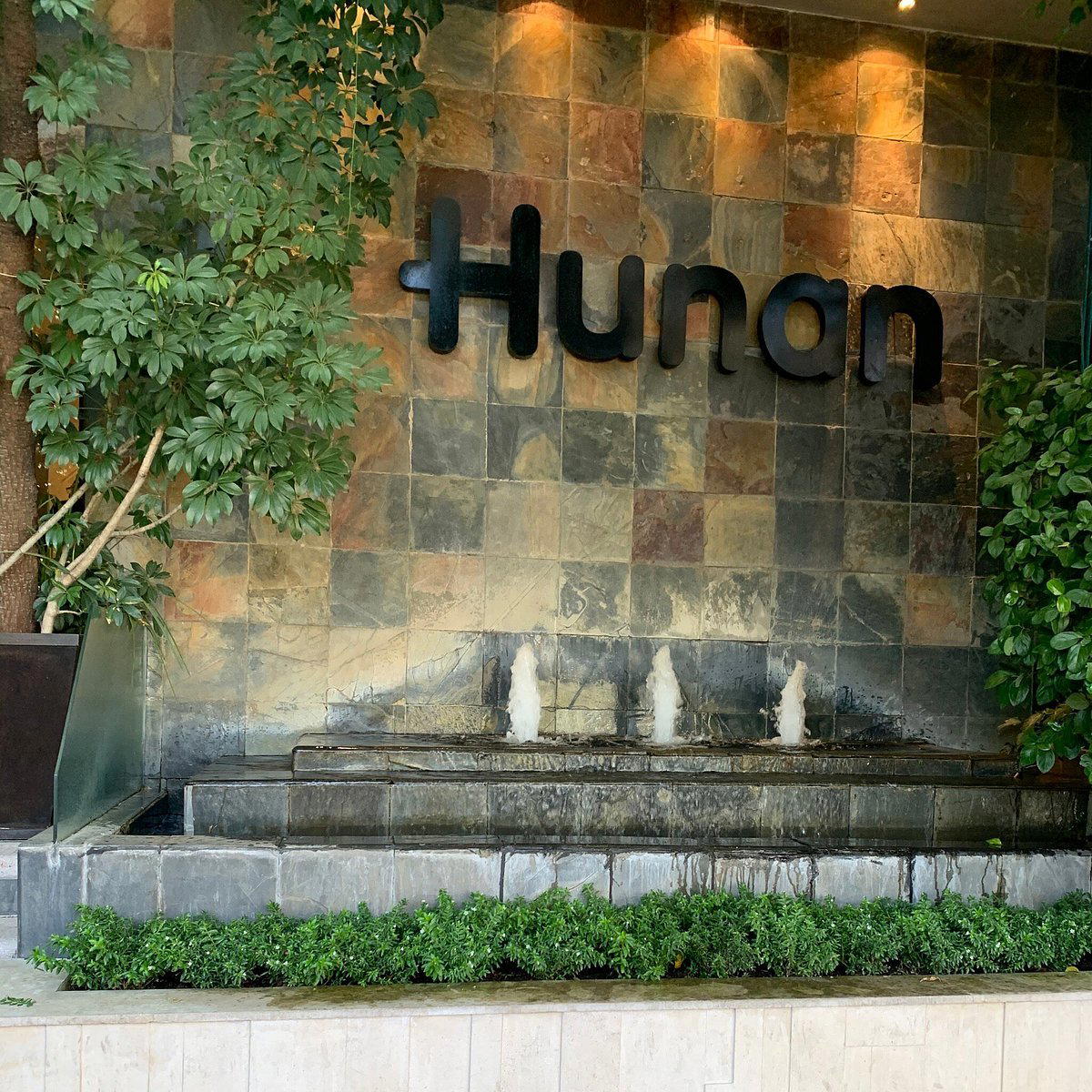
Chinese Cooking Along Reforma: Where Hunan Fits in Mexico City's Broader Asian Dining Shift
Paseo de la Reforma is not where most visitors expect to find Chinese regional cooking. The boulevard runs through Lomas de Virreyes with the architectural confidence of a city that has spent decades building a premium dining corridor, and the restaurants that line it tend toward European-inflected Mexican or global fine dining. Hunan, at Av. P.º de la Reforma 2210, occupies a position that carries a certain friction with its surroundings — a Chinese regional address in a neighborhood more associated with tasting menus and wine lists than with the slow-braised, chile-heavy traditions of China's interior provinces.
That friction is worth sitting with before you arrive, because it shapes the ritual of the meal itself. Hunan-style cooking, as a tradition, is built around communal pacing: dishes come to the table in deliberate sequence, shared across the group rather than plated individually, and the heat level tends to build across courses rather than arriving all at once. The cuisine of Hunan province is distinct from the more internationally recognized Sichuan in that its heat comes primarily from fresh chiles rather than the numbing peppercorn compound that defines much of Sichuan's spice profile. Dishes carry a sharper, more direct burn, and the cooking relies heavily on fermented and preserved ingredients — smoked meats, pickled vegetables, fermented black beans, that add depth without relying on elaborate sauce reductions.
The Dining Ritual: Pacing, Sharing, and the Logic of the Table
In a city where Mexico City's most discussed restaurants, Pujol, Quintonil, Em, operate around fixed tasting formats with prescribed sequences, eating at a Chinese regional table follows a different logic entirely. The diner is responsible for the architecture of the meal. There is no kitchen-imposed progression. You select, you share, you pace the table yourself. For guests accustomed to Mexico City's high-end tasting format, this shift in responsibility can feel disorienting in the first few minutes and liberating by the time the third dish arrives.
Shared-table Chinese dining in this style rewards groups of three or more. Two diners can eat well, but the range of the menu opens up with larger parties who can order across protein, vegetable, and preserved-ingredient dishes simultaneously. The convention is to have rice present at the table throughout rather than as a course-ending starch, and to use it as a palate buffer between the more aggressively seasoned plates. This is not incidental etiquette, it is structural to how the cuisine reads.
Mexico City has seen a gradual broadening of its Chinese restaurant offering over the past decade, moving away from the heavily Cantonese-influenced cooking that dominated the Barrio Chino near Dolores Street and toward more regionally specific kitchens. That shift places Reforma's Chinese addresses in an interesting position: they sit geographically and demographically away from the traditional Chinese-Mexican immigrant community and closer to an international and upper-middle-class local clientele. The comparison set for a restaurant at this address includes places like Rosetta and Sud 777 in terms of neighborhood positioning, even if the cuisine itself belongs to an entirely different lineage.
What the Location Tells You About the Room
Reforma 2210 places Hunan within reach of Polanco and Lomas without belonging fully to either. The address is residential-commercial, the kind of block where office buildings and apartment towers coexist with ground-floor restaurants serving a mix of local residents and business lunchers. The dining ritual here is likely to be less performative than at the city's high-visibility tasting-menu addresses, fewer occasions, more regulars, more of the low-key comfort that regional Chinese cooking does well when it is not being asked to perform for a tourist economy.
For context on how Mexico's wider restaurant scene has developed regionally specific dining identities, the work being done outside the capital is instructive. Alcalde in Guadalajara, KOLI Cocina de Origen in Monterrey, and Levadura de Olla in Oaxaca each represent the push toward cuisine that reflects a specific geographic and cultural root. Hunan-style cooking, in its own way, makes a parallel argument: that regional specificity is worth the complexity it introduces.
Beyond Mexico, the commitment to regional cooking identity shows up in venues like Atomix in New York City, where Korean regional tradition is filtered through a fine-dining format, and in the seafood-focused precision of Le Bernardin, where the discipline comes from France but the commitment to a single culinary tradition is total. The principle, that depth in one tradition outperforms breadth across several, applies across cuisines and price points.
Planning Your Visit: Practical Considerations
Given the address on a major Reforma artery, walk-in availability at lunch tends to be more accessible than dinner, where Lomas residents and nearby office workers make weekend evenings competitive. For visitors who want to anchor a Mexico City dining itinerary around the city's most-discussed restaurants before or after this meal, our full Mexico City restaurants guide covers the current tasting-menu tier including Pujol and Quintonil alongside more accessible options.
Frequently asked questions
How do I find Hunan?
Hunan is located at Av. P.º de la Reforma 2210, Lomas de Virreyes, Miguel Hidalgo, 11000 Ciudad de México, CDMX, Mexico, Mexico City.
How does Hunan on Reforma differ from Mexico City's other Chinese restaurants?
Most of Mexico City's Chinese dining has historically concentrated around Barrio Chino near Calle Dolores, where the cooking skews toward Cantonese and broadly adapted Chinese-Mexican formats. Hunan at Reforma 2210 in Lomas de Virreyes represents a geographically and stylistically distinct option, placing Hunan-province regional cooking in a corridor better associated with corporate and upscale residential dining than with ethnic food clusters. That positioning makes it the rare address where a diner can access chile-forward, fermentation-led Chinese regional cooking without crossing into the historic city centre.
What do people recommend at Hunan?
Hunan-province kitchens are built around preserved and smoked proteins, fresh-chile preparations, and fermented vegetable dishes — a profile that differs sharply from the Cantonese-influenced cooking found in Mexico City's Barrio Chino. The cuisine style itself tends to reward sharing, with cold and hot dishes arriving in an overlapping sequence rather than a fixed progression.
Should I book Hunan in advance?
That said, the Reforma 2210 address sits in a consistently busy residential-commercial corridor drawing both business and local traffic, which means walk-in availability at peak hours is not guaranteed. Arriving early or at off-peak times is a reasonable hedge until direct contact information can be confirmed.
What's the standout thing about Hunan?
The cuisine type is the defining factor. Hunan-province cooking is significantly underrepresented in Mexico City compared to Cantonese, which dominates the city's established Barrio Chino near Calle Dolores. An address on Paseo de la Reforma rather than in a traditional ethnic dining cluster makes this a distinct option for the Polanco and Lomas de Virreyes catchment area.
Can Hunan handle vegetarian requests?
Hunan-style menus typically carry a meaningful range of vegetable-forward dishes, including preparations built around preserved and pickled vegetables, tofu, and fresh-chile sauces that don't rely on meat as the base. That said, smoked and cured proteins are central to the cuisine, so cross-contamination in broths and sauces is worth clarifying with staff directly.
Cuisine Context
Comparable venues nearby, for context on price, style, and recognition.
| Venue | Cuisine | Price | Notes |
|---|---|---|---|
| HunanThis venue — the venue you are viewing | Elegant Chinese Fine Dining | $30–50 | Not listed |
| Hunan Artz | High-end Chinese Fine Dining | Not listed | Jardines en la Montaña |
| Rincón Argentino | Authentic Argentine Steakhouse | $30–50 | Chapultepec Morales |
| Sal e Brasa | Brazilian Churrascaria | $30–50 | Nva Anzures |
| Apego, balcón del sur | Casual Mexican with terrace | $20–30 | Sociedad Cooperativa Poder Popular |
Continue exploring
More in Mexico City
Restaurants in Mexico City
All restaurants in Mexico City →
Bars in Mexico City
All bars in Mexico City →

Details
- Elegant
- Cozy
- Sophisticated
- Business Dinner
- Family
- Celebration
- Special Occasion
- Open Kitchen
- Extensive Wine List
- A La Carte
- Vegetarian Friendly
Current opening hours
- Monday
- 1:30–10 PM
- Tuesday
- 1:30–10 PM
- Wednesday
- 1:30–10 PM
- Thursday
- 1:30–10 PM
- Friday
- 1:30–10 PM
- Saturday
- 1:30–10 PM
- Sunday
- 1:30–6 PM
Hours can change for holidays and private events. Last verified .
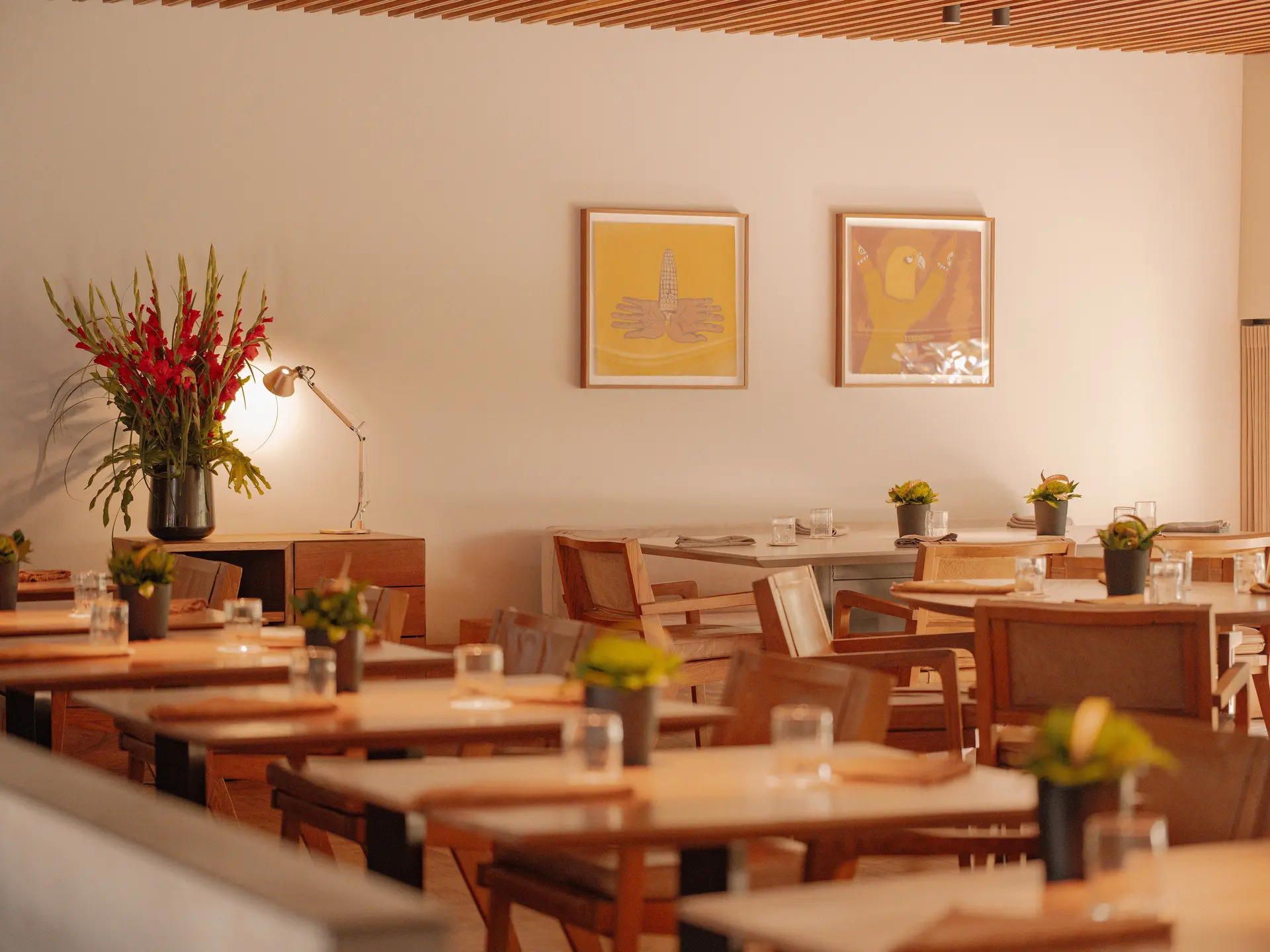
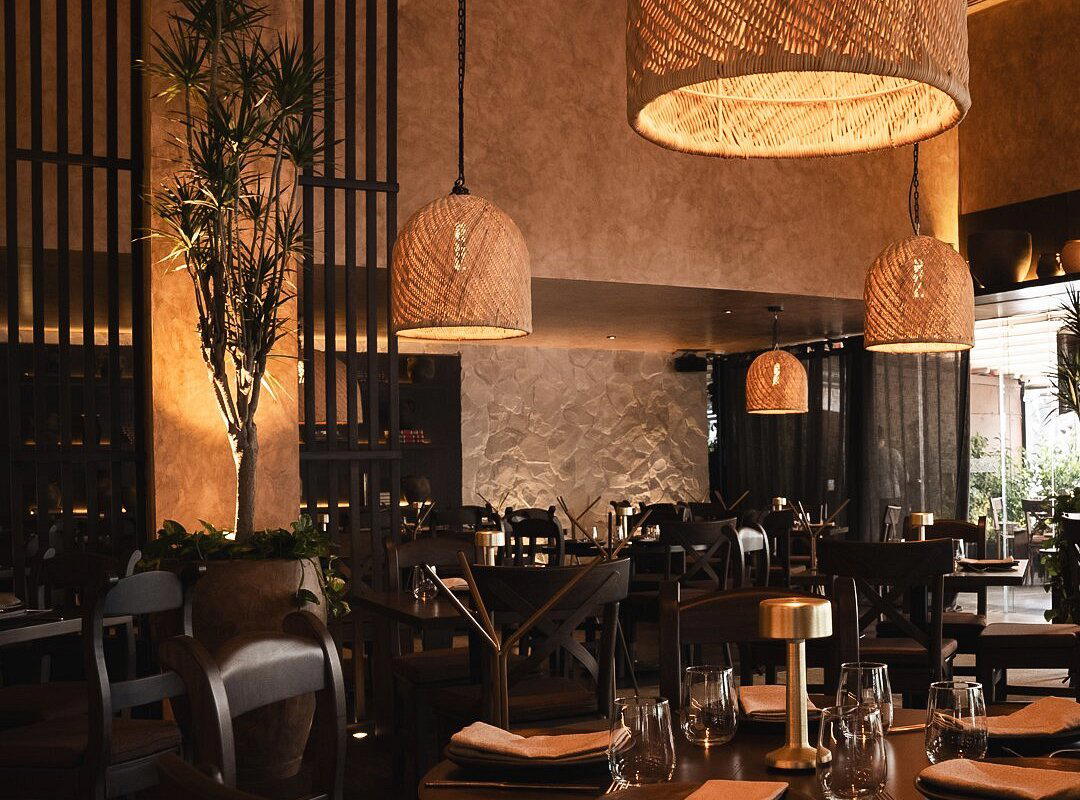
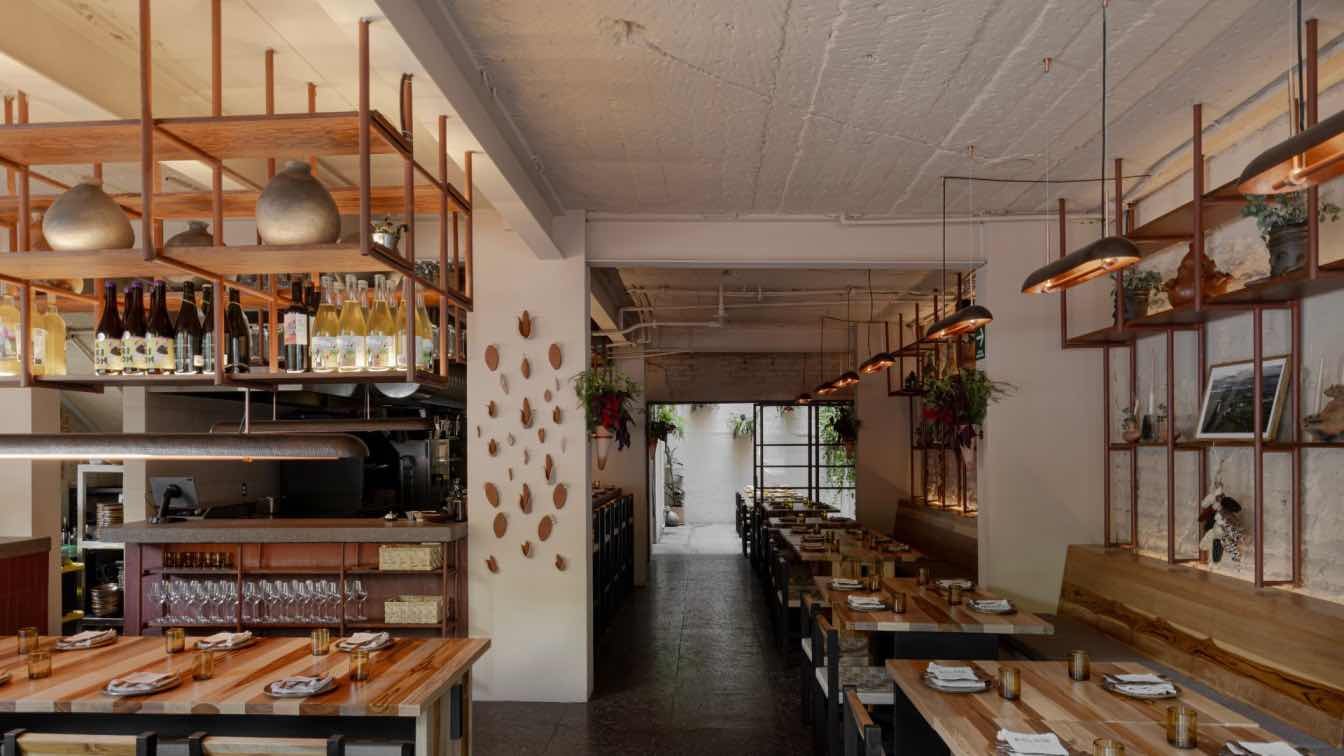
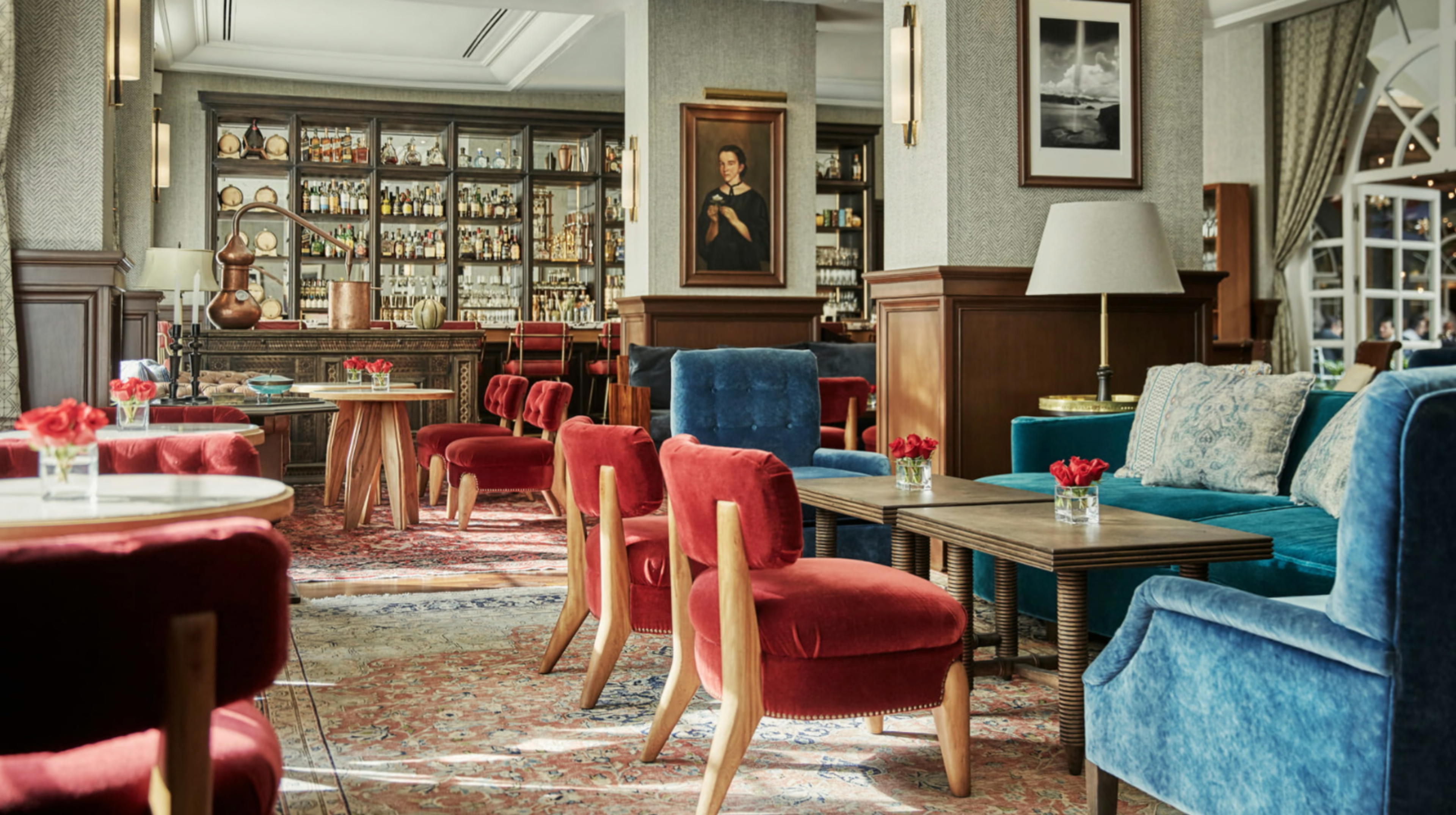
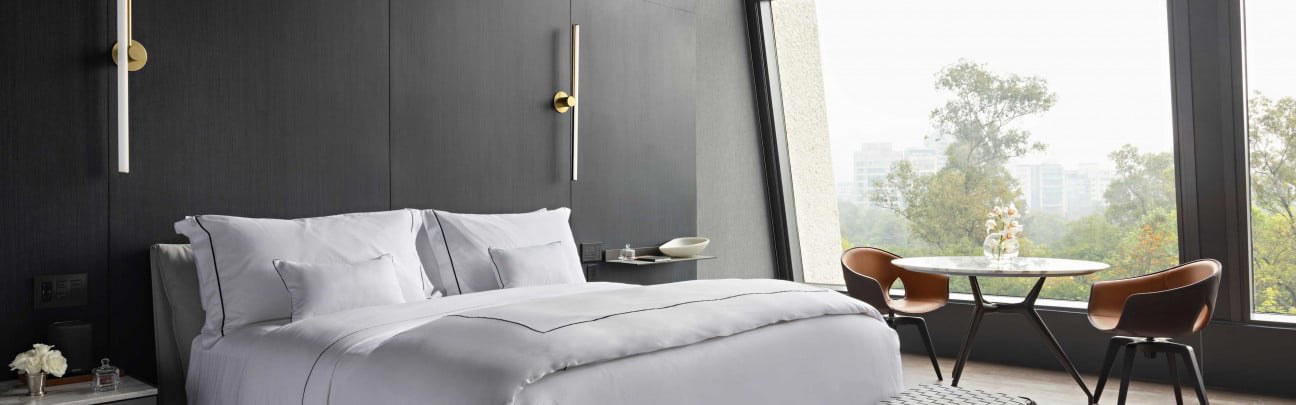
Elegant and cozy atmosphere with contemporary architecture and modern art collection.