Hunan San Angel
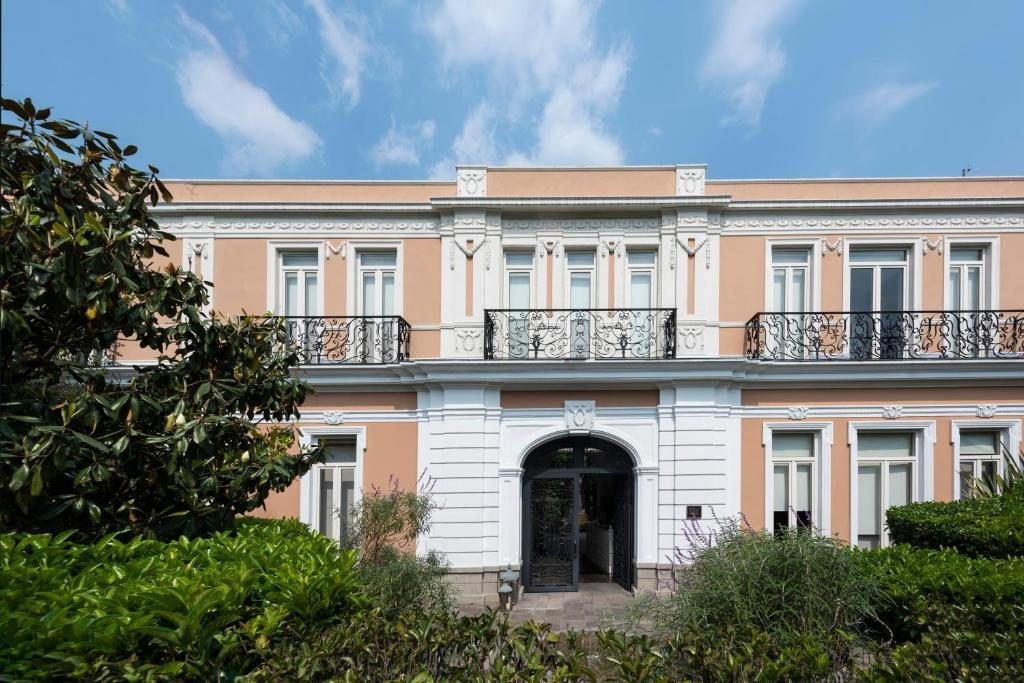
A Hunan-inflected Chinese restaurant in the historic San Ángel neighbourhood of Mexico City, occupying one of the area's landmark colonial-era buildings on Calle Pedro Luis Ogazón. The kitchen works in a category that remains small in the city's broader Chinese dining scene, positioned at an address where the physical setting carries as much weight as the food. Booking specifics and hours are best confirmed directly before visiting.
Pearl is the En Primeur Club membership app — saves, bookings, and concierge access live there. Same editors, same standards.
- Address
- Pedro Luis Ogazón 102, San Ángel, Álvaro Obregón, 01020 Ciudad de México, CDMX, Mexico
- Phone
- +525556616414
- Website
- hunan.com.mx
- Directions
- Get directions
 Saves & bookings on Pearl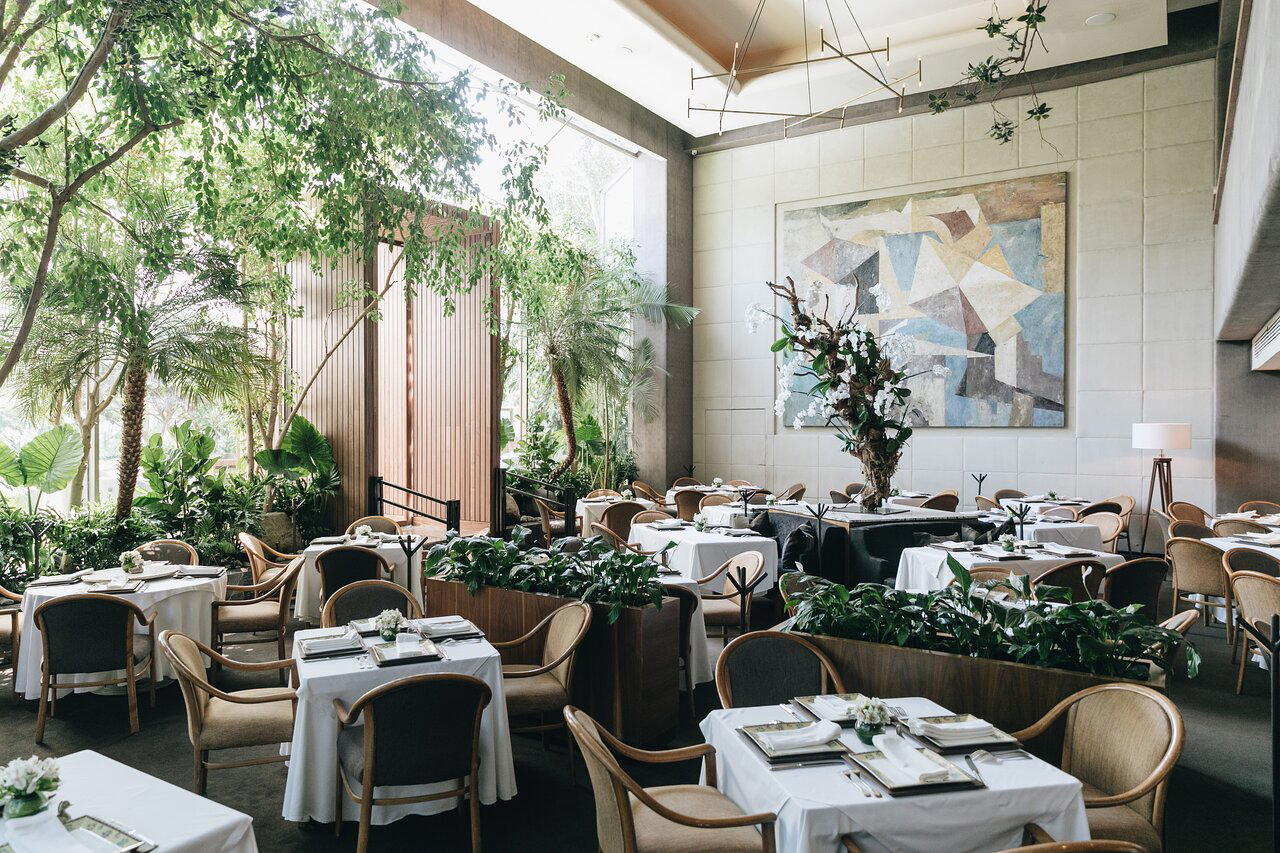
San Ángel's Particular Register
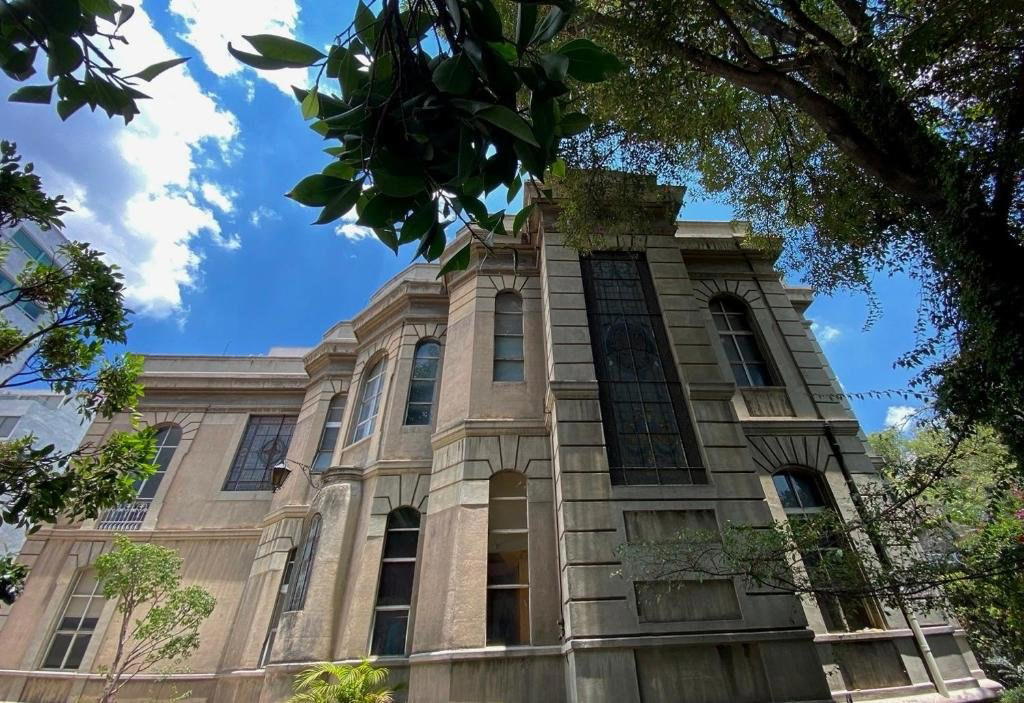
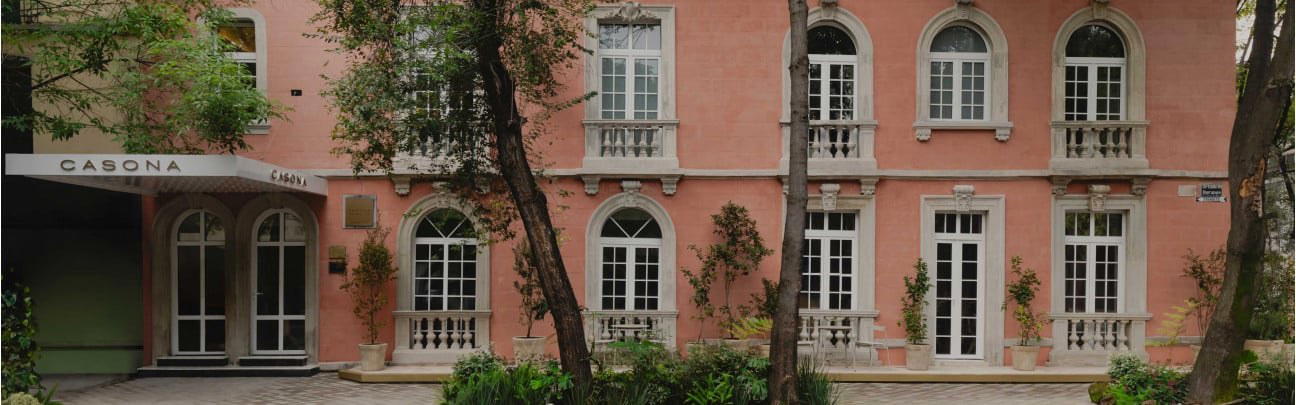
San Ángel operates at a different frequency from the rest of Mexico City. Its cobblestone streets, volcanic stone walls, and 17th-century convents give the neighbourhood a weight that the Condesa's Art Deco terraces or Polanco's wide commercial boulevards simply cannot replicate. Restaurants that set up here either lean into that gravity or fight against it. The ones that endure tend to choose the former. Hunan San Angel, at Pedro Luis Ogazón 102, occupies that kind of address: a street where the architecture already has something to say before a single dish arrives at the table.
Pedro Luis Ogazón sits in the quieter residential core of San Ángel, a few blocks from the Jardín Centenario and the Mercado de los Artesanos. The surrounding street grid in this part of the borough of Álvaro Obregón is slow, largely pedestrian in pace, and made up of properties that predate most of what passes for old in other parts of the city. For a restaurant trading on Chinese-regional cuisine — Hunan specifically, a province that occupies a different register from the Cantonese and Szechuan references most Mexican diners know better — the location signals deliberateness. You do not stumble into San Ángel accidentally.
The Space as Primary Statement
Colonial residential architecture in San Ángel tends toward enclosed courtyards, heavy timber lintels, and rooms that open inward rather than toward the street. When restaurants occupy these structures, they inherit both the proportions and the atmosphere: ceilings that set the scale, interior light that shifts across the day, and walls thick enough to muffle the outside. The design challenge inside such a building is not decoration but calibration, how much of the existing structure to foreground and how much to supplement.
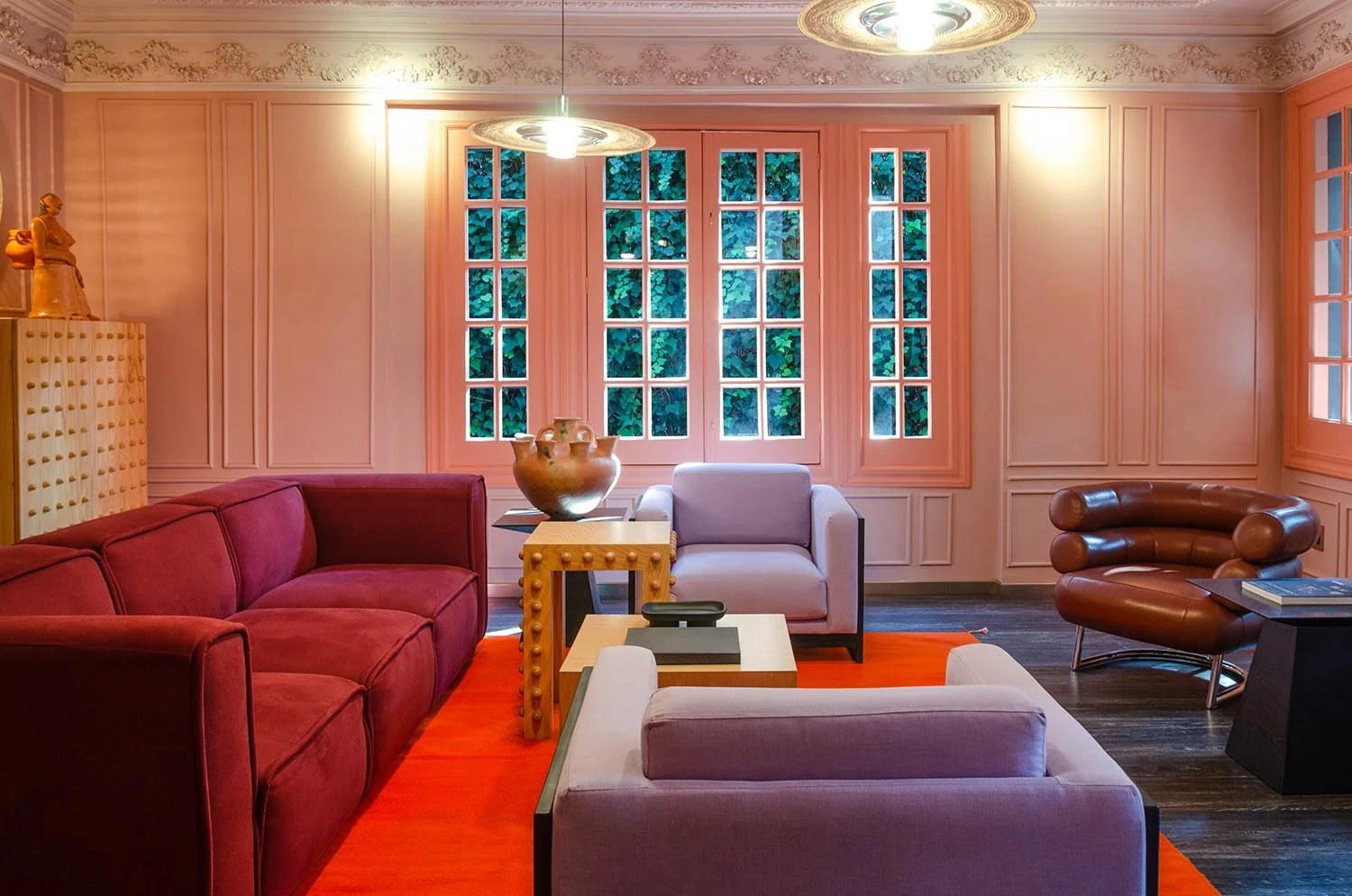
What defines dining rooms in this part of San Ángel is not scale but texture. The colonial domestic rooms that get converted into restaurant spaces are rarely large; they create instead a series of defined rooms rather than a single open floor. This tends to produce a quieter, more contained atmosphere than the open-plan dining rooms that dominate newer Mexico City restaurant projects. For a cuisine like Hunan, where smoke, fermentation, dried peppers, and preserved vegetables form the backbone of the kitchen's grammar, an interior with density and enclosure makes sense as a container. The physical setting and the food's own aromatic register can reinforce each other rather than compete.
Within Mexico City's broader Chinese dining scene, Hunan-specific kitchens remain a small subset. The city's Chinese restaurant population has historically concentrated around Cantonese and hybrid Chinese-Mexican traditions that developed through immigration patterns over the 20th century. A restaurant that foregrounds Hunan's characteristic combination of dry heat, preserved flavors, and braised preparations occupies a differentiated position, not because novelty is the point, but because the cuisine's actual profile sits at a different coordinate from what most Mexico City diners associate with Chinese food.
Where It Sits in Mexico City's Dining Structure
Mexico City's restaurant market has developed a strong premium tier anchored by modern Mexican cooking. Pujol and Quintonil represent the internationally recognized upper bracket, both holding sustained positions on global rankings. Restaurants like Em and Sud 777 operate at the creative-Mexican tier, while Rosetta represents the category of European-rooted cooking that has developed serious local credibility. Hunan San Angel operates outside all of these reference clusters. Its competitive set is not the tasting-menu circuit of Polanco or the creative-Mexican scene of Roma Norte. It is a more specific proposition: Chinese regional cooking, in an architecturally weighted neighbourhood, at a remove from the main restaurant corridors.
That positioning is worth understanding for anyone trying to build a Mexico City itinerary that goes beyond the consolidated dining consensus. For a broader view of the city's restaurant categories, our full Mexico City restaurants guide maps the scene across neighbourhoods and price points.
Elsewhere in Mexico, restaurants working in similarly specific regional or non-Mexican traditions have found audiences by holding to their lane rather than adapting to local mainstream expectations. KOLI Cocina de Origen in Monterrey and Alcalde in Guadalajara show how cities beyond the capital have built serious dining identities. Across the country's coastal and rural circuits, places like Animalón in Valle de Guadalupe, HA' in Playa del Carmen, Le Chique in Puerto Morelos, Olivea Farm to Table in Ensenada, Levadura de Olla Restaurante in Oaxaca, Lunario in El Porvenir, Pangea in San Pedro Garza García, and Huniik in Merida demonstrate how Mexican fine dining has distributed itself well beyond the capital's gravity. Internationally, the kind of precise, cuisine-specific commitment that Hunan cooking demands calls to mind what places like Le Bernardin in New York City and Atomix in New York City have achieved through singular culinary focus over many years.
Planning a Visit
San Ángel is most accessible from central Mexico City via the Insurgentes corridor heading south; the neighbourhood sits roughly 12 kilometres from the historic centre. The area's Saturday artisan market draws significant weekend foot traffic, which means Pedro Luis Ogazón and the surrounding streets are busier on Saturday mornings than on weekday evenings. Visitors arriving specifically for dinner will find the neighbourhood considerably quieter after market hours. Given that current details for Hunan San Angel, hours, booking method, current pricing, are not consolidated in public-facing directories, confirming by direct contact before visiting is the practical approach. The address at Pedro Luis Ogazón 102 in the San Ángel section of Álvaro Obregón is confirmed.
Continue exploring
More in Mexico City
Restaurants in Mexico City
Browse all →
Bars in Mexico City
Browse all →
At a Glance
- Elegant
- Cozy
- Special Occasion
- Business Dinner
- Family
- Celebration
- Standalone
- Extensive Wine List
- Garden
Current opening hours
- Monday
- 1–11 PM
- Tuesday
- 1–11 PM
- Wednesday
- 1–11 PM
- Thursday
- 1 PM–12 AM
- Friday
- 1 PM–12 AM
- Saturday
- 1 PM–12 AM
- Sunday
- 1–7 PM
Hours can change for holidays and private events. Last verified .
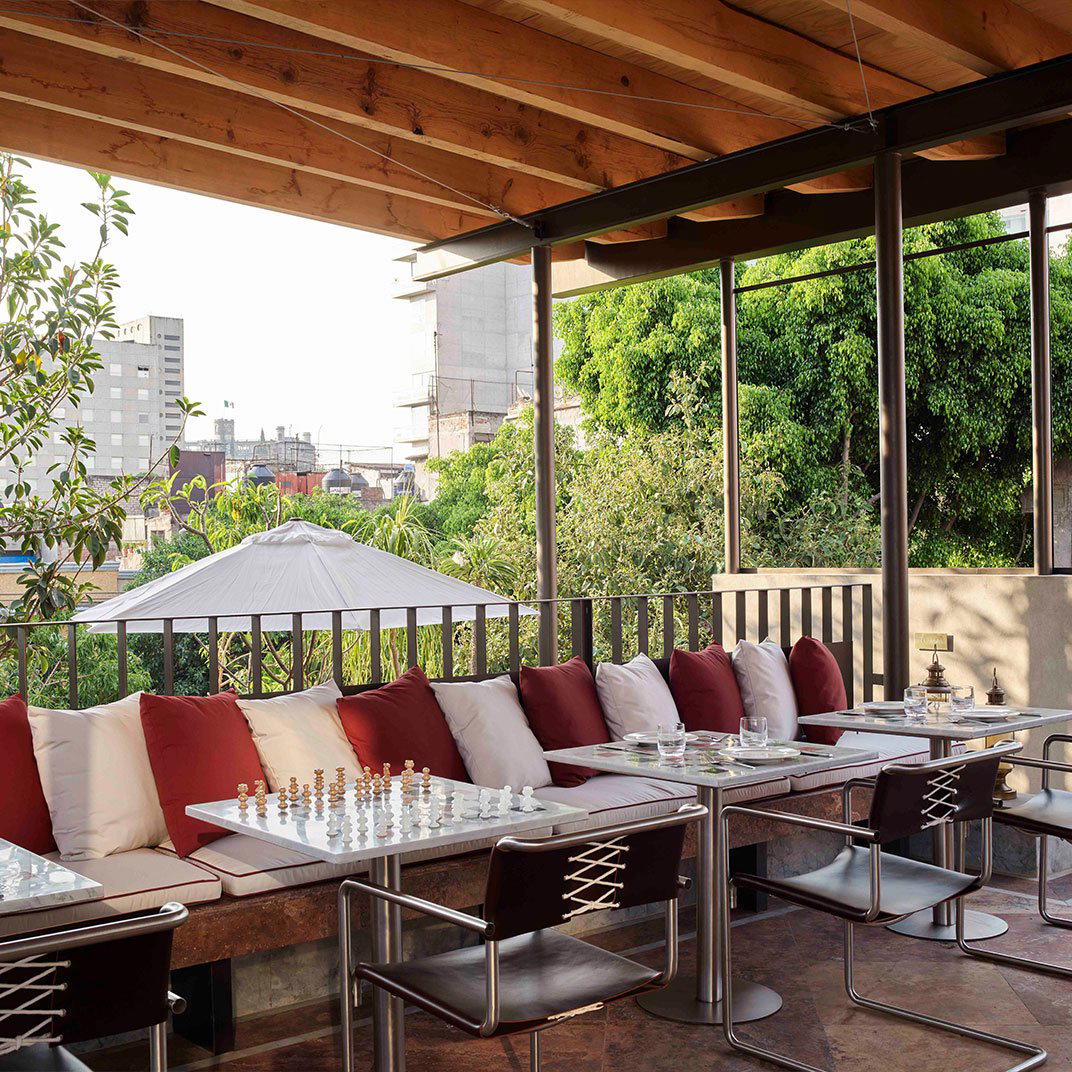
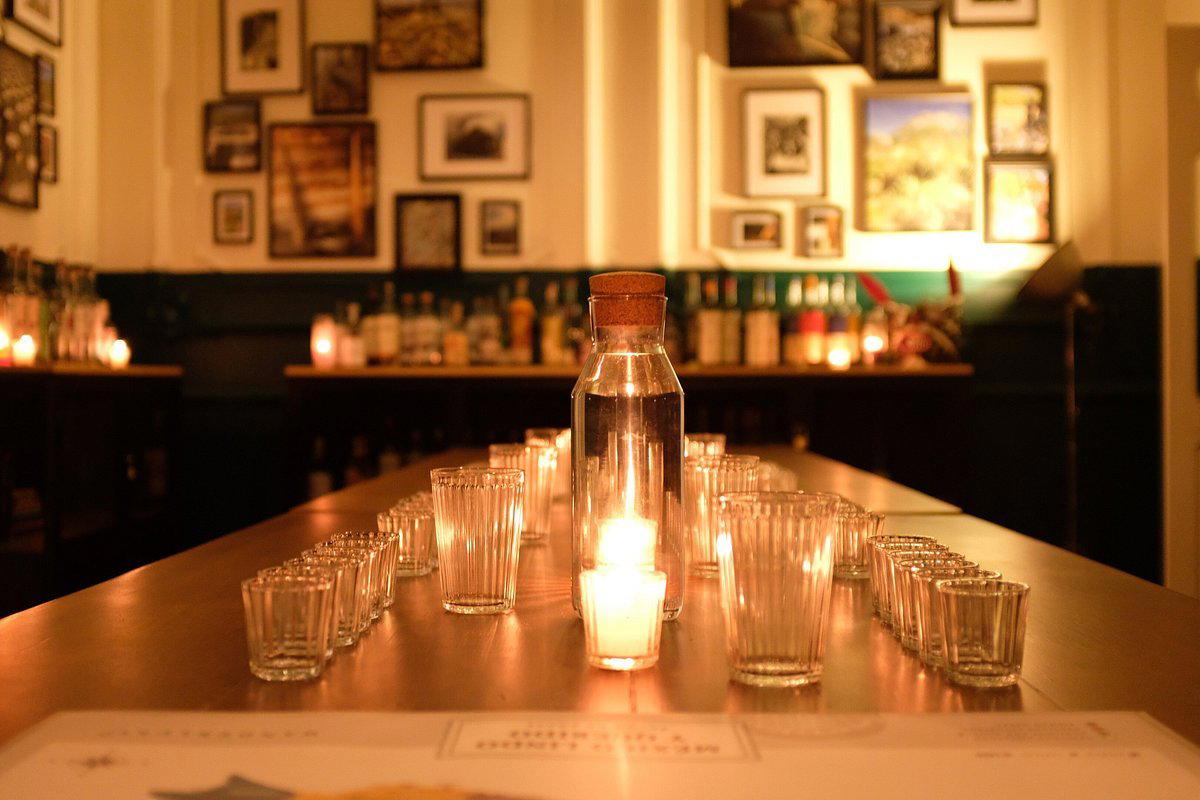
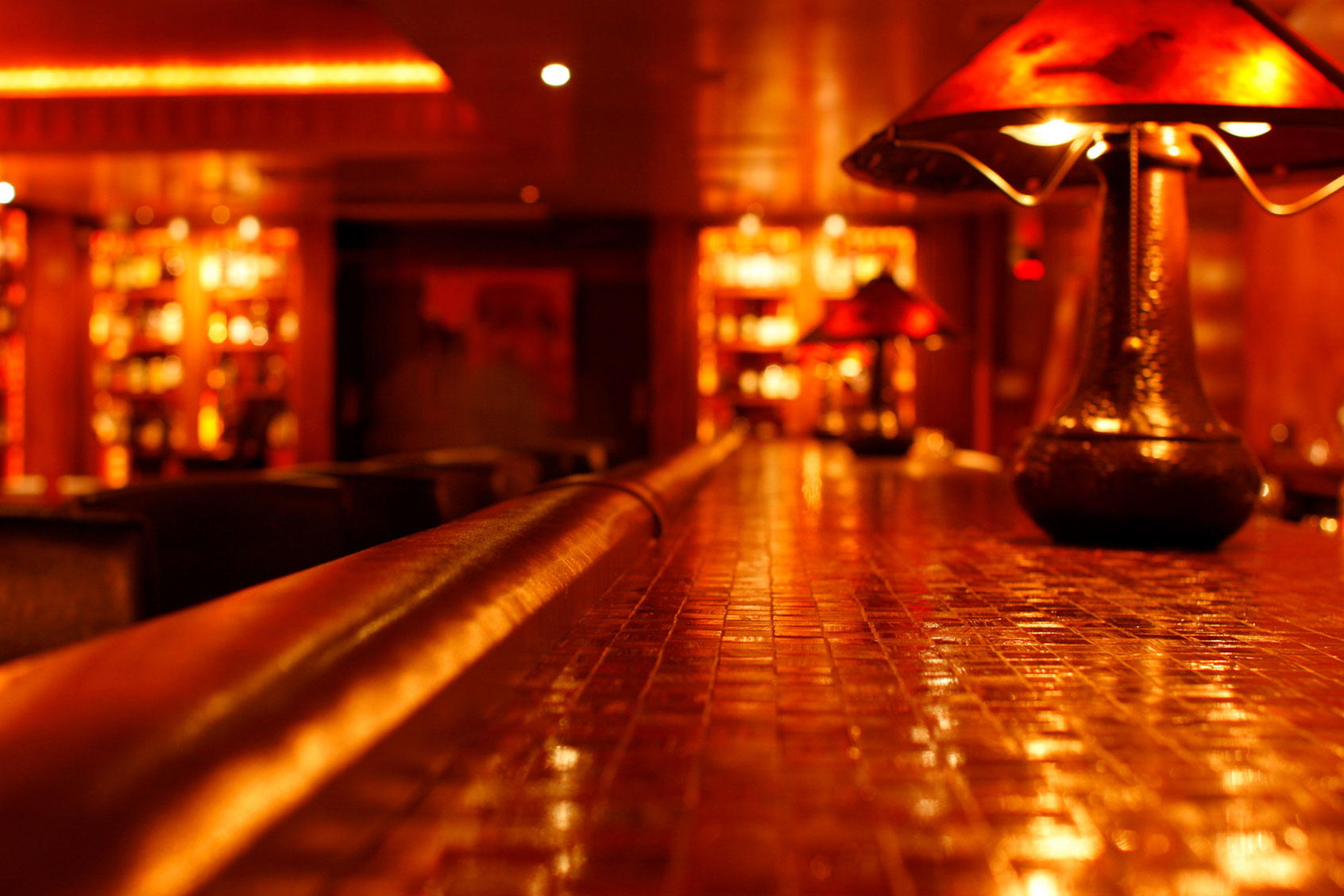
Charming ambiance surrounded by lush greenery in a contemporary architecture space featuring modern art collection.
Know Before You Go
- Getting there
- Pedro Luis Ogazón 102, San Ángel, Álvaro Obregón, 01020 Ciudad de México, CDMX, Mexico