Kosher Bamboo Asian Cuisine
A kosher-certified Asian restaurant in the upscale Lomas de Chapultepec district of Mexico City, Kosher Bamboo Asian Cuisine occupies a notable crossroads: the small but growing intersection of Jewish dietary law and East Asian cooking traditions in Latin America's most cosmopolitan dining city. For kosher-observant diners seeking Asian flavours in the capital, options remain limited enough that this address functions as a practical anchor point.
Pearl is the En Primeur Club membership app — saves, bookings, and concierge access live there. Same editors, same standards.
- Address
- Av Cordillera de Los Andes 375, Lomas - Virreyes, Lomas de Chapultepec, Miguel Hidalgo, 11000 Ciudad de México, CDMX, Mexico
- Phone
- +525543156555
- Directions
- Get directions
 Saves & bookings on Pearl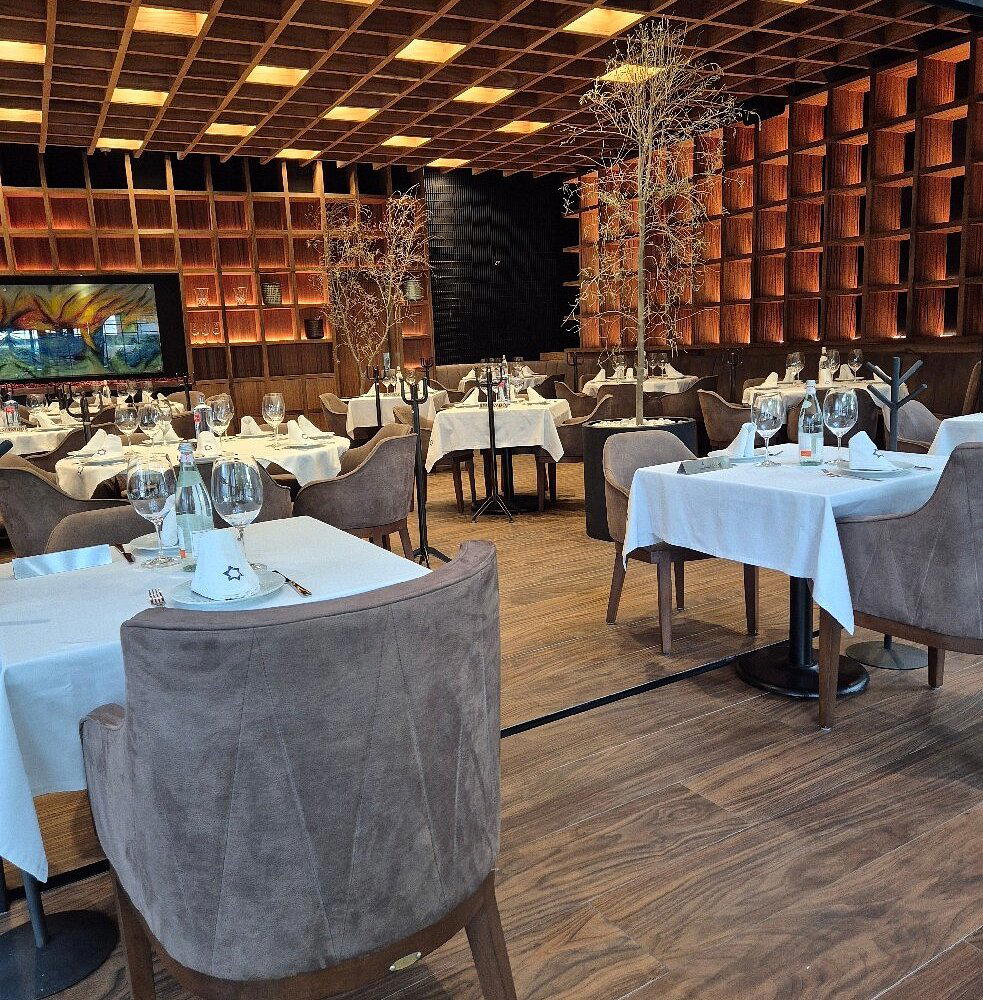
Where Dietary Law Meets Asian Cooking in Mexico City's Wealthiest Quarter
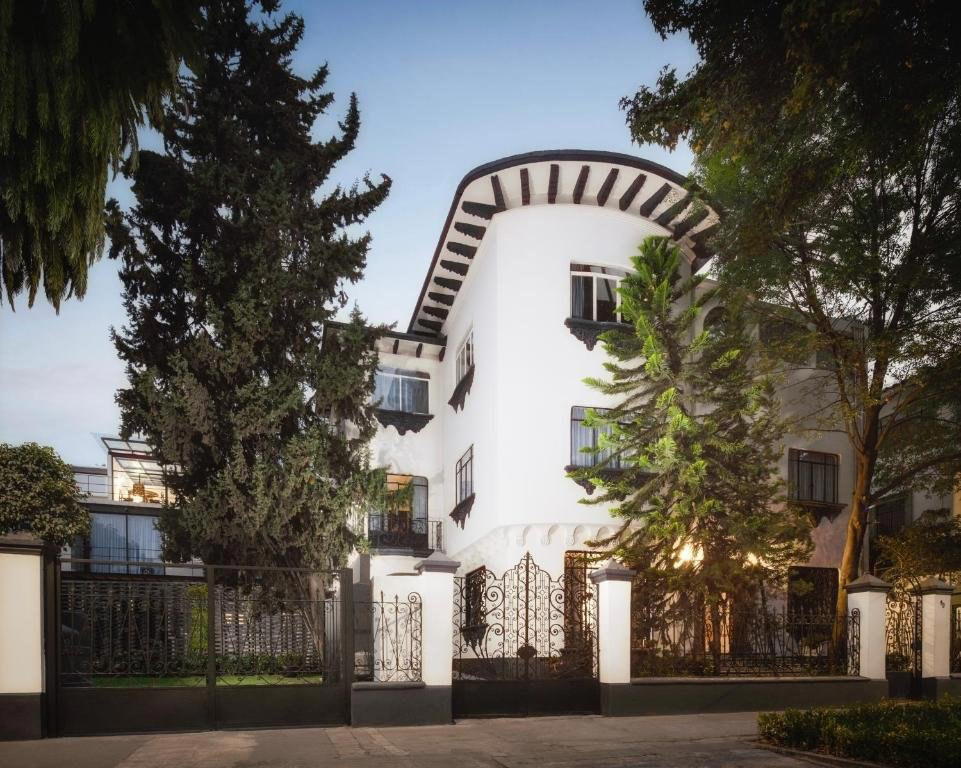
Lomas de Chapultepec operates at a different register from the resto-bars of Roma Norte or the market stalls of La Merced. The neighbourhood's wide, tree-lined avenues and low-density residential blocks have historically supported a concentration of international and specialty restaurants serving the diplomatic, business, and Jewish community clusters that have long made this part of Miguel Hidalgo their home. Av Cordillera de Los Andes, where Kosher Bamboo Asian Cuisine sits at number 375, belongs to that quieter, residential stretch of Lomas — the kind of address that rewards those who already know it exists rather than those walking by at random.
In a city where the prestige restaurant conversation centres almost entirely on Mexican creative fine dining — from Pujol and Quintonil at the top of the market to mid-tier creative addresses like Em and Rosetta, a kosher-certified Asian kitchen occupies a genuinely specific niche. The Jewish community in Mexico City is among the largest and most established in Latin America, with a history stretching back to the early twentieth century, and Lomas de Chapultepec has been one of its residential anchors for decades. Specialty kosher dining, particularly in non-Ashkenazi culinary formats, has responded to that demand gradually but consistently.
The Niche That Built This Kitchen
The category of kosher Asian dining internationally tends to follow a familiar arc: it begins as a practical solution for observant diners who want culinary variety beyond traditional Jewish food formats, and it evolves, at its finest, into a genuinely considered kitchen that understands both the constraints and the creative possibilities of halting pork and shellfish while maintaining separation between meat and dairy. Whether Kosher Bamboo has moved through that evolution or holds a fixed position in the landscape is something the current record does not clarify with specificity, but the category pattern is instructive for understanding what the restaurant represents structurally.
Asian cuisines, loosely understood to span Chinese, Japanese, Thai, Vietnamese, and related traditions, present particular challenges under kosher supervision. The foundational umami layers of many East Asian preparations rely on shellfish-derived sauces, pork-based broths, and non-kosher fermented condiments that require substitution or elimination under certification. Kitchens that succeed in this format do so by leaning harder into vegetable-forward preparations, fish proteins, and the aromatic architecture of the cuisine, ginger, garlic, sesame, citrus, rather than the animal-fat foundations that anchor many traditional versions. This is, in practice, a constraint that sometimes produces more precise, cleaner cooking.
Mexico City's broader restaurant scene has no shortage of generic pan-Asian formats, but certified kosher versions remain a small subset. For observant diners navigating the capital's dining options, Kosher Bamboo represents one of the few fixed reference points where both the culinary ambition and the dietary compliance can be assumed simultaneously.
Lomas in Context: A Neighbourhood Built for Specialty Dining
Lomas de Chapultepec is not where you go for the energy of Condesa or the creative density of Polanco's Presidente Masaryk strip. It is where residents and their guests dine with purpose, where the restaurant has been chosen for a specific reason rather than stumbled upon. That dynamic suits a specialty address. The neighbourhood's affluent demographic, combined with its historic Jewish community presence, creates a customer base that understands and expects kosher-certified food to meet a genuine culinary standard, not simply a checkbox requirement.
This contrasts with how kosher Asian dining often functions in cities with smaller Jewish populations, where the format survives more on necessity than demand. In Mexico City, the community size, estimates place it between 40,000 and 50,000 people, supports a more developed specialty food ecosystem, and Lomas is one of the districts where that ecosystem is most visible. For those exploring Mexico City's broader dining range, our full Mexico City restaurants guide maps the neighbourhood-by-neighbourhood spread of the capital's dining character.
The Evolution Question: Where a Format Like This Tends to Go
Kosher Asian restaurants in international cities with established Jewish communities have followed different trajectories depending on their market. Some have remained primarily functional, dependable but not destination-worthy. Others have moved toward a more considered position, hiring kitchen talent with genuine East Asian training backgrounds and treating the kosher framework as a discipline rather than a limitation. The direction matters because it determines whether a restaurant in this format draws only the observant community or begins attracting non-kosher diners who simply want a well-made plate of food.
The trajectory of kosher Asian dining in cities like New York, where Korean-influenced tasting menus at places like Atomix and precision-focused seafood work at Le Bernardin have raised the ambient expectation for Asian and seafood cooking, suggests that the ceiling for this format, when executed with genuine intent, is higher than its historical reputation implies. Mexico City, as the Latin American city most engaged with international fine dining trends, is a plausible environment for that kind of ambition to take hold.
For context on the range of serious cooking happening across Mexico beyond the capital, the EP Club covers addresses from Animalón in Valle de Guadalupe and Le Chique in Puerto Morelos to KOLI Cocina de Origen in Monterrey, Alcalde in Guadalajara, Levadura de Olla in Oaxaca, Huniik in Merida, HA' in Playa del Carmen, Pangea in San Pedro Garza Garcia, Lunario in El Porvenir, and Olivea Farm to Table in Ensenada, a spread that underlines how geographically distributed Mexico's serious dining has become.
Mexico City's own creative tier also includes addresses like Sud 777, which illustrates how the capital continues to develop ambitious formats at multiple price points. Kosher Bamboo occupies a different axis of that map, defined less by creative ambition (at least in publicly documented terms) and more by the practical and cultural specificity of what it offers.
Know Before You Go
- Address: Av Cordillera de Los Andes 375, Lomas de Chapultepec, Miguel Hidalgo, 11000 Ciudad de México, CDMX
- Neighbourhood: Lomas de Chapultepec (Lomas-Virreyes zone)
- Certification: Kosher-certified Asian cuisine
- Note: Menu specifics, dietary sub-categories, and seasonal availability should be verified directly with the restaurant before visiting
Continue exploring
More in Mexico City
Restaurants in Mexico City
Browse all →
Bars in Mexico City
Browse all →


At a Glance
- Elegant
- Sophisticated
- Quiet
- Date Night
- Group Dining
- Family
- Celebration
- Special Occasion
- Private Dining
- Open Kitchen
- Craft Cocktails
Current opening hours
- Monday
- 2–5 PM, 6:30–10:30 PM
- Tuesday
- 2–5 PM, 6:30–10:30 PM
- Wednesday
- 2–5 PM, 6:30–10:30 PM
- Thursday
- 2–5 PM, 6:30–10:30 PM
- Friday
- Closed
- Saturday
- 9–11 PM
- Sunday
- 2–9:30 PM
Hours can change for holidays and private events. Last verified .
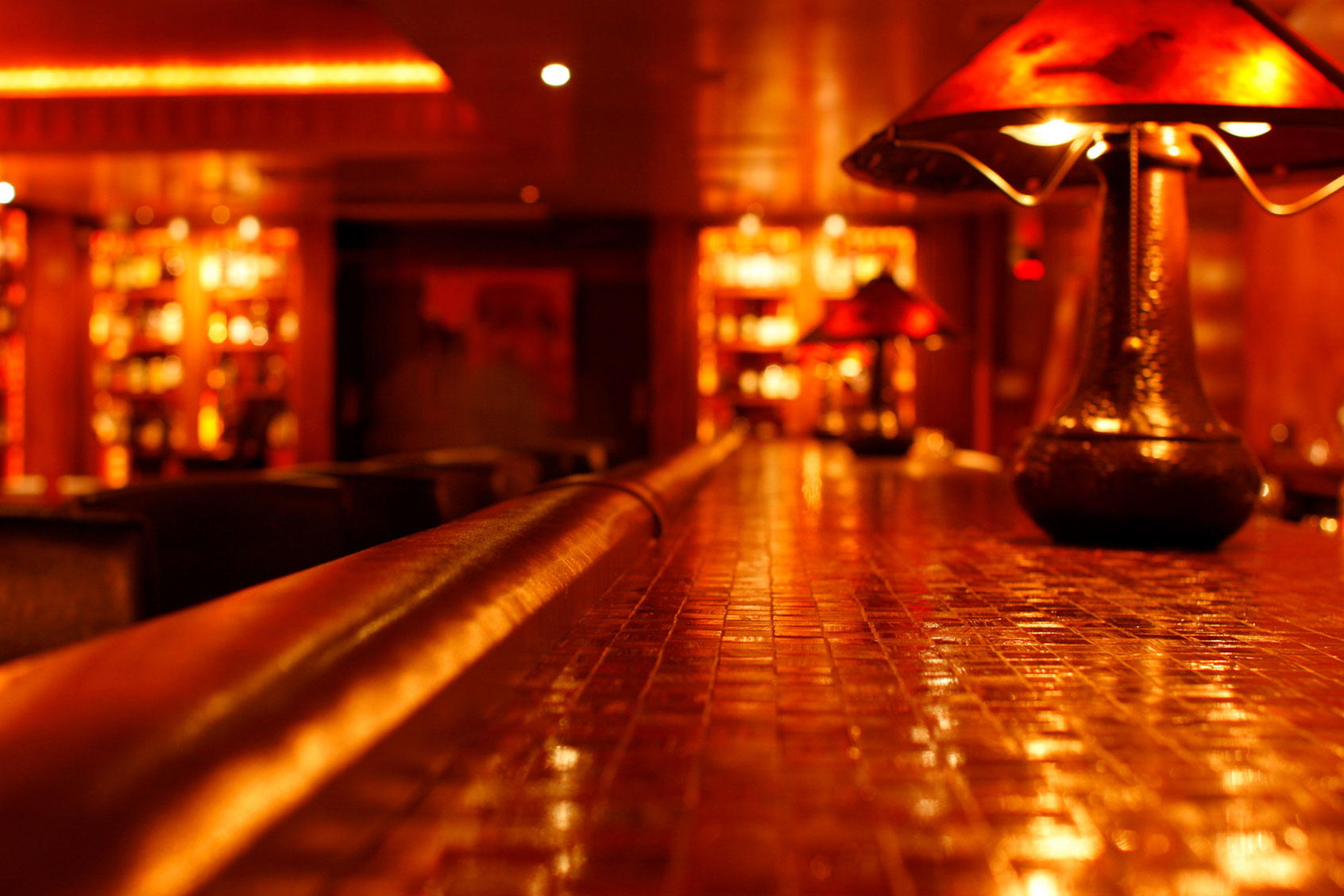
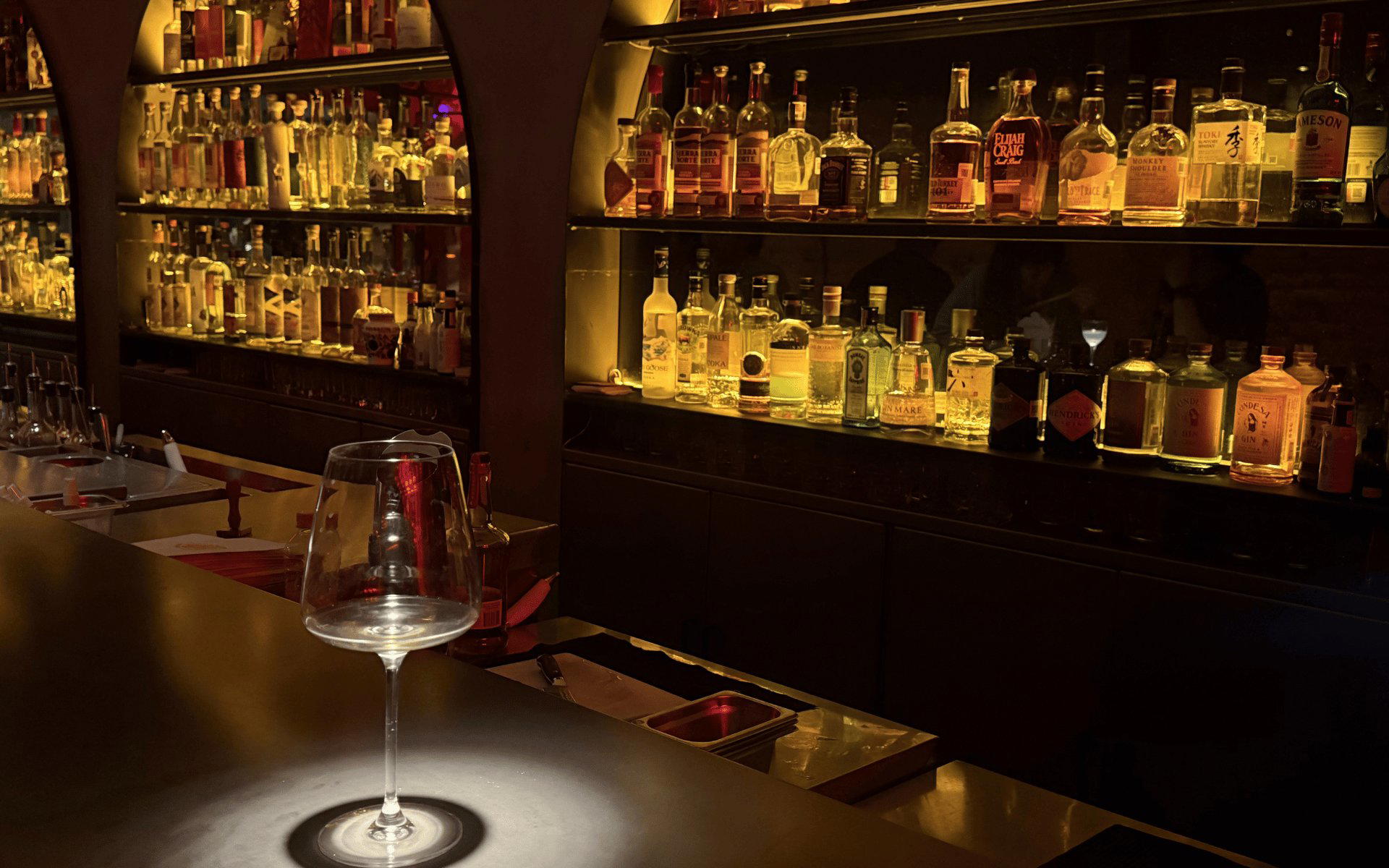
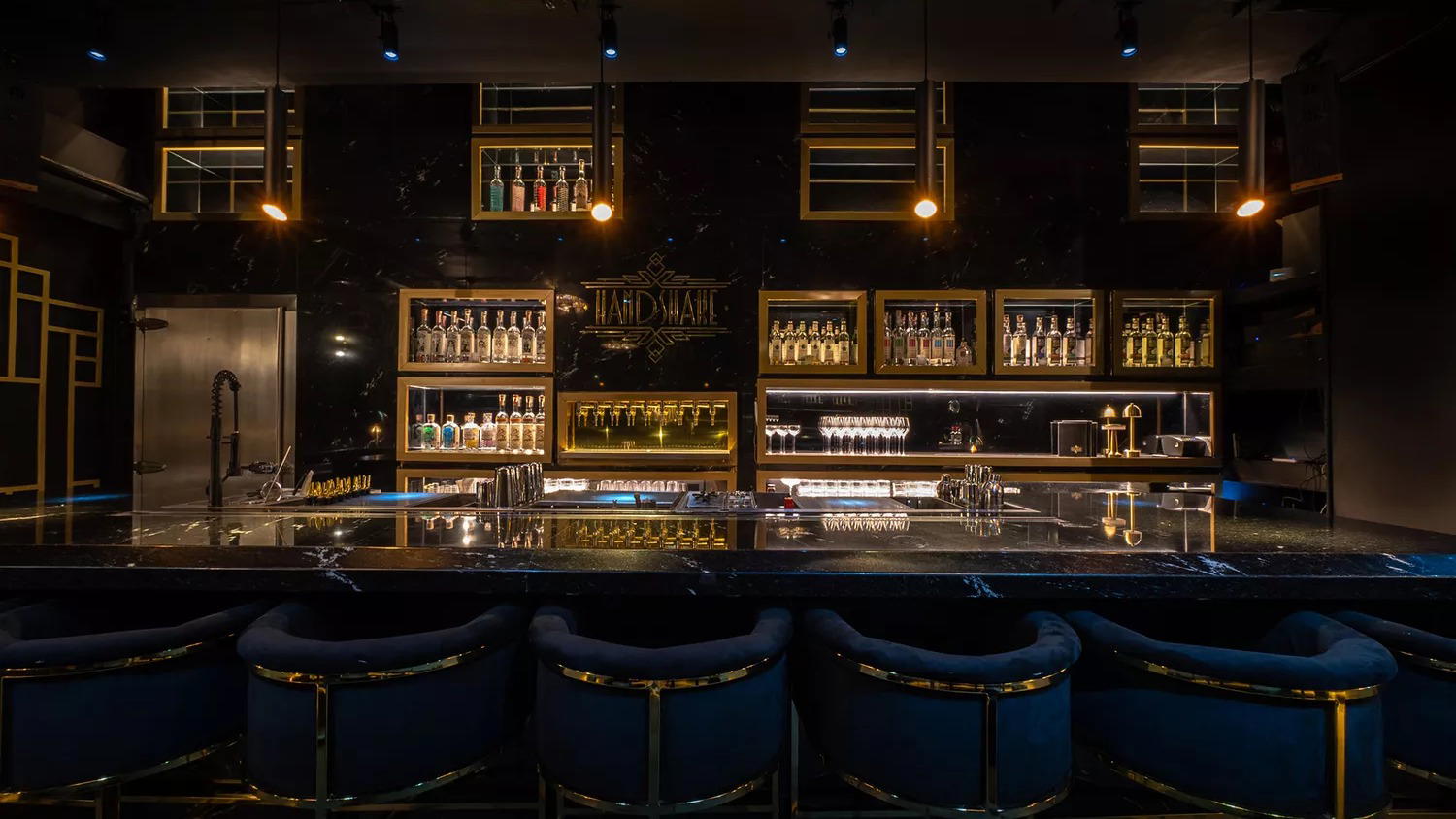
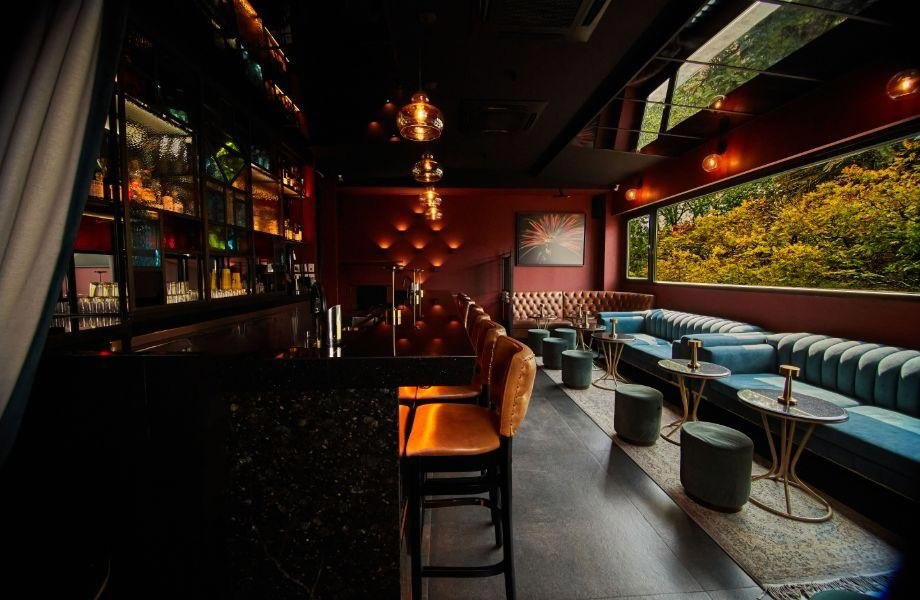
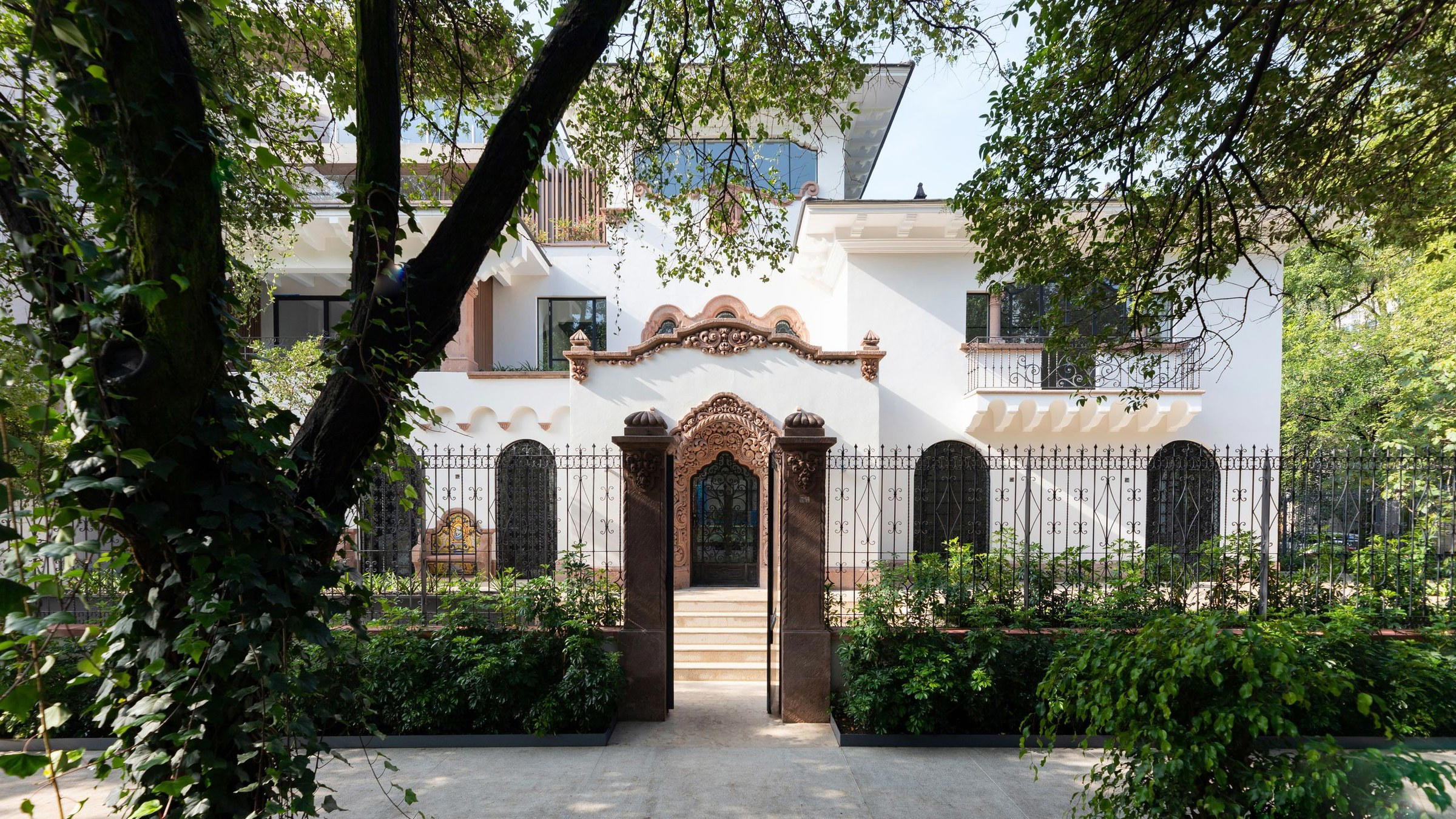
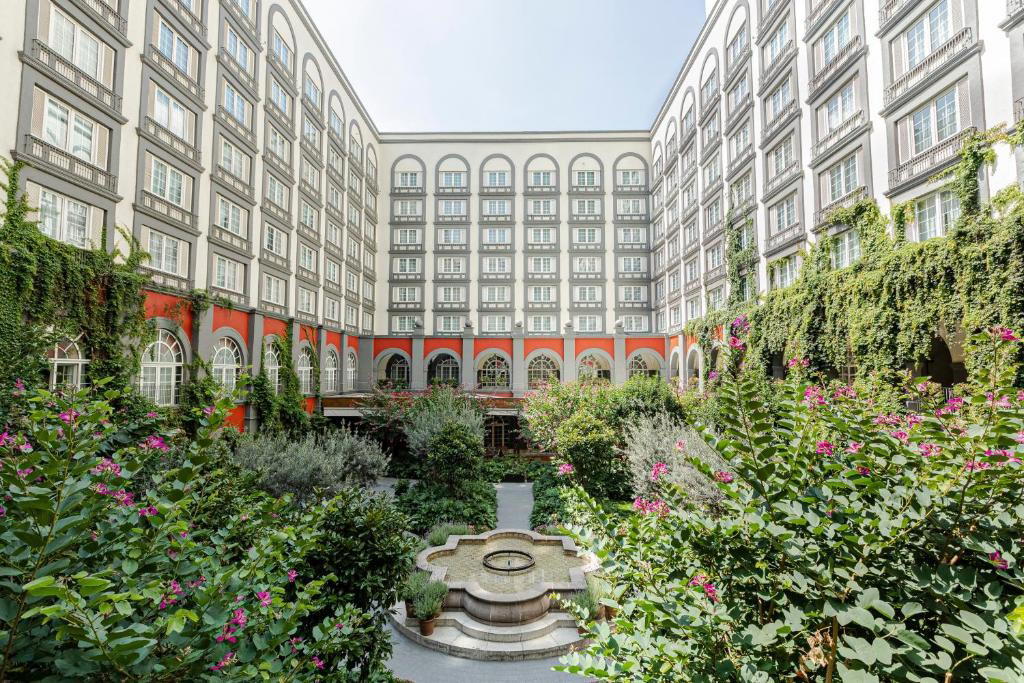
Elegant and modern setting with comfortable seating, polished presentation, and peaceful atmosphere; described as beautiful with nice finishes and clean facilities.
Know Before You Go
- Getting there
- Av Cordillera de Los Andes 375, Lomas - Virreyes, Lomas de Chapultepec, Miguel Hidalgo, 11000 Ciudad de México, CDMX, Mexico