Casona Roma Norte
Our verdict
Casona Roma Norte sits on Durango in one of Mexico City's most architecturally layered neighbourhoods, where early-twentieth-century mansions now house some of the capital's more considered dining rooms. The address places it in direct conversation with Roma Norte's broader shift toward hospitality spaces where the building itself sets the register for what follows inside.

Pearl is the En Primeur Club membership app, where members save venues, book tables and use the concierge.
Roma Norte's Architectural Register
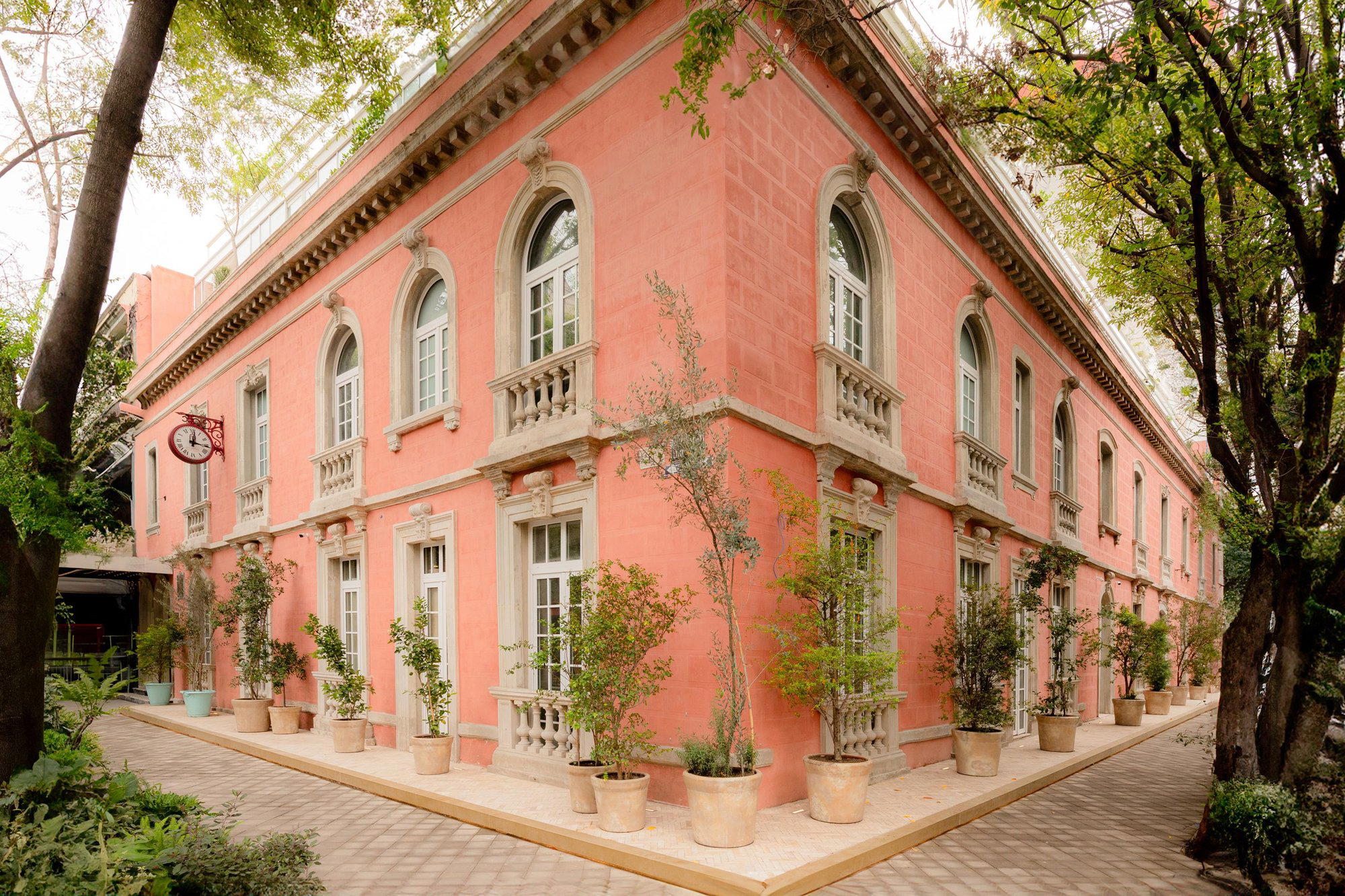
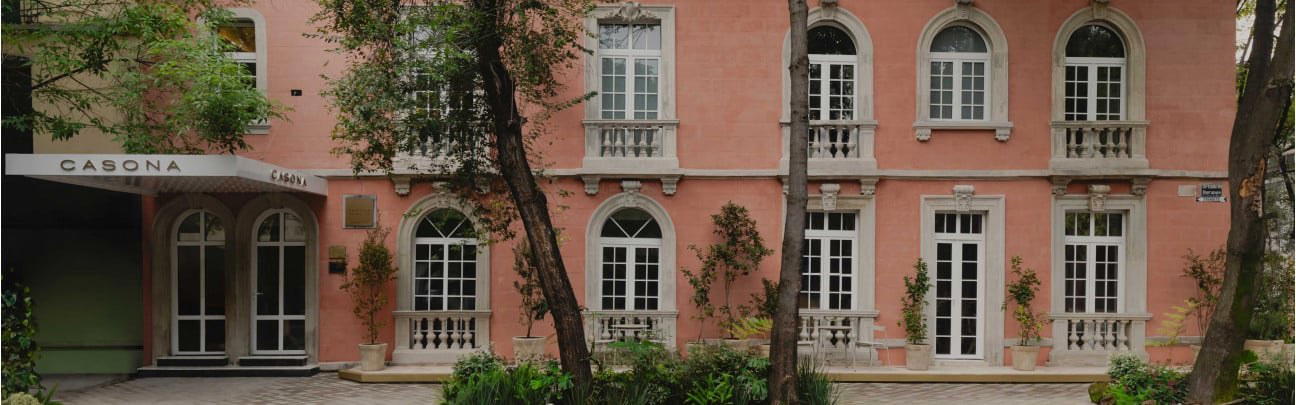
Mexico City's Roma Norte neighbourhood has undergone a recognisable transformation over the past decade: the large porfiriato-era casonas that line streets like Durango and Orizaba have become the preferred shells for a new generation of hospitality projects. The logic is not purely aesthetic. High ceilings, interior courtyards, and deep room sequences create spatial conditions that smaller purpose-built venues cannot replicate. Casona Roma Norte, at Durango 280, occupies exactly this kind of building. Approaching the address, the street reads as residential first, commercial second, which is precisely the tonal register that Roma Norte's better dining rooms have learned to hold.
That setting matters because it shapes how the room functions before a single dish or glass arrives. In a city where dining destinations range from the formally austere counters near Polanco to the open-air market-adjacent spots of La Merced, Roma Norte occupies a middle register: architecturally serious without being ceremonial, neighbourhood-rooted without being casual. The casona format is part of a broader shift in Mexico City hospitality, where the container communicates as much as the content. For a full map of where this venue sits among the capital's dining options, see our full Mexico City restaurants guide.
The Wine Dimension in Mexico City's Casona Circuit
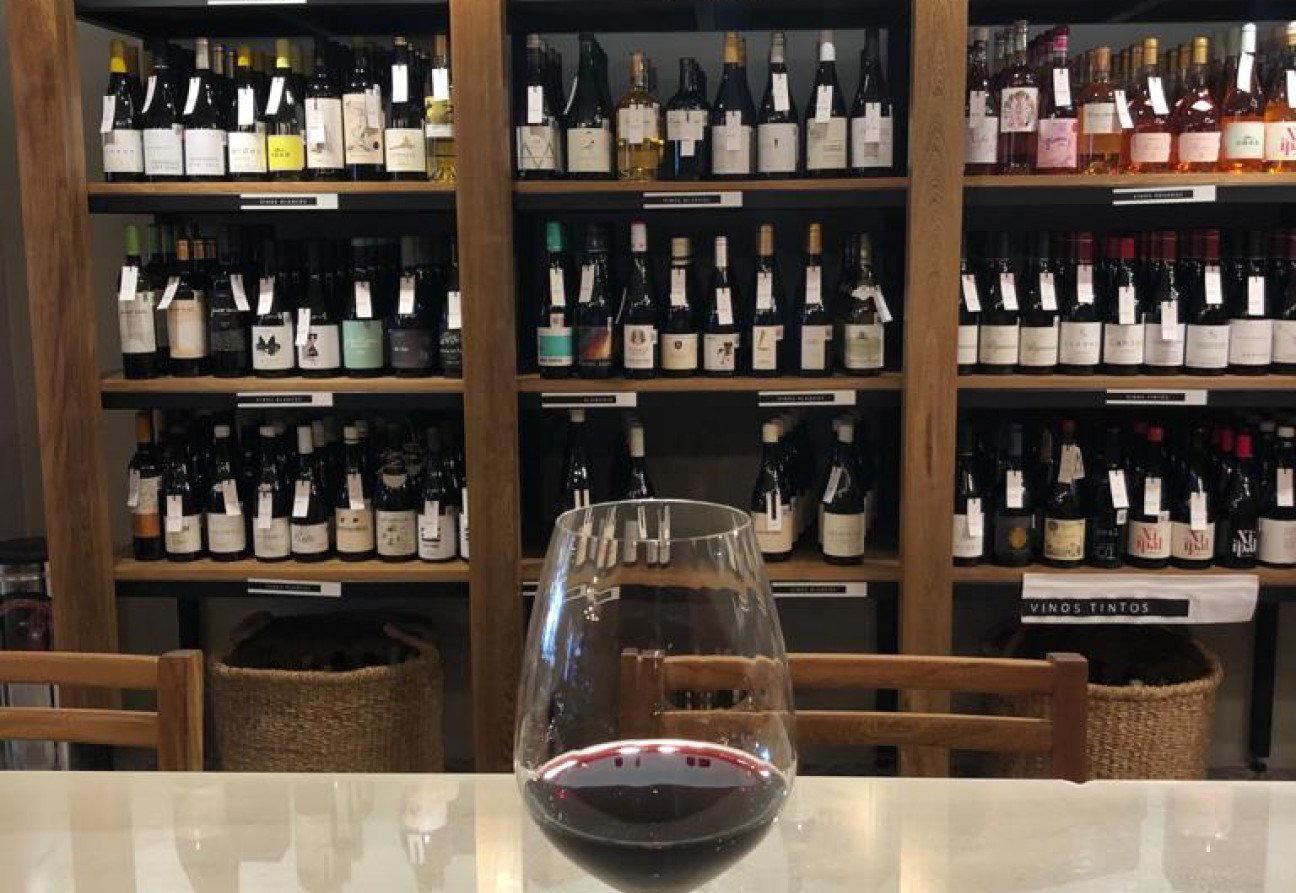
Wine programming in Mexico City's upper-mid tier has matured considerably. Venues in Roma Norte and Condesa now compete on list depth and curation in ways that would have been unusual fifteen years ago, when imported wine selections were often thin and sommelier culture was concentrated in a handful of formal hotel dining rooms. The shift tracks with the arrival of more sophisticated wine importers, a growing local collector base, and a diner demographic that has eaten and drunk in Madrid, Buenos Aires, and New York.
Casona-format venues tend to hold wine programs that mirror their architecture: layered, with some depth behind the surface presentation. The best of this category in Mexico City treat the cellar as a secondary narrative to the food, with selections that move between Old World references and the growing serious production coming out of Valle de Guadalupe and other Mexican wine regions. For context on what Mexican wine ambition looks like at its most developed, Animalón in Valle de Guadalupe and Lunario in El Porvenir represent the production-adjacent end of that spectrum. A list in Roma Norte pulls from both directions.
The sommelier role in this tier of Mexico City dining has also changed. It is less about theatrical tableside performance and more about coherent curation: does the list have a point of view, does it price fairly against international references, and does it acknowledge Mexican production without tokenising it? These are the questions worth asking when assessing any serious Roma Norte wine program.
Placing Casona Roma Norte in Its Competitive Set
Roma Norte's dining scene divides roughly into three tiers. At the leading sit venues that compete nationally and draw international reservation traffic, including Rosetta, Elena Reygadas's Italian-inflected flagship on Colima, which operates at the $$ price point but carries weight far above its price tier through consistent critical recognition. A step up in price and formality, Em represents the neighbourhood's engagement with contemporary Mexican cooking at the $$$ level. And at the apex of Mexico City's dining hierarchy overall sit Pujol and Quintonil, both $$$$ and both carrying sustained global recognition.
Casona Roma Norte operates within a neighbourhood context defined by these reference points, without the declared competitive positioning of the name-chef venues above. That is not a weakness. Some of the most useful dining rooms in any city are those that absorb the quality standards of a demanding local scene without requiring the reservation infrastructure of a nationally ranked destination. Sud 777 in Pedregal demonstrates a similar logic at the creative end: serious about product and technique, positioned outside the first tier of reservation pressure, and better for it on a mid-week evening.
Across Mexico, the pattern repeats. Alcalde in Guadalajara, KOLI Cocina de Origen in Monterrey, and Pangea in San Pedro Garza Garcia each occupy a similar structural position in their respective cities: technically capable, locally embedded, and operating at a quality level that requires the diner to engage rather than simply show up. Le Chique in Puerto Morelos, HA' in Playa del Carmen, and Arca in Tulum extend the same pattern into the Yucatan peninsula, while Levadura de Olla Restaurante in Oaxaca and Olivea Farm to Table in Ensenada anchor it in the south and northwest. For international comparison at the other end of the formality spectrum, Le Bernardin in New York City and Lazy Bear in San Francisco represent the kind of tightly defined, credential-backed dining rooms that the top tier of Mexico City increasingly measures itself against.
Planning Your Visit
Roma Norte is walkable from Condesa and accessible from Polanco by taxi or metro (Insurgentes station on Line 1 is a ten-minute walk from Durango). The neighbourhood is densest with dining options in the grid between Álvaro Obregón, Sonora, Insurgentes, and Orizaba. Parking is limited on weekends; arriving by ride-share removes the friction.
Frequently asked questions
Is Casona Roma Norte good for families?
Roma Norte's casona venues tend to suit adults and older teenagers more than young children, the neighbourhood format, with its heritage architecture and deliberate pace, is calibrated toward longer, conversation-driven meals. Nothing in the venue's address or setting at Durango 280 suggests a family-specific offering. Groups with children are better served by the more informal spots along Álvaro Obregón a few blocks away.
How would you describe the vibe at Casona Roma Norte?
The address on Durango 280 places it squarely inside Roma Norte's belt of converted porfiriato-era townhouses, a neighbourhood where the physical fabric of the building does much of the atmospheric work. Expect high ceilings, interior courtyards, and the kind of ambient quietness that older masonry construction provides. It reads as a considered, adult room rather than a high-energy one.
How does Casona Roma Norte fit into Roma Norte's casona dining circuit, and is it worth the detour from Polanco or Condesa?
Roma Norte's casona circuit, converted early-20th-century townhouses repurposed as restaurants and wine venues, has become one of Mexico City's most coherent dining micro-scenes, and Durango 280 sits at its geographic centre. Condesa is walkable, and Polanco is roughly 20 minutes by taxi. For travellers whose Mexico City itinerary is already weighted toward Pujol or Quintonil, Casona Roma Norte offers a lower-pressure alternative in a neighbourhood that rewards slower exploration on foot.
What's the best thing to order at Casona Roma Norte?
Roma Norte venues in this category generally anchor their menus around Mexican produce with European technique, and the wine list tends to be the point of differentiation worth exploring. Check the venue directly via their current menu before visiting.
What's the address for Casona Roma Norte?
Casona Roma Norte is located at Durango 280, Roma Nte. Cuauhtémoc, 06700 Ciudad de México, CDMX, Mexico, Mexico City.
Should I book Casona Roma Norte in advance?
Roma Norte dining at the casona tier operates with limited covers by design, the building format, not commercial decision-making, sets the room size. Weekend evenings in this neighbourhood fill early, and venues on Durango and surrounding streets are well-tracked by both local and visiting diners. Reserving ahead, particularly Thursday through Saturday, is the practical approach.
What is Casona Roma Norte known for?
Casona Roma Norte draws its identity from the intersection of Roma Norte's architectural heritage and Mexico City's maturing mid-tier dining scene. The venue at Durango 280 sits in a neighbourhood where converted porfiriato-era houses have become the preferred format for serious, independently run restaurants. It is part of a recognisable circuit in Roma Norte and Condesa where wine programming and room character carry as much weight as the kitchen.
Side-by-Side Snapshot
A compact comparison to help you place this venue among nearby peers.
| Venue | Cuisine | Price | Awards | Notes |
|---|---|---|---|---|
| Casona Roma NorteThis venue (the venue you are viewing) | Modern Mexican with Japanese Fusion | Not listed | Not listed | Not listed |
| Pujol | Modern Mexican Fine Dining | $200–300 | 2 Michelin Stars · World's 50 Best #60 | Mexican |
| Quintonil | Modern Mexican Fine Dining | $300–500 | 2 Michelin Stars · World's 50 Best #4 | Modern Mexican, Contemporary |
| Rosetta | Mexican-Italian Fusion Fine Dining | $30–50 | 1 Michelin Star · World's 50 Best #96 | Italian, Creative |
| Em | Modern Japanese-Mexican Fusion | $200–300 | 1 Michelin Star · World's 50 Best #71 | Mexican |
| Comedor Jacinta | Traditional Mexican | Not listed | Michelin Bib Gourmand | Mexico, Mexican |
Continue exploring
More in Mexico City
Restaurants in Mexico City
All restaurants in Mexico City →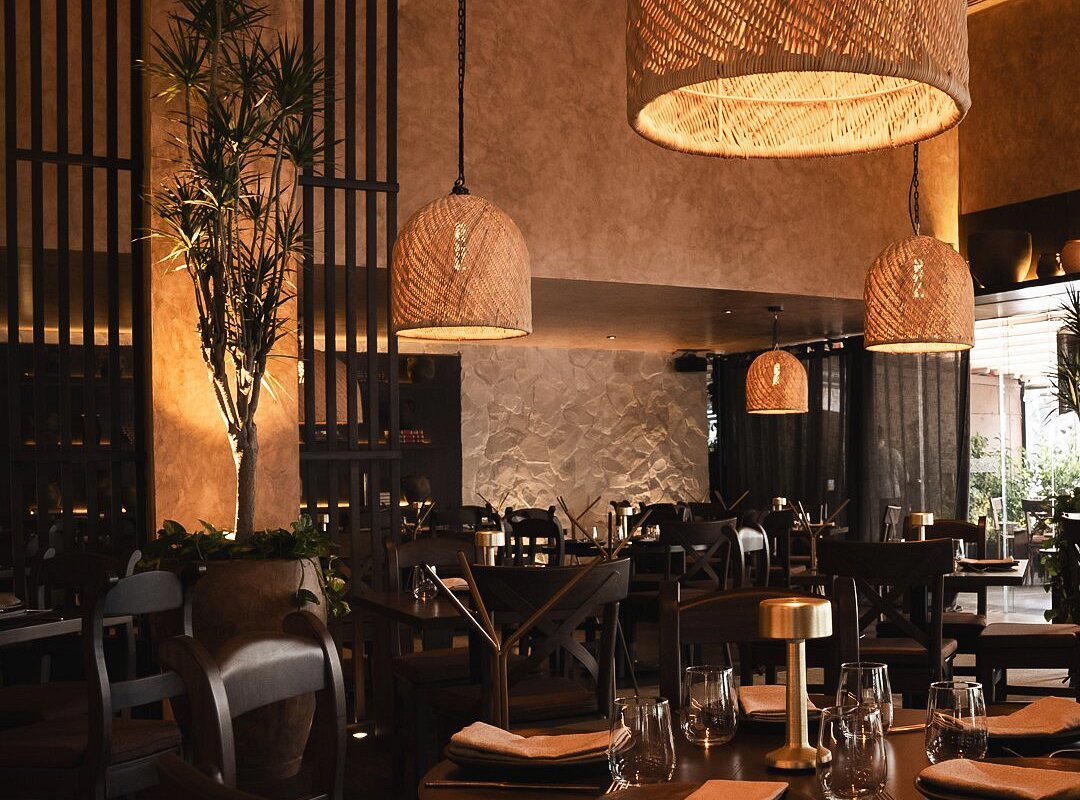
Bars in Mexico City
All bars in Mexico City →
Details
- Elegant
- Sophisticated
- Historic
- Cozy
- Trendy
- Date Night
- Special Occasion
- Rooftop
- Historic Building
- Open Kitchen
- Terrace
- Craft Cocktails
- Farm To Table
- Local Sourcing
- A La Carte
- Agave Spirits
- Vegetarian Friendly
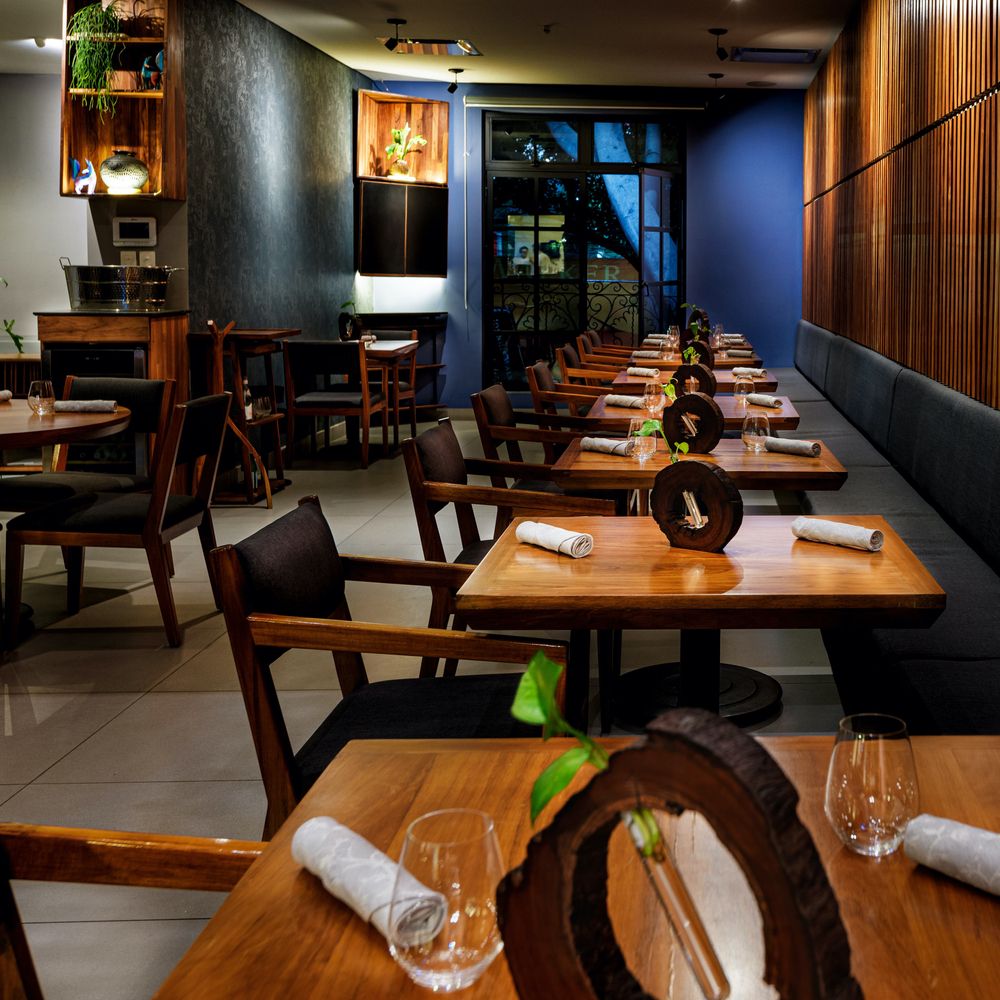
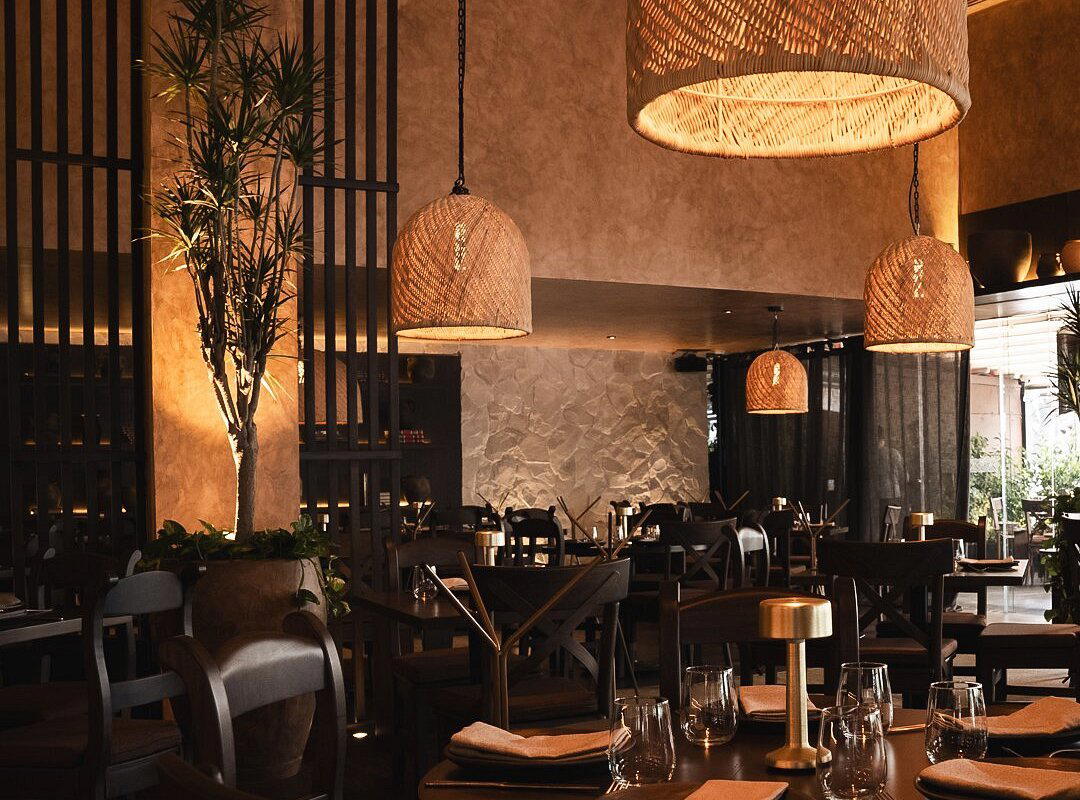
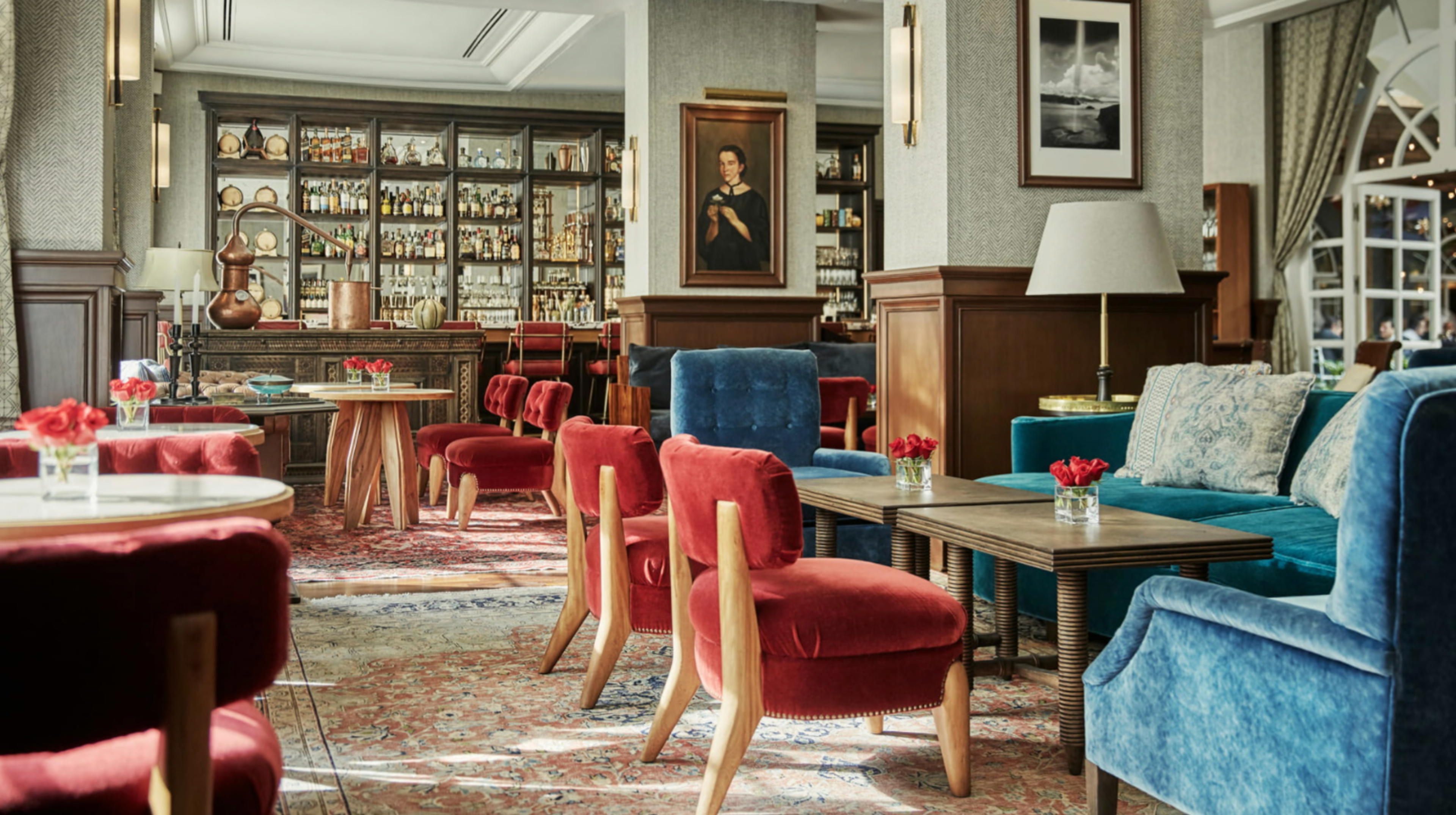
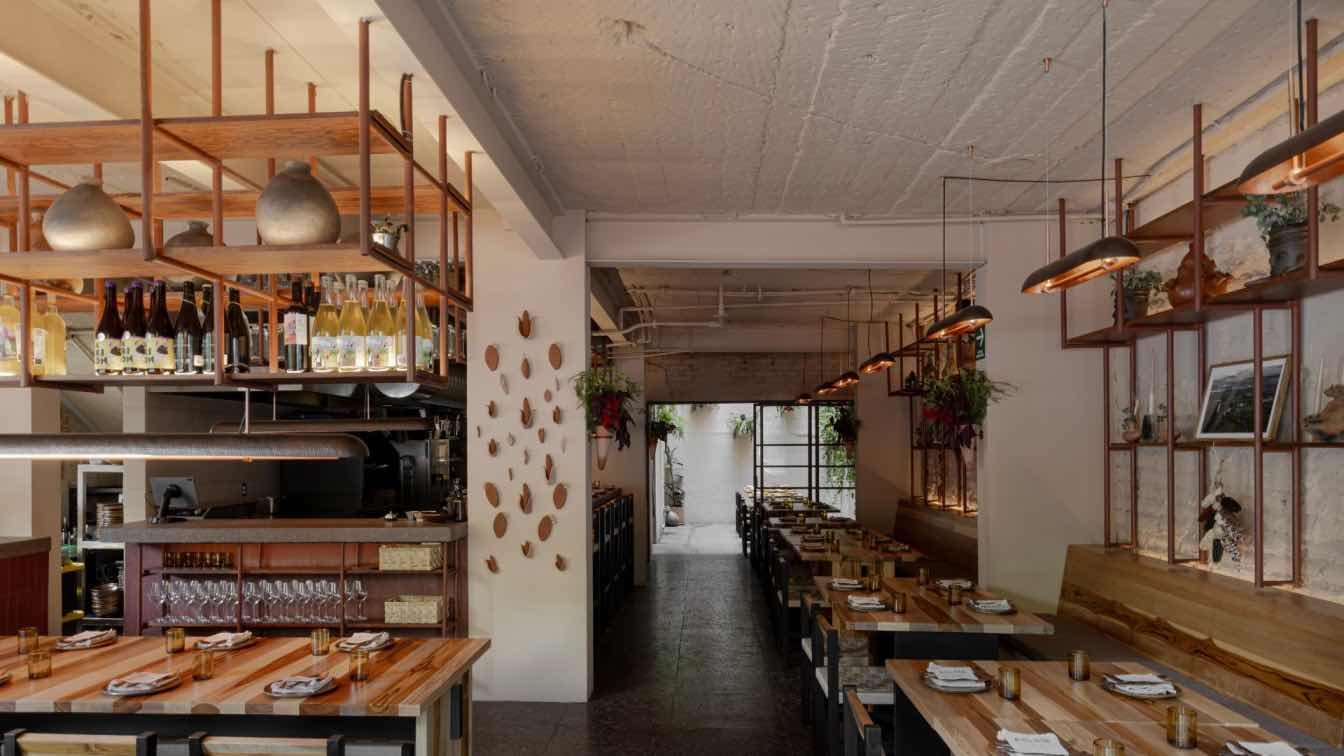
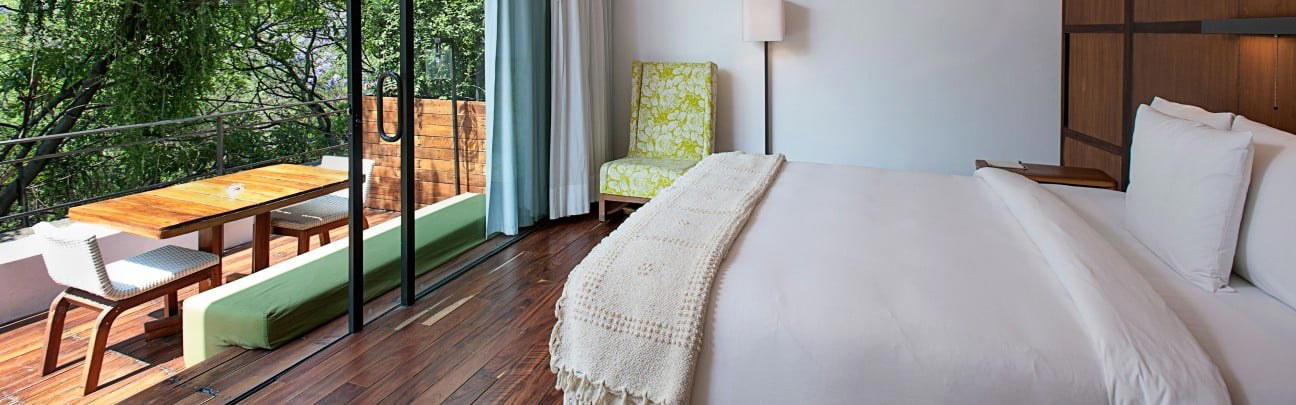
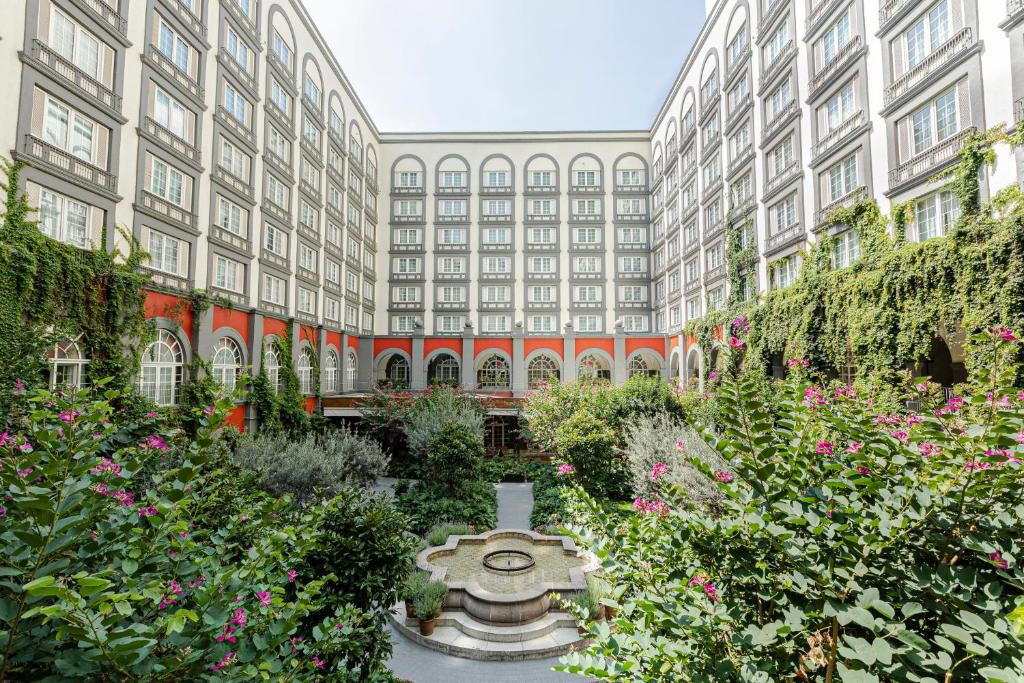
Sophisticated blend of historical charm and modern elegance with soft color palettes, original artwork, high Porfirian ceilings, and calming ambient interiors.