Google: 4.6 · 629 reviews



Humo Negro occupies a relaxed room on Carrera 5 in Chapinero, where Chef Jaime Torregrosa builds a small-plates menu that draws simultaneously on Latin American, Nordic, and Japanese techniques applied to Colombian ingredients. The format is designed entirely for sharing, which shapes both the pacing and the social register of a meal here. It sits in Bogotá's mid-tier modern dining tier, closer in spirit to a neighbourhood creative table than a formal tasting room.
 Discover on Pearl
Pearl is the En Primeur Club membership app — saves, bookings, and concierge access live there. Same editors, same standards.
A Different Kind of Chapinero Table
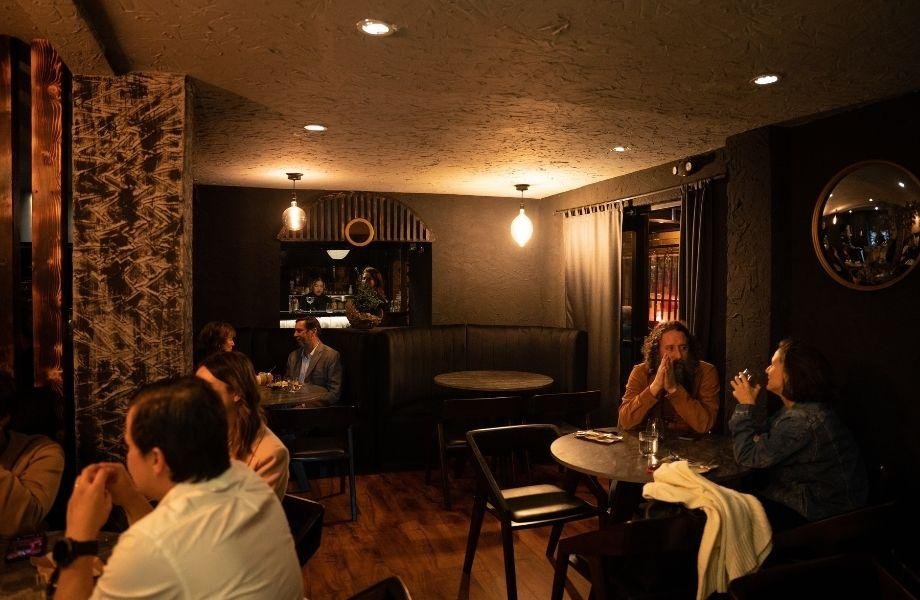
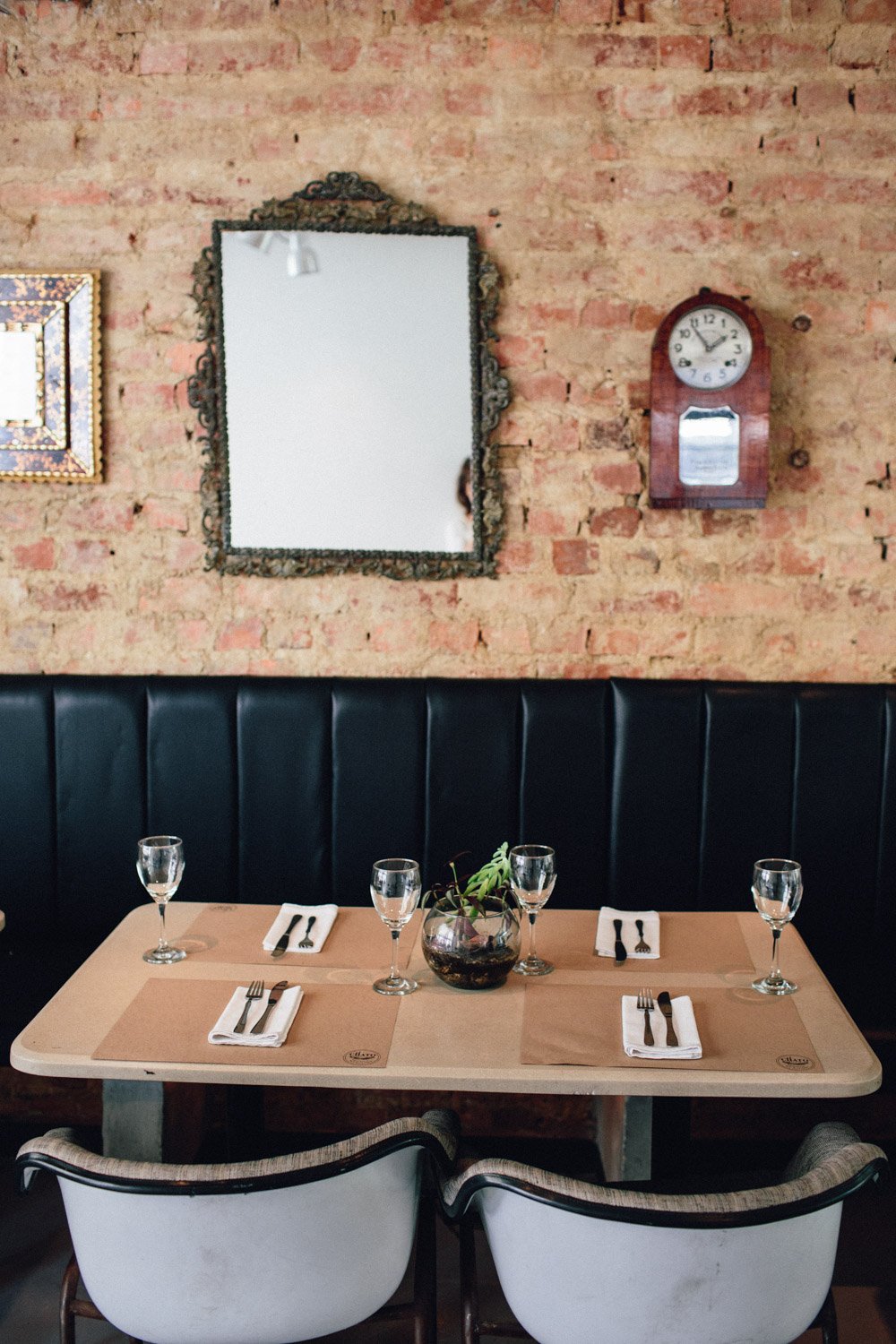
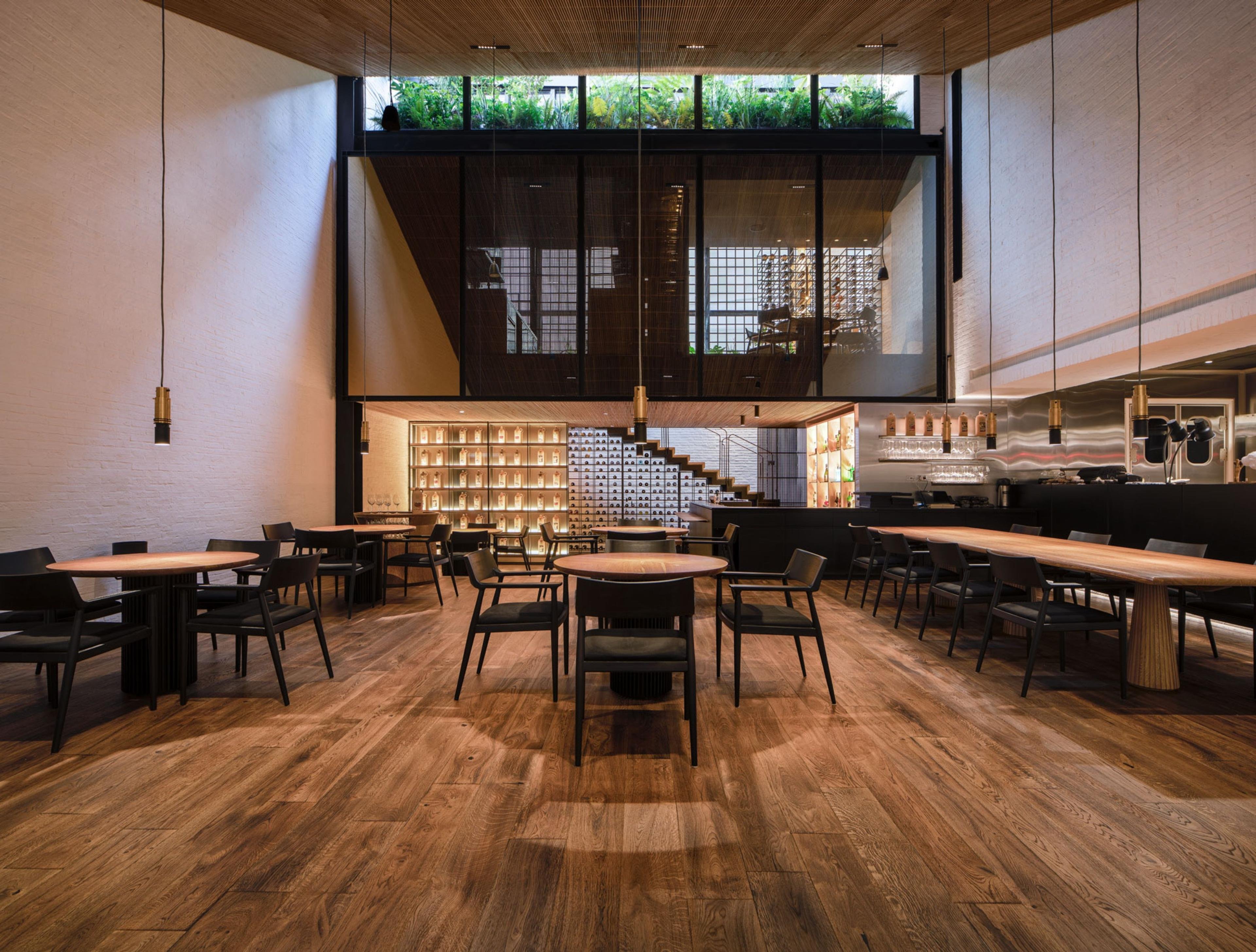
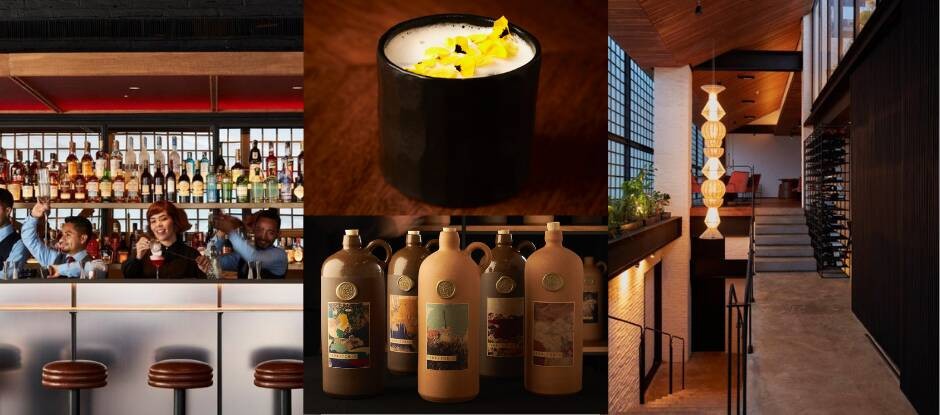
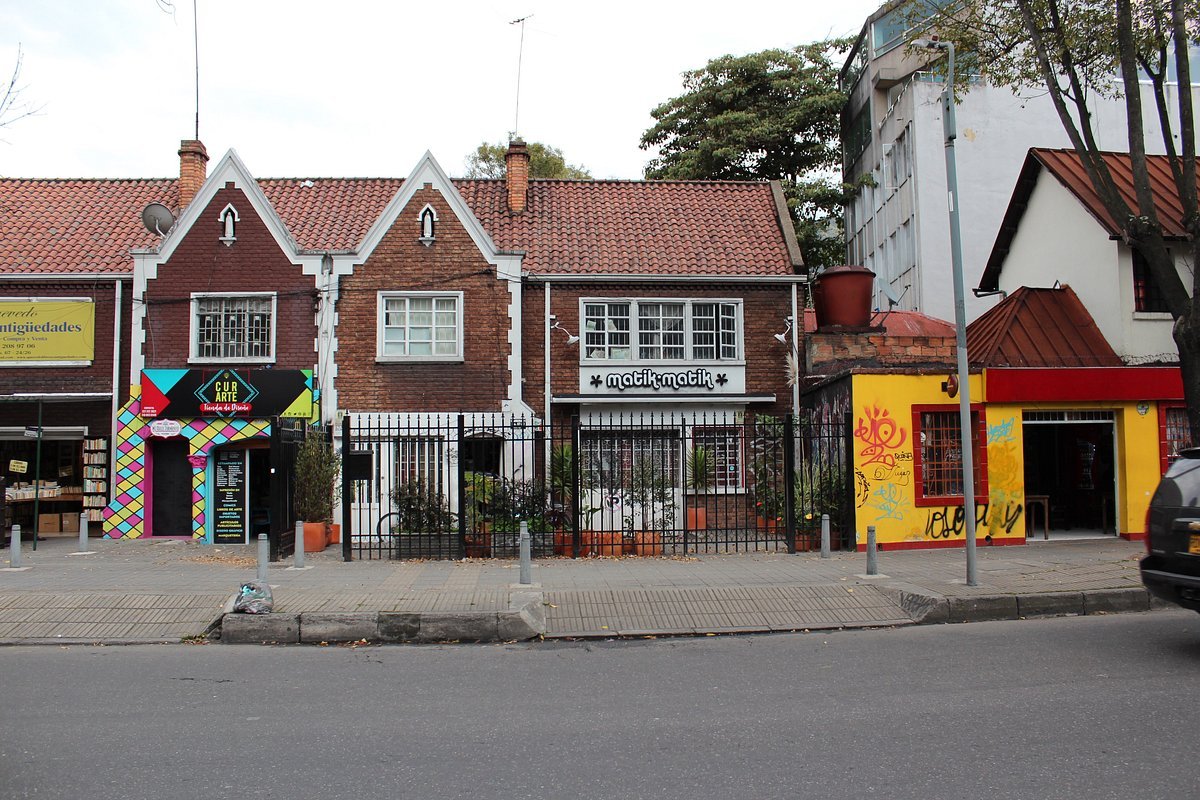
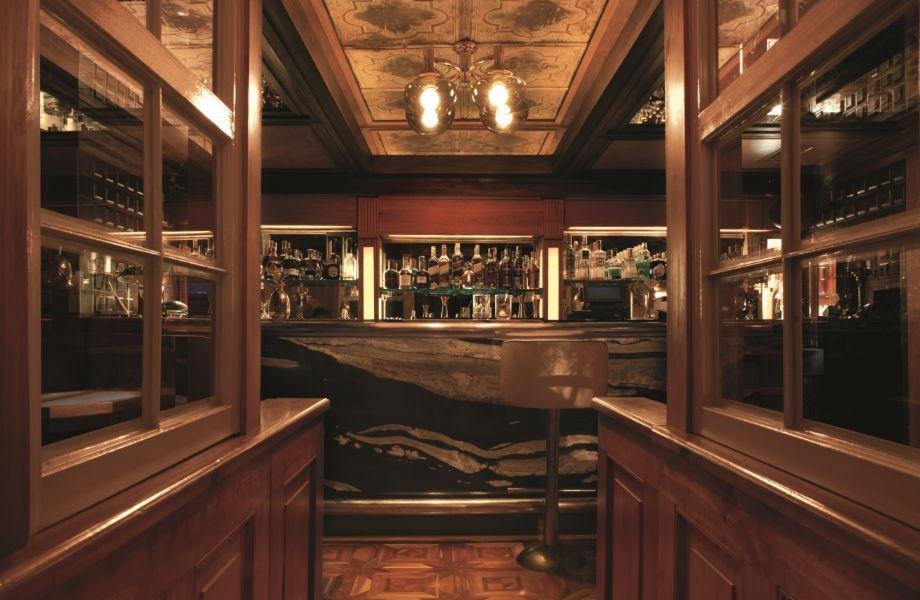
Chapinero has become the neighbourhood where Bogotá's dining instincts are sharpest. The area runs from student-facing casual spots to some of the city's most considered modern restaurants, and it is in that upper-middle band where Humo Negro on Carrera 5 positions itself. The room signals informality — a relaxed, unhurried space where the architecture of the meal does more conceptual work than the décor. Walking in, the atmosphere reads closer to a European neighbourhood bistro with serious cooking ambitions than to the grand-gesture fine dining rooms that anchor other parts of the city. That register is intentional, and it shapes everything that follows, from the plate sizes to the pace of service.
The Menu as Argument
The menu at Humo Negro is structured around small plates designed to share, and that decision is not merely logistical — it is the clearest expression of how Chef Jaime Torregrosa thinks about cuisine. In the global dining vocabulary, the small-plates format has become so common it risks saying nothing at all. What prevents it from defaulting into genericness here is the three-way axis the kitchen operates on: Latin American foundations, Nordic technique and restraint, and Japanese precision in seasoning and composition. These are not evenly weighted influences applied at random. The result is a menu that asks the table to move through textures and intensities rather than follow a single linear narrative.
This kind of multi-reference cooking has become a signature approach across Bogotá's modern dining scene. El Chato works with Colombian ingredients through a lens of European training; Leo takes a more anthropological approach, cataloguing regional Colombian biodiversity on the plate. Humo Negro sits in a different register from both: the influences are genuinely international rather than specifically Europeanised, and the format is social rather than tasting-menu ceremonial. Where Leo and El Chato ask for a certain reverence, Humo Negro asks for appetite and willingness to order across the menu.
Colombian Ingredients as the Constant
The through-line connecting the Nordic and Japanese elements is the insistence on Colombian produce. This is not window dressing. Colombian biodiversity , altitude-specific herbs, Pacific coastal fish, Andean tubers, tropical fruits that do not travel , provides the raw material that prevents the multi-influence framework from collapsing into the kind of placeless fusion that defined a weaker era of this cooking. When Nordic technique means cold-curing or smoke, it meets Colombian proteins that carry different flavour profiles from their Scandinavian counterparts. When Japanese influence means precise knife work or restrained acid, it applies to ingredients with no Japanese antecedent. The friction between the techniques and the raw materials is where the cooking finds its specificity.
Across Colombia's wider modern restaurant scene, this insistence on national ingredients as the fixed point in otherwise internationally influenced kitchens has become the dominant mode. Carmen in Medellín works the same principle at a higher price point and formality level. 1621 The Restaurant in Cartagena does it with a coastal ingredient palette. Humo Negro sits in the Bogotá iteration of this national pattern, bringing it into the sharing-plates format and into a neighbourhood dining context rather than a destination-dining one.
Where the Menu Architecture Takes the Table
The structure of a small-plates menu that moves across three culinary traditions demands a particular ordering logic. At Humo Negro, the sharing format implies that groups should work across the menu rather than each diner tracking a single set of courses. The pacing that emerges from multiple small plates arriving across a table reflects how the kitchen thinks about the meal: as a lateral exploration rather than a vertical progression from light to rich. This places a premium on the table's willingness to order generously and comparatively, cycling through plates that might arrive simultaneously rather than in strict sequence.
That approach connects to what the small-plates format does at its most considered: it removes the hierarchy of the main course and distributes the decision-making across the table. Restaurants like Atomix in New York City have demonstrated that a sharing or sequential small-plates format can carry as much culinary ambition as a traditional tasting structure. Humo Negro operates in a less formal register than Atomix, but the underlying logic , that removing a single dominant plate forces the kitchen to make every dish substantive , applies equally.
The Chapinero Context
Chapinero's dining identity in Bogotá functions something like how certain arrondissements operate in Paris or certain postcodes function in London: it signals a particular kind of seriousness without the formality requirements of the city's premium dining corridor. For visitors, this means that Chapinero restaurants including Humo Negro attract a local professional and creative-class crowd who treat them as regular tables rather than special-occasion destinations. The experience that produces is different from sitting in a room full of occasion diners. Conversations carry further, the service rhythm is less choreographed, and the kitchen tends to cook with the confidence that comes from repeat custom rather than one-time visitors trying to extract maximum value from a single visit.
Other Bogotá addresses worth knowing in relation to Humo Negro include Debora Restaurante, Afluente, and Casa Mamá Luz, each of which represents a different angle on Bogotá's current creative dining moment. Beyond the city, the national picture extends to Harry Sasson in Bogotá, Domingo in Cali, and Manuel in Barranquilla, which together illustrate how Colombian modern dining has diversified across its major cities rather than concentrating entirely in the capital.
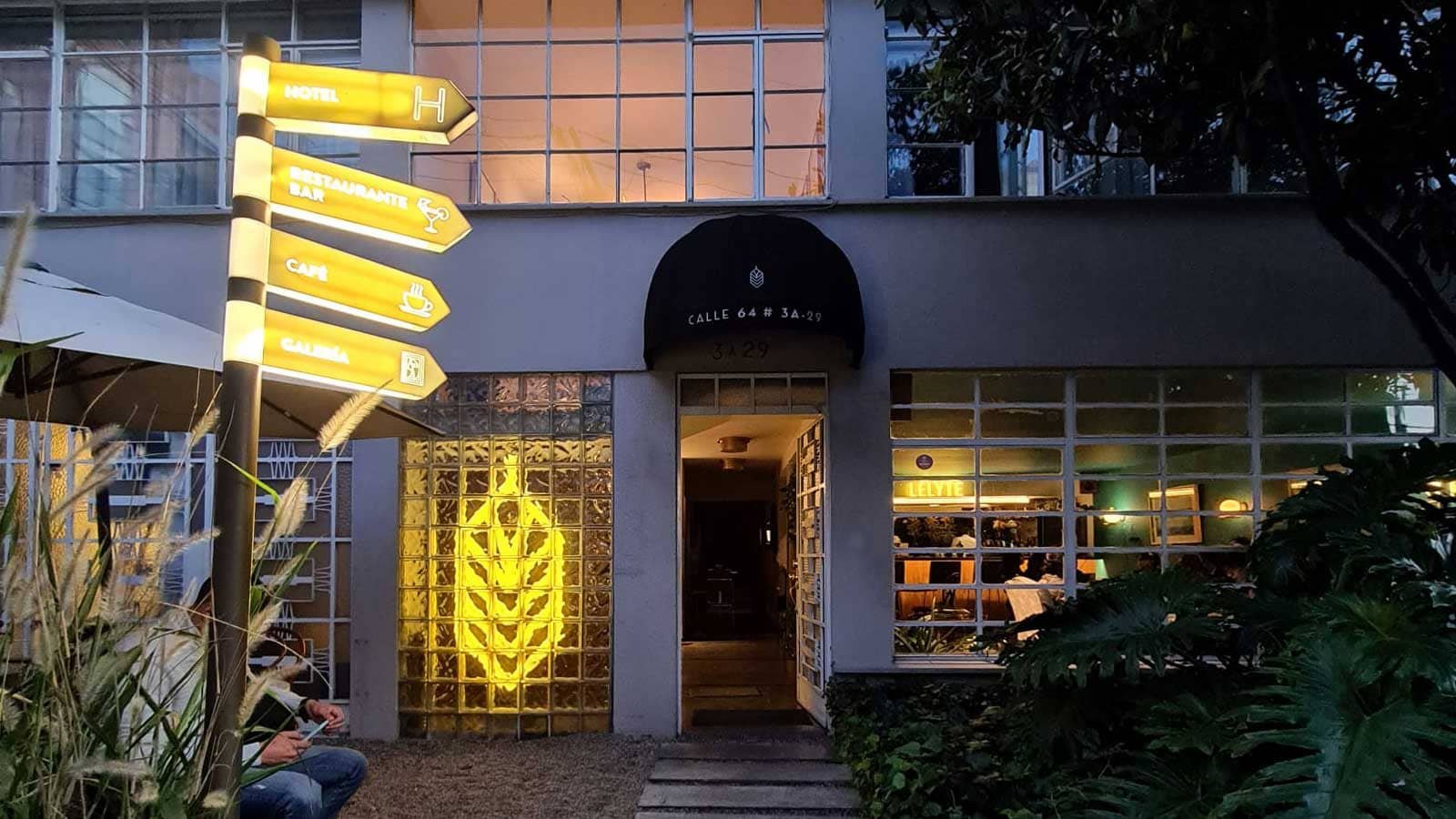
Planning a Visit
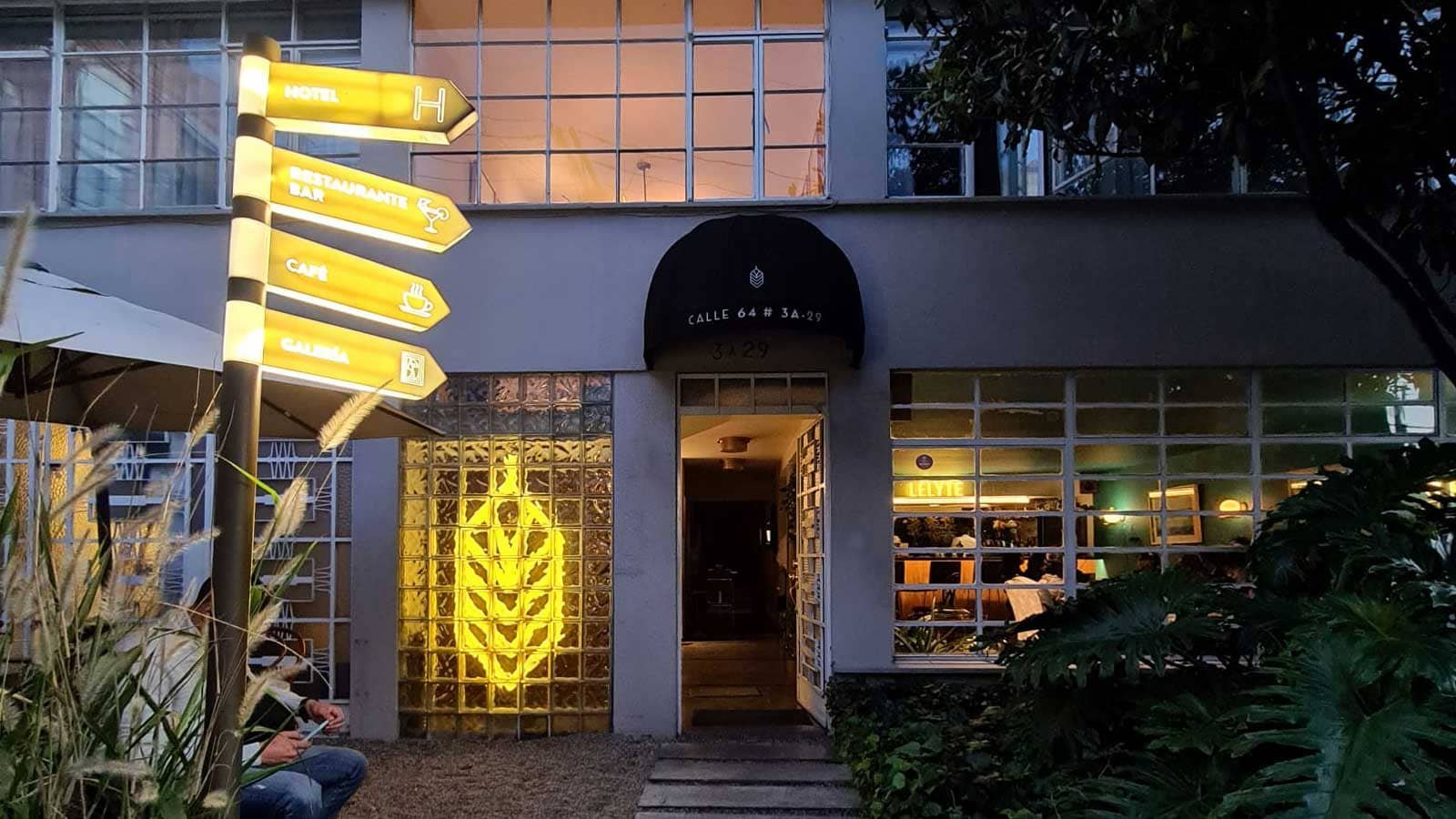
Humo Negro is at Cra. 5 #56-06 in Chapinero. The address puts it in a part of Bogotá that is walkable from several of the neighbourhood's other dining and drinking spots, which makes it a natural anchor in a longer evening rather than a standalone destination. The sharing-plates format works leading with three or more diners; a table of two can navigate it, but the range of the menu expresses itself more fully when there are more dishes in play simultaneously. For those building a broader Bogotá itinerary, EP Club's full Bogotá restaurants guide, hotels guide, bars guide, wineries guide, and experiences guide cover the full picture. Booking in advance is advisable; Chapinero restaurants at this level fill mid-week as readily as weekends given their local repeat clientele.
Peers You’d Cross-Shop
These are the closest comparables we have in our database for quick context.
| Venue | Cuisine | Price | Notes |
|---|---|---|---|
| Humo Negro | This venue | ||
| El Chato | Modern Colombian | Modern Colombian | |
| Leo | Modern Colombian | Modern Colombian | |
| Afluente | |||
| Casa Mamá Luz | |||
| ODA |
At a Glance
- Cozy
- Intimate
- Modern
- Trendy
- Date Night
- Special Occasion
- Open Kitchen
- Craft Cocktails
- Local Sourcing
- Sustainable Seafood
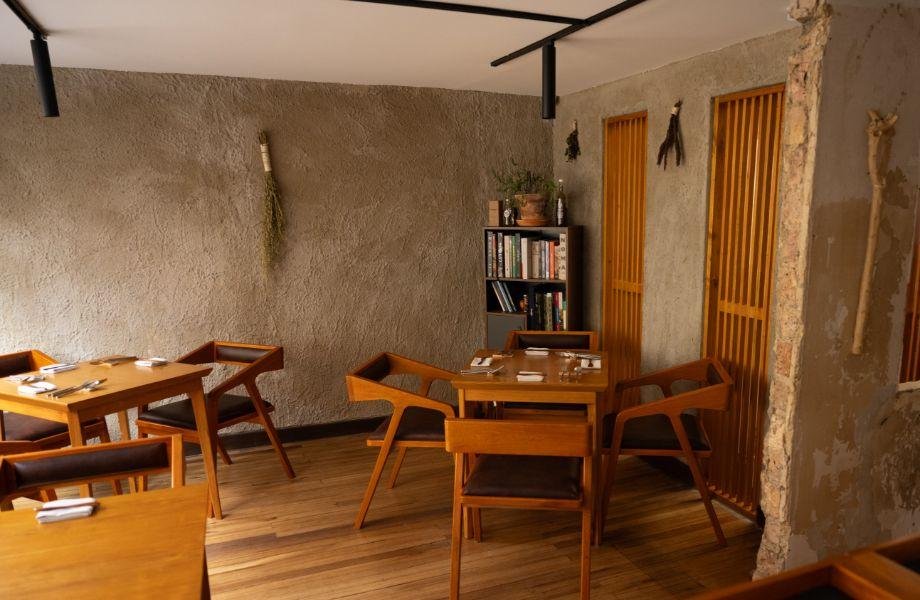
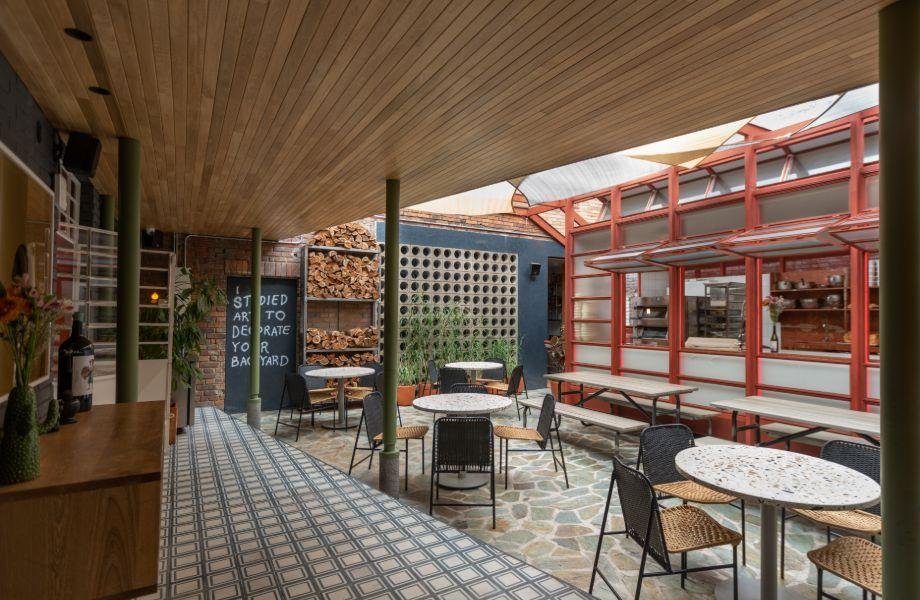
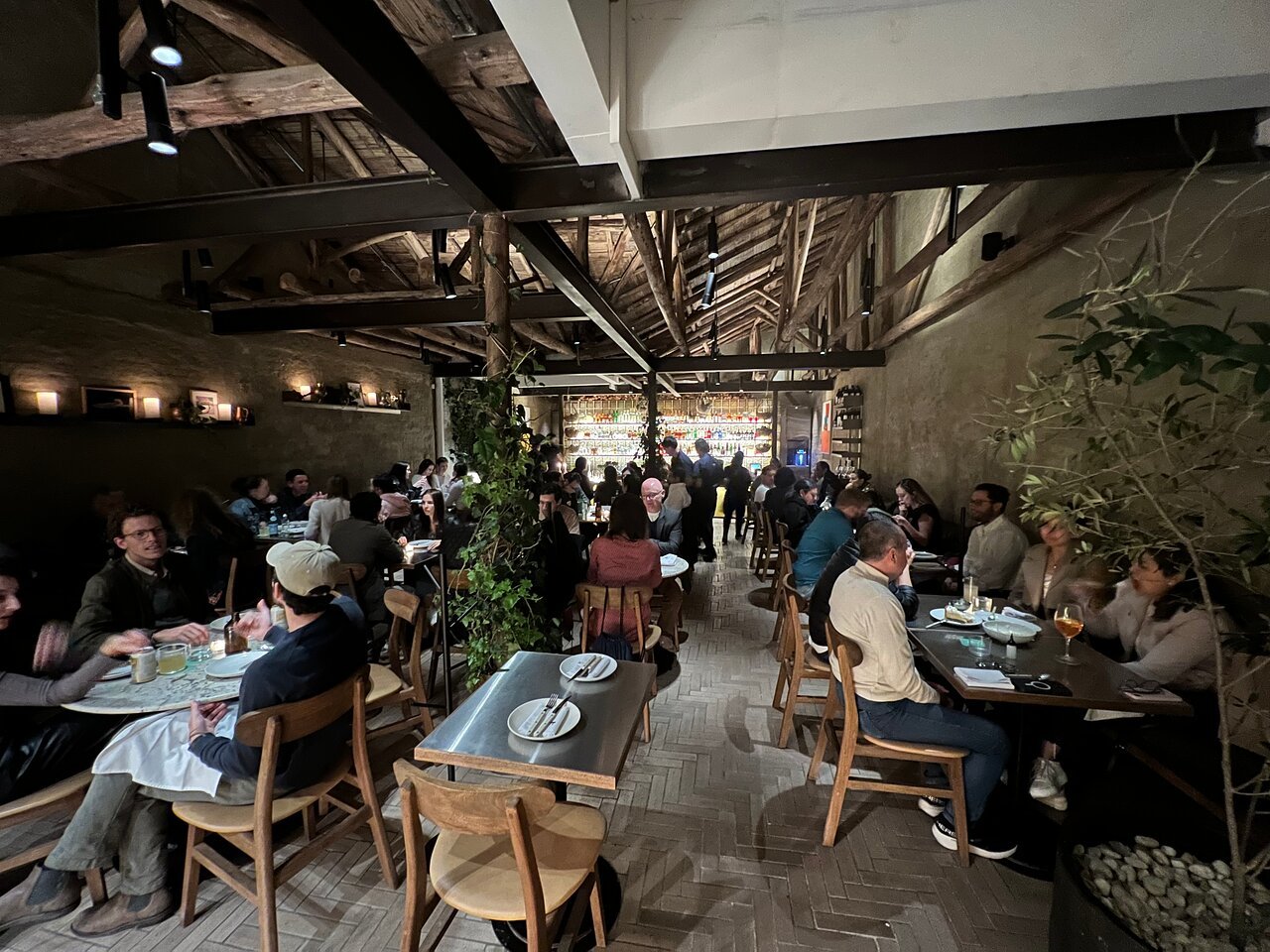
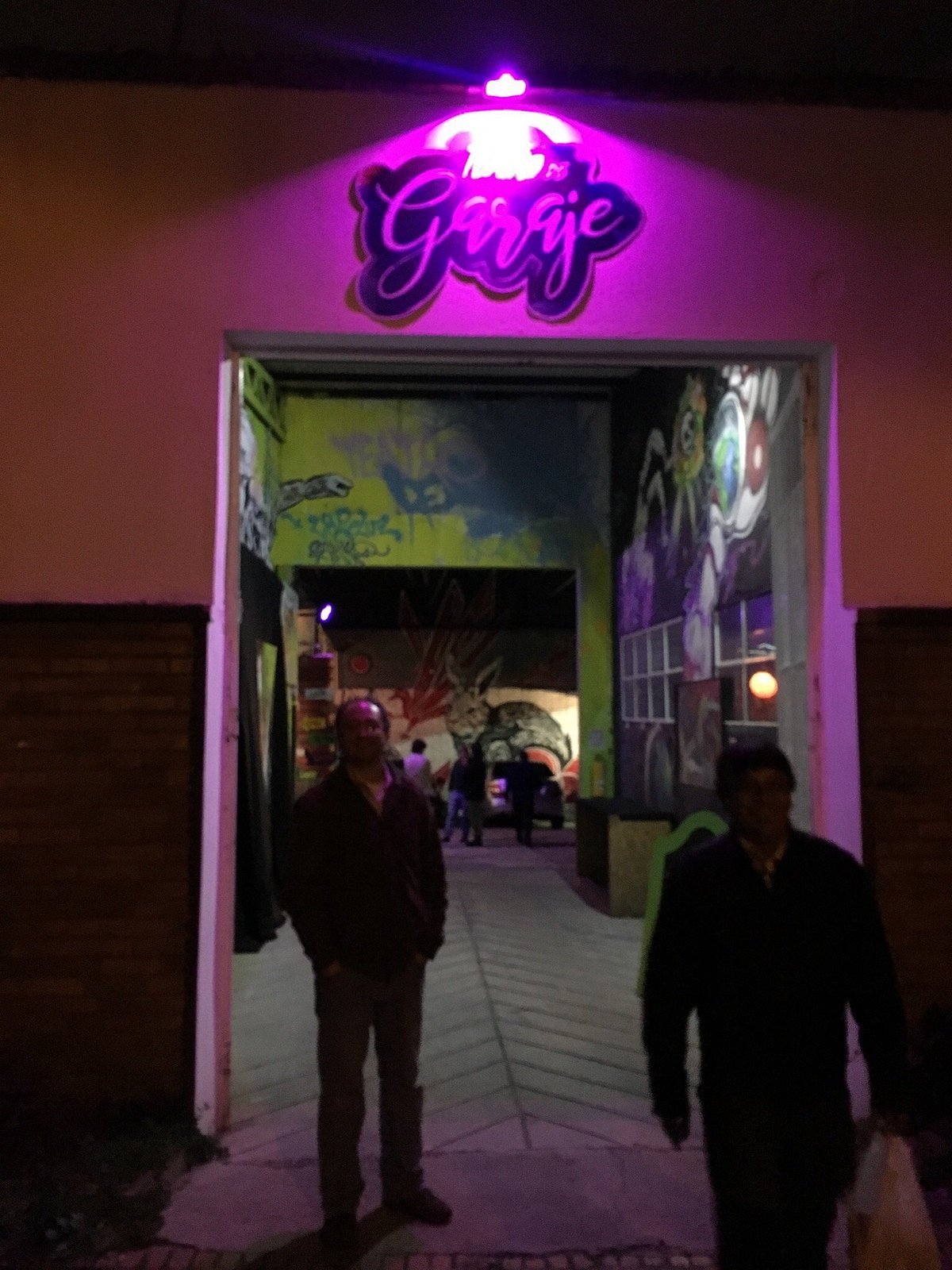
Cosy space with casual, intimate atmosphere, intriguing black decor, grunge soundtrack, and modern avant-garde vibe.