Google: 4.6 · 601 reviews
Casa Lėlytė occupies a quiet residential stretch of Chapinero on Calle 64, operating as both boutique hotel and plant-based restaurant under one roof. The format sits within a growing tier of Bogotá properties that treat the dining room as seriously as the rooms above it. For travellers who want neighbourhood-level immersion rather than a hotel-district address, the combination is worth understanding before you book.
 Discover on Pearl
Pearl is the En Primeur Club membership app — saves, bookings, and concierge access live there. Same editors, same standards.
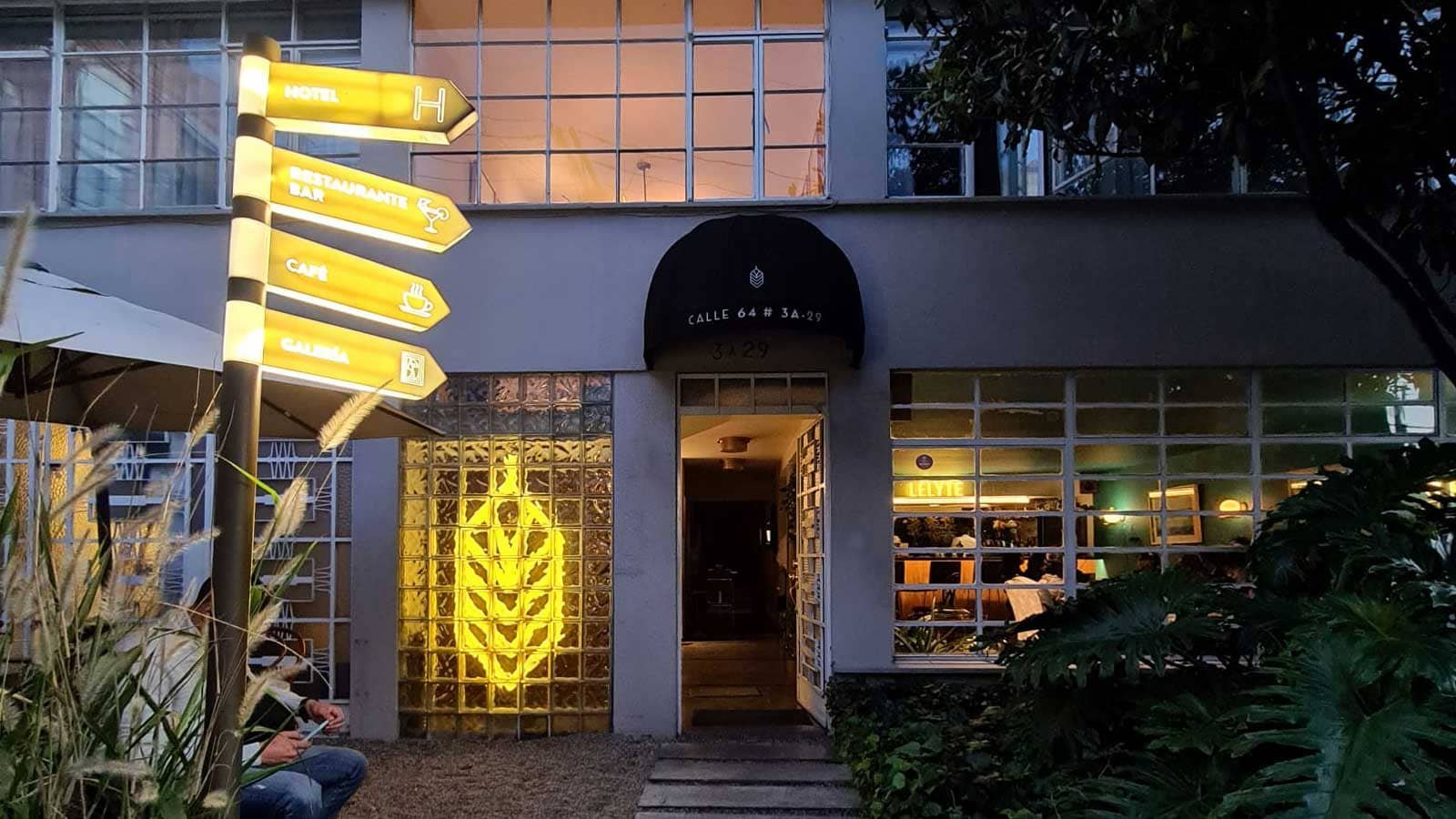
A Chapinero Address That Refuses the Hotel-District Formula
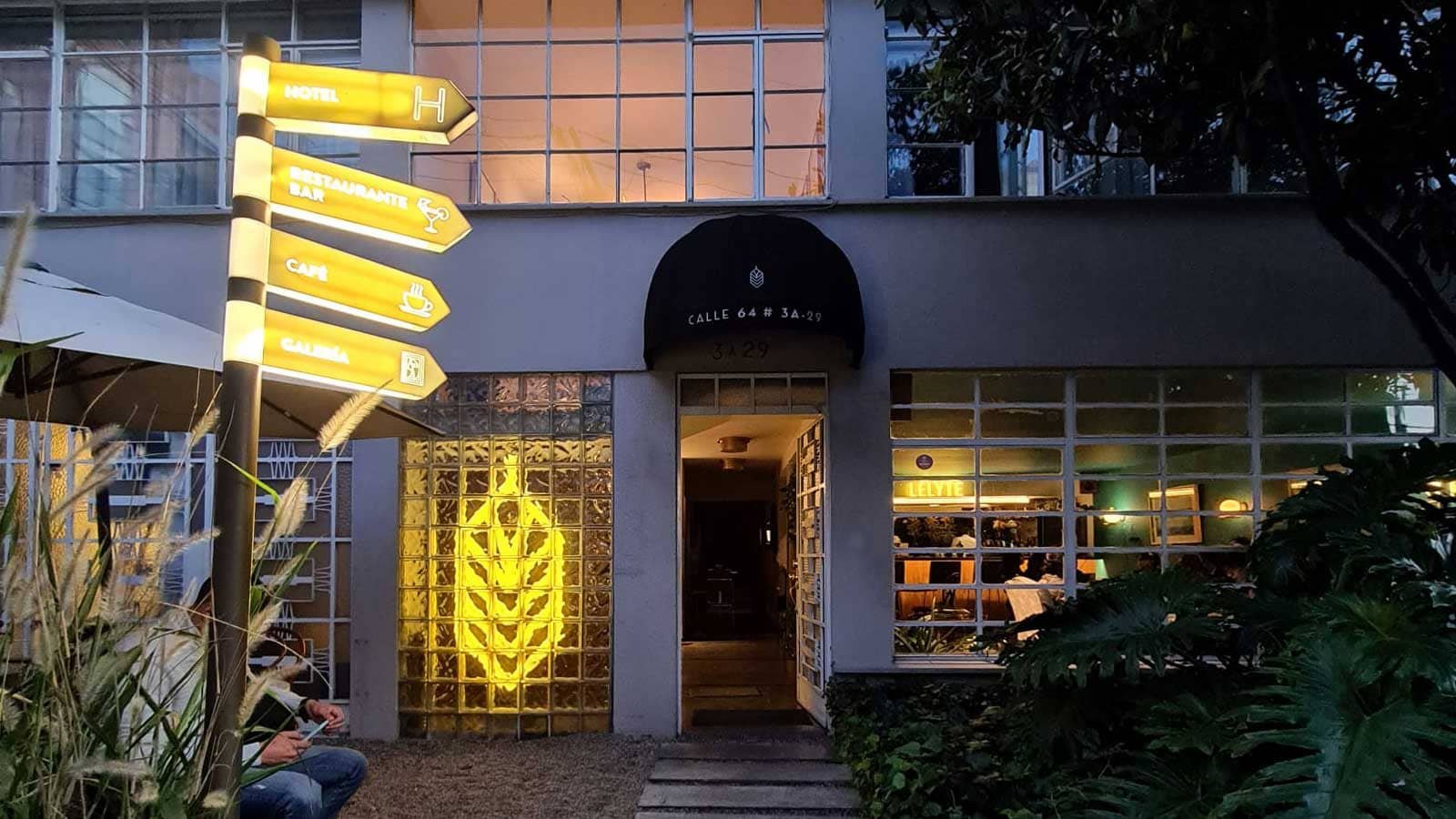
Bogotá's accommodation map has a well-worn groove: the Zona Rosa corridor, the polished towers around Calle 93, the business hotels anchoring El Chicó. Casa Lėlytė does not sit in any of those zones. Its address on Calle 64 No. 3a-29 places it in the residential-commercial fringe of Chapinero, a neighbourhood that has spent the past decade accumulating independent restaurants, natural wine references, and small creative studios at a pace that outstrips the city's more obvious hospitality districts. Arriving here, you are not walking past branded storefronts or valet queues. The scale is domestic, the street unhurried, and the building presents itself as a house that happens to accommodate guests rather than a hotel that happens to have a house attached.
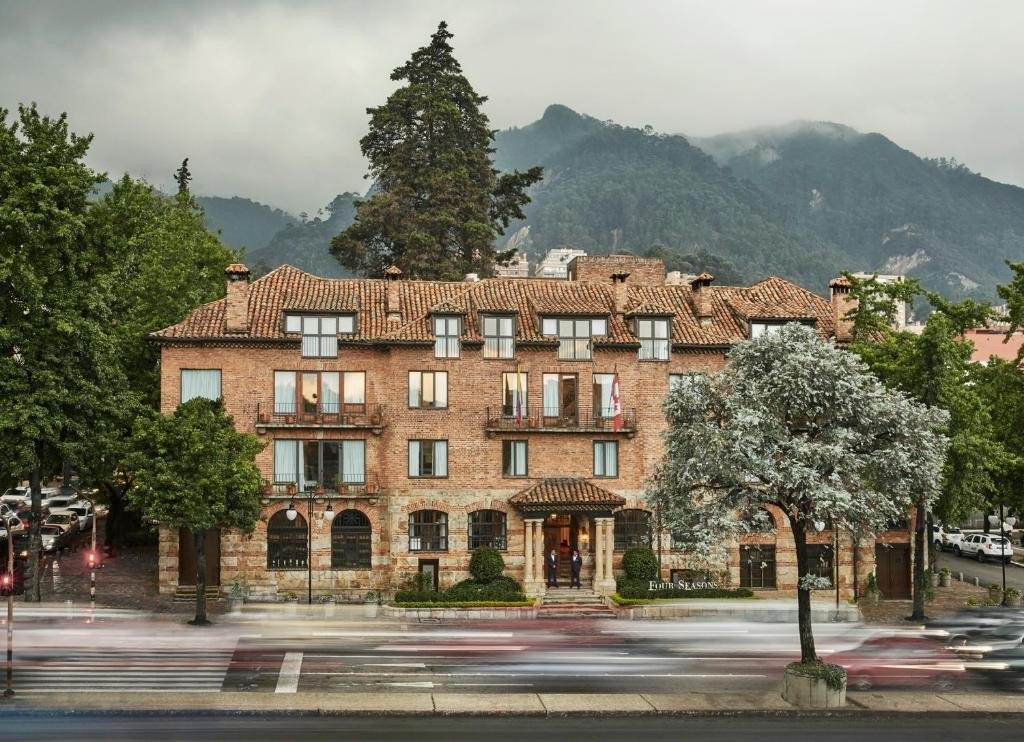
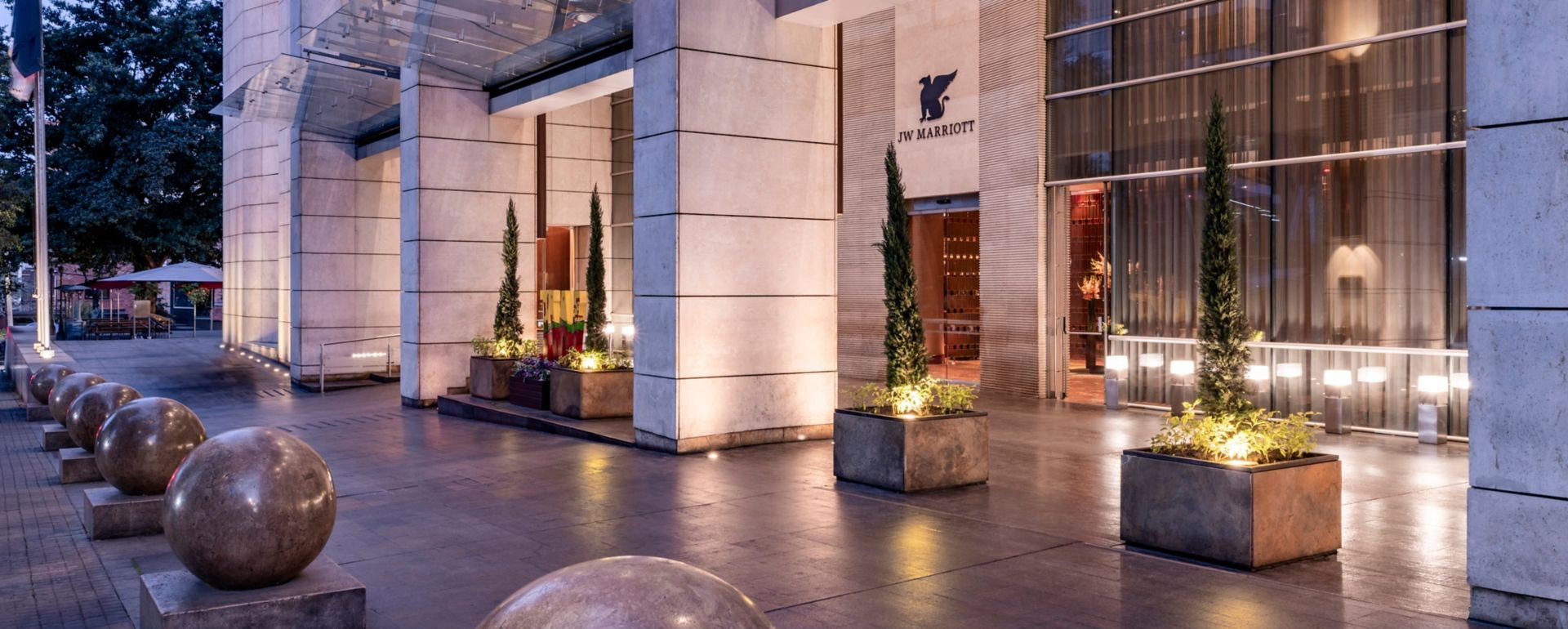
That physical context matters for what follows inside. In cities across Latin America, the boutique-hotel-plus-serious-restaurant format has emerged as a distinct category, one that sits between the all-inclusive resort model and the purely residential guesthouse. B.O.G. Hotel represents the high-design, full-service end of that spectrum in Bogotá. Casa Lėlytė works a different register entirely: intimate, plant-focused, and positioned in a neighbourhood that rewards guests who want to eat and drink within walking distance of where they sleep rather than being shuttled across the city.
The Plant-Based Programme in a City Still Discovering It
Colombia's restaurant scene has historically centred on meat: bandeja paisa, ajiaco enriched with chicken, grilled proteins as the default anchor of a lunch plate. Plant-based dining exists in Bogotá, but it occupies a smaller, more specialist tier than in cities like Mexico City or Buenos Aires, where vegetable-forward restaurants have moved decisively into the mainstream. That makes Casa Lėlytė's positioning as a restaurante vegetal notable within its local context, not as a novelty, but as a deliberate alignment with a direction that Bogotá's more experimental dining crowd has been tracking for several years.
The editorial angle that matters here is pairing: how a plant-focused kitchen builds a food and drink programme that holds together as a coherent offer rather than two separate decisions. In the better vegetable-driven restaurants internationally, the drinks list is not an afterthought appended to a menu built around proteins. It is calibrated to the acidity, texture, and herbaceous registers that plant-based cooking amplifies. Fermented drinks, natural wines, and botanical cocktails pair differently against roasted roots or charred brassicas than they do against a ribeye, and kitchens that understand this tend to produce more cohesive meals. Whether Casa Lėlytė's current programme fully realises that calibration is something the venue's dining room will answer more precisely than a listing can, but the format signals the intent.
For context on what a well-executed pairing programme looks like at the bar level in Colombia, Alquímico in Cartagena has spent years demonstrating how Colombian botanical ingredients translate into drinks that go beyond decoration. Bar Carmen in Medellín operates in a similarly considered register. Casa Lėlytė's kitchen-forward model asks a related question from the food side: what does thoughtful plant cooking look like when the beverage list is built to meet it halfway.
Chapinero as a Context, Not Just a Location
Staying in Chapinero rather than Zona Rosa or Usaquén changes the rhythm of a Bogotá trip in ways that matter. The neighbourhood is walkable to a density of independent operators that the northern hotel corridor cannot match at street level. Bogotá's bar scene has matured considerably in the past five years, with places like La Sala de Laura, Armando Records, and Atlas, restaurante - bar establishing distinct identities that reflect the city's growing confidence with cocktail culture and late-night dining formats. A guest staying at Casa Lėlytė can treat those as extensions of an evening that began in the hotel's own dining room, which is precisely how the boutique-hotel-as-neighbourhood-anchor model is supposed to function.
Colombia's broader travel circuit also benefits from having a Bogotá base that reads as a considered choice rather than a logistics default. Travellers moving between the coast, where venues like BK Burukuka in Santa Marta and the heritage-bar culture documented at La Troja in Barranquilla frame a very different Colombia, tend to find Bogotá either as an arrival point or a final city before departure. A hotel with a plant-based dining room serves a different purpose in that itinerary than a business hotel, particularly for guests whose appetite for serious food and drink has been sharpened by what they encountered on the coast.
Planning a Stay: What the Format Requires
Casa Lėlytė sits on Calle 64 No. 3a-29 in Chapinero, accessible by TransMilenio from the city centre or a short ride-share from El Dorado International Airport. Because the property functions as both hotel and restaurant, guests who want to eat in-house on a specific evening should establish availability at booking rather than assuming the dining room operates on hotel-restaurant hours. Plant-based kitchens of this type in Bogotá tend to run tighter services than larger operations, and timing matters more than it would at a standalone restaurant with broader capacity.
Bogotá's altitude (approximately 2,600 metres above sea level) affects both palate calibration and alcohol sensitivity for arriving guests, which is worth factoring into any first-evening drinks decision regardless of where you are staying. The rainy seasons, which run roughly from April through May and October through November, have limited effect on the in-hotel dining experience but do influence how much of Chapinero you will want to explore on foot in the evenings. The city's dry season, spanning June through September and December through February, is the more comfortable window for neighbourhood walking and the extended evening pace that a Chapinero stay enables.
For guests building a broader Bogotá itinerary, our full Bogotá guide covers the city's restaurant and bar scene across neighbourhoods and price tiers. Internationally, the calibre of pairing-focused bar programmes at venues like Bar Leather Apron in Honolulu, Jewel of the South in New Orleans, and Julep in Houston illustrates how seriously the food-and-drink pairing question is being taken at the bar level in cities where the conversation has matured. Casa Lėlytė approaches the same question from the hotel dining room side, in a Colombian city that is still building the critical mass of plant-forward operators needed to make the format legible to a wider audience.
Comparable Spots
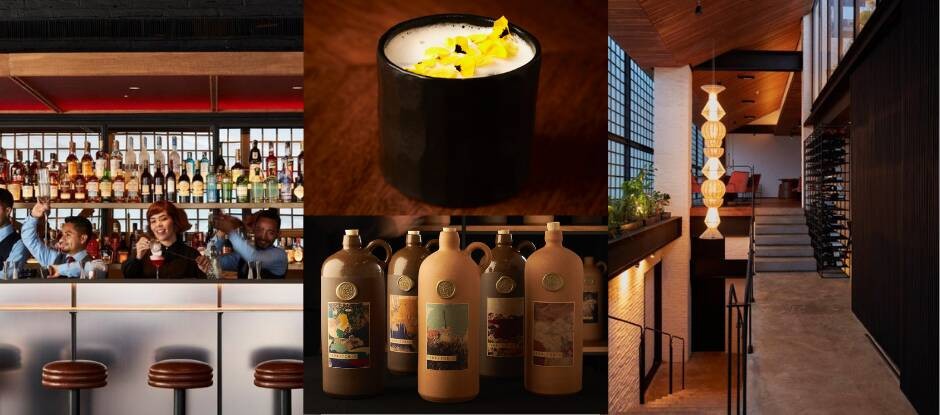
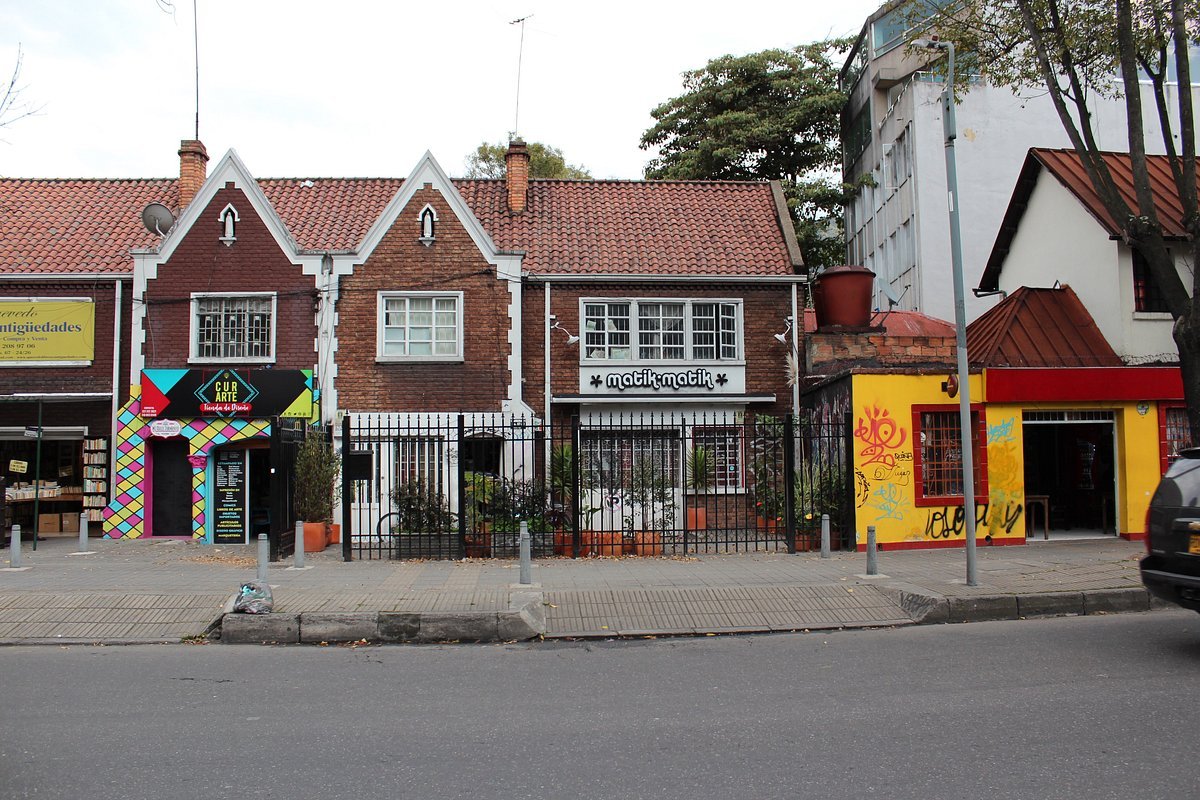
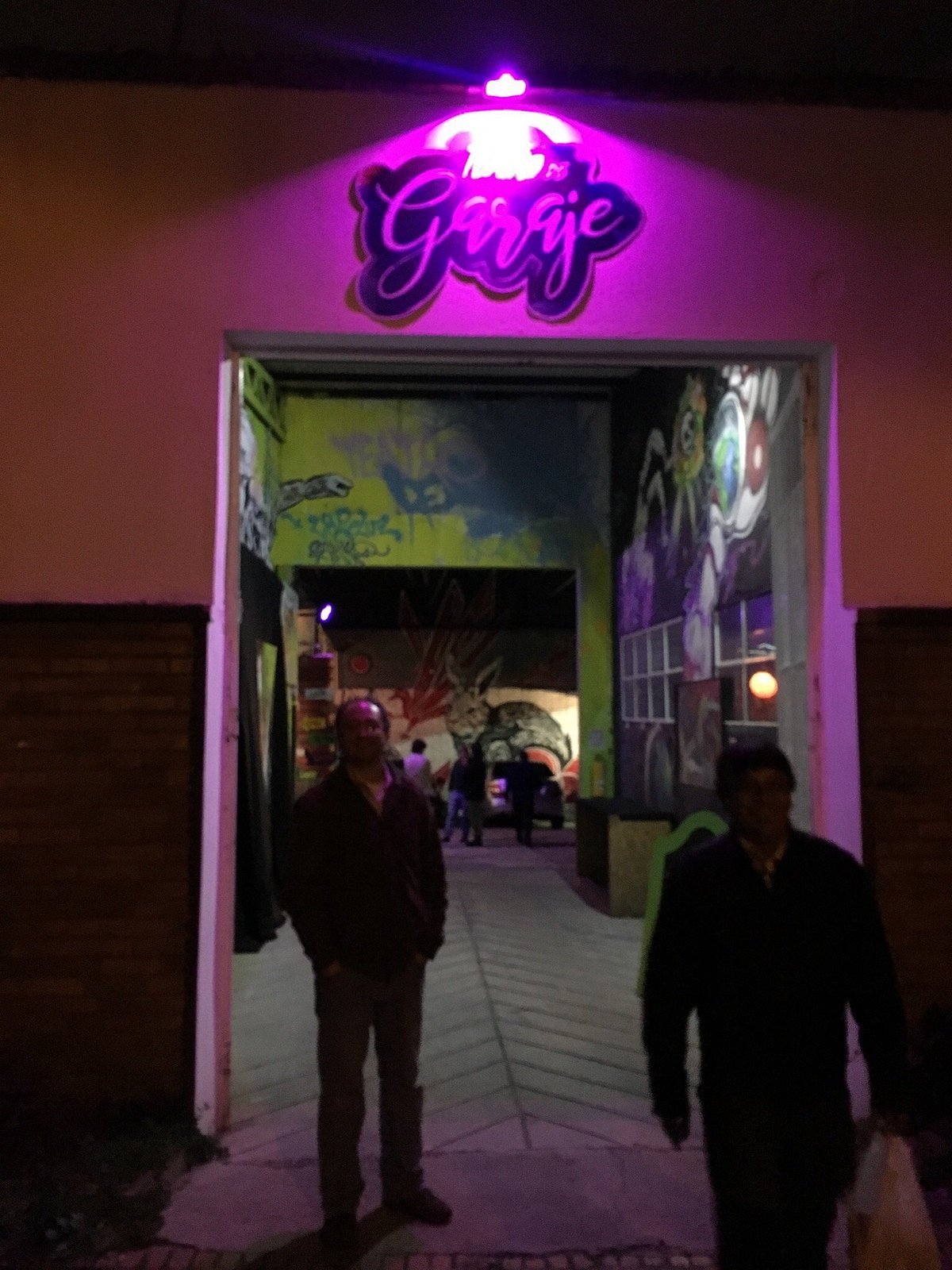
A quick context table based on similar venues in our dataset.
At a Glance
- Elegant
- Cozy
- Bohemian
- Intimate
- Date Night
- Special Occasion
- Group Outing
- Hotel Bar
- Garden
- Design Destination
- Lounge Seating
- Seated Bar
- Outdoor Terrace
- Zero Proof
- Conventional Wine
- Garden
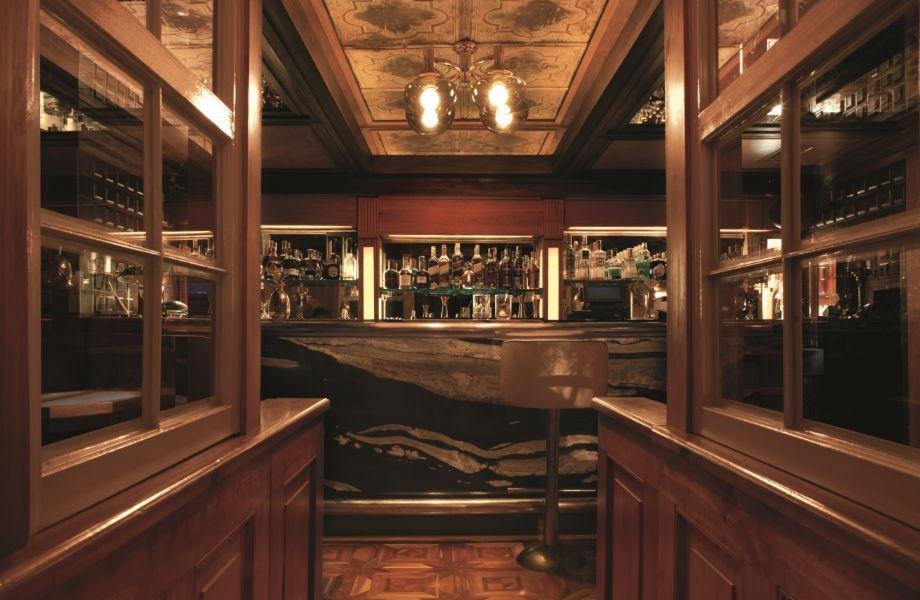
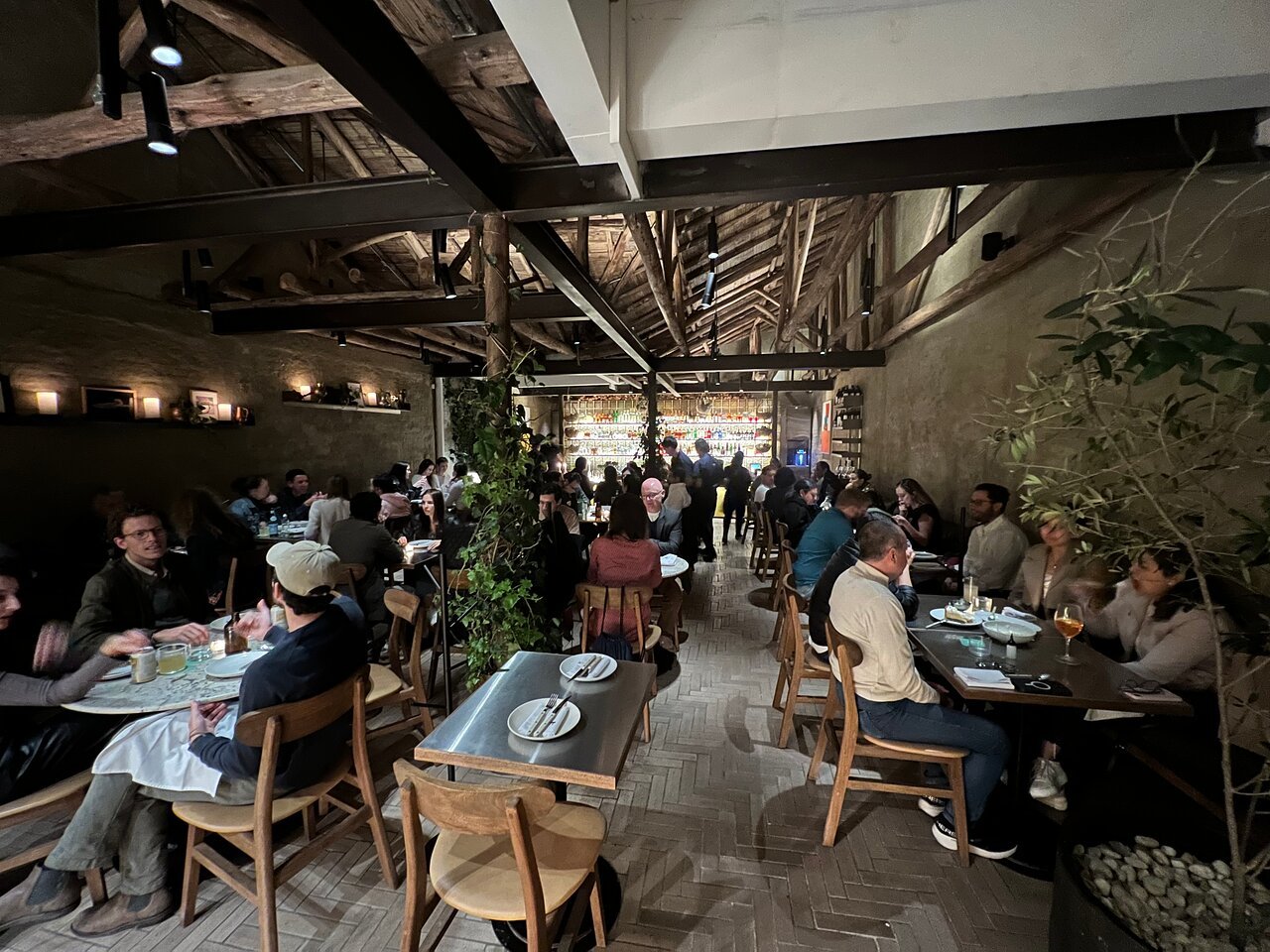
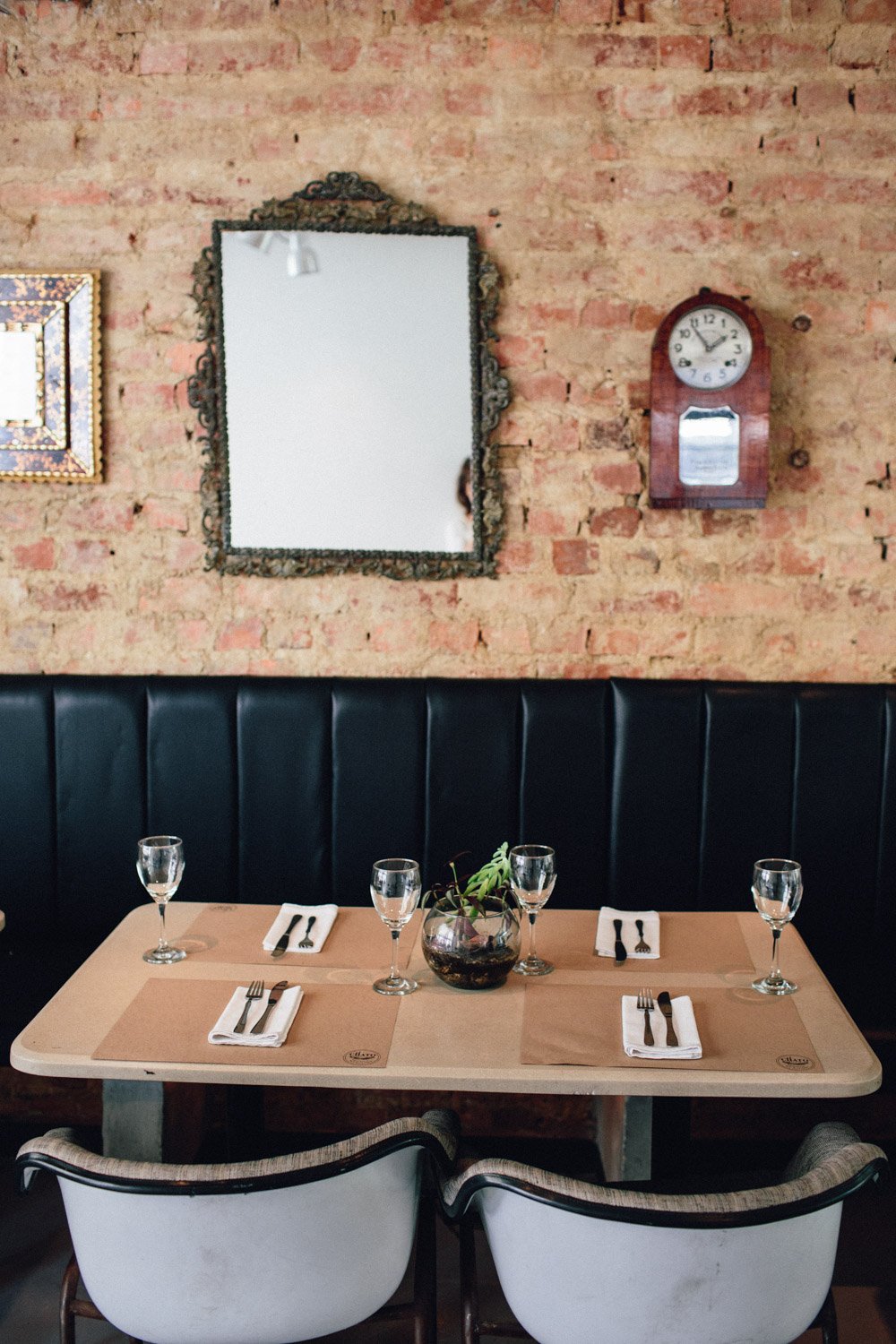
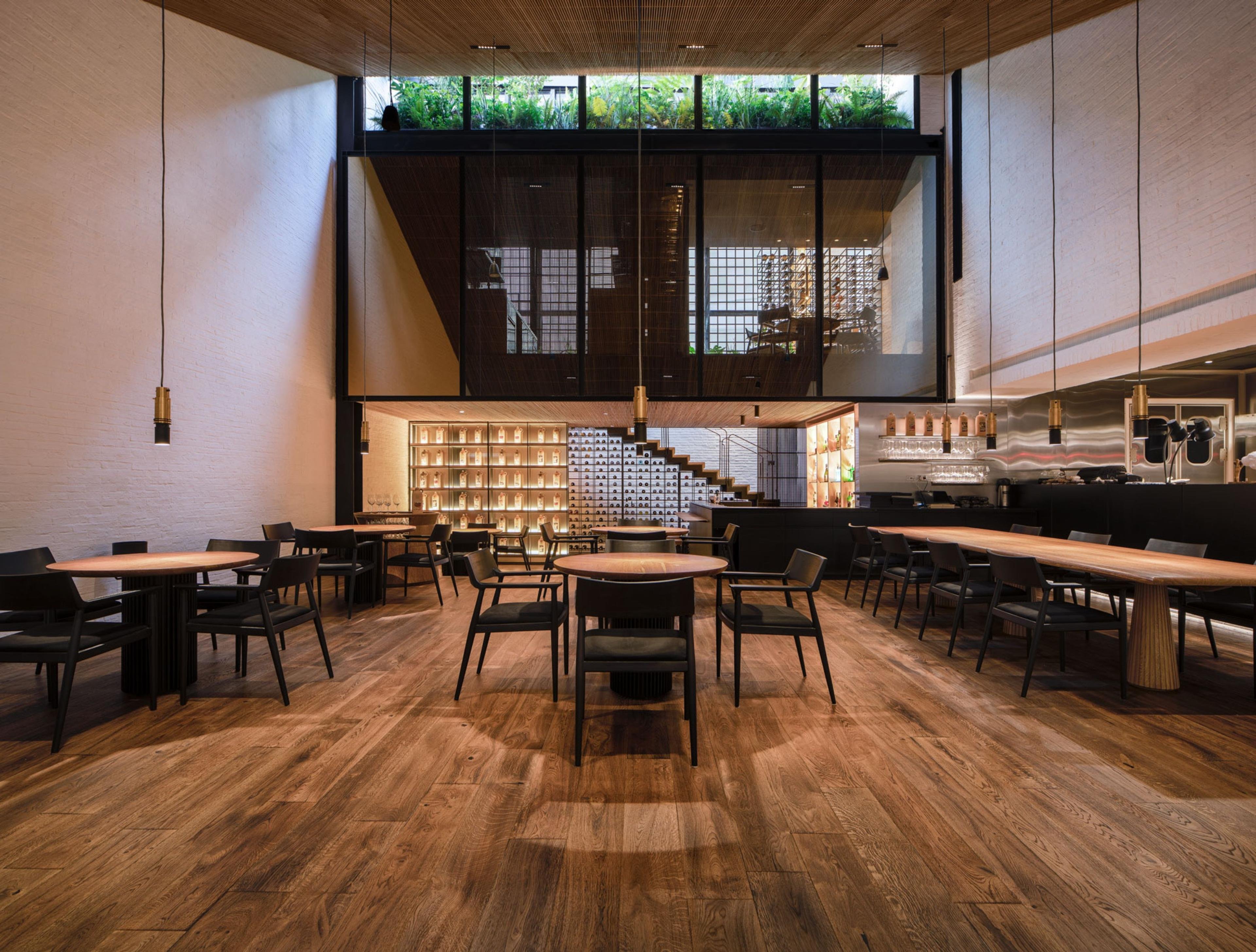
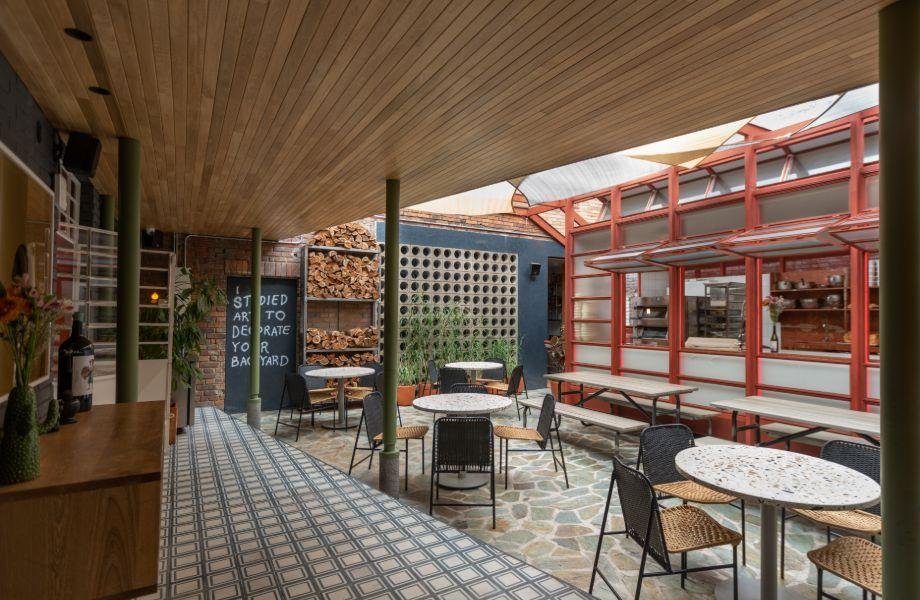
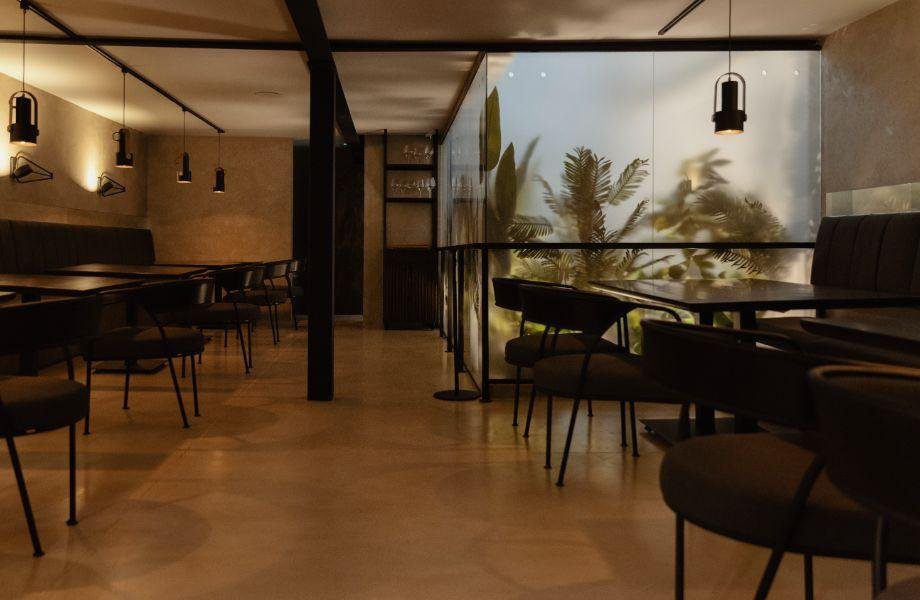
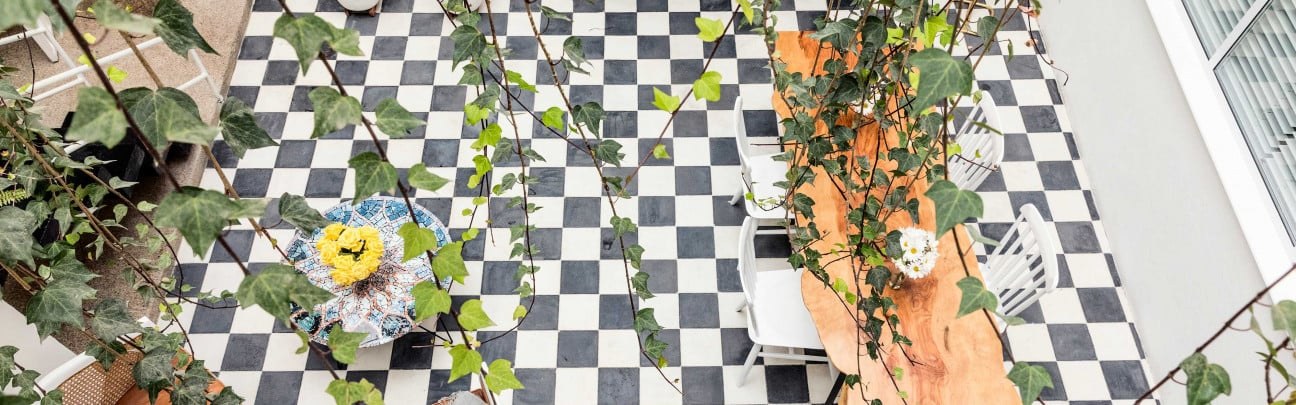
Warm and inviting atmosphere with plant-covered walls and lounge vibes, designed as a refuge for the senses blending nature, art, and hospitality.