
Set inside Cartagena's Sofitel Santa Clara, 1621 The Restaurant anchors its dinner menu in the coastal and inland traditions of Colombia's Caribbean region. A wine list of 190 selections, with particular depth in Chilean, Argentine, and French bottles, pairs with regional cuisine priced accessibly for the quality tier. Wine Director Kenny Durango and Chef Dominique Oudin lead a team operating at the higher end of Cartagena's walled-city dining scene.
Pearl is the En Primeur Club membership app — saves, bookings, and concierge access live there. Same editors, same standards.
- Address
- Calle Del Torno #39-29, San Diego, Cartagena de Indias, Bolívar, Colombia
- Phone
- +57 311 4912308
- Website
- sofitellegendsantaclara.com
- Directions
- Get directions
 Saves & bookings on Pearl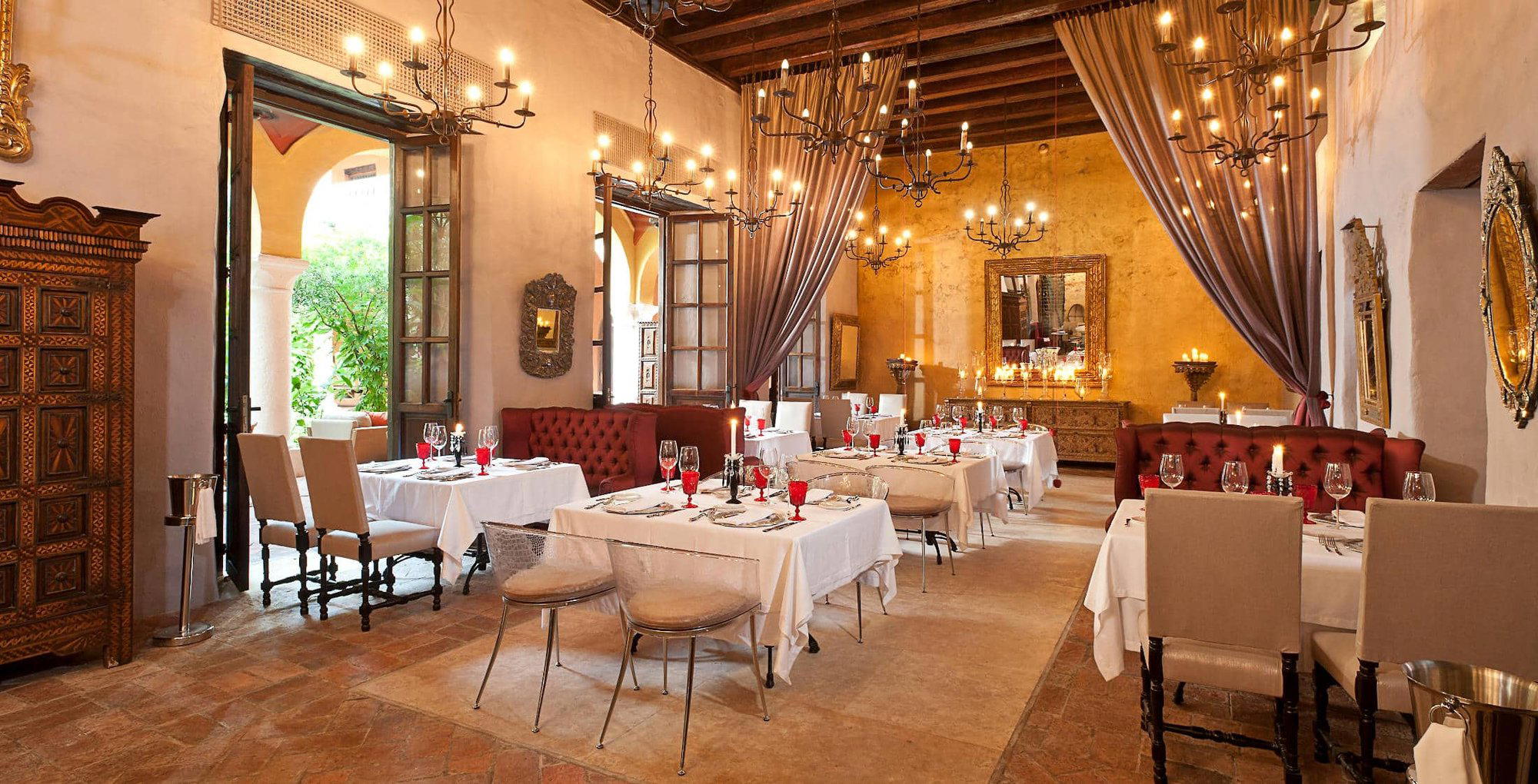
Regional Sourcing Inside the Walled City
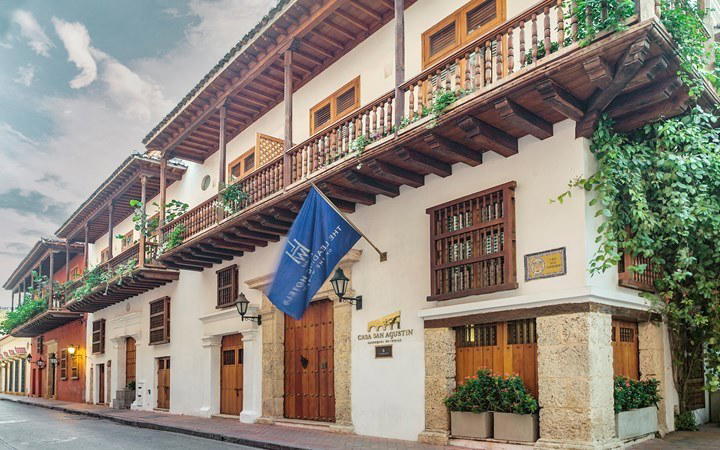
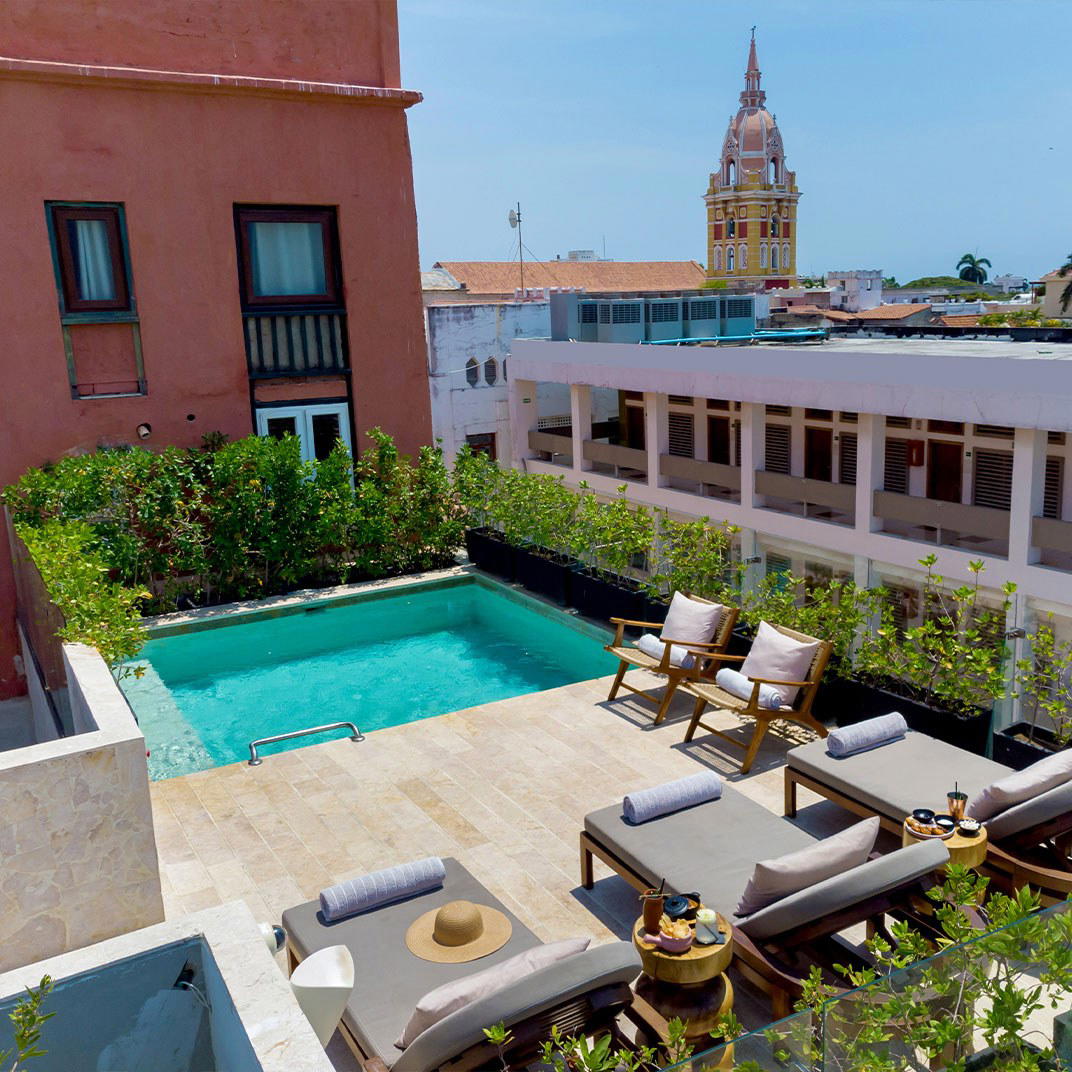
Cartagena's leading neighbourhood for serious dining has long been the walled city itself, where colonial architecture creates the kind of physical setting that restaurants in purpose-built spaces can rarely replicate. The San Diego district, in particular, concentrates a tier of restaurants that draw on Colombia's Caribbean coastal pantry: costeño cheese, fresh-caught fish from the Rosario Islands and the nearby Caribbean shelf, plantains in every stage of ripeness, and the aromatic herb traditions that distinguish the region's cooking from what you find in Bogotá or Medellín. 1621 The Restaurant operates within this context, inside the Sofitel Santa Clara on Calle Del Torno, in a structure whose history predates the republic itself.
The sourcing argument for Caribbean Colombian cuisine rests on geography as much as anything else. Unlike the interior highland cooking that defines Colombia's best-known exports, the coast works with a different protein base and a faster-to-table proximity to marine ingredients. Restaurants that commit to this regional identity rather than defaulting to a generic international menu make a different kind of case to their guests: that the latitude matters, that what grows or swims here produces something the same technique applied elsewhere would not. 1621 positions itself squarely within that argument.
The Setting and What It Signals
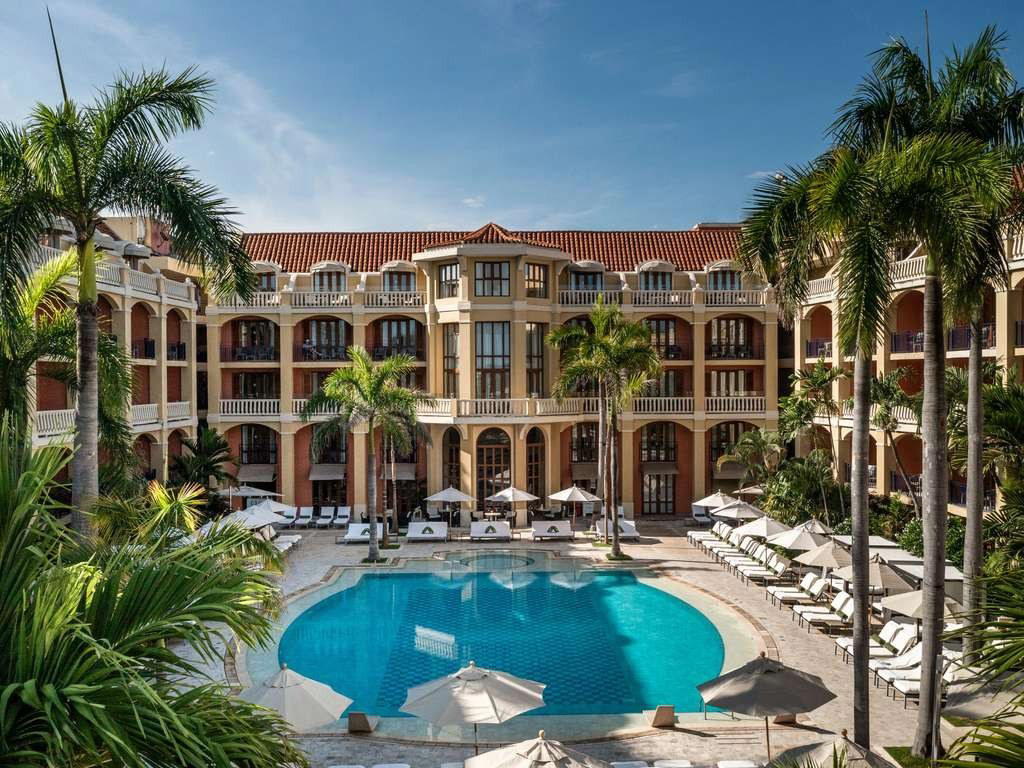
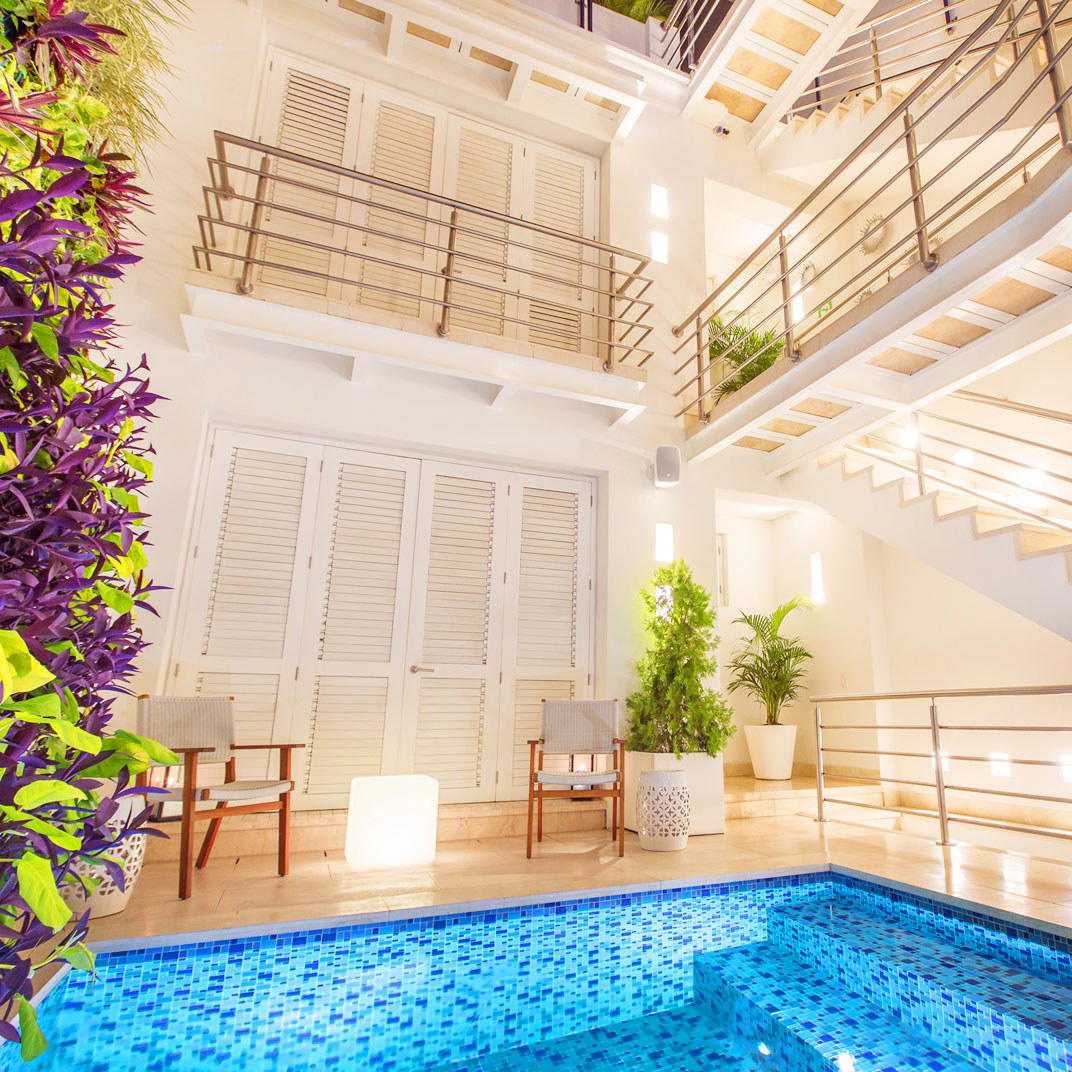
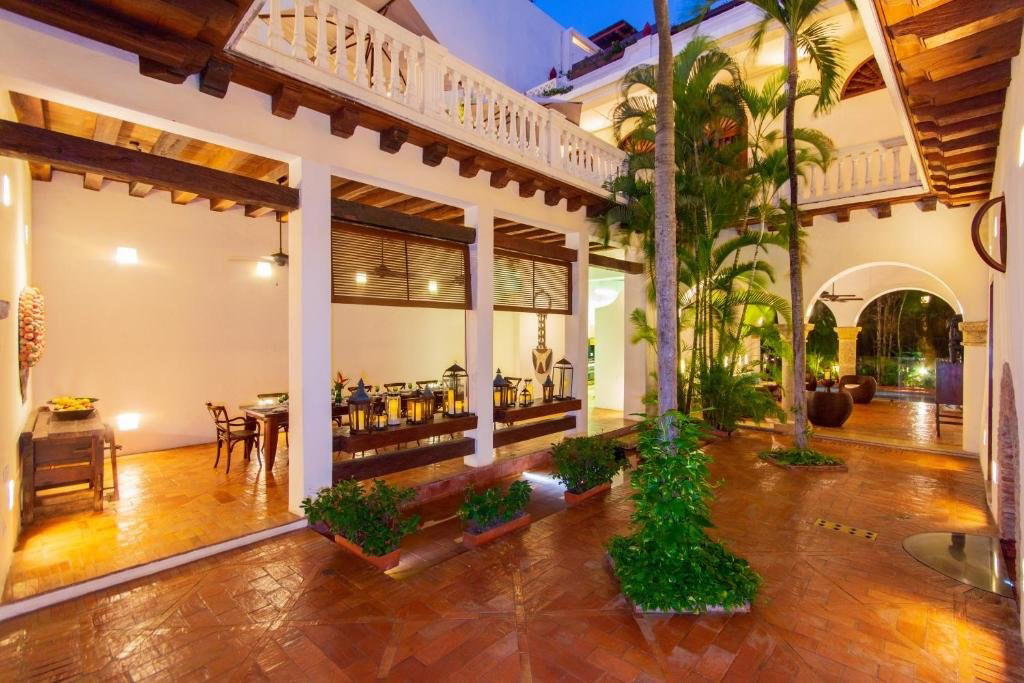
Arriving at the Sofitel Santa Clara is an exercise in decompression. The property occupies a converted 17th-century convent, and the architecture enforces a slower pace before you reach the dining room. Stone walls, interior courtyards, and corridors that predate modern construction techniques frame 1621 as a restaurant where the environment is doing substantive work alongside the kitchen. This is worth noting because in Cartagena's premium tier, setting is not merely aesthetic: it communicates to a guest that the operator has made a particular kind of institutional commitment. Hotels of this ownership calibre attract guests whose dining benchmarks include properties like Le Bernardin in New York City or Atomix in New York City, and the room must hold its own in that company at least visually.
The dinner-only format concentrates the kitchen's attention and allows the floor team to work at a pace that suits the property's character. Service at this tier in Cartagena is increasingly professionalized, a shift that mirrors broader changes in Colombia's dining culture over the past decade as cities like Bogotá and Medellín have developed culinary infrastructure that feeds outward to coastal destinations.
The Wine Program in Context
A 190-selection wine list with 1,200 bottles in inventory is a meaningful commitment for a restaurant operating in a city where wine culture is still consolidating. For context, the list skews toward Chile, Argentina, and France, which reflects a sensible strategy for a Caribbean-climate destination: South American wines travel the supply chain with fewer intermediaries, and French references give the list credibility with the European and North American travelers who make up a significant share of Sofitel Santa Clara's guest mix.
The pricing structure is accessible, with many bottles available under $50, which positions this list differently from the upper-tier wine programs at comparable hotels in Mexico City or Lima that have moved aggressively into Old World allocations with corresponding markups. A corkage fee of $150 applies for guests who bring their own bottles, a policy consistent with a hotel-restaurant operation where the wine program generates meaningful revenue. Kenny Durango holds both the Wine Director and General Manager roles, a combination that ensures the beverage program is not siloed from the overall guest experience. Sommelier John Camacho supports on the floor. For wine-focused travelers comparing notes across Colombia, the list here competes on depth with what you'd find at Debora Restaurante in Bogota or Carmen in Medellín.
Where 1621 Sits in Cartagena's Dining Order
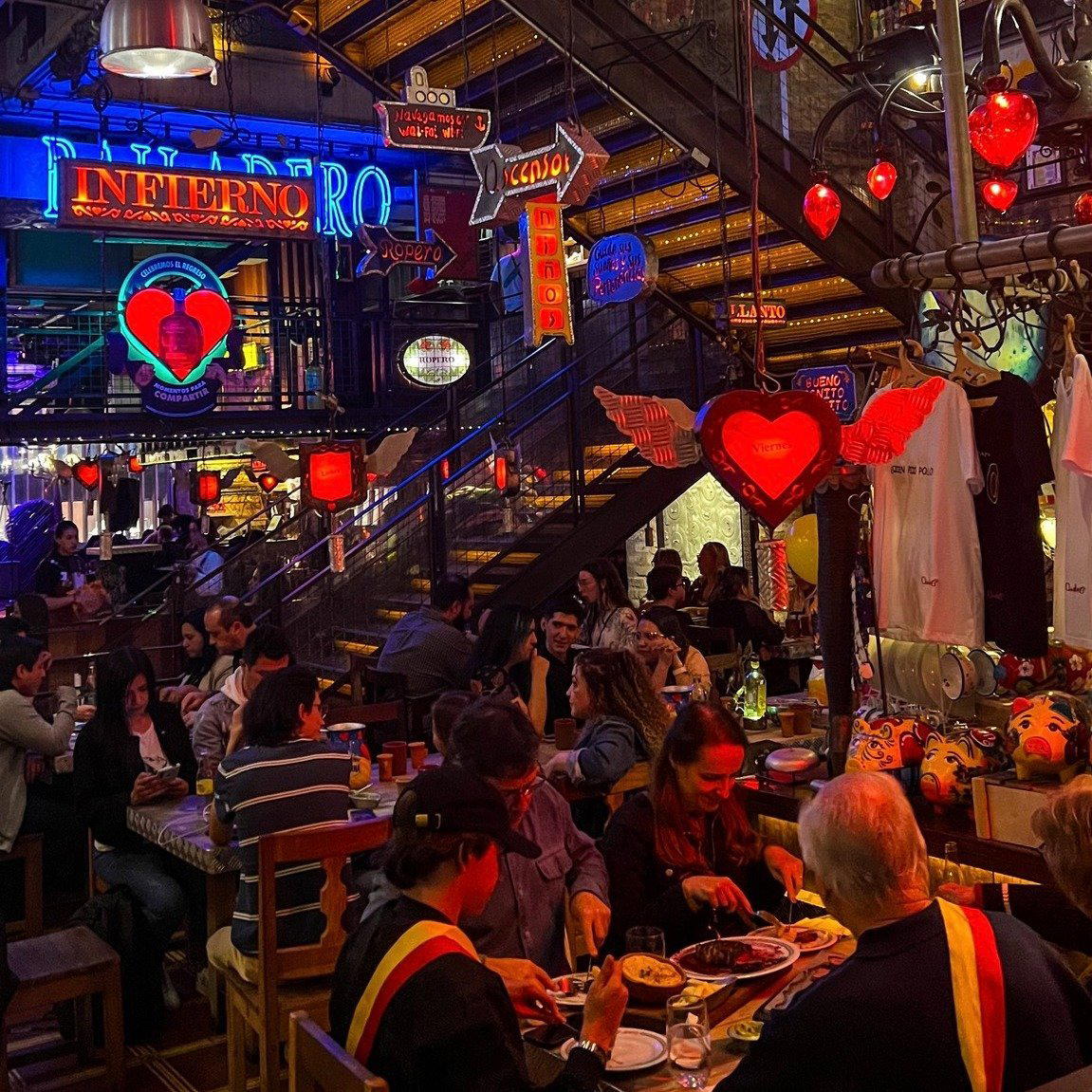
Cartagena's premium restaurant scene is small enough that a handful of addresses define the tier. Celele has earned international attention for its research-driven take on Caribbean Colombian ingredients; Casa Pestagua and AniMare occupy the Colombian Fusion register; and Andres Carne de Res operates at a completely different scale and energy. 1621 occupies a quieter, more formal position in this constellation: a hotel dining room that takes its regional identity seriously, runs a wine program that outpaces most independent restaurants in the city, and prices its two-course dinners below $40, which makes it one of the more accessible entries at this quality tier.
Nationally, the comparison set extends to Harry Sasson in Bogotá for wine-forward hotel-adjacent dining, and to Manuel in Barranquilla and Domingo in Cali for regional commitment at a similar price point. The kitchen here is co-led by Dominique Oudin and Laura Fonseca, a pairing that brings both French technique and Colombian sensibility to the menu, a combination that reflects the hotel's Sofitel parentage without abandoning local identity. Internationally, the model of hotel restaurants that function as genuine dining destinations rather than conveniences for in-house guests has precedents at properties like Emeril's in New Orleans or Lazy Bear in San Francisco, where kitchen identity drives reservations from outside guests.
Planning Your Visit
1621 The Restaurant serves dinner only, located at Calle Del Torno #39-29 in San Diego, inside the Sofitel Santa Clara. The cuisine pricing falls in the under-$40 range for a typical two-course meal before beverages and tip, which represents strong value against comparable hotel dining rooms in the region. The wine list's accessible price tier means a full dinner with wine remains manageable well below what peer restaurants in Mexico City or Lima would charge for equivalent quality signals.
Comparable Spots, Quickly
Comparable venues nearby, for context on price, style, and recognition.
| Venue | Cuisine | Price | Notes |
|---|---|---|---|
| 1621 The RestaurantThis venue — the venue you are viewing | Modern French-Colombian Fusion | $$$$ | Not listed |
| Casa Pestagua | Colombian Fusion with Lebanese Influences | $$$$ | Centro Histórico |
| AniMare | Ancestral Caribbean Fine Dining | $$$$ | Centro Histórico |
| Restaurante Carmen | Modern Colombian Caribbean Seafood Fusion | $$$$ | Walled City |
| Mar Y Zielo | Modern Caribbean Gastro Bar | $$$$ | Centro Historico |
Recognition history
Dated appearances from independent guides and award organizations, with the underlying list record or original source where available.
Wine Spectator Award of Excellence
Wine Spectator
Wine Spectator Award of Excellence
Wine Spectator
Continue exploring
More in Cartagena
Restaurants in Cartagena
Browse all →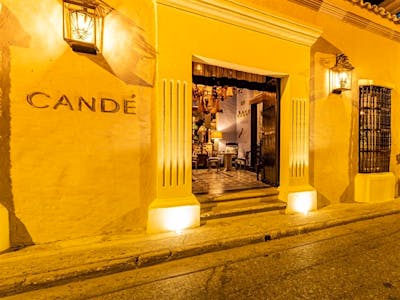
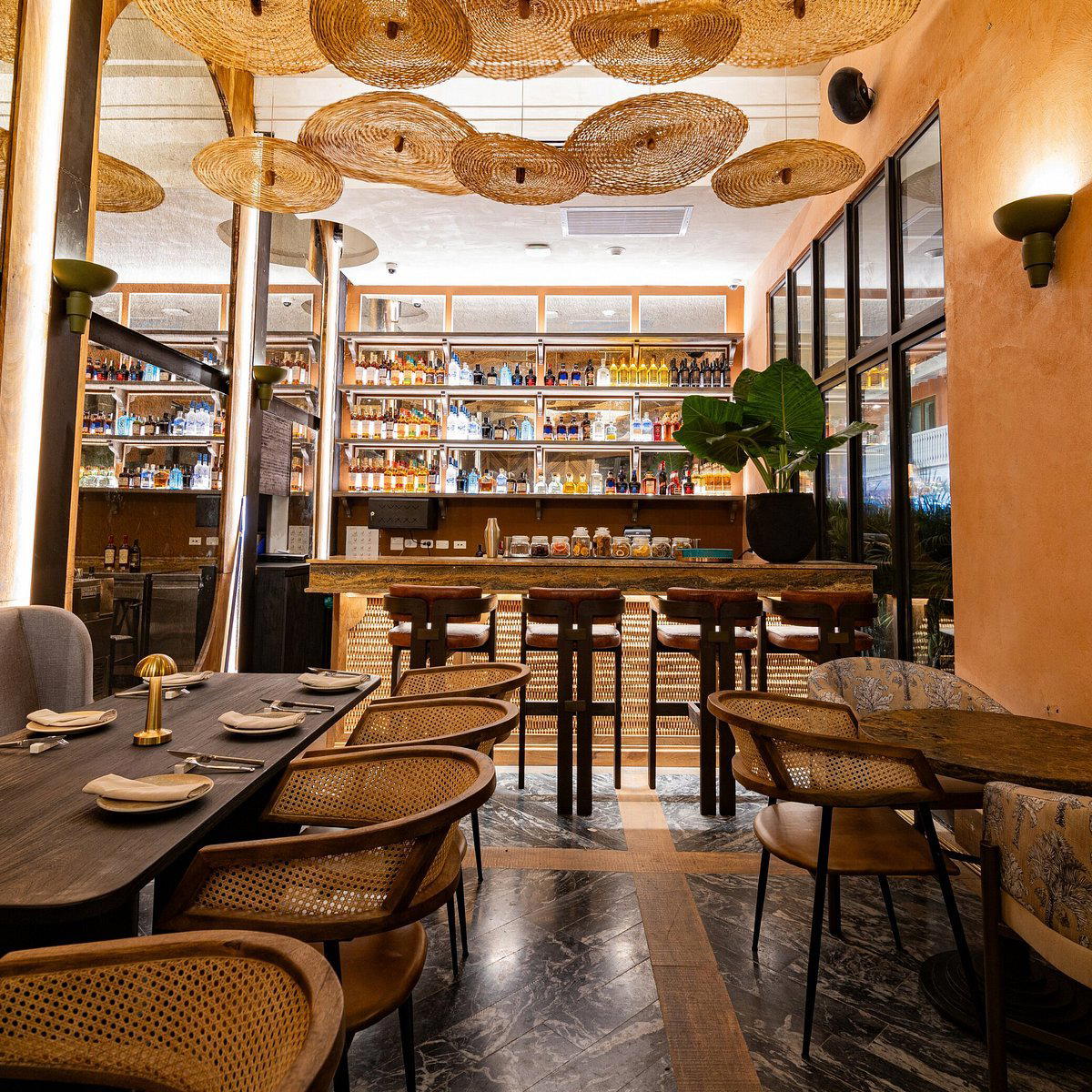
Bars in Cartagena
Browse all →
At a Glance
- Romantic
- Elegant
- Intimate
- Sophisticated
- Historic
- Date Night
- Special Occasion
- Celebration
- Historic Building
- Garden
- Hotel Restaurant
- Extensive Wine List
- Local Sourcing
- Sustainable Seafood
- Garden
Current opening hours
- Monday
- Closed
- Tuesday
- Closed
- Wednesday
- 6:30–11 PM
- Thursday
- 6:30–11 PM
- Friday
- 6:30–11 PM
- Saturday
- 6:30–11 PM
- Sunday
- 6:30–11 PM
Hours can change for holidays and private events. Last verified .
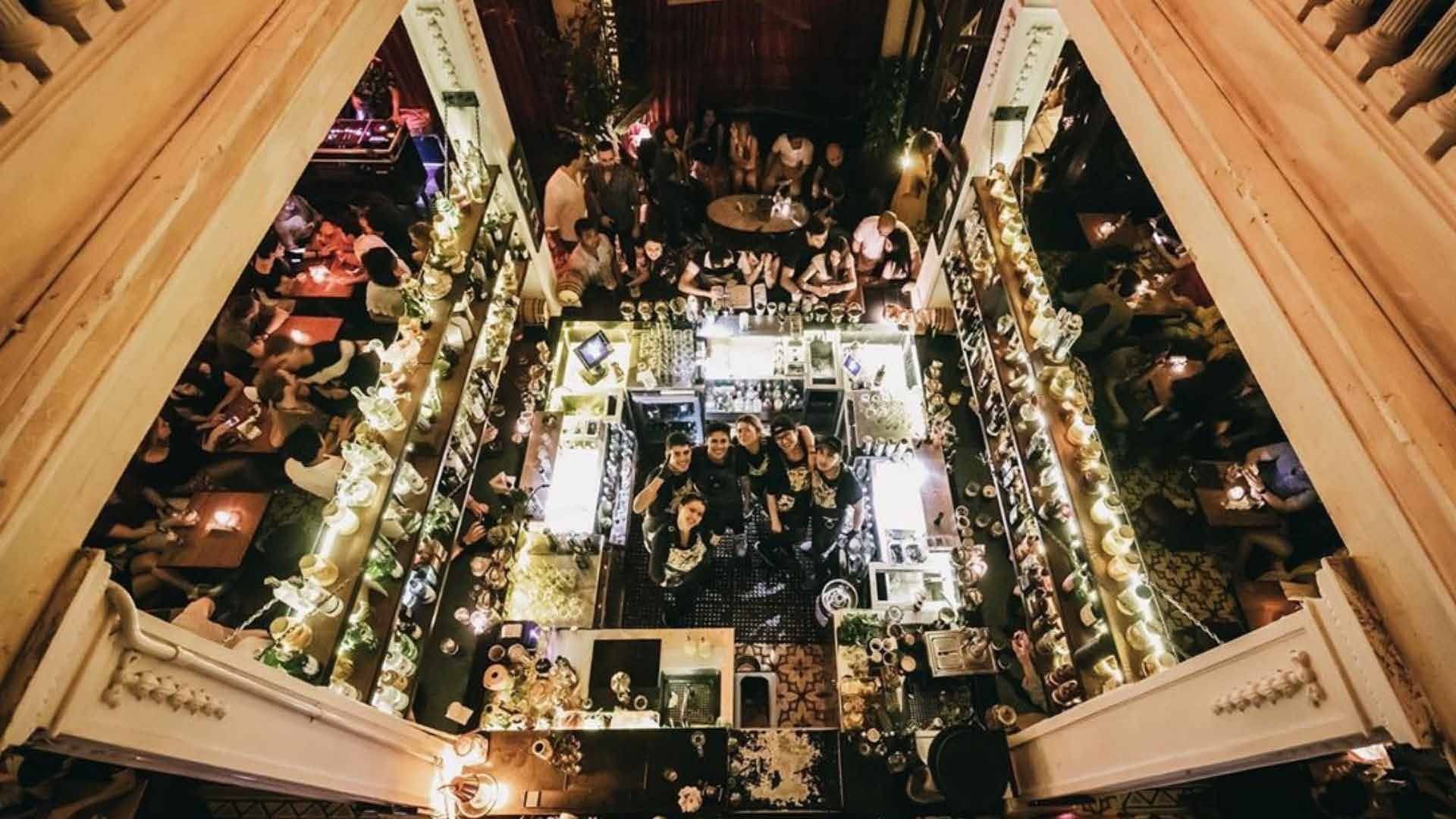
Elegant and intimate with flickering candles, vaulted ceilings, soft golden lighting, and a jasmine-perfumed courtyard.