Manuel
Manuel brings contemporary Colombian fine dining to Barranquilla's Nte. Centro Historico, drawing its identity from the Caribbean Coast and Atlántico region's produce. Chef Manuel Mendoza runs both à la carte and an eight-course tasting menu, applying international technique to ingredients that rarely reach Colombia's more-discussed restaurant cities. For fine dining in Barranquilla, Manuel is the clearest reference point.
Pearl is the En Primeur Club membership app — saves, bookings, and concierge access live there. Same editors, same standards.
- Address
- Cra. 55 #74-125, Nte. Centro Historico, Barranquilla, Atlántico, Colombia
- Phone
- +57 318 6749575
- Website
- manuelrestaurante.com
- Directions
- Get directions
 Saves & bookings on Pearl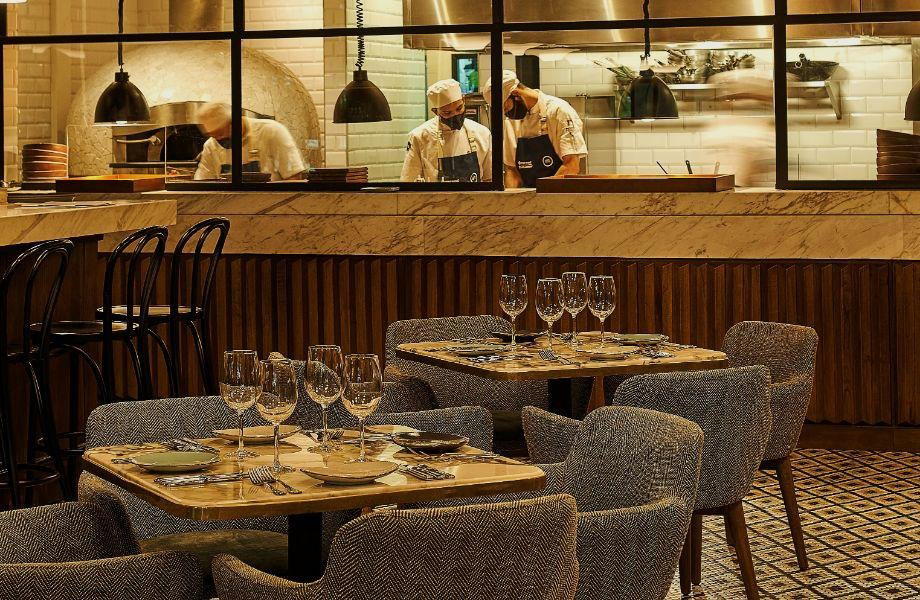
Where the Caribbean Coast Comes to the Table
Barranquilla occupies an unusual position in Colombia's food story. The country's restaurant conversation tends to orbit Bogotá, where Debora Restaurante and Harry Sasson anchor the capital's fine-dining tier, or Cartagena, where colonial backdrops give restaurants like 1621 The Restaurant a ready-made editorial identity. Barranquilla gets less international attention, which means its serious restaurants operate with fewer expectations and, more freedom. Manuel, on Carrera 55 in the Nte. Centro Historico, sits at the summit of that local fine-dining structure. It is a Barranquilla restaurant serving Modern Colombian Fusion; it holds a World’s 50 Best ranking of 46 and is priced around $40 per person.
The address matters. The Nte. Centro Historico is one of Barranquilla's more composed urban stretches, less chaotic than the market districts further south, closer to the residential and commercial corridors where the city's professional class eats and entertains. Approaching the entrance, the building reads as deliberate rather than showy: a considered setting for food that is trying to say something specific about where it comes from.
The Caribbean Coast as Primary Source Material
Colombian fine dining has split in recent years between two broad orientations. One strand, represented by places like Carmen in Medellín and Domingo in Cali, draws on Andean and interior Colombian ingredients, with regional cooking traditions reframed through modern technique. The other strand, smaller and geographically concentrated, reaches toward the coast, the wetlands, fishing communities, and tropical agriculture of the Caribbean littoral. Manuel belongs to that second orientation, and it does so from an advantageous position: Barranquilla is a port city at the mouth of the Magdalena River, with direct logistical access to ingredients from the Atlántico department and the wider Caribbean zone that coastal-themed restaurants in Bogotá can only approximate.
What this means in practice is a sourcing geography that shapes the menu at a structural level rather than as marketing overlay. The Caribbean Coast produces ingredients with specific seasonal and ecological profiles: river fish from the Magdalena basin, tropical tubers and fruits from Atlántico's agricultural zones, shellfish from the shallow coastal waters. Colombian fine dining at its most rigorous, seen at the national level in restaurants like Leo in Bogotá, which has built its reputation on biodiverse sourcing, treats provenance as an editorial argument, not decoration. Manuel's stated focus on Caribbean Coast and Atlántico produce places it in that same conversation, applied to a region that is chronically underrepresented in the country's restaurant media.
For diners accustomed to how ingredient-led tasting menus operate in other contexts, the hyper-local sourcing programs at Lazy Bear in San Francisco, or the coastal terroir arguments made by Aponiente in El Puerto de Santa María, Manuel's approach will be legible. The logic is the same: the ingredient's origin is the first sentence of a larger editorial claim about place.
Format and Structure
The menu runs in two directions. À la carte service allows for selective ordering, which is useful if you are eating early in a Barranquilla evening or working around dietary constraints. The eight-course tasting menu is the format that makes the sourcing argument most coherently: a sequential structure built to trace ingredients across preparations, showing range and restraint in a way that à la carte ordering rarely permits.
Eight-course tasting menus at this level of ambition have a clear international reference class. Restaurants like Atomix in New York have demonstrated that the format works well when each course carries a distinct argumentative weight, not just a new ingredient, but a new idea about the ingredient's cultural or ecological context. The stated framework of Caribbean Coast sourcing and international technique gives the structure a coherent premise to work from.
Chef Manuel Mendoza's application of international technique to local produce places Manuel in a peer group that includes Celele, Barranquilla's other serious voice in modern Caribbean Colombian cooking, as well as the national references above. The difference in approach between these restaurants is less about ambition than about which ingredients and traditions each treats as primary material. Manuel's focus on Atlántico specifically, rather than the Colombian Caribbean more broadly, gives it a narrower and more precise sourcing identity.
How Manuel Sits Within Colombia's Fine-Dining Map
Colombia's restaurant recognition structure has developed quickly. Bogotá carries most of the formal attention, international press, extended tasting menus with wine pairings calibrated for foreign visitors, proximity to the airport routes that bring food writers. Medellín has built a secondary identity around design-conscious dining. Cartagena trades on its UNESCO-listed setting. Barranquilla operates outside all three of those frameworks, which gives Manuel a different kind of positioning problem: it is doing work that would attract more notice elsewhere, in a city that the international food press has not yet assigned a narrative to.
That gap is closing. The broader movement toward recognizing Caribbean Colombian cooking as a serious culinary tradition, the same force that has pushed Colombian restaurants toward international reference points in Paris and created interest in Colombia's food scene from critics who follow Asia-Pacific fine dining and European grand restaurant tradition, will eventually reach Barranquilla. When it does, Manuel's sourcing-led model is better positioned than most to translate.
Planning Your Visit
Manuel is located at Cra. 55 #74-125 in the Nte. Centro Historico. For first-time visitors to Barranquilla, the neighborhood is accessible from the main hotel corridors and is manageable by taxi or rideshare. The restaurant operates both à la carte and tasting menu formats, so the appropriate booking approach depends on how much of the evening you want to structure around the meal. Given that Manuel represents the clearest fine-dining reference point in a city without a deep restaurant-tourist infrastructure, booking in advance is the practical approach rather than assuming walk-in availability. Contact the restaurant directly or consult current listings for reservations.
At-a-Glance Comparison
Comparable venues nearby, for context on price, style, and recognition.
| Venue | Cuisine | Price | Awards | Notes |
|---|---|---|---|---|
| ManuelThis venue — the venue you are viewing | Modern Colombian Fusion | $$$ | World's 50 Best #46 | Not listed |
| Donde Mama | Caribbean Colombian | $$ | Not listed | Prado |
| Restaurante Cuzco | Peruvian Coastal Cuisine | $$$$ | Not listed | Centro Histórico |
| Restaurante La Cueva | Caribbean Colombian | $$ | Not listed | El Recreo |
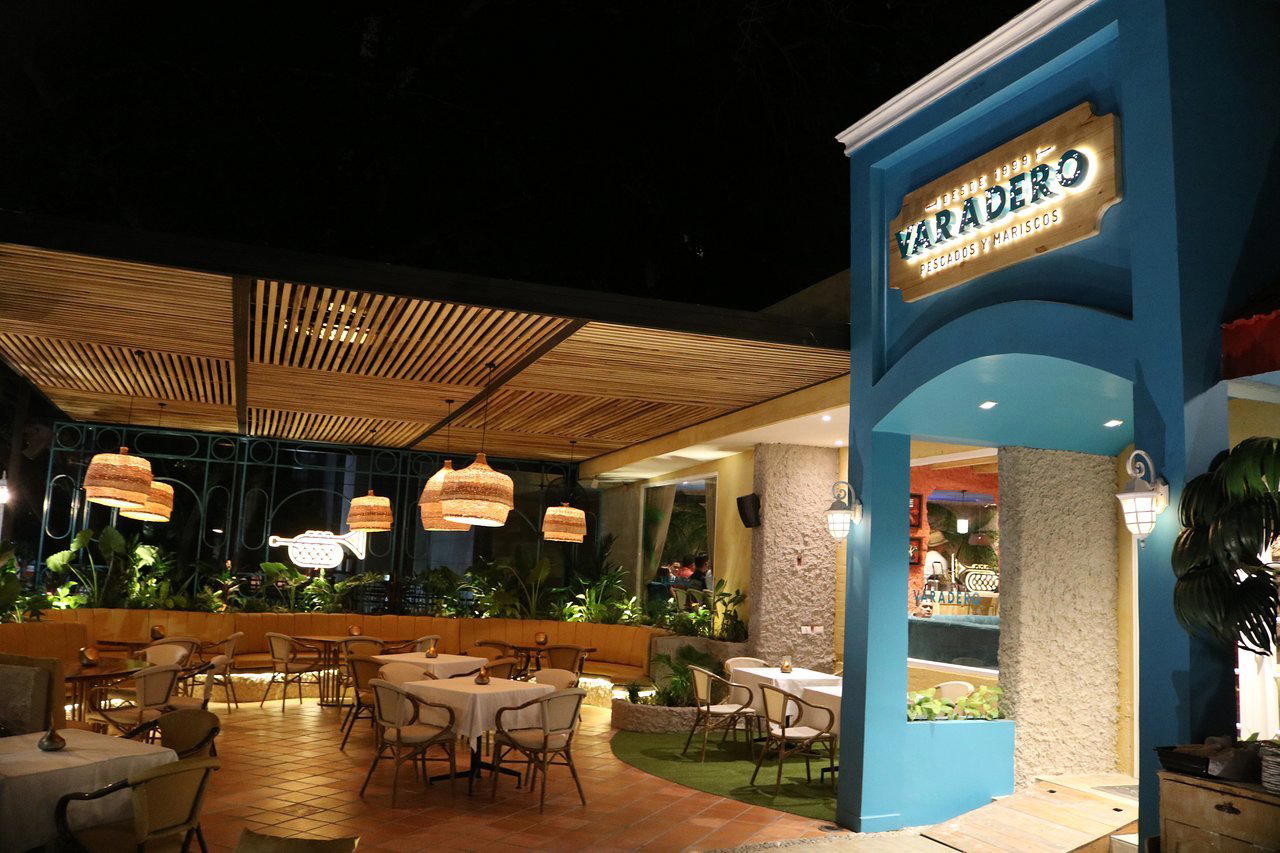
| Varadero | Caribbean Seafood with Cuban Flavors | $$$ | Not listed | Centro Historico |
Recognition history
Dated appearances from independent guides and award organizations, with the underlying list record or original source where available.
World's 50 Best Latin America's Best Restaurants #46
World's 50 Best
Continue exploring
More in Barranquilla
Restaurants in Barranquilla
Browse all →
Bars in Barranquilla
Browse all →
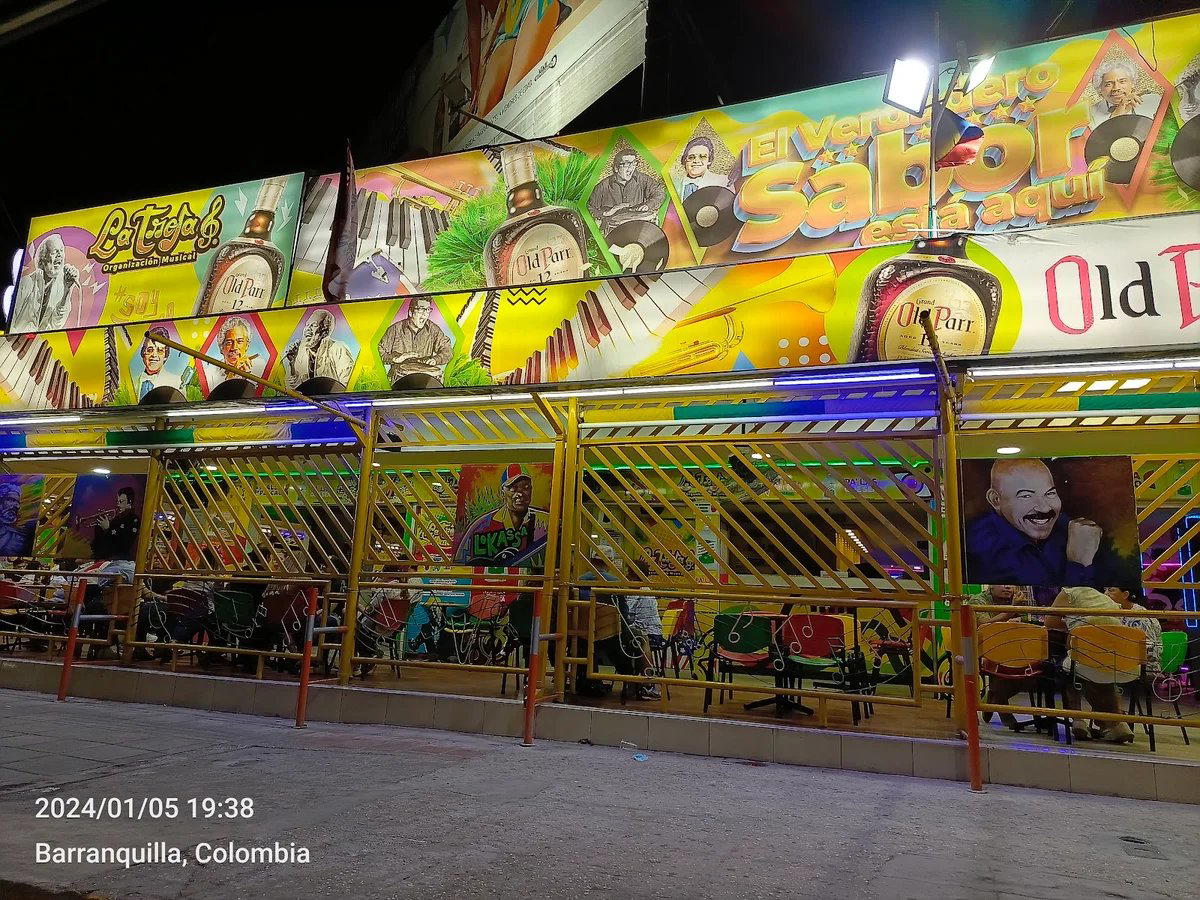
Hotels in Barranquilla
Browse all →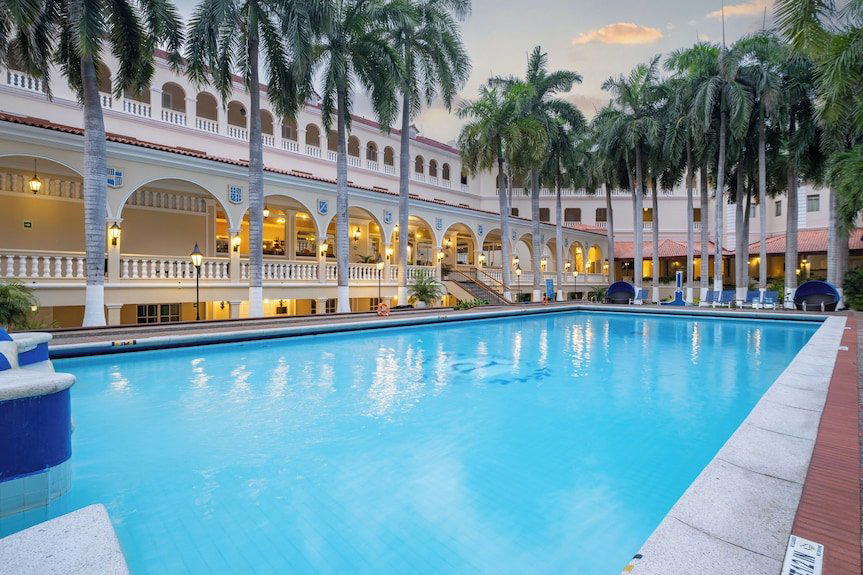
At a Glance
- Elegant
- Sophisticated
- Intimate
- Date Night
- Special Occasion
- Group Dining
- Open Kitchen
- Extensive Wine List
- Craft Cocktails
- Local Sourcing
Current opening hours
- Monday
- 12–3 PM, 7–11 PM
- Tuesday
- 12–3 PM, 7–11 PM
- Wednesday
- 12–3 PM, 7–11 PM
- Thursday
- 12–3 PM, 7–11 PM
- Friday
- 12–3 PM, 7–11 PM
- Saturday
- 12–3 PM, 7–11 PM
- Sunday
- Closed
Hours can change for holidays and private events. Last verified .
Refined yet relaxed dining room with vaulted ceilings, tiled floors, textured walls, and plush velvet banquettes, creating an elegant and inviting atmosphere.