MOONBOW sits in Fujikawaguchiko, Yamanashi Prefecture, at the foot of the lake district that frames Mount Fuji's northern flank. Details on cuisine format and pricing remain limited in public records, but the address places it within one of Japan's most scenically loaded dining corridors, where the standard for a meal is set as much by what surrounds the table as what arrives on it.
 Discover on Pearl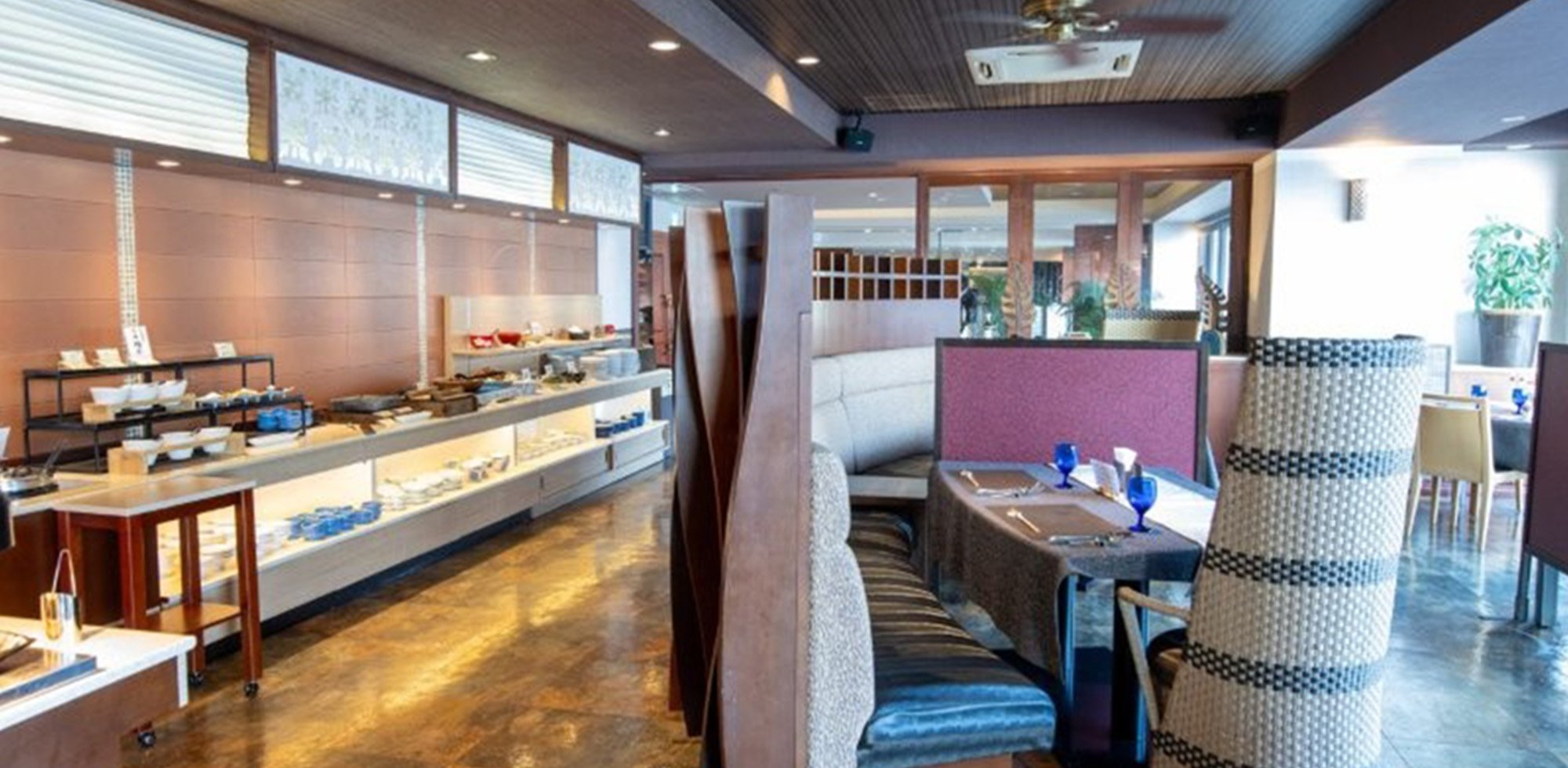
Where the Lake Sets the Terms
The road that skirts Lake Kawaguchi's northern shore moves through a particular kind of Japanese quietude: cedar lines giving way to open water, the mountain occasionally filling the gap between buildings before disappearing again behind cloud. The village of Asakawa, where MOONBOW sits at address 浅川70, occupies this stretch of Fujikawaguchiko, a town whose elevation and proximity to Mount Fuji place it in a different atmospheric register from the day-trip crowds that concentrate around the lake's southern access points. Arriving in the evening, when the tourist buses have thinned and the light flattens across the water, gives the area a different character entirely, one that shifts the expectations you bring to a meal.
This is the wider dining context MOONBOW operates within. The Fujikawaguchiko area has developed a tier of destination restaurants that trade on that scenic and seasonal atmosphere as part of the dining proposition, not as backdrop but as active ingredient. In that respect, the geography itself functions as part of the ritual, framing how guests arrive, how they pace a meal, and what a dish of local produce means when it arrives against a view of the prefecture's defining landmark.
The shortlist, unlocked.
Hard-to-book tables, cellar releases, and concierge-planned trips.
Get Exclusive Access →The Dining Ritual in the Lake District
Japanese mountain-resort dining has its own customs, distinct from the high-formality omakase counters of Tokyo or the kaiseki precision of Kyoto. Consider Gion Sasaki in Kyoto or Harutaka in Tokyo, where the ritual is codified through centuries of urban refinement. The Yamanashi version is less ceremonial and more elemental. Meals in this region are frequently paced by the landscape itself, by weather changes over the lake, by the hour when Fuji becomes visible or disappears. The local houtou tradition anchors the area's food identity at its most communal: a wide-noodle miso soup that functions as a warming, unhurried meal in itself, demanding nothing more than a cast iron pot and time. Venues like Houtou Fudou (ほうとう不動) and Koshu Houtou Kosaku (甲州ほうとう 小作) represent that local anchor tradition most directly, drawing visitors who understand that eating here is as much about the format and pace of a meal as about any single ingredient.
Within this local context, MOONBOW occupies a different position. Without detailed records of its format, cuisine type, or price tier available in the public record, placing it precisely within the area's hierarchy is not possible from the outside. What the address indicates is a location that puts it away from the main commercial cluster around Kawaguchiko Station, in a quieter section of the lake's perimeter where venues tend toward smaller scale and less foot-traffic visibility. That positioning, in Japanese resort dining, usually signals intentionality: guests arrive because they sought the place out, not because they passed it. The dining ritual, in such venues, tends to be shaped by that deliberate arrival, a pace set by the guest's decision to make the trip rather than by menu engineering or theatrical service.
Yamanashi's Wider Table
Fujikawaguchiko sits within Yamanashi Prefecture, which carries credibility in Japanese dining circles for reasons beyond the mountain. The prefecture produces Koshu grape, Japan's most established indigenous white wine variety, and a range of highland vegetables, river fish, and pork that have accumulated genuine culinary identity over decades. The houtou noodle tradition, Yamanashi's most recognized regional dish, has analogues in other Japanese mountain prefectures but maintains enough local distinction to be served with some seriousness at venues across the county. 山のは represents another dimension of the area's dining offer, part of a broader range of local options worth considering when planning time in the region.
The question of how a venue like MOONBOW positions itself within that local ingredient narrative, whether leaning into Yamanashi produce and regional customs or operating with a different frame entirely, is the kind of detail that only a confirmed visit or verified source can answer. For readers planning around it, the honest position is that the venue's specific cuisine format and price point are not confirmed in available data. What the location confirms is that it sits in a part of Japan where the dining ritual is consistently shaped by mountain-resort seasonality, where summer weekends crowd the lake roads and autumn brings distinct color and temperature changes that alter how a meal reads.
For a comparative sense of what Japanese destination dining looks like at its more documented tiers, HAJIME in Osaka and akordu in Nara provide useful reference points in the Kansai corridor, while Goh in Fukuoka illustrates how regional Japanese cities are building serious dining credentials outside the capital. In the international frame, a venue like Atomix in New York City shows how Korean fine dining has codified the kind of ritual meal that Japanese mountain-resort dining approaches from a more informal angle, and Le Bernardin in New York City remains a reference for how a singular culinary focus, sustained over decades, anchors a venue's identity more firmly than setting alone can.
Planning a Visit
Fujikawaguchiko is accessible from Shinjuku Station via the Fujikyu Railway line, with journey times of roughly two hours depending on connection. The Asakawa area specifically requires local transportation or a vehicle from the main Kawaguchiko station zone. Given the absence of confirmed booking method, hours, or pricing data for MOONBOW in the public record, readers should approach a visit with the same planning logic that applies to small-scale Japanese resort venues generally: confirm operating status and reservation requirements directly before traveling, particularly outside peak summer and autumn windows when reduced-season hours are common across the area. For a fuller picture of the local dining scene, our full 富士河口湖町 restaurants guide maps the broader range of options across cuisine type and format.
The lake district also places MOONBOW within reach of a cluster of other dining and accommodation options that span the area's spectrum, from regional specialists like those found across Takashima and the broader Shiga highlands to more isolated venues such as those in Nishikawa Machi that operate on similar principles of deliberate destination positioning. Across this part of Honshu, from the Sea of Japan coast around Nanao to the Sapporo dining corridor in Hokkaido (古仙山乃), a consistent pattern holds: smaller-scale venues in scenic prefectures outside the major cities tend to reward guests who arrive with time and intention rather than efficiency as the organizing principle. MOONBOW, at minimum, occupies that kind of address.
Frequently Asked Questions
- What is MOONBOW known for?
- MOONBOW is a venue in Fujikawaguchiko, Yamanashi Prefecture, in the Asakawa district along Lake Kawaguchi's northern perimeter. The area's dining identity is closely tied to regional houtou noodle traditions, Yamanashi highland produce, and the atmospheric context of the Fuji lake district. Specific culinary format and signature items are not confirmed in available records.
- What do regulars order at MOONBOW?
- Confirmed dish or menu data for MOONBOW is not available in the public record. In the Fujikawaguchiko area broadly, the local cuisine anchors around houtou, a wide-noodle miso-based dish that is the prefecture's most recognized preparation, alongside Yamanashi pork, river fish, and seasonal vegetables that appear across the area's restaurant range.
- Can I walk in to MOONBOW?
- Walk-in availability is not confirmed. The Asakawa address places MOONBOW away from the central commercial zone near Kawaguchiko Station, which typically indicates that spontaneous foot traffic is limited. In the Fujikawaguchiko area, smaller destination venues generally operate on advance booking or confirmed reservation systems, particularly during peak summer and autumn leaf seasons when demand in the area is highest.
- Is MOONBOW suitable for a special-occasion dinner in the Mount Fuji area?
- The Fujikawaguchiko area, and the Asakawa zone specifically, is regularly chosen for occasion dining precisely because of its remove from urban density and its proximity to Fuji's lake-district scenery, which creates a setting that metropolitan restaurants cannot replicate. Without confirmed format or pricing data for MOONBOW, readers planning an occasion meal should verify the dining format directly before booking. The broader area supports a range of venues suited to special visits, documented in our full 富士河口湖町 restaurants guide.
Cuisine Lens
A compact peer snapshot based on similar venues we track.
| Venue | Cuisine | Awards | Notes |
|---|---|---|---|
| MOONBOW | This venue | ||
| Houtou Fudou (ほうとう不動) | |||
| Koshu Houtou Kosaku (甲州ほうとう 小作) | |||
| 山のは |
Need a table?
Our members enjoy priority alerts and concierge-led booking support for the world's most difficult tables.
Get Exclusive AccessThe shortlist, unlocked.
Hard-to-book tables, cellar releases, and concierge-planned trips.
Get Exclusive Access →