Hotel & Restaurant Lipa
A Kranjska Gora address that sits at the intersection of Alpine lodge and local dining tradition, Hotel & Restaurant Lipa occupies a position that rewards guests who want proximity to the Triglav massif without sacrificing a considered meal. The restaurant draws on the agricultural rhythms of the Gorenjska region, placing it alongside a growing tier of Slovenian kitchens where sourcing decisions are the primary editorial statement.
Pearl is the En Primeur Club membership app — saves, bookings, and concierge access live there. Same editors, same standards.
- Address
- Koroška ulica 14, 4280 Kranjska Gora, Slovenia
- Phone
- +38645820000
- Website
- hotel-lipa.si
- Directions
- Get directions
 Saves & bookings on Pearl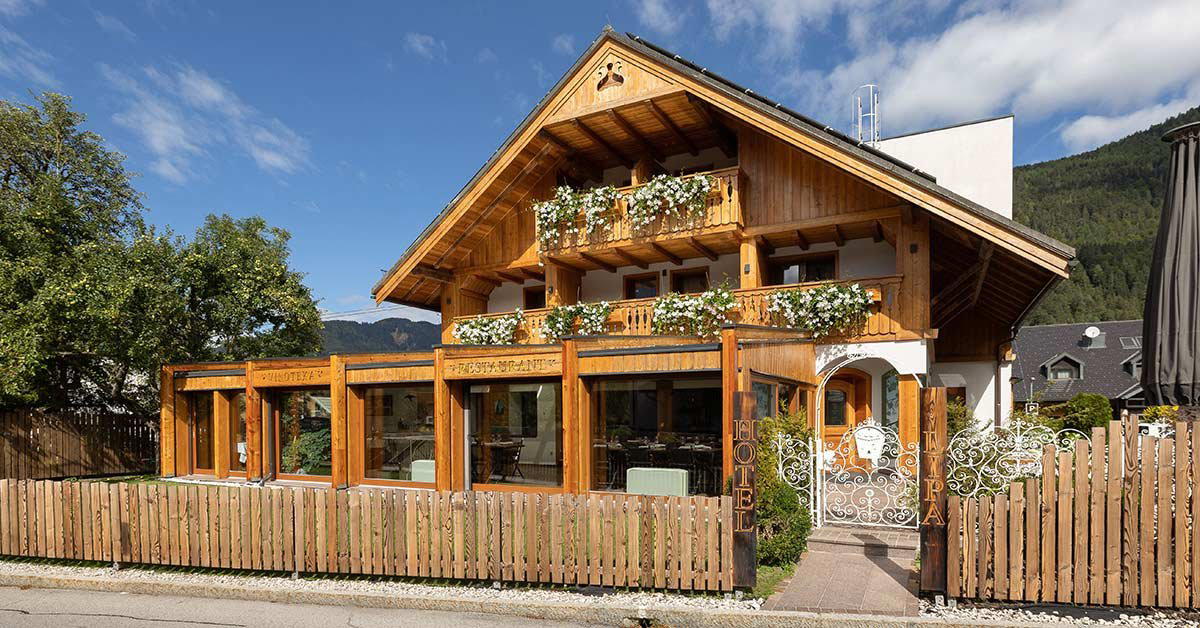
Where the Karavanke Range Meets the Table
Arriving in Kranjska Gora in winter, the town reads as a compression of Alpine life: ski-rental shops, the smell of pine resin, and the low hum of a resort economy that runs on seasonal urgency. In summer, the compression shifts but the logic stays the same, trails replace pistes, and the question of where to eat becomes less obvious than the lodging options suggest. Hotel & Restaurant Lipa, on Koroška ulica, sits at Koroška ulica 14 in Kranjska Gora, offering Mediterranean & Central European cooking at a price tier of about $30 per person.
The broader pattern here is worth understanding. Kranjska Gora's restaurant scene has historically tilted toward utilitarian feeding, high covers, quick turns, menus calibrated to tired skiers rather than curious eaters. That has been changing, slowly, as a generation of Slovenian kitchens further afield began attracting international attention. The ripple effect is visible even in smaller resort towns: a sharper interest in where ingredients originate, how they travel to the plate, and whether the result reflects the specific geography of the Julian Alps rather than a generic Central European repertoire. Lipa operates within that shift.
Gorenjska at the Source: What the Region Produces
The Gorenjska region, the northwestern quarter of Slovenia that contains Kranjska Gora, the Triglav National Park, and the Sava Dolinka valley, is not primarily agricultural in the way that, say, the Vipava Valley or the Brda wine country operates. Its economy is mountain-oriented, and its food identity has historically centered on dairy, cured meats, buckwheat, and foraged ingredients that the altitude and short growing season make viable. This is the sourcing context that any serious kitchen in Kranjska Gora is working within or against.
Across Slovenia, particularly critically recognized restaurants have made ingredient provenance the organizing principle of their menus. Hiša Franko in Kobarid built its international reputation largely on the specificity of its Soča Valley sourcing. Grič in Šentjošt nad Horjulom operates explicitly within a farm-to-table framework. Gostilna Pri Lojzetu in Vipava is similarly rooted in its valley's specific produce. What these kitchens share is not a style but a stance: the region is not backdrop, it is ingredient. A hotel restaurant in Gorenjska that takes this seriously is working in the same conversation, even if at a different scale and price point.
The alpine foraging calendar matters here. Spring in the Julian Alps brings wild garlic, sorrel, and the first meadow herbs. Summer extends into chanterelles and porcini. Autumn delivers game, chamois, deer, and boar from the surrounding forests, alongside preserved preparations that historically saw communities through the winter months. A kitchen anchored to this calendar looks different from one drawing on a national distributor's catalog, and that difference is readable on the plate.
Kranjska Gora's Dining Tier: Where Lipa Fits
Within Kranjska Gora itself, the dining options range from fast-casual mountain fare to a handful of addresses that take the cooking more seriously. Milka operates at the creative end of the local spectrum, with a format more aligned to destination dining. Restavracija Kotnik represents the established gostilna tradition, where the emphasis falls on hearty regional plates in a format that has served Gorenjska for generations. Lipa, as a hotel restaurant, occupies a different position: it serves both overnight guests and walk-in diners, which creates a menu mandate that is partly about flexibility and partly about representing the destination to visitors who may be eating their first Slovenian meal.
Hotel restaurants in resort towns face a structural challenge that standalone kitchens do not. The captive audience problem, guests who will eat in the hotel regardless of quality, can suppress ambition. The better hotel restaurants in Slovenia's mountain towns have addressed this by treating the dining room as a distinct operation with its own sourcing logic and seasonal identity, rather than as an amenity.
The Slovenian Kitchen in Its Current Moment
Slovenia's culinary reputation has risen sharply over the past decade, driven by a cluster of restaurants that have demonstrated that a small country's regional specificity can be as compelling as any larger European kitchen tradition. Beyond the Soča corridor anchored by Hiša Franko, other addresses have contributed to this picture: Restavracija Strelec in Ljubljana, Hiša Denk in Zgornja Kungota, Hiša Linhart in Radovljica, the latter only a short drive from Kranjska Gora, in the Radovljica historic center. Pavus in Laško, Gostilna Mlinar in Idrija, Gostišče Karavla 297 in Trzic, Gostišče Neptun in Piran, and Turistična Kmetija Breg in Brda round out a national picture in which the distance from the capital is no longer a reliable predictor of ambition. Gostilna Oštirka in Celje and Dam in Nova Gorica extend the geographic spread further. The reference points readers bring to Slovenia's dining scene are now internationalized enough that the comparison set extends well beyond Central Europe, the conversation about regional ingredient fidelity is one that plays at the level of Le Bernardin in New York City or Atomix, where sourcing philosophy and technique are evaluated together.
Within this context, a Gorenjska kitchen that takes its alpine larder seriously is participating in something larger than a local dining scene. The question is always execution: whether the foraged mushroom on the plate reflects a relationship with the surrounding forest.
Planning Your Visit
Kranjska Gora is accessible by road from Ljubljana in approximately 90 minutes via the A2 motorway toward Jesenice, then northwest along the Sava Dolinka valley. The town is also reachable from Villach in Austria across the Wurzen Pass when open, making it a logical stop on a cross-border Alpine itinerary. As a hotel restaurant, Lipa is available to non-staying guests for dinner service, though the resort's seasonal peaks, January through March for skiing, July and August for hiking, mean that advance contact is advisable during those windows. The address on Koroška ulica places it centrally within the town, within walking distance of the main resort infrastructure.
A Quick Peer Check
Comparable venues nearby, for context on price, style, and recognition.
| Venue | Cuisine | Price | Awards | Notes |
|---|---|---|---|---|
| Hotel & Restaurant LipaThis venue — the venue you are viewing | Mediterranean & Central European | $$ | Not listed | Not listed |
| Restavracija Kotnik | Traditional Slovenian & Pizza | $$ | Not listed | Kranjska Gora |
| Milka | Modern Alpine Fine Dining | $$$$ | Michelin 2 Star | Kranjska Gora |
| Robin restaurant | Modern Grill & Mediterranean | $$ | Not listed | western edge |
| Gostilna Muha | Traditional Slovenian Karst Cuisine | $$ | Not listed | Lokev |
| Le Bistro | Mediterranean Bistro | $$ | Not listed | Center |
Continue exploring
More in Kranjska Gora
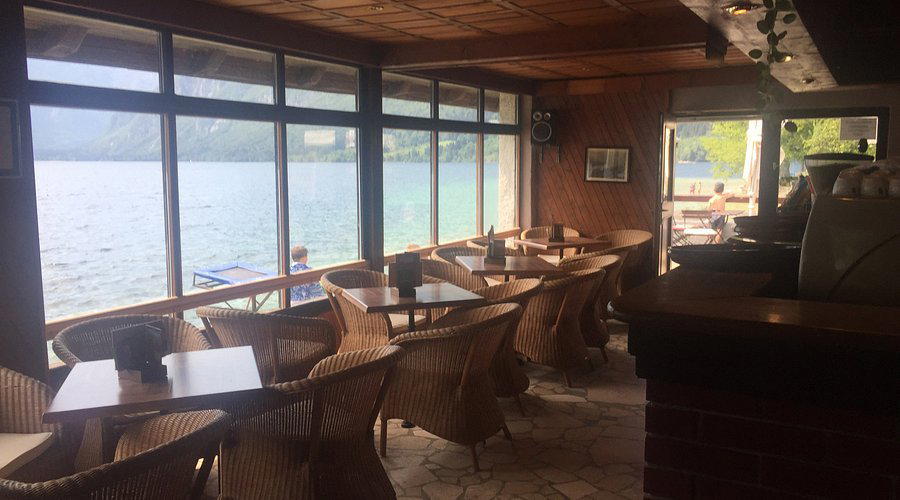
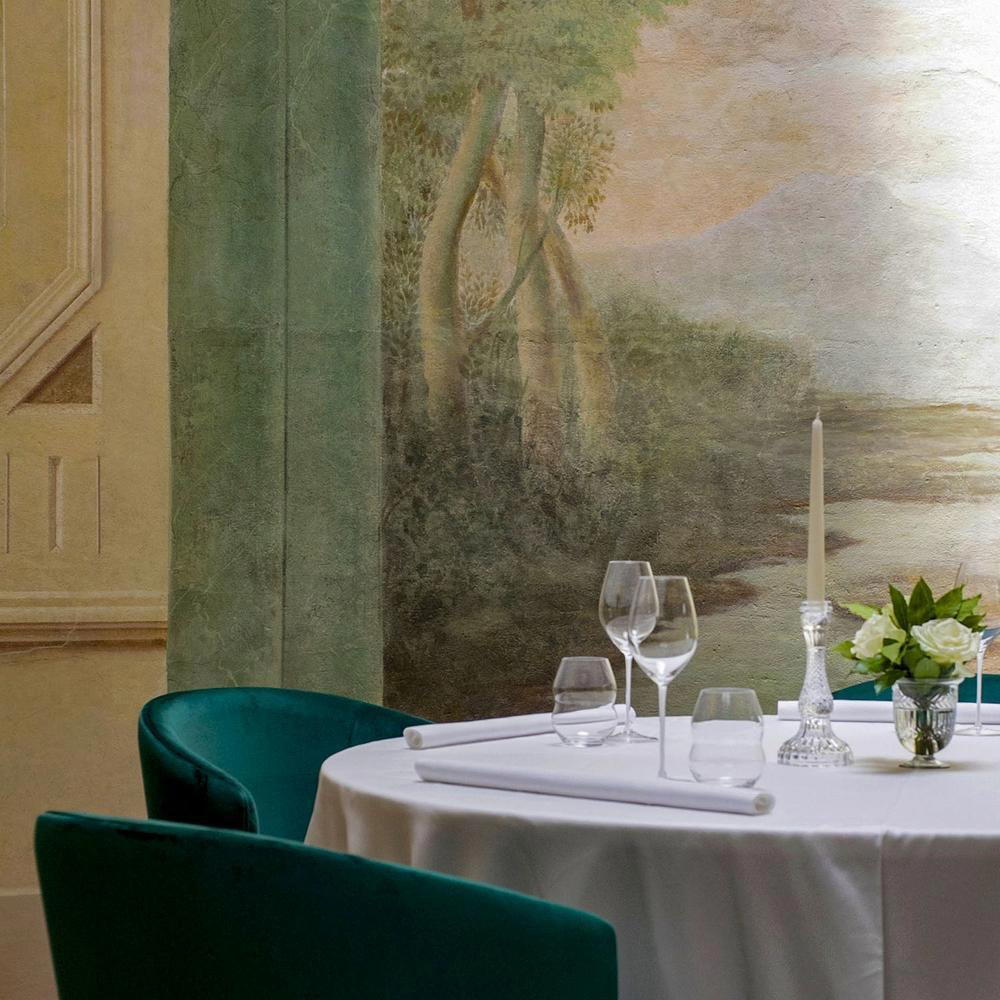
Restaurants in Kranjska Gora
Browse all →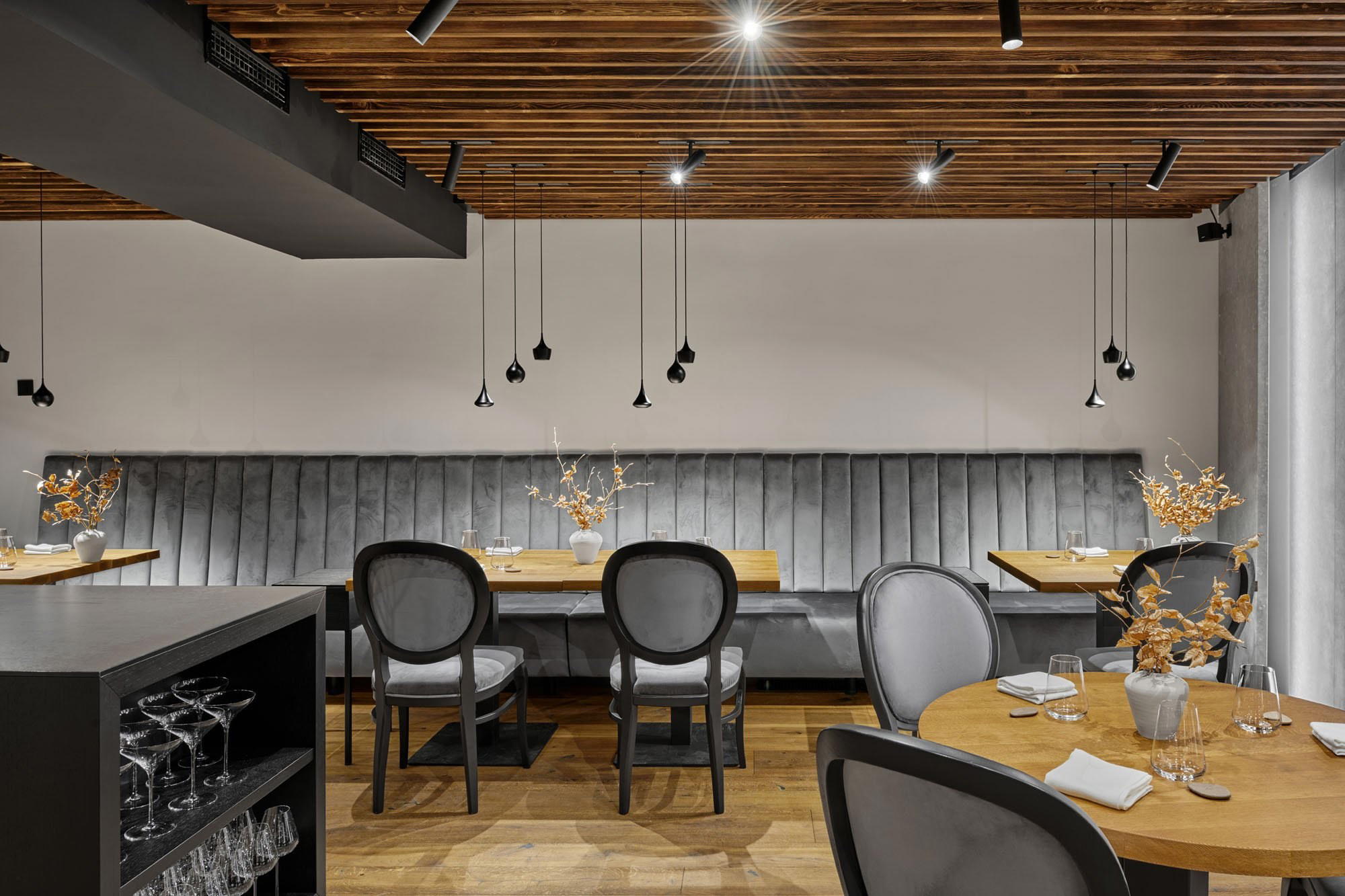
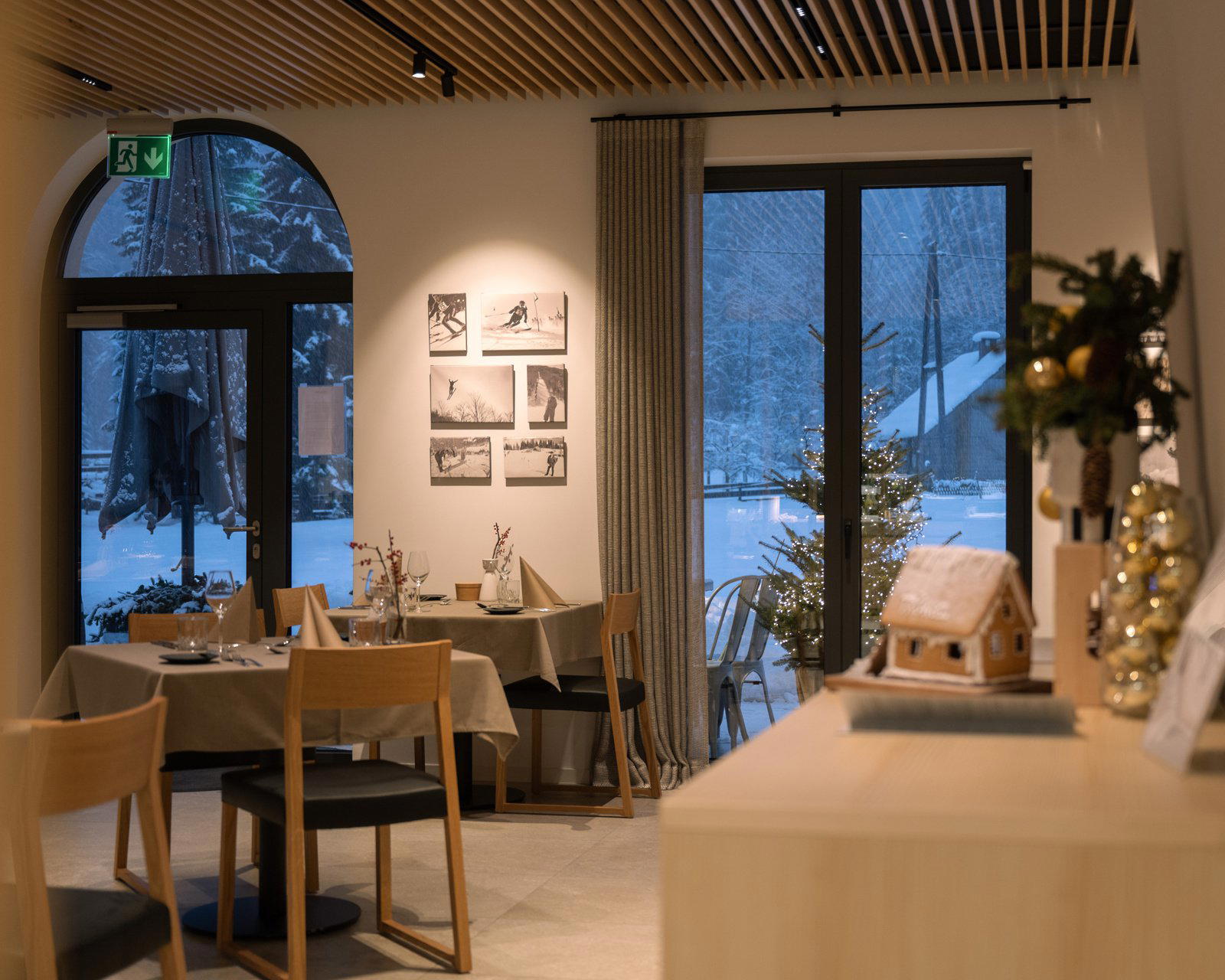
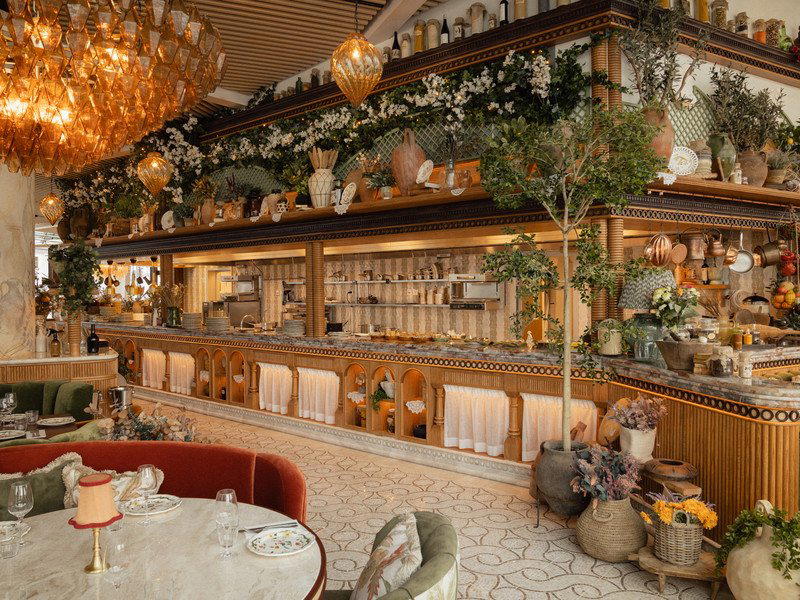
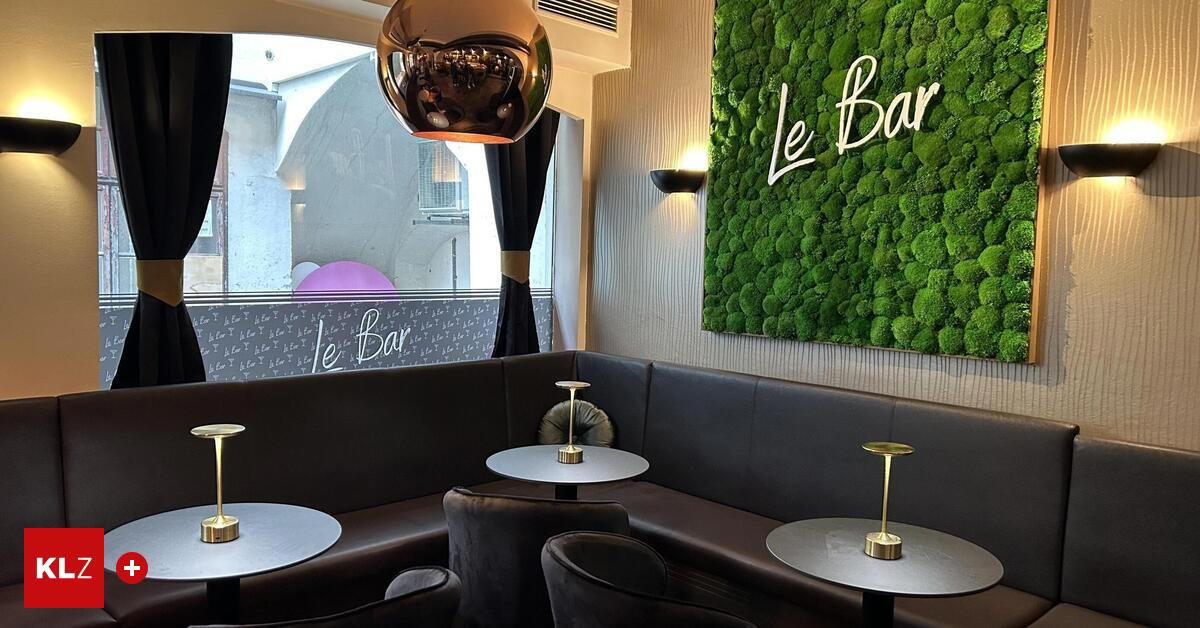
Bars in Kranjska Gora
Browse all →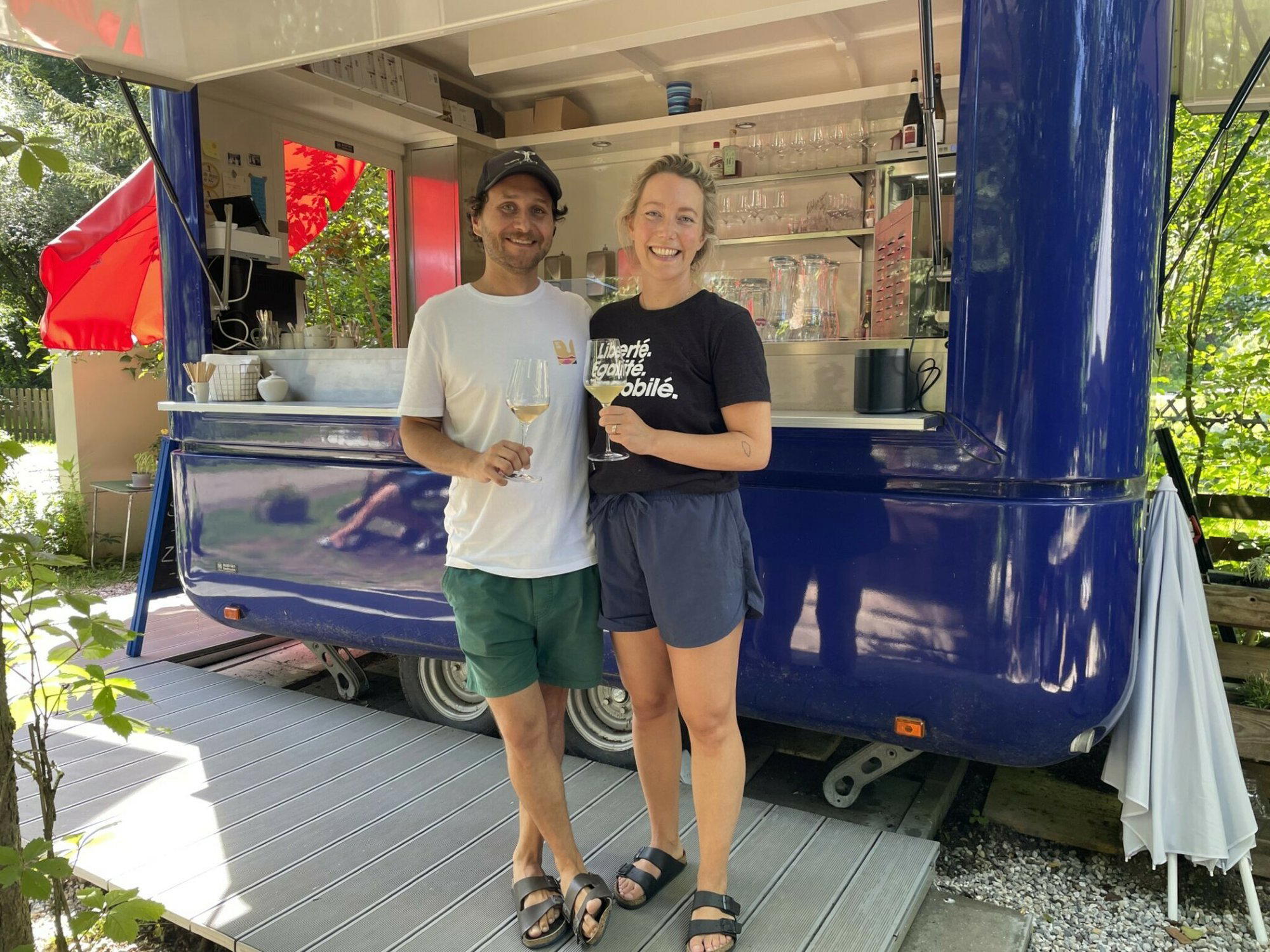
Hotels in Kranjska Gora
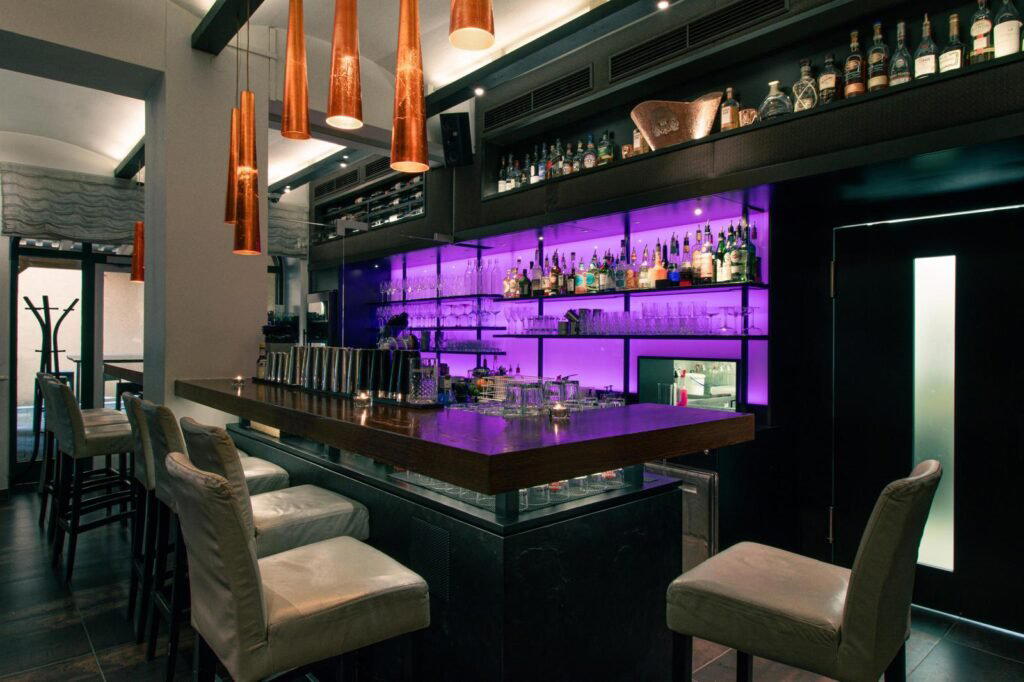
Browse all →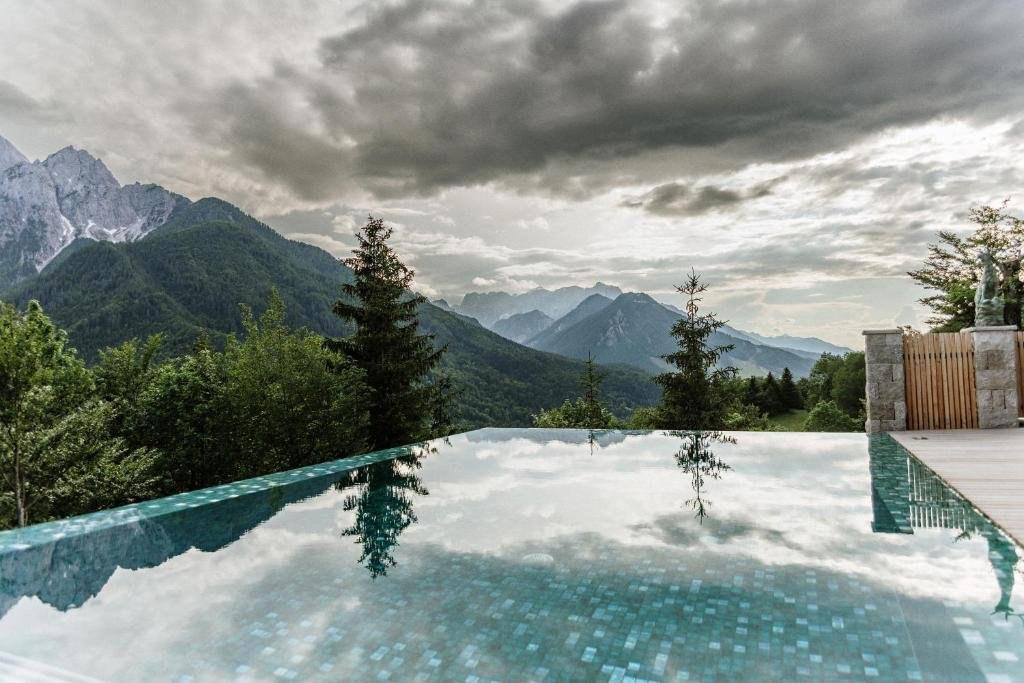

At a Glance
- Cozy
- Classic
- Date Night
- Family
- Business Dinner
- Hotel Restaurant
- Terrace
- Extensive Wine List
- Local Sourcing
- Mountain
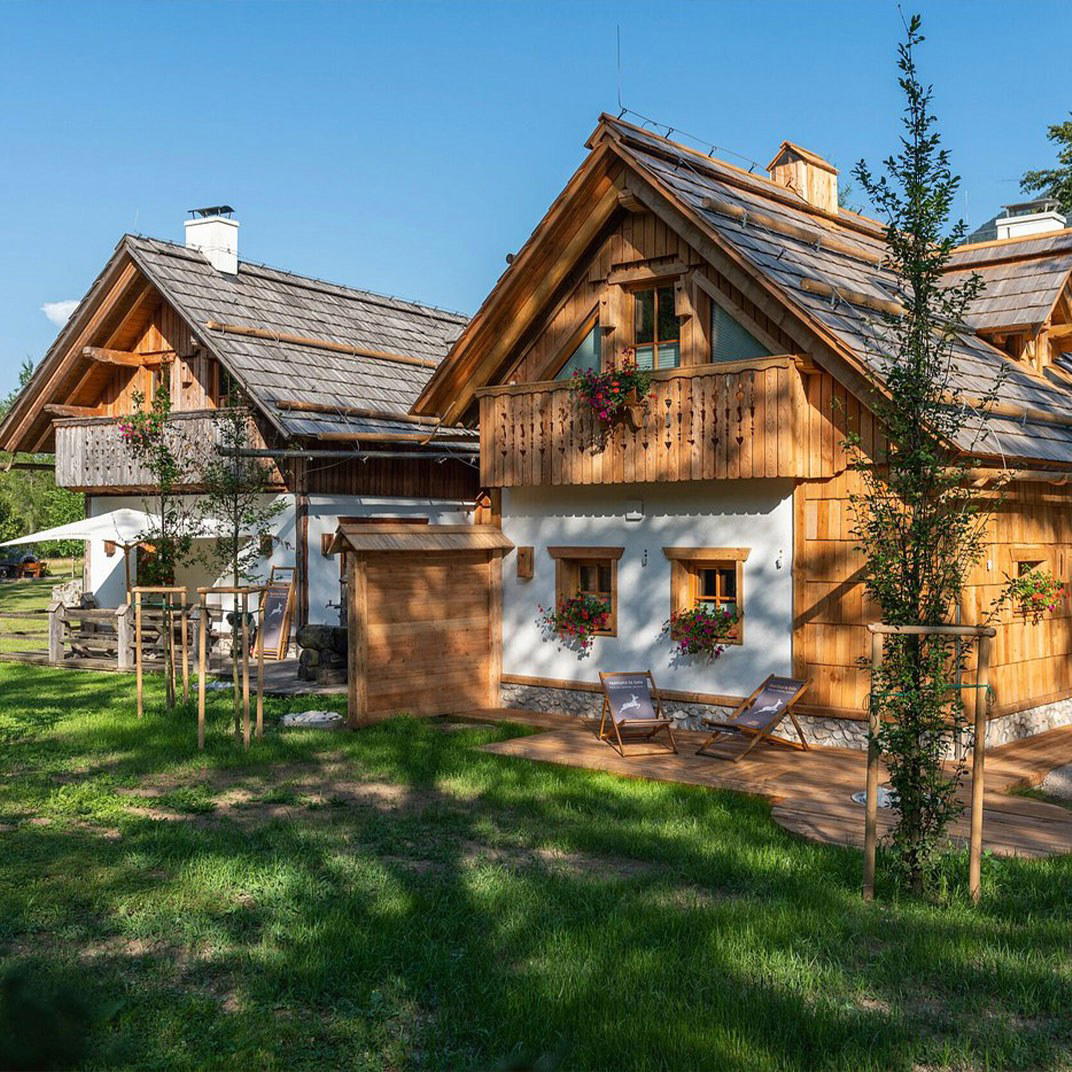
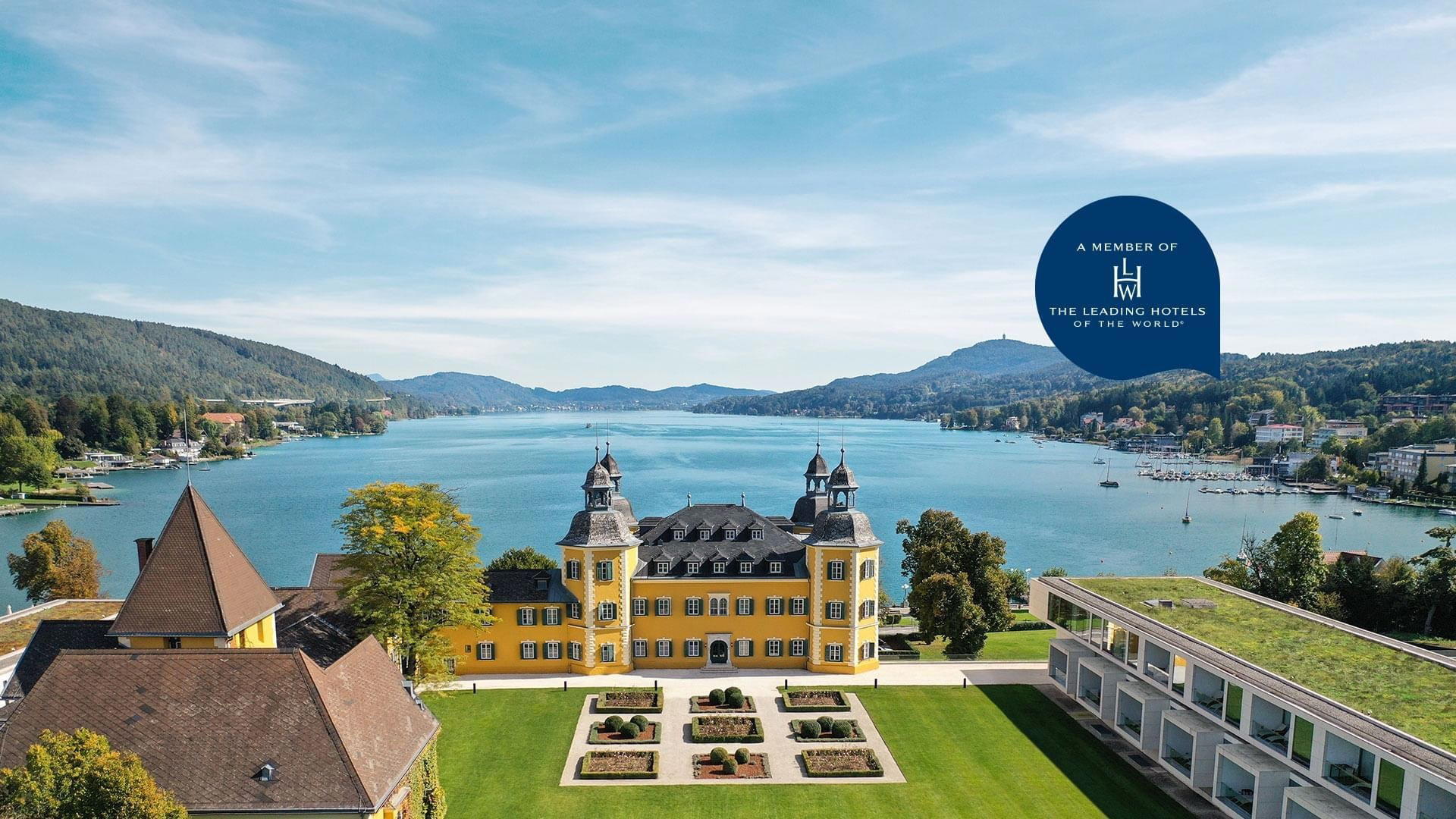
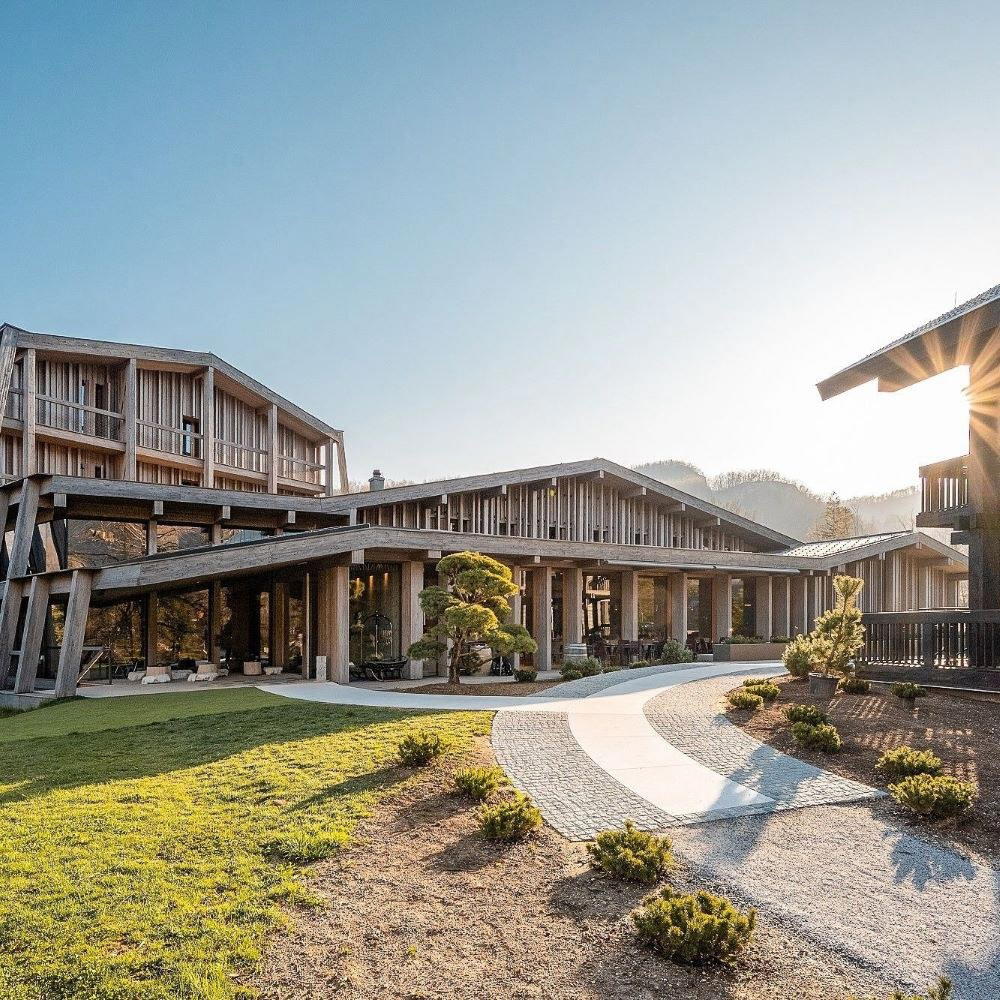
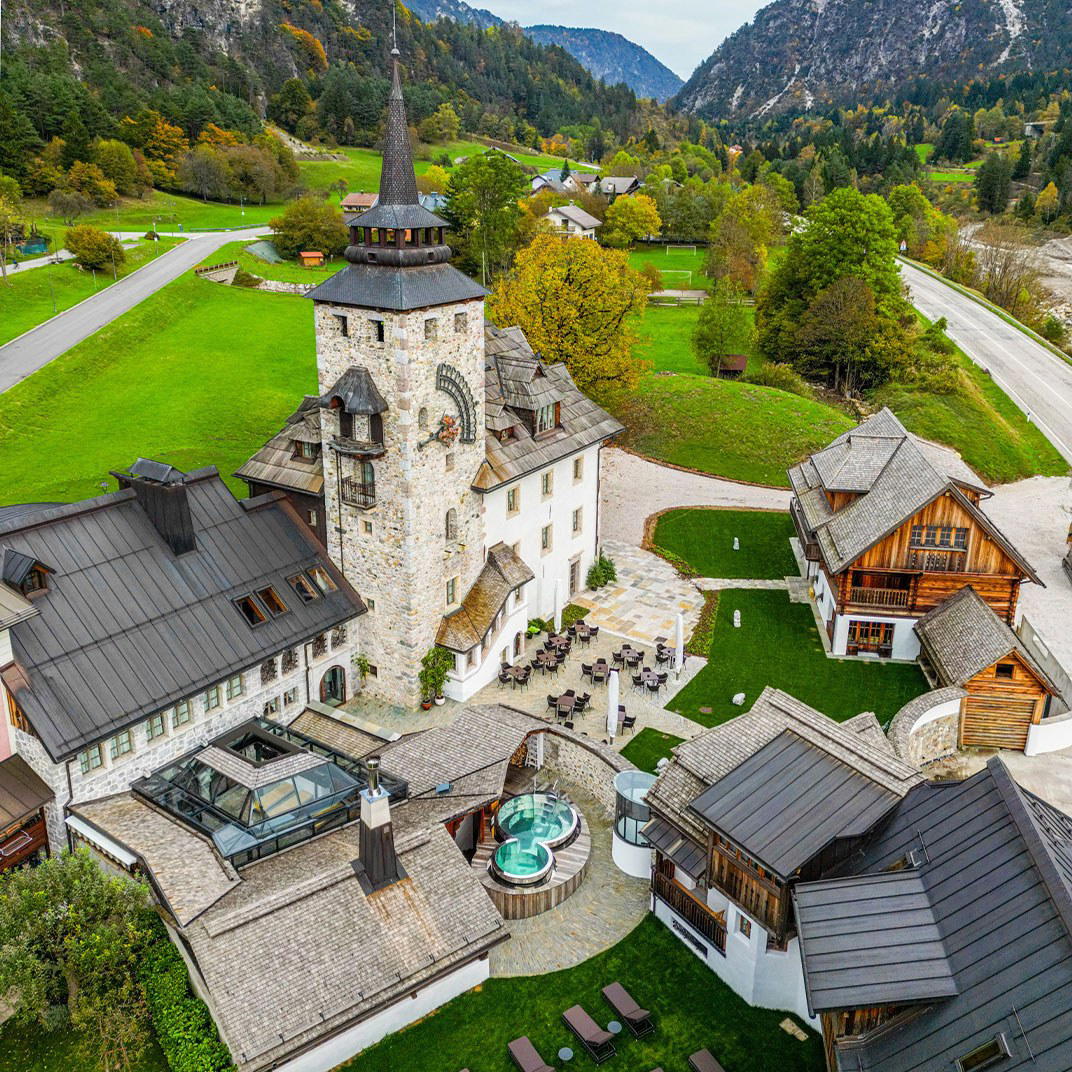
Cozy and pleasant with attentive service, well-kept garden for outdoor dining, and a vintage yet elegant atmosphere.