Hubert Wallner



1 Michelin Star · La Liste Top Restaurants · Falstaff Restaurant - 99 Falstaff Points
Our verdict
On the southern shore of Wörthersee, Hubert Wallner holds a Michelin star and a La Liste score of 93 points (2026), earning its place among Austria's most ambitious regional tables. Chef-patron Hubert Wallner roots his set menus in Alpine tradition while allowing for considerable creative latitude, and sommelier Christoph Janger oversees a wine list of 3,000 labels. The adjoining Hermitage Vital Resort makes an overnight stay a practical option.

Pearl is the En Primeur Club membership app, where members save venues, book tables and use the concierge.
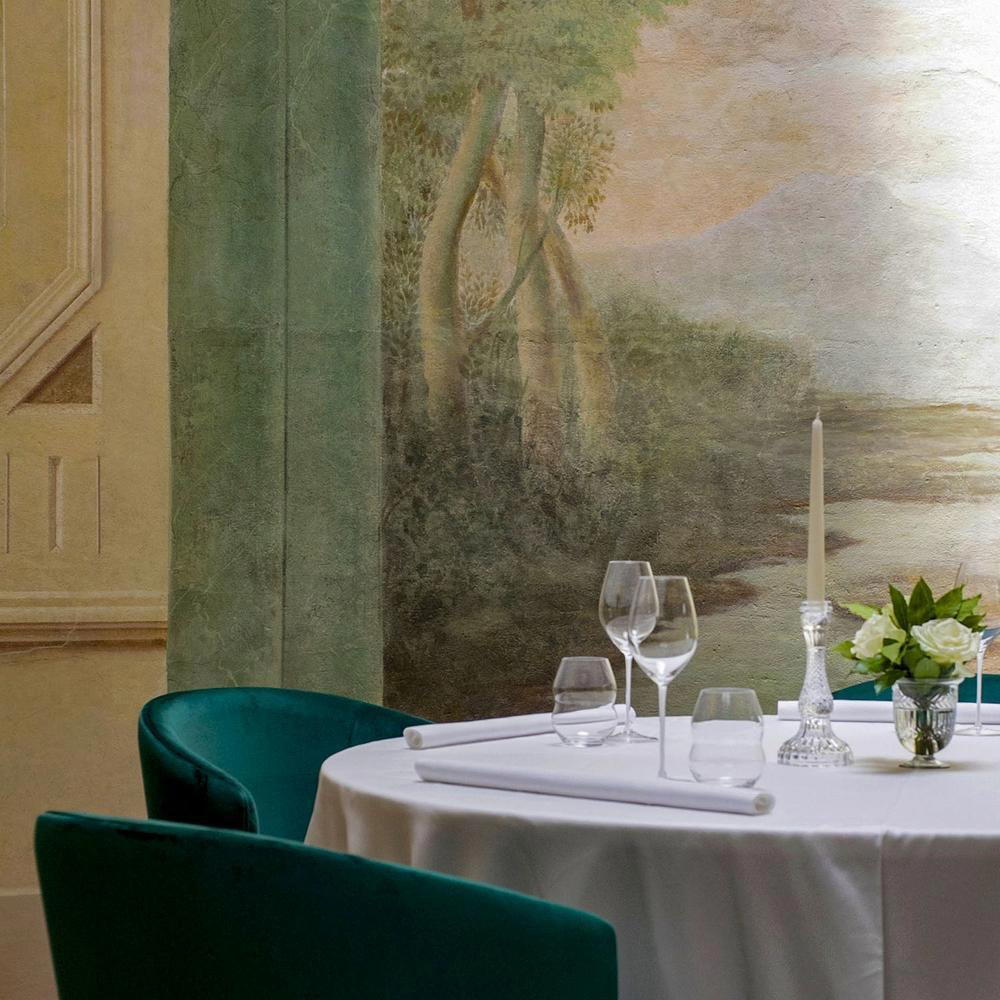
Where the Lake Sets the Register
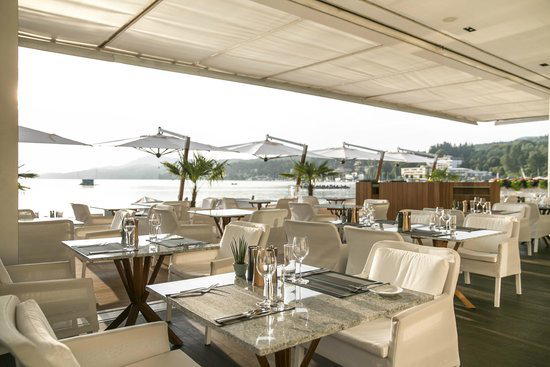
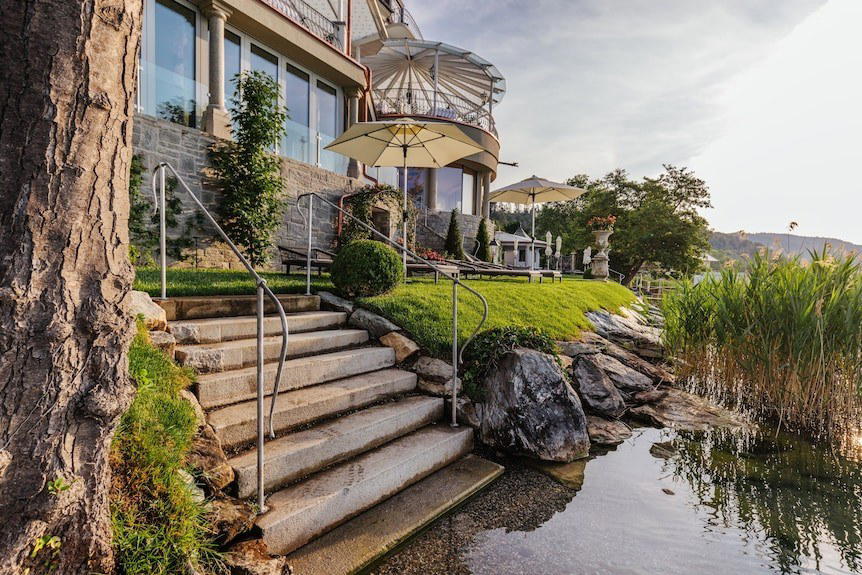
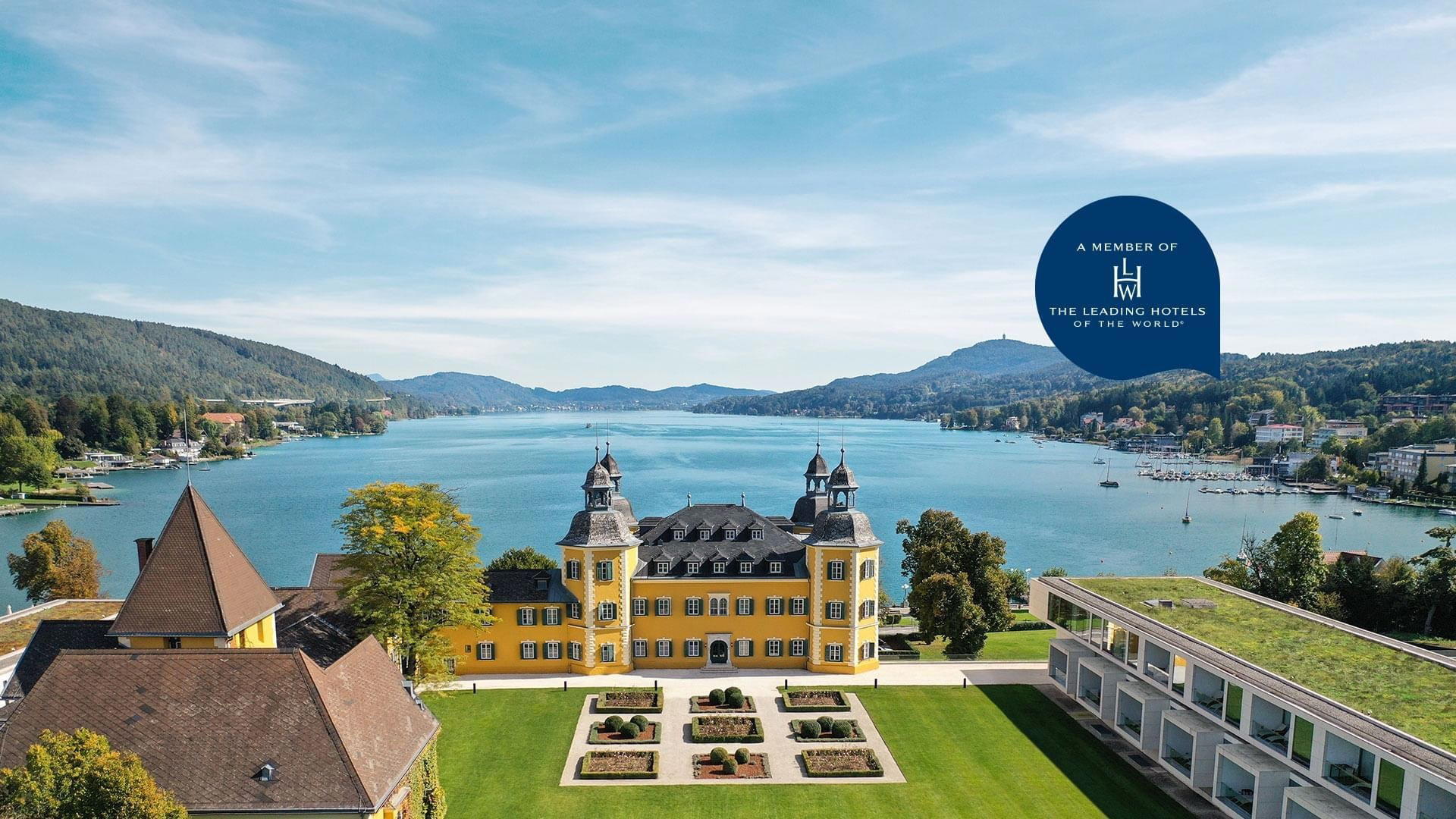
On a calm summer evening at Wörthersee, the light arrives low across the water before it disappears behind the Karawanken range. The terrace at Hubert Wallner faces that spectacle directly, and the effect on the dining experience is not decorative: it shapes the tempo of the meal, encouraging a pace that few urban fine-dining rooms can engineer. Austria's resort lakeshores have long attracted serious cooking, but the combination of a genuinely ambitious kitchen with a setting this immediate, water within arm's reach, sunset timed to the early stages of a long tasting menu, is rarer than the concentration of starred restaurants in Vienna or Salzburg might suggest.
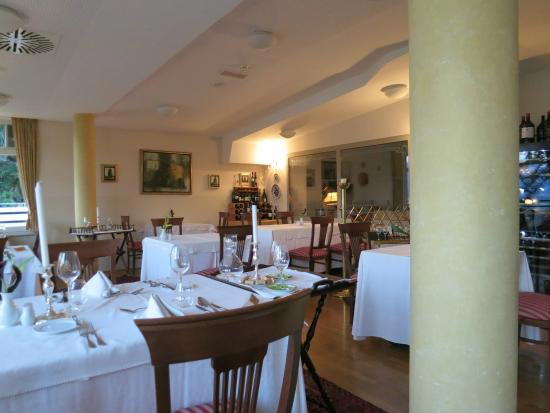
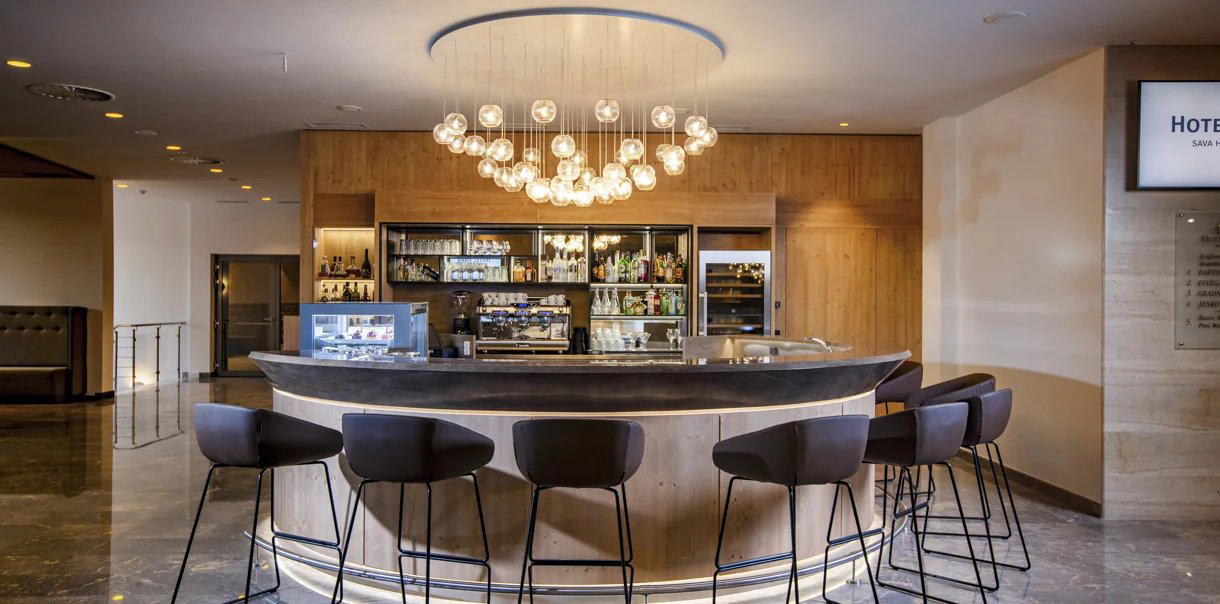
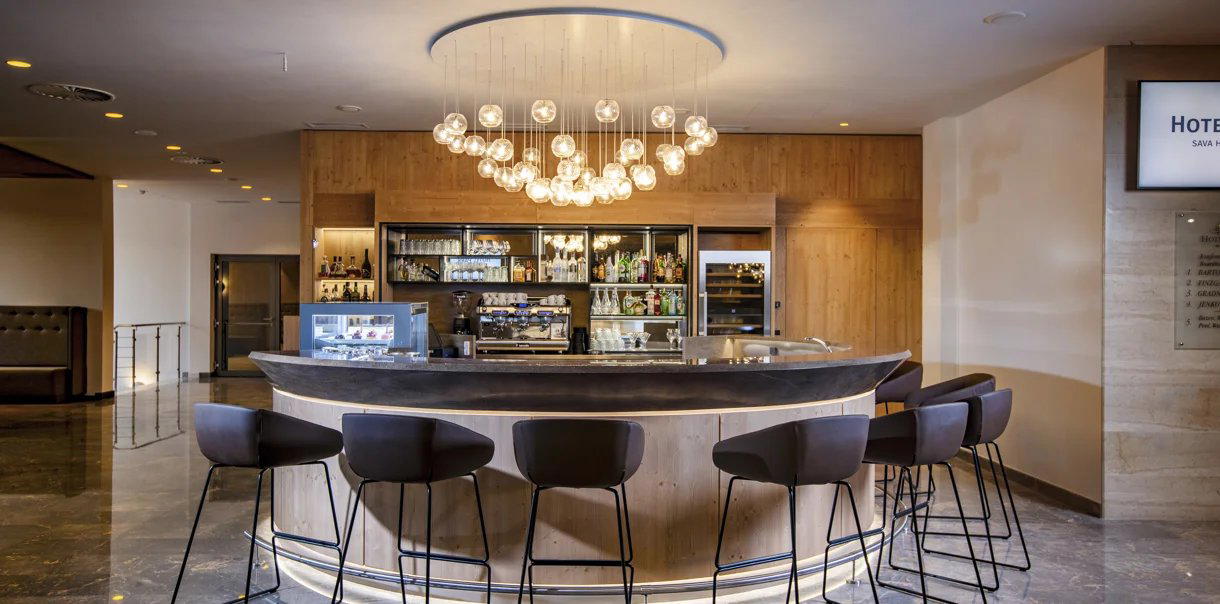
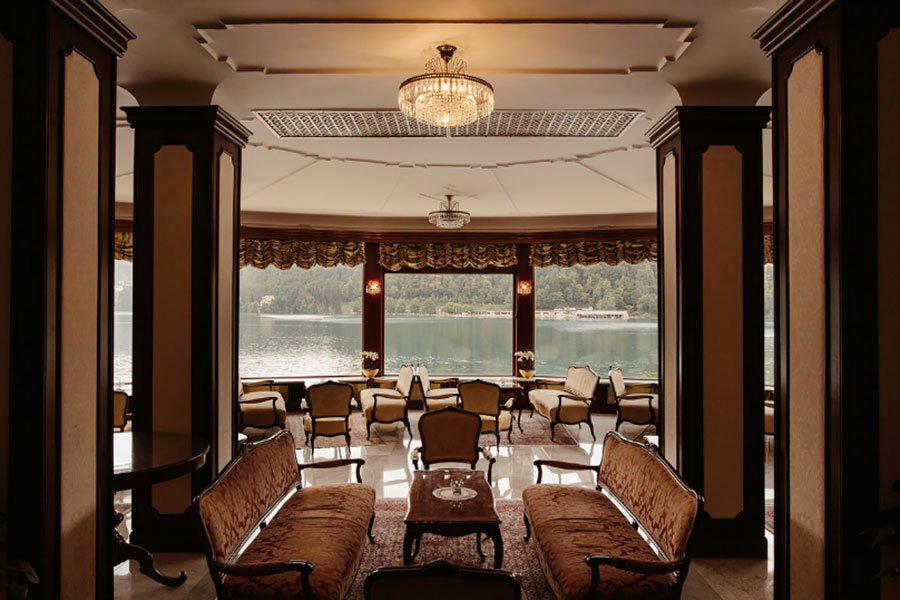
The interior reinforces the register rather than competing with it. Light tones, modern lines, and a warmth in the materials signal that this is a room designed for extended evenings rather than quick covers. The overall effect places Hubert Wallner in a specific tier of Austrian destination dining: not a city address where the neighbourhood provides the energy, but a room that earns the journey on its own terms.
Alpine Tradition as Creative Material
Austrian fine dining has spent the past two decades working through a productive tension between the weight of its culinary heritage and the demands of contemporary technique. At one end of that range sit houses like Landhaus Bacher in Mautern an der Donau, where classic Austrian cuisine is treated with a conserving reverence. At the other, Steirereck im Stadtpark in Vienna and Döllerer in Golling an der Salzach have pushed regional ingredients and alpine references into more formally experimental territory. Hubert Wallner occupies a position between those poles: the Alpine region supplies the conceptual starting point, and the kitchen applies creative latitude to that foundation without abandoning legibility.
The documented evidence for this is the kitchen's treatment of the Germknödel, a steamed yeast dumpling that is as embedded in Austrian culinary memory as Wiener Schnitzel. The dish arrives here as foie gras terrine, topped with an aromatic yeast espuma and accompanied by Reindling ice cream, a Carinthian Easter cake repurposed as dessert element. The gesture is precise: it requires the diner to hold both registers simultaneously, the familiar and the transformed, and it succeeds because the reference points are specific enough to carry meaning even when the execution departs radically from the original. This is the kind of move that defines a kitchen's editorial position more clearly than any menu description could.
Format and Structure
The menu architecture offers more flexibility than the average Michelin-starred tasting room. Two set menus run from five to nine courses (referred to as Stationen), and dishes can also be ordered à la carte. A selection of classics runs alongside both options. That breadth of format is relatively unusual at this price tier, where most kitchens at comparable level in Austria, including Ikarus in Salzburg and Gourmetrestaurant Tannenhof in Sankt Anton am Arlberg, operate on fixed tasting menus with limited deviation. The à la carte availability means the room functions differently on a Saturday lunch, when a shorter, lighter experience is viable, than on a midweek dinner built around the full nine-course sequence.
Wine program is one of the more substantive in regional Austrian fine dining. Sommelier Christoph Janger manages a list of 3,000 labels, and the pairing structure is designed to work at the level of precision the kitchen demands. A list of that depth, outside a major city, requires sustained curation over years rather than a single buying decision, and its presence here signals how seriously the dining room takes the full experience rather than the plate alone. Austrian fine dining has historically produced strong native wine culture, the country's white wine tradition, from Grüner Veltliner to Riesling to Wachau-style bottlings, is one of Europe's more underappreciated, and a 3,000-label list in Carinthia will draw on that depth while ranging internationally.
Where This Sits in Austria's Fine Dining Map
Hubert Wallner holds a Michelin star (2024) and a La Liste score of 93 points in 2026, down from 96.5 in 2025, a movement worth noting, since La Liste aggregates critical opinion across multiple sources and year-on-year shifts in that score sometimes reflect menu evolution or a change in the kitchen's direction rather than a simple quality decline. At 93 points it remains firmly in the upper tier of the La Liste rankings globally, well within the range occupied by Austria's most-discussed kitchens.
The kitchen's creative approach has more in common with the two-star cohort than with the broader one-star tier, which in Austria ranges from hotel dining rooms doing reliable modern Austrian to genuinely inventive smaller restaurants like Kräuterreich by Vitus Winkler in Sankt Veit im Pongau and Ois in Neufelden.
Outside Austria, the closest formal comparison in terms of approach, a chef-driven modern cuisine operation where regional identity is present but not limiting, might be found at addresses like Griggeler Stuba in Lech or, at considerably greater ambition and scale, Frantzén in Stockholm. The comparison to FZN by Björn Frantzén in Dubai is less useful stylistically but illustrates how the modern cuisine category now operates across very different geographic and cultural contexts. Schwarzer Adler in Hall in Tirol and Restaurant 141 by Joachim Jaud in Mieming represent the Tirolean side of Austria's regional fine dining, where the mountain reference is more pronounced than the lake-and-lowland Carinthian version Wallner works with.
Planning the Visit
The kitchen opens Wednesday through Friday from 6 PM, with Saturday offering both a lunch service from 1 PM to 3 PM and dinner from 6 PM. Sunday runs a lunch only, from 1 PM to 5 PM. Monday and Tuesday are closed. The Saturday lunch format is worth considering if the full evening sequence feels like too great a commitment for a first visit, or if the lakeside setting in afternoon light is the draw. For guests arriving from Vienna, the Wörthersee is approximately three and a half hours by road, making an overnight stay at the adjoining Hermitage Vital Resort the more practical option; it eliminates the return drive and allows the wine pairing to be taken seriously. The chef's table option provides a closer view of the kitchen and is worth requesting at the time of booking. Reservations should be secured well in advance, particularly for summer weekend evenings when the terrace is at its most animated. For a broader sense of what Maria Wörth offers beyond this address, see our full Maria Wörth restaurants guide, our full Maria Wörth hotels guide, our full Maria Wörth bars guide, our full Maria Wörth wineries guide, and our full Maria Wörth experiences guide.
Frequently asked questions
What should I eat at Hubert Wallner?
The kitchen's creative position is most legible in the longer set menus, where the progression of Stationen builds the context needed to understand how Alpine references are being reworked. The documented example of the Germknödel 2.0, foie gras terrine with yeast espuma and Reindling ice cream, is among the dishes that reflect the kitchen's editorial stance most directly. Chef Hubert Wallner draws on the Alpine and Carinthian region as source material, and the Michelin star (2024) alongside a La Liste score of 93 points (2026) suggests the creative output is consistent enough to justify the longer format. If the full tasting menu is not the preference, à la carte ordering is available, as is a selection of classics alongside the set menus.
What is the atmosphere like at Hubert Wallner?
Dining room sits directly at Wörthersee on the southern shore, and the lakeside terrace is the room's defining feature during warmer months. The interior uses modern decor with warm, light tones, polished without formality. The service has been specifically noted for being personable alongside its professionalism, which is not a common combination at the €€€€ price tier in Austria. The La Liste 2025 score of 96.5 points (among the highest in that year's Austrian entries) and Michelin star recognition place the atmosphere in the context of Austria's most-regarded fine dining rooms, but the lakeside resort setting gives it a different register from the city-based addresses.
Is Hubert Wallner a family-friendly restaurant?
At the €€€€ price range, with set menus running to nine courses and a format built around an extended evening, the kitchen is oriented toward adult fine dining rather than family meals. The Saturday lunch service and Sunday lunch may offer a more accessible format for guests with children, and the à la carte option provides flexibility on pacing and portion commitment. That said, Maria Wörth and the Wörthersee region as a whole has significant family tourism infrastructure, and families looking for dining options across a range of formats should consult our full Maria Wörth restaurants guide for addresses better suited to mixed-age groups.
In Context: Similar Options
| Venue | Cuisine | Price | Awards | Notes |
|---|---|---|---|---|
| Hubert WallnerThis venue (the venue you are viewing) | Modern Alpine-Adriatic Fine Dining | $200–300 | 1 Michelin Star · La Liste Top Restaurants | Not listed |
| Steirereck im Stadtpark | Modern Austrian Fine Dining | $200–300 | 3 Michelin Stars · World's 50 Best #33 | Creative |
| Döllerer | Modern Alpine Cuisine | $100–150 | 2 Michelin Stars · La Liste Top Restaurants | Contemporary Austrian, Innovative |
| Ikarus | Guest Chef Fine Dining | $200–300 | 2 Michelin Stars · La Liste Top Restaurants | Modern European, Creative |
| Mraz & Sohn | Contemporary Austrian Fusion | $150–200 | 2 Michelin Stars · La Liste Top Restaurants | Modern Austrian, Creative |
| Obauer | Modern Austrian Fine Dining | $50–100 | 2 Michelin Stars · La Liste Top Restaurants | Classic Cuisine |
Recognition history
Dated appearances from independent guides and award organizations, with the underlying list record or original source where available.
Michelin 1 Star
Michelin
La Liste Top Restaurants
La Liste
Falstaff Restaurant - 99 Falstaff Points
Falstaff
Full recognition history (6 entries)
La Liste Top Restaurants
La Liste
Michelin 1 Star
Michelin
Michelin 1 Star
Michelin
Continue exploring
More in Maria Wörth
Restaurants in Maria Wörth
All restaurants in Maria Wörth →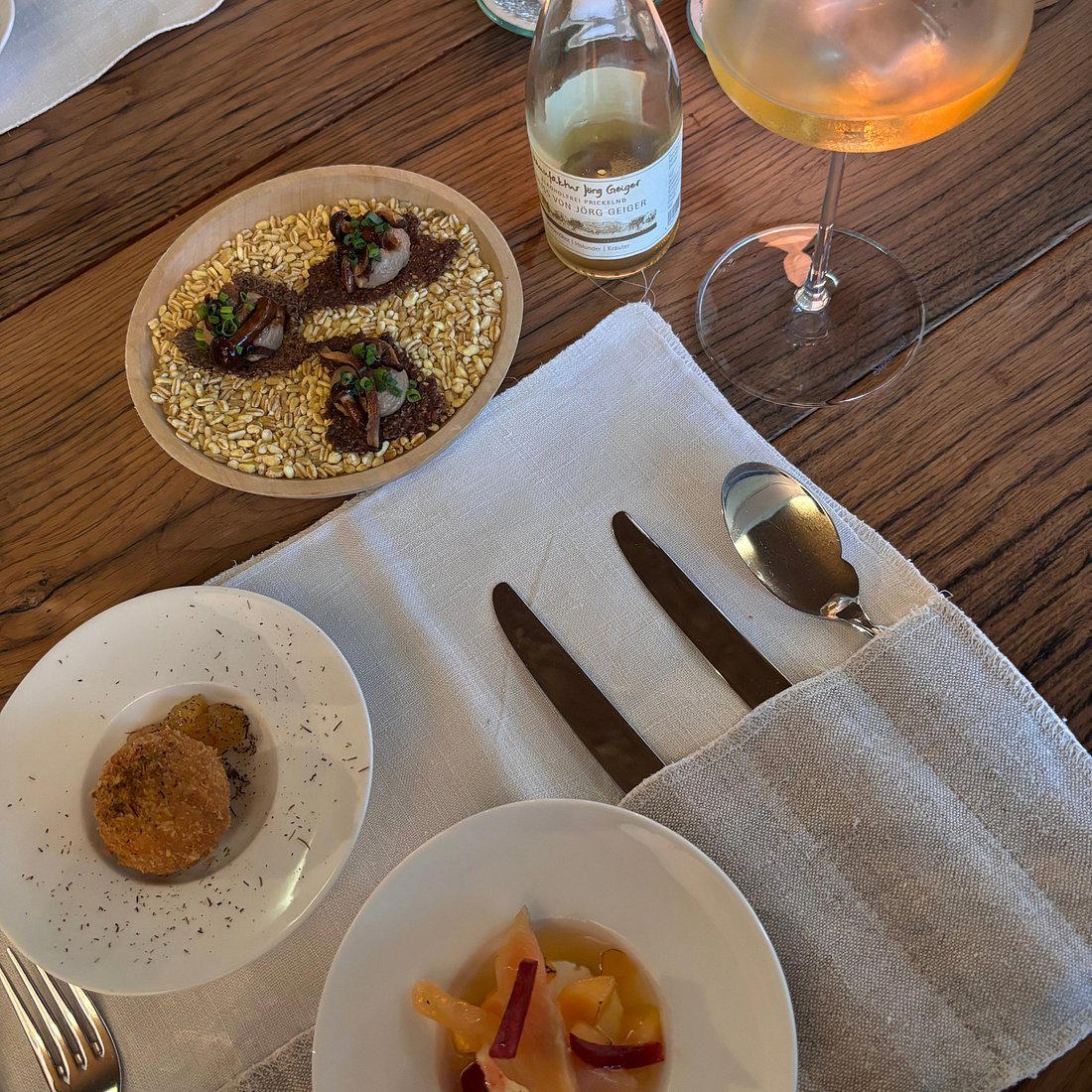
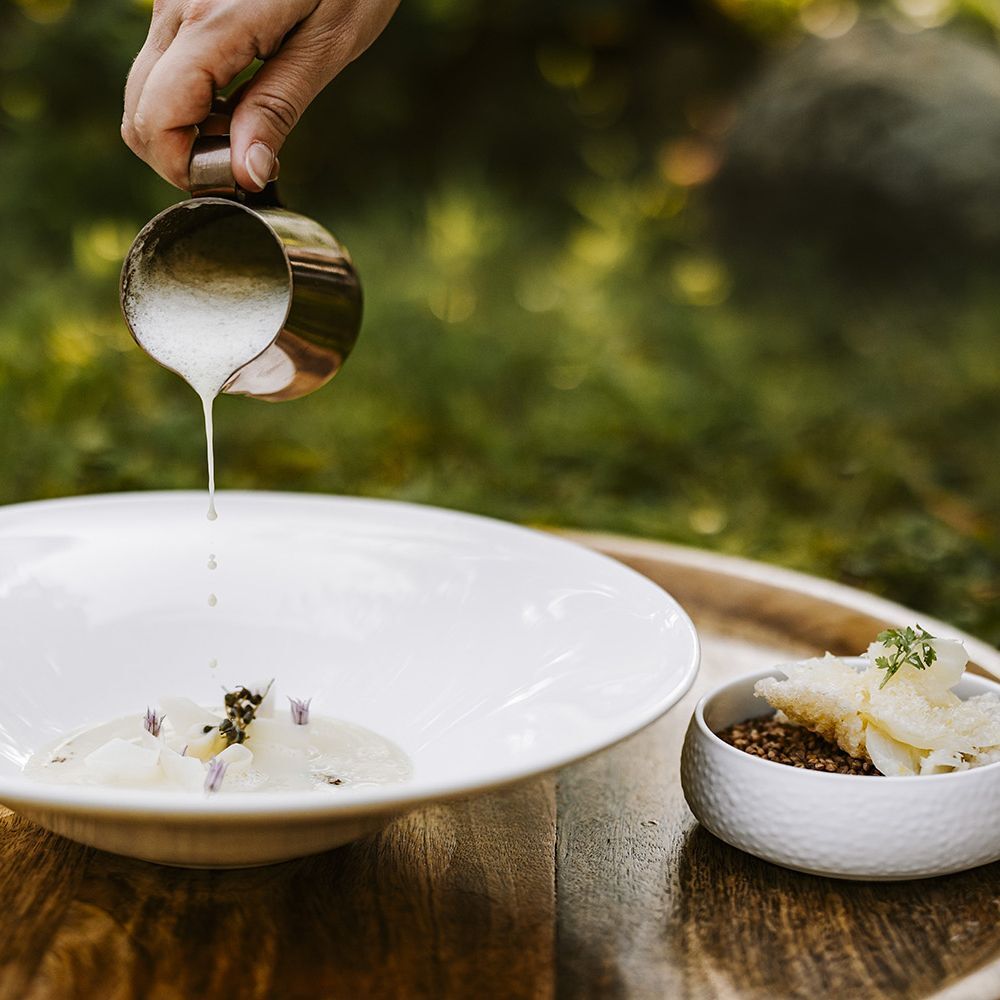
Bars in Maria Wörth
Browse all →

Hubert Wallner
The wine
- Wine program
- Deep wine list
- Extensive wine list
- Sommelier-led
Details
- Elegant
- Sophisticated
- Scenic
- Intimate
- Date Night
- Special Occasion
- Waterfront
- Terrace
- Extensive Wine List
- Sommelier Led
- Local Sourcing
- Waterfront
- Tasting Menu
- A La Carte
- Prix Fixe
Current opening hours
- Monday
- Closed
- Tuesday
- 5–11 PM
- Wednesday
- 6–11 PM
- Thursday
- 6–11 PM
- Friday
- 6–11 PM
- Saturday
- 1–11 PM
- Sunday
- Closed
Hours can change for holidays and private events. Hours as of .
Upscale interior with modern and elegant decor in light, warm tones, complemented by a magnificent terrace overlooking Wörthersee.