Le Bistro occupies a quiet address on Hacquetova ulica in Ljubljana's old town, placing it among the city's more considered dining options rather than its high-traffic riverside tables. The wine list is the lens through which the room rewards attention, reflecting a curation sensibility that aligns with Slovenia's growing reputation as a serious wine-producing nation. For visitors calibrating between the city's modern tasting-menu tier and its casual neighbourhood spots, Le Bistro occupies a distinct middle register.
Pearl is the En Primeur Club membership app — saves, bookings, and concierge access live there. Same editors, same standards.
- Address
- Hacquetova ulica 1a, 1000 Ljubljana, Slovenia
- Phone
- +38670866466
- Website
- lebistro.si
- Directions
- Get directions
 Saves & bookings on Pearl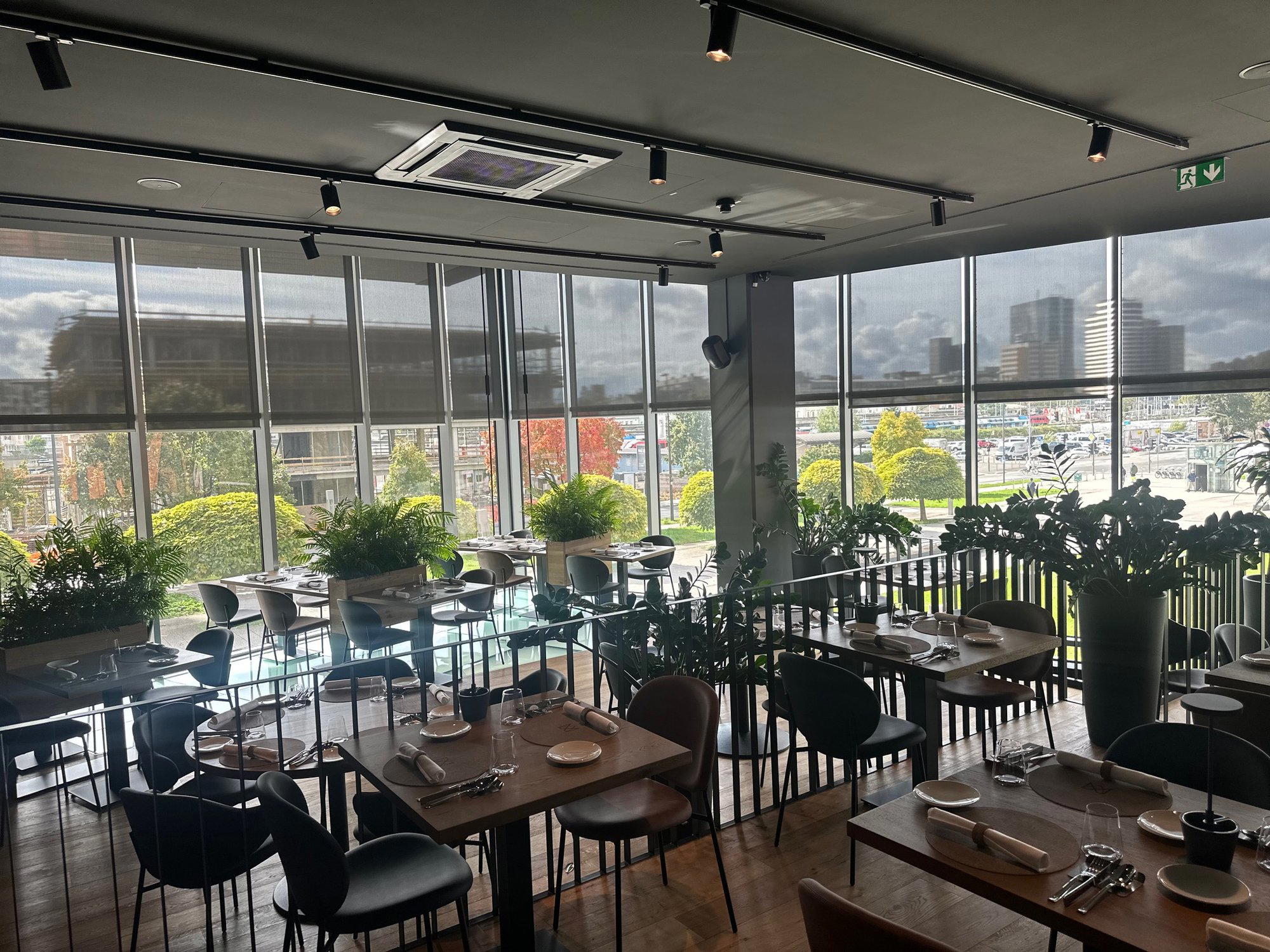
A Street Address That Tells You Something
Le Bistro is a Mediterranean Bistro at Hacquetova ulica 1a, 1000 Ljubljana, Slovenia. Hacquetova ulica sits just back from Ljubljana's Prešeren Square corridor, in the tighter grid of streets where the old town's tourist pressure drops off quickly. The tourists who find Le Bistro at number 1a generally came looking for it. That self-selection shapes the room's atmosphere in ways that matter: the dining pace is slower, the conversation quieter, and the focus falls on the table rather than the street theatre outside. In a city where riverside terraces dominate the warm-season dining imagination, a venue positioned a short walk inland is making a quiet argument about what a meal should prioritise.
Ljubljana's restaurant scene has been repositioning steadily over the past decade. The city now holds a tier of Michelin-recognised addresses, with Restavracija Strelec anchoring the upper end of the modern cuisine bracket, while newer openings like AFTR occupy a more accessible modern register. Between the tasting-menu formality of the high end and the direct regional cooking of places like Altrokè, there is a middle tier where the bistro format continues to prove its relevance. Le Bistro operates in that space, with a name that signals French-influenced informality without committing to a single tradition.
The Wine List as Editorial Statement
In many European cities, a restaurant's wine list functions primarily as revenue infrastructure. In Slovenia, the relationship between kitchen and cellar tends to be more considered, partly because the country's wine regions, particularly the Vipava Valley, the Karst, and the Brda hills along the Italian border, have been generating serious critical attention since at least the early 2000s. Orange wine, macerated whites produced in the amphora and skin-contact tradition that predates modern winemaking orthodoxy, moved from niche curiosity to mainstream conversation during this period, and Slovenian producers were central to that shift.
A venue named Le Bistro, with its Francophone register, sits in an interesting position relative to this local tradition. The bistro format in France is inseparable from its cellar culture, where the carafe of house Beaujolais or the short, well-chosen list of regional bottles defines the experience as much as the food. Applied to Ljubljana, that format logic would push toward Slovenian producers rather than imported labels, and toward a list built on relationships with smaller growers rather than on distributor catalogues. Whether the restaurant's list executes along these lines is something the visitor will need to verify on arrival, but the frame is worth holding: in this city, at this price register, the wine programme is a strong signal of editorial seriousness.
For international context on what deep cellar curation looks like at the summit end of the spectrum, the approach of Le Bernardin in New York City or the precision of Atomix offer a useful comparative frame, though the scale and ambition differ considerably from a Ljubljana bistro. The point is not equivalence but methodology: the leading wine programmes at any price tier share a commitment to internal logic, whether that logic is regional focus, producer relationships, or format discipline.
Placing Le Bistro in the Ljubljana Tier Structure
Ljubljana's dining options now span a range that would have been difficult to predict fifteen years ago. At the leading, venues like Restavracija Strelec command prices comparable to mid-tier tasting menus in Paris or Copenhagen. At the neighbourhood end, spots like Abi Falafel and Allegria serve the city's daily eating needs at accessible price points. The middle register, where bistro-format dining operates, is where visitors making a considered choice often land: enough formality to signal an occasion, enough informality to allow a two-hour dinner without ceremony.
The bistro tier in Ljubljana also tends to be where the wine-to-food ratio shifts in the diner's favour. Tasting menus at the leading end impose a structure that can make wine exploration feel secondary; casual spots often lack the cellar depth to support extended wine conversation. The middle register, when it's working well, is where the sommelier or floor staff have the time and knowledge to steer a table through Slovenian producers the diner hasn't encountered before.
Slovenia's Wine Regions as Context
Understanding what a Slovenian wine list at this level might offer requires some geographical orientation. The country's three main wine-producing zones each produce distinct styles. Primorska, the western zone bordering Italy, produces the skin-contact whites and structured reds that have attracted international attention; producers from the Brda sub-region in particular have appeared on serious European restaurant lists. Posavje, in the southeast, is the source of Cviček, a light red blend that is specific to Slovenia and worth encountering once for context. Podravje, in the northeast, produces aromatic whites from varieties including Šipon (the local name for Furmint) and Renski Rizling.
A wine programme drawing intelligently from these three zones has genuine depth to work with. The orange wine conversation, which put Slovenian producers on international maps, has also created a broader awareness of the country's winemaking tradition that benefits every serious list operating in Ljubljana today.
For visitors interested in extending their wine-focused travel beyond Ljubljana, Slovenia's Michelin-starred restaurants outside the capital offer strong reference points. Hiša Franko in Kobarid and Gostilna Pri Lojzetu in Vipava both operate in wine-producing regions where the cellar and the kitchen are in active dialogue with local growers. Dam in Nova Gorica, Milka in Kranjska Gora, and Hiša Denk in Zgornja Kungota round out a picture of Slovenian fine dining that extends well beyond the capital. Grič in Šentjošt nad Horjulom, Hiša Linhart in Radovljica, Pavus in Lasko, and Gostilna Mlinar in Idrija each represent the spread of serious cooking across Slovenia's regions. Gostišče Karavla 297 in Trzic adds another point to that regional map.
Planning a Visit
The restaurant's address on Hacquetova ulica 1a places it within walking distance of Ljubljana's central landmarks, making it reachable on foot from most accommodation in the old town or along the river. The restaurant is recommended for reservations and is open daily from 4 to 11:30 PM. In Ljubljana's mid-tier restaurant bracket, walk-in availability tends to be reasonable outside summer weekends, but a specific address with a quiet room and a considered wine programme often builds a following that fills tables earlier than the category average suggests.
At-a-Glance Comparison
Comparable venues nearby, for context on price, style, and recognition.
| Venue | Cuisine | Price | Notes |
|---|---|---|---|
| Le BistroThis venue — the venue you are viewing | Mediterranean Bistro | $$ | Not listed |
| Švicarija | Traditional Slovenian Bistro | $$ | Tivoli |
| Saraj Restavracija | Bosnian Grill & Balkan Cuisine | $$ | Ljubljana |
| Robin restaurant | Modern Grill & Mediterranean | $$ | western edge |
| JB Restaurant | Modern Slovenian Fine Dining | $$$ | Downtown Ljubljana |
| Cacao | Modern Cafe with Gelato & Patisserie | $$ | Center |
Continue exploring
More in Ljubljana
Restaurants in Ljubljana
Browse all →
Bars in Ljubljana
Browse all →
Hotels in Ljubljana
Browse all →
Wineries in Ljubljana
Browse all →
At a Glance
- Cozy
- Modern
- Elegant
- Trendy
- Date Night
- Business Dinner
- Casual Hangout
- Special Occasion
- Open Kitchen
- Extensive Wine List
- Organic
Current opening hours
- Monday
- 4–11:30 PM
- Tuesday
- 4–11:30 PM
- Wednesday
- 4–11:30 PM
- Thursday
- 4–11:30 PM
- Friday
- 4–11:30 PM
- Saturday
- 4–11:30 PM
- Sunday
- 4–11:30 PM
Hours can change for holidays and private events. Last verified .
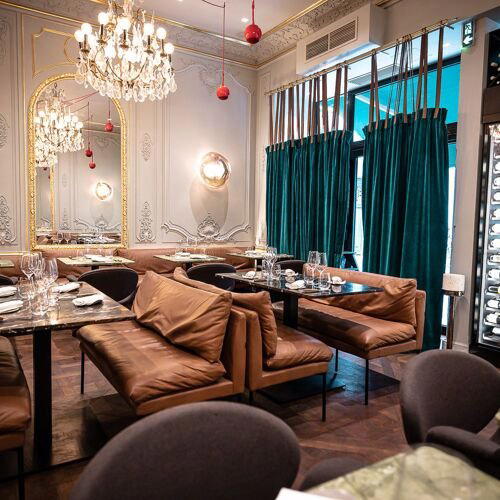
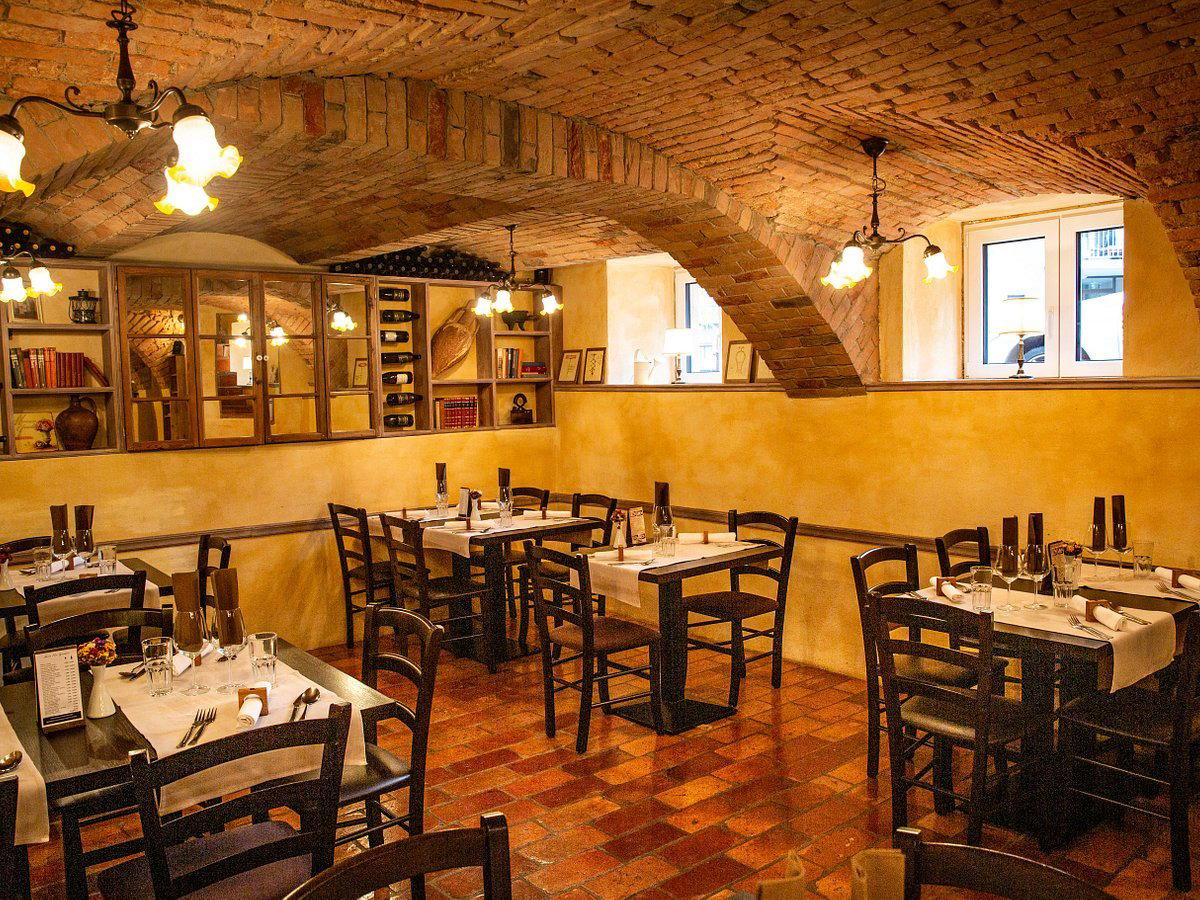
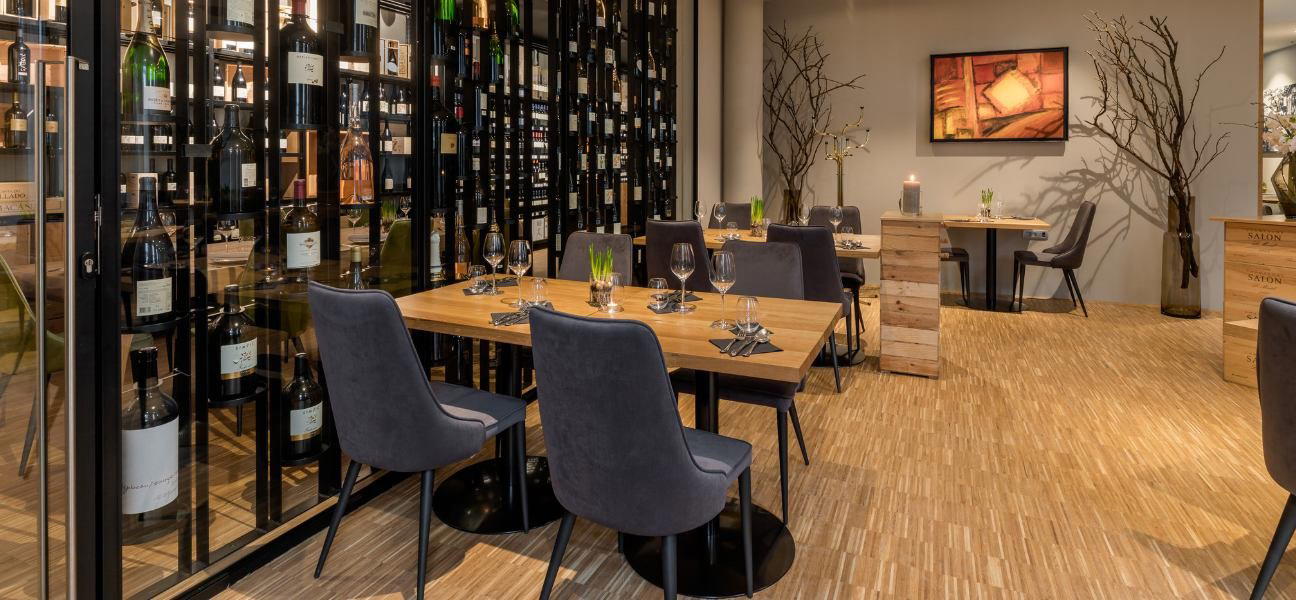
Modern and sophisticated with a cozy, warm atmosphere ideal for relaxed dining.