Set in the Hunsrück highlands of the Rhineland-Palatinate, Hotel Restaurant 2THeimat in Morbach operates at the quieter end of Germany's fine-dining geography, where the sourcing logic of the surrounding forest and farmland shapes what reaches the table. The address at Am Kirschbaum 55-57 places it well outside the main urban dining circuits, which is precisely the point.
Pearl is the En Primeur Club membership app — saves, bookings, and concierge access live there. Same editors, same standards.
- Address
- Am Kirschbaum 55-57, 54497 Morbach, Germany
- Phone
- +4949653393950
- Website
- 2theimat.de
- Directions
- Get directions
 Saves & bookings on Pearl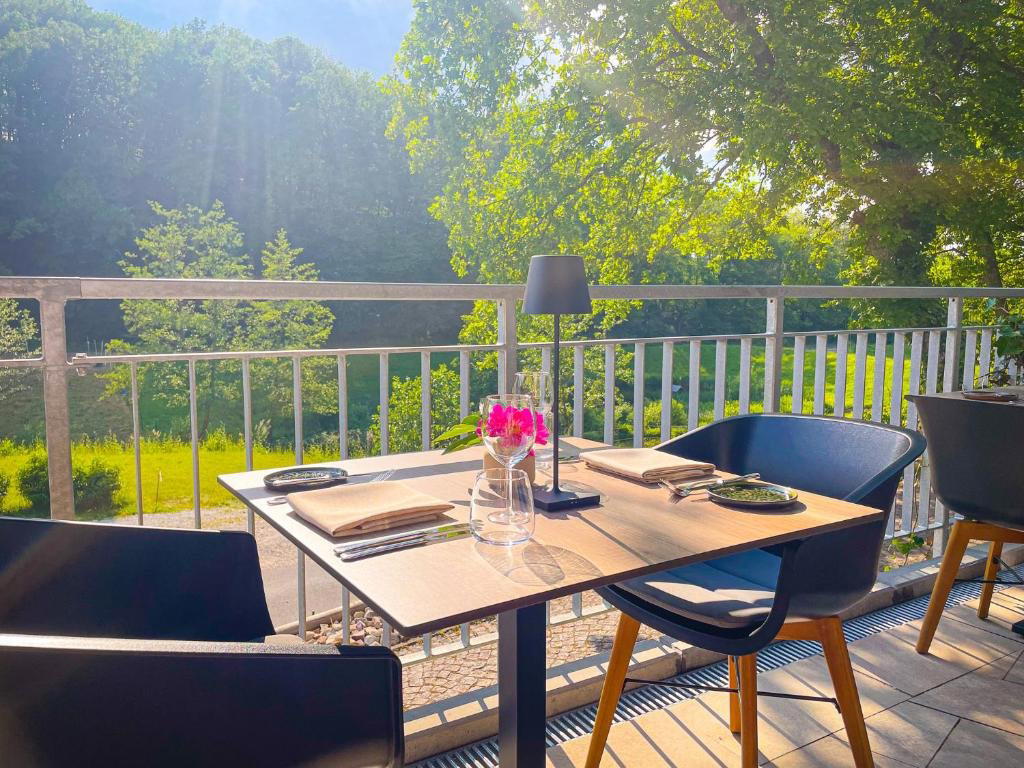
Hunsrück Cooking and the Case for Regional Seriousness
Germany's most-discussed restaurant addresses cluster in cities: Hamburg's Restaurant Haerlin, JAN in Munich, CODA Dessert Dining in Berlin. But a parallel tradition runs through Germany's smaller towns and rural highlands, where the distance from supply-chain convenience has historically pushed kitchens toward deeper engagement with local sourcing. The Hunsrück plateau, the upland region of Rhineland-Palatinate in which Morbach sits, fits this pattern precisely. Surrounded by forest, smallholder farms, and the Moselle valley to the north, the area carries the kind of ingredient geography that once defined all serious German cooking before urbanisation shifted expectations.
Hotel Restaurant 2THeimat, addressed at Am Kirschbaum 55-57 in Morbach, operates within that tradition. The name itself signals intent: Heimat, the German word carrying connotations of homeland and rootedness, is not incidental branding. In the current German dining conversation, where Rhineland-Palatinate neighbours such as Waldhotel Sonnora in Dreis and Schanz in Piesport represent recognised markers of the region's fine-dining seriousness, a name rooted in place is a position statement about sourcing philosophy.
What Arrives at the Table Starts in the Surrounding Land
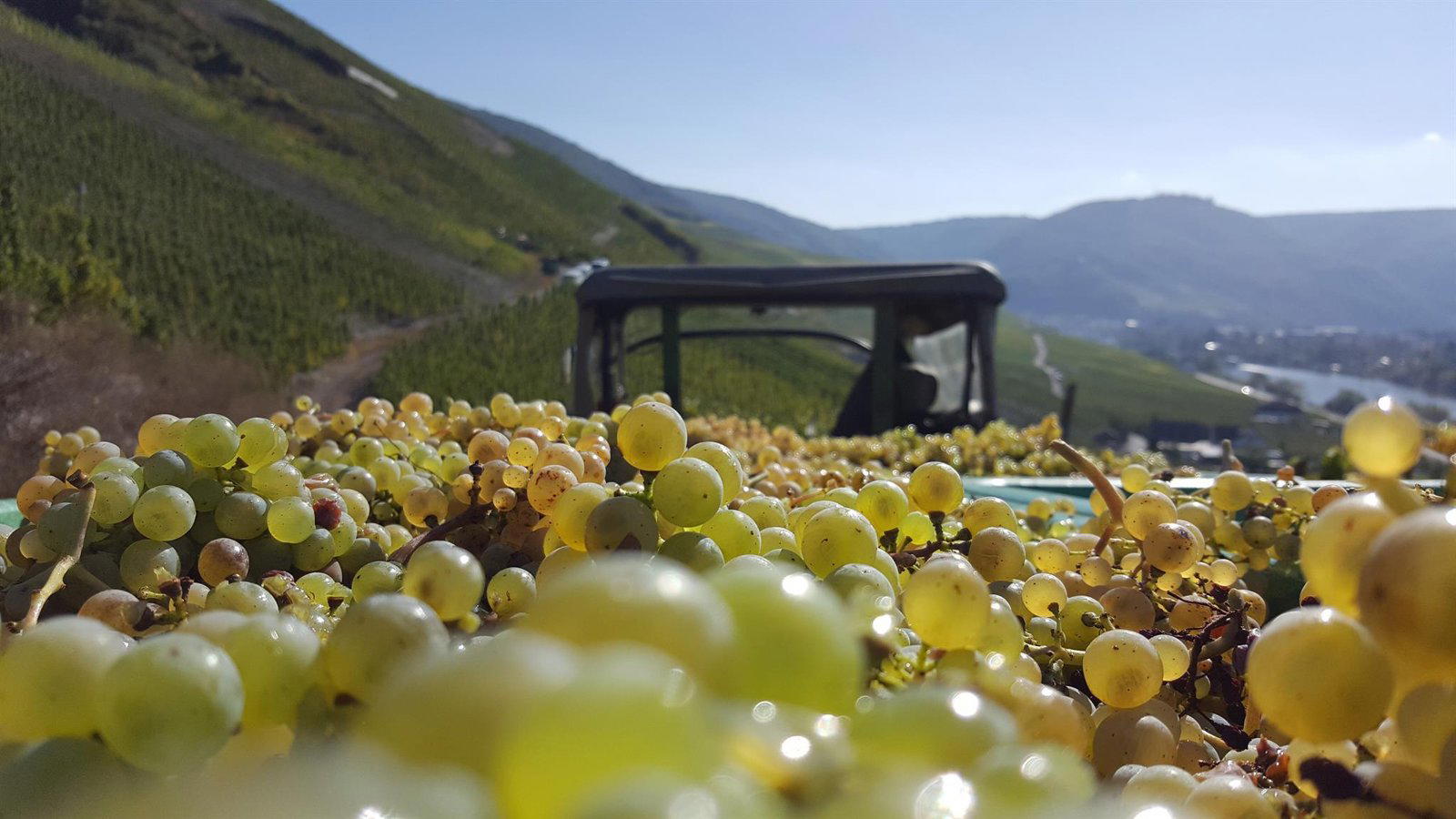
The logic of ingredient-led cooking in highland Germany follows a consistent pattern. Kitchens at this latitude and elevation have access to wild mushrooms from deciduous forest, game from managed hunts, herbs that grow more slowly and concentrate flavour in the cooler air, and dairy from cattle grazed on upland pasture. These are not artisanal affectations; they are the materials that the geography provides. Comparable kitchens elsewhere in Rhineland-Palatinate, including Victor's Fine Dining by Christian Bau in Perl, have demonstrated that serious technique applied to regional sourcing produces cooking that reads internationally while remaining anchored to a specific place.
The Hunsrück's ingredient calendar runs roughly as follows: spring delivers wild garlic and the first woodland herbs; summer introduces soft-fruit and vegetable abundance from local smallholders; autumn is defined by game and mushroom seasons that can last well into November; winter pushes kitchens toward preserved, fermented, and root-based cooking. A restaurant serious about regional sourcing in this location cannot operate identically across seasons, which is precisely the editorial discipline that distinguishes ingredient-led kitchens from those running a fixed menu that sources convenience wherever it finds it.
For context on how sourcing ambition plays out differently across Germany's dining geography, the Swabian approach at AUGUST in Augsburg, the Bavarian Alpine model at ES:SENZ in Grassau, and the Franconian tradition behind AURA in Wirsberg all offer instructive comparisons. Each region's ingredient geography shapes what arrives at the table in ways that urbanised, importation-heavy kitchens cannot replicate. The Hunsrück version of that argument is a forested, cool-climate one.
The Setting: Morbach and What It Signals
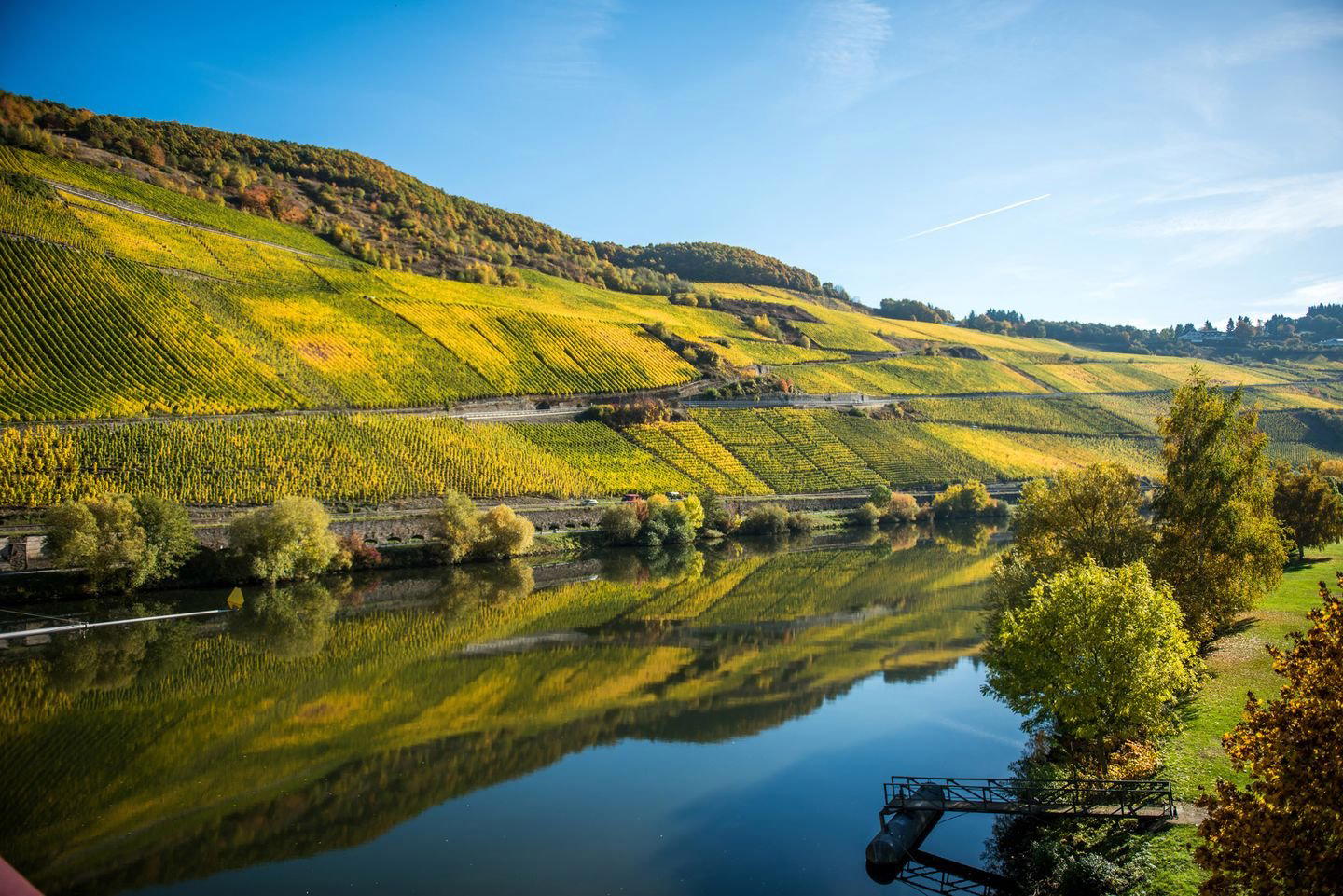
Morbach is not a dining destination in the way that a town with a celebrated address inevitably becomes. It is a market town of modest scale in the central Hunsrück, without the tourist infrastructure that builds around, say, the Moselle wine corridor to the north. Arriving here requires intent. Drivers from Trier cover roughly 40 kilometres southeast through the plateau; those coming from the Moselle valley towns will find the ascent into the highlands marked by the landscape shifting from riverine viticulture to open upland forest.
That distance from established dining circuits is both a practical consideration and an editorial one. Restaurants in Morbach are not competing on footfall or proximity to hotel clusters. They are making a case for themselves through what they do rather than where they happen to be located. In the broader Rhineland-Palatinate dining picture, this puts 2THeimat in a different competitive register than urban addresses, and closer in spirit to the rurally sited Waldhotel Sonnora model, where isolation has historically been absorbed into a venue's identity rather than treated as a disadvantage.
For those travelling for dining across the wider region, Bagatelle in Trier and ATAMA by Martin Stopp in Sankt Ingbert represent nearby anchors in the Rhineland-Palatinate and Saarland orbits. Pairing a Morbach visit with either creates a coherent multi-day itinerary through a part of Germany that receives less editorial attention than its culinary output warrants. Our full Morbach restaurants guide covers the local picture in more depth.
How 2THeimat Sits Within German Regional Fine Dining
Germany's regional fine-dining tier now spans a wide range of formats and price points. At the leading end, addresses like Aqua in Wolfsburg, Vendôme in Bergisch Gladbach, and Schwarzwaldstube in Baiersbronn operate at the multi-star level with pricing to match. Below that, a substantial mid-tier of serious regional kitchens runs ingredient-led menus at more accessible price points, often embedded in hotel properties that extend the hospitality logic beyond the meal itself.
The hotel-restaurant format, which 2THeimat exemplifies, carries a specific set of advantages in a rural setting. Overnight guests can engage with the kitchen across more than a single service; the sourcing story becomes easier to tell when the surrounding landscape is visible from the bedroom window the following morning. This format also allows kitchens to build relationships with local producers at volumes that a restaurant-only operation might not sustain, which feeds directly back into ingredient quality. For comparison, consider how the hotel-kitchen relationship shapes experiences at properties like ammolite in Rust, the accommodation context adds a dimension that standalone restaurants cannot replicate.
Internationally, the sourcing-led, rural-hotel-restaurant model has precedents in France's relais tradition and in the Nordic wave that refined regional ingredient specificity to a fine-dining argument. German kitchens in the Hunsrück, Eifel, and Moselle regions have been making similar arguments for decades, often with less international coverage than the food warrants. Addresses like Le Bernardin in New York or Atomix define their ambition through technical mastery and cultural provenance; the Hunsrück equivalent defines it through proximity to the ingredient source itself.
Planning a Visit
Morbach sits approximately 40 kilometres southeast of Trier, accessible by road through the Hunsrück plateau. The hotel-restaurant format at Am Kirschbaum 55-57 suggests that staying on-site is the intended mode of engagement rather than a day trip, particularly for guests travelling from outside the region. Specific booking arrangements, current pricing, and seasonal menu details are best confirmed directly with the property, as these are subject to change in ways that any published record cannot reliably track. Given the rural setting and limited local accommodation alternatives, advance planning is advisable for weekend visits.
How It Stacks Up
Comparable venues nearby, for context on price, style, and recognition.
| Venue | Cuisine | Price | Notes |
|---|---|---|---|
| Hotel Restaurant 2THeimatThis venue — the venue you are viewing | Modern Regional German | $$$$ | Not listed |
| Gut Kalberschnacke | Modern German Gastropub | $$$ | Drolshagen |
| Villa Hügel | Contemporary Central European | $$$ | Trier-Süd |
| Liebevoll in der Auermühle | Seasonal German Regional Cuisine | $$$ | Angertal |
| Lindenallee | Modern German | $$$$ | Dornholzhausen |
| Lennhof | Modern Classical German with European Influences | $$$ | Dortmund City |
Continue exploring
More in Morbach
Restaurants in Morbach
Browse all →
Bars in Morbach
Browse all →
Hotels in Morbach
Browse all →
At a Glance
- Cozy
- Rustic
- Scenic
- Special Occasion
- Hotel Restaurant
- Terrace
- Garden
- Local Sourcing
- Garden
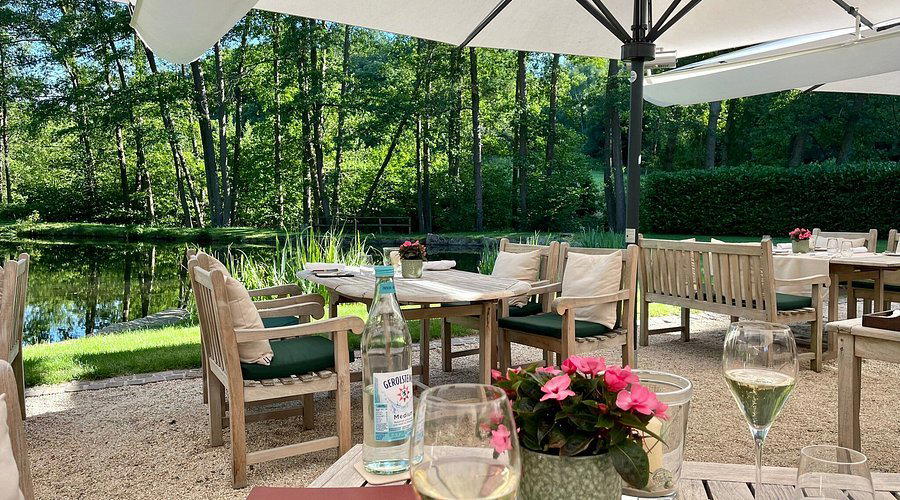
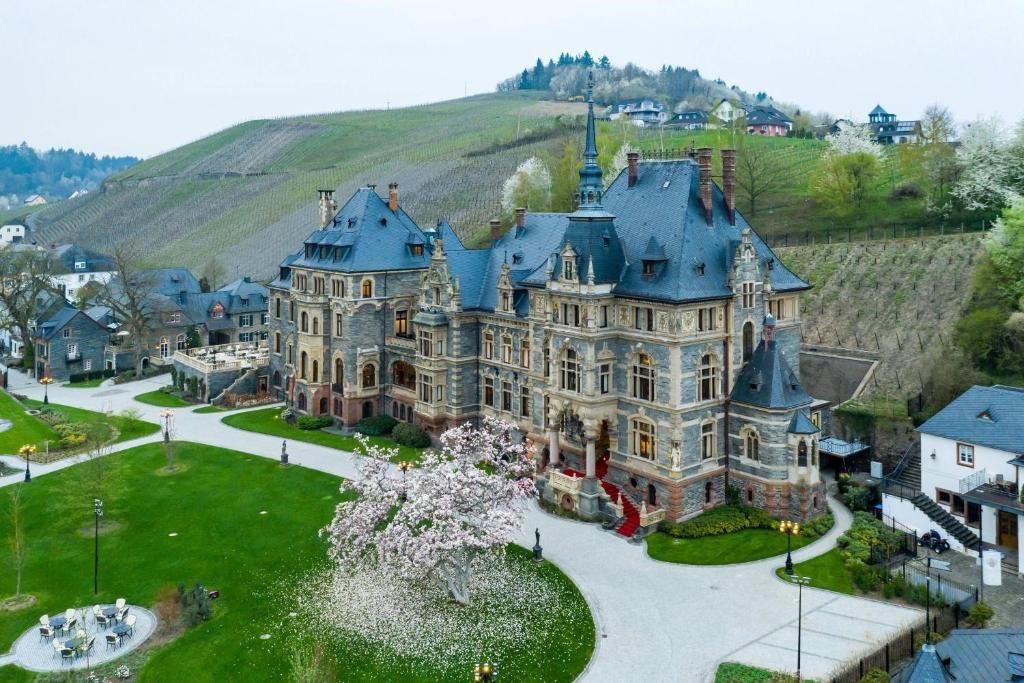
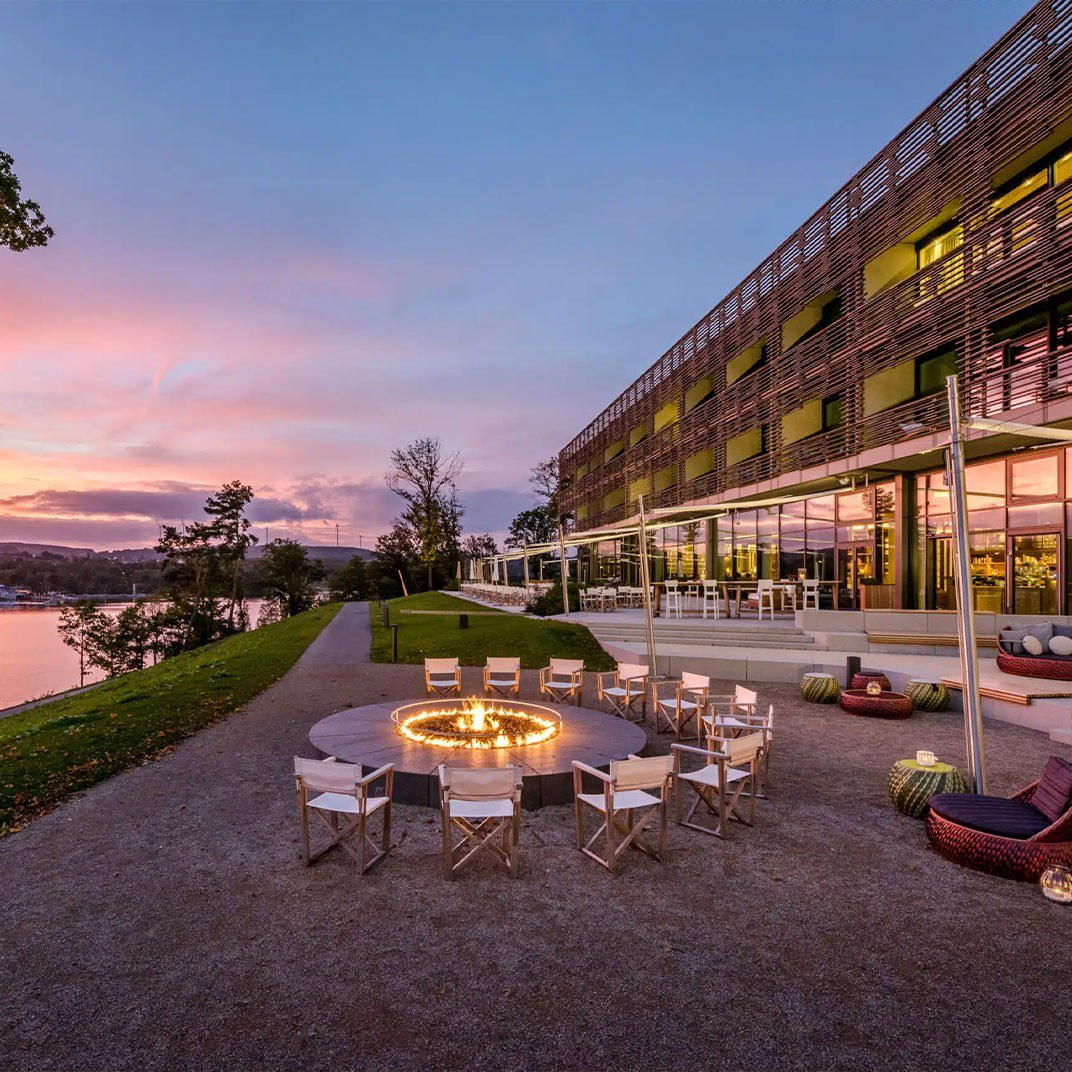
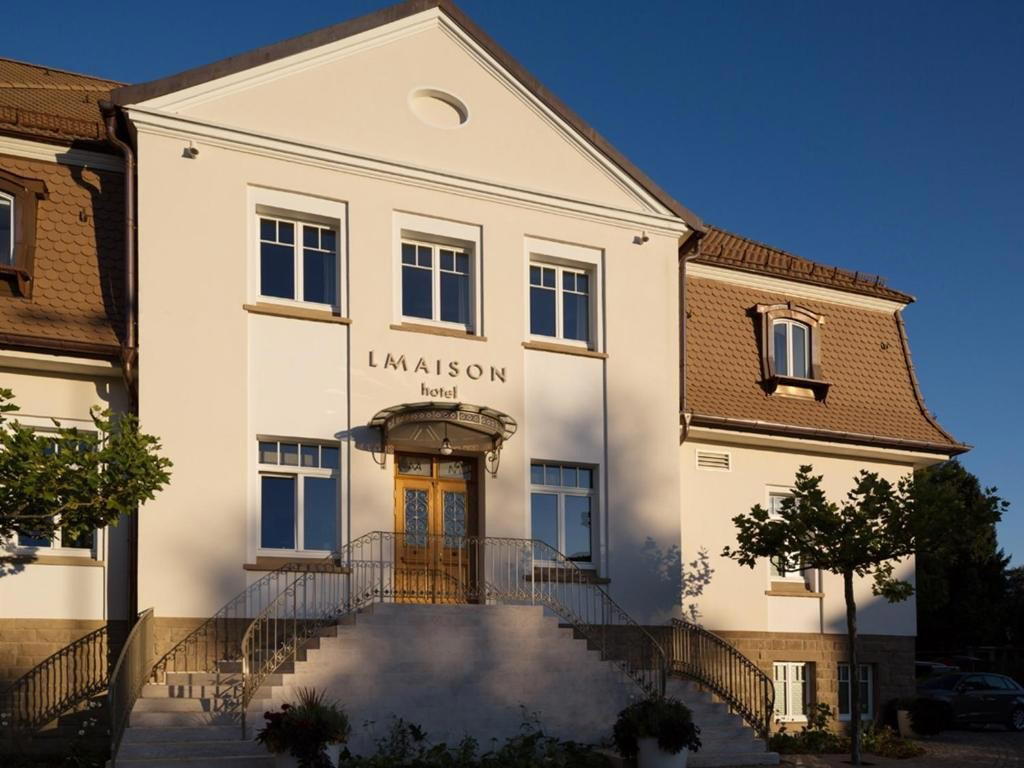
Warm and charming atmosphere with modern quiet rooms and a sun-kissed terrace for dining.