Liebevoll in der Auermühle serves seasonal German regional cuisine in a historic building with terrace seating, waterfront and garden views, and a beer program.
Pearl is the En Primeur Club membership app — saves, bookings, and concierge access live there. Same editors, same standards.
- Address
- Auermühle 1, 40882 Ratingen, Germany
- Phone
- +492102892980
- Website
- liebevoll.de
- Directions
- Get directions
 Saves & bookings on Pearl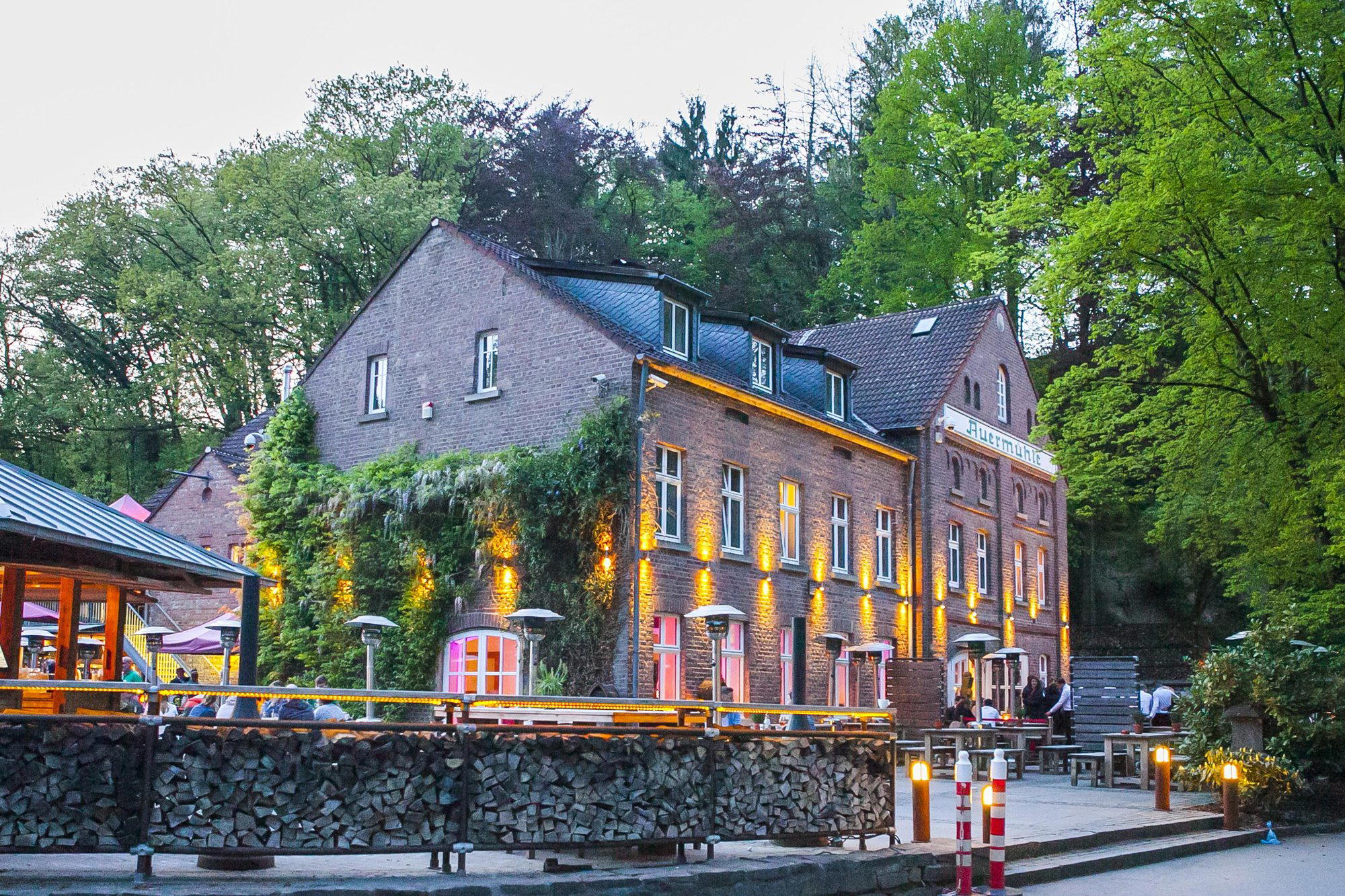
A Mill on the Edge of Ratingen
Liebevoll in der Auermühle is a restaurant in Ratingen, Germany, serving seasonal German regional cuisine. The Auermühle is a historic mill complex on the outskirts of Ratingen, a mid-sized city that sits comfortably between Düsseldorf and the Bergisches Land, and the physical setting frames whatever is on the plate before a single dish arrives. In much of North Rhine-Westphalia, the dominant dining grammar is urban: sleek interiors, dense city blocks, the competitive noise of a metropolitan restaurant market. A converted mill operating at remove from that noise occupies a different register entirely. The city's proximity to Düsseldorf makes it accessible without being absorbed by it.
Ingredient Sourcing and the Regional Argument
The name Liebevoll translates loosely as "with care" or "lovingly," a word that in German culinary contexts carries specific connotations: deliberate procurement, producer relationships, and a resistance to convenience sourcing. Germany has a well-documented tradition of this approach, particularly in rural and semi-rural settings where the distance between farm and kitchen can be measured in kilometres rather than supply-chain abstractions. The Bergisches Land region, which begins immediately east of Ratingen, has historically supported mixed farming, orchards, and small-scale dairy production. Restaurants anchored in that geography have a shorter sourcing radius available to them than their urban counterparts, and the Auermühle's position on the edge of town places it at the junction of city access and regional supply.
Across Germany, the sourcing argument has become central to how serious independent restaurants differentiate themselves from both the volume end of the market and the internationally-oriented fine dining tier represented by venues like Aqua in Wolfsburg or Vendôme in Bergisch Gladbach. Those restaurants operate at the €€€€ tier with extended tasting menus and international wine programs. The mid-tier independent, by contrast, often builds its identity around a specific regional claim: a named farm, a local variety, a seasonal constraint that urban kitchens can sidestep more easily. A mill site with historical agricultural function is rarely coincidental to the food proposition.
Where Ratingen Sits in the Regional Picture
North Rhine-Westphalia's dining map is dense and competitive. Düsseldorf carries several Michelin-starred addresses. Bergisch Gladbach is home to Vendôme, one of Germany's most consistently decorated kitchens. Cologne generates its own serious restaurant culture. Within this regional density, Ratingen functions as a secondary city: well-connected, affluent by German municipal standards, but not a dining destination in the way its neighbours are. That status cuts two ways. It means fewer options for residents seeking serious cooking without making the short trip south. It also means that a restaurant operating at a considered level in Ratingen faces less direct competition than it would in Düsseldorf, and can develop a loyal local following without constant pressure from the city's churn of openings. Venues in comparable positions across Germany, from smaller Bavarian towns to provincial Rhine cities, have demonstrated that this dynamic sustains consistent quality over time.
The Mill Setting as Context, Not Decoration
Historic mill conversions have become a recognisable category in European hospitality. The structural logic is consistent: heavy stone or timber construction, water features, grounds that soften the transition between interior and exterior. What separates the successful conversions from the atmospheric-but-hollow ones is usually how deliberately the food program engages with the setting rather than simply occupying it. In the leading examples, the architecture argues for the same values as the kitchen: materials with provenance, age as a feature rather than a liability, the specificity of place over generic polish. Restaurants in converted heritage buildings across Germany, France, and the wider region have used this alignment to build identities that outlast individual chefs or seasonal trends. The physical environment becomes a trust signal in its own right, one that guests read before they read a menu. Germany's broader restaurant culture has produced notable examples of this at various price points, from destination addresses like Schwarzwaldstube in Baiersbronn to more intimate regional formats operating without international recognition.
The Auermühle address positions Liebevoll within that tradition by default. How fully the kitchen honours the setting is a question for those who have sat at its tables. The signals available from a distance suggest a restaurant that understands the argument it is making by virtue of its location.
Calibrating Expectations
What the address, the setting, and the name collectively suggest is a mid-to-upper independent with a character-driven proposition rather than a technically-oriented fine dining format in the mode of JAN in Munich, Schanz in Piesport, or Restaurant Haerlin in Hamburg. The comparison set for a restaurant of this apparent profile would more plausibly include regionally-rooted independents with seasonal menus, strong local followings, and settings that carry their own weight. That is a coherent and defensible position in the current German market, where the tier between accessible neighbourhood dining and full tasting-menu formality has become increasingly populated by restaurants that take sourcing and craft seriously without the architecture of Michelin service. Venues such as Bagatelle in Trier and ATAMA by Martin Stopp in Sankt Ingbert illustrate how the German south-west has developed this tier. The Ratingen context suggests a parallel development in the north-west.
Planning a Visit
Ratingen is served by the S-Bahn network from Düsseldorf, with journey times under twenty minutes from the central station. The Auermühle address sits outside the immediate town centre, which suggests arriving by car or taxi is the more practical option for the final stretch, particularly for evening visits. For a restaurant of this setting and apparent character, booking ahead is advisable, especially at weekends when the drive from Düsseldorf is an easy enough proposition to pull casual custom as well as committed diners.
At-a-Glance Comparison
Comparable venues nearby, for context on price, style, and recognition.
| Venue | Cuisine | Price | Notes |
|---|---|---|---|
| Liebevoll in der AuermühleThis venue — the venue you are viewing | Seasonal German Regional Cuisine | $$$ | Not listed |
| Parkhaus Hügel | Classic German Lakeside Dining | $$$ | Werden |
| Restaurant Stringas Op de Trapp | Contemporary German with European Influences | $$$ | Krefeld Linn |
| Alte Rebe | Modern German-European | $$$ | Marktplatz |
| Marstall Festzelt | Traditional Bavarian Oktoberfest | $$ | Theresienwiese |
| NØRDS | Modern Nordic | $$$ | Flingern Nord |
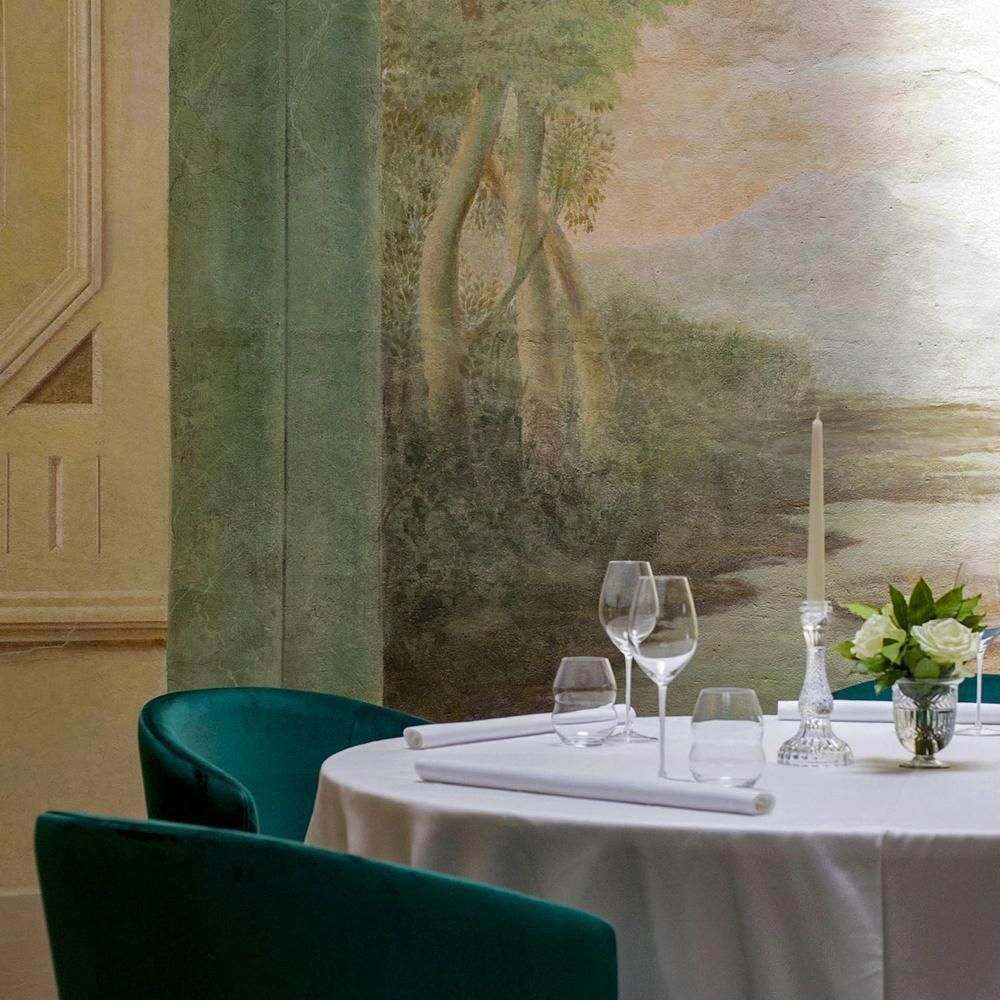
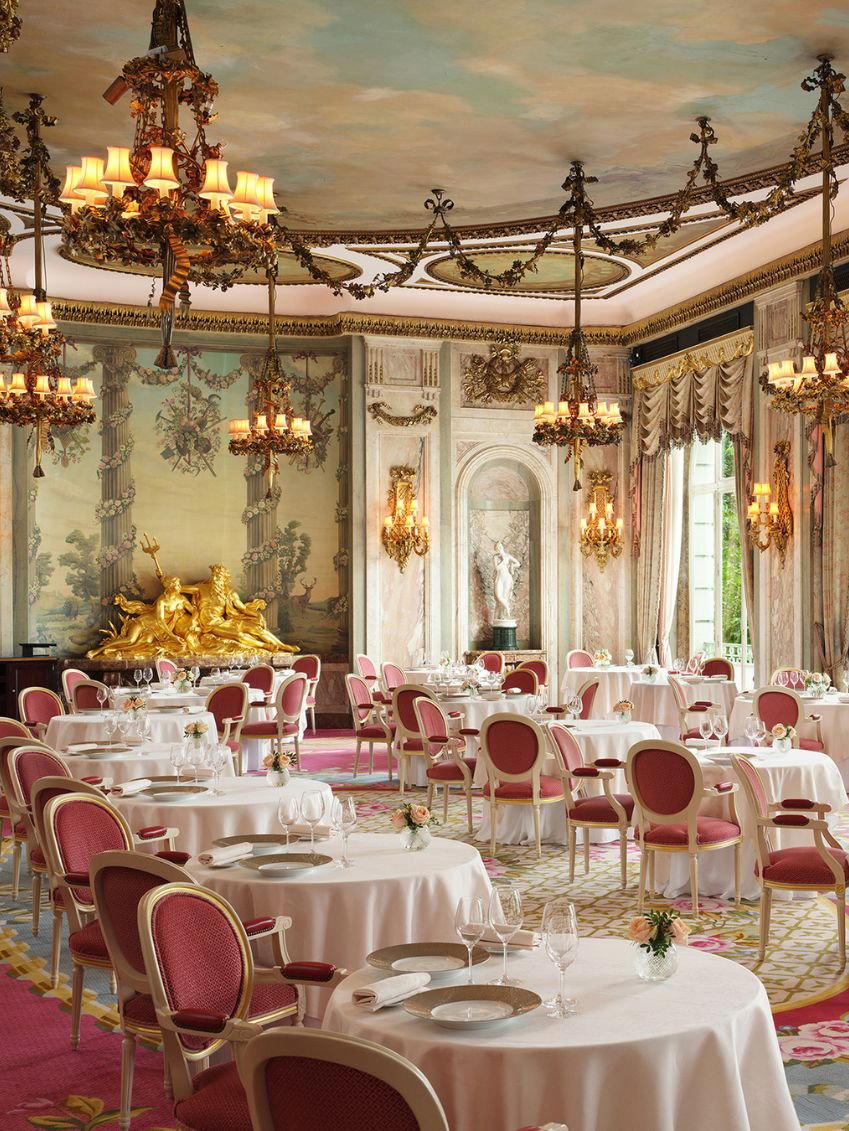
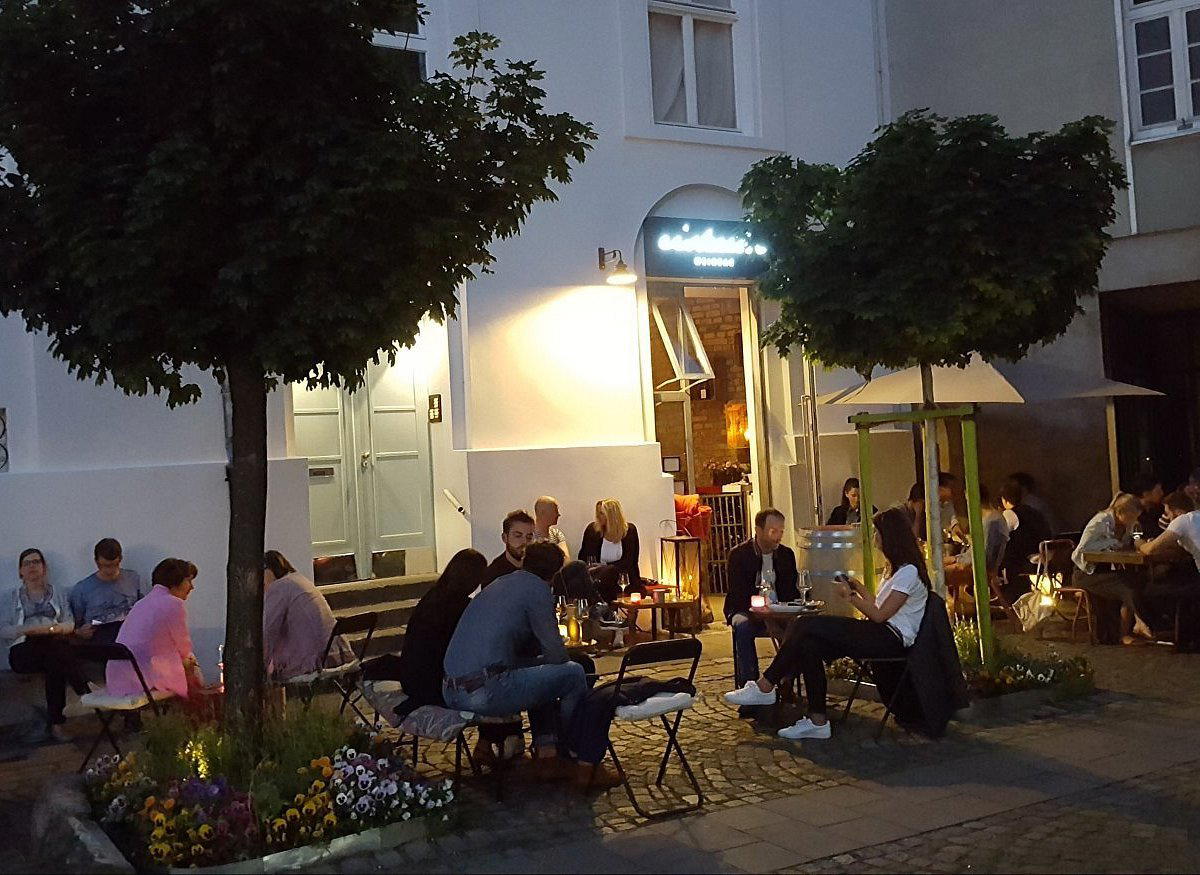
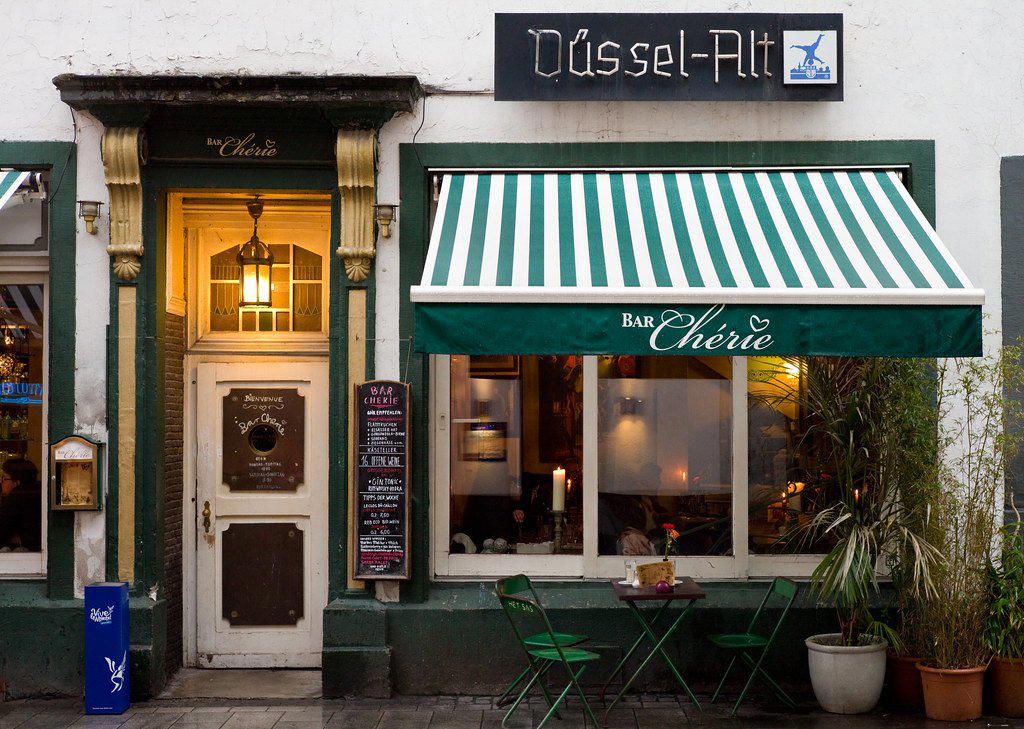
At a Glance
- Scenic
- Cozy
- Rustic
- Family
- Group Dining
- Celebration
- Casual Hangout
- Terrace
- Historic Building
- Open Kitchen
- Beer Program
- Local Sourcing
- Waterfront
- Garden
Current opening hours
- Monday
- Closed
- Tuesday
- Closed
- Wednesday
- 12–10 PM
- Thursday
- 12–10 PM
- Friday
- 12–10 PM
- Saturday
- 10 AM–10 PM
- Sunday
- 10 AM–10 PM
Hours can change for holidays and private events. Last verified .
Warm and inviting with natural surroundings, cozy indoor areas featuring fireplaces, and a picturesque outdoor setting enhanced by the forest and creek.