Lindenallee
Lindenallee pairs Modern German cooking with a leisurely, conversational dinner format, backed by an extensive wine list and local sourcing.
Pearl is the En Primeur Club membership app — saves, bookings, and concierge access live there. Same editors, same standards.
- Address
- Lindenallee 2, 61350 Bad Homburg vor der Höhe, Germany
- Phone
- +4961728506601
- Website
- restaurant-lindenallee.de
- Directions
- Get directions
 Saves & bookings on Pearl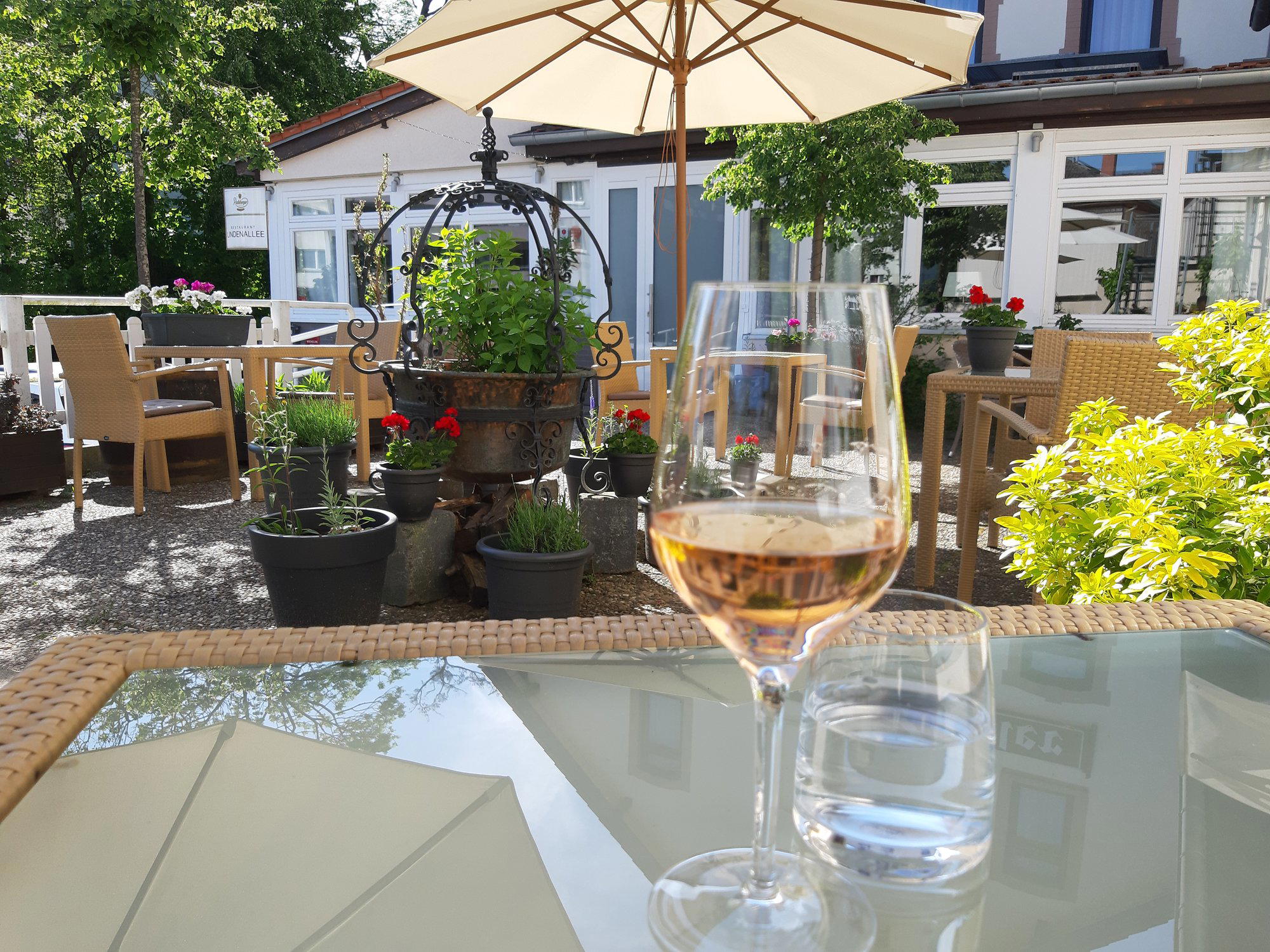
Dornholzhausen and the Quiet Ambition of the Taunus Fringe
The villages that ring Bad Homburg vor der Höhe do not announce themselves. Dornholzhausen is one of them: a settlement absorbed into the administrative fabric of Bad Homburg, close enough to Frankfurt's commuter pull to feel prosperous, far enough from the city's restaurant noise to operate on different terms. Lindenallee sits on the street that shares its name, at number 2, in a neighbourhood where linden trees have historically lined the approaches to civic and residential buildings. That physical address tells you something useful before you have eaten a single course: this is a restaurant in Bad Homburg vor der Höhe.
The broader Taunus region, which stretches north and west of Frankfurt into forested hills and spa towns, has long supported a dining culture shaped by proximity to affluent suburban clientele rather than by tourist pressure. That demographic tends to reward consistency and sourcing rigour over spectacle, which is why the better addresses in this corridor often prioritise ingredient provenance in ways that city-centre restaurants, managing higher covers and faster table turns, find harder to sustain.
Where Ingredient Sourcing Defines the Register
German fine dining has, over the past decade, developed a more confident relationship with regional produce. The country's leading tables, from Aqua in Wolfsburg to Schwarzwaldstube in Baiersbronn and Waldhotel Sonnora in Dreis, have each built their identities partly around what the surrounding geography makes available and what classical training allows chefs to do with it. The Hessian countryside around Bad Homburg is not a celebrated agricultural zone in the way that, say, the Mosel Valley defines sourcing for restaurants like Schanz in Piesport, but the region's market gardening tradition and proximity to Rheingau producers give kitchens here access to credible local supply chains.
For venues in this part of Germany, the sourcing question is not simply about provenance as a marketing point. It is about what the season dictates. The Taunus has distinct seasonal rhythm: white asparagus in late spring, game through autumn and into early winter, freshwater fish from nearby rivers. A kitchen operating at serious level in Dornholzhausen is working with those rhythms whether it makes them explicit on the menu or not. The region's diners, many of them eating out regularly in a concentrated area, notice when a restaurant is tracking the season and when it is not.
Situating Lindenallee in the Regional Dining Structure
The restaurant addresses in the Frankfurt-Rhein-Main region occupy a wide range of registers, from neighbourhood bistros to the occasional destination table. Lindenallee's address in Dornholzhausen places it in a sub-region where the dining audience skews local and repeat rather than destination-driven. That is a different kind of pressure than the one faced by a restaurant in Frankfurt's Sachsenhausen or the Westend, where competitive density is higher and the table needs to perform for visitors as much as regulars.
Germany's decorated restaurant circuit provides useful calibration. Operations like Vendôme in Bergisch Gladbach and CODA Dessert Dining in Berlin represent what commitment to a singular format looks like at the highest tier. Further afield, Victor's Fine Dining by Christian Bau in Perl and Restaurant Haerlin in Hamburg each demonstrate how sustained precision over years builds the kind of reputation that draws guests past the obvious options. Lindenallee belongs to a different stratum: a restaurant whose primary relationship is with its immediate community and catchment rather than with a national or international restaurant conversation.
That is not a diminishment. Some of Germany's most technically accomplished kitchens operate below the noise level of award circuits. ES:SENZ in Grassau, AUGUST in Augsburg, and AURA by Alexander Herrmann and Tobias Bätz in Wirsberg each built followings in locations that required guests to make a deliberate journey. The same geography-as-filter logic applies to Dornholzhausen: arriving here means choosing to arrive here.
The Atmosphere That Address Implies
A restaurant named for and located on a linden-tree-lined avenue in a Taunus village carries certain environmental expectations. These streets tend toward quiet: residential, low-traffic, with a character shaped more by the rhythm of the surrounding town than by any hospitality cluster. The setting argues for a dining register that matches its surroundings, which in this context suggests considered pacing, an interior that does not need to compete with street-level theatre, and service calibrated to a guest who has already decided the evening matters before walking through the door.
Compared to the urban fine dining formats that have emerged in German cities, where venues like JAN in Munich or ATAMA by Martin Stopp in Sankt Ingbert operate inside a city's competitive density, a Dornholzhausen address implies a quieter transaction. The room does not need to prove itself to passersby. The guest has already crossed a threshold of intention simply by making the trip.
For context outside Germany: the pattern of choosing a rural or semi-rural setting as a way of filtering the audience and lowering ambient noise is not distinctive to the Taunus. Restaurants like Le Bernardin in New York City or Atomix in New York City achieve a similar effect through format and price point inside a dense city; European village restaurants achieve it through geography. The mechanism differs but the logic is the same: reduce casual footfall, concentrate the audience, and let the kitchen operate with fewer distractions.
Planning a Visit
Lindenallee is located at Lindenallee 2, 61350 Bad Homburg vor der Höhe, within the Dornholzhausen district. Bad Homburg is accessible by S-Bahn from Frankfurt central station on the S5 line, with the journey running approximately 25 minutes to Bad Homburg station. From there, Dornholzhausen is a short taxi or rideshare transfer. Given the residential setting, arriving by car is practical, and the surrounding streets are not the kind of high-density zone where parking becomes a significant variable. Lindenallee is open Tuesday through Saturday from 6 to 10 PM and closed Monday and Sunday.
In Context: Similar Options
Comparable venues nearby, for context on price, style, and recognition.
| Venue | Cuisine | Price | Notes |
|---|---|---|---|
| LindenalleeThis venue — the venue you are viewing | Modern German | $$$$ | Not listed |
| Stanley Diamond | Modern German Comfort Food | $$$ | Goethehaus |
| Gerbermühle | Modern German with International Influences | $$$ | Im Teller |
| Allgaiers Restaurant | French-inspired German | $$$ | Goethehaus |
| Burgrestaurant | Modern German Gourmet | $$$$ | Rheingau |
| Gasthaus Kollektur | Modern German with Seasonal Ingredients | $$$ | Zellertal |
Continue exploring
More in Dornholzhausen
Restaurants in Dornholzhausen
Browse all →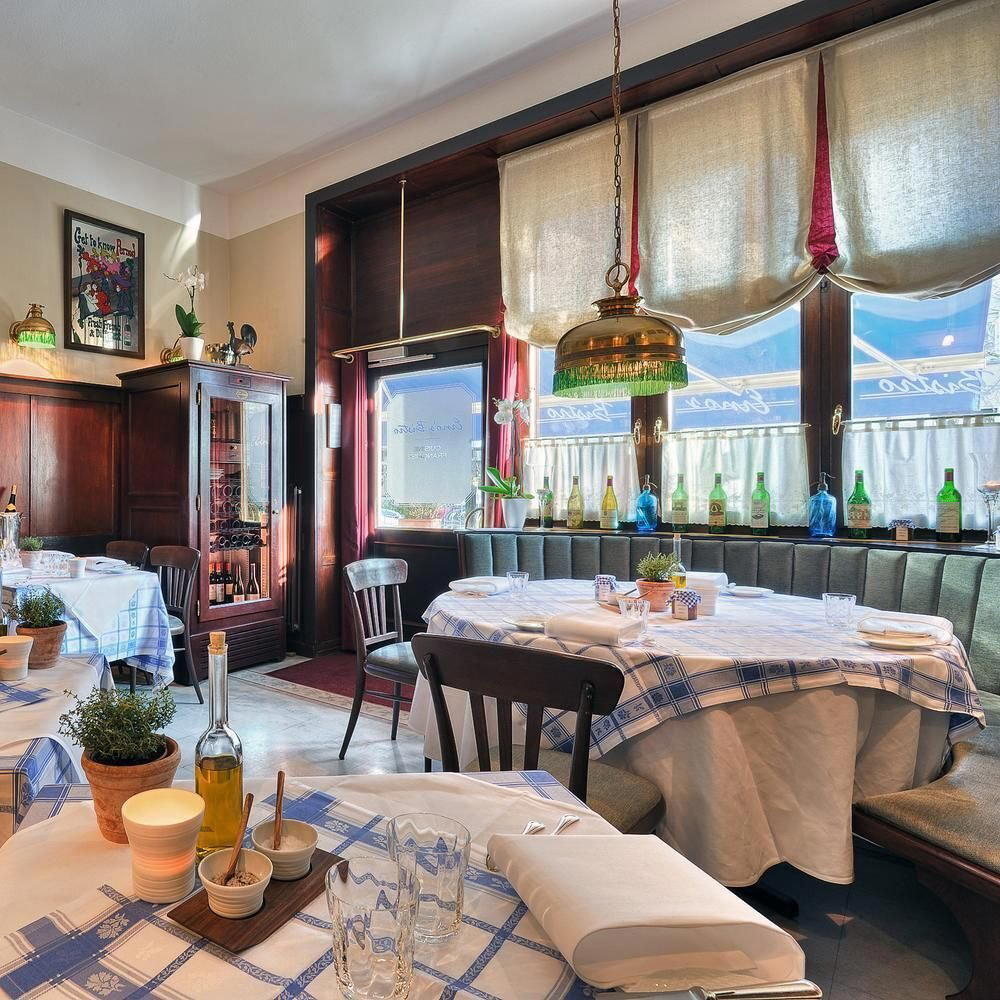
Bars in Dornholzhausen
Browse all →
Hotels in Dornholzhausen
Browse all →
At a Glance
- Elegant
- Modern
- Sophisticated
- Intimate
- Date Night
- Special Occasion
- Business Dinner
- Open Kitchen
- Standalone
- Extensive Wine List
- Local Sourcing
Current opening hours
- Monday
- Closed
- Tuesday
- 6–10 PM
- Wednesday
- 6–10 PM
- Thursday
- 6–10 PM
- Friday
- 6–10 PM
- Saturday
- 6–10 PM
- Sunday
- Closed
Hours can change for holidays and private events. Last verified .
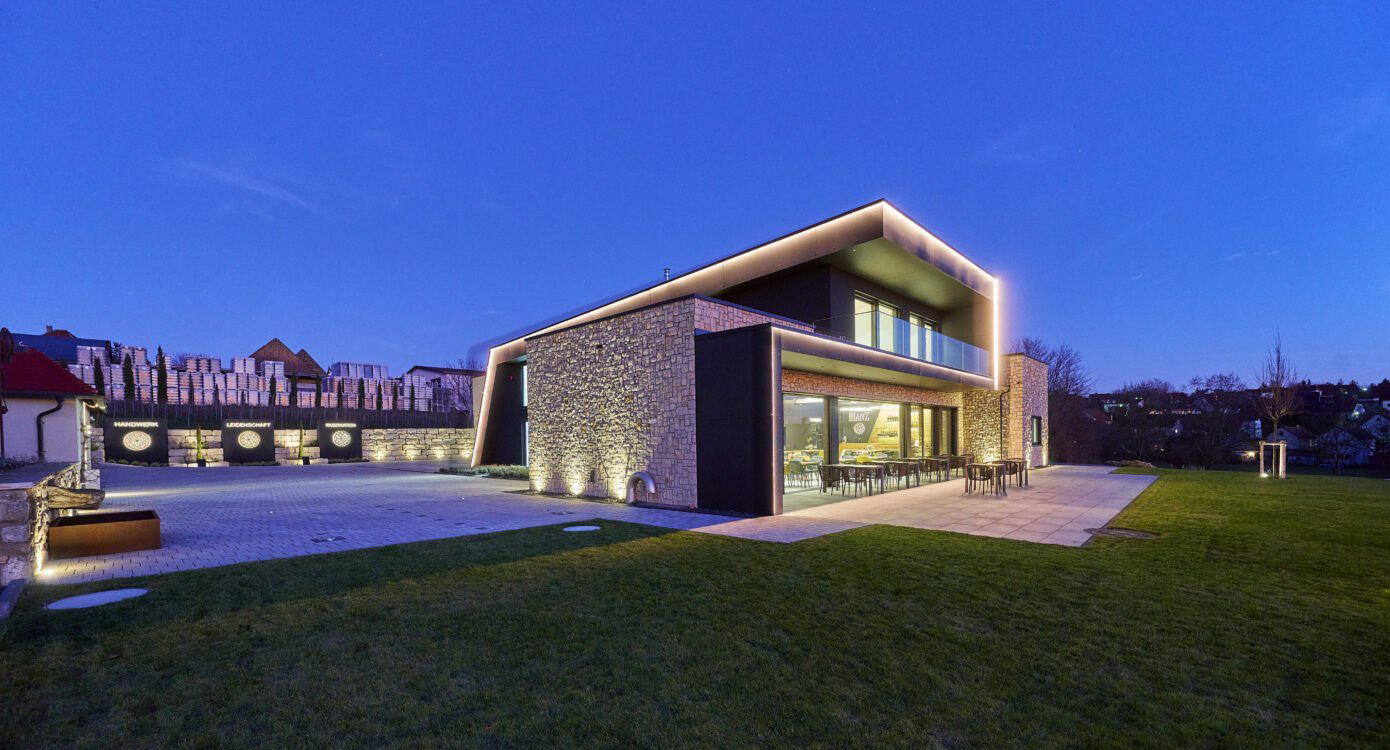
Understated exterior in the Dornholzhausen district, but refined and elegant interior with a focus on culinary craftsmanship and attention to detail.