Wein- und Tafelhaus

1 Michelin Star
Our verdict
A Michelin-starred farm-to-table restaurant on the Moselle promenade in Trittenheim, Wein- und Tafelhaus under chef Alexander Oos holds a one-star rating for both 2024 and 2025. The kitchen works within the produce-driven tradition of the Moselle Valley, and the setting positions it as the most formally recognised table in this small riverside wine village.

Pearl is the En Primeur Club membership app — saves, bookings, and concierge access live there. Same editors, same standards.
- Address
- Moselpromenade 4, 54349 Trittenheim, Germany
- Phone
- +4906507702803
- Website
- wein-tafelhaus.de
- Directions
- Get directions
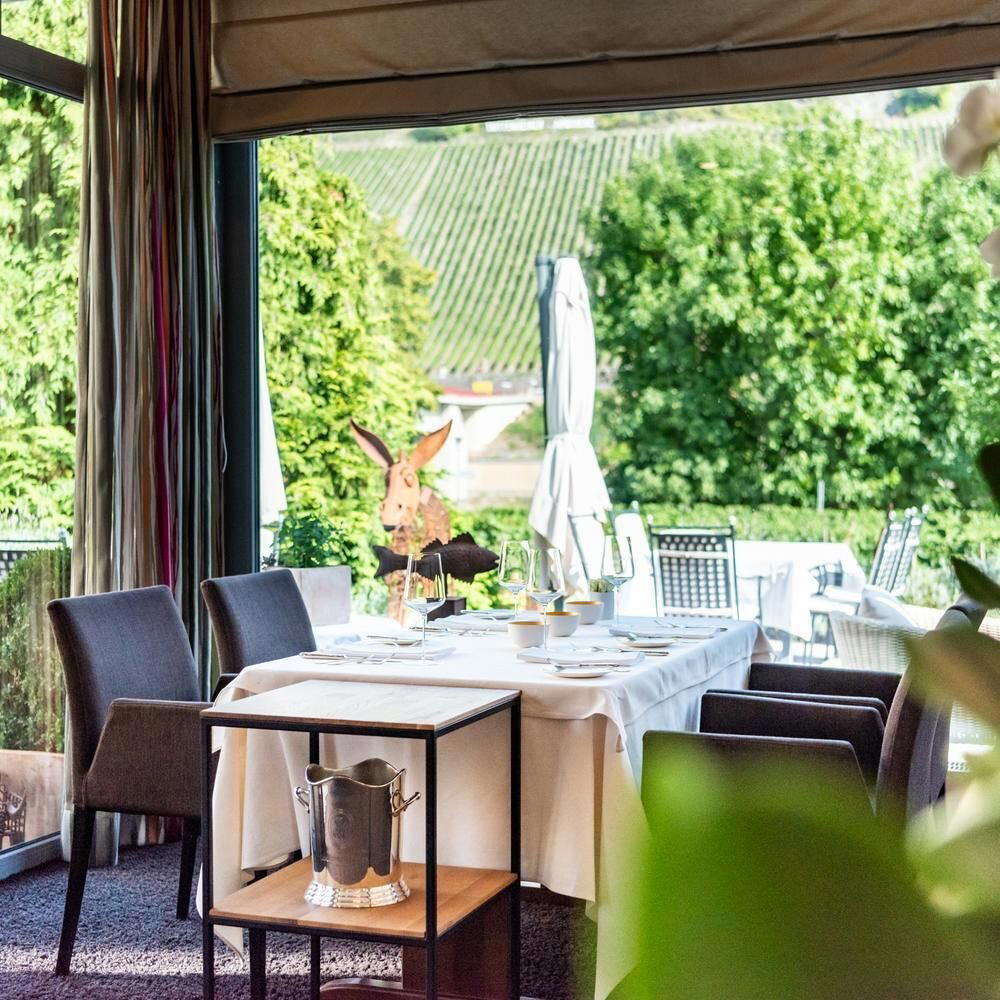
Where the Moselle Earns Its Stars
The Moselle Valley's fine-dining scene has long existed in the shadow of Germany's better-publicised restaurant corridors. The Ahr, the Palatinate, and the Black Forest pull more column inches, yet the stretch of river winding through Trittenheim, Piesport, and Ürzig quietly hosts some of the country's more considered kitchens. The valley's identity is built on Riesling, and the small villages that line its steep slate banks have historically been wine destinations first, food destinations second. What makes a restaurant break that hierarchy is usually a combination of a chef with a track record, a produce philosophy that connects to the terroir around it, and the Michelin inspector's willingness to travel. At Wein- und Tafelhaus, on the promenade at Moselpromenade 4, all three conditions appear to have aligned. The restaurant has held a Michelin star for at least two consecutive years, confirmed for both 2024 and 2025, which separates it from the broader category of competent regional cooking and places it in a specific competitive tier.
The Setting: River-Edge Dining in a Wine Village
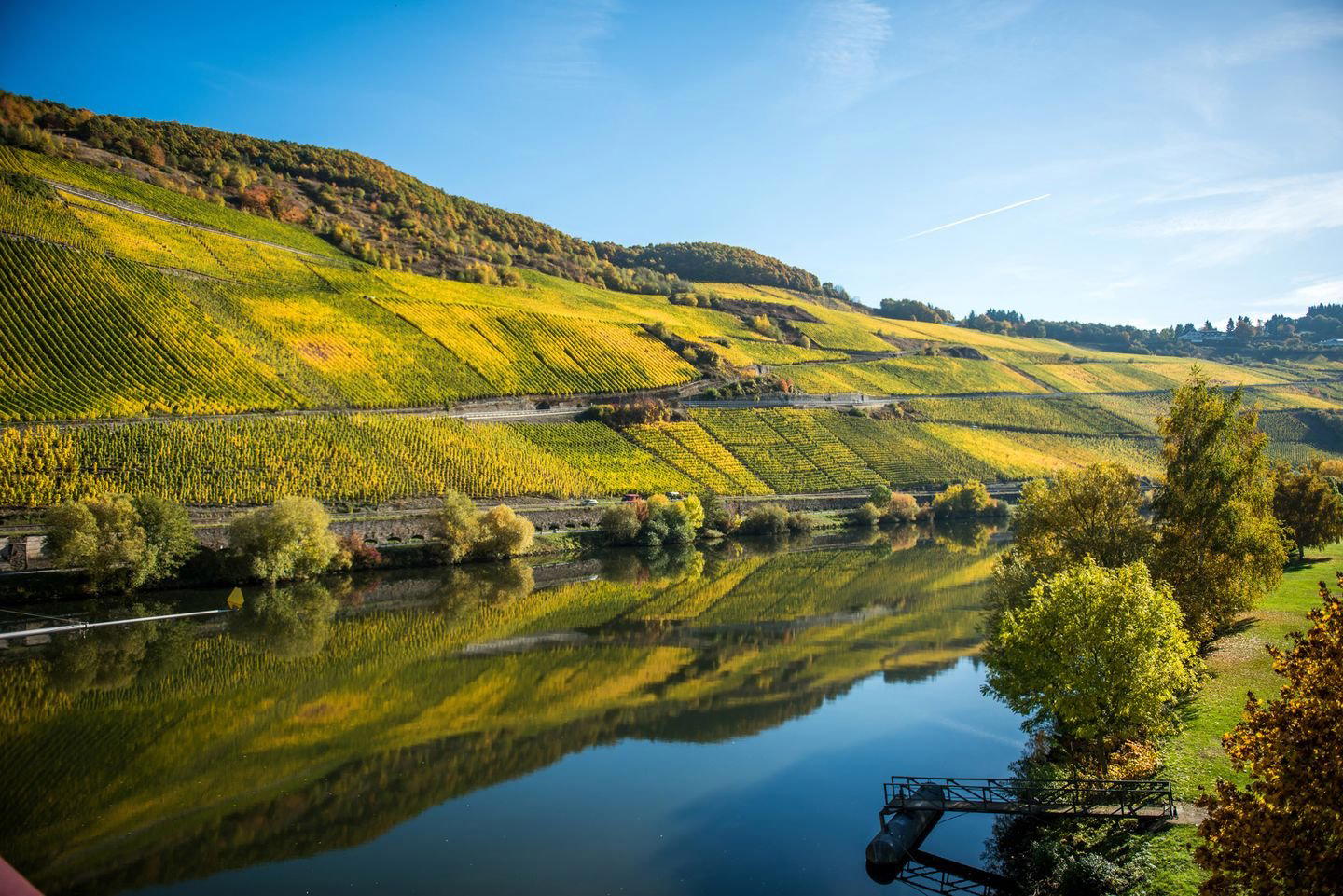
Trittenheim sits in one of the tightest bends of the Moselle, a loop of river so pronounced that the village is nearly surrounded by water. The promenade address means Wein- und Tafelhaus faces the river directly, which in this part of Germany translates to a particular kind of calm. The slate hills across the water rise sharply, their south-facing slopes planted with Riesling vines that have defined local land use for centuries. This is not urban fine dining with a nature-themed menu. The agricultural and viticultural context here is immediate and literal, and a farm-to-table kitchen in this location is drawing on one of Germany's most historically significant wine and produce regions rather than invoking a general philosophy. That distinction matters when assessing what the cuisine should deliver.
The price positioning, at €€€€, places Wein- und Tafelhaus at the same tier as kitchens with considerably larger urban footprints. For reference, that bracket covers restaurants such as Schanz in Piesport, a near neighbour on the Moselle, and Waldhotel Sonnora in Dreis, a long-established multi-starred address in the Eifel region to the north. Pricing at this level in a village with a year-round population in the hundreds signals that the kitchen is not primarily serving locals on weeknight occasions. It is positioning itself as a destination, drawing guests who have travelled specifically to eat here, often combining the visit with the wine tourism infrastructure the Moselle is known for.
Chef Alexander Oos and the Farm-to-Table Tradition on the Moselle
The farm-to-table classification, applied loosely across much of contemporary European dining, carries more specificity in a place like Trittenheim than it does in a city context. Urban farm-to-table restaurants depend on supply chains and sourcing narratives. Rural ones depend on geography. Chef Alexander Oos works in a region where proximity to primary producers, whether vine growers, market gardeners, or livestock farmers, is a structural feature of the location rather than a sourcing strategy imposed from outside. The Moselle Valley's agricultural microclimate, shaped by the river's thermal influence and the south-facing slate exposures, supports produce with characteristics linked directly to that geology. A kitchen that connects its menu to those inputs is doing something different from a city restaurant that sources from a farm two counties away and markets the relationship.
Michelin recognition over two consecutive years provides a verifiable signal about where Oos's cooking sits within Germany's fine-dining hierarchy. Single-star status in the 2025 Michelin Germany guide places Wein- und Tafelhaus in a cohort that includes a significant portion of the country's serious regional kitchens, restaurants that have demonstrated consistency and craft without necessarily making the jump into multi-star territory. That consistency signal, a star held across multiple years rather than won and then lost, is the more useful data point for a prospective guest planning a special visit. Within the specific sub-region of the Moselle and Eifel, the one-star level represents a well-populated competitive set that includes Bagatelle in Trier, the nearest city kitchen of note, as well as the broader regional cluster extending toward Victor's Fine Dining by Christian Bau in Perl on the Luxembourg border.
Editorial angle of chef formation matters here not as biography but as context. Germany's farm-to-table fine-dining kitchens at Michelin level tend to fall into two broad types: those with classical French training who import technique and apply it to regional produce, and those who developed within the German apprenticeship system before finding a produce-led focus. The distinction shapes how the kitchen approaches seasonality, how rigidly the menu shifts with growing cycles, and how openly the cooking acknowledges its French-influenced foundations. Wein- und Tafelhaus's confirmed farm-to-table classification and its sustained Michelin recognition suggest a kitchen that has built a coherent identity around local inputs rather than defaulting to a more generic contemporary European format. Whether that identity leans toward Germanic restraint or incorporates technique from elsewhere is a question the menu itself would answer, but the classification and the geography combine to suggest a kitchen with a specific, legible point of view. For a broader map of how farm-to-table fine dining operates across Germany, see also BOK Restaurant Brust oder Keule in Münster and Clostermanns Le Gourmet in Niederkassel, two kitchens working within the same produce-driven framework in different regional contexts.
Germany's Starred Regional Kitchens: Where the Moselle Fits
Germany's Michelin map is weighted toward certain corridors. Bavaria, Baden-Württemberg, and the Rhine-Main axis hold a disproportionate share of the country's multi-starred addresses. The Moselle and its surrounding area, by contrast, operates as a smaller cluster with a handful of serious single-star kitchens and a couple of outliers with higher recognition. Understanding where Wein- und Tafelhaus sits within that national picture requires acknowledging the gap between the Moselle's wine prestige and its dining prestige. In wine terms, a Grand Cru Riesling from Trittenheim's Apotheke vineyard trades at the same level as Germany's finest whites. In dining terms, the village does not yet generate the same gravitational pull as, say, Baiersbronn, home to Schwarzwaldstube, or Munich, where addresses like JAN operate within a denser ecosystem of critical attention.
That gap represents both a challenge and an argument in favour of the visit. A starred kitchen in a wine-tourism village faces a different audience than one embedded in a city restaurant scene with regular critic traffic and a local clientele of food-aware regulars. It has to work harder to maintain visibility and harder still to attract the kind of guest who will engage with the full scope of the menu. The sustained Michelin recognition across 2024 and 2025 suggests Oos and his team are meeting that challenge. For readers comparing options across Germany's wider starred landscape, the contrast with urban kitchens such as Aqua in Wolfsburg, Restaurant Haerlin in Hamburg, or Vendôme in Bergisch Gladbach is instructive. Those kitchens operate with a different support infrastructure. Wein- und Tafelhaus earns its recognition in relative isolation, which is a different kind of credential. For creative fine-dining reference points at the far end of the German spectrum, CODA Dessert Dining in Berlin and ES:SENZ in Grassau illustrate how differently kitchens at the same price tier can define their scope.
Planning a Visit to Trittenheim
Trittenheim is not a hub. It is a village on a river bend, and that defines the logistics of visiting. The nearest city with rail connections and a range of accommodation is Trier, roughly 30 kilometres southwest, which makes it a plausible base for a Moselle dining and wine trip that combines Wein- und Tafelhaus with the broader valley offer. The Moselle wine route itself runs close by, and the combination of a starred dinner with a day spent at the valley's better-known estates reflects how most serious visitors approach the region. Booking at the €€€€ level in a small village with high visitor demand in the summer and autumn wine season warrants advance planning. For a fuller picture of what the area offers across categories, see our full Trittenheim restaurants guide, our full Trittenheim hotels guide, our full Trittenheim wineries guide, our full Trittenheim bars guide, and our full Trittenheim experiences guide.
Frequently asked questions
Is Wein- und Tafelhaus more mid-range or high-end?
Pricing at Wein- und Tafelhaus is listed as €€€€.
Comparable Spots, Quickly
| Venue | Cuisine | Price | Awards |
|---|---|---|---|
| Wein- und TafelhausThis venue — the venue you are viewing | Modern French Fine Dining with Asian Influences | $150–200 | 1 Michelin Star |
| Schwarzwaldstube | French, Classic French | Not listed | Michelin 3 Star |
| Aqua | Contemporary German, Italian/Japanese, Creative | Not listed | Michelin 3 Star |
| CODA Dessert Dining | Creative | Not listed | Michelin 2 Star |
| Tantris | Modern French, French Contemporary | Not listed | Michelin 2 Star |
| Vendôme | Modern European, Creative | Not listed | Michelin 2 Star |
Recognition history
Dated appearances from independent guides and award organizations, with the underlying list record or original source where available.
Michelin 1 Star
Michelin
Full recognition history (3 entries)
Michelin 1 Star
Michelin
Michelin 1 Star
Michelin
Continue exploring
More in Trittenheim
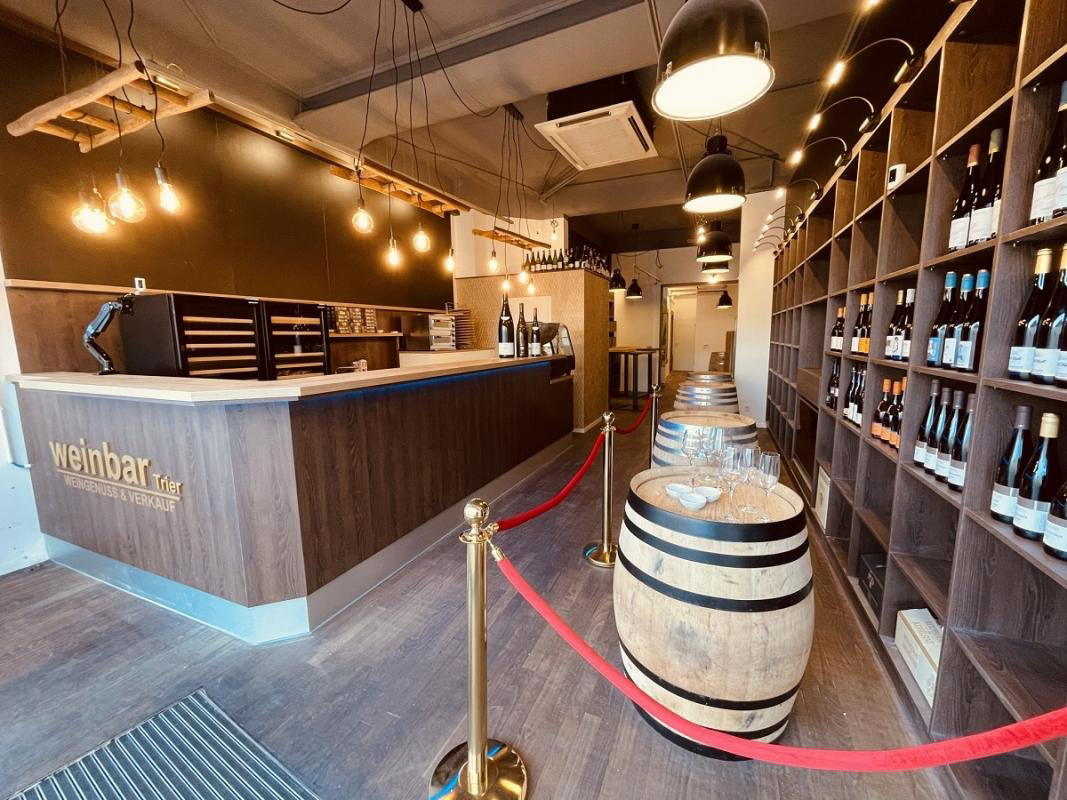
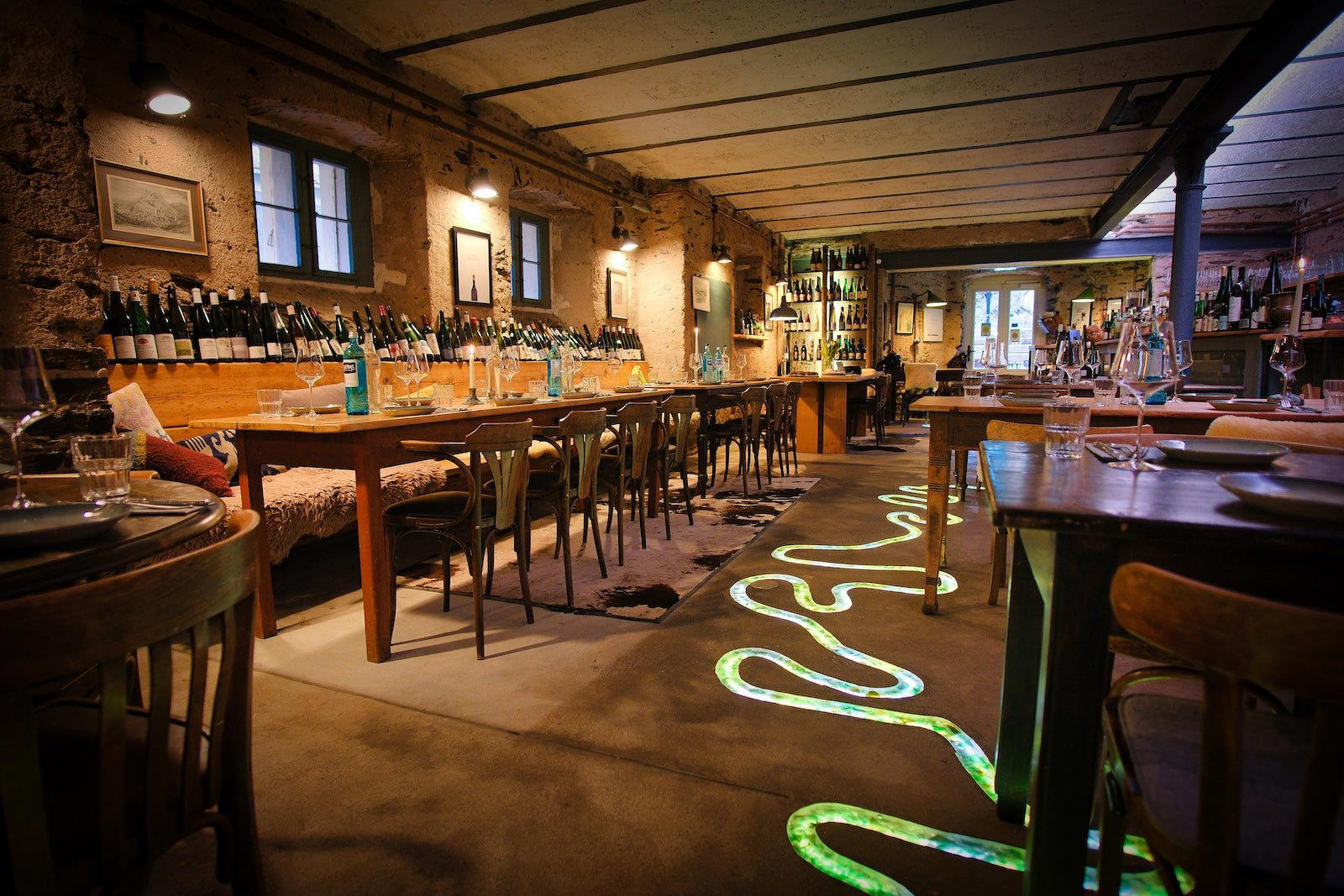
Restaurants in Trittenheim
Browse all →
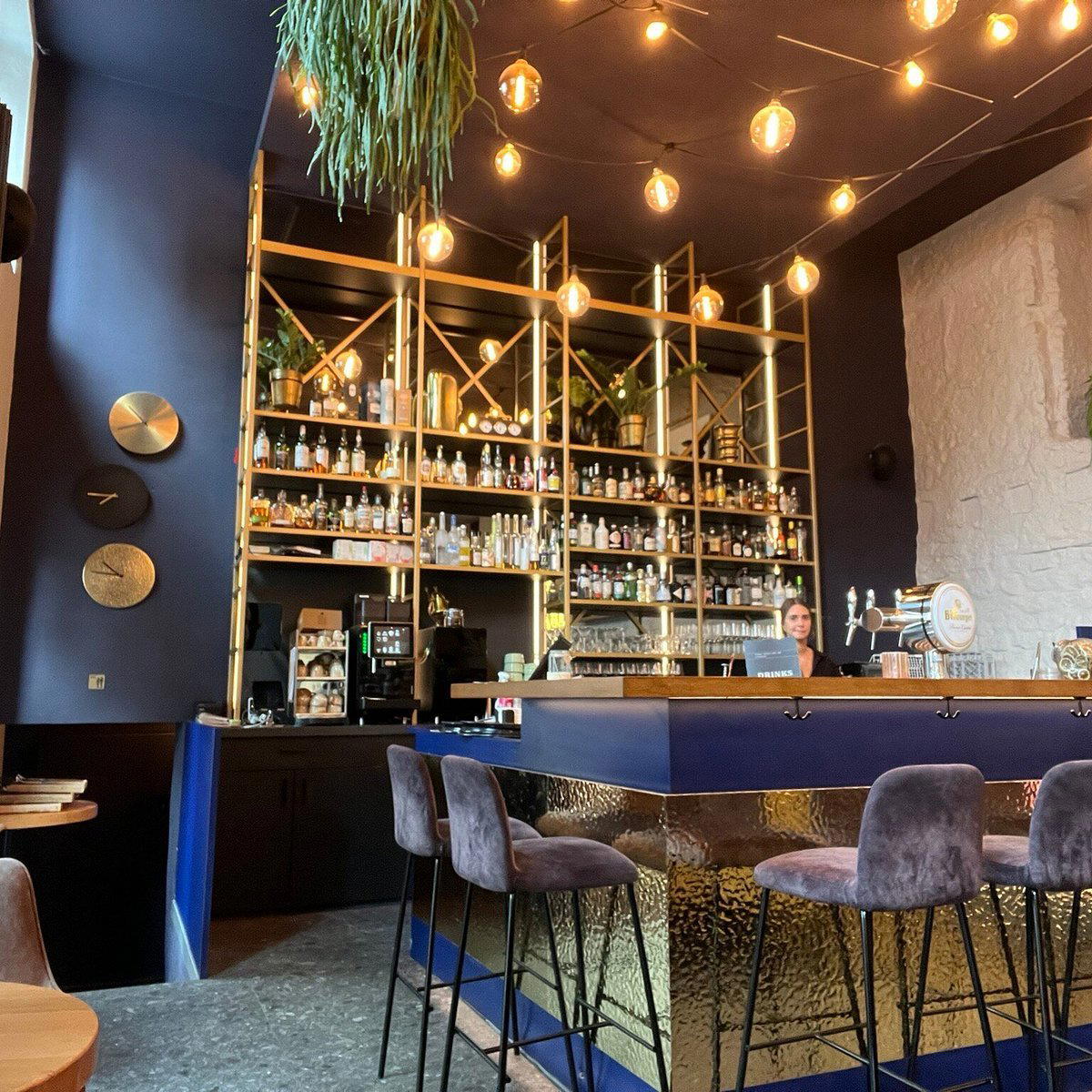
Bars in Trittenheim
Browse all →
Hotels in Trittenheim
Browse all →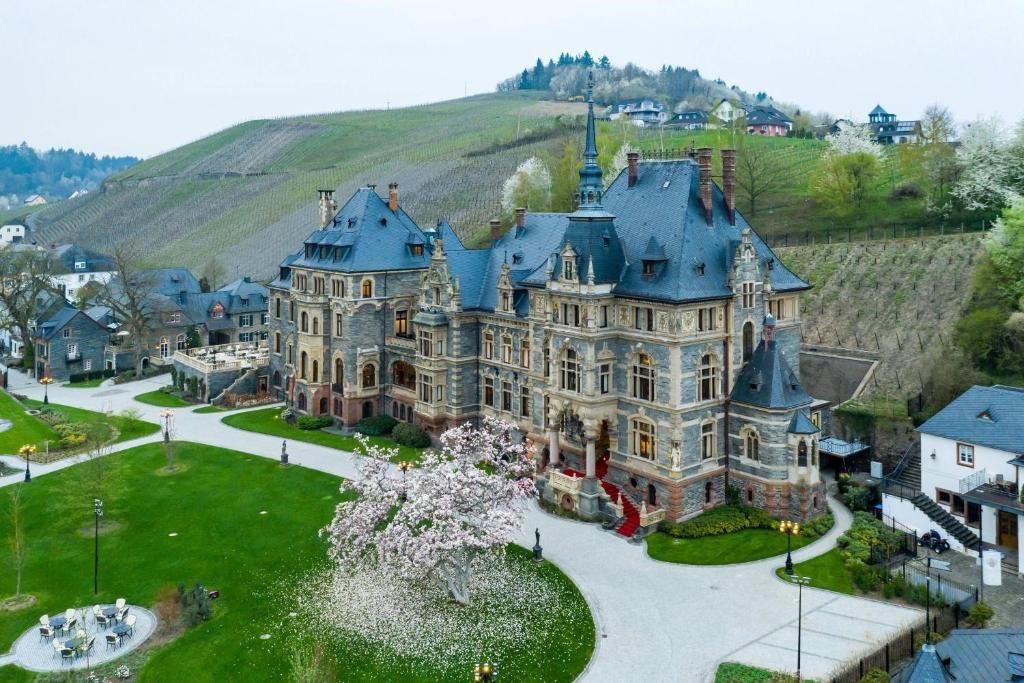
Details
- Romantic
- Cozy
- Elegant
- Intimate
- Scenic
- Date Night
- Special Occasion
- Business Dinner
- Terrace
- Historic Building
- Wine Cellar
- Extensive Wine List
- Sommelier Led
- Local Sourcing
- Vineyard
- Waterfront
- Tasting Menu
- Regional Wines
Cozy and elegant atmosphere in a historic winzerhaus with warm, welcoming service; terrace offers scenic Mosel and vineyard views.