Estate House Architecture and What It Signals
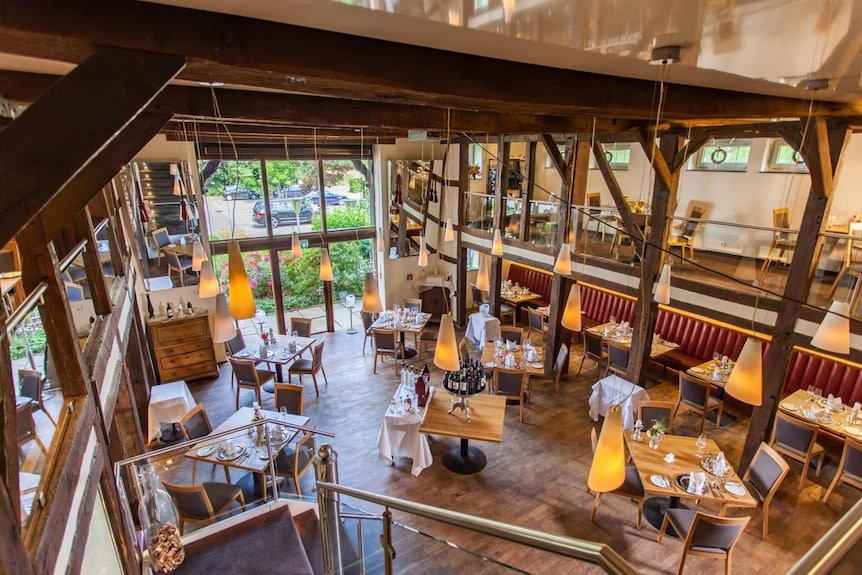
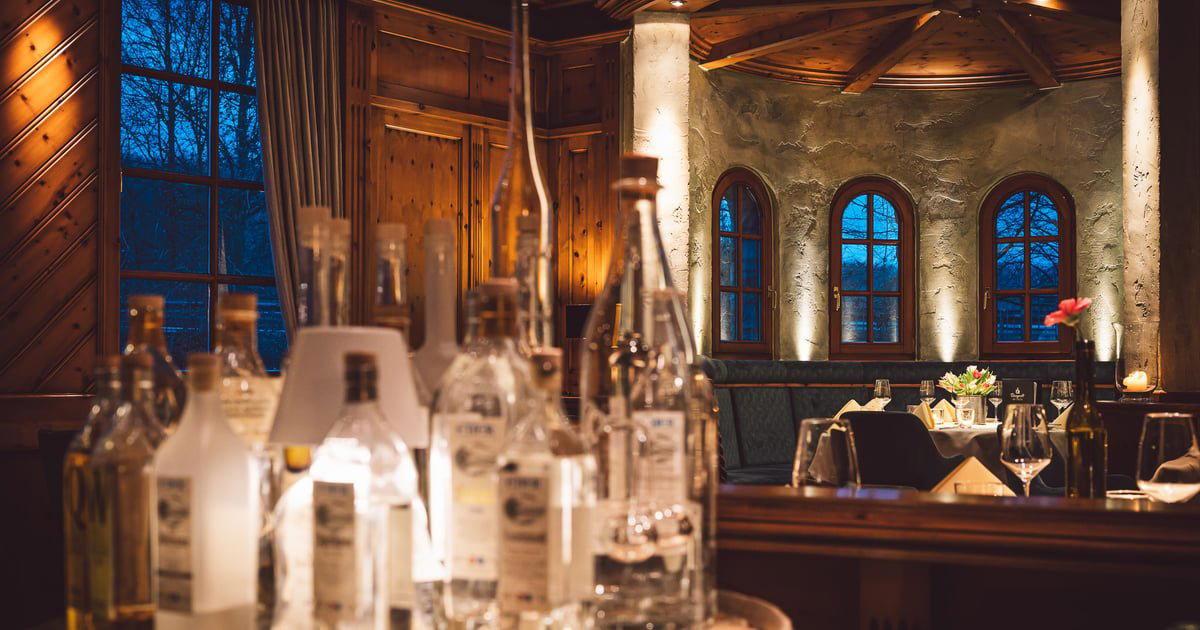
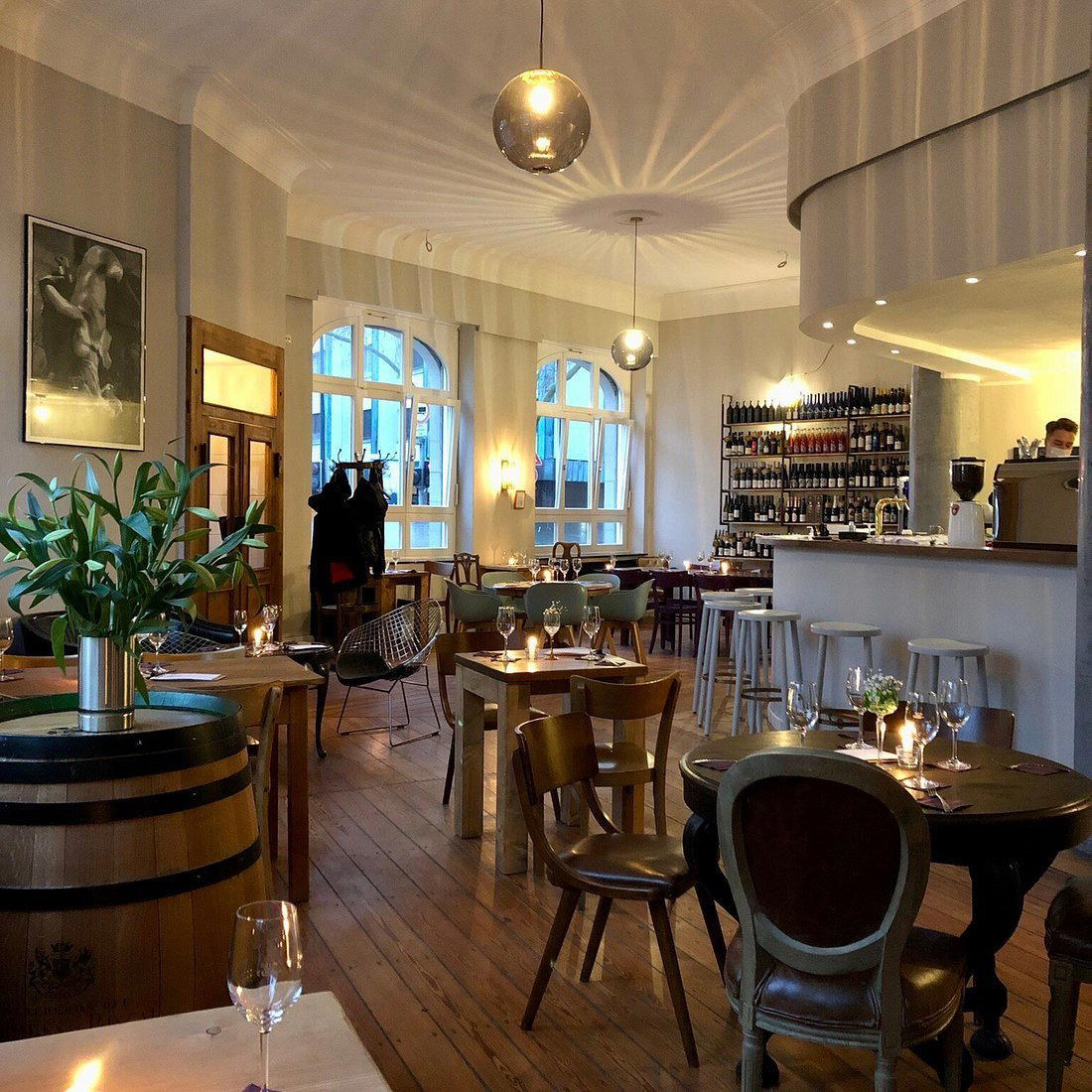
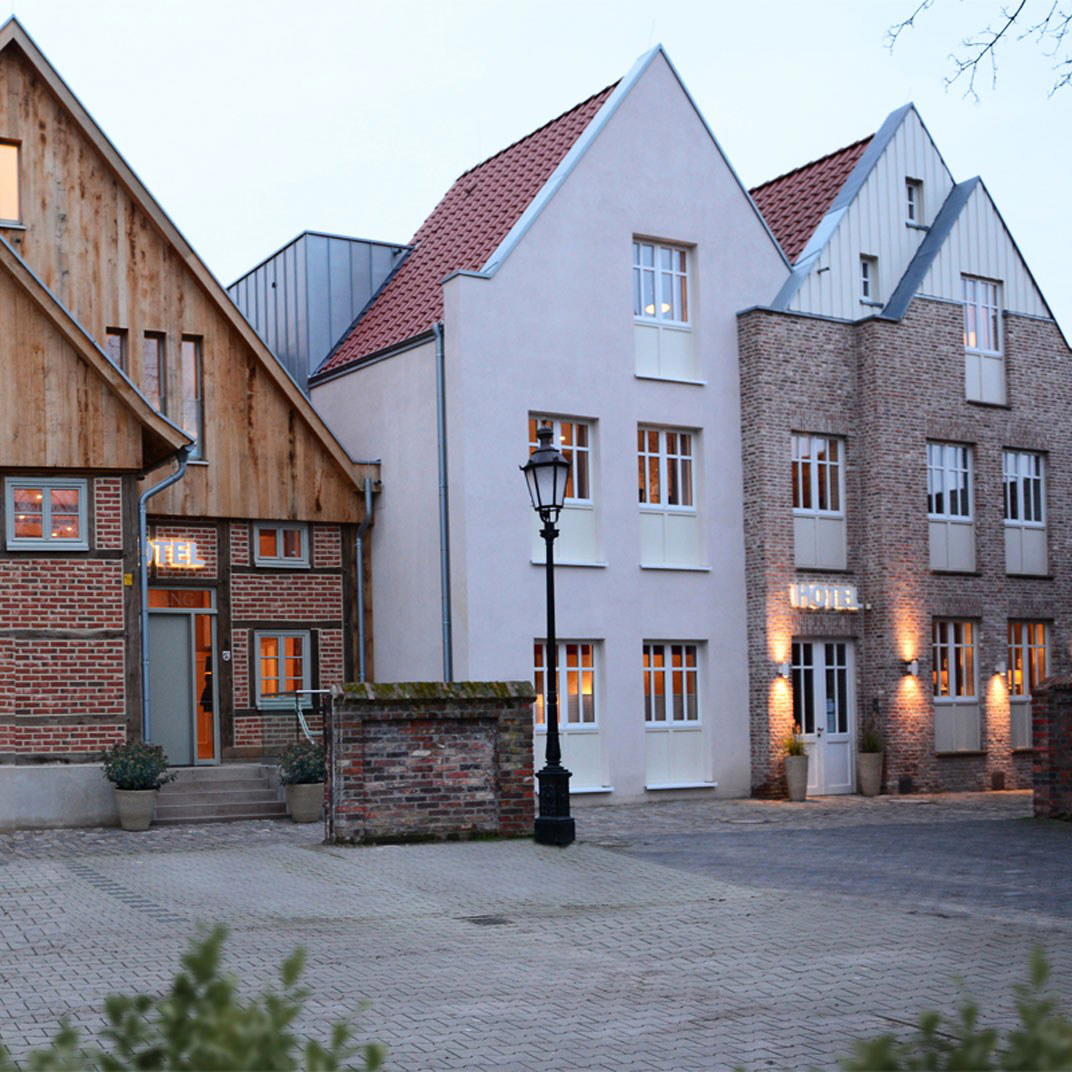
The category of German restaurant that occupies a historic manor house or estate property carries specific associations. Think of the logic behind addresses like Waldhotel Sonnora in Dreis or Schwarzwaldstube in Baiersbronn: the building does not merely provide shelter for the kitchen; it frames the proposition. When a restaurant chooses an estate setting outside a city core, it is making a claim about the kind of attention it expects from its guests. The drive, the arrival, the physical approach through a property with spatial generosity — these are all part of the experience architecture before anyone has looked at a menu.
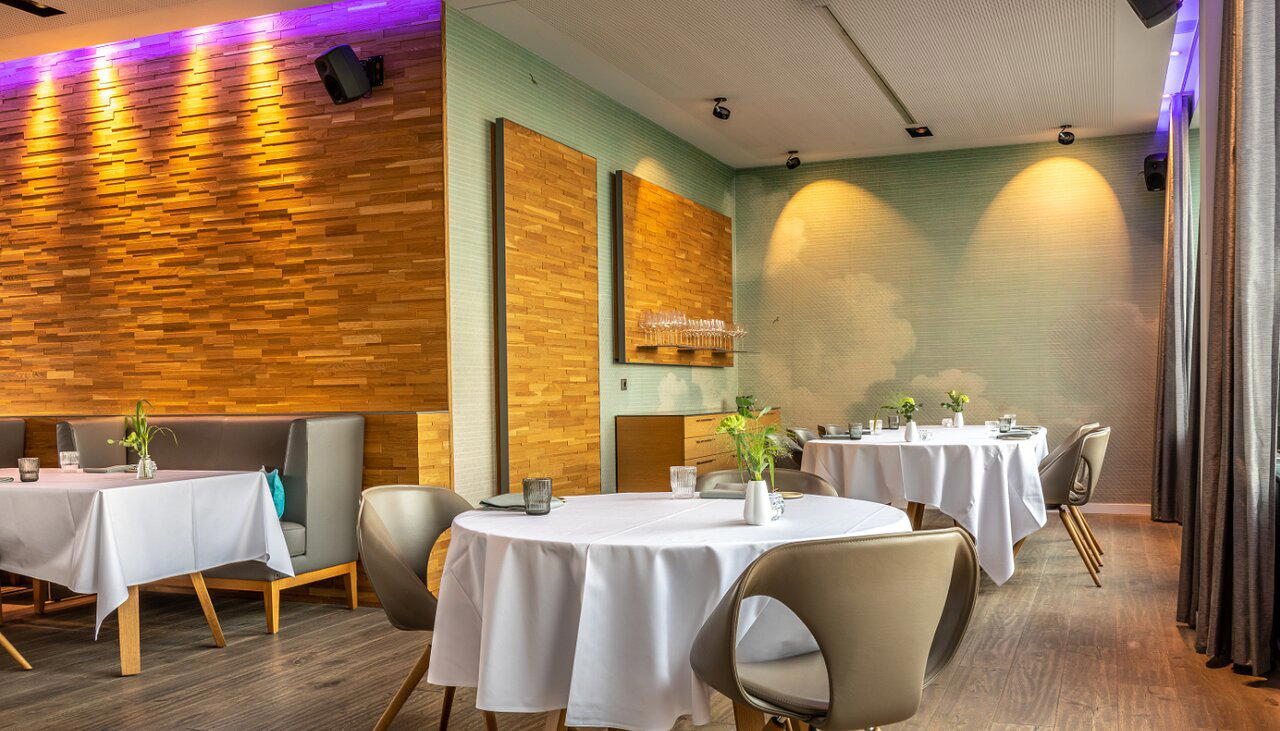
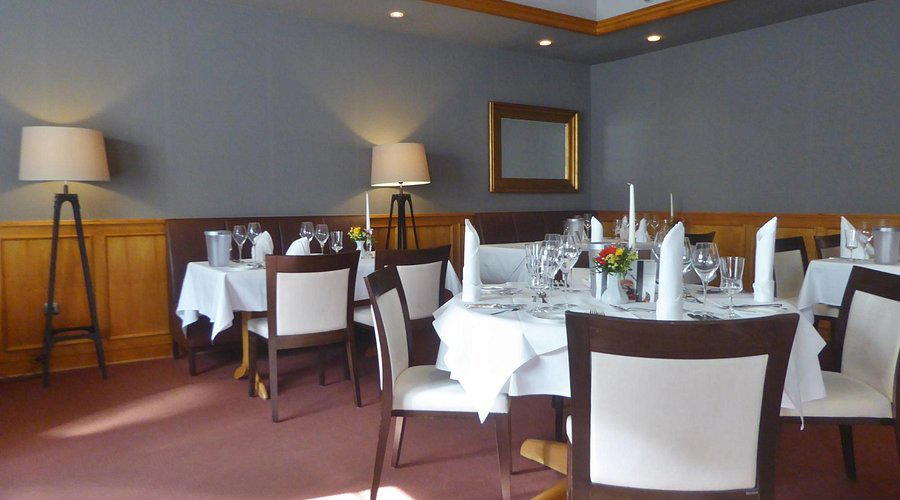
Lennhof operates inside that tradition. The Menglinghauser Strasse address places it in a residential, lower-density part of Dortmund where the building can be read on its own terms rather than competing visually with neighbouring commercial frontage. Whether arriving by car or taxi, the separation from the city's busier zones has a deliberate effect on pace and expectation.
Dortmund's Fine-Dining Tier: Where Lennhof Sits
To understand Lennhof's position, it helps to sketch Dortmund's fine-dining structure. The city's leading end is small by the standards of Frankfurt or Düsseldorf, but it is not absent. SchwarzGold and The Stage both operate at the €€€€ tier with regional and modern cuisine formats respectively. Lennhof occupies a comparable register in terms of seriousness of purpose, though its estate-house setting gives it a different character from either of those city-centre addresses.
The comparison set for a restaurant like Lennhof extends beyond Dortmund's limits. Across North Rhine-Westphalia and into Germany's broader fine-dining canon, estate and manor-house restaurants have been consistent performers in award assessments. Vendôme in Bergisch Gladbach remains one of the region's most decorated addresses; Victor's Fine Dining by Christian Bau in Perl demonstrates what a destination manor-format restaurant can sustain over years of serious operation. These addresses set the standard against which Ruhr-area fine dining is inevitably measured, even if Dortmund's restaurants rarely attract the same level of national attention.
German Fine Dining's Cultural Register
German haute cuisine occupies an interesting position in European food culture. It draws heavily on French classical technique while developing increasingly confident regional identities — a trajectory visible across the country from Aqua in Wolfsburg to JAN in Munich to ES:SENZ in Grassau. The Michelin presence in Germany is substantial: the country holds more Michelin stars than any nation except France, Japan, and Italy, with roughly 300 starred restaurants at last published count. That density means competition within peer tiers is genuine, and the gap between ambition and recognition at any individual address is often narrower than it would be in a less-saturated market.
The Ruhr region's cuisine has historically leaned on hearty, unpretentious traditions, reflecting the area's industrial working-class history. The emergence of destination-format fine dining in this context represents a cultural shift worth noting: it signals that the region's relationship with food is being renegotiated at the leading end, even as the broader civic identity remains rooted in different traditions. Restaurants like Lennhof participate in that negotiation by existing at all.
For international context, the gap between Germany's finest addresses and global reference points like Le Bernardin in New York City or Atomix in New York City has narrowed considerably over the past decade, as German chefs have brought greater technical range and regional confidence to their menus. That context matters when assessing any serious German restaurant: the standard being reached for is a high one.
The Dortmund Dining Scene Around It
Lennhof does not operate in isolation. Dortmund's dining scene has a spread that runs from neighbourhood casual to destination formal, and knowing what sits adjacent helps calibrate expectations. 60 Seconds To Napoli, Café Beezou, and Chuzo each occupy different registers within the city's broader offer. Lennhof's southside location and estate format keep it in a distinct category from those addresses, it is not competing for the same occasion or the same customer, which gives it a certain clarity of positioning. Our full Dortmund restaurants guide maps the wider scene for visitors planning time across multiple meals.
For those travelling specifically for serious dining, whether from within the Ruhr, from the Netherlands across the border, or as part of a Germany fine-dining itinerary, Lennhof represents one of the few Dortmund addresses where the format and setting justify making the city a deliberate stop rather than a transit point. That is a meaningful distinction in a region that has historically ceded its culinary prestige to neighbours in Düsseldorf and Cologne.
Planning a Visit
Menglinghauser Strasse 20 sits in Dortmund's southern residential belt, comfortably accessible by car and reachable from the city centre by taxi in under twenty minutes. Given the estate-house setting and the destination format, arriving by car is the practical choice for most visitors; public transport connections to this specific address are limited compared to city-centre alternatives. Booking in advance is the prudent approach for any serious Dortmund fine-dining address, weekend tables at the top tier of any German city's restaurant scene fill faster than the market's low profile might suggest. Contact details and current availability are best confirmed directly through the restaurant's own channels, as operational information for Lennhof is not independently verified in EP Club's current data. For the wider trip, the Dortmund dining scene rewards a multi-meal approach: pairing a Lennhof dinner with lunch at one of the city's more casual addresses gives a more complete read of where the local food culture actually sits. See also the EP Club coverage of Restaurant Haerlin in Hamburg, Schanz in Piesport, and CODA Dessert Dining in Berlin for context on what the broader German fine-dining tier is delivering at present.