Our verdict
Villa Hügel sits on Bernhardstraße in Trier's residential eastern quarter, a short distance from the Roman monuments that define the city's identity. Among Trier's fine-dining options, it occupies a position distinct from the Moselle-focused wine restaurants clustered closer to the river, drawing guests who seek a more removed, residential dining context within Germany's oldest city.

Pearl is the En Primeur Club membership app — saves, bookings, and concierge access live there. Same editors, same standards.
- Address
- Bernhardstraße 14, 54295 Trier, Germany
- Phone
- +4949651937100
- Website
- hotel-villa-huegel.de
- Directions
- Get directions
The menu
What to order
- Dessertvariation "Villa Hügel"
- Crème Brûlée
A Residential Address in Germany's Oldest City
Trier operates on a different scale to Germany's major dining cities. Where Hamburg, Munich, and Berlin sustain dense concentrations of Michelin-recognised tables, Trier's fine-dining circuit is compact, spread across a city whose primary identity is Roman rather than gastronomic. That context matters when reading Villa Hügel's address: Bernhardstraße 14 places it in the city's quieter eastern residential zone, away from the tourist density around the Porta Nigra and the Hauptmarkt, and at a remove from the Moselle-adjacent wine restaurants that anchor much of the city's established dining reputation. For venues in this part of Trier, location functions as a quiet signal — guests arrive with intent rather than impulse.
That residential positioning is worth understanding against the broader map of where Trier's better-regarded tables sit. BECKER'S Weinhaus anchors the classic-cuisine tier with a long-standing wine focus; Bagatelle represents the French Contemporary strand at the higher price point; Gastraum covers modern cuisine at a mid-range bracket. Villa Hügel on Bernhardstraße occupies its own geographic and experiential niche within this small field, with a street address that suggests a converted residential property rather than a purpose-built restaurant space — a format that appears across Germany's regional fine-dining circuit, from the Rhineland-Palatinate through to Baden-Württemberg.
The Regional Fine-Dining Format
Germany's regional fine-dining scene has long supported a particular property type: the converted villa or manor house, typically run with fewer covers than urban competitors, and positioned against wine-country dining rather than city-centre competition. The Rhineland-Palatinate concentrates several of these. Waldhotel Sonnora in Dreis is perhaps the most cited regional example in the wider area, holding three Michelin stars and operating from a hotel in the Eifel countryside. Victor's Fine Dining by Christian Bau in Perl, just across the border in Saarland, represents the same logic applied to a luxury hotel context. Schanz in Piesport brings that format directly to the Moselle Valley, working within walking distance of the vineyards.
What connects these venues is the expectation that guests will travel deliberately, that the setting carries part of the experience, and that wine, specifically regional wine, will be integral rather than incidental to the meal. Trier's position at the northern end of the Moselle wine region makes it a logical hub for this kind of dining, with Riesling from the steep-slated Mosel vineyards available in a way that few other German cities can match from local producers. A venue at this address, in this city, sits within that broader tradition whether or not it explicitly markets itself against it.
Trier's Dining Context and Where Villa Hügel Sits
Trier is a city of roughly 115,000 people and holds UNESCO World Heritage status for its Roman monuments, a fact that shapes its visitor profile considerably. The majority of tourists are day-trippers or short-stay visitors drawn by the Porta Nigra, the Imperial Baths, and the Roman Bridge, a profile that does not typically generate the sustained fine-dining demand found in Germany's larger cities. The restaurants that have built durable reputations here tend to serve a combination of local regulars, regional visitors from Luxembourg (the border sits less than 20 kilometres west), and wine-focused travellers moving along the Moselle route.
That cross-border dynamic is not trivial. Luxembourg City's dining scene, bolstered by European institution money, creates a regional cluster of guests accustomed to formal dining at European prices, a peer group that extends naturally into the Trier circuit. Eurener Hof and Marcels both draw from this catchment. Villa Hügel, with its residential street address and implied intimacy of format, fits the profile of a venue that works on local reputation and word-of-mouth rather than tourist footfall.
For comparison on how Germany's most recognised fine-dining tables operate within similar residential or removed formats, it's instructive to look at what Restaurant Haerlin in Hamburg achieves within a grand hotel context, or how JAN in Munich sustains a specific culinary identity away from the city's main restaurant clusters. The format of deliberate destination dining is well-established across Germany's regional circuit, and it is the context within which a Bernhardstraße address in Trier reads most naturally.
Planning a Visit
Getting to Trier from major German cities means working with the rail network rather than direct high-speed connections. From Frankfurt, journey times run to approximately two hours via Koblenz; from Cologne, the route through Koblenz or Saarbrücken adds similar time. Luxembourg City is the closest major hub with international flight access, roughly 50 kilometres west by road. For visitors combining Trier with broader Moselle wine travel, stops at Schanz in Piesport sit logically on that route, the city makes a practical base rather than a detour. The wider German fine-dining circuit covered by EP Club, from Aqua in Wolfsburg to ES:SENZ in Grassau and Schwarzwaldstube in Baiersbronn, provides context for how Villa Hügel's positioning reads against national peers. Direct booking details for Villa Hügel are not currently listed; prospective guests should approach directly at the Bernhardstraße 14 address or verify current contact information independently.
For those building a Trier dining itinerary across multiple meals, our full Trier restaurants guide maps the city's options across price tiers and cuisine styles. Internationally, the format of intimate, address-led destination dining that Villa Hügel appears to represent has parallels in venues like Le Bernardin in New York City and Atomix in New York City, where the physical setting and deliberate booking process are themselves part of the proposition. Vendôme in Bergisch Gladbach and CODA Dessert Dining in Berlin further illustrate how German fine dining continues to develop distinct formats across the country's regions and cities.
Frequently asked questions
Where exactly is Villa Hügel?
Villa Hügel is located at Bernhardstraße 14, 54295 Trier, Germany, Trier.
Is Villa Hügel a good choice for dining in Trier's UNESCO heritage district?
Villa Hügel sits at Bernhardstraße 14 in Trier, a city recognised by UNESCO for its Roman monuments — a designation that draws a culturally motivated visitor base looking for dining that matches the setting's register. The converted villa format aligns with that profile more closely than a casual city-centre option would. For travellers spending time with Trier's Roman sites, it represents one of the more considered dining choices the city offers.
What's the must-try dish at Villa Hügel?
Your best approach is to contact Villa Hügel directly via Bernhardstraße 14 or check their current seasonal offering before visiting, as properties of this format typically rotate their menus around regional produce.
Do they take walk-ins at Villa Hügel?
Converted villa properties in Germany's regional fine-dining format generally operate with limited covers, which makes advance reservations the practical standard. Reaching out ahead of your visit to Trier is advisable.
What has Villa Hügel built its reputation on?
Villa Hügel operates within a well-established German tradition of residential-address dining, where converted manor houses or villas serve as the setting for regional fine dining rather than city-centre restaurant strips. In Trier, a UNESCO World Heritage city of around 115,000 people, that format carries particular weight given the city's historically shaped visitor profile and its distance from Germany's larger dining hubs.
A Lean Comparison
| Venue | Cuisine | Price | Awards | Notes |
|---|---|---|---|---|
| Villa HügelThis venue — the venue you are viewing | Contemporary Central European | Not listed | Not listed | Not listed |
| Bagatelle | Modern French Fine Dining with Japanese Accents | Not listed | 1 Michelin Star · World's 50 Best #36 | French Contemporary |
| BECKER'S Weinhaus | Modern creative fine dining with classic influences | $150–200 | Michelin Plate | Classic Cuisine |
| Gastraum | Modern Regional German | $50–100 | Michelin Plate | Modern Cuisine |
| Schloss Monaise | Modern German Fine Dining | Not listed | Michelin Plate | Classic French |
| Eurener Hof | German and European | $20–30 | Not listed | Not listed |
Continue exploring
More in Trier
Restaurants in Trier
Browse all →
Bars in Trier
Browse all →
Hotels in Trier
Browse all →
Details
- Elegant
- Classic
- Sophisticated
- Date Night
- Special Occasion
- Historic Building
- Hotel Restaurant
- Local Sourcing
- A La Carte
- Vegetarian Friendly
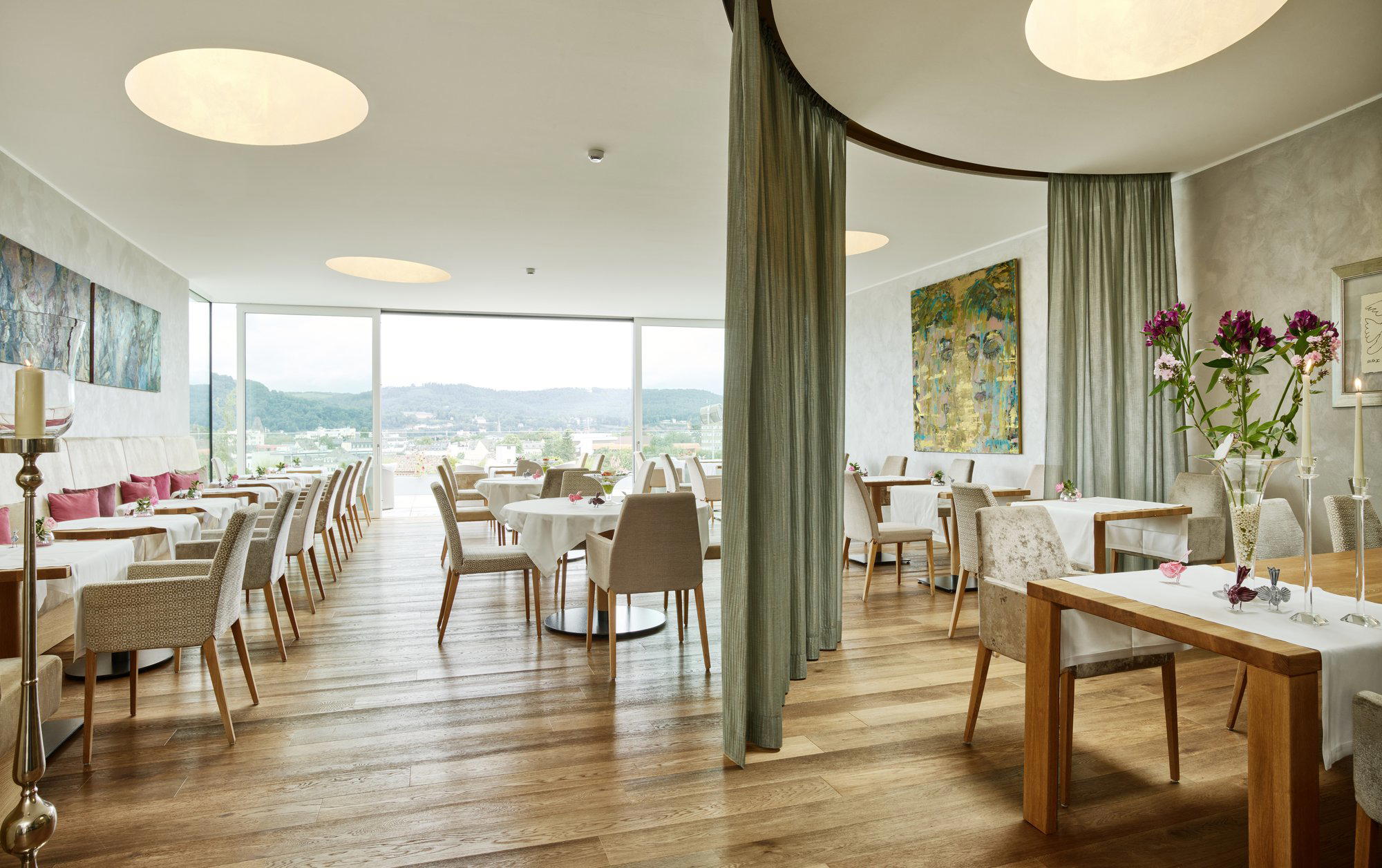
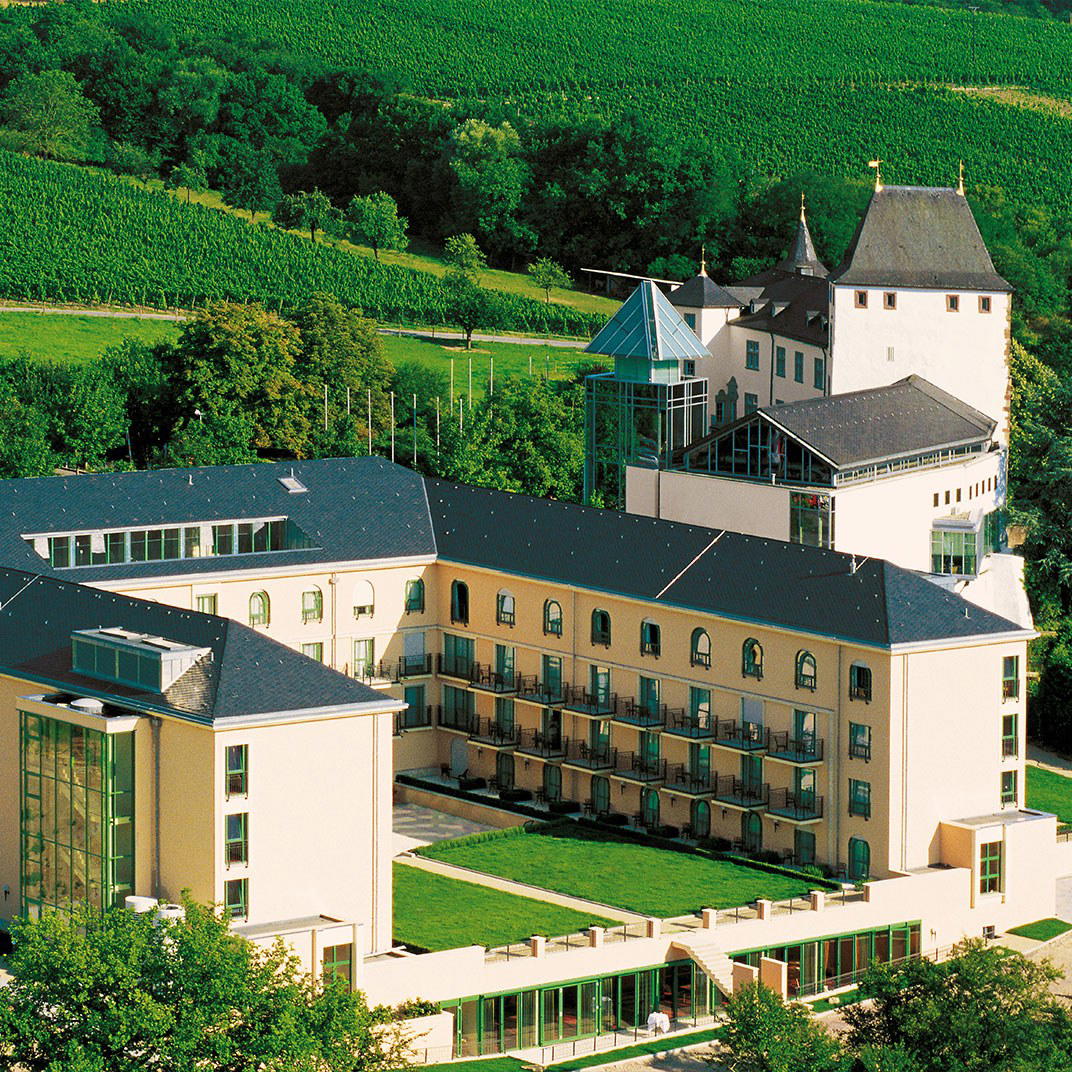
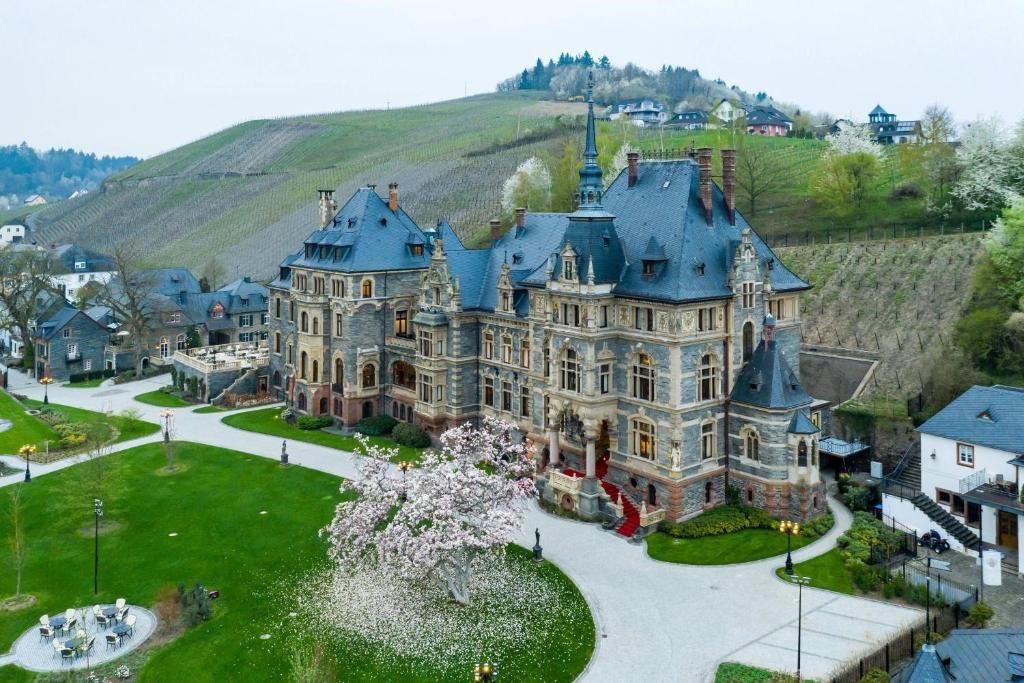
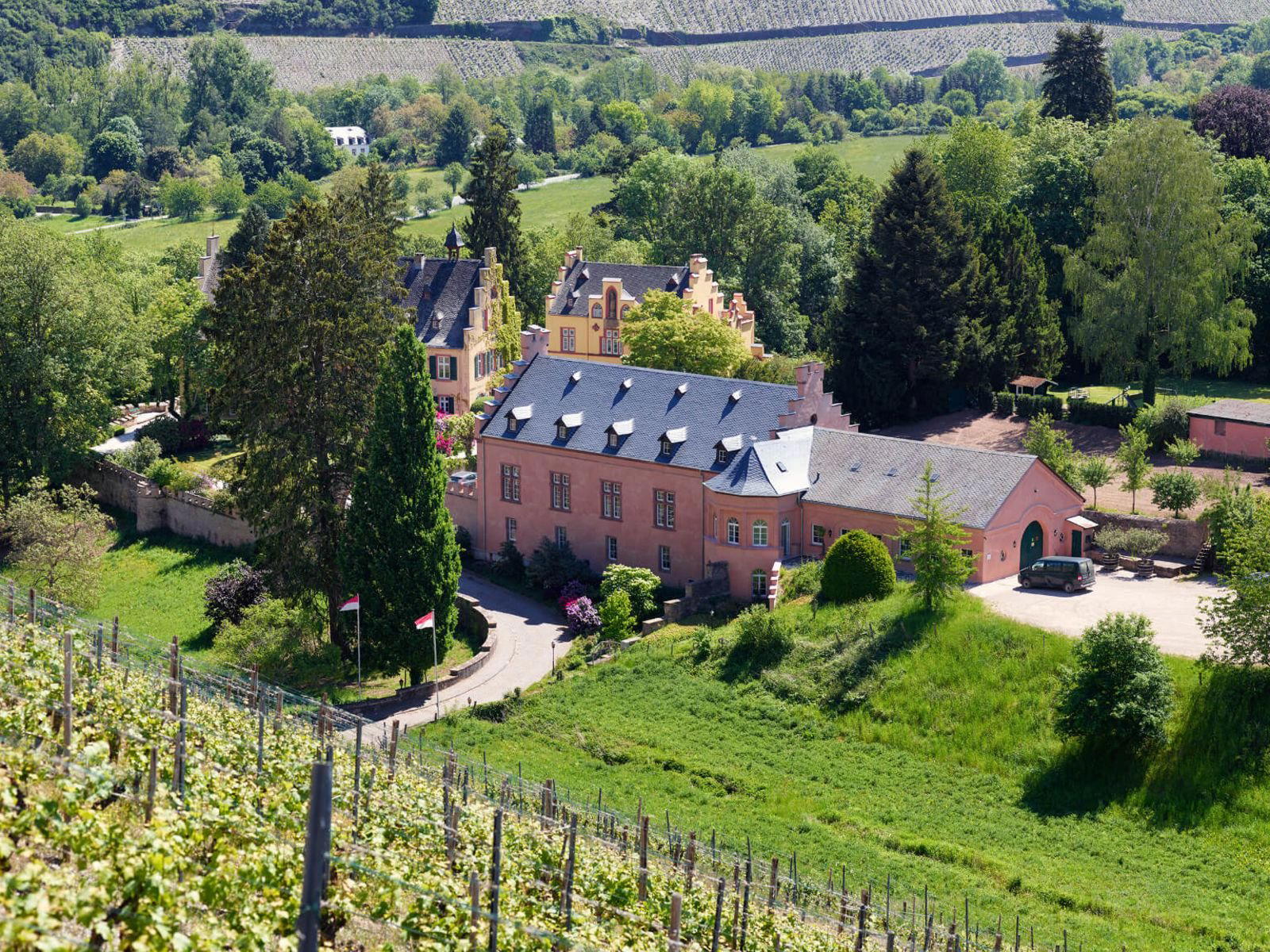
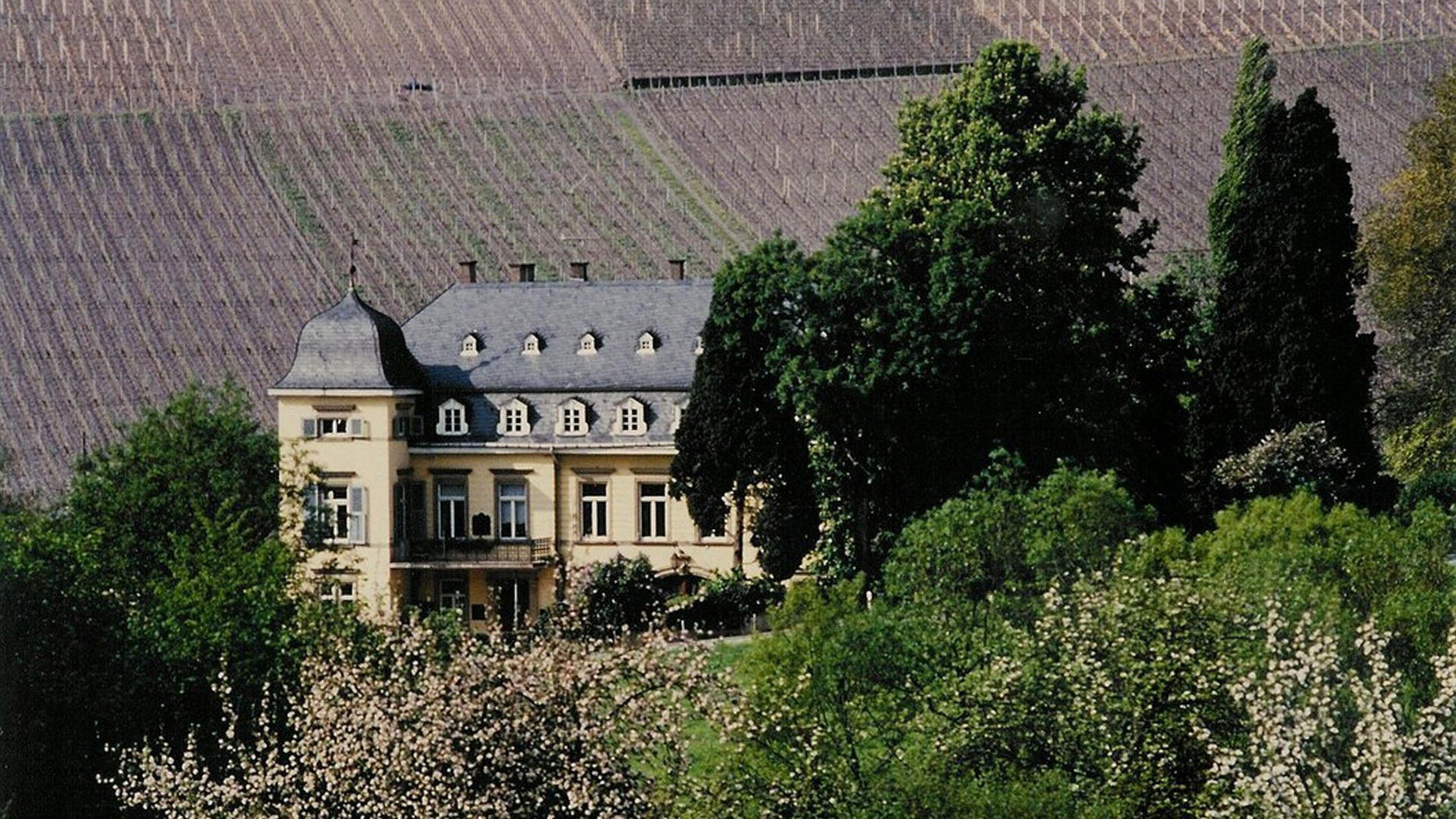
Light-flooded historic art nouveau-style rooms creating an elegant and contemporary atmosphere.