Hotaru Mitikah
Hotaru Mitikah sits in the Xoco district of Benito Juárez, a neighbourhood that has attracted serious dining attention as Mexico City's creative restaurant scene spreads south from its traditional centres.
Pearl is the En Primeur Club membership app — saves, bookings, and concierge access live there. Same editors, same standards.
- Address
- Av. Río Churubusco 601, Xoco, Benito Juárez, 03330 Ciudad de México, CDMX, Mexico
- Phone
- +525625710572
- Website
- costeno.com
- Directions
- Get directions
 Saves & bookings on Pearl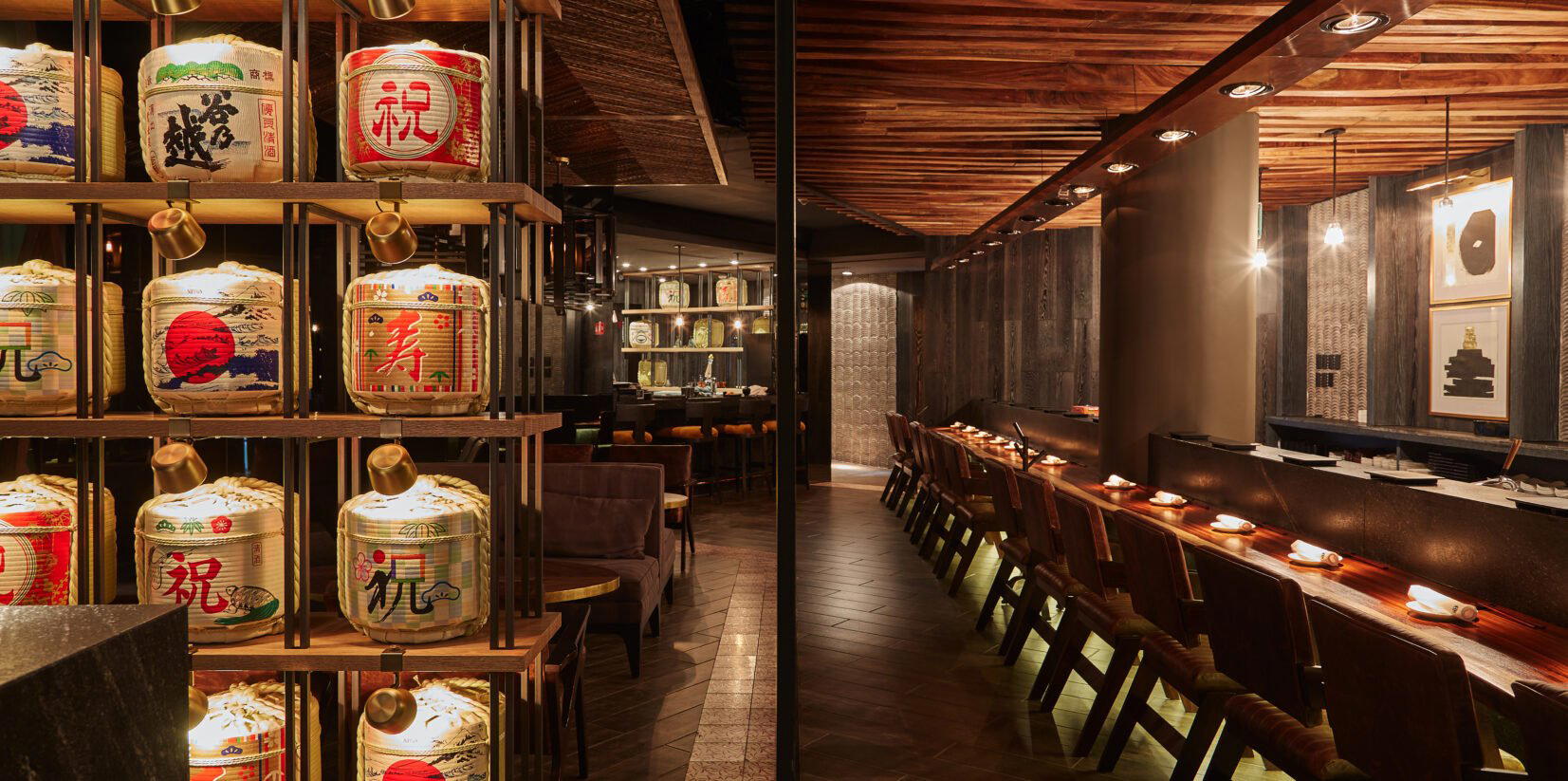
Where Xoco Fits in Mexico City's Dining Geography
Mexico City's serious restaurant culture has long concentrated in Polanco and Roma Norte, but the past several years have seen credible kitchens open in districts that once registered as afterthoughts on any dining itinerary. Xoco, a colonia in Benito Juárez tucked along Avenida Río Churubusco, belongs to that second wave. It shares a postal district with Narvarte and sits within reach of the urbanist energy that has reshaped the Insurgentes corridor. Hotaru Mitikah occupies that geography at Av. Río Churubusco 601, placing it inside a neighbourhood whose dining identity is still being written, which gives early visitors something the established scenes in Polanco no longer offer: the experience of arriving before consensus forms.
For context on where the capital's more settled dining scene operates, the flagship addresses remain instructive. Pujol and Quintonil both price at the leading bracket and operate in Polanco, where real estate costs and international clientele shape a particular kind of ambition. Rosetta and Em work in Roma Norte at different price points, each representing a different thesis about what a Mexico City restaurant can be. Hotaru Mitikah, by contrast, is building its reputation away from those established corridors, in a part of the city where the audience is more local and the pressure to perform for international food media is lower.
The Ritual of Arrival in a Neighbourhood Still Finding Its Register
The structural assignment for any serious meal in this part of the city involves a different kind of approach than the curated streetscapes of Álvaro Obregón or Ámsterdam. Benito Juárez at this latitude is utilitarian, commercial in stretches, and uninterested in performing charm for outsiders. That quality, common to many of Mexico City's most interesting new dining addresses, means the meal itself carries more weight. There is no ambient neighbourhood theatre softening the transition from street to table. The restaurant has to earn attention on its own terms, which is a more demanding starting condition than opening inside an already-legible dining district.
This pattern appears across Mexico's broader dining geography as well. KOLI Cocina de Origen in Monterrey and Alcalde in Guadalajara both operate in cities where fine dining exists outside the international spotlight, building audiences through consistent kitchen work rather than location advantage. Levadura de Olla in Oaxaca and Huniik in Merida do something similar in their respective cities. Hotaru Mitikah shares that structural position in the capital itself: a venue that asks diners to seek it out rather than intercepting foot traffic from an already-activated street.
Reading the Name: Japanese Reference in a Mexican Context
Mexico City has a substantial and longstanding Japanese community, and the intersection of Japanese culinary discipline with Mexican ingredients has produced some of the country's more interesting contemporary kitchens. What the name does indicate is a deliberate choice of register, one that positions the venue somewhere in the mid-to-upper segment of the market rather than as a casual neighbourhood operation.
Across Mexico's coastal dining scene, Japanese influence has been particularly visible. Le Chique in Puerto Morelos and HA' in Playa del Carmen both engage with tasting-format dining that draws on multiple culinary traditions. Animalón in Valle de Guadalupe and Olivea Farm to Table in Ensenada situate themselves within ingredient-first frameworks that share some structural logic with Japanese kaiseki. The reference points exist across the country; the question is which tradition Hotaru Mitikah draws from most directly.
Dining Pace and Format in Mexico City's Current Mid-Tier
Mexico City's mid-tier restaurant culture, the bracket between casual comedor and the $$$$ tasting-menu format of Pujol or Quintonil, has developed its own distinct pacing conventions. Meals in this range typically run ninety minutes to two hours, often without a fixed menu structure that forces a particular sequence. Diners order from a composed menu, portions arrive at a measured pace, and the kitchen signals ambition through technique and sourcing without the extended ceremony of a twelve-course progression. Sud 777 operates at the upper edge of this tier in Pedregal, demonstrating that serious kitchen work in Mexico City does not require a Polanco address or a tasting-menu format.
For venues in this bracket, the dining ritual tends to be more conversational and less choreographed than the counter experiences one finds in cities like Tokyo or New York. The high-discipline omakase format represented by venues like Atomix in New York or the austere precision of Le Bernardin represents one end of the global spectrum; Mexico City's mid-tier operates closer to the other end, where the table belongs to the guests and the kitchen serves the conversation rather than directing it. Lunario in El Porvenir and Pangea in San Pedro Garza García both occupy versions of this more relaxed-but-serious format in northern Mexico.
The address at Av. Río Churubusco 601 in Xoco, Benito Juárez places Hotaru Mitikah close to the Mitikah mixed-use development, which anchors the area and draws a consistent local audience on evenings and weekends. Visitors should verify hours and reservations directly before travelling to this part of the city, as Benito Juárez venues outside the main tourism circuits do not always maintain the consistent online presence of their Roma or Condesa counterparts.
For a fuller map of where Hotaru Mitikah fits within the capital's dining options, our full Mexico City restaurants guide covers the scene across neighbourhoods and price tiers.
Continue exploring
More in Mexico City
Restaurants in Mexico City
Browse all →
Bars in Mexico City
Browse all →
At a Glance
- Elegant
- Sophisticated
- Modern
- Date Night
- Special Occasion
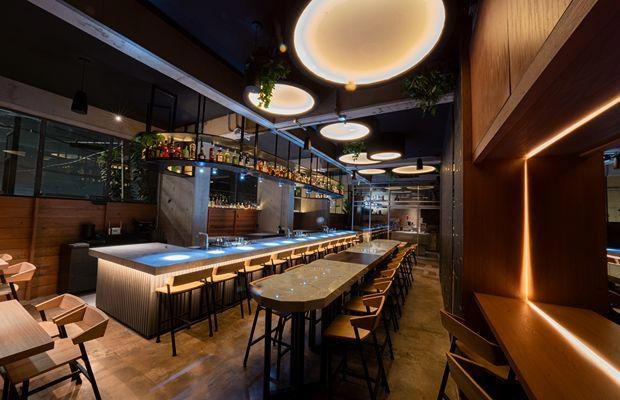
- Chefs Counter
- Sake Program
Current opening hours
- Monday
- 1–11 PM
- Tuesday
- 1–11 PM
- Wednesday
- 1–11 PM
- Thursday
- 1 PM–12 AM
- Friday
- 1 PM–1 AM
- Saturday
- 1 PM–1 AM
- Sunday
- 1–7 PM
Hours can change for holidays and private events. Last verified .
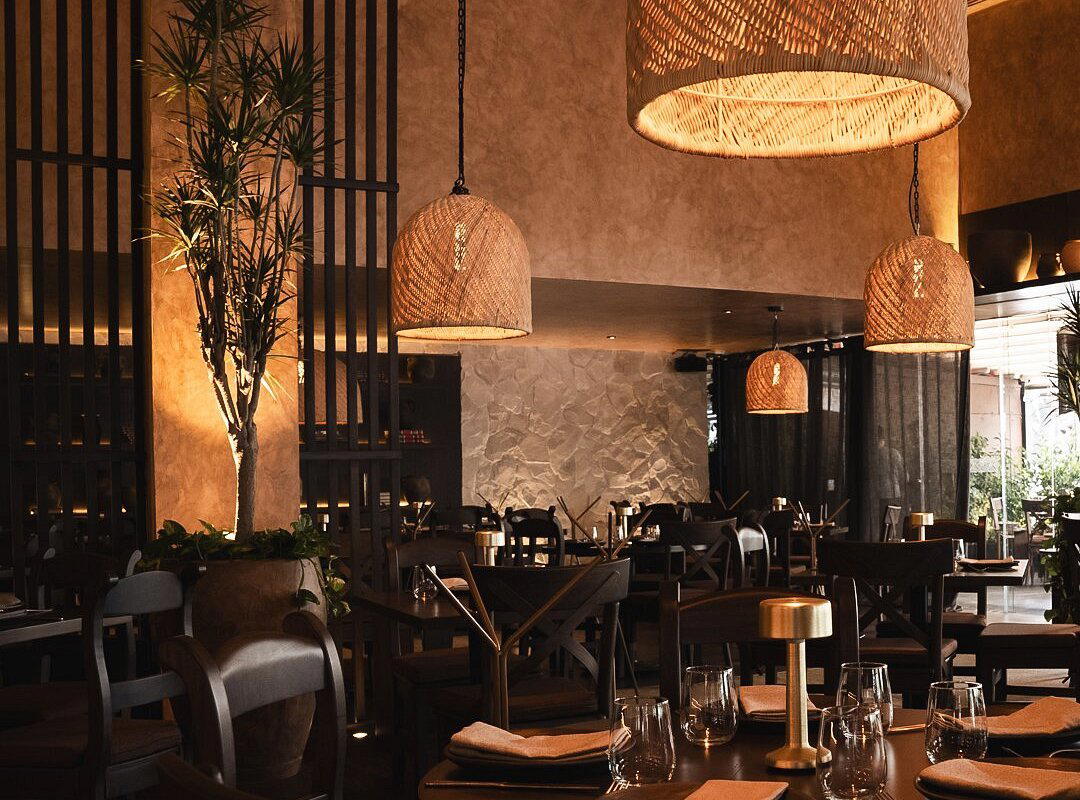
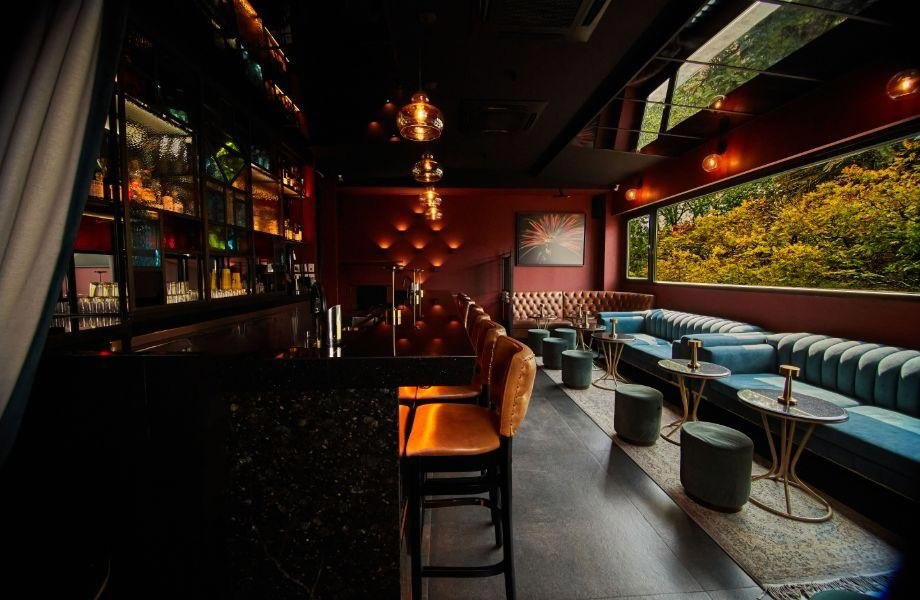
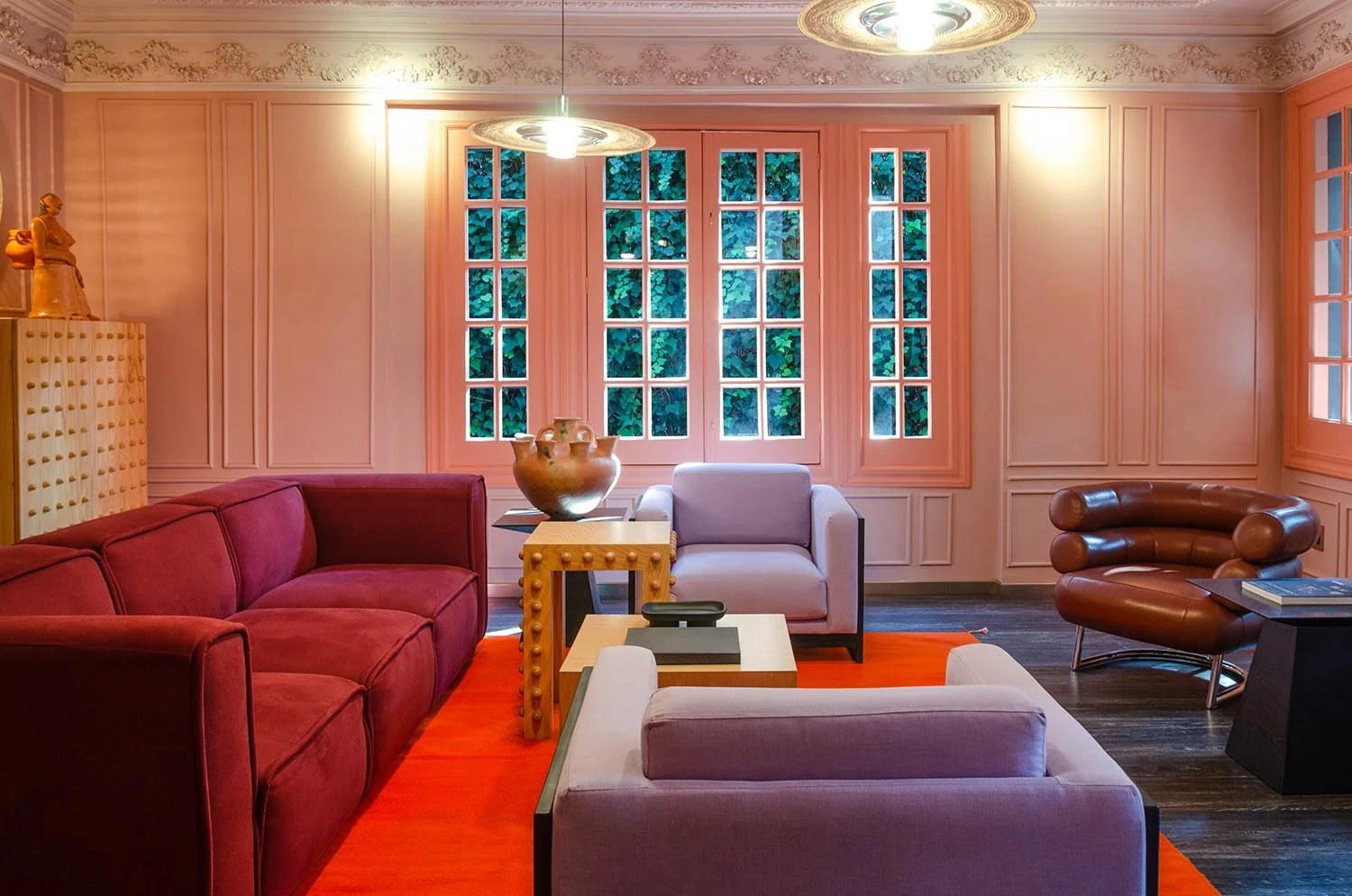
Elegant and solemn atmosphere celebrating the sushi experience with refined lighting and precise presentation.
Know Before You Go
- Getting there
- Av. Río Churubusco 601, Xoco, Benito Juárez, 03330 Ciudad de México, CDMX, Mexico