Deigo Sushi Insurgentes
Deigo Sushi Insurgentes sits on Avenida Insurgentes Sur in Colonia del Valle, positioning itself within a Mexico City neighbourhood that increasingly draws serious eating rather than convenience dining. The address places it in a mid-corridor stretch where Japanese-influenced counters and local izakaya-style spots have begun to cluster, competing on technique and sourcing rather than tourist footfall.
Pearl is the En Primeur Club membership app — saves, bookings, and concierge access live there. Same editors, same standards.
- Address
- Av. Insurgentes Sur 724-Local B, Col del Valle, Benito Juárez, 03100 Ciudad de México, CDMX, Mexico
- Phone
- +525580727951
- Website
- deigosushi.mx
- Directions
- Get directions
 Saves & bookings on Pearl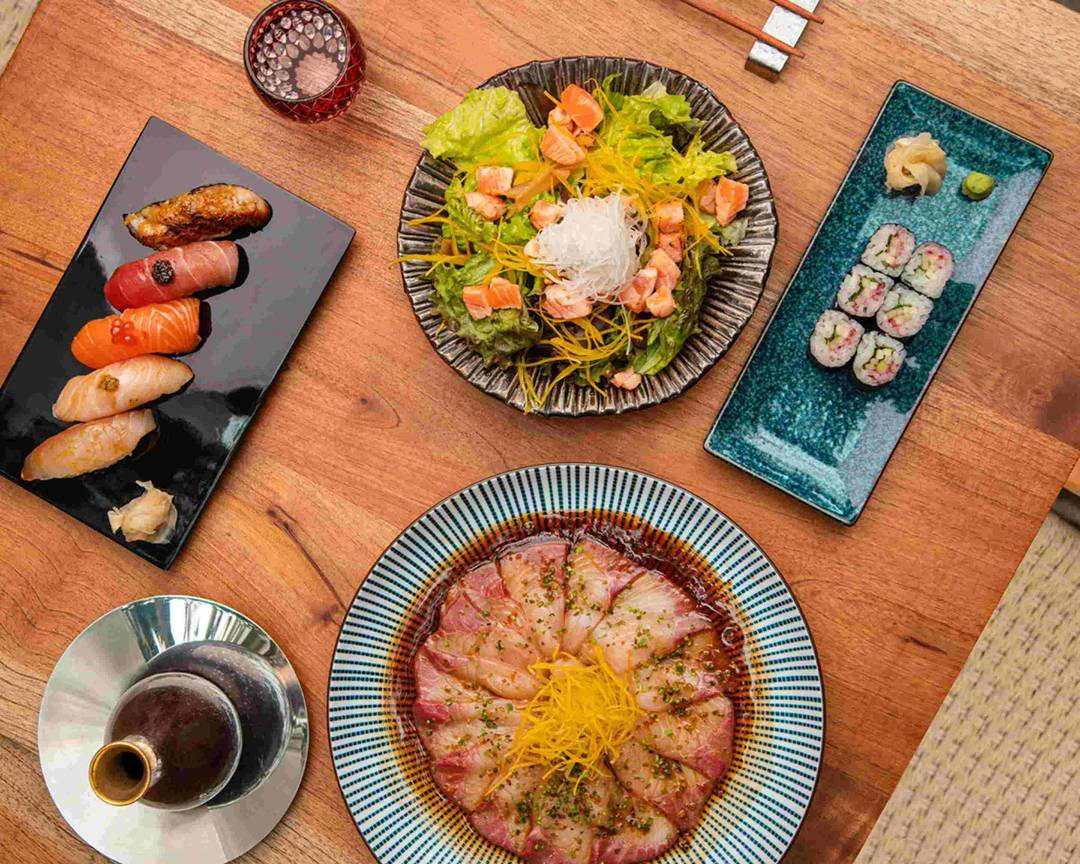
Where Insurgentes Sur Meets the Sushi Counter
Avenida Insurgentes Sur is not a street that rewards passive dining. One of Mexico City's longest and most navigated thoroughfares, its southern stretch through Colonia del Valle has shed much of its chain-restaurant character over the past decade, replaced by a quieter density of neighbourhood restaurants operating at a more considered register. The ambient sound here is traffic at a remove, low conversation, and the occasional clatter of a kitchen operating without performance anxiety. Deigo Sushi Insurgentes occupies a ground-floor local on this corridor, at number 724-Local B, where the address itself signals something about the venue's orientation: embedded in the street rather than announced above it.
Mexico City's Japanese food scene has matured considerably in recent years. What was once a category dominated by conveyor-belt sushi and all-you-can-eat formats has fractured into tiers, with a growing number of counters positioning themselves toward technique-first service. This shift mirrors what happened in cities like Buenos Aires and São Paulo a decade earlier, where second and third-generation Japanese diaspora communities, combined with non-Japanese chefs trained in Japan, drove the category toward a more competitive middle ground. Mexico City's version of this evolution has a different character: it intersects with a culinary culture already obsessed with sourcing, seasonality, and chef-driven menus, as demonstrated by the long-standing influence of restaurants like Pujol and Quintonil on how the city thinks about produce and preparation.
The Colonia del Valle Context
Colonia del Valle sits south of Roma and Condesa, the two neighbourhoods that absorb most of the city's international dining attention. This geographic displacement from the tourist-facing restaurant belt is partly why a venue like Deigo Sushi Insurgentes attracts a local rather than destination crowd. The neighbourhood runs residential and commercial in roughly equal measure, with office buildings and mid-century apartment blocks sharing blocks with independent cafés and small restaurants that serve the surrounding population on repeat visits rather than once-off occasion.
This matters for understanding what kind of eating experience the address suggests. A sushi counter in del Valle is not playing for the same table as the tasting-menu circuit of Polanco or the brunch-and-natural-wine crowd of Roma Norte. It is operating in a register closer to the serious neighbourhood restaurant: a place people return to rather than arrive at for the first time as a statement. That dynamic tends to produce tighter kitchens and more calibrated service, because the clientele knows the menu well enough to notice when something changes.
Le Chique in Puerto Morelos and HA' in Playa del Carmen represent the Yucatan Peninsula's high-format tier, while KOLI Cocina de Origen in Monterrey and Pangea in San Pedro Garza Garcia anchor the northeast's serious-eating offer. A neighbourhood sushi spot on Insurgentes Sur sits at a different point on that national map: not in competition with those formats, but occupying a gap between casual chain dining and the fully committed tasting-menu experience.
Japanese Cuisine in the Mexico City Mid-Tier
The sensory register of a properly run sushi counter differs from most other dining environments in specific, reproducible ways. The smell is low: vinegared rice, cold fish, a faint trace of kombu. The visual plane is typically horizontal, with the counter and the chef's hands dominating the sight line. Sound carries differently without cloth surfaces to absorb it. These are category characteristics, not venue-specific observations, but they describe the experience that Deigo Sushi Insurgentes, as a sushi operation on a busy commercial street, is working within or against.
Mexico City has produced a number of credible Japanese-influenced operations in recent years, some leaning into the full omakase format, others operating closer to the izakaya or casual ramen-and-roll register. The mid-tier, where counter sushi is available without a tasting-menu commitment, is where competition has intensified most. Venues in this bracket compete on fish quality, rice temperature and seasoning, and the reliability of their sourcing from Mexico's Pacific coast ports, particularly those supplying tuna, yellowtail, and sea bass.
Mexico's own coastal sourcing has improved the quality ceiling for Japanese-style fish work in the capital. Animalón in Valle de Guadalupe and Olivea Farm to Table in Ensenada represent Baja California's farm-and-sea sourcing culture, which increasingly supplies Mexico City kitchens with Pacific seafood. A sushi counter in del Valle that draws from those networks operates with better raw material than its equivalents would have had a decade ago.
Planning a Visit
The restaurant is located at Avenida Insurgentes Sur 724-Local B in Colonia del Valle, Benito Juárez, postal code 03100. The Metrobús line running along Insurgentes provides direct access from the city's northern and central zones, making the address logistically accessible from Roma, Condesa, and Polanco without requiring a car.
Venues like Rosetta, Sud 777, and Em represent other points on the capital's dining compass, from Elena Reygadas' Italian-inflected cooking in Roma to Roberto Solís' creative work further south.
Quick Comparison: Sushi and Japanese Counters in Mexico City's Mid-Tier
| Venue | Neighbourhood | Format | Price Tier | Booking |
|---|---|---|---|---|
| The restaurant | Colonia del Valle | Sushi counter | Not confirmed | Not confirmed |
| Pujol | Polanco | Tasting menu | $$$$ | Advance reservation |
| Em | Colonia Juárez | Chef's tasting | $$$ | Advance reservation |
| Rosetta | Roma Norte | À la carte | $$ | Walk-in possible |
For context on what high-end fish-focused cooking looks like at the global level, Le Bernardin in New York City remains the reference point for precision seafood work in a Western fine-dining frame, while Lazy Bear in San Francisco illustrates how chef-driven counter formats have moved into the upper tier of the American market. Mexico City's own Japanese counter scene is at an earlier stage of that same trajectory.
Levadura de Olla in Oaxaca, Alcalde in Guadalajara, and Lunario in El Porvenir. Arca in Tulum rounds out the coastal perspective for readers moving between the capital and the Caribbean coast.
The Quick Read
Comparable venues nearby, for context on price, style, and recognition.
| Venue | Cuisine | Price | Notes |
|---|---|---|---|
| Deigo Sushi InsurgentesThis venue — the venue you are viewing | Not listed | $$$ | Not listed |
| Onomura Nigiri Room | La Puntada, Modern Japanese Nigiri Sushi | $$$ | Not listed |
| Ginza Barra | Molino Del Rey, Sushi Bar | $$$ | Not listed |
| Deigo Sushi Roma | Not listed | $$$ | Roma Norte, Traditional Japanese Sushi Bar |
| Hiyoko | Not listed | $$$ | Cuauhtemoc, Japanese Yakitori with Mexican Fusion |
| Daikoku Miguel Angel | San Ángel Inn, Japanese-Mexican Fusion | $$$ | Not listed |
Continue exploring
More in Mexico City
Restaurants in Mexico City
Browse all →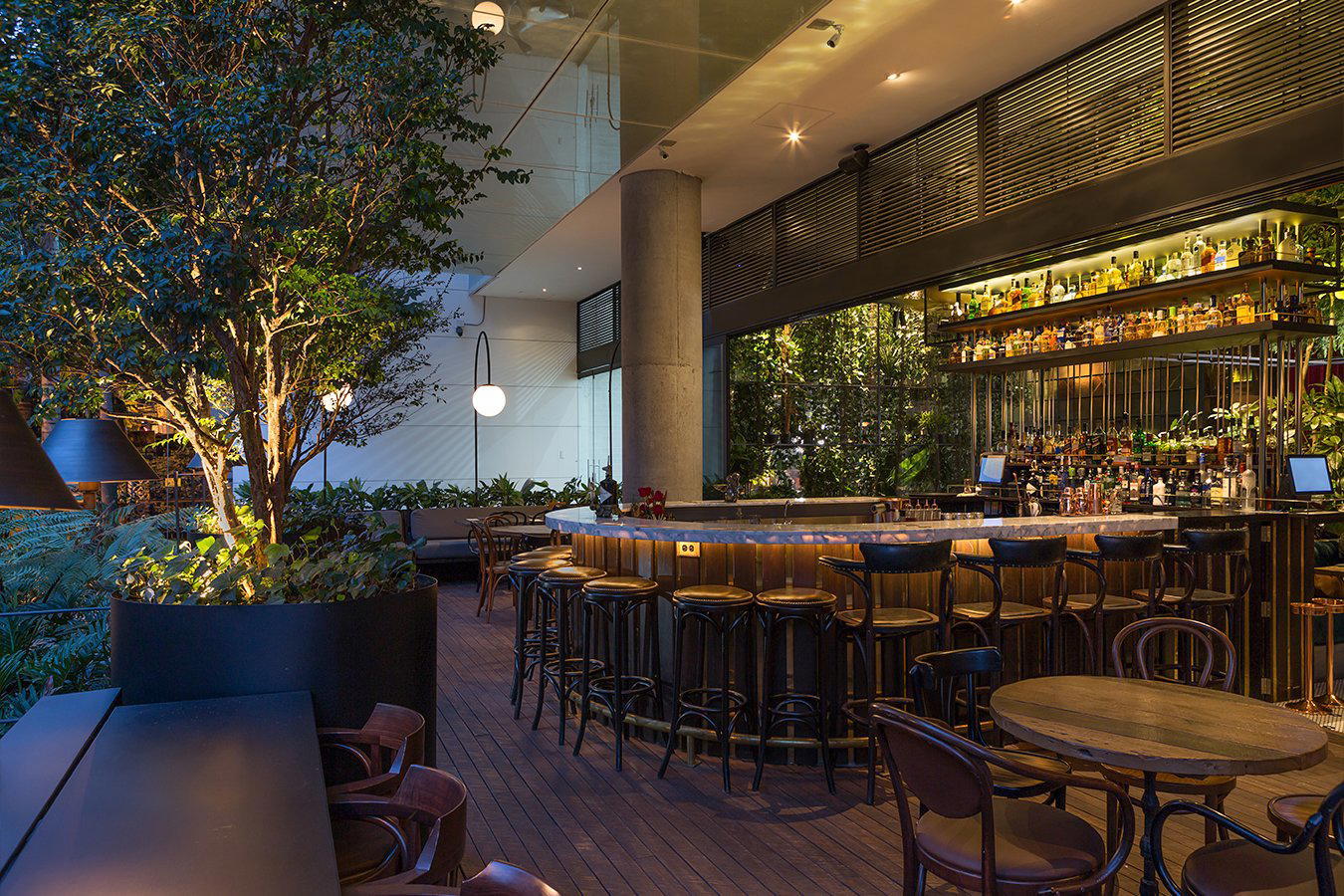
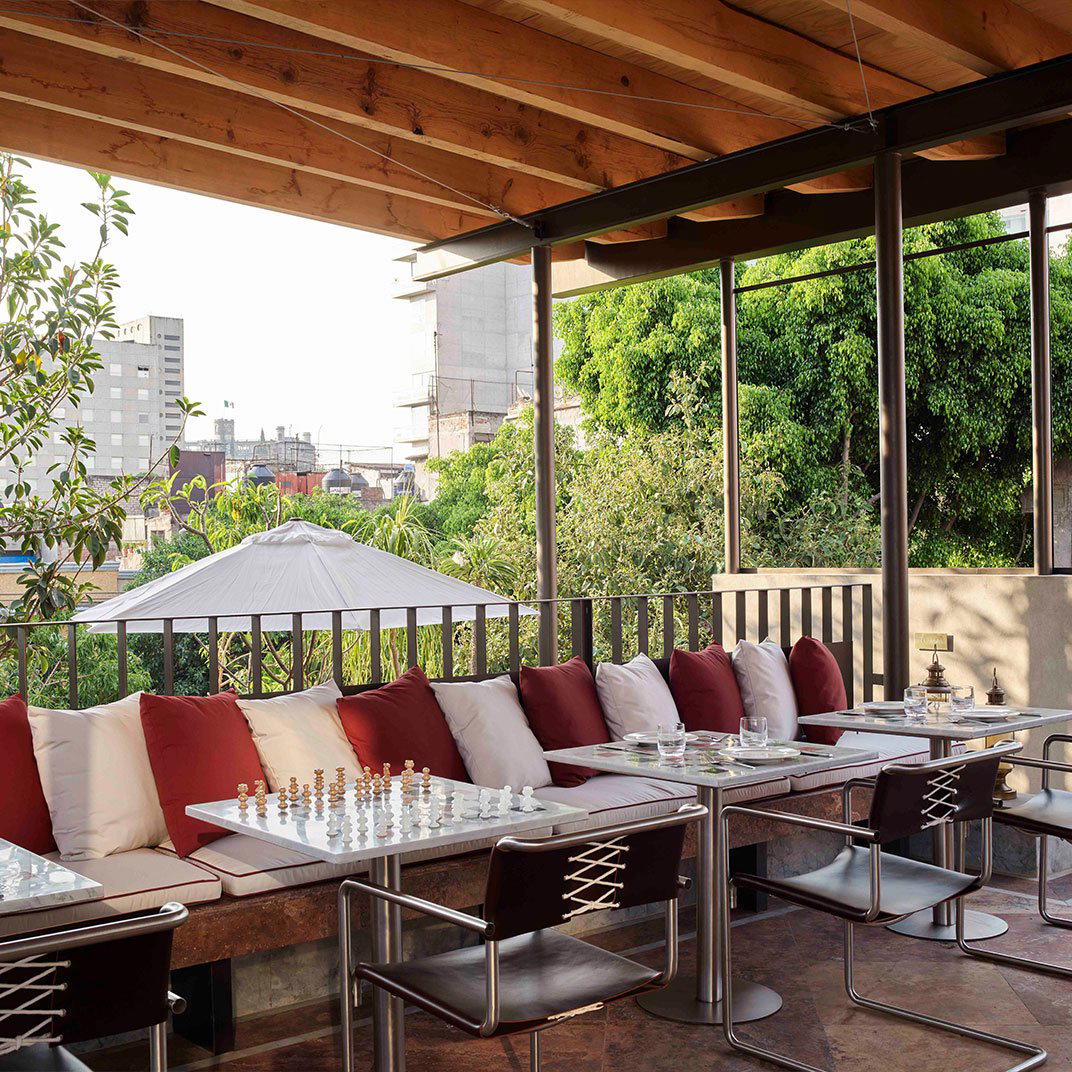
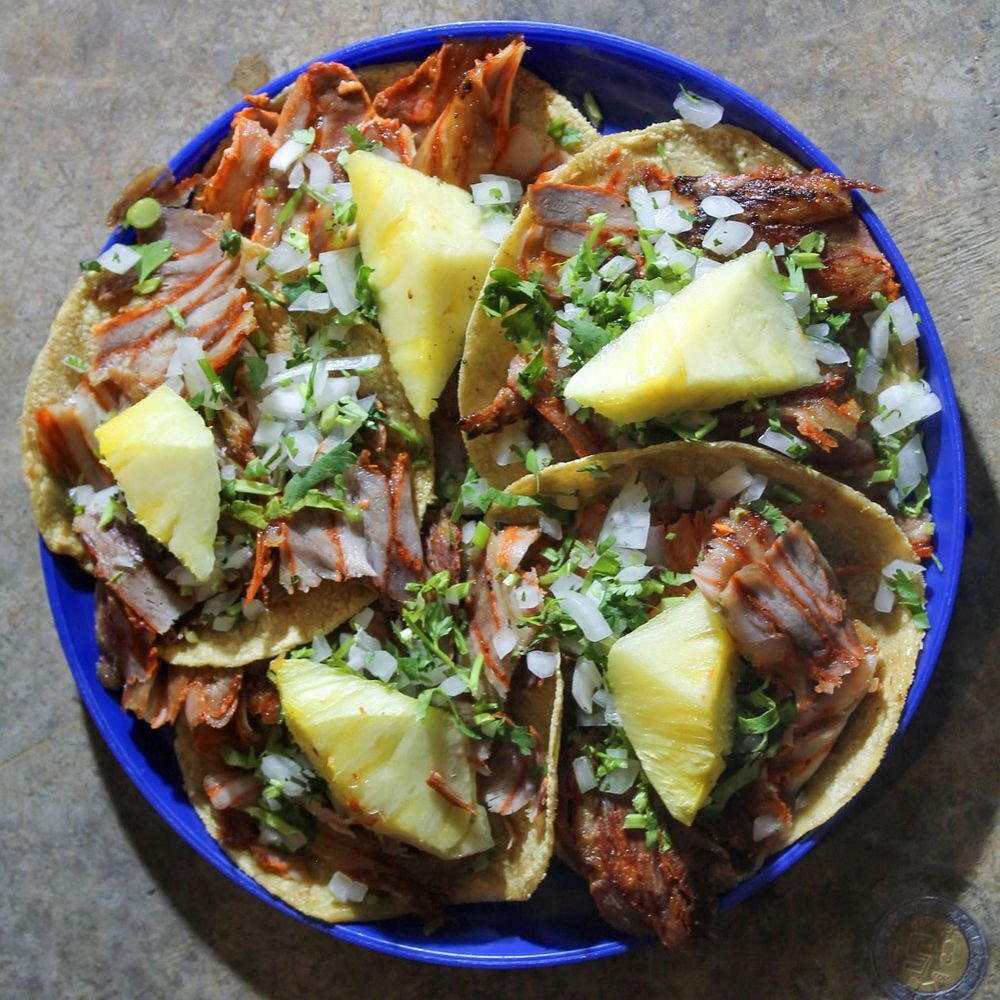
Bars in Mexico City
Browse all →


At a Glance
- Intimate
- Elegant
- Modern
- Date Night
- Special Occasion
- Chefs Counter
- Sake Program
- Sustainable Seafood
Current opening hours
- Monday
- 12–6:30 PM
- Tuesday
- 12–10:30 PM
- Wednesday
- 12–10:30 PM
- Thursday
- 12 PM–1 AM
- Friday
- 12 PM–1 AM
- Saturday
- 12 PM–1 AM
- Sunday
- 12–10:30 PM
Hours can change for holidays and private events. Last verified .
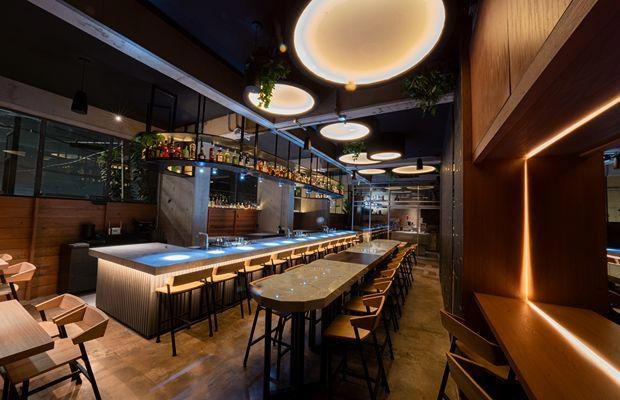
Intimate sushi counter with a focus on fresh ingredients and traditional Japanese techniques.