Form + Matter



World's 50 Best #13 · Pinnacle Guide 2 Pins
Form + Matter brings Roma Norte’s cocktail scene into a more technical register: lab work, clarified textures, fat-washing and low-waste prep rather than speakeasy theatre. Its 2026 Tales Spirited Awards Regional Top 10 Honoree nod for Best International Bar Team in Latin America & Caribbean places it inside the city’s serious bar conversation.

Pearl is the En Primeur Club membership app — saves, bookings, and concierge access live there. Same editors, same standards.
- Address
- San Luis Potosí 37, Roma Nte., Cuauhtémoc, 06700 Ciudad de México, CDMX, Mexico
- Hours
- Mon–Tue 6 PM–1 AMWed ClosedThu 6 PM–1 AMFri–Sat 6 PM–1:30 AMSun 6 PM–1 AM
- Website
- fomabar.com
- Directions
- Get directions
- Booking
- Book on OpenTable
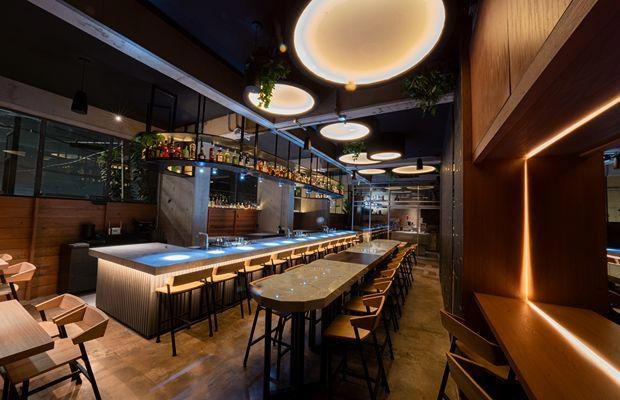
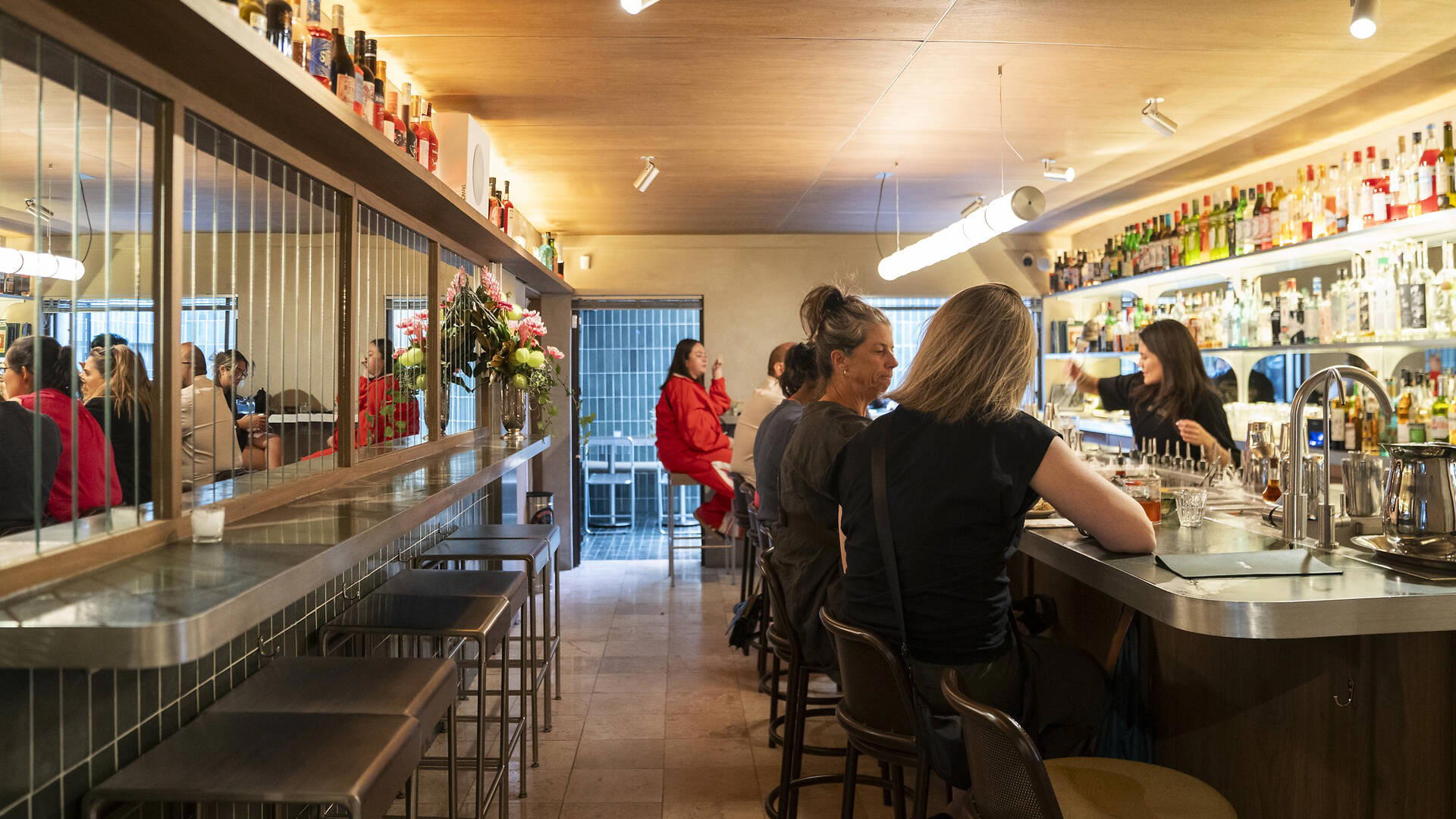
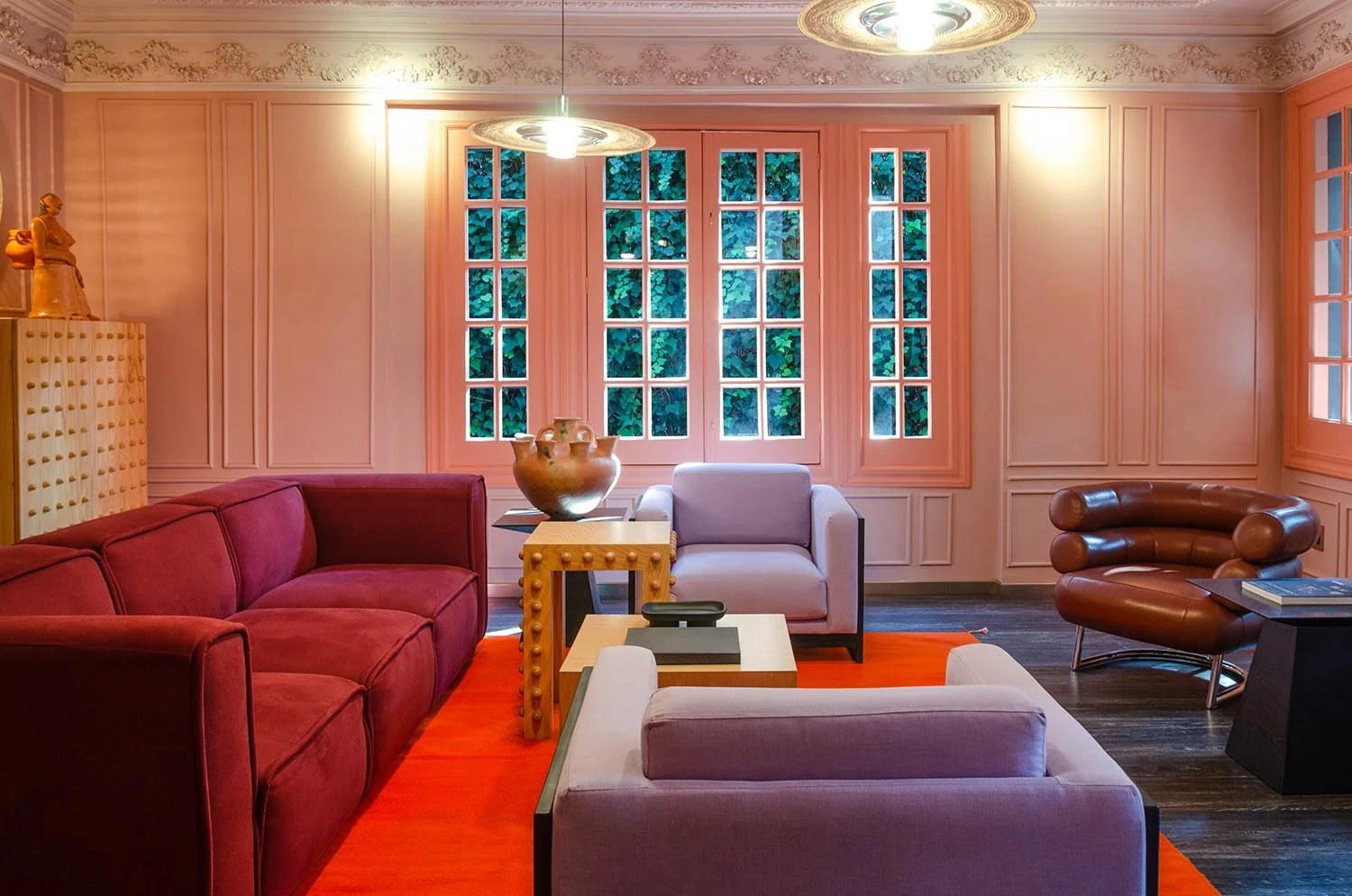
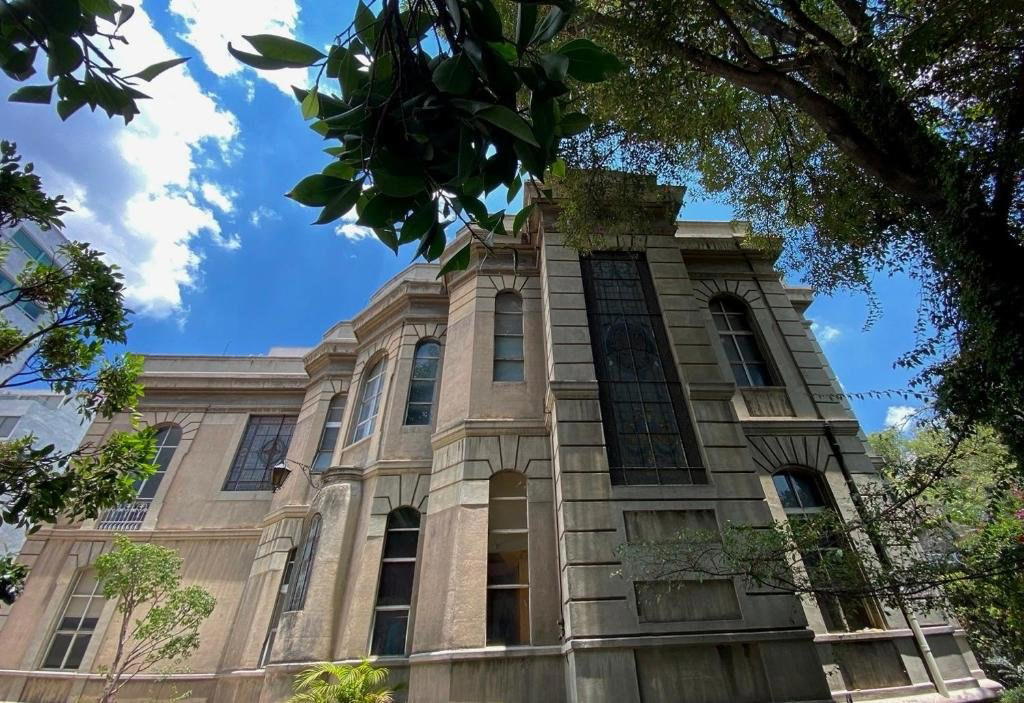
Roma Norte’s evening rhythm suits a bar that avoids spectacle: an apartment-building setting, a room shaped by wood, marble and concrete, and a visible lab behind floor-to-ceiling glass. In a neighbourhood where cocktail bars often compete through lighting, playlists and door drama, Form + Matter puts technical work in plain sight and lets the room stay composed.
That choice reflects Mexico City’s current drinking culture. The city has moved beyond the imported speakeasy script into a more confident phase, where Mexican bars compete through systems: prep, dilution, texture, ingredient reuse and service choreography. Recognition from the 2026 Tales Spirited Awards as a Regional Top 10 Honoree for Best International Bar Team in Latin America & Caribbean is not decorative; it places the bar within a regional conversation about Latin American teams building their own technical language rather than borrowing from London or New York.
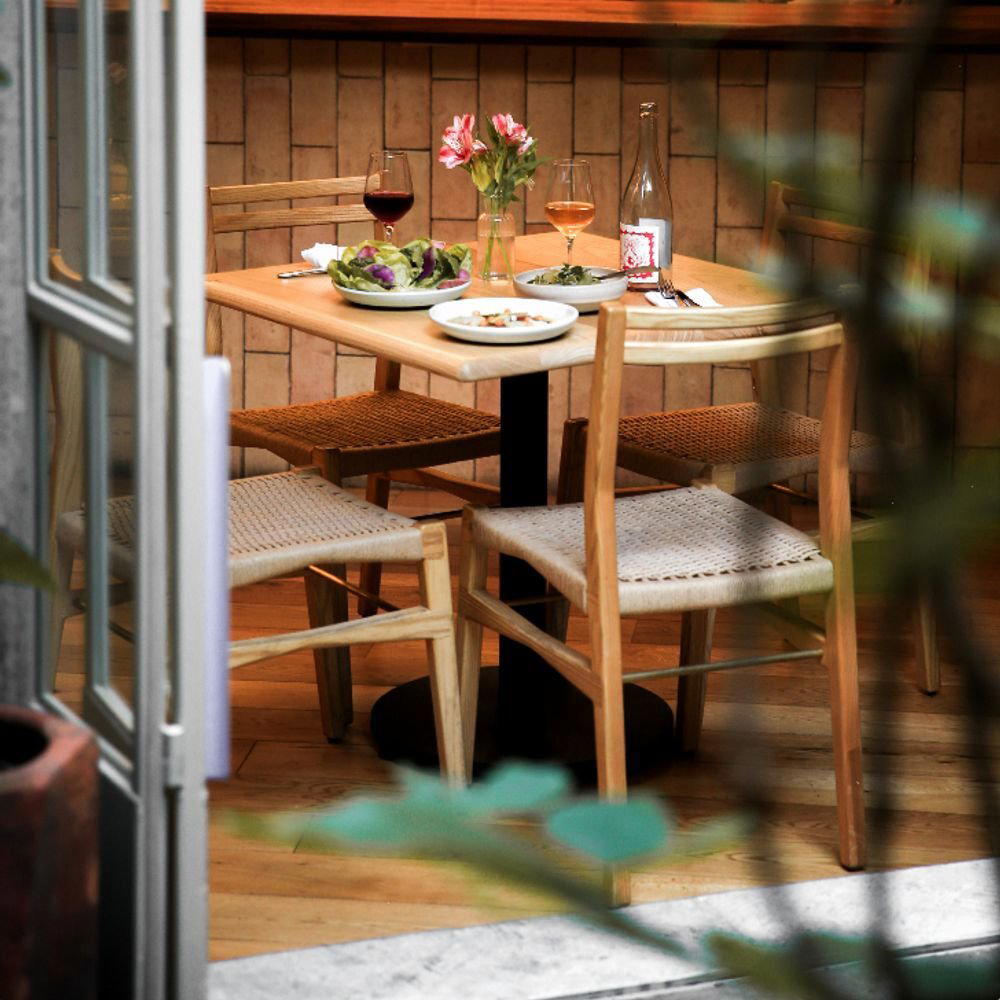
Roma Norte's technical cocktail mood, seen through glass
The visible lab changes the contract between guest and bar. Clarification, fat-washing and byproduct reuse can sound like back-of-house jargon until the guest sees the infrastructure behind them. Mexico City has many bars with strong atmospheres; fewer make production discipline part of the architecture. The programme earns attention not through named drinks or theatrical garnishes, but through a system treating matter, temperature, waste and service flow as linked parts of one idea.
The founding team gives that system credibility without turning the story into biography. David Rocha and José Olivas came through Handshake, a useful credential in a city where high-spec cocktail technique is a serious competitive marker. Restaurateur Po Tsai adds a hospitality frame around the technical ambition. The stronger reading is not founder mythology, but that Mexico City now has enough depth for alumni-led projects to split into more specialised formats.
That specialisation is the point. A guest moving through the city might use Aguascalientes 232, Amaya, Azul Historico and Balagan as markers for the capital’s broad drinking map, from wine-leaning rooms to restaurant-adjacent bars and late-night formats. Form + Matter occupies a narrower lane: the lab-conscious cocktail bar where method is not hidden behind atmosphere.
The drink programme is about process, not slogans
Contemporary cocktail culture often overexplains itself. Manifestos, sustainability claims and technique lists can become decoration if the room does not support them. Here, the persuasive detail is operational: custom stainless-steel bar stations, individual refrigeration and storage built into each station, and a layout designed for close guest interaction. These choices signal a team thinking about consistency, speed, conversation and temperature control before the first drink reaches the counter.
That makes the bar more interesting than a “creative cocktails” label. Clarification can sharpen texture and appearance; fat-washing can carry flavour through aroma and weight; byproduct reuse can reduce waste while adding structure to prep. None guarantees a good drink, and serious bars know technique alone is not virtue. The distinction is whether method is integrated into service rather than displayed as a science trick. The Tales recognition suggests the industry reads the team’s work as more than novelty.
Mexico City is a natural place for this evolution. Its dining rooms have long treated mise en place and ingredient sourcing as cultural statements, while its bar scene is increasingly fluent in global technique. The better bars understand that guests arrive with reference points from New York, Barcelona, Tokyo and Lima, but still expect a sense of place. A bar need not list national identity in every glass to feel rooted; it can show place through hospitality tempo, room design and how it handles abundance and waste.
For readers building a broader itinerary, the bar works less as a standalone trophy stop than as a precision point within a larger Mexico City plan. Pair the cocktail circuit with Our full Mexico City restaurants guide for dining context, Our full Mexico City hotels guide for where to base the trip, and Our full Mexico City bars guide for a wider reading of the scene. The capital rewards sequencing: aperitif bars, dinner rooms, late counters and after-hours spaces each carry different social codes.
How it fits into a Mexico drinking itinerary
Roma Norte remains one of the city’s easiest districts for serious eating and drinking because density does the work. A technical bar can sit near casual counters, design-led restaurants and late rooms without feeling isolated. That density also raises the standard: a bar here has to justify attention beyond address and mood. Form + Matter’s answer is process, a controlled room, and a team format with regional award recognition behind it.
Its appeal is strongest for drinkers who care how a cocktail is built as much as how the room feels. The visible lab and counter interaction give the evening a workshop quality, while the materials keep it from turning clinical. Minimalism in bars can become cold; here, the balance is warmer, with design giving method enough space to be legible. It suits guests who want to watch a team work more than those seeking a noisy, high-volume party room.
The regional comparison is useful. Mexican cocktail travel no longer begins and ends in the capital. A route might extend to Agave Bar in Guadalajara for agave-led context or Acre Restaurant in Los Cabos for a resort-region drinking frame. Further afield, ¡BE! Club in San Sebastián shows how a bar can be read through a different European hospitality culture. Those references sharpen the point: Mexico City’s serious bars now belong in international itineraries, not as local colour but as technical peers.
For travellers expanding beyond bars, Our full Mexico City wineries guide and Our full Mexico City experiences guide place the drinking scene alongside the city’s broader culture of restaurants, rooms, design and late-night movement. Use this address as a lens on where the city’s cocktail craft is heading: less disguise, more discipline, and a belief that technique can be hospitable when the room is built around it.
Fast Comparison
Comparable venues by cuisine and price in the same metro.
| Venue | Cuisine | Price | Awards | Notes |
|---|---|---|---|---|
| Form + MatterThis venue — the venue you are viewing | cocktail_bar | $30–50 | World's 50 Best #13 · Pinnacle Guide 2 Pins | Not listed |
| Le Tachinomi Desu | sake_bar | $30–50 | Not listed | Cuauhtemoc |
| Fo+ma | cocktail_bar | $30–50 | World's 50 Best #13 · Pinnacle Guide 2 Pins | Centro Urbano Benito Juarez |
| Loose Blues | cocktail_bar | $20–30 | Not listed | Juarez |
| Departamento | lounge | $20–30 | Not listed | Roma Norte |
| Amaya | wine_bar | Not listed | Not listed | Juarez |
Recognition history
Dated appearances from independent guides and award organizations, with the underlying list record or original source where available.
World's 50 Best North America's Best Bars #13
World's 50 Best
Pinnacle Guide 2 Pins
Pinnacle Guide
Tales Spirited Awards Best International Bar Team – Latin America & Caribbean Regional Top 10 Honoree
Tales Spirited Awards · Tales Spirited Awards 2026 - Best International Bar Team – Latin America & Caribbean - Best International Bar Team – Latin America & Caribbean (Regional Top 10 Honoree)
Continue exploring
More in Mexico City
Bars in Mexico City
Browse all →
Restaurants in Mexico City
Browse all →
Details
- Modern
- Trendy
- Sophisticated
- Intimate
- Date Night
- After Work
- Late Night
- Group Outing
- Celebration
- Special Occasion
- Casual Hangout
- Design Destination
- Standalone
- Seated Bar
- Lounge Seating
- Craft Cocktails
- Classic Cocktails
- Mezcal
- Tequila
- Low Abv
- Zero Proof
Current opening hours
- Monday
- 6 PM–1 AM
- Tuesday
- 6 PM–1 AM
- Wednesday
- Closed
- Thursday
- 6 PM–1 AM
- Friday
- 6 PM–1:30 AM
- Saturday
- 6 PM–1:30 AM
- Sunday
- 6 PM–1 AM
Hours can change for holidays and private events. Last verified .
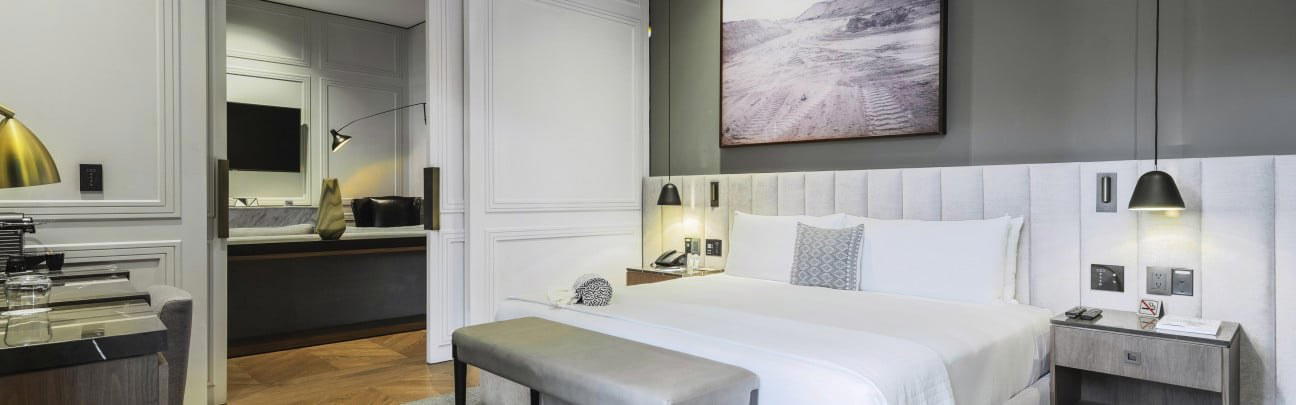
A sleek, futuristic room hidden in a modern apartment building, centered on gleaming stainless-steel bar stations and precise lighting that gives the space an intimate yet energetic, ‘cocktail laboratory’ feel.