La Valise Mexico City



1 Michelin Key · Vogue 2026 Vogue Best Hotels in Mexico City · Small Luxury Hotels of the World Member
Eight suites above a concept store in a 1920s Roma Norte townhouse: La Valise operates at the opposite end of the spectrum from Mexico City's grand hotel corridor.

Pearl is the En Primeur Club membership app — saves, bookings, and concierge access live there. Same editors, same standards.
- Address
- Tonalá 53, Roma Nte., Cuauhtémoc, 06700 Ciudad de México, CDMX
- Phone
- (386) 301-4831
- Website
- lavalisecdmx.com
- Directions
- Get directions
Roma Norte's Smallest Serious Hotel
Mexico City's premium accommodation splits cleanly into two camps. The first runs along Reforma and into Polanco: full-service towers from Four Seasons, Ritz-Carlton, St. Regis, and their peers, competing on spa square footage, restaurant programming, and lobby scale. The second camp is smaller, neighbourhood-rooted, and increasingly the choice of travellers who already know the city well enough to plant themselves inside a specific colonia rather than above it. La Valise belongs firmly to the second camp, and it occupies an address on Tonalá 53 in Roma Norte that tells you everything about the editorial position it has chosen.
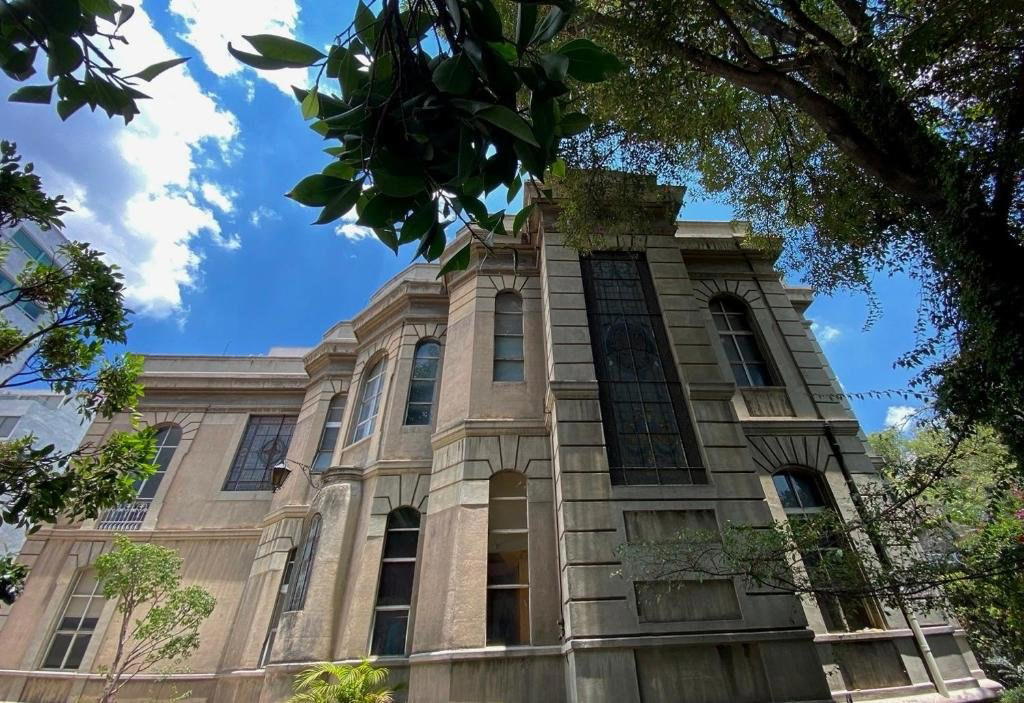
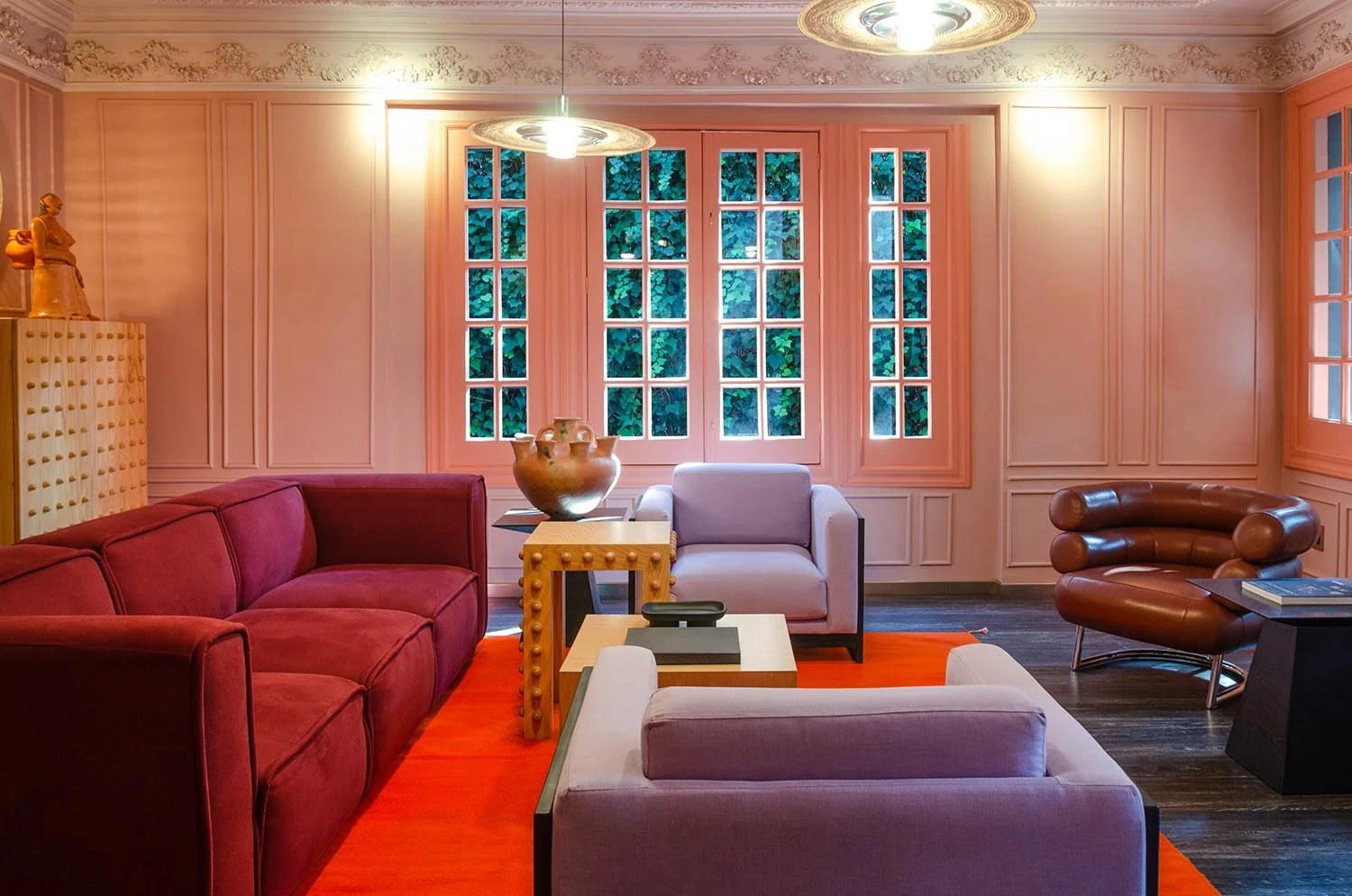
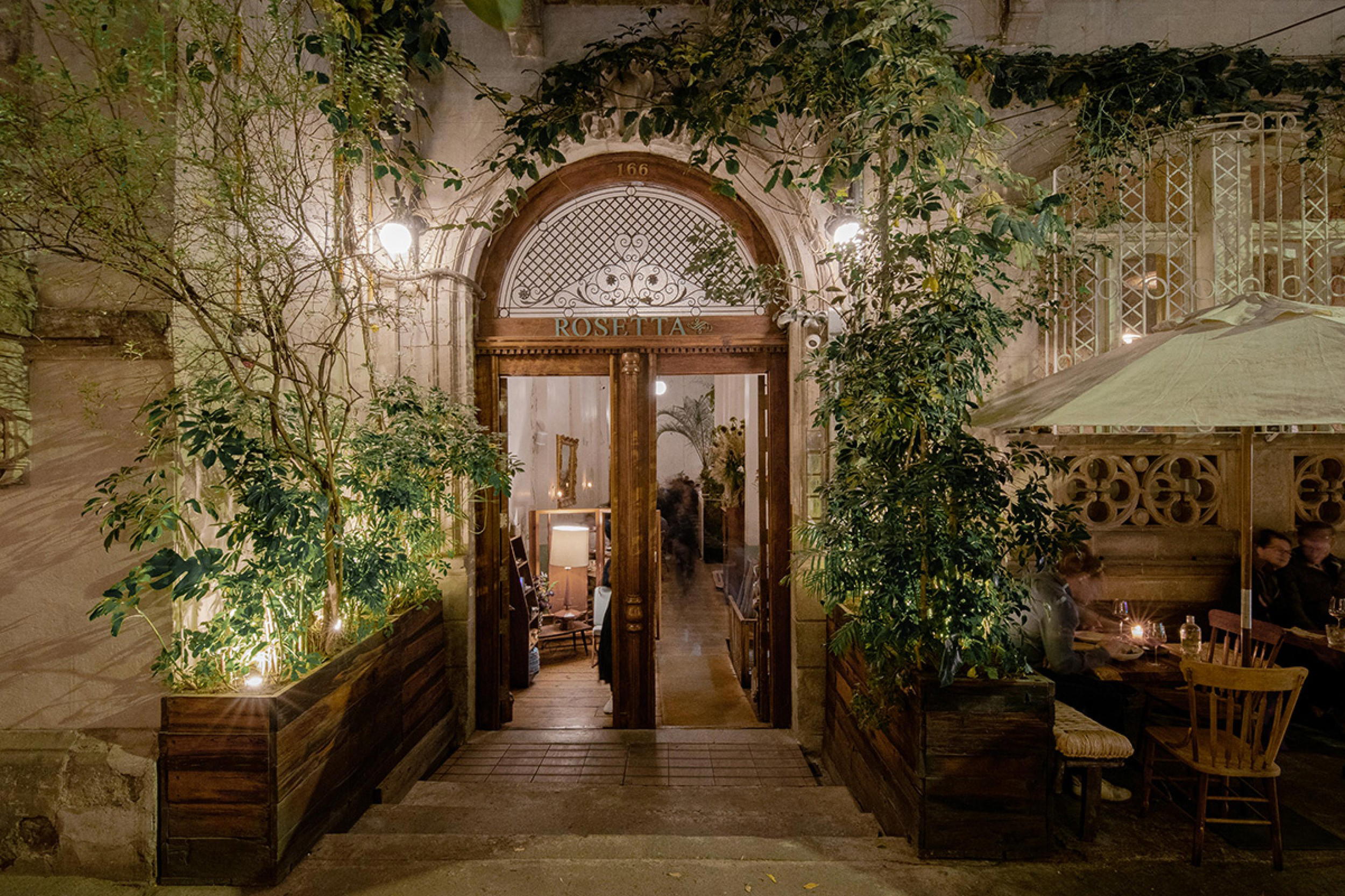
Roma Norte has spent the better part of two decades becoming Mexico City's most closely watched residential neighbourhood: tree-lined streets, pre-earthquake Porfiriato and Art Deco architecture, a restaurant and bar scene that generates more international coverage per block than almost anywhere else in Latin America. Staying here rather than in Polanco is a deliberate act of orientation. Properties like Casona Roma Norte and Brick Hotel work the same logic, but La Valise pushes the boutique format further than most: eight suites, no restaurant, no lobby to speak of, and a ground-floor concept store selling objects designed and made in Mexico. The property sits inside a 1920s townhouse, which means high ceilings, thick walls, and the kind of spatial proportion that no amount of new construction replicates.
What Eight Suites Actually Means
At eight keys, La Valise is operating in a format where individual room design carries the full weight of the guest experience. This is the logic behind properties like Casa Silencio in Oaxaca or Hotel Esencia in Tulum: when you cannot compete on volume, you compete on specificity. At La Valise, each suite has been designed as a distinct environment rather than a variation on a central theme.
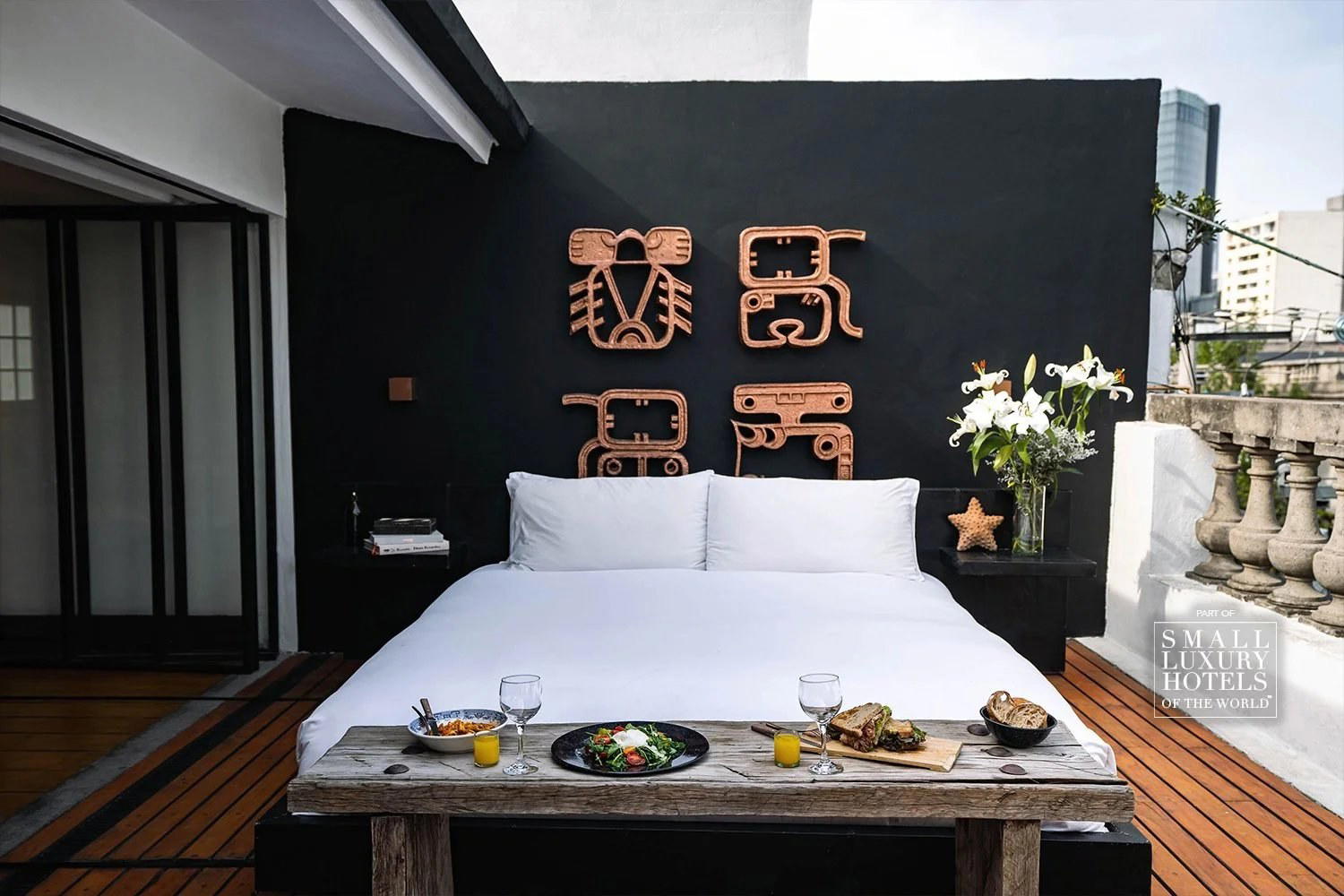
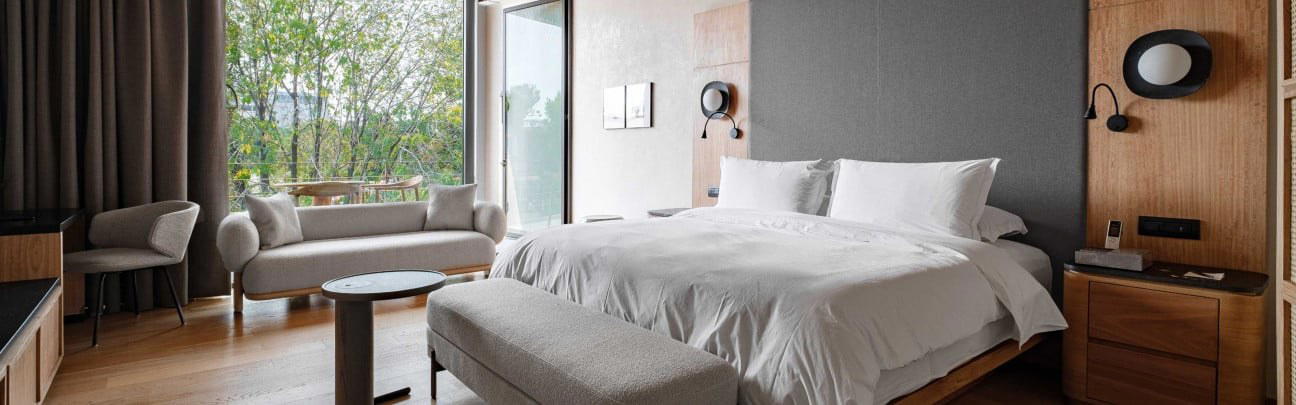
The Gravity Suite opens onto a patio furnished with a leather swing and a hammock produced by artisans in the Yucatán, and the interior pivots toward dramatic material choices: black velvet upholstery, crocodile-skin detailing, a terra cotta dog sculpture by artist Carlos Ranc. The Moon Suite takes a different register entirely, with pale hardwood floors, vintage lamps, and a hallway painted in a shade that reads as a deliberate reference to Frida Kahlo's colour sensibility without becoming pastiche. Suite Polaris is perhaps the most theatrical: a king-sized bed on a track system that rolls from the bedroom onto an open-air terrace, collapsing the boundary between inside and outside in a way that is genuinely architectural rather than a styling exercise.
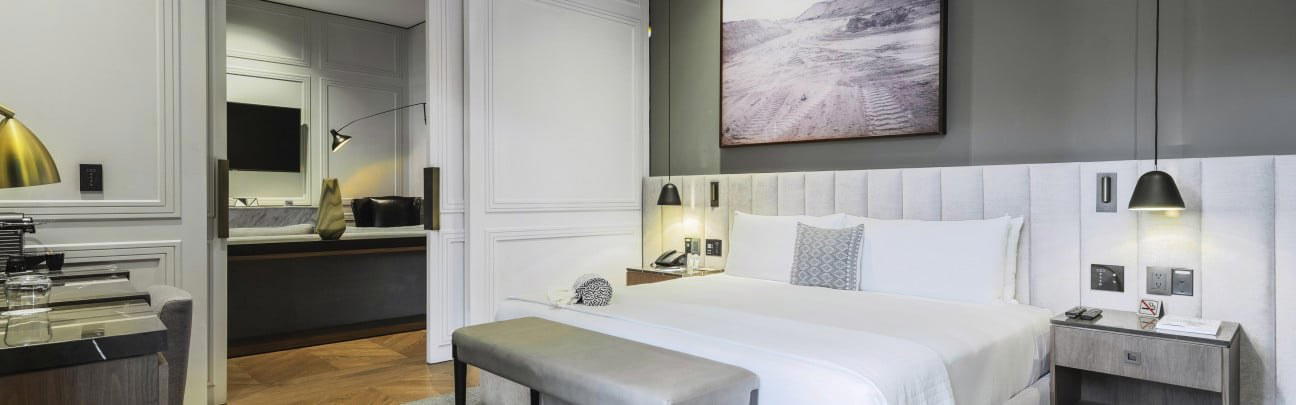
Across all suites, the specification is consistent: 600-thread-count Egyptian cotton linens, large soaking tubs alongside walk-in showers, Nespresso machines, high-quality audio systems, and 40-inch flat-screen televisions. These are not amenities assembled to hit a checklist; they sit inside rooms where the surrounding design justifies the attention.
The Design Logic and Its Mexican Context
Small luxury hotels in Mexico have increasingly organised around craft and local materiality as a point of differentiation from international chain product. Chablé Yucatán does this through hacienda restoration and regional botanical programming. Xinalani anchors the approach to its Pacific jungle site. La Valise does something slightly different: it embeds the hotel inside a retail proposition. The concept store on the ground floor, selling furniture, objects, and textiles that fit the aesthetic of the suites above, makes the hotel a legible extension of a curatorial argument about Mexican design rather than a standalone hospitality play.
The collaborative framework behind the property, involving an entrepreneur with a background in globe-spanning retail and a French-born designer with a portfolio across Paris and Mexico City, places the aesthetic somewhere between Parisian apartement sensibility and Mexican craft vocabulary. That tension is productive rather than confused: it explains why a suite can contain a Yucatecan artisan hammock and a crocodile-skin sofa in the same frame without feeling incoherent.
For comparison, Casa Polanco and Campos Polanco serve the neighbourhood-boutique segment from a Polanco address, with a different clientele expectation around proximity to the restaurant strip on Presidente Masaryk. La Valise's Roma Norte position trades that commercial convenience for direct immersion in the neighbourhood with the city's densest concentration of serious independent restaurants and bars.
Food, Drink, and the Neighbourhood as Dining Room
La Valise does not operate a restaurant or bar, which in most hotel contexts would read as a gap. Here it reads as a curatorial choice aligned with the property's scale. Roma Norte functions as the dining programme by default: the streets within walking distance of Tonalá 53 contain enough cooking of sufficient quality to sustain a week of meals without repetition. The neighbourhood's restaurant density, covering everything from serious tasting menus to market-stall quality taco operations, means that the absence of an in-house kitchen is less a limitation than an invitation to engage with the city at street level.
For guests who prefer to range further, the larger hotel restaurant corridors in Polanco and Condesa are accessible by short taxi or rideshare ride. Properties with integrated dining programmes, including Alexander and Casapani, offer a different logic for guests who want a consolidated experience. La Valise's proposition is specifically for those who want the hotel to recede and the city to advance. For a broader orientation to where to eat across the city, our full Mexico City restaurants guide maps the dining scene by neighbourhood and format.
Planning Your Stay
Eight suites means availability operates on a different calendar than a standard hotel. Roma Norte is consistently in demand from international visitors, and the property's editorial profile in design and travel media has kept it visible to a specific segment of informed travellers. Booking lead times should be treated accordingly: last-minute availability at peak periods is unlikely. The property's address on Tonalá places it within easy walking distance of the neighbourhood's main commercial streets and a short distance from Parque México in Condesa.
Guests arriving from international flights at Benito Juárez International Airport are approximately 30 to 40 minutes from Roma Norte by taxi or rideshare depending on traffic, with Reforma corridor congestion the primary variable. The hotel's eight-suite format also means that the property is occasionally taken entirely by a single group booking, so confirming availability early is the direct practical step.
Travellers interested in design-led small-scale properties elsewhere in Mexico will find useful comparisons at One&Only Mandarina on the Pacific coast, Maroma on the Riviera Maya, and Las Alamandas on Costalegre, each of which applies a similar low-key, high-specification logic at resort scale. For those comparing the boutique urban format internationally, Aman Venice and The Fifth Avenue Hotel in New York sit in a comparable tier of intimate, design-forward properties where the building and its neighbourhood context do as much work as the room inventory. See also Casa Nuevo León Hotel and CASA TEO for further Roma-area alternatives, and Casa de Sierra Nevada if a colonial city alternative is on the itinerary. For those considering Etéreo, Auberge Resorts Collection or Zadun, A Ritz-Carlton Reserve as part of a longer Mexico trip, the contrast between resort-scale luxury and La Valise's urban micro-hotel format is worth planning around rather than treating as an either/or decision. Montage Los Cabos and Las Ventanas al Paraíso round out the Los Cabos end of that comparison set.
The Essentials
Comparable venues nearby, for context on price, style, and recognition.
| Venue | Price | Awards | Notes |
|---|---|---|---|
| La Valise Mexico CityThis venue — the venue you are viewing | $300–500 | 1 Michelin Key · Vogue 2026 Vogue Best Hotels in Mexico City | Not listed |
| The Wild Oscar | $200–300 | 1 Michelin Key | Chapultepec Morales, Intimate boutique aparthotel blending home-like comfort with sophisticated luxury for informed business travelers. |
| Brick Hotel | $300–500 | 1 Michelin Key · Mr & Mrs Smith Seal of Approval | Roma Norte, Restored Belle Époque mansion with modern luxury updates |
| Volga | Not listed | 1 Michelin Key · Mr & Mrs Smith Seal of Approval | Cuauhtemoc, Sophisticated brutalist design with contemporary Mexican influences |
| Pug Seal Anatole France | Not listed | 1 Michelin Key | Miguel Hidalgo, Restored 1940s mansion with modernized eclectic residential vibe |
| Alexander | Not listed | 1 Michelin Key · Mr & Mrs Smith Seal of Approval | Molino Del Rey, Modern luxury boutique in well-known skyscraper |
Recognition history
Dated appearances from independent guides and award organizations, with the underlying list record or original source where available.
Michelin 1 Key
Michelin
Vogue 2026 Vogue Best Hotels in Mexico City
Vogue
Small Luxury Hotels of the World Member
Small Luxury Hotels of the World
Full recognition history (4 entries)
Michelin 1 Key
Michelin
Continue exploring
More in Mexico City
Hotels in Mexico City
Browse all →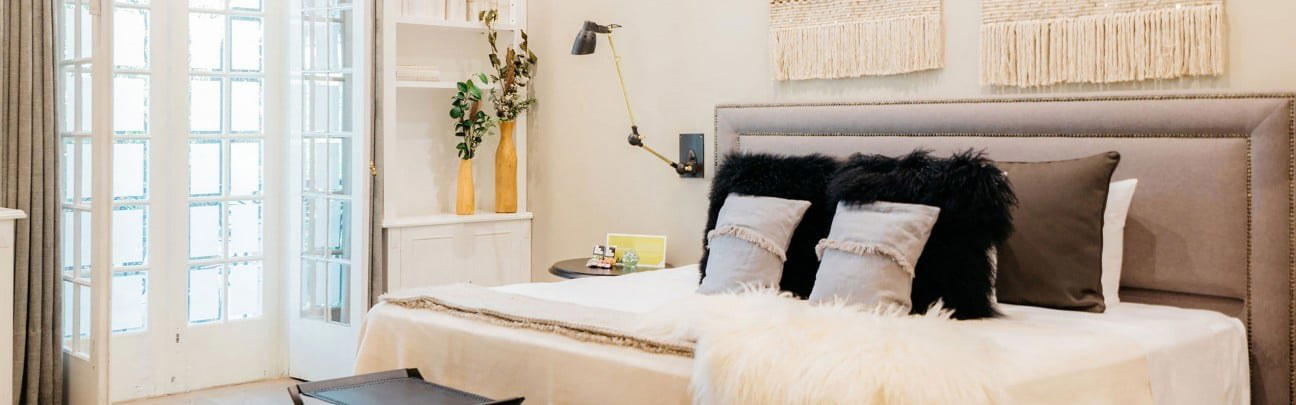
Bars in Mexico City
Browse all →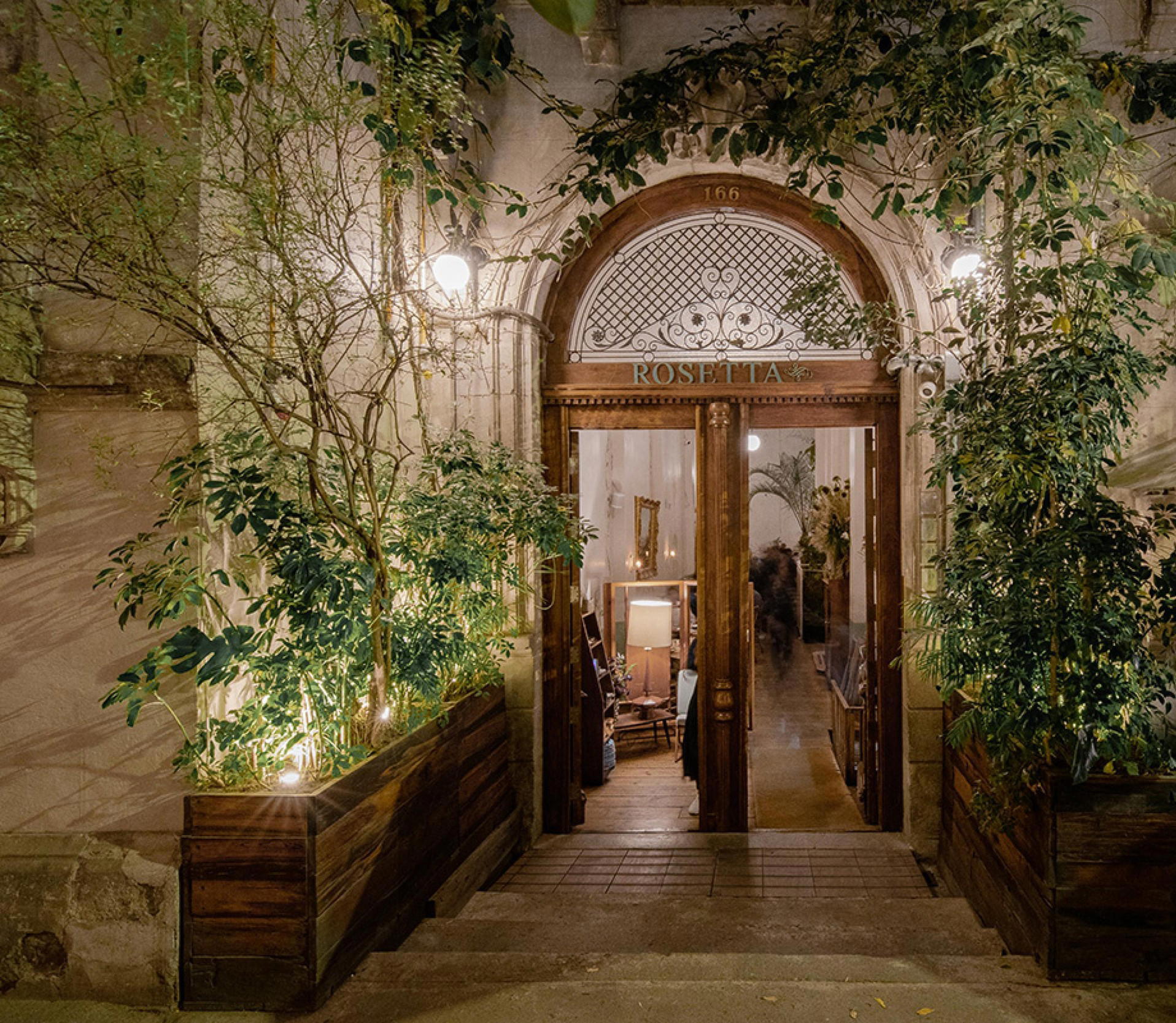
Details
- Romantic
- Elegant
- Sophisticated
- Intimate
- Romantic Getaway
- Honeymoon
- Anniversary
- Weekend Escape
- Terrace
- Historic Building
- Design Destination
- Panoramic View
- Private Dining
- Wi Fi
- Spa
- Room Service
- Concierge
- Breakfast Included
- Air Conditioning
- Skyline
- Street Scene
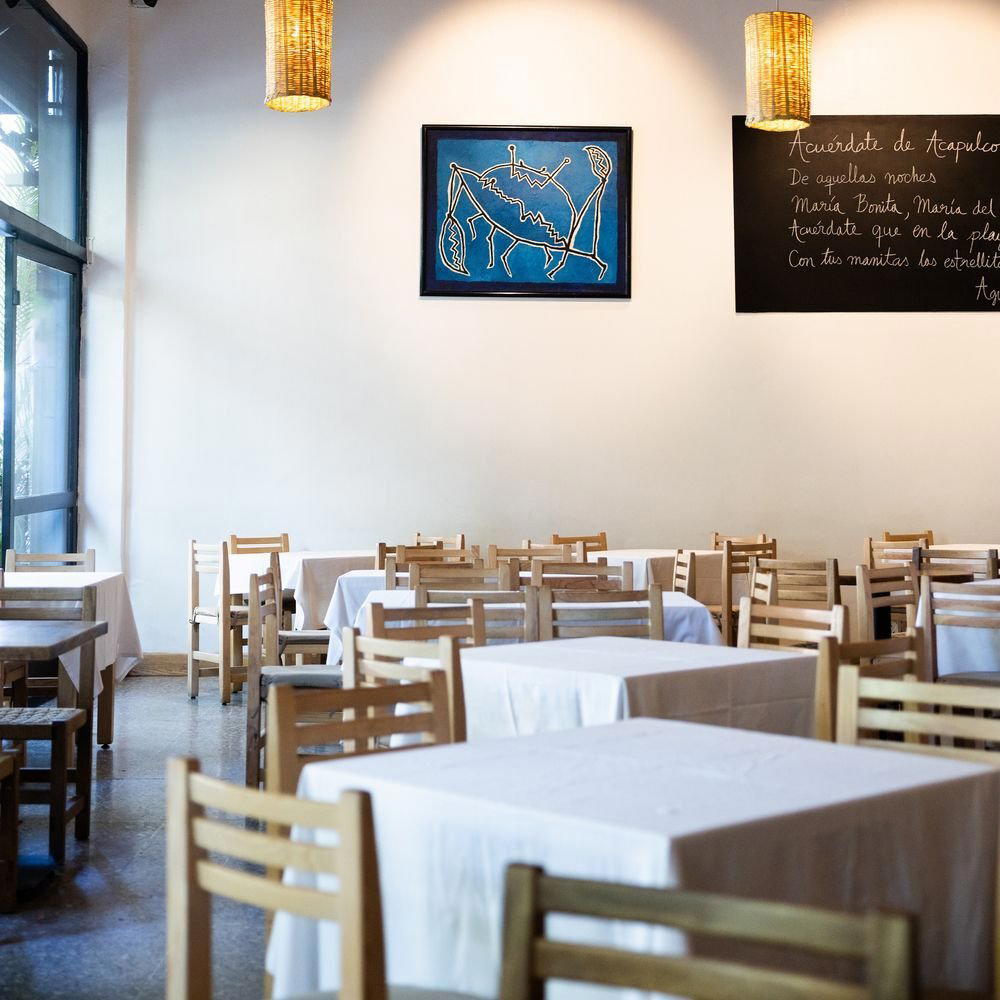
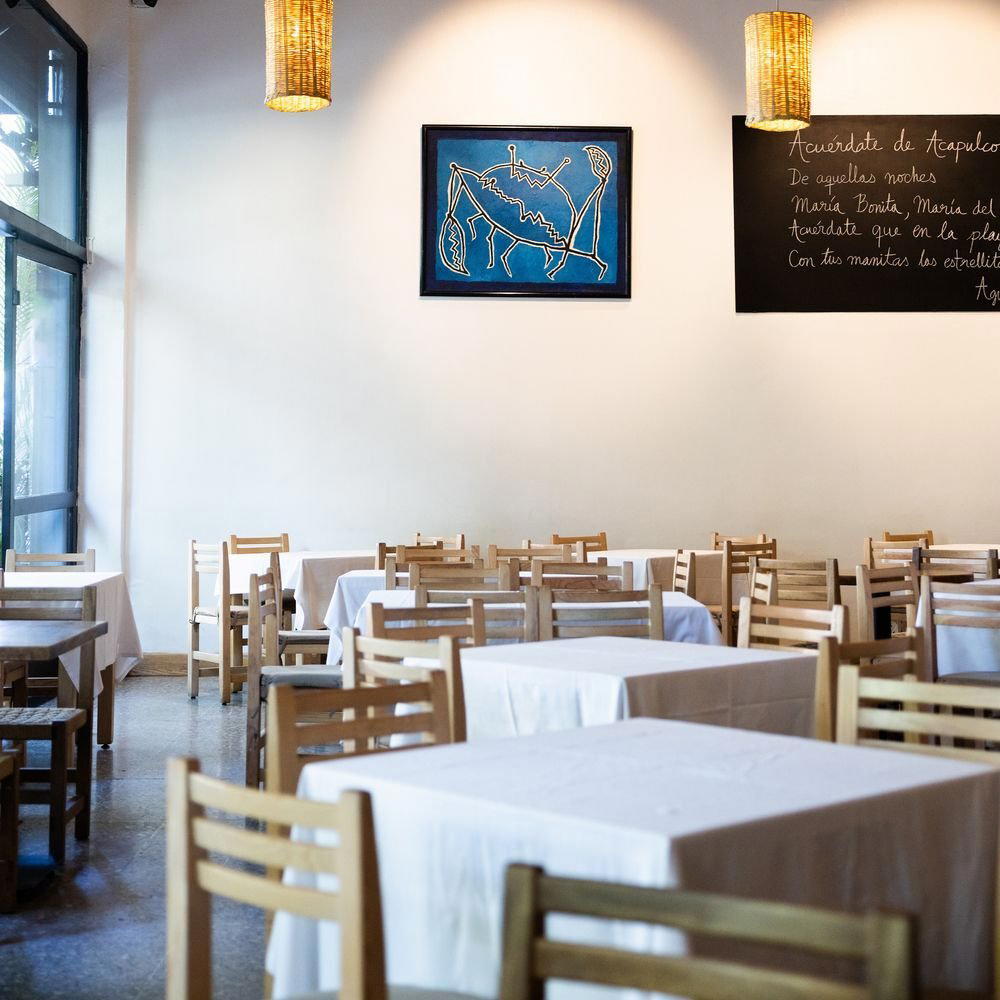
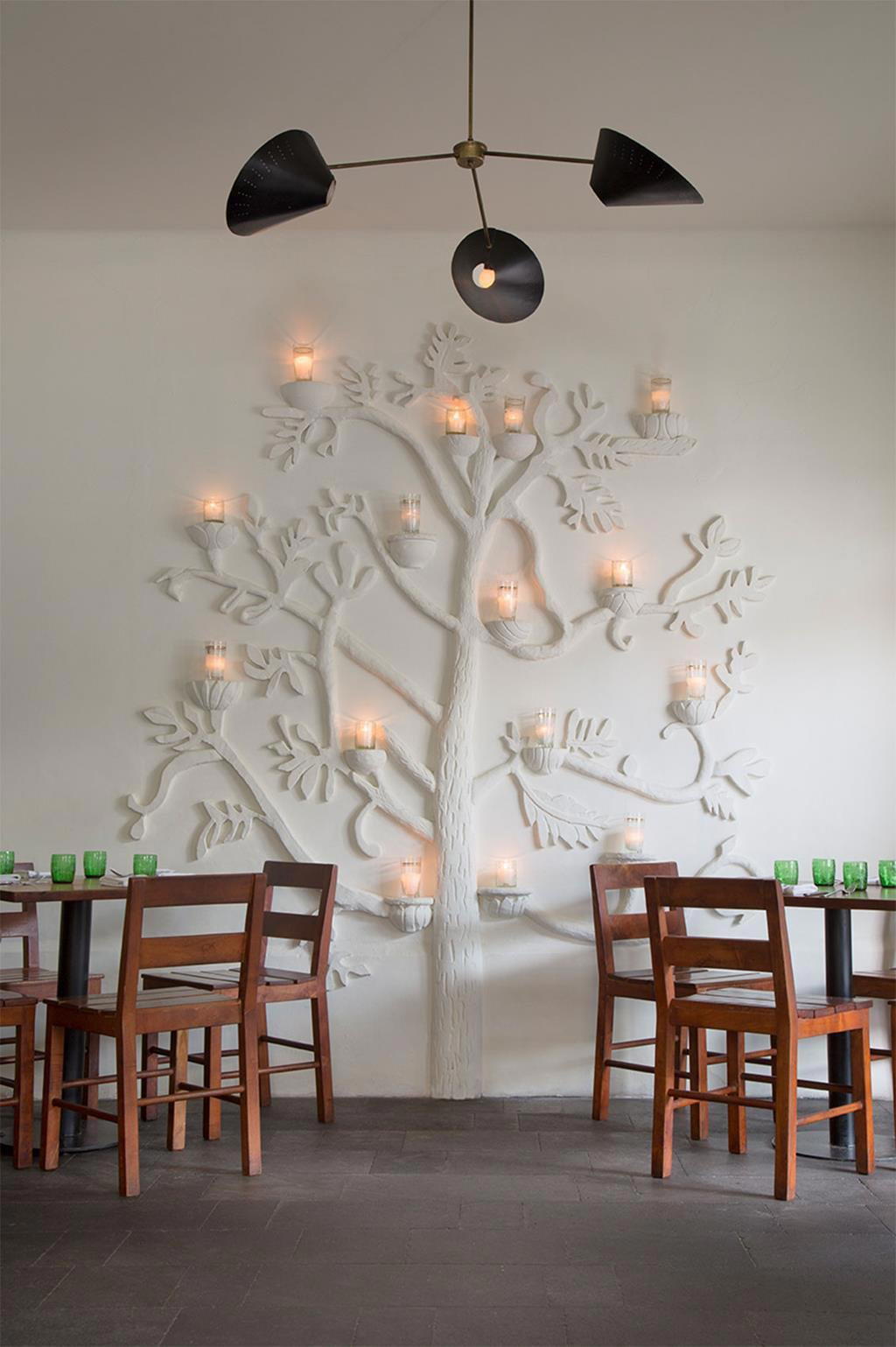
Intimate and refined with soft, curated lighting throughout the property; feels like a private residence with high ceilings, ornate moldings, and carefully layered natural textures creating a quietly glamorous atmosphere.