Tori Tori Polanco
Tori Tori Polanco sits in the middle of Mexico City's most competitive dining corridor, where the bar for Japanese-inflected cuisine has been set high by a decade of serious restaurant openings.
Pearl is the En Primeur Club membership app — saves, bookings, and concierge access live there. Same editors, same standards.
- Address
- Temístocles 61, Polanco, Polanco IV Secc, Miguel Hidalgo, 11550 Ciudad de México, CDMX, Mexico
- Phone
- +52 55 4170 9245
- Website
- toritori.com.mx
- Directions
- Get directions
 Saves & bookings on Pearl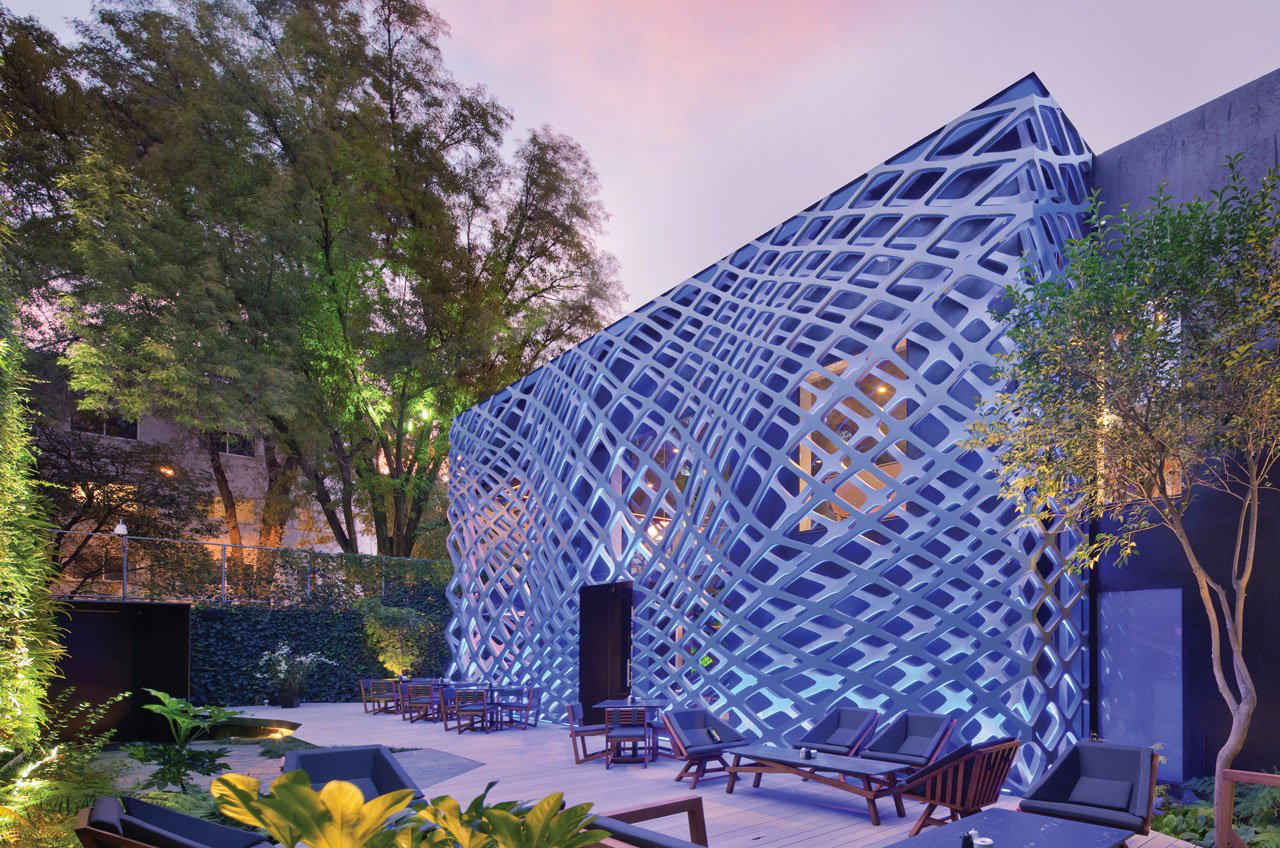
Polanco's Japanese Undercurrent
Mexico City's Polanco district has developed one of Latin America's more coherent concentrations of Japanese-influenced dining, a shift that tracks the broader regionalization of Japanese technique across major culinary capitals over the past fifteen years. Where Tokyo-trained chefs once clustered in North American and European cities, the current wave has reached Mexico City with enough critical mass to constitute a genuine scene rather than a curiosity. Tori Tori Polanco, on Temístocles 61 in the fourth section of Polanco, sits inside that movement. The address places it a few blocks from the Presidente Masaryk corridor, where restaurant density and average spend both run high, and where a dining room needs to justify itself against serious competition.
The neighbourhood's dining character has been shaped partly by proximity to embassies, corporate headquarters, and the residential density that makes Polanco one of the few parts of the city where a full-service dinner at $$$ or $$$$ pricing finds a steady local audience on weeknights, not just weekends. That context matters because it sets the floor for what a room in this postcode must deliver in terms of service choreography, beverage depth, and physical environment. Casual operations do not survive long at this latitude of Temístocles.
The Architecture of the Room
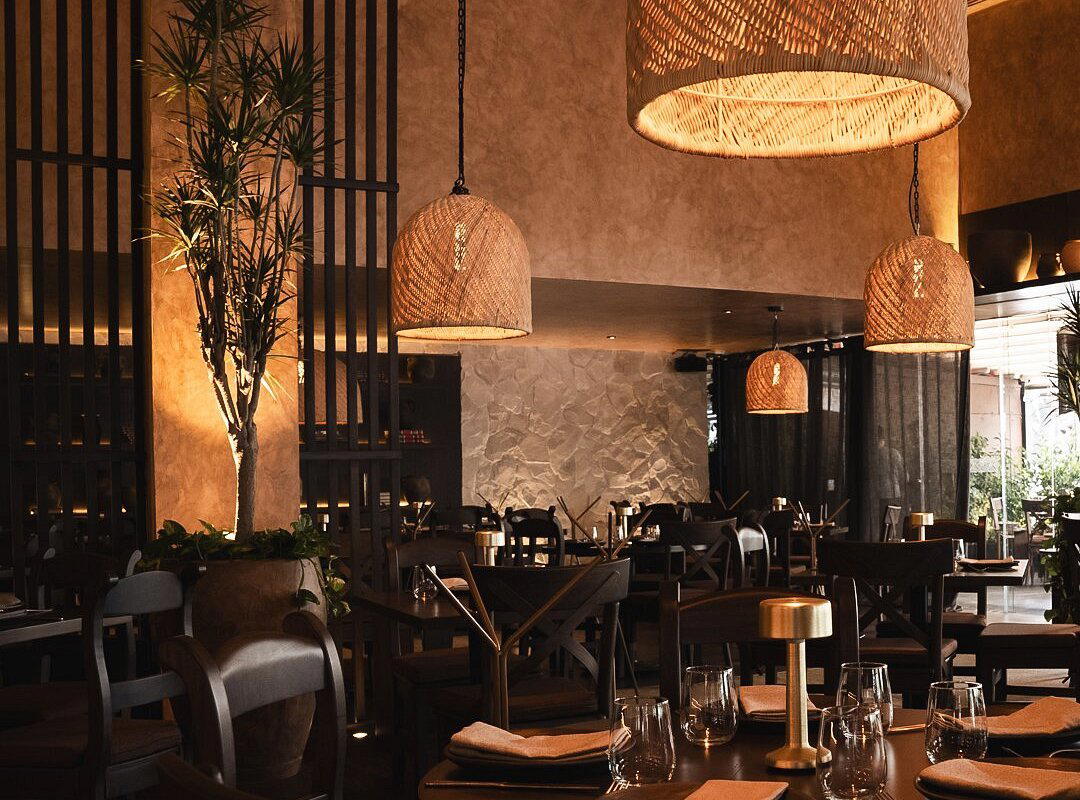
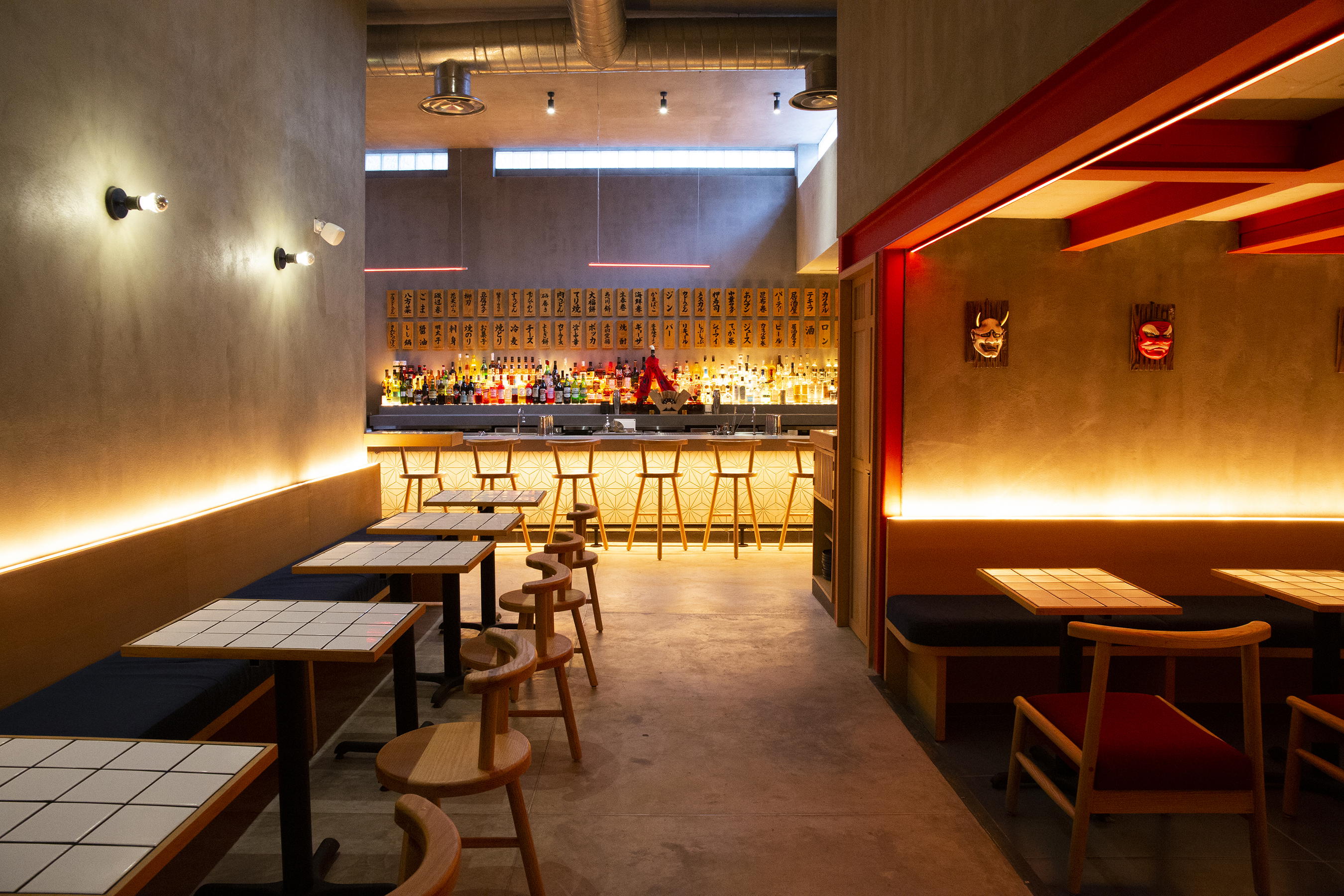
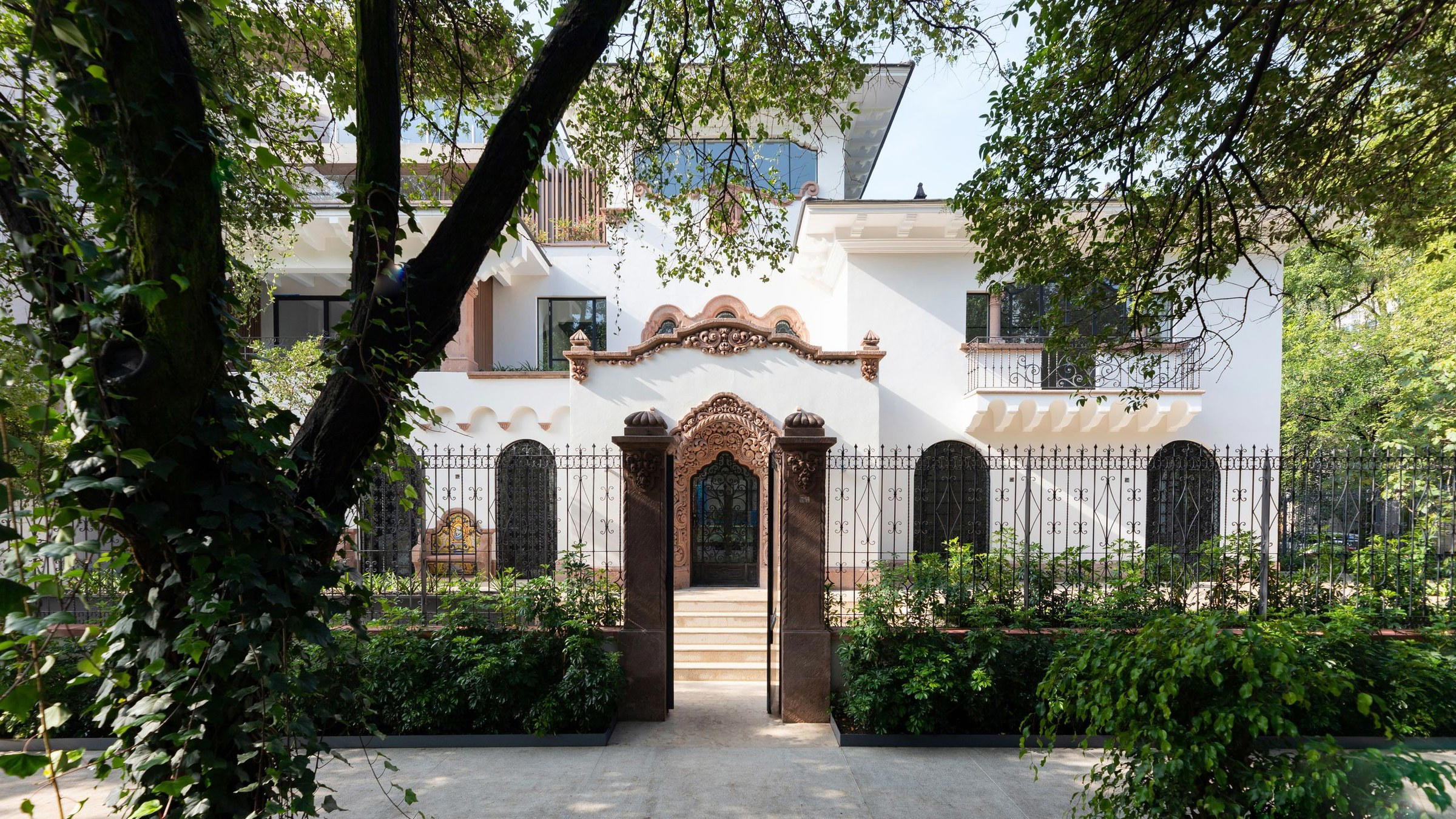
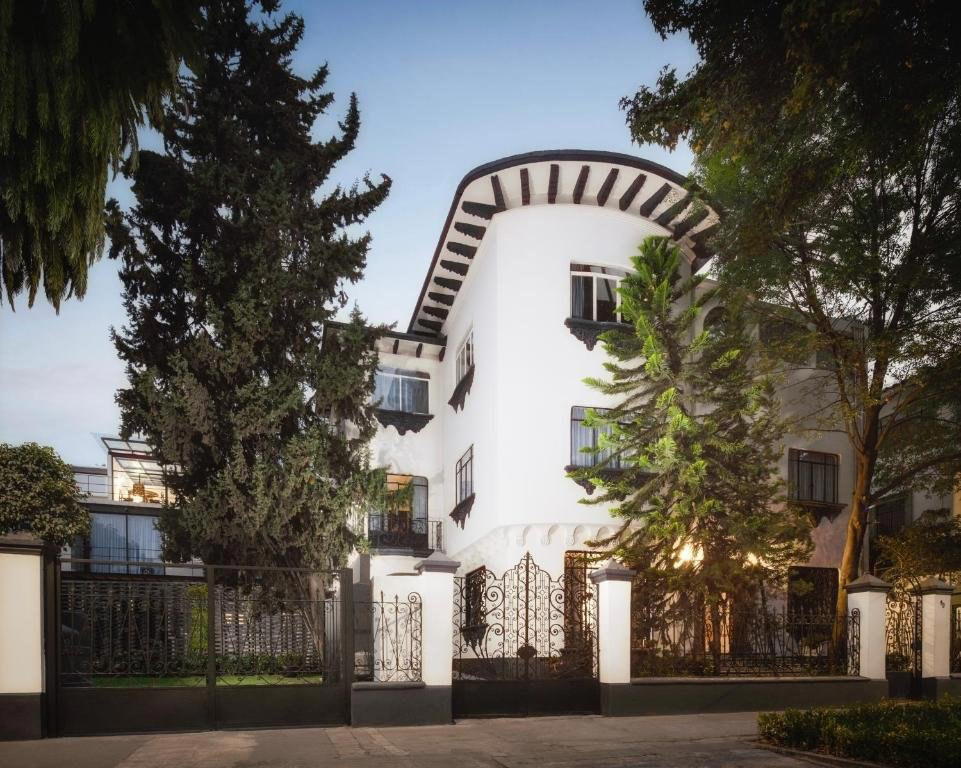
Japanese restaurant design in Mexico City has largely avoided the minimalist severity that defines many of its counterparts in Tokyo or New York. The better-performing addresses tend toward warmer materials, with timber, stone, and considered lighting doing the work of signalling premium intent without the austerity that can make a dining room feel punishing over a two-hour meal. Tori Tori Polanco's physical presence on this street follows that pattern, with the exterior reading as a destination rather than a thoroughfare stop. Approaching along Temístocles, the building holds its own against the architectural confidence that characterises the block.
Inside, the question that defines any ambitious Japanese-influenced room in this city is how it handles the tension between the precision that Japanese culinary culture demands and the warmth that Mexican dining culture expects. That tension is not a problem to be solved so much as a calibration challenge, and the rooms that handle it well tend to draw repeat clientele across both local and international demographics.
Team Architecture and the Service Question
The editorial angle that matters most at any ambitious restaurant in Polanco is not the menu alone but the coordination between the kitchen, the floor, and the beverage program. Mexico City's most discussed restaurants in recent years, including Pujol and Quintonil at the top of the tier, have earned their reputations not only through cooking but through the consistency of an integrated team. The same standard applies at the level below, where a misstep in beverage pacing or a floor team that cannot articulate the menu's logic costs a room credibility in a city where the dining public is increasingly sophisticated.
At Japanese-inflected addresses specifically, the sommelier or sake-and-spirits lead plays a structurally important role. Mexican wine culture has deepened significantly over the past decade, with producers in Baja California, including names associated with Animalón in Valle de Guadalupe and the wider Valle de Guadalupe circuit, now appearing on serious restaurant lists in the capital. The question of how a Polanco Japanese room handles that domestic wine conversation alongside its imported sake and spirits selection tells you a great deal about the program's intellectual ambition. A list that leans entirely on imported product signals a certain conservatism; one that integrates Mexican producers signals genuine engagement with the current moment in Mexican hospitality.
Front-of-house team dynamics at this price point in Polanco also tend to be measured against a high standard of bilingual fluency, given the volume of international visitors the district receives. Restaurants in the same competitive cohort as Tori Tori, including Rosetta and Em, have built floor teams where product knowledge and language range are both treated as non-negotiables.
Where This Address Sits in the Wider Mexican Fine Dining Circuit
Mexico's serious restaurant circuit now extends well beyond the capital. Addresses like Le Chique in Puerto Morelos, KOLI Cocina de Origen in Monterrey, Levadura de Olla Restaurante in Oaxaca, Alcalde in Guadalajara, Pangea in San Pedro Garza Garcia, Lunario in El Porvenir, Olivea Farm to Table in Ensenada, Arca in Tulum, and HA' in Playa del Carmen have established that ambitious cooking is no longer the exclusive province of Mexico City's Polanco and Roma Norte corridors. That geographic spread has, if anything, sharpened the expectations placed on capital-city addresses: a Polanco restaurant now competes not just with its neighbours but with the reputational signal sent by every serious room in the country.
Internationally, the frame of reference for Japanese-influenced dining at this level is set by rooms like Le Bernardin in New York City or the collaborative-format model exemplified by Lazy Bear in San Francisco, where the team dynamic is part of what the guest is paying to experience. Mexico City's Japanese-inflected rooms are increasingly being measured by that international standard, particularly as the city draws more food-focused international travel.
For a fuller picture of how Tori Tori Polanco fits within the capital's broader dining offer, our full Mexico City restaurants guide maps the city's major corridors and price tiers. Sud 777 represents a different point on the creative-cuisine spectrum in the city, and comparing those two rooms illustrates how divergent Mexico City's current ambition has become.
Planning Your Visit
Tori Tori Polanco's location in Polanco IV Secc on Temístocles 61 makes it accessible from the Polanco metro station and direct to reach by app-based car services from Roma, Condesa, or the historic centre. Polanco restaurants at this tier typically operate Tuesday through Sunday for dinner, with some offering a Saturday and Sunday lunch service, though confirmation of current hours directly with the venue is advisable before planning around a specific slot. Reservation practice in this postcode runs toward advance booking for weekend evenings, particularly for groups of four or more, where walk-in availability becomes considerably less predictable. Dress norms in Polanco skew smart-casual to business-casual, with the room's design and pricing signals suggesting that the floor team will be working to a standard where the guest's presentation is expected to meet the room's.
Quick Comparison
| Venue | Cuisine | Price | Awards |
|---|---|---|---|
| Tori Tori PolancoThis venue — the venue you are viewing | This venue | Not listed | Not listed |
| Pujol | Mexican | $$$$ | Michelin 2 Star |
| Quintonil | Modern Mexican, Contemporary | $$$$ | Michelin 2 Star |
| Rosetta | Italian, Creative | $$ | Michelin 1 Star |
| Em | Mexican | $$$ | Michelin 1 Star |
| Comedor Jacinta | Mexico, Mexican | $$ | Mexico, Mexican, $$ |
Continue exploring
More in Mexico City
Restaurants in Mexico City
Browse all →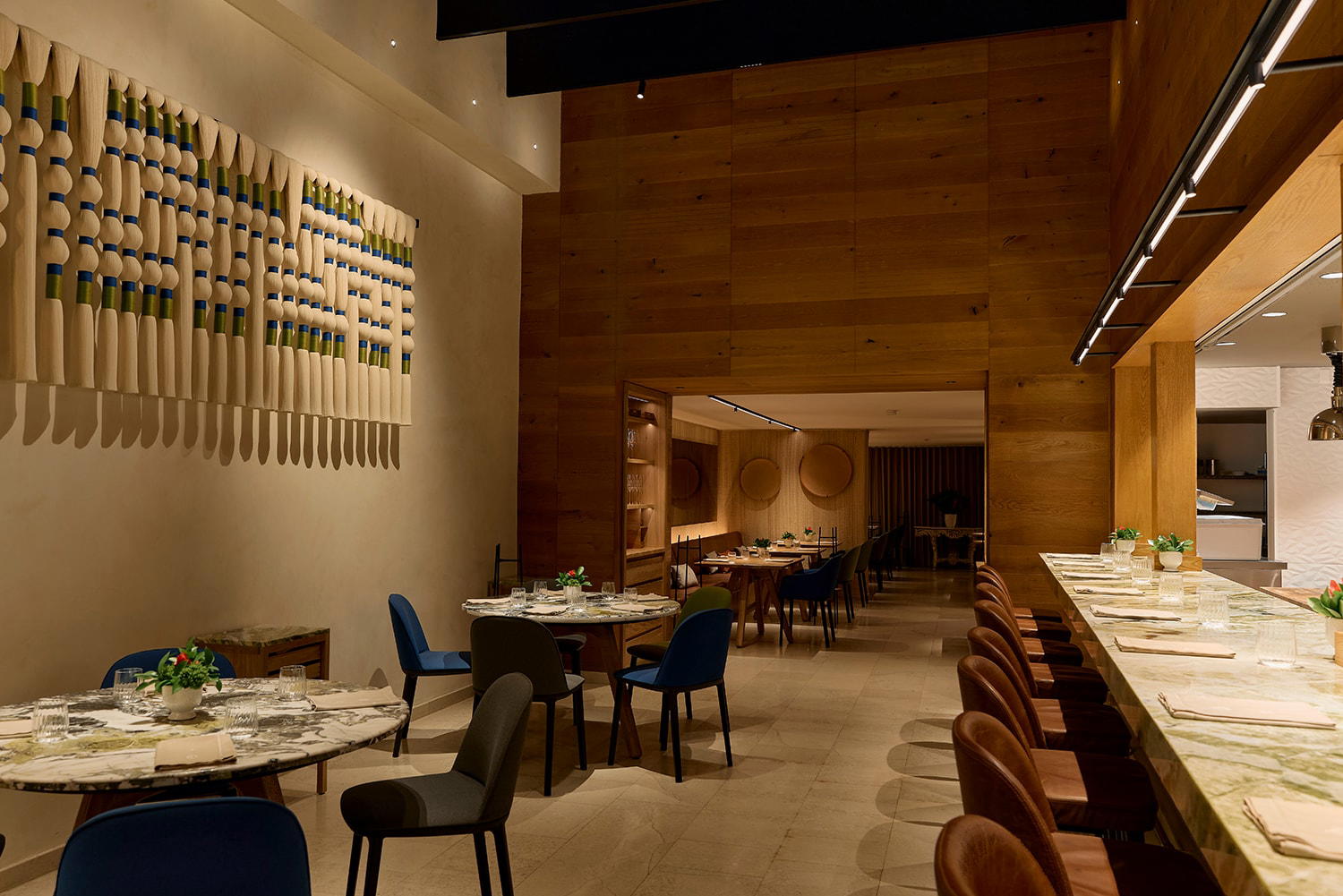
Bars in Mexico City
Browse all →
At a Glance
- Modern
- Elegant
- Trendy
- Sophisticated
- Minimalist
- Date Night
- Business Dinner
- Special Occasion
- Open Kitchen
- Sake Program
Current opening hours
- Monday
- 1–11 PM
- Tuesday
- 1–11 PM
- Wednesday
- 1 PM–12 AM
- Thursday
- 1 PM–1 AM
- Friday
- 1 PM–1 AM
- Saturday
- 1 PM–1 AM
- Sunday
- 1–8 PM
Hours can change for holidays and private events. Last verified .
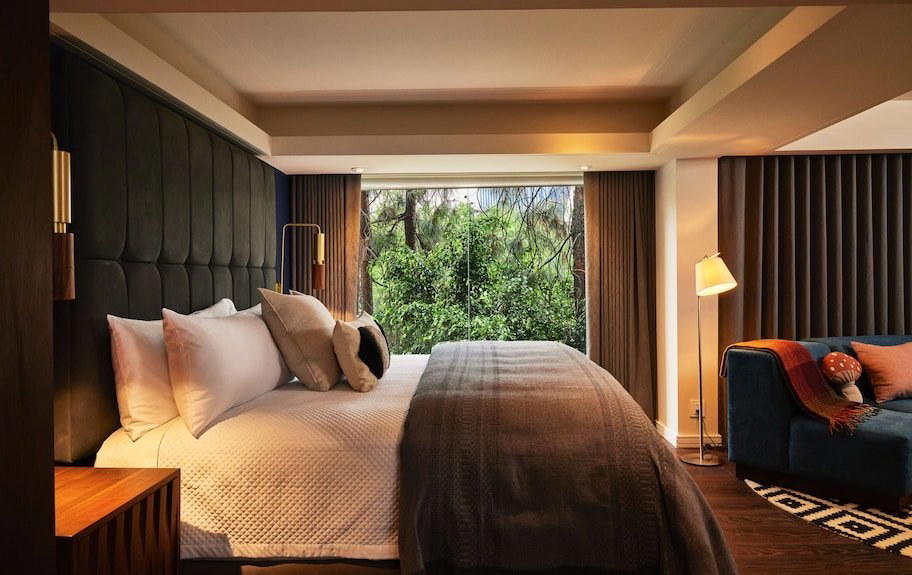
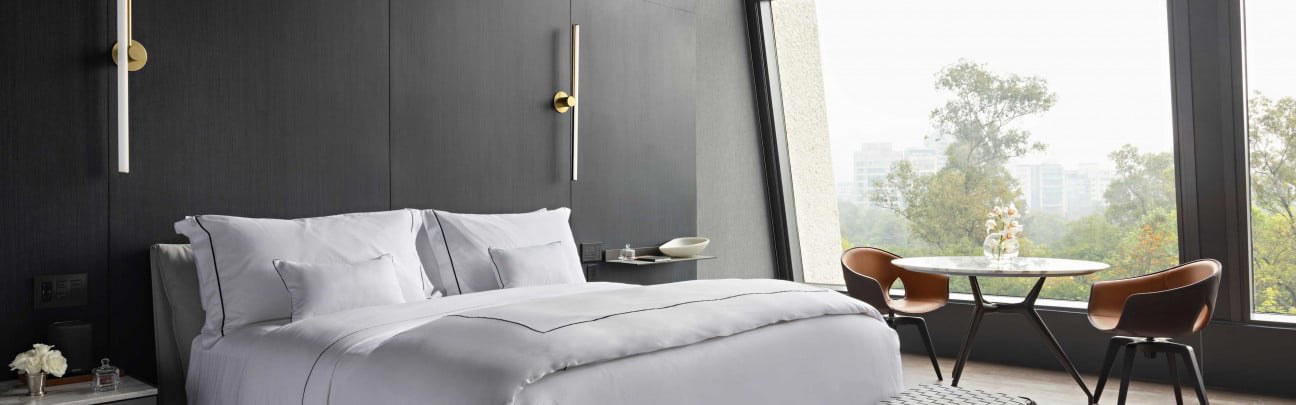
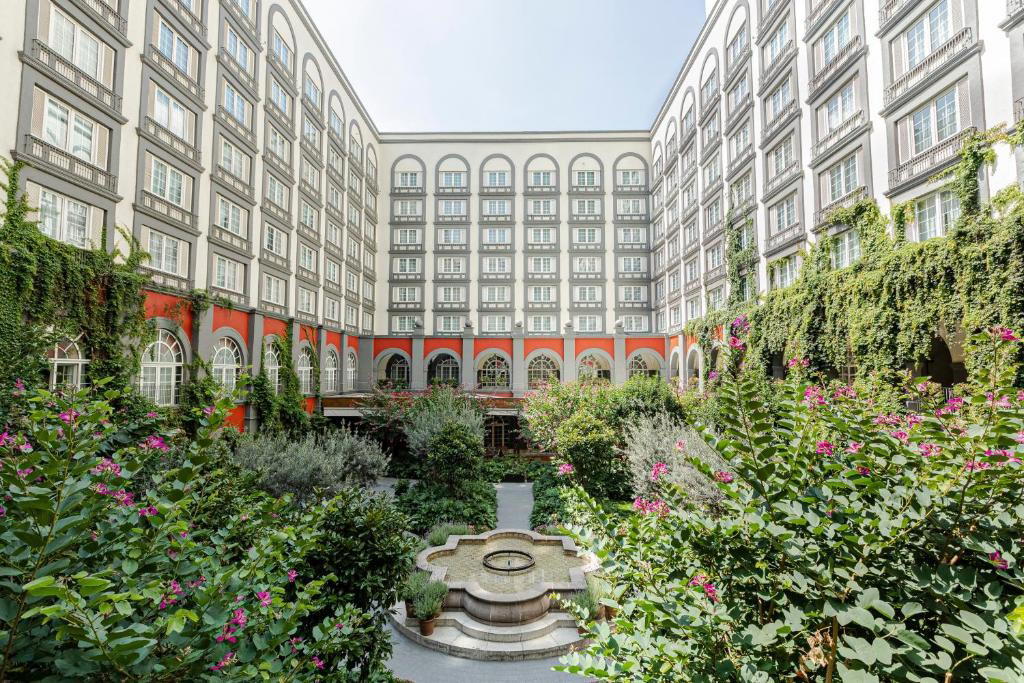
Modern and elegant with postmodern decor, minimalist architecture, liberal greenery including living walls, chic and impressive interiors that create a sophisticated yet relaxed atmosphere.
Know Before You Go
- Getting there
- Temístocles 61, Polanco, Polanco IV Secc, Miguel Hidalgo, 11550 Ciudad de México, CDMX, Mexico