UNI by Batta Sushi
UNI by Batta Sushi brings a precise Japanese counter format to Polanco, one of Mexico City's most internationally oriented dining corridors. Set on Calle Julio Verne, it occupies a neighbourhood where omakase and contemporary Japanese cooking have found a serious foothold alongside the city's high-profile Mexican kitchens. For travellers calibrating their Mexico City dining across cuisines and price tiers, it belongs in the conversation.
Pearl is the En Primeur Club membership app — saves, bookings, and concierge access live there. Same editors, same standards.
- Address
- Calle Julio Verne #90, Polanco, Polanco II Secc, Miguel Hidalgo, 11550 Ciudad de México, CDMX, Mexico
- Phone
- +525521204860
- Website
- battasushi.mx
- Directions
- Get directions
 Saves & bookings on Pearl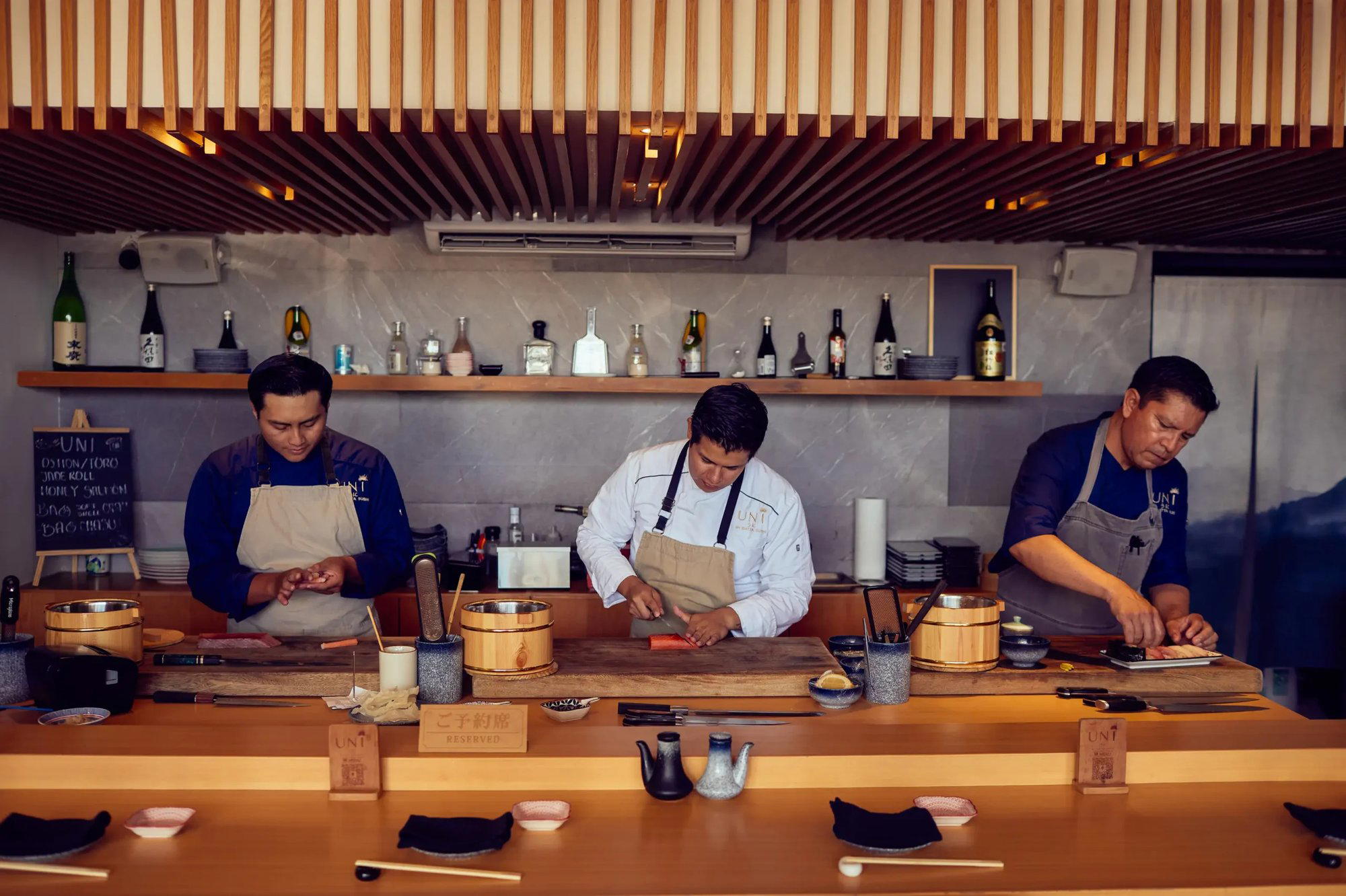
The Counter at Calle Julio Verne
Polanco is the neighbourhood that most consistently absorbs Mexico City's appetite for international fine dining. Along its low-rise residential blocks and wide tree-lined streets, Japanese restaurants have moved well beyond novelty: sushi bars with serious sourcing credentials and structured omakase formats now sit alongside the Mexican kitchens — Pujol, Quintonil, Em — that anchor the neighbourhood's reputation. UNI by Batta Sushi occupies that Japanese tier from its address at Calle Julio Verne 90, a street that runs through the dense commercial heart of Polanco II Secc.
The physical container matters here. Counter-format Japanese dining depends on geometry: the relationship between cook and guest, the sightline to the cutting board, the width of the hinoki or stone surface between them. When the format works, the room itself becomes an argument for restraint, fewer covers, compressed menus, no filler between the kitchen and the person eating. UNI positions itself within that counter-first logic, where the architecture of the space is inseparable from the dining proposition.
Japan in Mexico City: How the Category Has Developed
Mexico City's Japanese dining scene has deepened considerably over the past decade. The city now supports a range of formats: neighbourhood sushi bars operating on volume, hybrid Japanese-Mexican kitchens that use local ingredients through Japanese technique, and a smaller tier of counter-led venues where omakase structure and sourcing precision define the offer. UNI by Batta Sushi belongs to that more concentrated end of the spectrum, where the name itself, UNI, the Japanese term for sea urchin, signals an alignment with ingredient-forward premium Japanese cuisine.
Sea urchin has become shorthand across the world's high-end sushi counters for a particular sensibility: sourcing discipline, seasonal awareness, and a willingness to let a single ingredient carry a course. Counters that feature uni prominently in their identity, from Tokyo's Ginza omakase rooms to newer addresses in São Paulo and New York's Le Bernardin-adjacent seafood tier, are generally making a statement about where they sit in the hierarchy. In Mexico City, that positioning places UNI in a different conversation from the city's broader sushi market.
For comparison across Korean-influenced fine dining counter formats, Atomix in New York City illustrates how counter architecture and tasting menus interact at the highest tier, a useful reference for understanding why the spatial format carries so much weight in this category globally.
Design, Space, and the Logic of the Counter
The omakase counter format is, at its core, a design statement. Removing tables in favour of a single bar forces every decision, lighting, surface material, stool height, the chef's mise en place, into the guest's field of vision. There is nowhere for the kitchen to hide, and no set dressing to soften the experience. The counter is simultaneously a stage, a workbench, and a dining surface, and venues that commit to this format are implicitly committing to a level of craft exposure that table-service restaurants rarely match.
In Polanco, where dining rooms tend toward the generously proportioned and the architecturally polished, a counter-format venue operates as a deliberate contraction. The intimacy is not incidental, it is structural. For guests calibrating where UNI sits relative to the neighbourhood's broader offer, the format itself is a meaningful signal. A counter with limited seats and a chef-directed sequence is a different category of experience from a full-service restaurant, regardless of price tier.
This is worth noting when mapping Mexico City's dining across the range. The city's most discussed restaurants, Pujol, Quintonil, Rosetta, Sud 777, operate in dining rooms with conventional table arrangements. Counter-led Japanese venues offer a structurally different evening, and travellers planning a multi-night itinerary should consider both formats as complementary rather than competing.
Polanco in the Mexico City Dining Map
Polanco concentrates a disproportionate share of Mexico City's internationally oriented restaurants within a compact walkable radius. For visitors staying in the neighbourhood or travelling in from Roma, Condesa, or the Centro, it functions as the city's most reliable block for high-commitment dining without the logistical complexity of reaching outlying colonias. The density of serious kitchens on short stretches, Presidente Masaryk, Julio Verne, Emilio Castelar, means that pre- or post-dinner options are almost always within walking distance.
Within Mexico's broader dining geography, the capital's Japanese counter tier is only one reference point. Across the country, a range of high-specificity restaurants has emerged that rewards advance planning: Le Chique in Puerto Morelos, HA' in Playa del Carmen, Animalón in Valle de Guadalupe, Alcalde in Guadalajara, KOLI Cocina de Origen in Monterrey, Pangea in San Pedro Garza Garcia, Levadura de Olla Restaurante in Oaxaca, Huniik in Merida, Lunario in El Porvenir, and Olivea Farm to Table in Ensenada each represent the seriousness with which regional Mexican dining has developed outside the capital. For travellers building a longer itinerary, the full picture is covered in our full Mexico City restaurants guide.
Know Before You Go
Address: Calle Julio Verne #90, Polanco II Secc, Miguel Hidalgo, 11550 Ciudad de México, CDMX, Mexico
Neighbourhood: Polanco, one of Mexico City's primary fine dining corridors
Format: Counter-format Japanese; omakase-aligned positioning signalled by the venue name
Booking: Contact details and reservations not confirmed at time of publication, verify directly or through a concierge before visiting
Hours: Not confirmed, check current operating hours before planning your visit
Price tier: Not confirmed, budget in line with comparable counter-format Japanese venues in Polanco, which typically operate above the mid-market
Continue exploring
More in Mexico City
Restaurants in Mexico City
Browse all →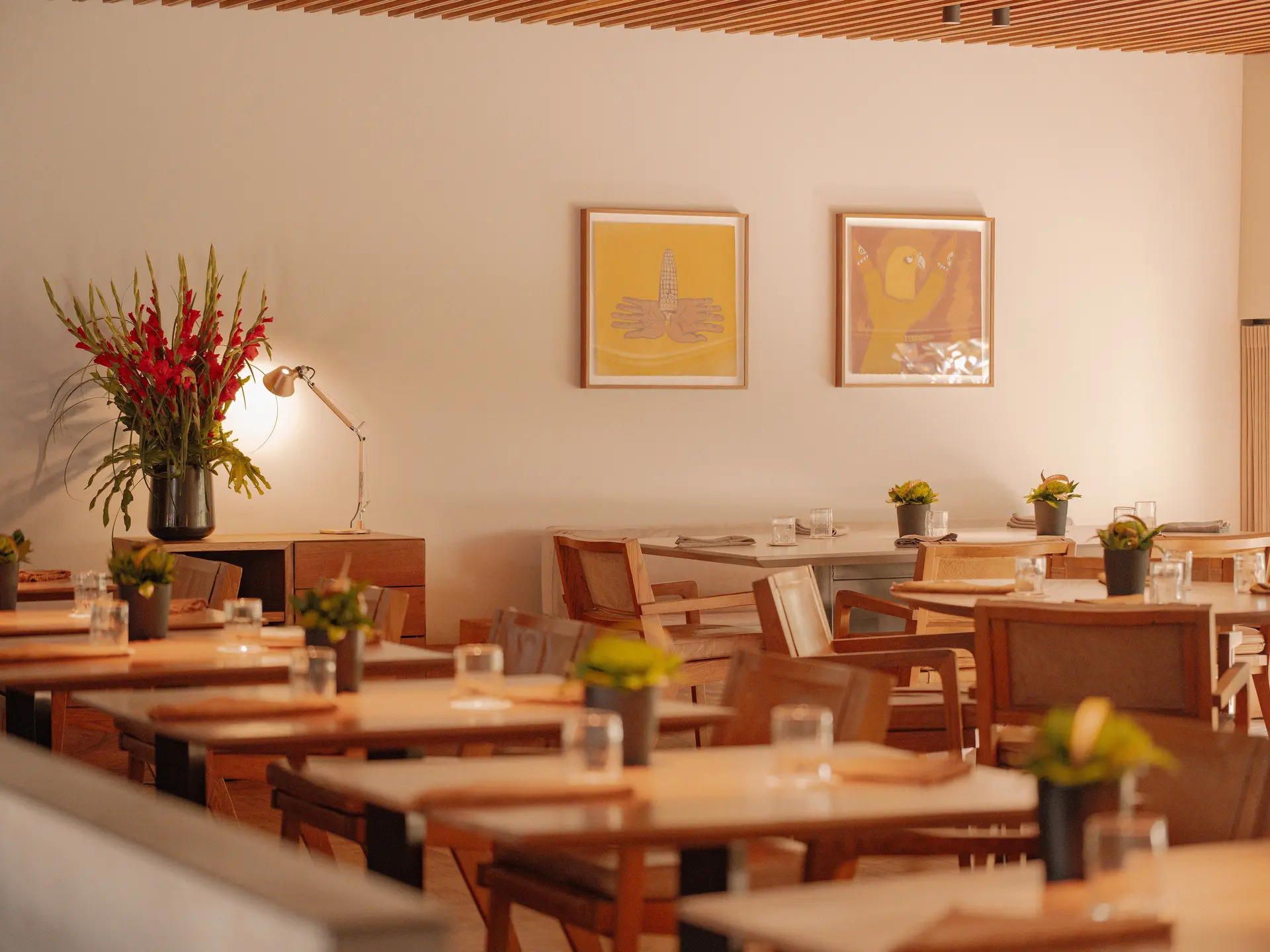
Bars in Mexico City
Browse all →
At a Glance
- Modern
- Elegant
- Intimate
- Trendy
- Date Night
- Special Occasion
- Chefs Counter
- Sake Program
Current opening hours
- Monday
- 1–11 PM
- Tuesday
- 1–11 PM
- Wednesday
- 1–11 PM
- Thursday
- 1–11:30 PM
- Friday
- 1–11:30 PM
- Saturday
- 1–11:30 PM
- Sunday
- 1–11 PM
Hours can change for holidays and private events. Last verified .
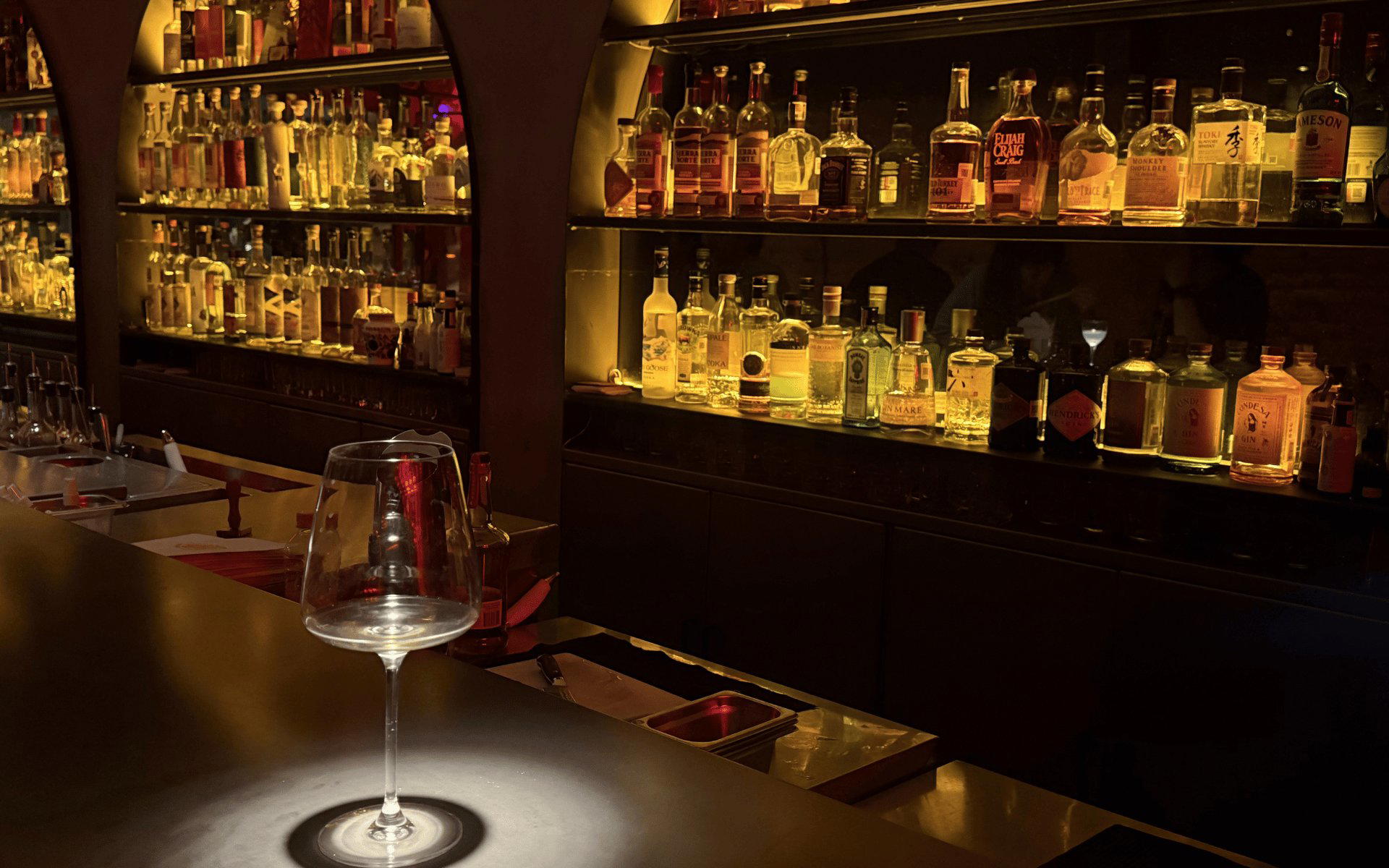
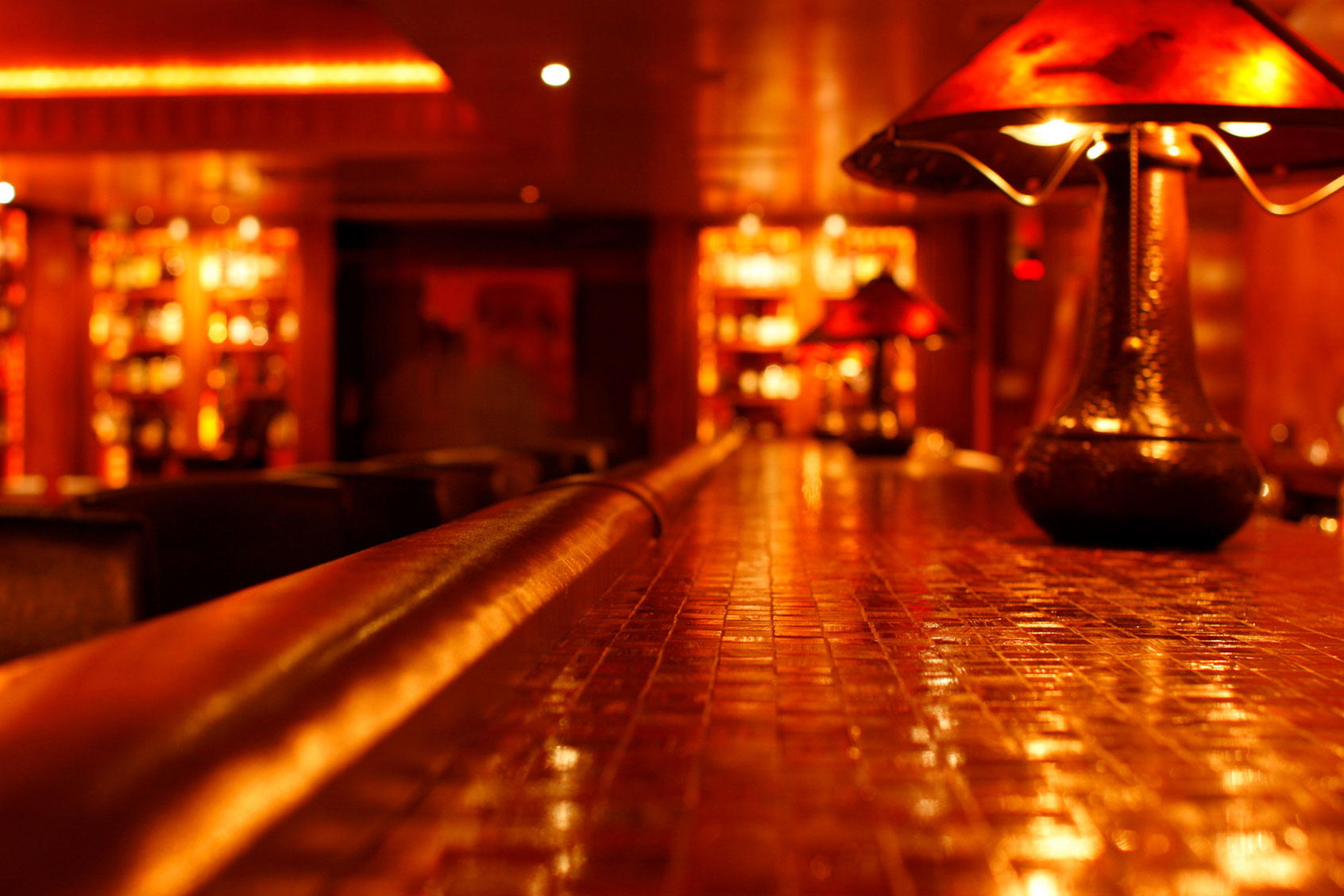
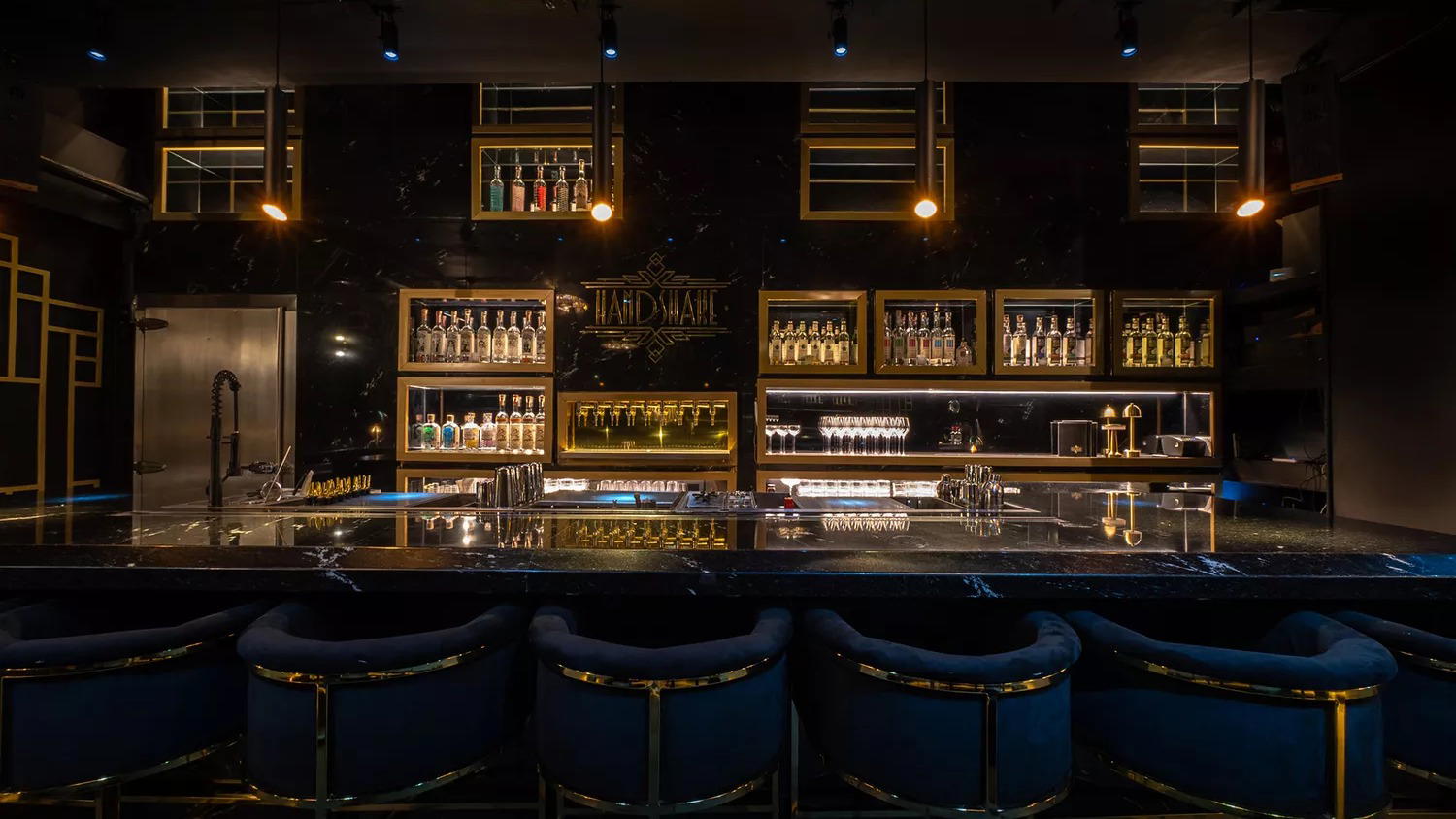
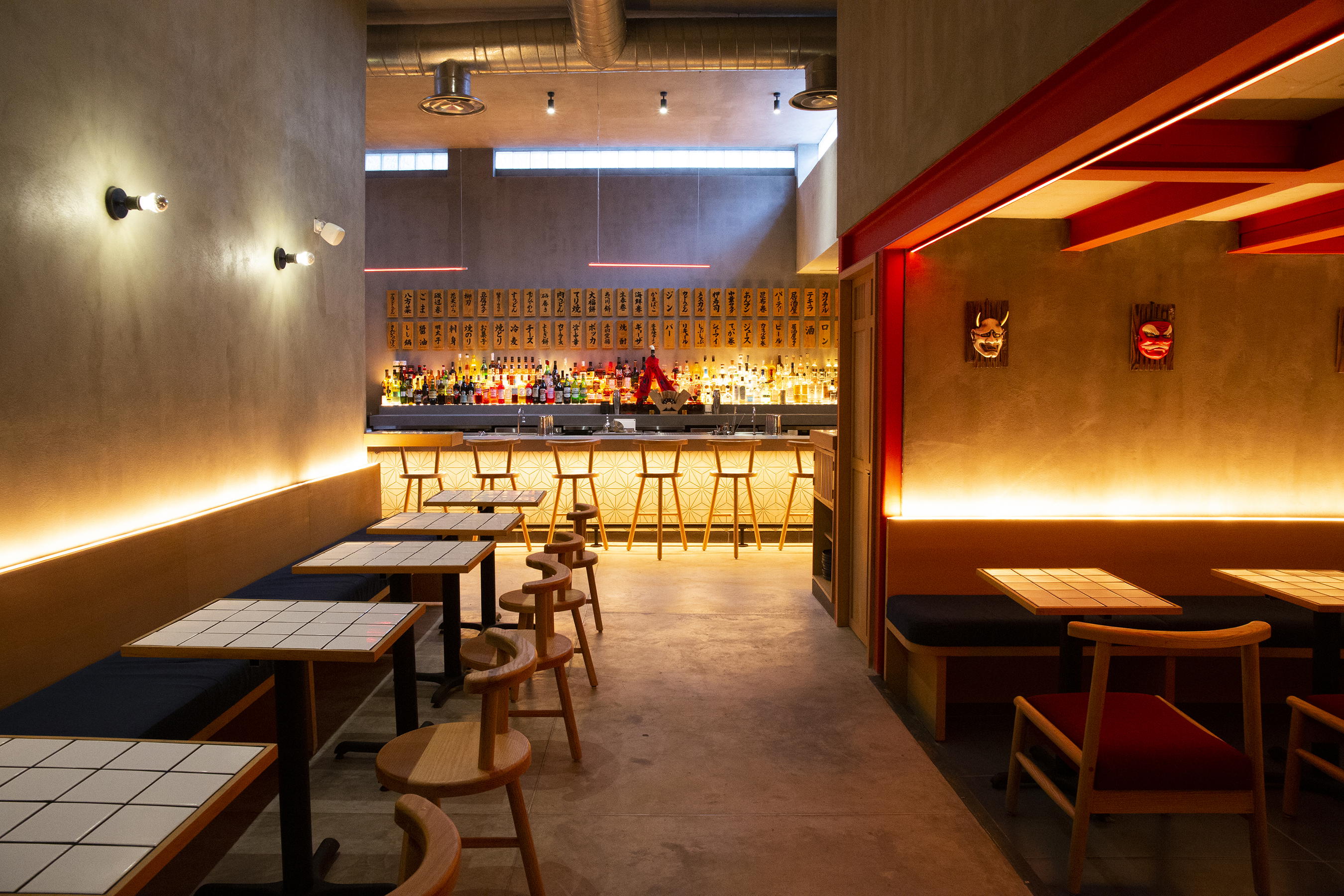
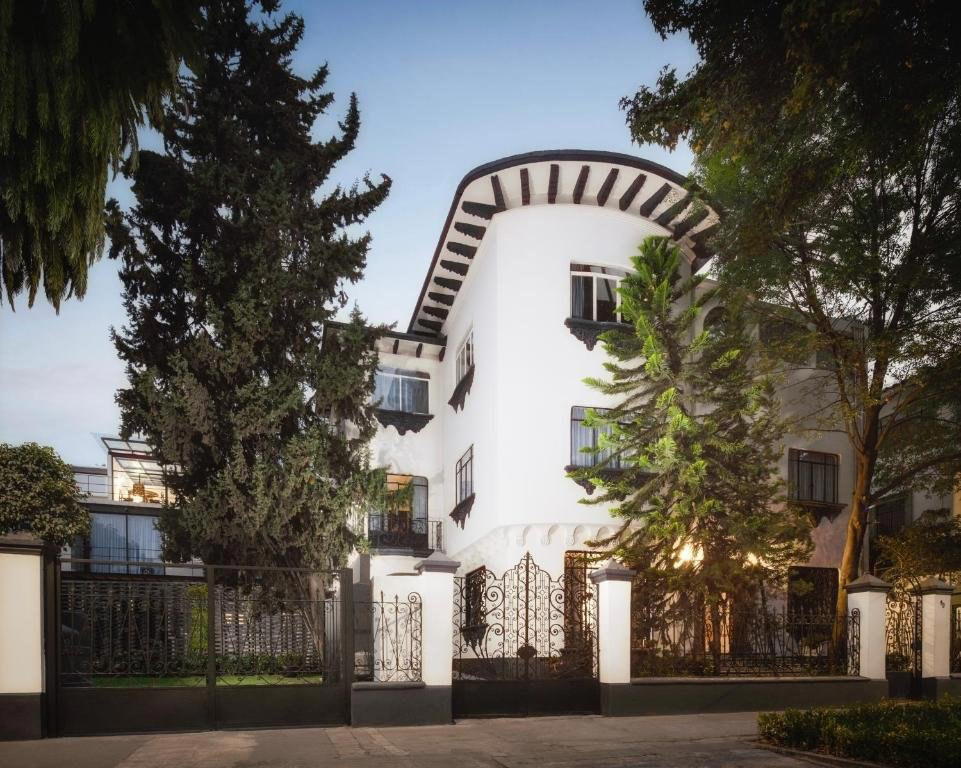
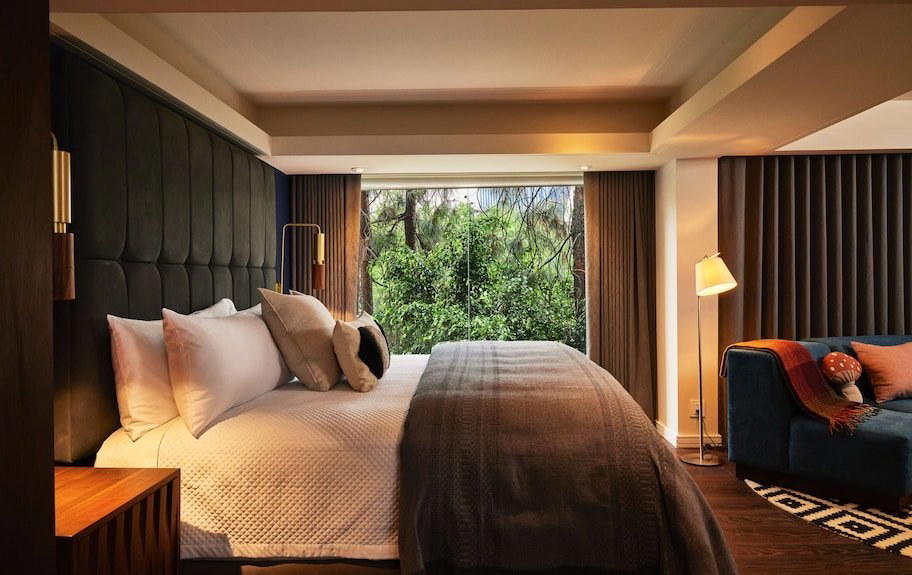
Modern and cozy design with warm wood, soft lighting, and elegant Japanese-inspired details creating a welcoming atmosphere.
Know Before You Go
- Getting there
- Calle Julio Verne #90, Polanco, Polanco II Secc, Miguel Hidalgo, 11550 Ciudad de México, CDMX, Mexico