Kirameki

Michelin Plate
Our verdict
Kirameki brings Japanese precision to Gangnam's premium dining tier, earning consecutive Michelin Plate recognition in 2024 and 2025. Operating from a quiet address off Dosan-daero, the restaurant positions itself within Seoul's growing cohort of serious Japanese kitchens, where seasonal discipline and multi-course structure carry more weight than spectacle..

Pearl is the En Primeur Club membership app — saves, bookings, and concierge access live there. Same editors, same standards.
- Address
- 18 Dosan-daero 28-gil, Gangnam District, Seoul, South Korea
- Phone
- +82 10-3894-2356
- Hours
- Mon ClosedTue–Sat 6:30–10 PMSun Closed
- Directions
- Get directions
The menu
What to order
- Ceramic pot rice
- Rice bowl
Where Gangnam Meets Japanese Seasonal Discipline
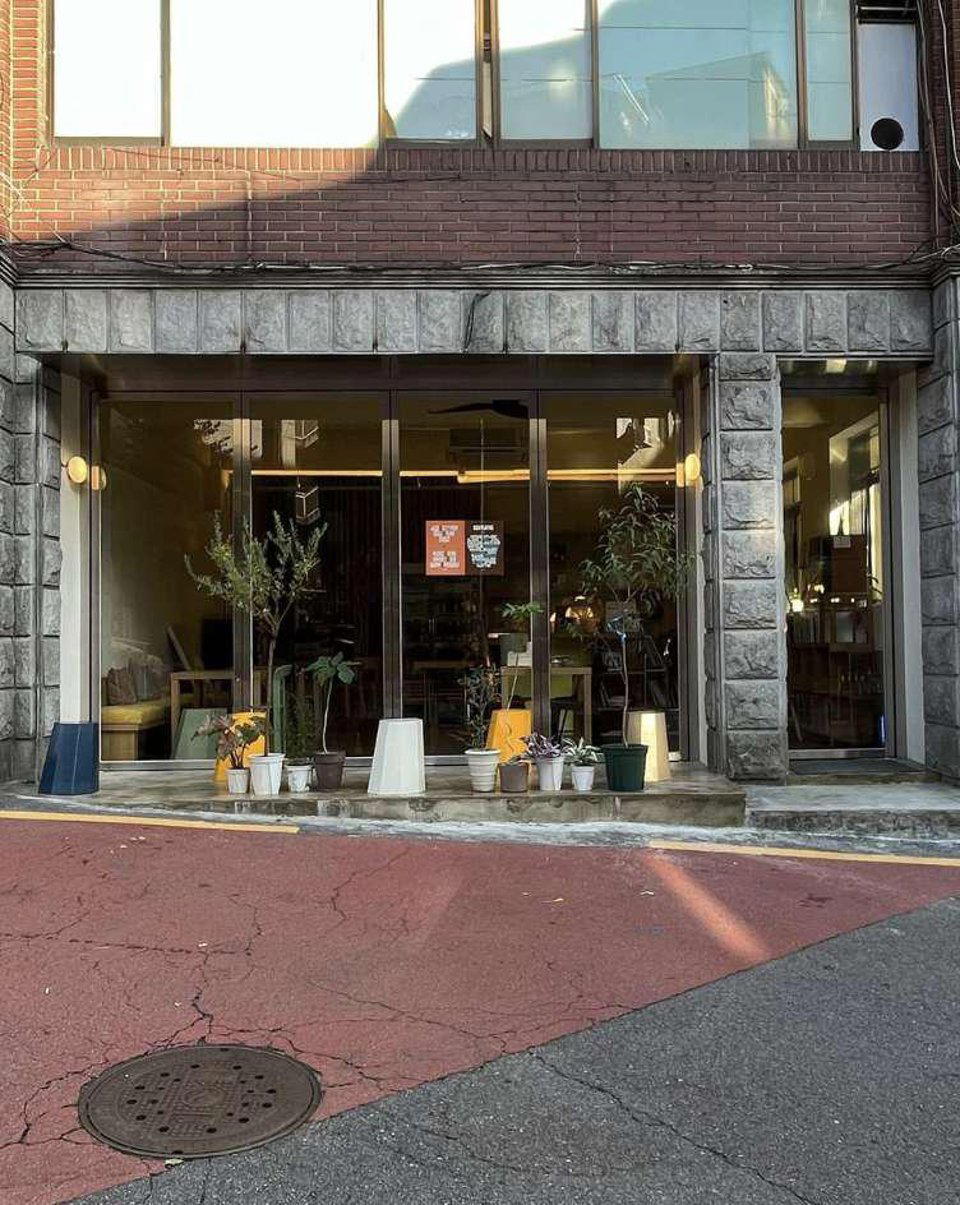
Dosan-daero 28-gil is not Gangnam's loudest street. The boutique retail and low-rise residential blocks that line this part of the district attract a different crowd than the Apgujeong flagship strips nearby — quieter, more considered, less interested in being seen. It is the kind of address that suits a kitchen operating on Japanese multi-course principles, where the rhythm of a meal is meant to draw attention inward rather than outward. Kirameki sits at number 18, on a block where the pace slows enough for the format to breathe.
The broader context matters here. Seoul has spent the past decade building one of Asia's most technically serious restaurant scenes, and its Japanese dining tier has expanded in parallel with that ambition. What was once a category dominated by mid-market sushi conveyor belts and yakiniku houses now includes a growing number of kaiseki-inflected kitchens that take seasonal sourcing, multi-course pacing, and plating restraint as given. Kirameki operates in that upper register, in a city where diners at the ₩₩₩₩ price point have well-calibrated expectations and genuine alternatives — including Mitou, Sobajuu, and Sanro within the same city.
The Kaiseki Tradition and What It Demands in Seoul
Kaiseki is among the most demanding formats in Japanese cooking, not because of its ingredient cost, though that is rarely modest, but because of its structural logic. Each course in a proper kaiseki sequence is calibrated against the others: temperature, texture, visual weight, and seasonal reference all carry meaning that a single dish cannot carry alone. The format originated in Kyoto's tea ceremony culture and evolved across centuries into the multi-course meal now recognised by Michelin inspectors from Tokyo to Paris. Restaurants like Isshisoden Nakamura in Kyoto represent that lineage at its oldest and most codified. When the format travels, to Seoul, to London, to New York, the question is always how much of that structural discipline survives the transplant.
In Seoul specifically, Japanese cuisine operates under a dual pressure: the city's diners know the reference points intimately, given the proximity and the frequency of travel between the two countries, and they also have access to Korean high-dining traditions, the royal court cuisine of Onjium, the contemporary Korean forms at Gaon, that apply equally rigorous seasonal and aesthetic principles through a different cultural lens. A Japanese kitchen in Gangnam is not operating in a vacuum. It is operating in comparison to some of the most technically demanding Korean dining in the world, which means that shortcuts in plating, pacing, or sourcing read more obviously here than they might elsewhere.
Kirameki's consecutive Michelin Plate recognition in 2024 and 2025 places it at a specific position in this context. The Plate designation, often misread as a consolation prize, functions in practice as the Michelin Guide's signal that a kitchen is cooking at a reliably high standard, above the field, not yet in the starred tier. In a city where Michelin has distributed one-star recognition to kitchens like GAGGEN by Choi Junho and Muni, the Plate cohort represents a meaningful second tier: capable, consistent, and worth the price of entry.
Format, Atmosphere, and the Geometry of a Japanese Meal
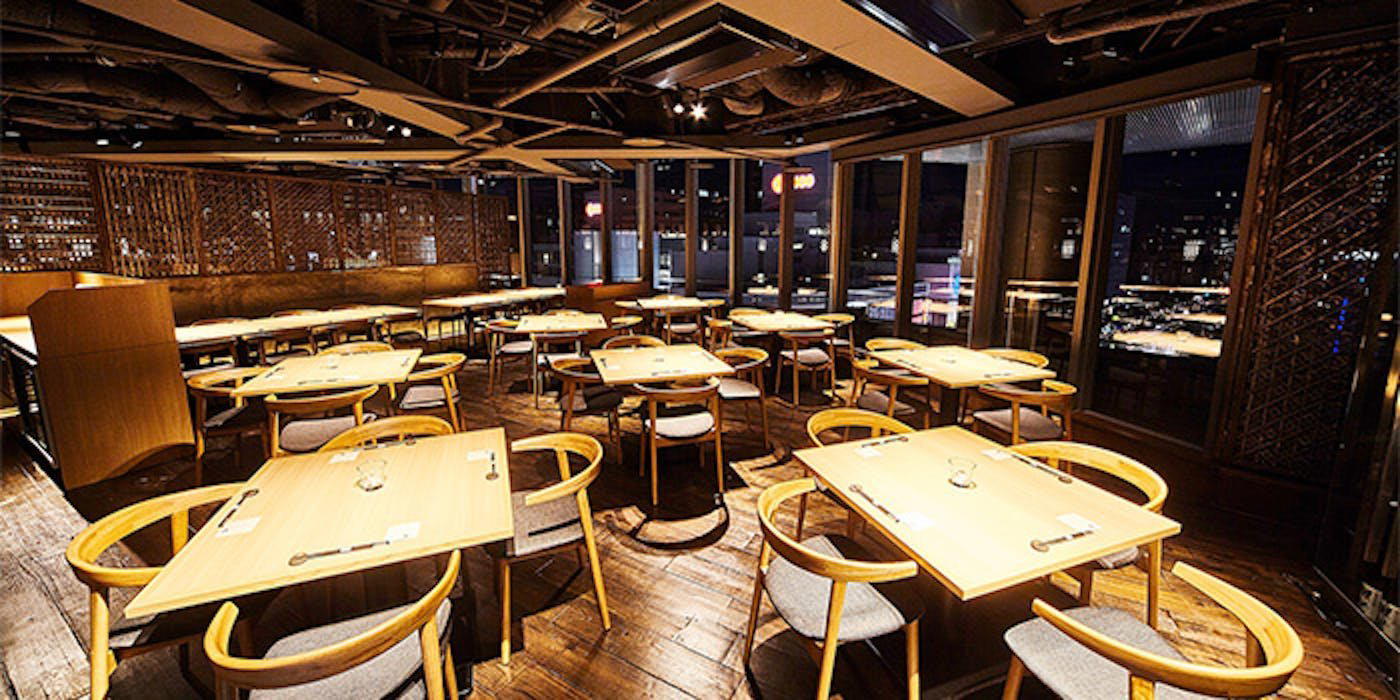
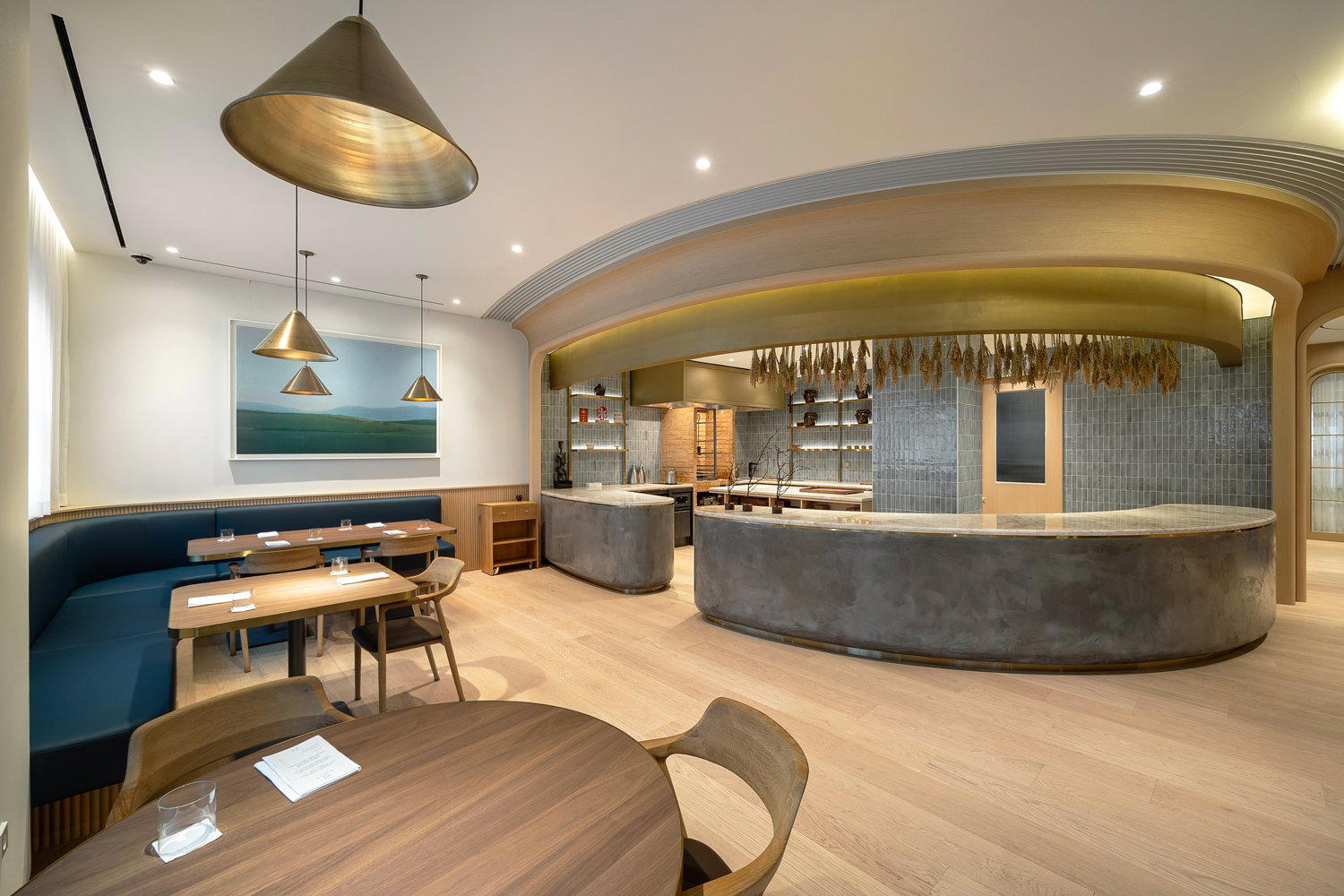
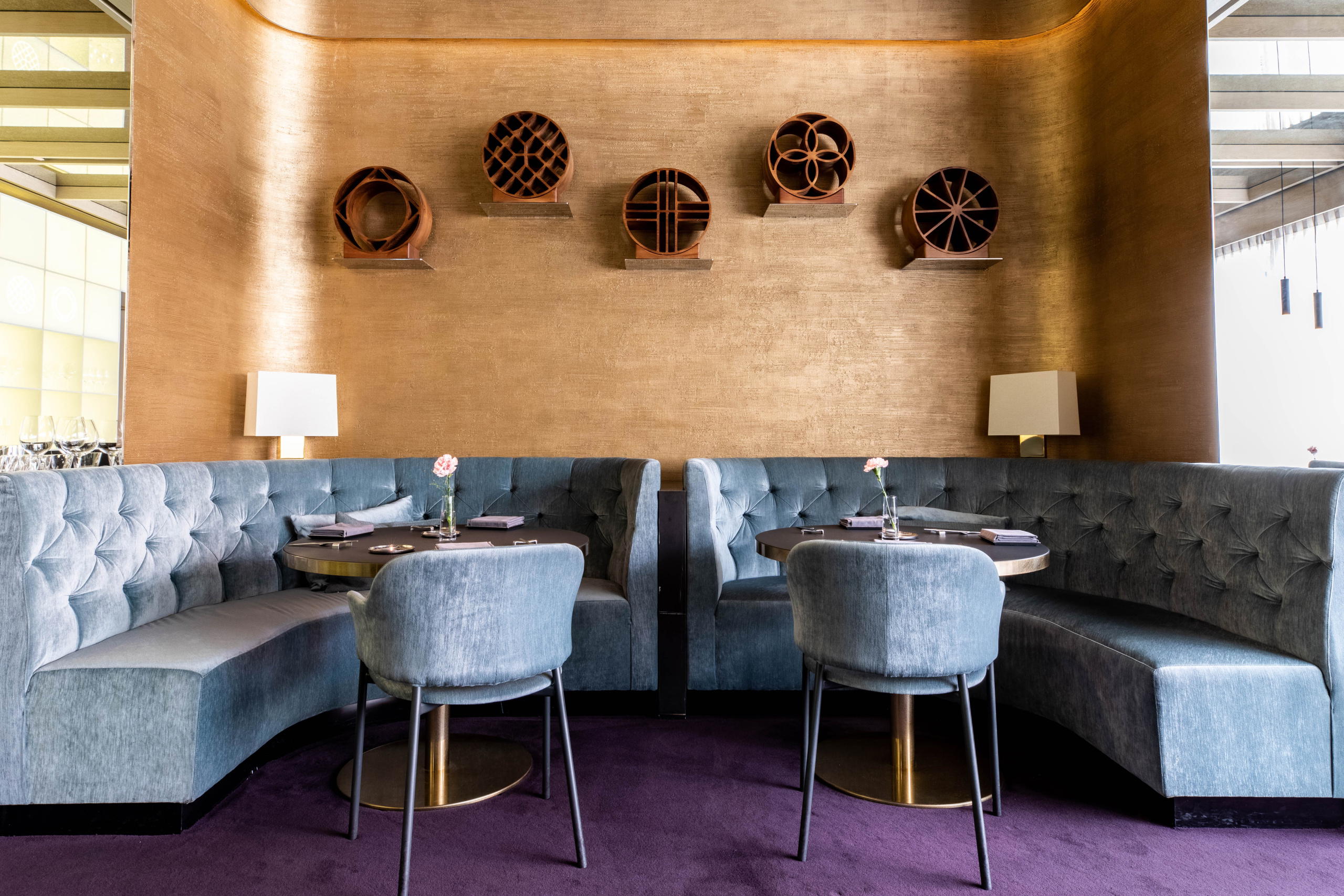
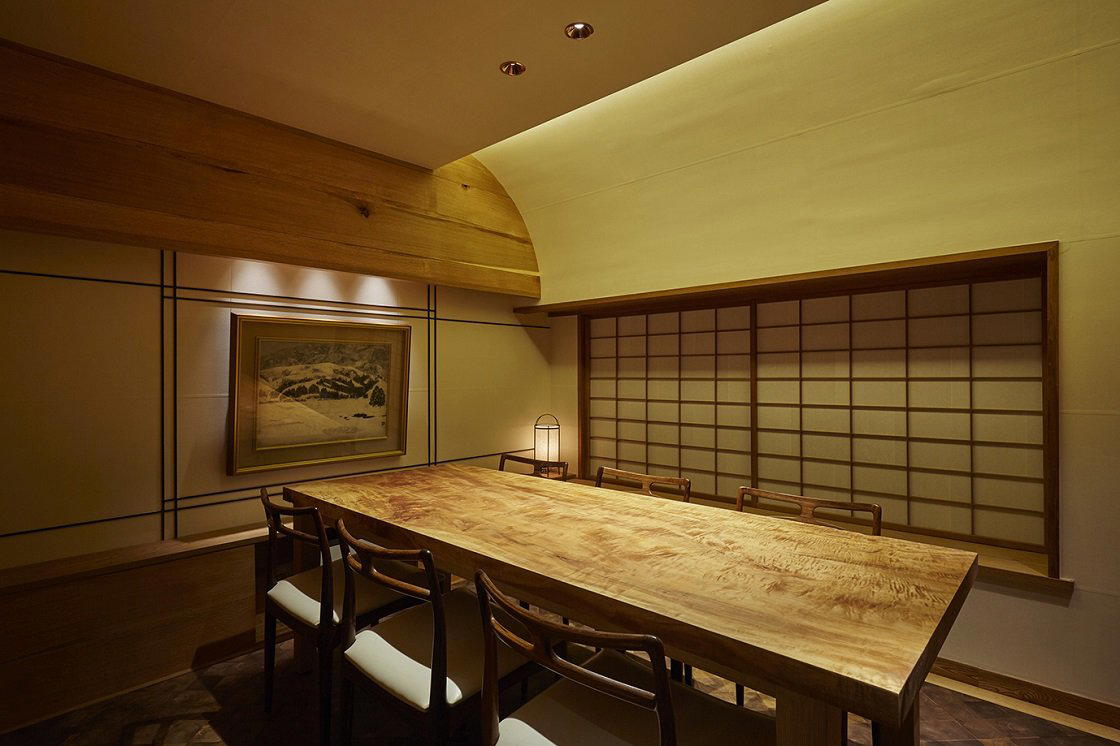
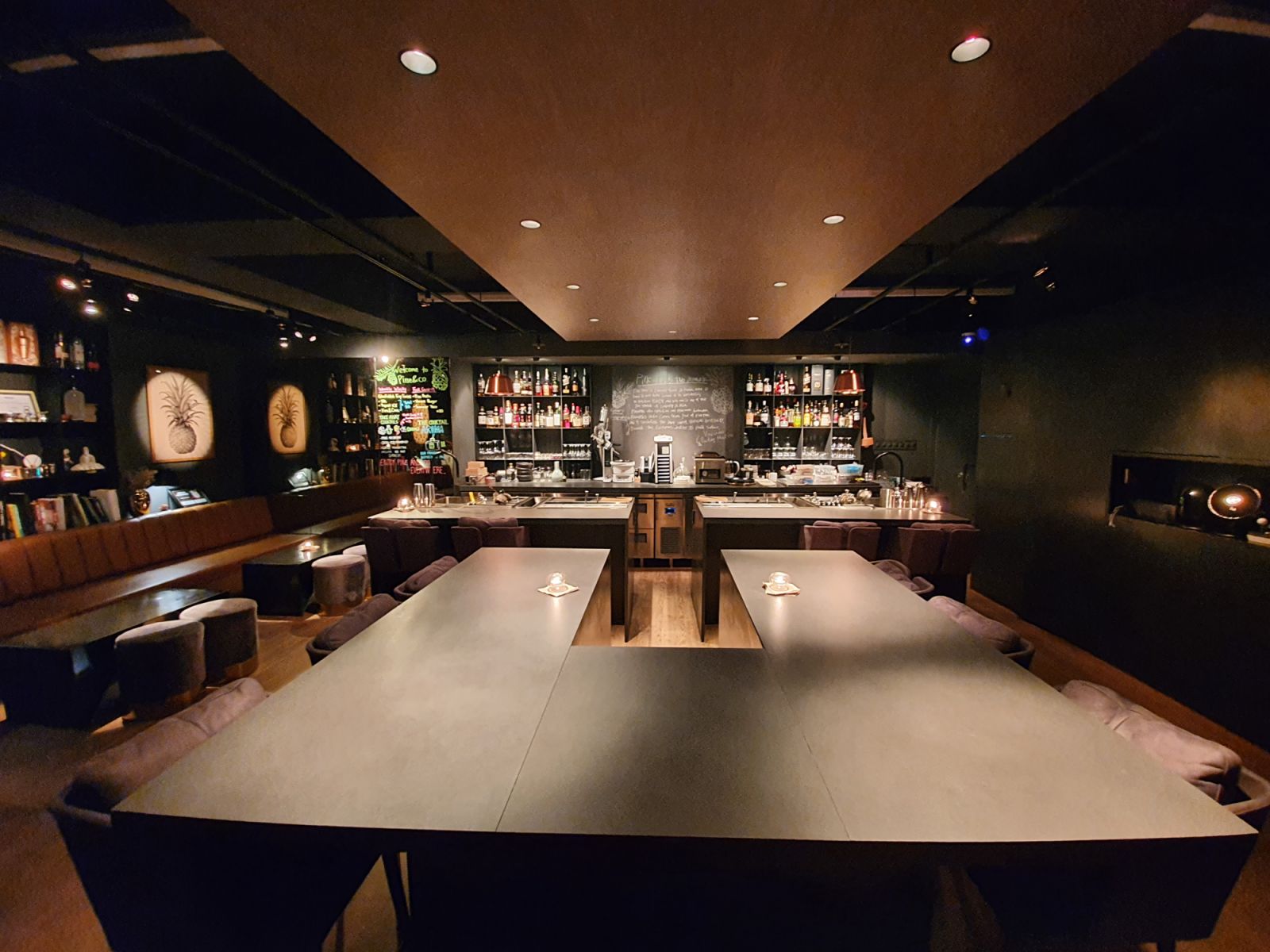
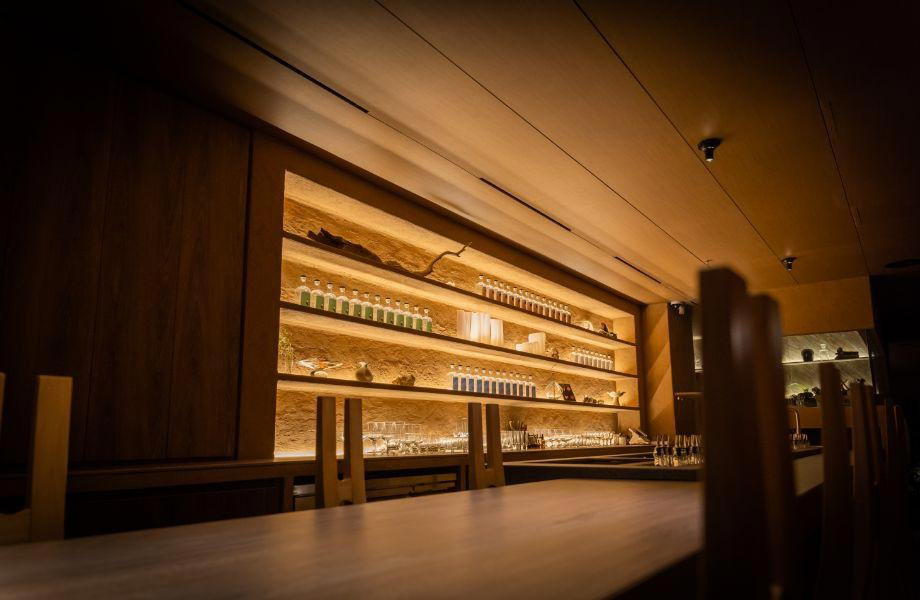
The physical atmosphere of a kaiseki-oriented Japanese restaurant tells you something before the first course arrives. Counter seating at eye level with the kitchen puts the cook's decisions on display; private room formats signal discretion and event-occasion positioning; open dining rooms with visible plating stations land somewhere between the two.
The seasonality of Japanese cuisine is not a marketing concept at this level, it is a structural constraint. Kitchens working in the kaiseki tradition build menus around what is available in a specific week, which means the meal a diner encounters in late spring differs substantively from the one available in autumn. This creates a strong argument for repeat visits, and it is a logic that distinguishes Japanese multi-course dining from the kind of static tasting menu found at many French-influenced contemporaries. Seoul's Azabu Kadowaki-style precision and the seasonal approach seen at Tokyo's Myojaku represent the Tokyo-end reference points for this format; Kirameki positions itself within that tradition, translated for a Gangnam audience.
Kirameki in the Seoul Japanese Dining Tier
₩₩₩₩ Japanese dining category in Seoul is now dense enough to have genuine internal differentiation. Some kitchens lean on premium ingredient sourcing, live seafood, Wagyu-adjacent cuts, seasonal fungi, as their primary claim. Others lead with technique, building menus around kitchen craft that the ingredient alone cannot achieve. The kaiseki format, when applied seriously, demands both simultaneously, which is partly why it sits at the top of the price range and partly why kitchens that execute it consistently earn sustained critical attention.
Comparable attention at this tier goes to multi-course Korean formats at 권숙수 - Kwon Sook Soo in Gangnam-gu and to the temple food tradition accessible outside the city at Baegyangsa Temple in Jangseong-gun, both of which apply their own forms of seasonal, course-structured discipline. Across the strait, Mori in Busan offers a South Korean point of comparison for Japanese-influenced fine dining outside the capital. Kirameki occupies the Seoul node in that wider network of serious Japanese-format cooking across the peninsula.
At ₩₩₩₩, the expectation is high, and the format offers little room for an off night to go unnoticed.
For a fuller picture of Seoul's premium dining scene, including Korean, French, and contemporary multi-format options, see our full Seoul restaurants guide. Accommodation context is available in [our full Seoul hotels guide](), and the bar scene is covered in [our full Seoul bars guide](). Regional context across drink and experience categories is in [our full Seoul wineries guide]() and our full Seoul experiences guide.
Know Before You Go
Address: 18 Dosan-daero 28-gil, Gangnam District, Seoul, South Korea
Cuisine: Japanese (kaiseki-oriented, multi-course format)
Price tier: ₩₩₩₩, premium Gangnam price band; expect a multi-course meal commitment
Awards: Michelin Plate 2024 and 2025
4.5 (early review sample)
Booking: Reservation recommended; format and price tier suggest advance booking is standard practice
Getting there: Gangnam District is well-connected by Seoul Metro; Apgujeong or Sinnonhyeon stations are the closest access points for the Dosan-daero corridor
Frequently asked questions
Would Kirameki be comfortable with kids?
Kirameki's kaiseki format is structured around a composed, coursed progression that rewards patience and quiet attention. The ₩₩₩₩ price point and the deliberate pacing of Japanese seasonal cooking make this a poor fit for younger children. Families with older teenagers who are accustomed to formal dining will find it more manageable.
What should I expect atmosphere-wise at Kirameki?
The address on Dosan-daero 28-gil sits in one of Gangnam's quieter residential and boutique-retail pockets, which sets the register before you step inside. Michelin Plate recognition in both 2024 and 2025 signals a kitchen operating at a consistent level, and the dining room will reflect that seriousness — composed, unhurried, calibrated to the format rather than to ambient noise.
What awards or recognition does Kirameki have?
Kirameki has received recognition including: Michelin Plate (2025); Michelin Plate (2024).
What dish is Kirameki famous for?
The Michelin Plate recognition across two consecutive years points to the kitchen's consistency rather than any single showpiece course.
The Essentials
A quick peer check to anchor this venue’s price and recognition.
| Venue | Cuisine | Price | Awards | Notes |
|---|---|---|---|---|
| KiramekiThis venue — the venue you are viewing | Seasonal Japanese Kaiseki | $50–100 | Michelin Plate | Not listed |
| 7th Door | Modern Korean Fermentation Fine Dining | $100–150 | 1 Michelin Star · World's 50 Best #49 | Korean, Contemporary |
| Solbam | Contemporary Neo-Classical Korean | $200–300 | 1 Michelin Star · World's 50 Best #55 | Contemporary |
| Onjium | Modern Korean Royal Court Cuisine | Not listed | 1 Michelin Star · World's 50 Best #14 | Korean |
| L'Amitié | Classic French Fine Dining | $100–150 | 1 Michelin Star · La Liste Top Restaurants | French |
| Zero Complex | Modern French Neo-Bistro | $100–150 | 1 Michelin Star · La Liste Top Restaurants | Korean-French, Innovative |
Recognition history
Dated appearances from independent guides and award organizations, with the underlying list record or original source where available.
Michelin Plate
Michelin
Full recognition history (3 entries)
Michelin Plate
Michelin
Michelin Plate
Michelin
Details
- Elegant
- Intimate
- Sophisticated
- Special Occasion
- Date Night
- Open Kitchen
- Beer Program
- Tasting Menu
- Beer
Current opening hours
- Monday
- Closed
- Tuesday
- 6:30–10 PM
- Wednesday
- 6:30–10 PM
- Thursday
- 6:30–10 PM
- Friday
- 6:30–10 PM
- Saturday
- 6:30–10 PM
- Sunday
- Closed
Hours can change for holidays and private events. Last verified .
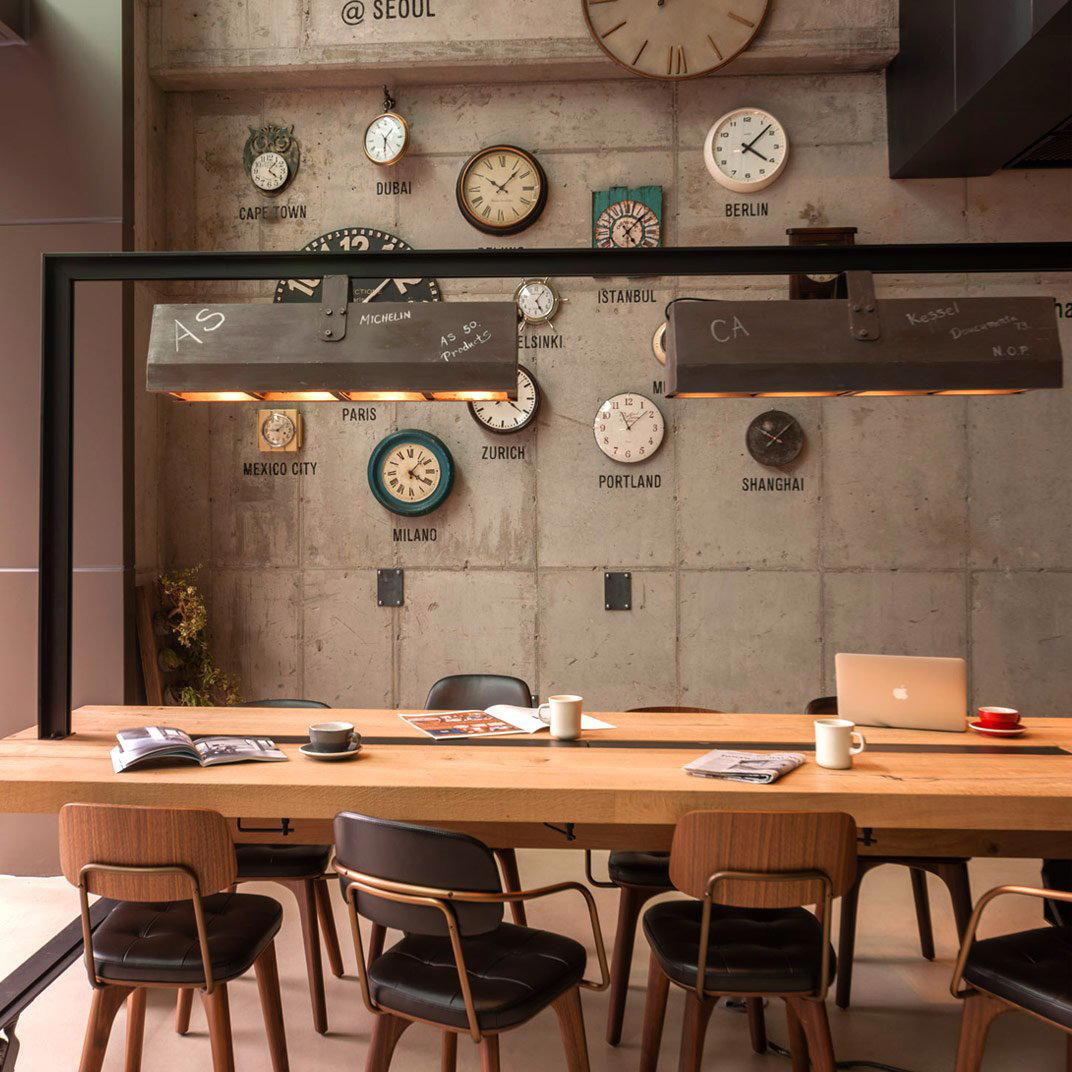
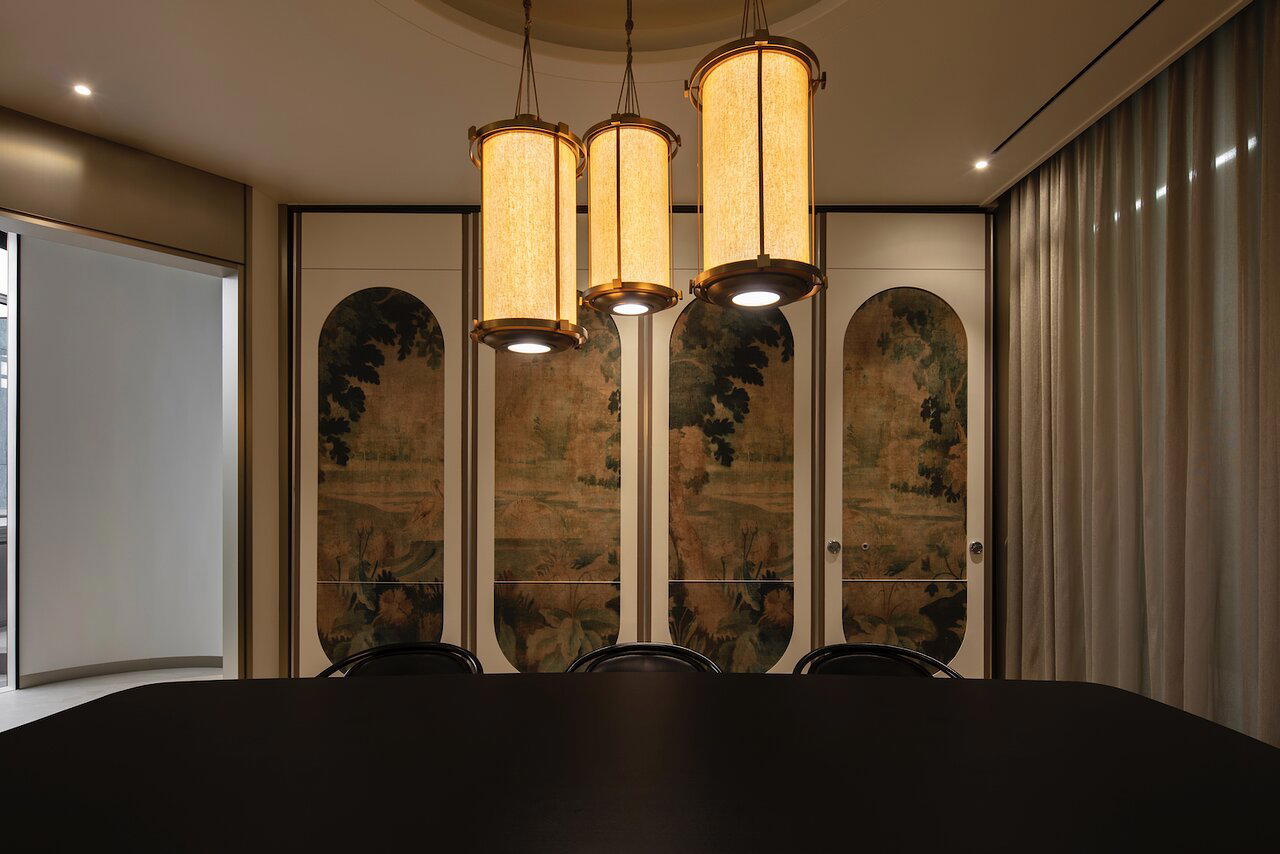
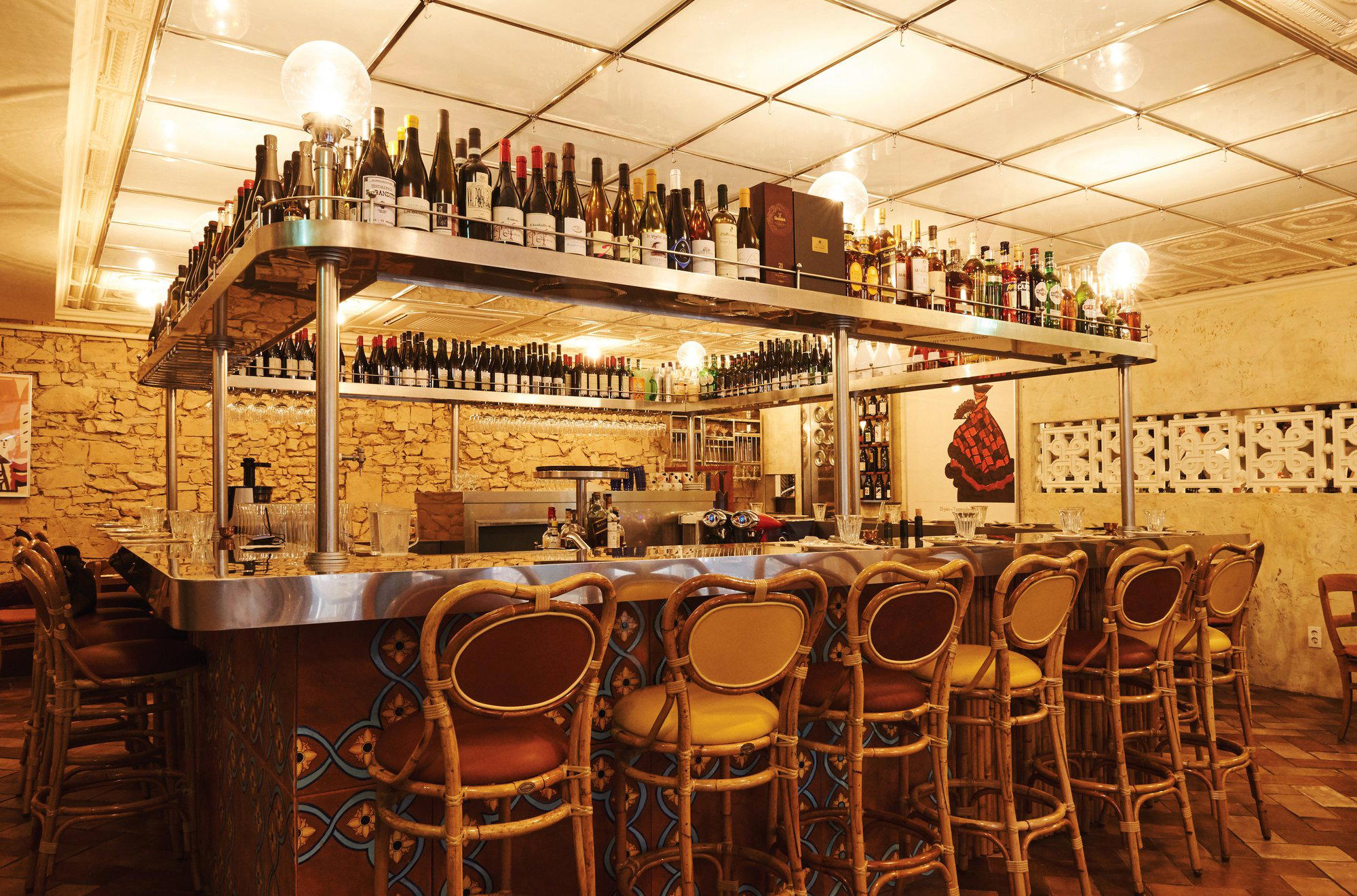
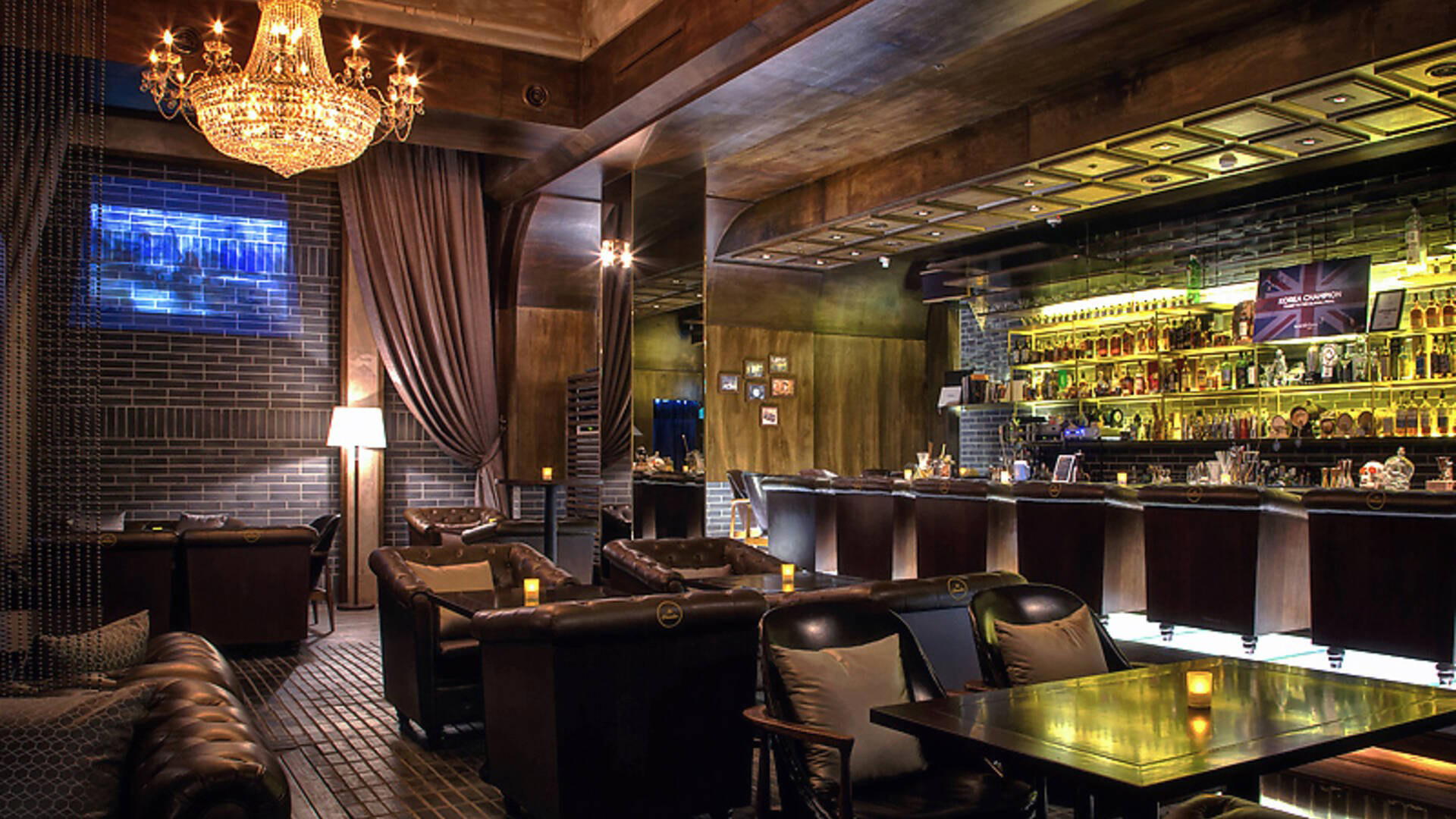
Refined and elegant with inviting warmth, featuring stylish decor that complements the intimate dining experience.