
Hon Teuchi Udon Shoji puts Musashino udon in a rural Saitama frame: hand-cut wheat noodles, regional cooking, and a house-restaurant setting rather than metropolitan polish. Its Tabelog Udon EAST 100 selections in 2020, 2022, and 2024 make it a serious stop for readers tracking Japan’s everyday noodle traditions beyond Tokyo.
Pearl is the En Primeur Club membership app — saves, bookings, and concierge access live there. Same editors, same standards.
- Address
- 743-9 Kamiigusa, Kawajima, Hiki District, Saitama 350-0152, Japan
- Phone
- +81 49-297-7703
- Website
- m-macs.com
 Saves & bookings on Pearl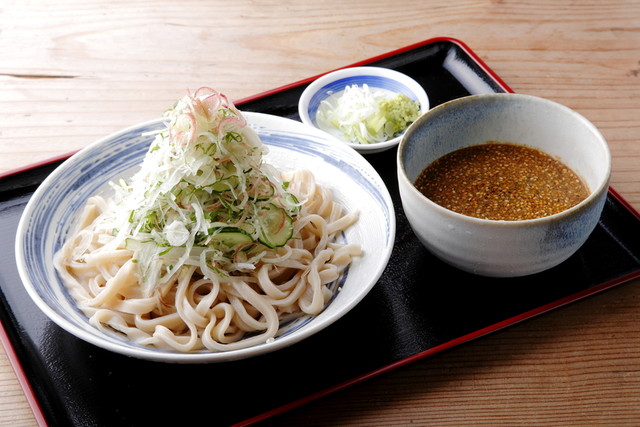
Approach the udon houses of rural Saitama and the grammar changes. The meal is not built around counter theatre or chef choreography; it is built around wheat, broth, season, and the local habit of eating noodles as a practical midday anchor. Hon Teuchi Udon Shoji belongs to that tradition, in Kamiigusa, Kawajima, where Musashino udon has more to do with regional agriculture and household cooking than with the slicker noodle formats travellers often meet first in central Tokyo.
That context matters. Musashino udon is a Kanto wheat culture, not a delicate Sanuki imitation or a ramen-adjacent novelty. The appeal lies in hand work, chew, dipping styles, and local side dishes, with the noodle carrying the meal rather than acting as a neutral starch. Shoji’s public identity leans directly into that lineage, describing more than 100 years of Shoji udon and listing udon with regional cuisine. For travellers using Hiki-gun as a food map rather than a transit blur, this is the kind of address that explains why Saitama’s noodle culture deserves attention on its own terms.
Musashino wheat culture, not Tokyo noodle fashion
Japan’s noodle hierarchy is often distorted by travel itineraries: ramen gets the late-night queue, soba gets the craft vocabulary, and udon is too easily treated as comfort food. In Saitama, udon has a different standing. The wider Musashino plain has long supported wheat-based cooking, and the local noodle style tends to prize substance, texture, and dipping formats over delicacy for its own sake. That is the frame through which Shoji makes sense.
The awards signal is useful here because it comes from a category list rather than a general dining popularity contest. Hon Teuchi Udon Shoji was selected for Tabelog 100 Udon EAST in 2020, 2022, and 2024, with a Tabelog score of 3.73 attached to the restaurant listing. Those are not luxury markers; they point to category strength inside a field where the competitive set is full of low-priced, high-frequency specialists. In other words, the recognition places the shop among serious udon addresses, not among destination tasting-menu rooms.
Seasonality also enters through the dish formats rather than through a chef’s-menu narrative. The restaurant highlights name summer suttate and winter gorojiru, the latter made with Haccho miso. Those details are important because they connect the noodle bowl to climate and region: chilled or lighter preparations answer humid months, while miso-based winter cooking belongs to colder weather and household sustenance. The dish names should be read less as tourist talking points and more as evidence of a menu rooted in local cycles.
A house-restaurant format with a local rhythm
The room format underlines the point. This is listed as a house restaurant, with counter seating, table seating, and tatami-room seating, a layout that suits families, regulars, and small groups rather than the single-file discipline of a city counter. The restaurant lists 60 seats, including larger tables, raised-area seating, and a short counter. That mix says a great deal about the social function of the place: udon here is not a scarce luxury product, it is a regional meal served at volume while retaining a hand-made identity.
The practical culture is equally plain. Reservations are unavailable, take-out is offered, the premises are non-smoking, children are welcome, and parking is provided. Payment is cash-led, with credit cards, electronic money, and QR code payments not accepted. None of this reads as inconvenience if understood through the correct lens. Rural noodle specialists often preserve a rhythm based on lunch service, local access, and repeat custom; the visitor’s job is to meet that rhythm rather than force a metropolitan dining pattern onto it.
For comparison inside Hiki-gun, Chuka Soba Yotsuba sits in a different noodle conversation, one shaped by ramen’s broth precision and modern queue culture. Asobi and Tamaiya Restaurant broaden the local dining map, but Shoji’s editorial value is specific: it shows how udon functions when regional wheat tradition, family dining, and seasonal home-style cooking overlap. For the wider area, start with our full Hiki-gun restaurants guide; travellers building a broader stay can cross-reference our full Hiki-gun hotels guide, our full Hiki-gun bars guide, our full Hiki-gun wineries guide, and our full Hiki-gun experiences guide.
Why it belongs on a serious Saitama food itinerary
The case for Hon Teuchi Udon Shoji is not glamour. It is specificity. A low-cost udon specialist with repeated Tabelog Udon EAST 100 selections, named seasonal preparations, regional-cuisine categorisation, and a multi-generational udon identity tells a more precise story about Saitama than another generic stop between Tokyo and Kawagoe. The value lies in seeing how an everyday food can carry locality without needing a tasting menu, a sommelier, or a chef mythology built around reinvention.
That makes the restaurant a useful corrective for travellers who equate Japanese dining ambition with rarity. Here, seriousness is measured in continuity, noodle texture, and the fit between food and place. The listed drinks, sake and shochu, also point to a familiar Japanese casual-dining register rather than a pairing-menu format. The better expectation is a regional udon meal with local cadence, not a destination restaurant trying to mimic metropolitan prestige.
Readers continuing beyond Saitama can use Shoji as a benchmark for how category specialists work across Japan: narrow focus, clear format, and a food culture that rewards repetition. For contrasting Japanese dining modes, compare the regional focus here with -Grilled beef Sukiyaki- KAMAKURA TANUKIAN 鎌倉 たぬき庵 in Kamakura. 鮪と炭火焼き うお炭 秋葉原店 in Tokyo.cafe in Osaka.know in Kumamoto, (Shoku) Vietnam in Kawasaki, [Curry Senmon Ten] Maruyama Kyoju. in Sapporo, [ki:] in Kyoto, and #肉といえば松田 奈良本店 in Kashihara. For Japanese food culture abroad, Jōdo Saké Bar in Los Angeles and Onigiri Time in Pasadena show how narrower formats travel outside Japan.
- Meat dipping udon (nikujiru udon)
- Suttate udon (summer-only)
- Miso nikomi udon
- Jumbo 6.5 kg miso nikomi udon challenge
- Jumbo 6.5 kg meat dipping udon challenge
- Kure-jiru (winter-only soybean soup udon)
Fast Comparison
Comparable venues by cuisine and price in the same metro.
| Venue | Cuisine | Price | Notes |
|---|---|---|---|
| Hon Teuchi Udon ShojiThis venue — the venue you are viewing | Traditional Musashino Udon | $ | Not listed |
| Tamaiya Restaurant | Seasonal Japanese set menus with local sake | $$ | Ogawa-machi |
| Chuka Soba Yotsuba | Classic Japanese ramen & sushi | $$ | Kawajima-cho |
| Asobi | Udon and soba noodle shop | $ | Ogawa Town, Hiki District |
| つけめん 頑者 新横浜ラーメン博物館店 | Tsukemen (Dipping Ramen) | $ | Shin-Yokohama |
| こってり和歌山らーめん 清乃 | Wakayama Ramen | $ | Wakayama City Center |
Recognition history
Dated appearances from independent guides and award organizations, with the underlying list record or original source where available.
Tabelog 100 #8 · No. 8
Tabelog · Tabelog 100 - Udon - EAST - 2024
Continue exploring
More in Hiki-gun
Restaurants in Hiki-gun
Browse all →




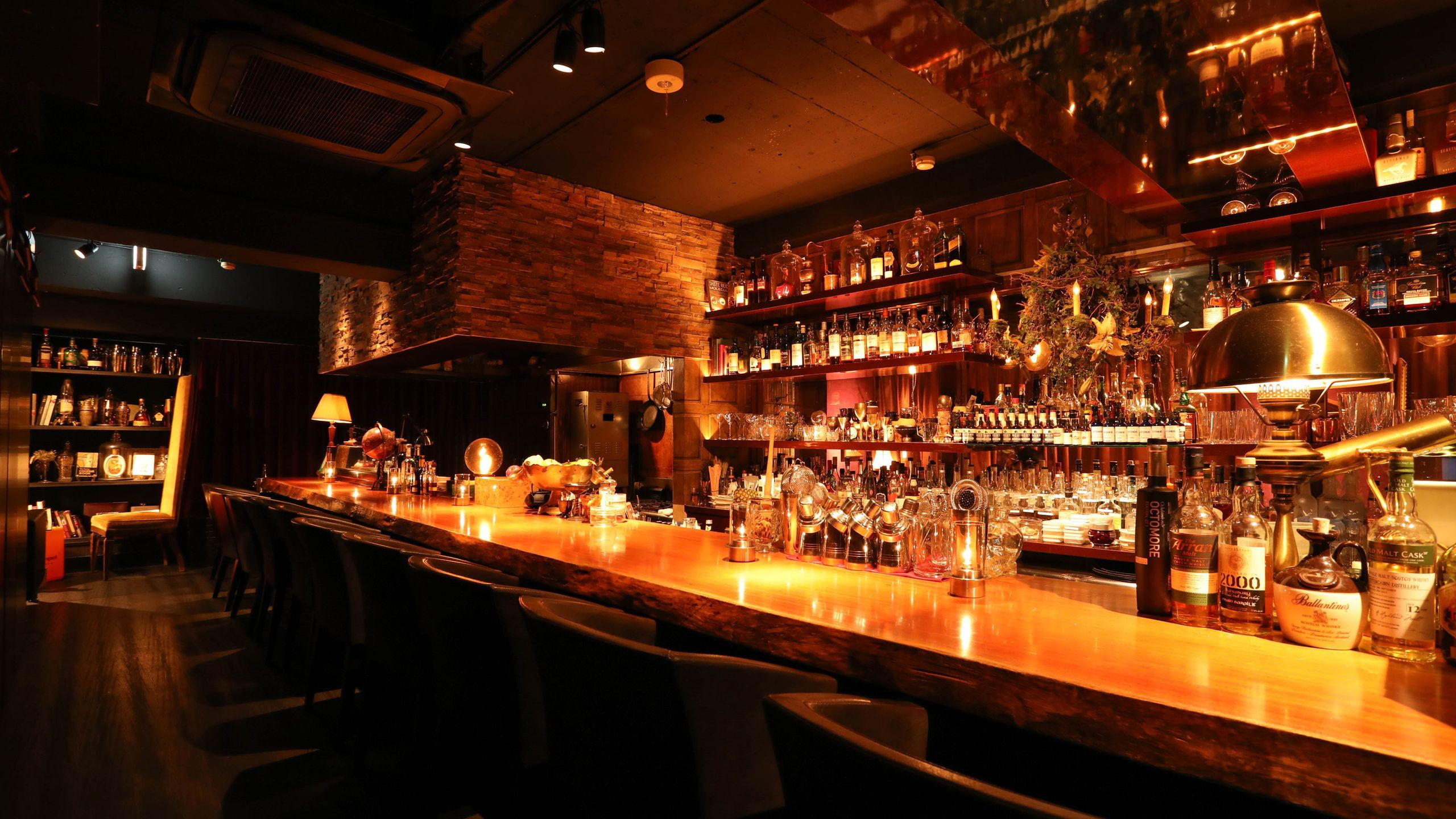
Bars in Hiki-gun
Browse all →



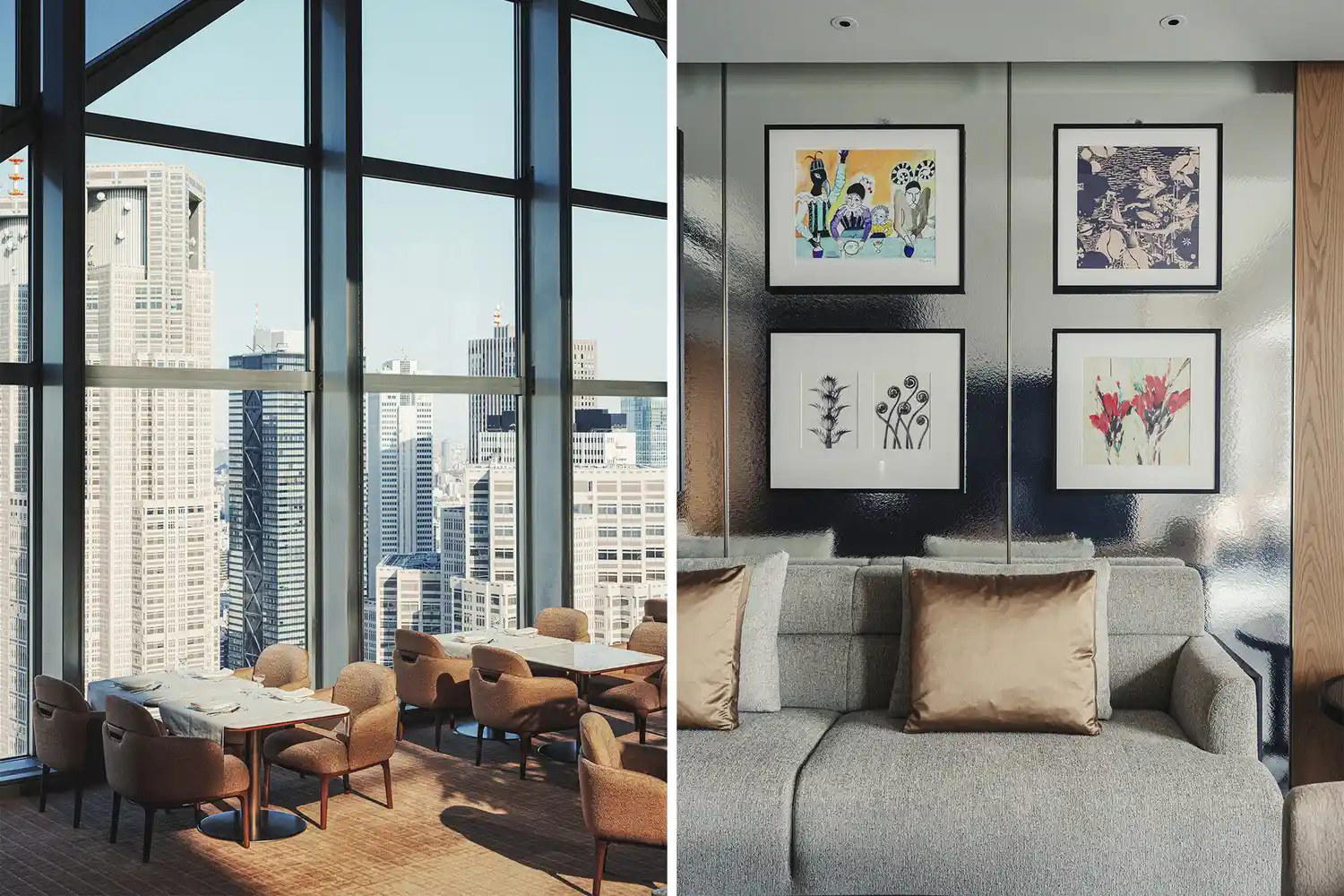
Hotels in Hiki-gun
Browse all →



Wineries in Hiki-gun
Browse all →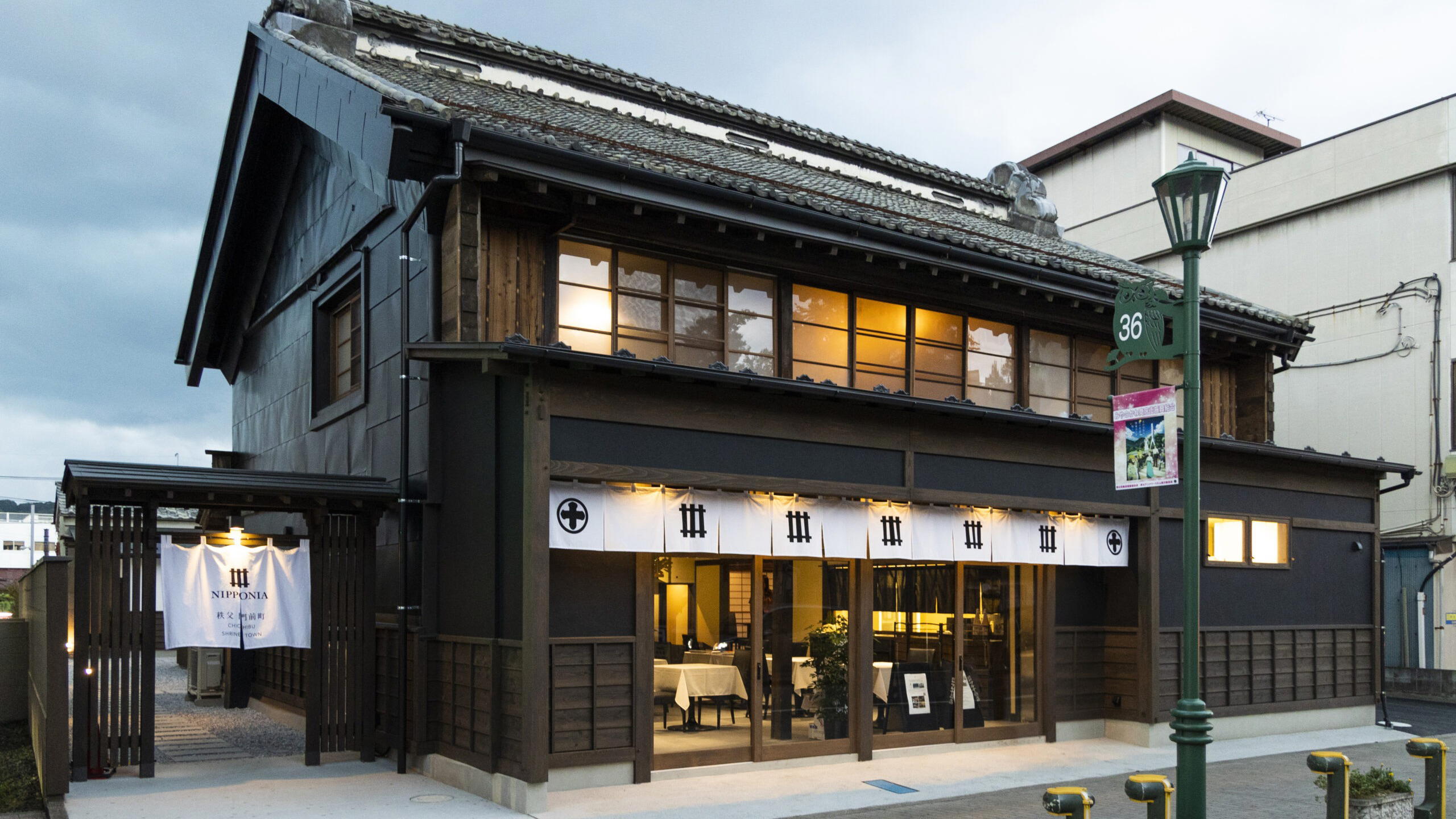
At a Glance
- Lively
- Classic
- Cozy
- Rustic
- Solo
- Family
- Group Dining
- Casual Hangout
- After Work
- Standalone
- Local Sourcing
Current opening hours
- Monday
- Closed
- Tuesday
- 10:30 AM–2:30 PM
- Wednesday
- 10:30 AM–2:30 PM
- Thursday
- 10:30 AM–2:30 PM
- Friday
- 10:30 AM–2:30 PM
- Saturday
- 10:30 AM–2:30 PM
- Sunday
- 10:30 AM–2:30 PM
Hours can change for holidays and private events. Last verified .
Traditional, bustling countryside udon shop with a simple, no-frills interior focused on efficient service, communal seating, and the aroma of freshly boiled noodles rather than decor.