Hofbräu München at Glockengießerwall 8 brings the Bavarian beer hall tradition into central Hamburg, offering a format more familiar to Munich's Marienplatz than the Elbe waterfront. For visitors and locals alike, understanding how this style of German hospitality translates outside its home city is the first step to planning a visit that meets expectations on its own terms.
 Discover on Pearl
Pearl is the En Primeur Club membership app — saves, bookings, and concierge access live there. Same editors, same standards.
- Address
- Glockengießerwall 8, 20095 Hamburg, Germany
- Phone
- +494027880060
- Website
- hofbraeu-wirtshaus.de
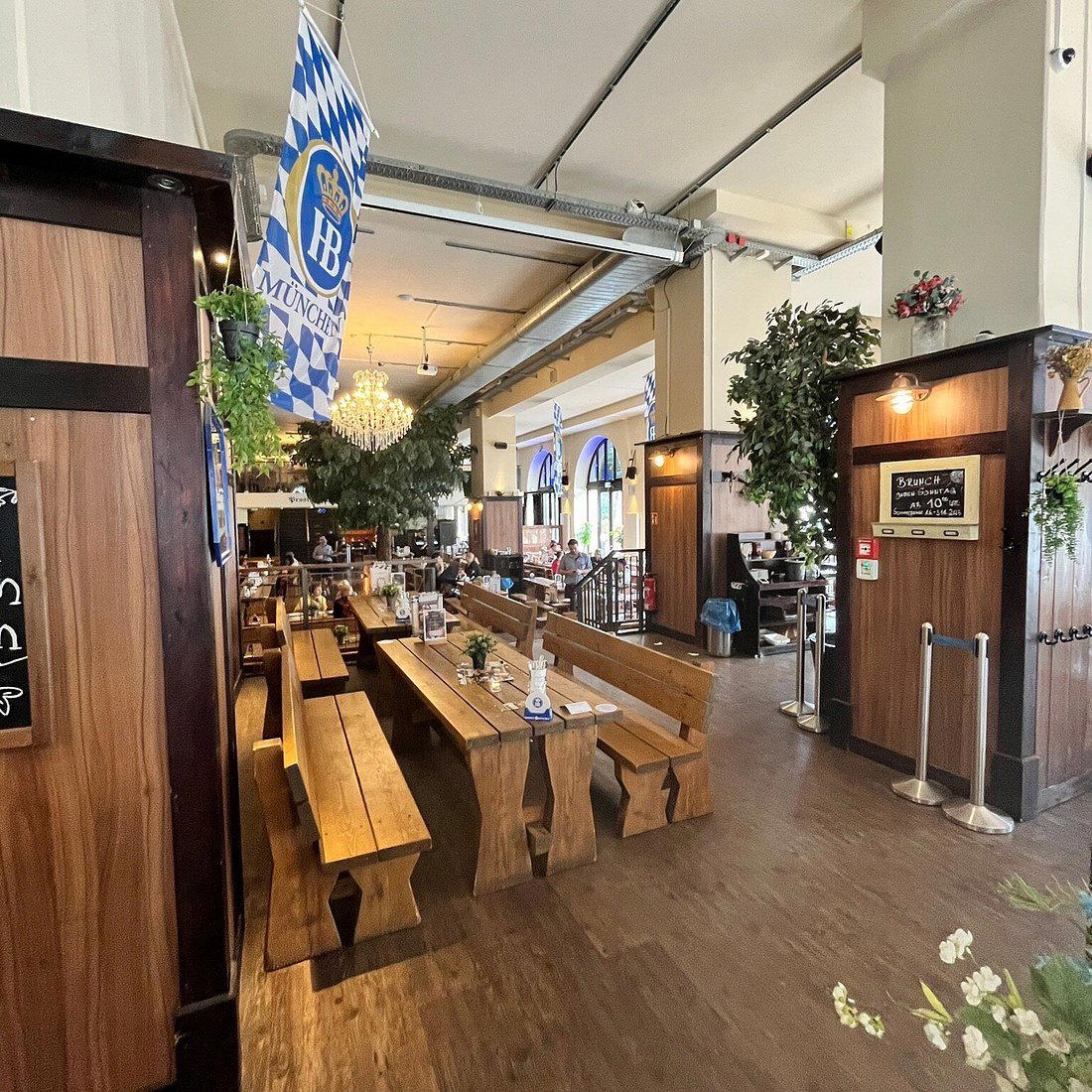
A Munich Institution in a Hamburg Address
Germany's beer hall tradition has always been export-friendly. The Hofbräuhaus format, with its long communal tables, litre steins, and Bavarian food programme, originated in Munich but has replicated across continents precisely because the format travels well: it is recognisable, loud by design, and structured around group conviviality rather than intimate dining. At Glockengießerwall 8 in Hamburg's city centre, Hofbräu München operates as a satellite of that tradition, sitting in a commercial and transit-facing part of the city rather than in any of Hamburg's distinctly local dining neighbourhoods. That positioning matters for how you plan around it.
Hamburg's own dining character is shaped by the Elbe, the fishing trade, and successive waves of international influence absorbed through a centuries-old port. The city's serious restaurants, including Restaurant Haerlin in the creative French tier, The Table Kevin Fehling in the creative fine dining bracket, and 100/200 Kitchen, operate from a distinctly northern German and European identity. Hofbräu München sits in a different register entirely: it is a transposed cultural format, and that distinction shapes what you should expect when you arrive.
The Format and What It Signals
Beer hall dining in the Bavarian tradition is one of Europe's most codified hospitality formats. The rules are largely unwritten but consistent: seating is communal or semi-communal, the food menu is secondary to the drinks programme, portions are generous by restaurant standards, and the atmosphere operates at a volume that precludes quiet conversation. This is not a format that hedges. It commits to a specific social contract with the guest, one built around celebration, group occasions, and a kind of deliberate informality that functions as its own form of theatre.
That contrast is particularly legible in Hamburg, where the dominant fine dining trajectory runs toward precision-driven European cooking. bianc in the modern Mediterranean tier and Lakeside represent the more considered end of the city's €€€€ bracket. Hofbräu München does not compete in that space. It competes in the large-format, occasion-driven category, and it does so with the brand weight of one of Bavaria's most recognisable hospitality exports.
Planning a Visit: What to Know Before You Go
The editorial angle here is practical, because Hofbräu München as a format rewards a specific kind of planning. Large beer halls of this type, and the same logic applies whether you are looking at the Munich original or at outposts in Hamburg, Berlin, or further afield, tend to operate on a walk-in and reservation split. Weekend evenings and event nights fill communal tables quickly, and groups of six or more typically benefit from securing a table in advance rather than arriving and hoping.
Glockengießerwall places the venue within walking distance of Hamburg Hauptbahnhof, which makes it accessible from most parts of the city and convenient for visitors arriving by rail. That adjacency to the main station also means the immediate surroundings are transit-facing rather than neighbourhood-facing: expect a commercial street context rather than a destination dining block. If you are building a Hamburg evening around a sequence of venues, a drink before, somewhere quieter after, it is worth noting that the city's more character-driven bar and restaurant streets require a short journey in either direction.
Across Germany's serious restaurant tier, the contrast with Hofbräu München's format is sharp. Aqua in Wolfsburg, JAN in Munich, and Schwarzwaldstube in Baiersbronn represent the precision-led, small-capacity end of German dining, venues where the booking process itself involves weeks of planning and allocation lists. Beer halls operate at the opposite end of that spectrum: high capacity, fast turnover, and a format built to absorb walk-in demand at scale. Understanding where a venue sits on that axis determines how much planning you actually need to invest.
Germany's broader restaurant scene includes venues across every register: CODA Dessert Dining in Berlin, Vendôme in Bergisch Gladbach, ES:SENZ in Grassau, Victor's Fine Dining by Christian Bau in Perl, Waldhotel Sonnora in Dreis, Schanz in Piesport, and Bagatelle in Trier. For visitors whose Hamburg trip has a serious dining ambition alongside a beer hall evening, sequencing becomes relevant: the Hofbräu München format is best positioned as an early evening or standalone occasion rather than as a curtain-raiser for technically driven tasting menus. The volume and portion size make subsequent courses at a precision restaurant a difficult follow.
For international context, the gap between communal beer hall formats and high-concept fine dining is as wide in Hamburg as the gap between, say, a New York tavern and Le Bernardin or Atomix. Different tools for different purposes, and the competence of each format should be judged within its own terms.
Hamburg's Dining Scene in Broader Context
For visitors using Hofbräu München as one data point in a wider Hamburg itinerary, the city's restaurant range is worth mapping properly. The gap between Hamburg's leading creative restaurants and its large-format casual venues is significant, and knowing where you want to land on that spectrum, and on which night, determines the quality of the overall trip rather than the quality of any single meal.
The Bavarian beer hall format, wherever it appears, is a social format first. Eating well within it means ordering the food it is built around, sausages, pretzels, roasted meats, the Bavarian staples, rather than arriving with expectations calibrated to the city's fine dining conventions. That is not a criticism of the format. It is the format's own instruction manual.
A Credentials Check
Comparable venues nearby, for context on price, style, and recognition.
| Venue | Cuisine | Price | Awards | Notes |
|---|---|---|---|---|
| Hofbräu MünchenThis venue — the venue you are viewing | Bavarian German Wirtshaus | $$ | , | |
| Gasthaus an der Alster | Traditional German Bistro | $$ | , | Hamburg-Altstadt |
| Astra St. Pauli | German Brewpub | $$ | , | Altona-Altstadt |
| Strandperle | German Beach Bar Fare | $$ | , | Neumuehlen |
| Hofbräu Hamburg | Traditional Bavarian Beer Hall | $$ | , | Neustadt |
| Zum Alten Lotsenhaus | Classic Hamburg Fish Restaurant | $$$ | , | Neumuehlen |
At a Glance
- Lively
- Rustic
- Cozy
- Energetic
- Iconic
- Group Dining
- Casual Hangout
- Celebration
- Live Music
- Terrace
- Historic Building
- Beer Program
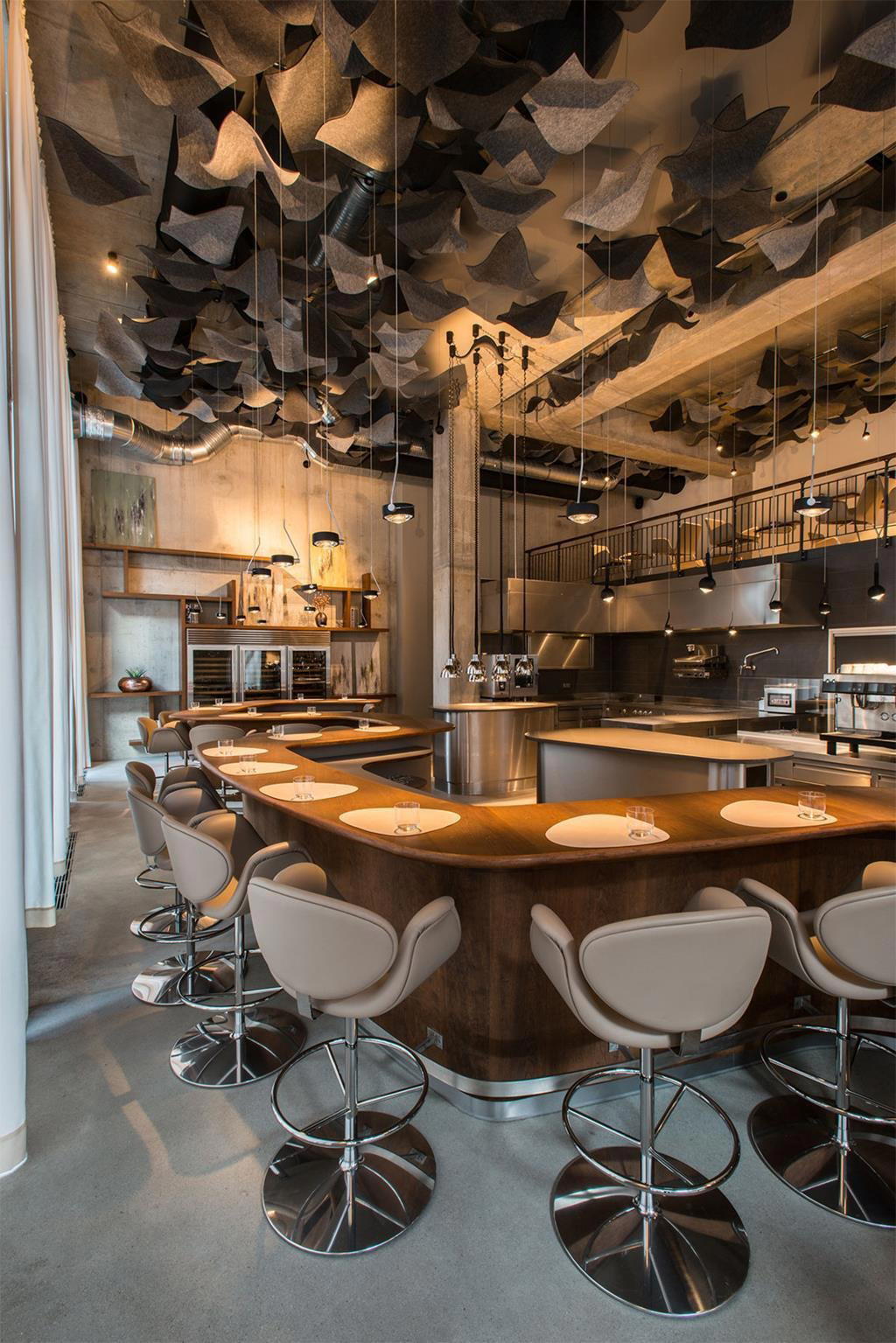
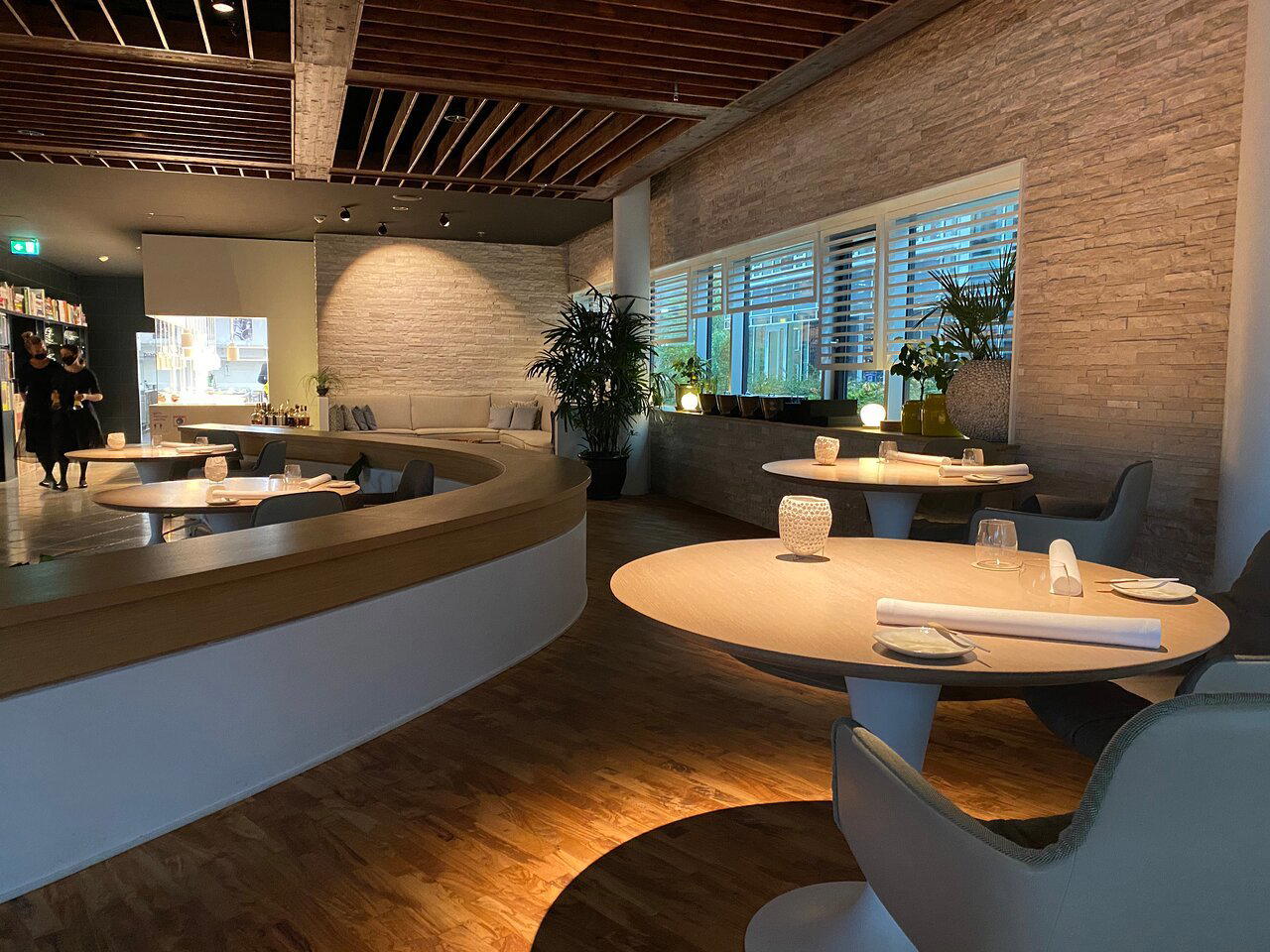
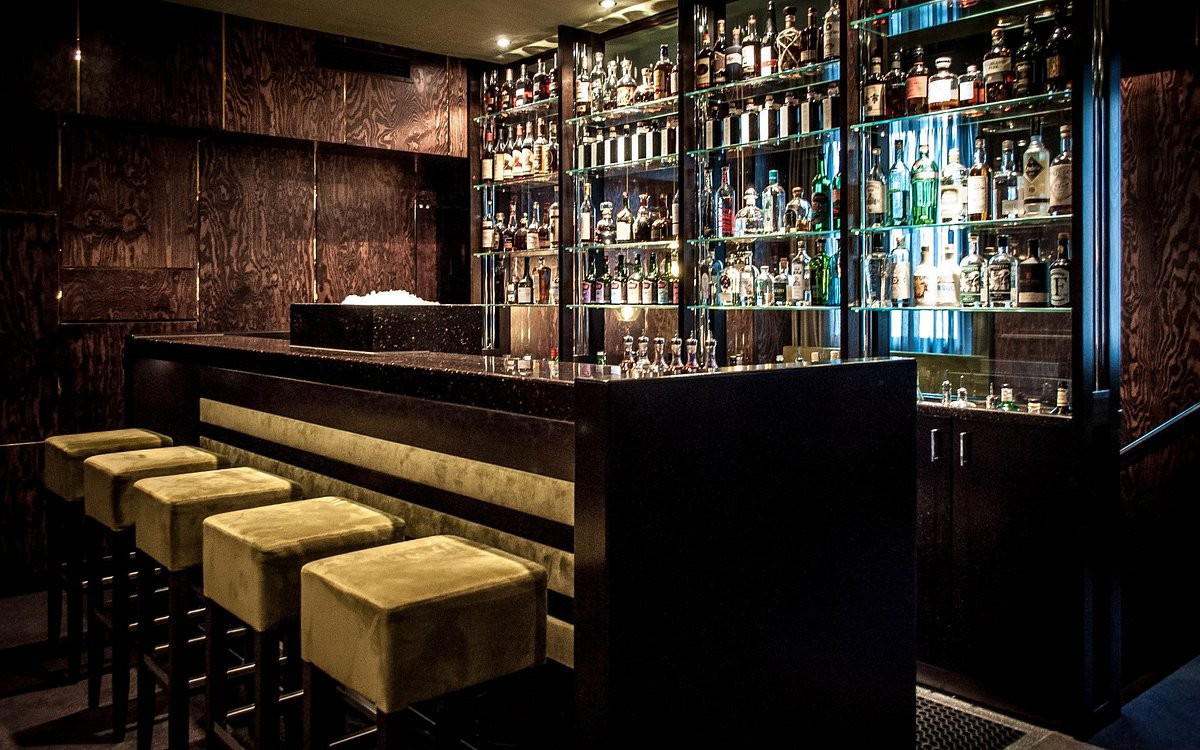
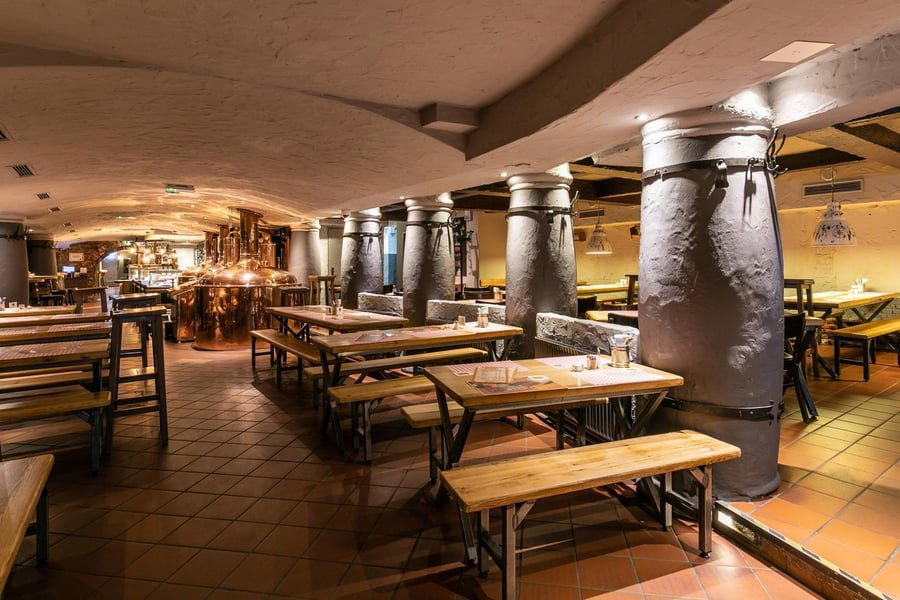
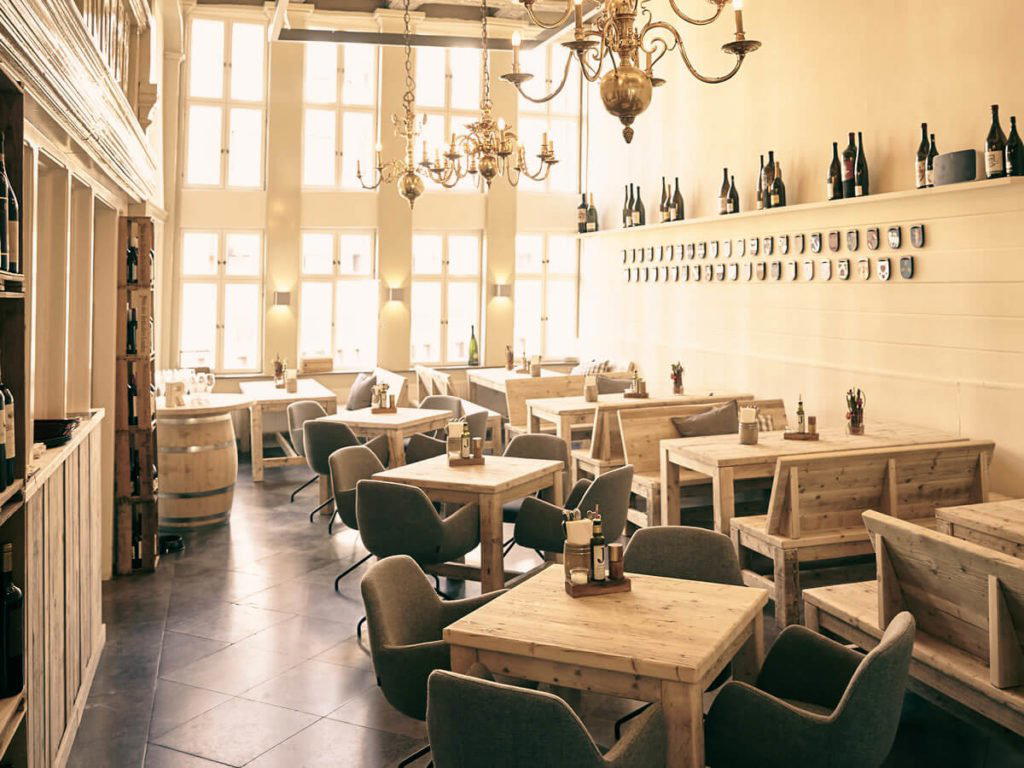
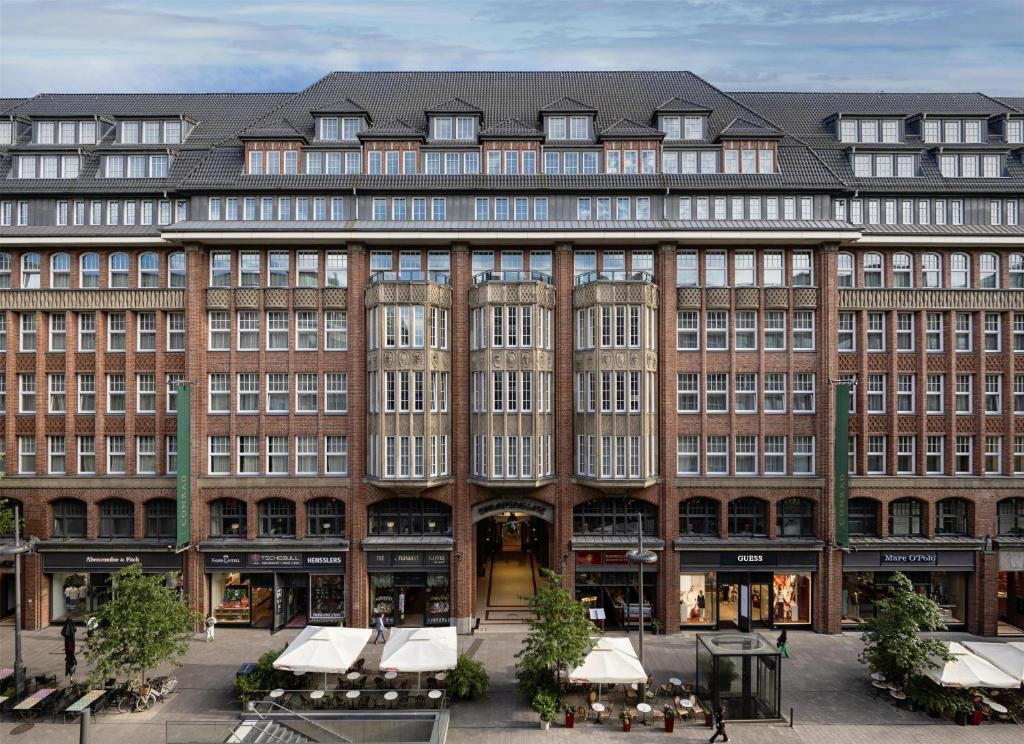
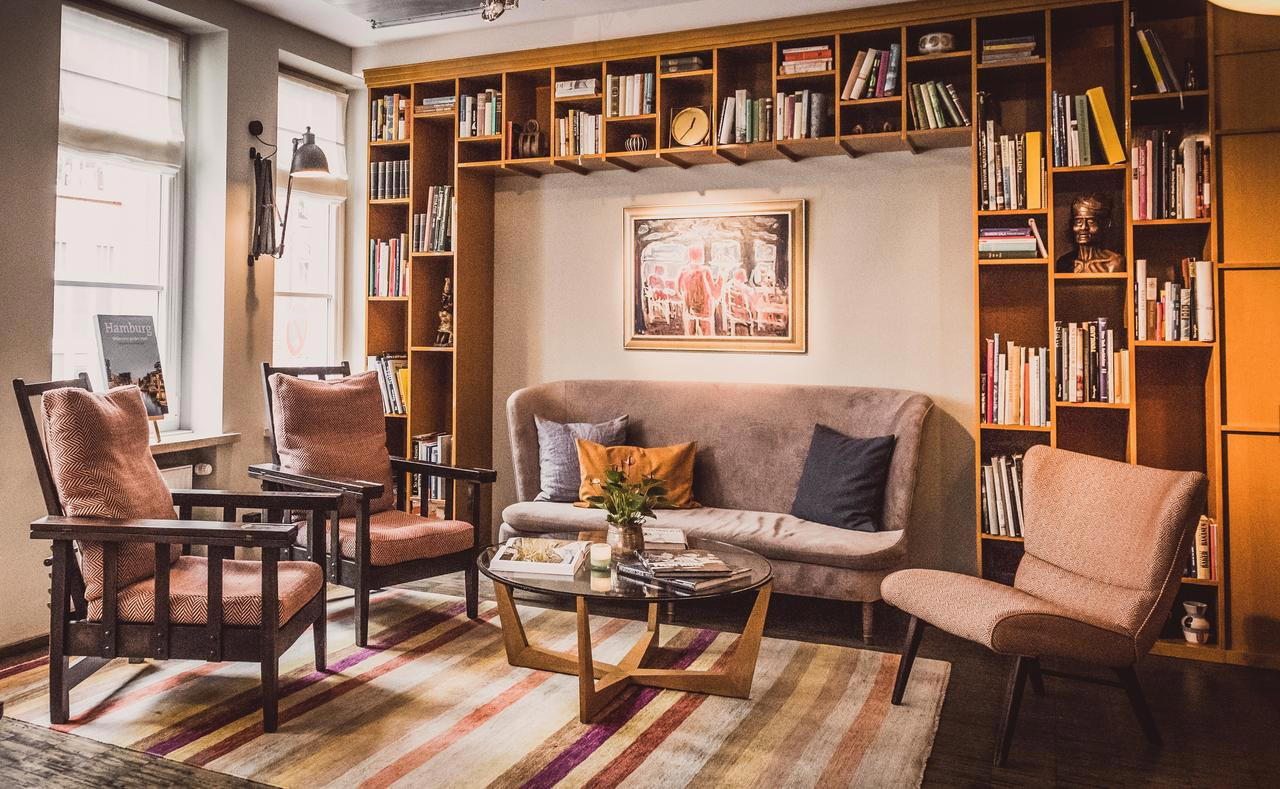
Lebendiges Wirtshausambiente with rustic Bavarian decor, light-filled spaces, and gemütliches Biergartenflair.