Hispània


Macarfi 8 Food Rating
Our verdict
On the Costa del Maresme, roughly 40 kilometres north of Barcelona, Hispània occupies a stretch of the old royal road through Arenys de Mar. The town has long supplied Barcelona's markets with fish and shellfish from its working harbour, and the restaurant sits within that supply chain rather than apart from it. For travellers moving along the Catalan coast, it represents a considered stop in a town that earns attention on its own terms.

Pearl is the En Primeur Club membership app — saves, bookings, and concierge access live there. Same editors, same standards.
- Address
- Camí Ral, 54, 08350 Arenys de Mar, Barcelona, Spain
- Phone
- +34937910457
- Hours
- Mon 1–4 PMTue ClosedWed–Thu 1–4 PMFri–Sat 1–4 PM, 8 PM–12 AMSun 1–4 PM
- Website
- restauranthispania.com
- Directions
- Get directions
The menu
What to order
- Bacalao a la muselina
- Fricandó
- Ensalada de tomate
The Road Into Arenys de Mar
The Camí Ral — the old royal road that once connected Barcelona to France along the Catalan coast — still runs through Arenys de Mar, and Hispània's address on that road says something about the town's relationship with time. Arenys de Mar is not a resort. It is a working port with a fish market that has supplied Barcelona's restaurants and households for generations, a place where the supply chain between sea and table is local habit rather than marketing proposition. Arriving by train from Barcelona Sants takes around 50 minutes on the regional R1 line, which drops you within easy walking distance of the centre. The approach along the seafront, past the marina, past the covered fish market, sets the context before you reach the door. For comparable editorial on the broader Catalan coast dining scene, see our full Arenys de Mar restaurants guide.
Where the Produce Comes From
The coastal stretch between Barcelona and the French border, the Maresme, has a particular character as a producing region. The proximity of the Mediterranean fishing grounds means that fish and shellfish landed at Arenys and neighbouring ports reach local kitchens within hours. This is the defining structural advantage of cooking in a town like Arenys de Mar rather than importing the same species into a Barcelona kitchen a train ride away. What arrives at a port-adjacent kitchen in the early morning is categorically different from what arrives after a wholesale journey into a city distribution centre. The distinction matters less for strong-textured fish and more acutely for the delicate, high-moisture shellfish, prawns, clams, sea urchin, where hours count.
Maresme is also notable as an agricultural corridor. The coastal plain between the hills and the sea produces strawberries, tomatoes, and salad crops that reach Barcelona markets with short transit times. A kitchen drawing from both the port and the surrounding farmland has access to a supply geography that most urban restaurants cannot replicate regardless of budget. In the Spanish fine-dining context, that kind of sourcing proximity has become a credibility signal, not an assumed baseline. Houses like Asador Etxebarri in Atxondo and Casa Marcial in Arriondas have built reputations on sourcing logic tied to specific geography, and the Maresme offers Hispània an equivalent structural argument.
Arenys de Mar in the Catalan Dining Picture
Catalonia's serious restaurants cluster heavily in Barcelona and Girona. The provincial capital pulls investment, press attention, and the density of clients needed to sustain high-end formats. Girona, with El Celler de Can Roca as its most visible anchor, operates at the top of the international reference tier. Between those two poles, the Costa del Maresme has historically been underrepresented in serious dining conversation despite the quality of its raw materials. A restaurant in Arenys de Mar operates with less institutional support than its Barcelona peers but with a distinct geographic advantage in sourcing that city kitchens cannot buy.
That gap between urban concentration and coastal resource is one that Spanish gastronomy has explored in other regions. Quique Dacosta in Dénia built a three-Michelin-star project on the Costa Blanca around exactly this kind of coastal sourcing logic. Aponiente in El Puerto de Santa María made tidal ecology and local sea species the structural centre of its creative programme. Both demonstrate that serious cooking in a non-metropolitan coastal town can translate into genuine international recognition when the sourcing narrative is coherent and the kitchen execution matches it.
The Catalan Seafood Tradition
Catalan cooking has a long, codified relationship with the sea. The suquet, a fisherman's stew built from local catch and coastal aromatics, and the fideuà, the Valencian-adjacent noodle dish that became a Catalan staple, both demonstrate a tradition of using what arrives from the water without imposing rigid hierarchies between species. Humble fish like cuttlefish, anchovies, and small rockfish hold the same cultural weight in the Catalan canon as the prestige species that appear on tasting menus further north in Basque country. At Arzak in San Sebastián or Martin Berasategui in Lasarte-Oria, the Basque identity is the explicit frame. In Catalonia, the frame is often quieter, less declarative about regionalism, more embedded in the actual sourcing and preparation habits.
Arenys de Mar has its own anchovy heritage. The town's salted and cured anchovy production has historically been significant enough to circulate through specialist shops in Barcelona and beyond. A kitchen operating in this context inherits a specific curing and preservation tradition alongside the fresh catch, which gives the larder a temporal dimension that straight-from-the-boat cooking does not have on its own.
How This Fits the Broader Spanish Fine-Dining Map
Spain's starred restaurant geography has expanded steadily over the past two decades. The concentration remains in the Basque Country, Catalonia, and Madrid, but recognition has reached places like Cáceres (Atrio), Córdoba (Noor), and Villaverde de Pontones (Cenador de Amós), demonstrating that guide recognition is no longer exclusively tied to major urban centres. Alongside these, creative programmes in Barcelona like Cocina Hermanos Torres and boundary-pushing approaches like DiverXO in Madrid or Azurmendi in Larrabetzu have kept Spanish fine dining in international conversation at the highest level. Mugaritz in Errenteria and Ricard Camarena in València show the range of intellectual approaches operating within that system. A coastal Catalan restaurant in a town of Arenys de Mar's scale operates at a different register from those internationally profiled houses, but the broader expansion of where serious cooking is taken seriously makes the context more hospitable than it was.
Planning a Visit
Arenys de Mar sits on the RENFE regional rail network and is accessible from Barcelona in under an hour, making it a viable day trip or an anchor point for a longer coastal stay. The town's size means accommodation options are modest compared to Barcelona or Sitges, so travellers combining Hispània with a wider coastal itinerary will likely base themselves elsewhere and arrive by train. Booking ahead is advisable rather than assumed, the town draws visitors from Barcelona at weekends, and a kitchen operating with locally sourced produce will have natural capacity limits. For reference on comparable coastal fine-dining formats internationally, Le Bernardin in New York City demonstrates what rigorous sourcing discipline looks like at sustained high volume, while Atomix in New York City shows how tasting-menu formats can carry cultural specificity effectively across contexts.
Frequently asked questions
Would Hispània be comfortable with kids?
Arenys de Mar is a working Catalan coastal town rather than a resort, and restaurants along the Camí Ral corridor tend to draw a mix of local families and visiting diners. The regional rail connection from Barcelona makes it a practical outing, but confirming suitability in advance is advisable.
What should I expect atmosphere-wise at Hispània?
Hispània sits on the Camí Ral — the historic royal road that runs along the Catalan coast through Arenys de Mar — which sets a context of quiet, place-specific character rather than urban bustle. The town itself sits outside Barcelona's dining cluster, so the pace reflects that: fewer tables competing for attention, a more local crowd. Expect a room shaped by coastal Catalonia rather than metropolitan spectacle.
Is Hispània worth the trip from Barcelona for a day visit?
Arenys de Mar is served by RENFE's regional rail network and sits under an hour from Barcelona, making Hispània a practical destination rather than a detour requiring planning. The Maresme corridor it sits within is Catalonia's productive coastal strip, historically significant for both fishing and market-garden supply to Barcelona. For diners interested in Catalan cooking away from the capital's restaurant density, the address on Camí Ral, 54 places it squarely in that quieter, regionally grounded tradition.
What do people recommend at Hispània?
The body of Hispània's cooking draws on the Maresme coast's producing traditions — a stretch between Barcelona and the French border with strong market-garden and seafood heritage. Catalan coastal staples like suquet and preparations rooted in local catch are consistent reference points for restaurants in this geography.
How do I find Hispània?
Hispània is located at Camí Ral, 54, 08350 Arenys de Mar, Barcelona, Spain, Arenys De Mar.
How It Stacks Up
Comparable venues nearby, for context on price, style, and recognition.
| Venue | Cuisine | Price | Awards | Notes |
|---|---|---|---|---|
| HispàniaThis venue — the venue you are viewing | Traditional Catalan | $50–100 | Macarfi 8 Food Rating | Not listed |
| Els 4Gats | Traditional Catalan & Mediterranean | $30–50 | Not listed | Barri Gotic |
| Leku | Modern Catalan Mediterranean | $30–50 | Macarfi 7.4 Food Rating | les Corts |
| Aleño Brassafina | Modern Spanish grill & charcuterie | $50–100 | Not listed | Pozuelo de Alarcón |
| Amorío | Modern Spanish Tapas | $50–100 | Not listed | Nervión |
| Aranda's Grill | Traditional Spanish Grill | $30–50 | Not listed | Sant Gervasi - la Bonanova |
Recognition history
Dated appearances from independent guides and award organizations, with the underlying list record or original source where available.
Macarfi 8 Food Rating
Macarfi
Opinionated About Dining Casual in Europe Recommended
Opinionated About Dining
Continue exploring
More in Arenys De Mar
Restaurants in Arenys De Mar
Browse all →
Bars in Arenys De Mar
Browse all →
Hotels in Arenys De Mar
Browse all →
Wineries in Arenys De Mar
Browse all →
Hispània
The wine
- Wine program
- Curated wine list
- Extensive wine list
Details
- Classic
- Elegant
- Family
- Celebration
- Historic Building
- Extensive Wine List
- Local Sourcing
- A La Carte
- Vegetarian Friendly
- Vegan Options
- Gluten Free Options
Current opening hours
- Monday
- 1–4 PM
- Tuesday
- Closed
- Wednesday
- 1–4 PM
- Thursday
- 1–4 PM
- Friday
- 1–4 PM, 8 PM–12 AM
- Saturday
- 1–4 PM, 8 PM–12 AM
- Sunday
- 1–4 PM
Hours can change for holidays and private events. Last verified .
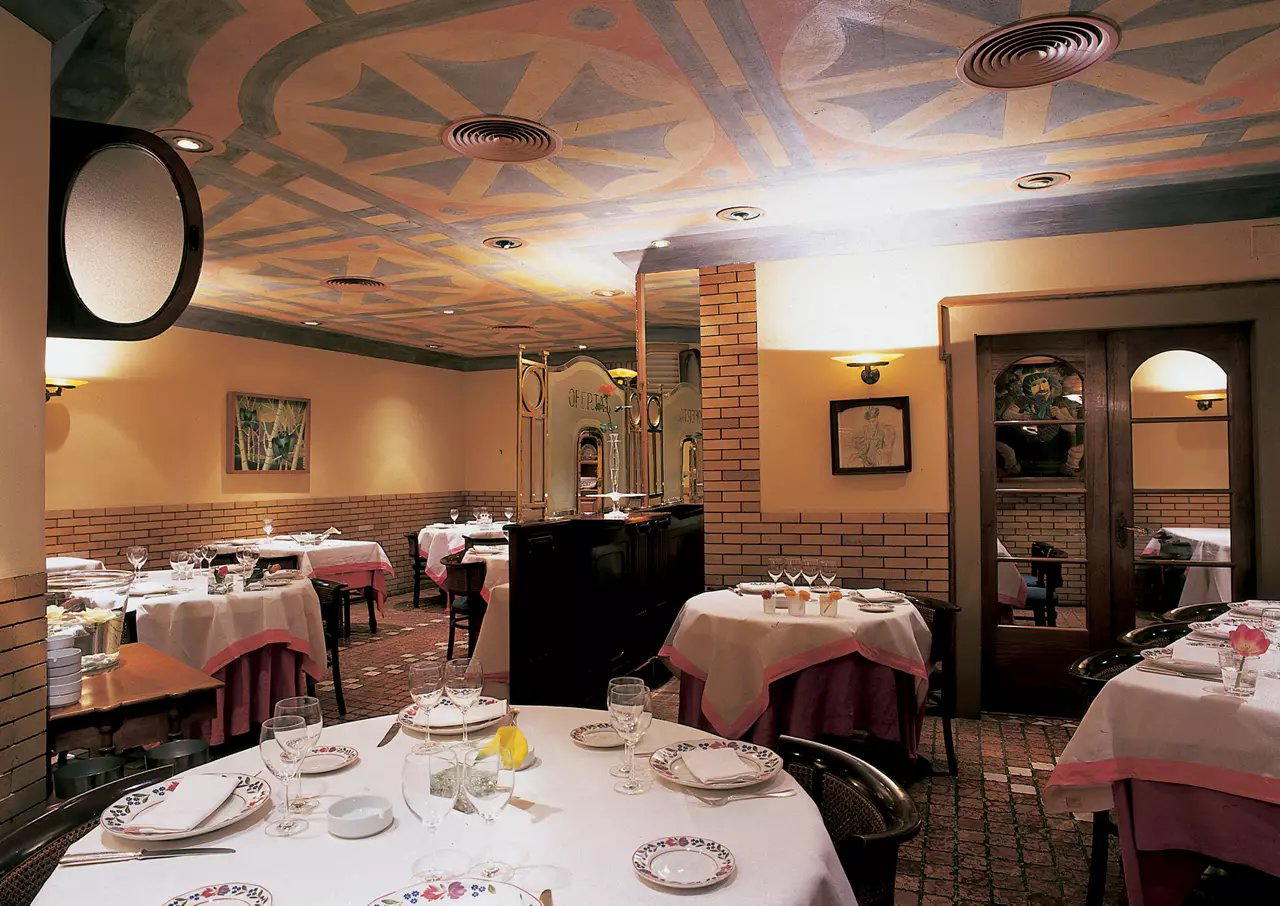
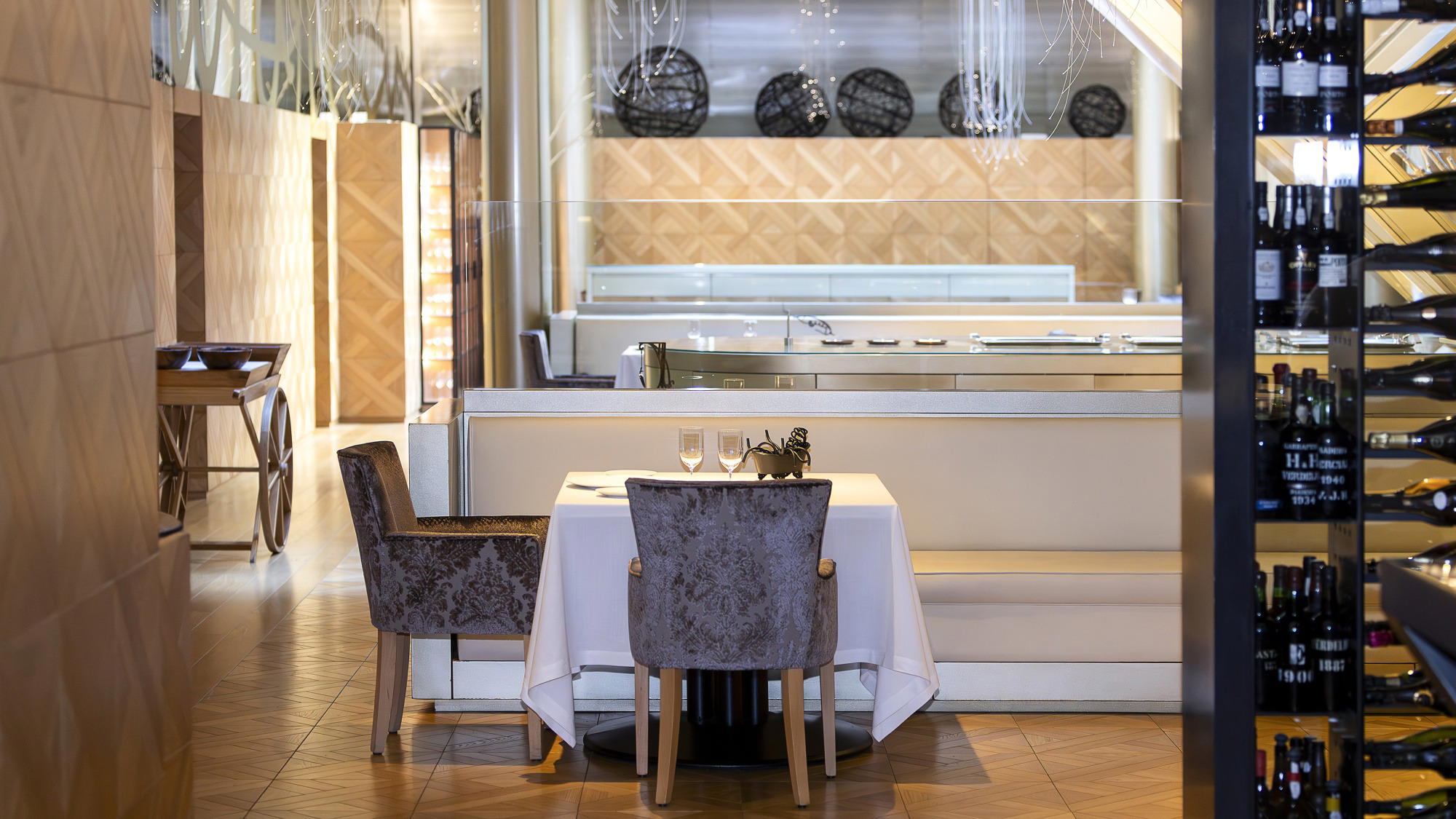
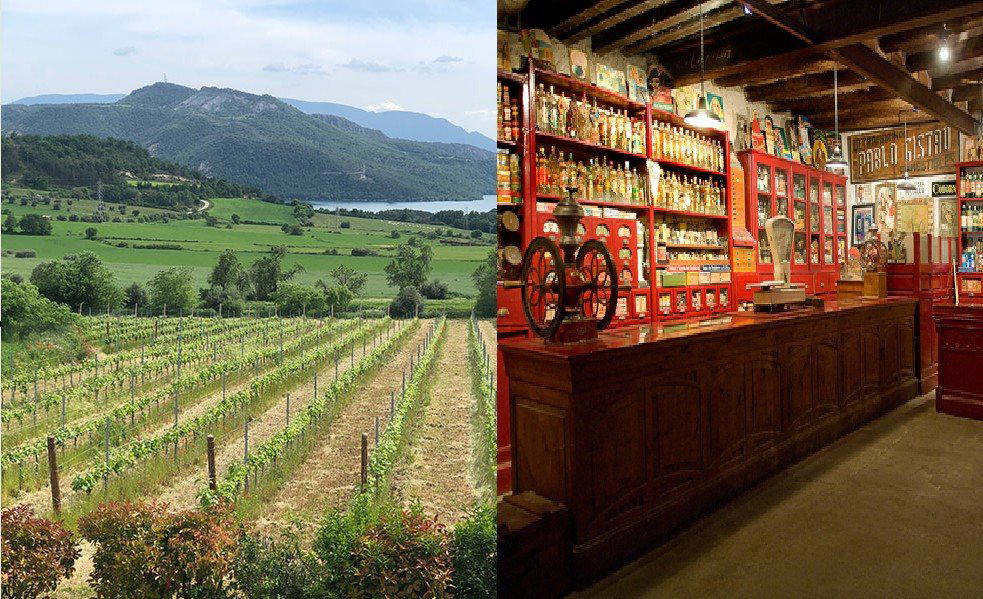
Spacious dining rooms with elegant decor, white tablecloths, and a classic, family-run atmosphere.