Els 4Gats occupies a modernista building on Carrer de Montsió that served as a gathering point for Barcelona's fin-de-siècle artistic community, including a young Pablo Picasso. The café-restaurant sits inside Ciutat Vella's Gothic Quarter and operates as one of the few surviving spaces where the Catalan modernisme movement and the city's café culture visibly overlap. For visitors tracing Barcelona's cultural history, it represents a specific and documented chapter of that story.
Pearl is the En Primeur Club membership app — saves, bookings, and concierge access live there. Same editors, same standards.
- Address
- Carrer de Montsió, 3, Ciutat Vella, 08002 Barcelona, Spain
- Phone
- +34933024140
- Website
- 4gats.com
- Directions
- Get directions
 Saves & bookings on Pearl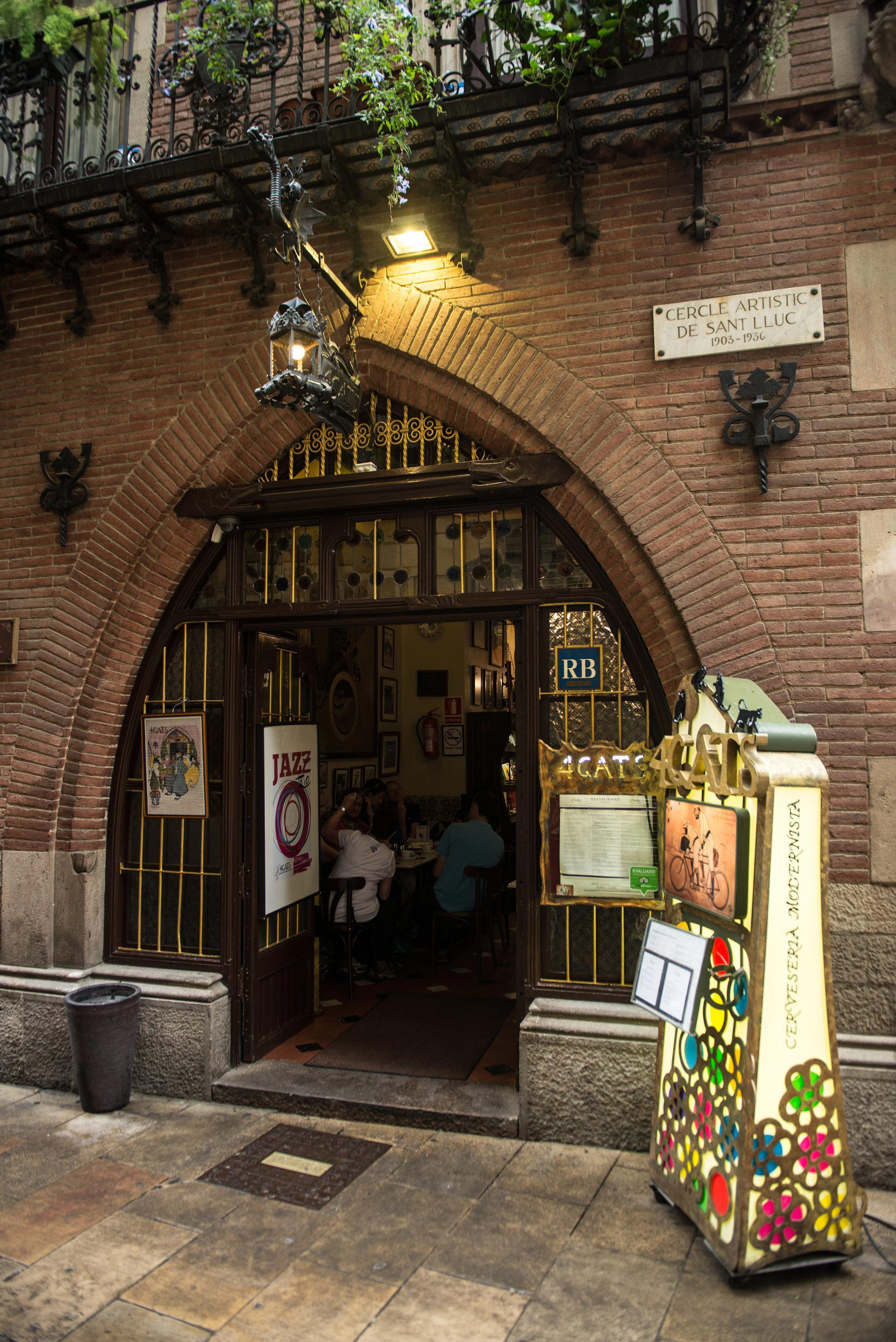
Where Barcelona's Modernista Moment Left a Physical Address
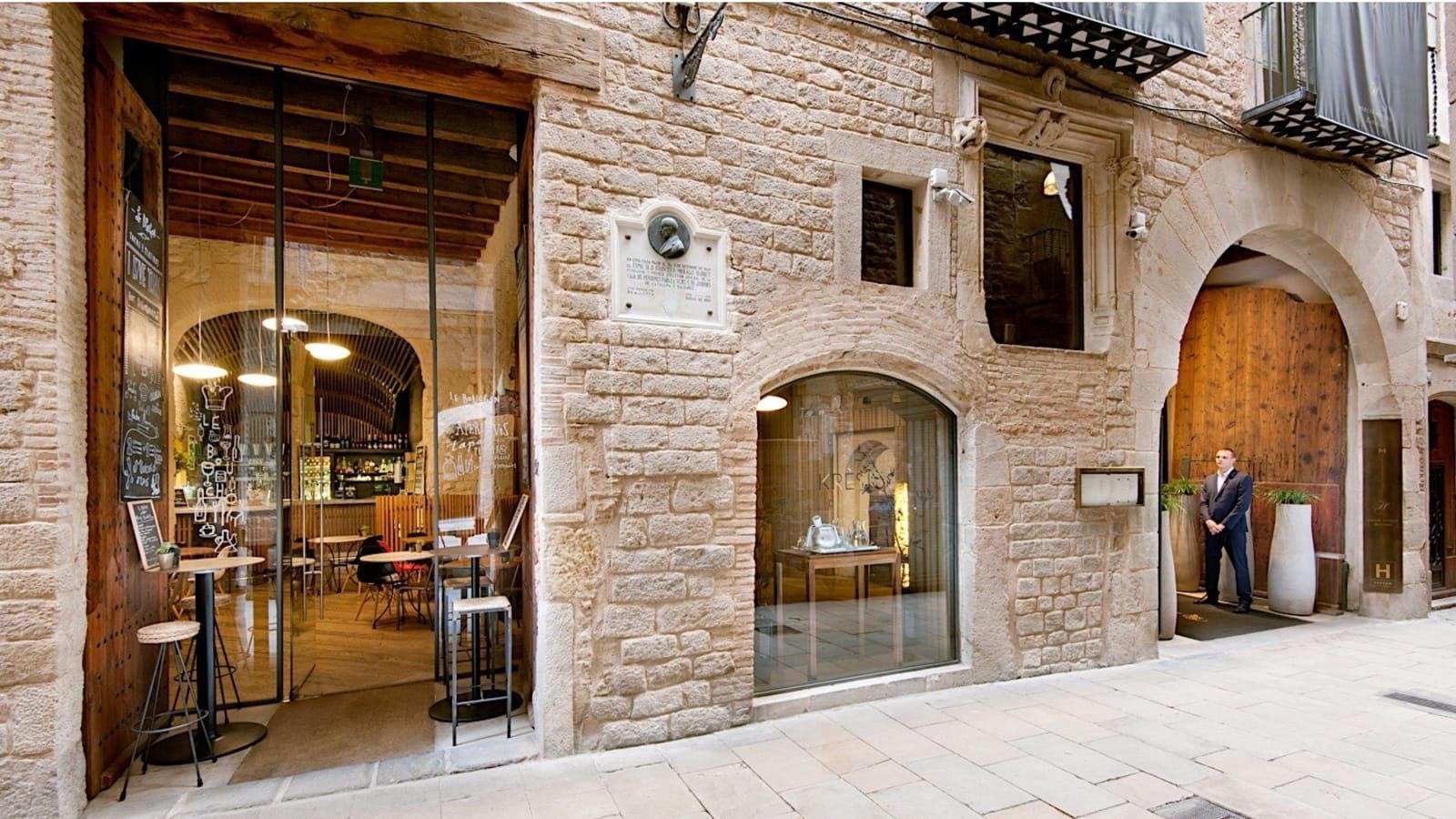
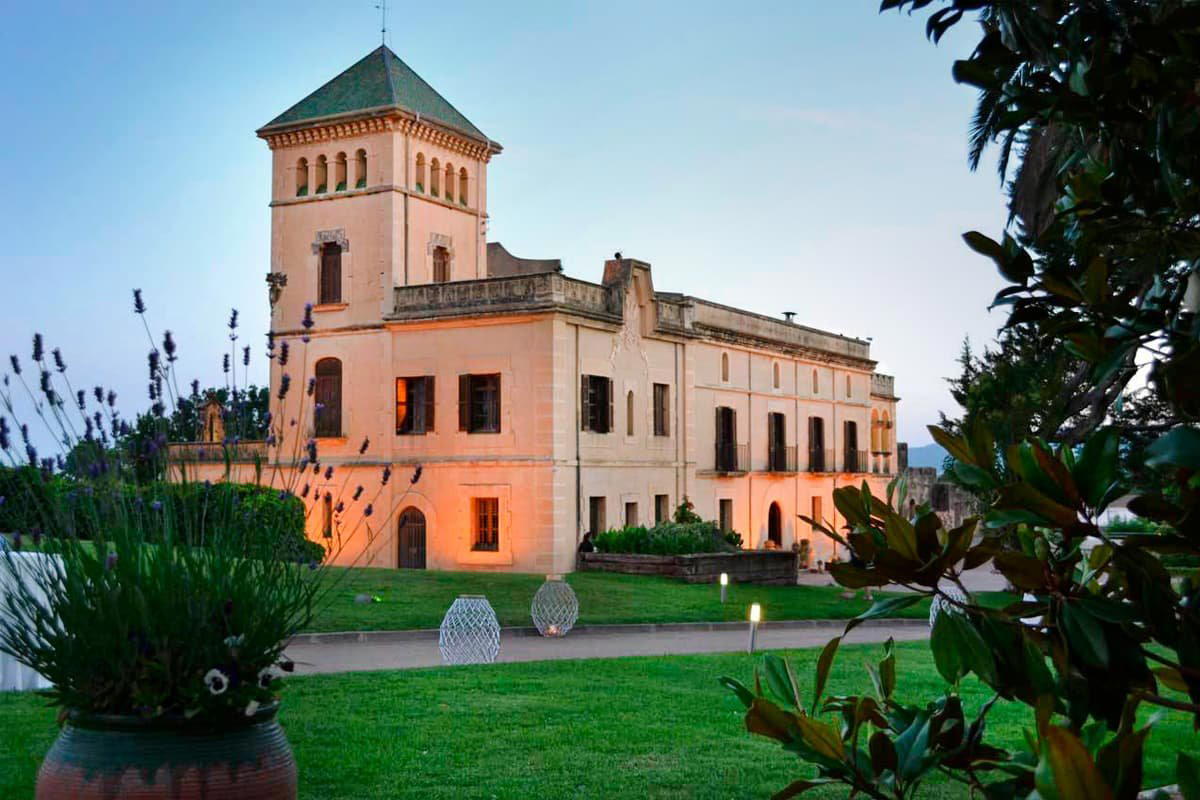
The Gothic Quarter accumulates history in layers, but few addresses in Ciutat Vella carry as concentrated a cultural charge as Carrer de Montsió, 3. The building that houses Els 4Gats was designed by Josep Puig i Cadafalch, one of the three architects who defined Catalan modernisme alongside Domènech i Montaner and Gaudí. Walking through the entrance, the wrought iron, the tilework, and the vaulted interior read less like décor and more like a period document, the architectural language of a city that, around the turn of the twentieth century, was consciously building an identity distinct from Castilian Spain.
The café opened in 1897 and closed in 1903, but those six years embedded it into the historical record in ways that outlasted the original operation. It was, in the terminology of the period, a bierstube modelled partly on the Parisian Chat Noir, but its clientele and programming gave it a specifically Catalan character. Santiago Rusiñol, Ramon Casas, and Miquel Utrillo were regulars. A young Pablo Picasso held his first documented exhibition there in February 1900, producing a menu cover for the café that now exists in museum collections. The space did not merely host culture, it functioned as an infrastructure for it, providing a room where artists, writers, and musicians could work, exhibit, and argue through the aesthetics of a generation.
The Architecture as the Primary Experience
Barcelona's stock of surviving modernista interiors is smaller than the city's reputation for the style might suggest. Gaudí's domestic projects are largely museums; Domènech i Montaner's Palau de la Música is a concert hall. Els 4Gats occupies a different functional register: it is a space where you can sit, order food, and spend time inside the architectural period rather than circulate through it on a timed entry ticket.
The room itself provides the atmospheric argument for the visit. Reproductions of the Casas paintings, including the famous tandem bicycle portrait of Casas and Pere Romeu, hang in a space where the originals once appeared. The relationship between image and architecture is not incidental: modernisme was a total-design movement, treating painting, furniture, tile, and ironwork as parts of a single visual argument. Sitting in the dining room, that integration is still readable in the surfaces around you, even accounting for the century of use and restoration that separates today's interior from the 1897 original.
Visitors who have worked through Barcelona's avant-garde restaurant circuit, places like Disfrutar, Enigma, or ABaC, arrive at Els 4Gats from a completely different angle. The draw here is not the kitchen's technical ambition but the room's historical density. Those are not competing propositions; they address different questions about what a meal in Barcelona can be.
Catalan Café Culture and Its Long Arc
To understand the restaurant as a dining proposition, it helps to place the Catalan café tradition in context. The late-nineteenth-century Barcelona café was not simply a place to eat. It operated as a semi-public forum, a room where intellectual and artistic life organised itself outside institutional structures. The penya, or gathering of regulars around a shared table, was the social unit. The food and drink were the pretext; the conversation and the networks were the product.
That tradition has largely migrated into other formats in contemporary Barcelona. The city's serious dining now concentrates in a tier of creative restaurants, Cocina Hermanos Torres, Lasarte, El Celler de Can Roca just outside the city in Girona, that have little structural relationship to the nineteenth-century café model. The restaurant sits in a separate category: it is a heritage venue operating in the spirit of the original institution, carrying the building and the associations forward rather than competing on kitchen innovation.
That positioning matters for anyone planning a Barcelona itinerary. The Spanish restaurant circuit at its most ambitious runs from Mugaritz in Errenteria and Arzak in San Sebastián through Quique Dacosta in Dénia and Aponiente in El Puerto de Santa María to DiverXO in Madrid and Azurmendi in Larrabetzu. The restaurant does not belong to that circuit. It belongs to a different kind of itinerary, one organised around cultural and architectural literacy rather than kitchen-led ambition.
What to Order and What to Expect on the Plate
The menu at the restaurant runs along traditional Catalan lines, the kind of cooking that reflects the café's historical role rather than straining toward contemporary fine dining. Expect dishes rooted in the Catalan canon: pa amb tomàquet as a baseline, preparations built around seasonal local produce, and a wine list that draws from Catalan appellations. The kitchen operates within the register the room suggests: approachable, regionally grounded, and calibrated to accompany conversation rather than demand it.
Visitors arriving with the expectations formed by Barcelona's more technically driven restaurants, ABaC or the tasting-menu format of Lasarte, should recalibrate. The meal at the restaurant is a frame for the room, not the other way around. Order what reads as most authentically Catalan on the menu that day, choose a glass from the local appellations, and let the visual environment carry the weight it has been carrying since 1897.
Planning Your Visit
The restaurant sits in the Gothic Quarter on Carrer de Montsió, within walking distance of the Cathedral and the Plaça de Catalunya. The area is heavily trafficked by visitors. For a quieter experience of the room, a weekday lunch allows the architecture to read more clearly without the compression of a full dining room.
| Venue | Category | Price Tier | Primary Draw |
|---|---|---|---|
| The restaurant | Historic café-restaurant | €€€ | Modernista interior, cultural history |
| Disfrutar | Progressive, Creative | €€€€ | Technical avant-garde kitchen |
| Cocina Hermanos Torres | Creative | €€€€ | Theatrical creative format |
| Enigma | Creative | €€€€ | Immersive tasting experience |
- paella
- fideuà sepia e langostina
- steak tartare
- grilled octopus
- cannelloni
- rice dishes
Comparable Venues
Comparable venues nearby, for context on price, style, and recognition.
| Venue | Cuisine | Price | Notes |
|---|---|---|---|
| Els 4GatsThis venue — the venue you are viewing | Traditional Catalan & Mediterranean | $$$ | Not listed |
| Galante | Authentic Catalan Tapas | $$$ | Sant Pere, Santa Caterina i la Ribera |
| Teòric Taverna Gastronòmica | Modern Catalan Taverna | $$$ | la Dreta de l'Eixample |
| Cachitos Diagonal | Modern Traditional Spanish Tapas | $$$ | Sant Gervasi - Galvany |
| Tapes La Bona Sort | Modern Catalan Tapas | $$ | Sant Pere, Santa Caterina i la Ribera |
| Calabrasa | Modern Catalan Tapas | $$ | Sant Pere, Santa Caterina i la Ribera |
Continue exploring
More in Barcelona
Restaurants in Barcelona
Browse all →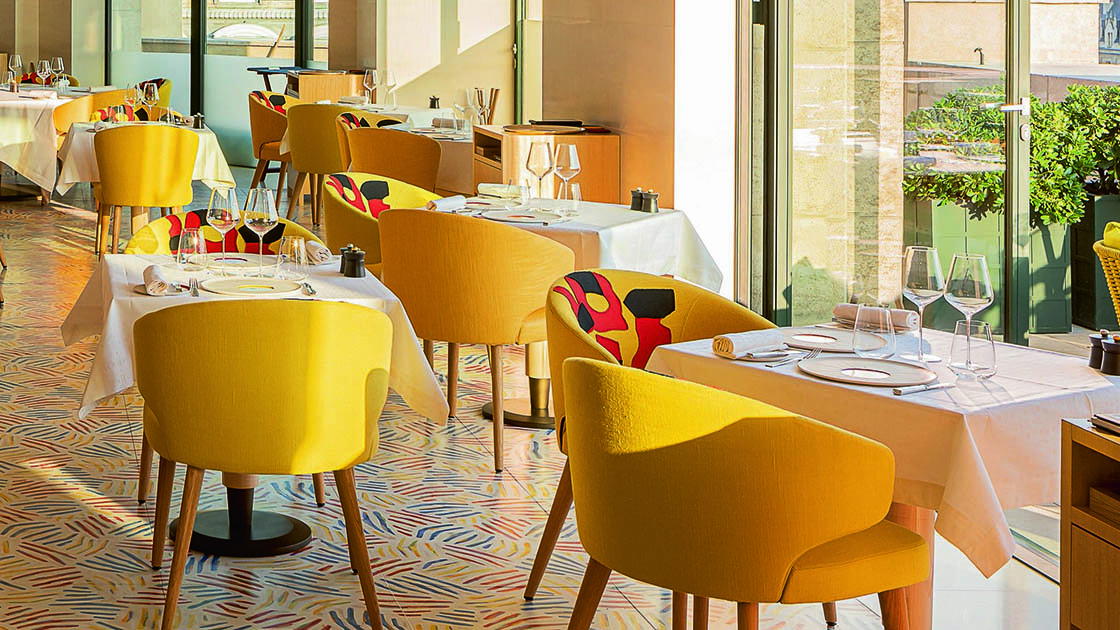
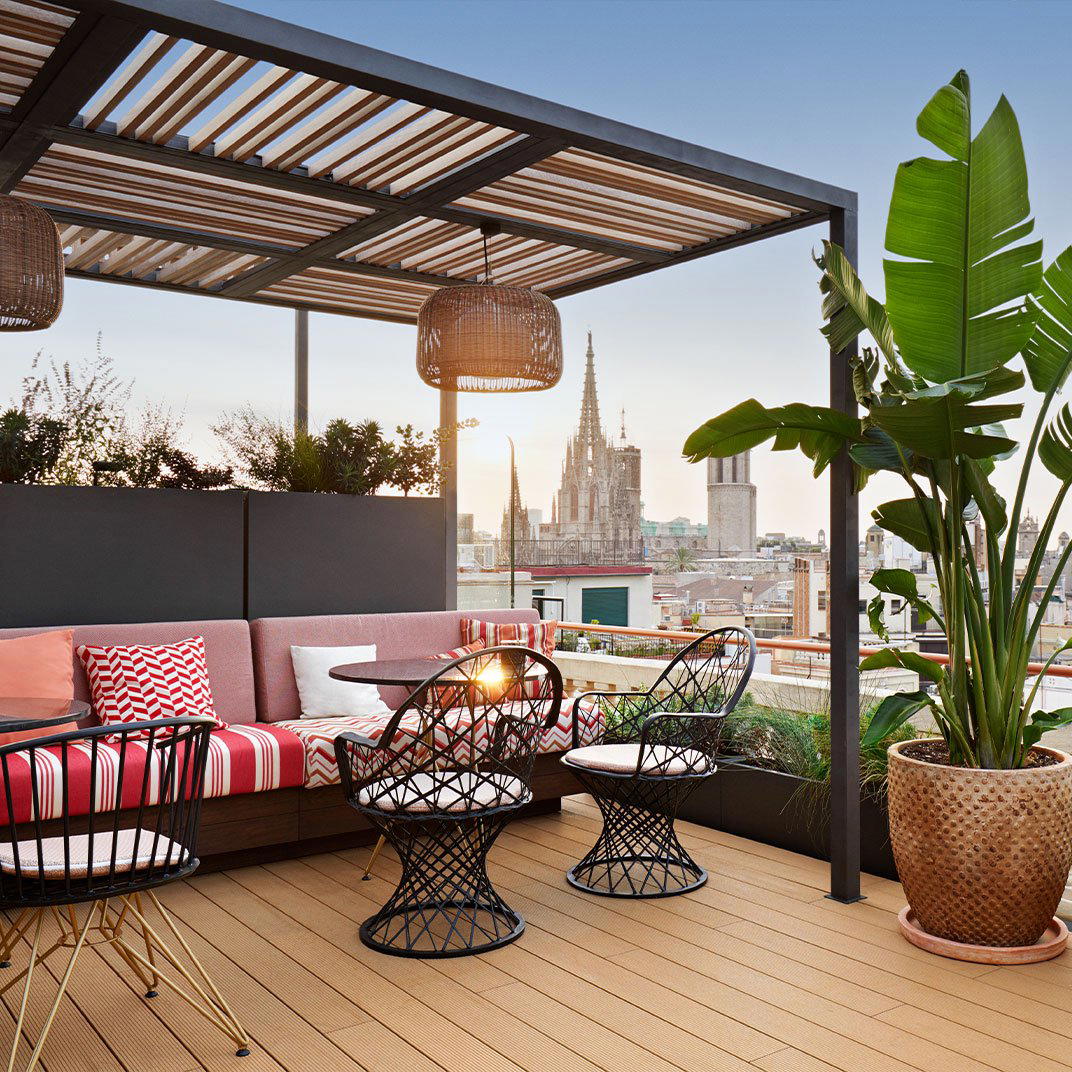
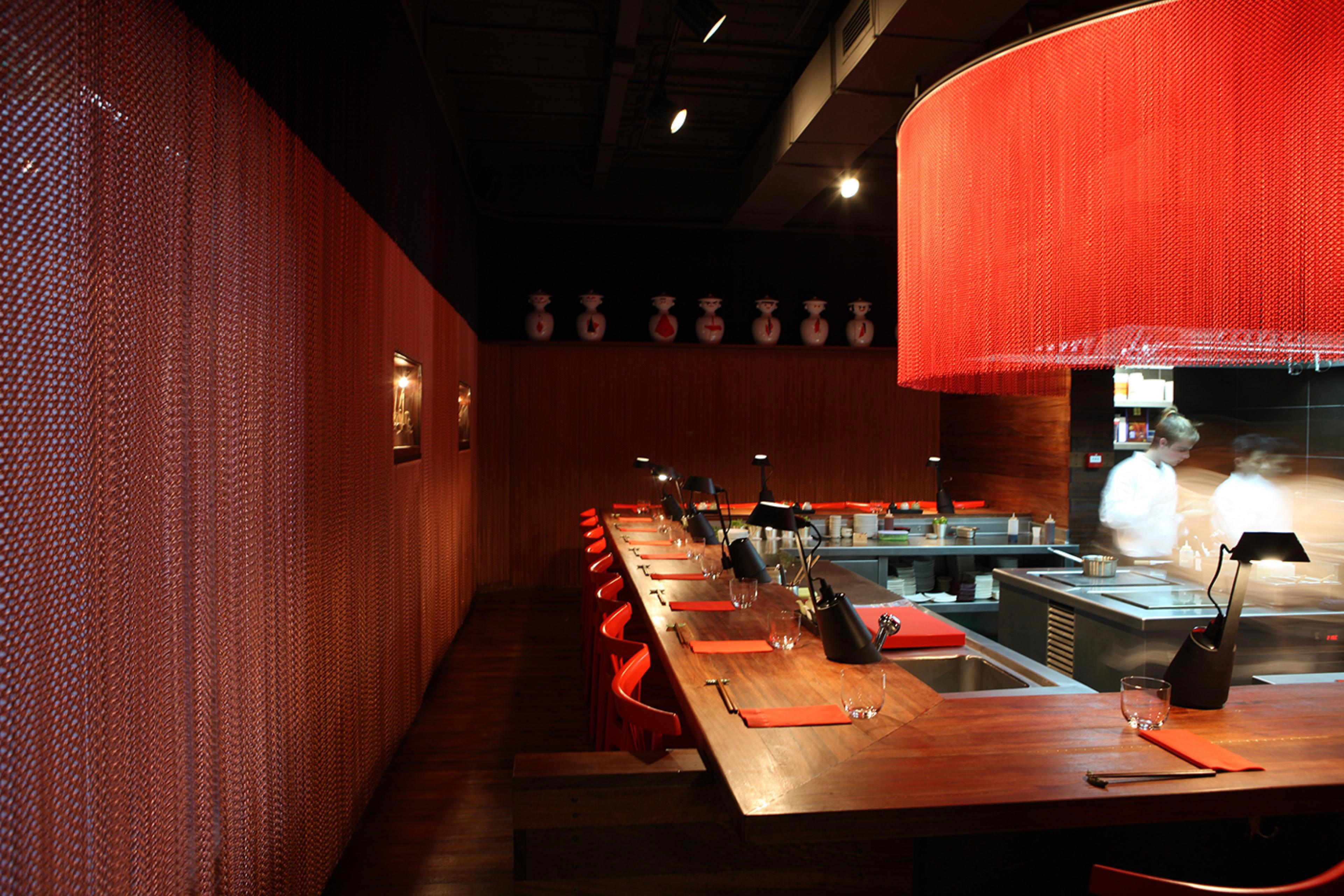
Bars in Barcelona
Browse all →
Hotels in Barcelona
Browse all →
At a Glance
- Well Known
- Bohemian
- Classic
- Elegant
- Special Occasion
- Date Night
- Group Dining
- Historic Building
- Live Music
- Beer Program
- Local Sourcing
Current opening hours
- Monday
- Closed
- Tuesday
- 11 AM–11 PM
- Wednesday
- 11 AM–11 PM
- Thursday
- 11 AM–11 PM
- Friday
- 11 AM–11 PM
- Saturday
- 12–11 PM
- Sunday
- 12–4 PM
Hours can change for holidays and private events. Last verified .
Subtly lit with grand archways, lively decor, and intimate back rooms adorned with modernist art including the famous Ramon Casas and Pere Romeu tandem painting.