Our verdict
Amorío is a Sevilla address framed around sherry-focused Spanish cooking, a useful lens in a city where tapas culture often defaults to beer, vermouth and quick-fire bar hopping. Its appeal lies less in spectacle than in how Andalusian wine tradition can shape a meal with the discipline associated with northern Spain’s pintxos and avant-garde dining culture.

Pearl is the En Primeur Club membership app — saves, bookings, and concierge access live there. Same editors, same standards.
- Address
- Seville, Spain
- Directions
- Get directions
The menu
What to order
- Chorizo croquettes
- Lubina
- Marinated presa Ibérica
Sevilla dining begins before the first plate: stone lanes holding the day’s heat, tiled bars bright under evening light, the sound of small glasses landing on counters. In that setting, a sherry-focused Spanish kitchen changes the rhythm. Amorío belongs to the part of the city’s food culture where the drink is not an afterthought to tapas but a structuring idea, closer to a conversation between cellar and plate than a conventional restaurant script.
That matters in Sevilla because the city’s casual eating culture is built on speed, repetition and neighbourhood loyalty. The classic move is a short order, a small glass, then another stop. Sherry pulls the meal in a different direction. Fino, manzanilla, amontillado, oloroso and palo cortado each carry a different logic for salt, fat, smoke, acid and sweetness. A restaurant that foregrounds that spectrum asks diners to read Andalusian cooking through wine, not just through the familiar grammar of fried fish, stews, preserved seafood and pork.
Sherry gives Sevilla's tapas rhythm a more analytical edge
The useful comparison is not with a single peer venue, but with a Spanish culinary split. Northern Spain turned small bar formats into a compact language of precision: concise portions, technical control, strong counter culture and a willingness to let ideas travel from casual food to more formal dining. Sevilla’s equivalent tradition is more Andalusian in temperature and pace, but the sherry focus at Amorío points toward the same question: how much structure can a small-plate culture absorb before it stops feeling like itself?
The answer depends on restraint. Sherry can dominate a room if treated as a theme rather than a tool. At its strongest, the format helps organise Spanish cooking by intensity: briny starters with flor-aged wines, richer sauces against oxidative styles, sweeter registers used with care rather than as dessert shorthand. That is the editorial reason Amorío is interesting. It sits at the intersection of Andalusian wine identity and the broader Spanish habit of turning bar food into a more deliberate form without losing the social charge of the original format.
For readers mapping Sevilla by category, the city rewards a mixed itinerary. More formal dining has a different role from tapas bars, seafood counters and wine-led rooms, and the decision is less about hierarchy than tempo. Some Sevilla dining rooms frame the city through restaurant ambition, while others point back toward the tasca and tapas register. Amorío’s sherry emphasis gives it another lane: less ceremonial than destination tasting-menu dining, more composed than a purely spontaneous crawl.
The northern Spanish lesson: small formats can carry serious technique
The northern influence on modern Spanish dining is often reduced to foams, lab language and famous tasting menus, but its more durable export is format discipline. Small-bite culture proved that a compact serving could carry architecture: bread, garnish, temperature, sauce, preservation, timing. More ambitious kitchens then pushed that logic into longer meals, where technique served clarity rather than decoration. A sherry-led Sevilla restaurant can borrow that discipline without imitating another region.
That distinction is important. Andalusia does not need outside costume to make contemporary food persuasive. Its own materials already have depth: fortified wines, olive oil, salt cod, tuna traditions, pork, rice, bitter greens, citrus, almonds and the long memory of Moorish, Atlantic and inland cooking routes. The modern move is to tighten the relationship between those elements. When sherry becomes the organising frame, acidity, oxidation and salinity become part of the menu’s structure rather than pairing notes added at the end.
Amorío is therefore better read as part of a Spanish tendency than as a stand-alone novelty. Across the country, compact dining rooms and bar-adjacent kitchens are absorbing lessons from technical restaurants while keeping the meal flexible. Travellers can see the broader spread by looking beyond Sevilla to other Spanish dining rooms where small formats, wine service and regional identity keep changing the shape of a meal. Even in and around the city, the tapas idea keeps mutating, which makes Amorío’s sherry-led position feel specific rather than isolated.
How to place it in a Sevilla itinerary
Amorío makes the strongest case for diners who want Sevilla to taste specifically Andalusian without staying inside the old tapas checklist. It suits a night when sherry is part of the plan, not a single aperitif before dinner. The connection to Javier Muñoz also changes the expectation: the draw is not only the category itself, but a sherry-focused Spanish restaurant in a city where wine culture and bar culture overlap but are not always given equal editorial weight.
That makes it a useful counterpoint to a broader Sevilla stay. Use our full Sevilla restaurants guide to separate formal dining from tapas and seafood, then build the rest of the trip through our full Sevilla hotels guide, our full Sevilla bars guide, our full Sevilla wineries guide and our full Sevilla experiences guide. For readers tracking how beverage cultures shape food, other global bar-dining formats offer a separate contrast in how a drink can define the snacks and dishes around it.
Frequently asked questions
What cuisine category does Amorío fall under?
Amorío serves Sherry-focused Spanish cuisine.
How hard is it to get a table at Amorío?
Amorío’s sherry-focused Spanish format in Sevilla suggests a place that rewards planning ahead rather than treating it as just another spontaneous tapas stop.
What's the defining dish or idea at Amorío?
The core idea is right in the name of the category: sherry-focused Spanish dining in Sevilla. The appeal is the way sherry can frame dishes and the wine list, rather than a broad, all-purpose tapas spread.
Is Amorío child-friendly?
Amorío is a Sevilla restaurant with a sherry-focused Spanish brief. For family logistics, check directly with the restaurant before booking.
What's the vibe at Amorío?
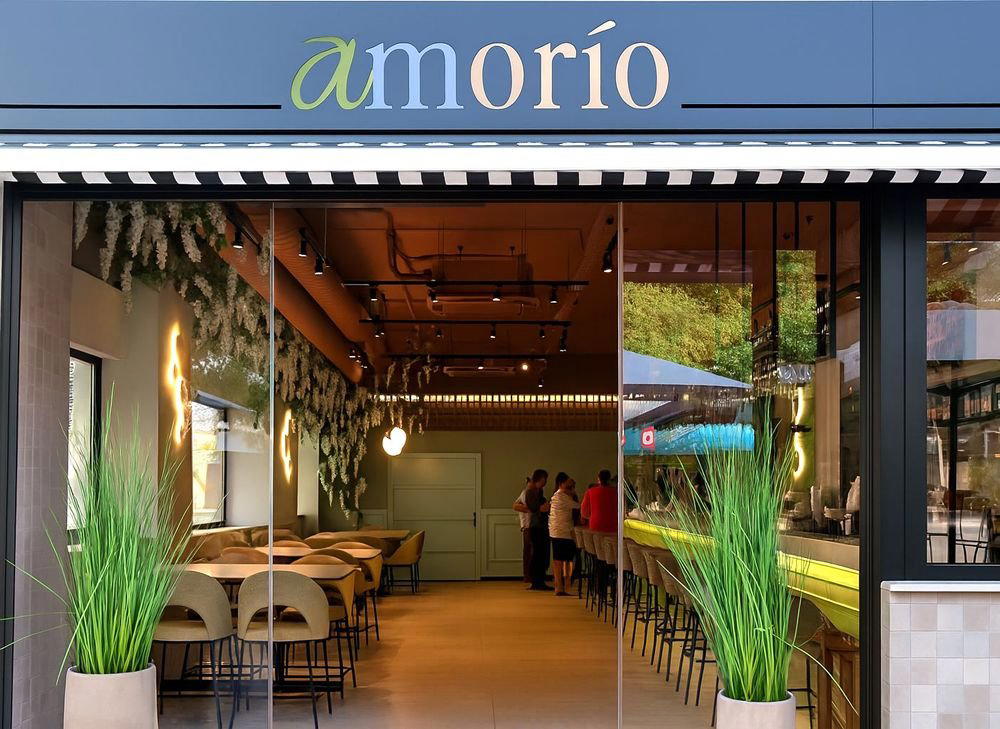
The mood is shaped by Sevilla’s social energy and a sherry-focused Spanish dining format. The appeal is the relationship between the glass, the plate and the pace of the meal.
Reputation & Price
Comparable venues nearby, for context on price, style, and recognition.
| Venue | Cuisine | Price | Awards | Notes |
|---|---|---|---|---|
| AmoríoThis venue — the venue you are viewing | Modern Spanish Tapas | $50–100 | Not listed | Not listed |
| Sr. Cangrejo | Modern Spanish seafood & tapas | $50–100 | Guía Repsol 1 Sol | Arenal, Modern Spanish seafood & tapas |
| Casa Regina | Traditional Sevillian tapas bar | $30–50 | Not listed | Santa Catalina, Traditional Sevillian tapas bar |
| Lalola | Not listed | Not listed | Not listed | Casco Antiguo, Traditional Andalusian cuisine with an Iberian pork tasting menu |
| Kinu Sevilla | Fine-dining Japanese with omakase counter | $50–100 | Guía Repsol 1 Sol | historic centre, Fine-dining Japanese with omakase counter |
| Jaylu | Classic Andalusian Seafood | $50–100 | Michelin Plate · Macarfi 7.4 Food Rating | Los Remedios/Triana, Seafood |


Details
- Sophisticated
- Elegant
- Modern
- Intimate
- Date Night
- Group Dining
- Casual Hangout
- Special Occasion
- Standalone
- Extensive Wine List
- Natural Wine
- Local Sourcing
- A La Carte
- Small Plates
- Sherry
- Wine
- Vegetarian Friendly
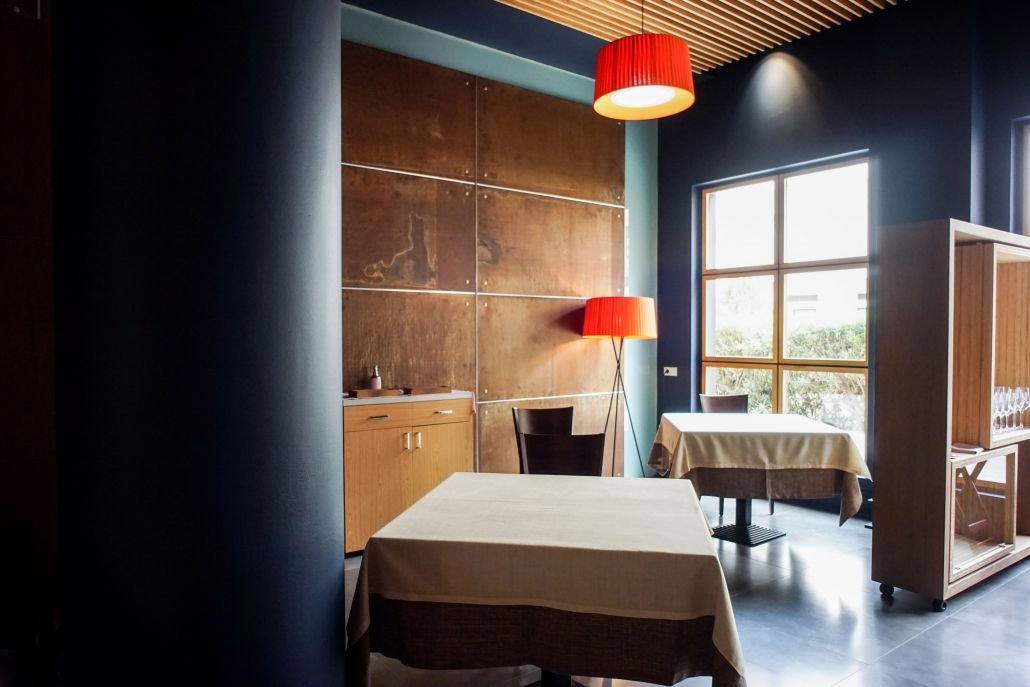
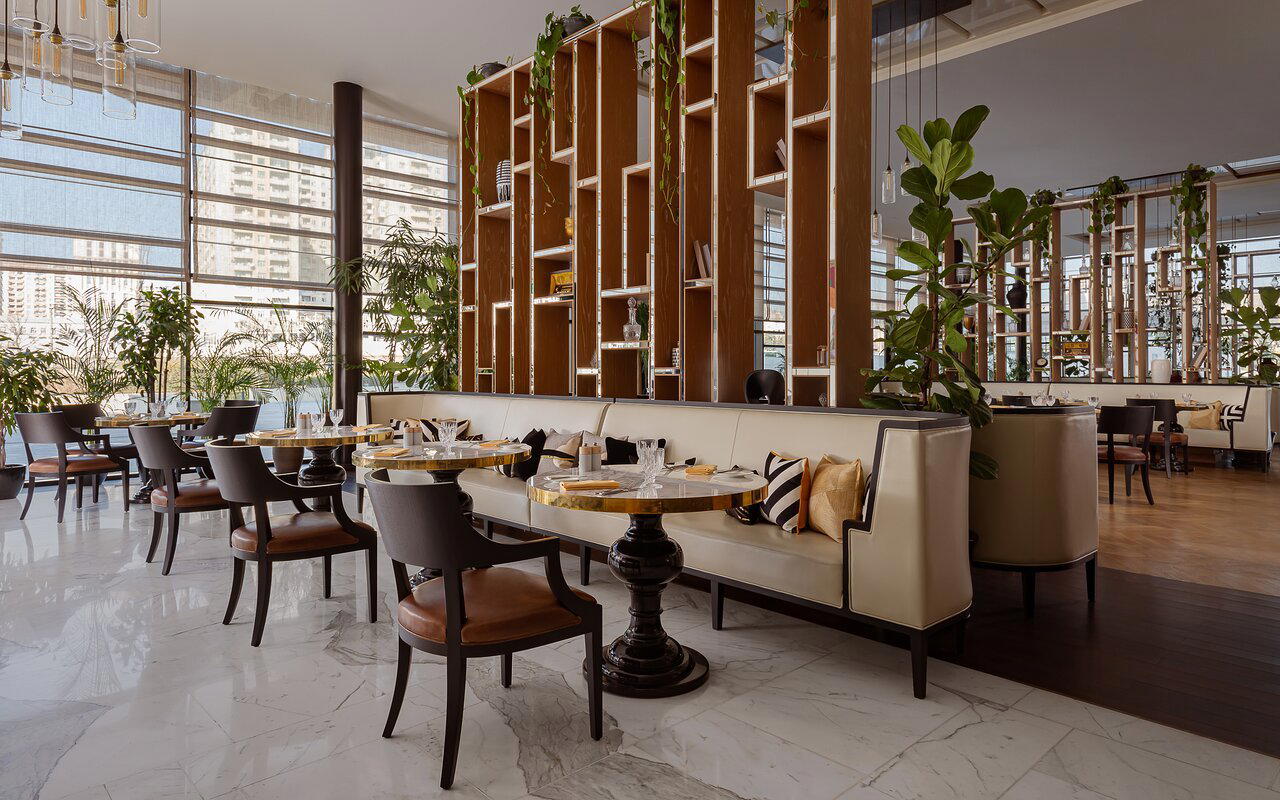
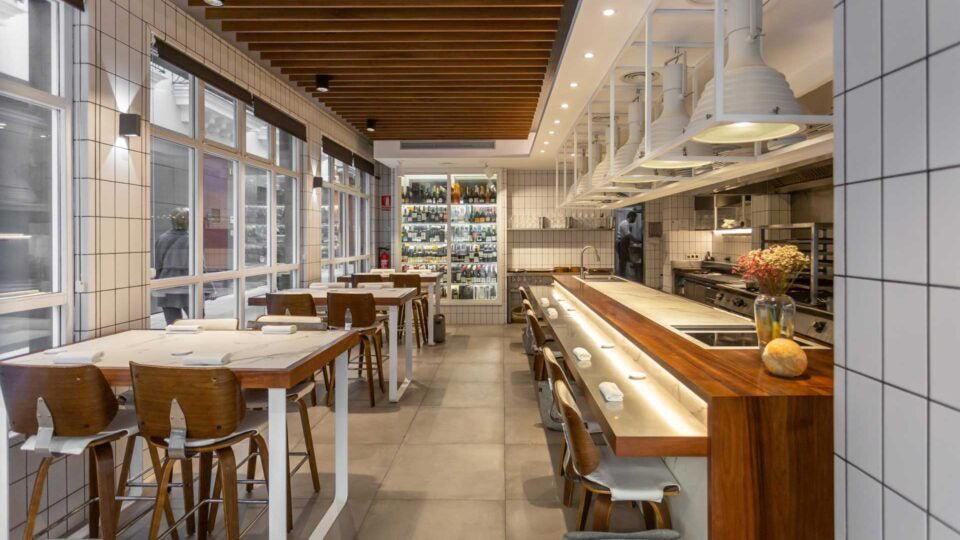
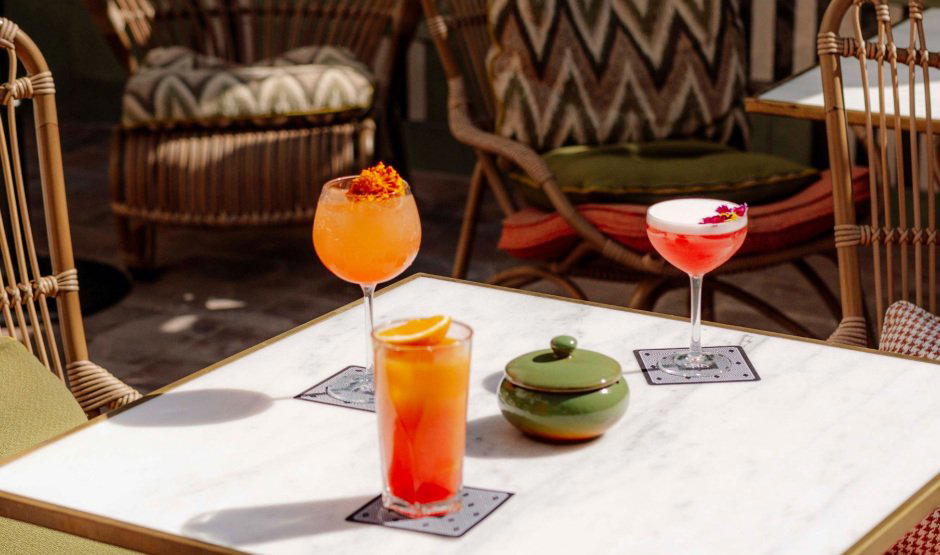
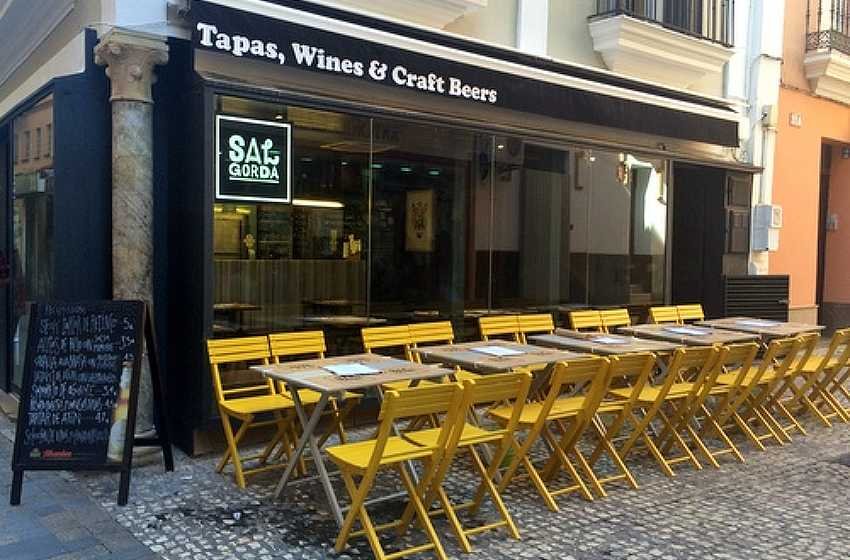
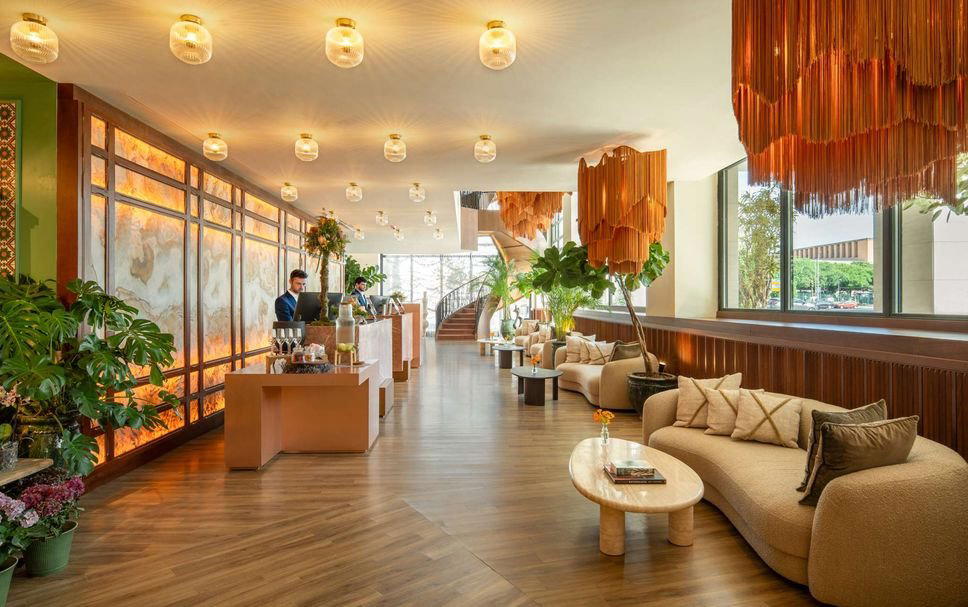
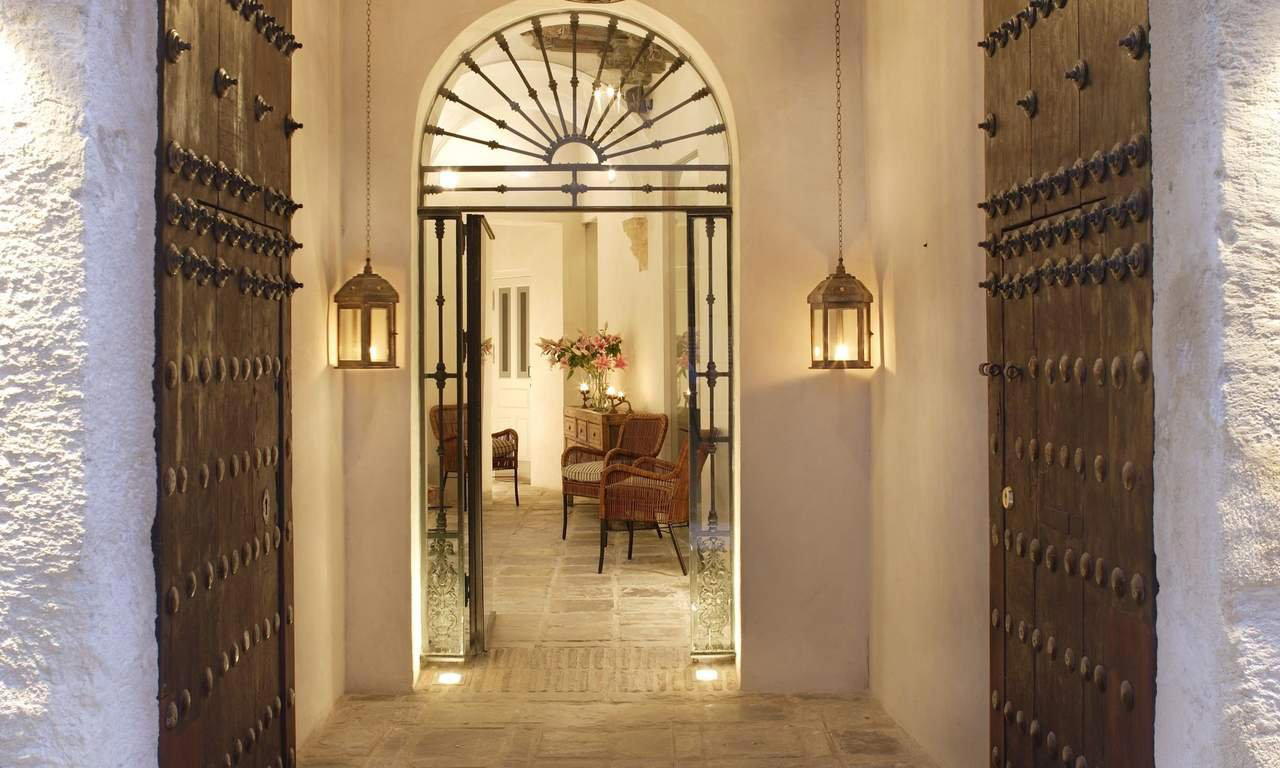
Friendly and polished, with a relaxed bar-restaurant atmosphere that feels more casual than formal while still feeling refined.