
Leku occupies a residential stretch of Les Corts, sitting at the intersection of Basque culinary tradition and Barcelona's restless creative dining scene. The address places it outside the tourist circuit, which tends to attract a more deliberate diner. For those tracing the influence of northern Spanish cooking across the peninsula, it offers a focused point of reference in a city where that conversation is increasingly relevant.
Pearl is the En Primeur Club membership app — saves, bookings, and concierge access live there. Same editors, same standards.
- Address
- Carrer de Joan Güell, 189, Les Corts, 08028 Barcelona, Spain
- Phone
- +34934903810
- Website
- lekurestaurant.es
- Directions
- Get directions
 Saves & bookings on Pearl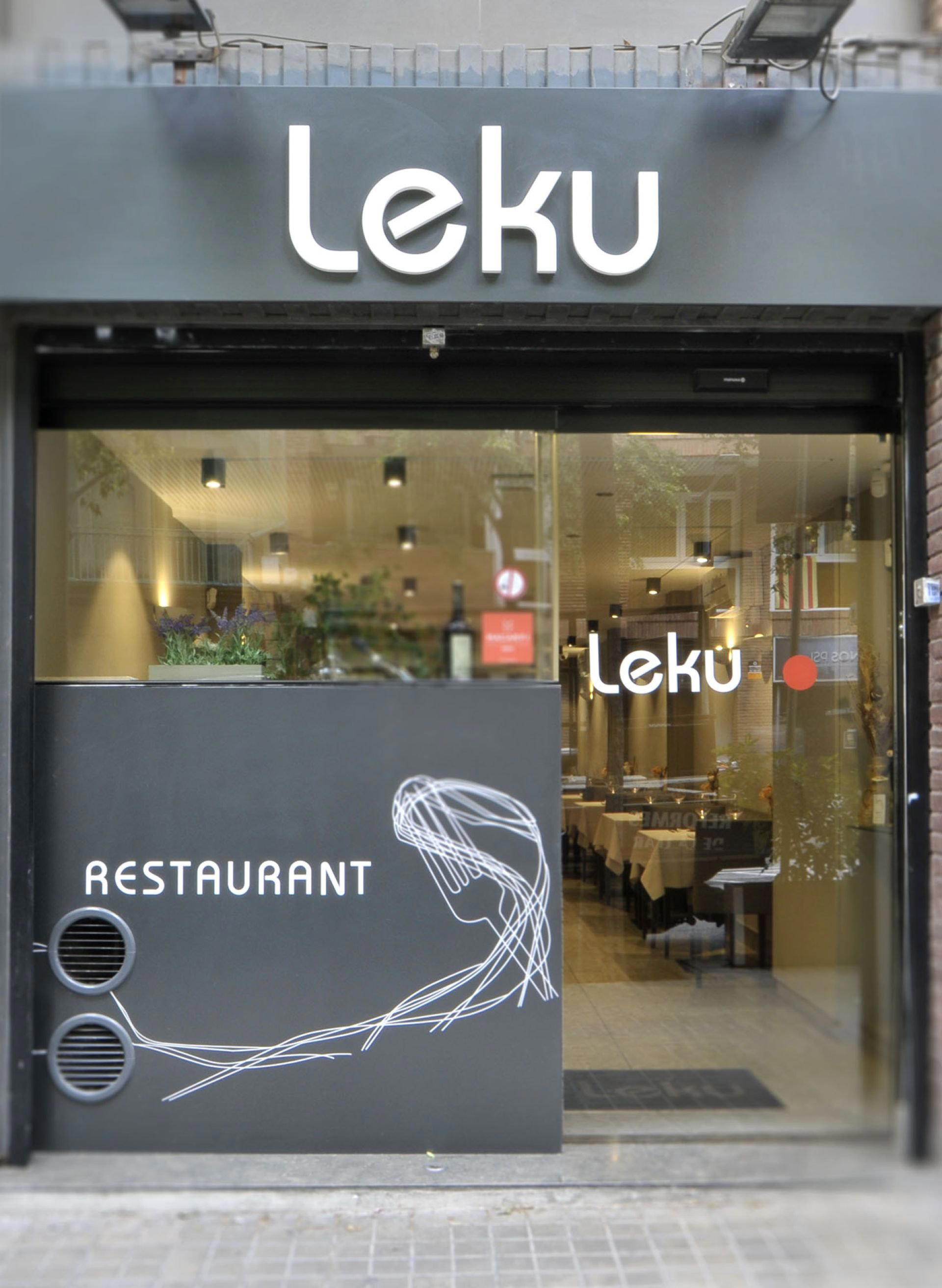
Where Basque Tradition Meets Barcelona's Creative Dining Scene
Barcelona's restaurant culture has long been framed by Catalan identity, but the city's most interesting dining arguments now involve what happens when other Spanish regional traditions arrive with enough conviction to hold their own. Basque cooking, with its emphasis on product quality, precision technique, and a deeply ingrained culture of eating well as a social ritual, has proven one of the more durable imports. Leku is a restaurant in Barcelona's Les Corts district serving Modern Catalan Mediterranean cuisine at a price tier of 3. It operates within that broader current, positioned where Basque culinary sensibility meets a city increasingly fluent in the language of serious cooking.
Les Corts sits west of the Eixample grid, a residential quarter that rarely appears in dining itineraries built around tourist landmarks. That geography matters. Restaurants that survive here do so on repeat local custom and word-of-mouth rather than footfall from the Ramblas or the Barceloneta waterfront. The competitive pressure is different, and so is the diner profile: more neighbourhood-anchored, more likely to know what they came for.
The Basque Reference Point in Context
To understand why a Basque-rooted address in Barcelona carries editorial weight, it helps to map the broader Spanish fine dining conversation. The Basque Country has produced particularly technically demanding and philosophically serious restaurants in Europe. Arzak in San Sebastián has held three Michelin stars for decades. Mugaritz in Errenteria has spent years on the World's 50 Best list while consistently resisting easy categorisation. Azurmendi in Larrabetzu combines ecological seriousness with three-star technical range. Martin Berasategui in Lasarte-Oria anchors the region's more classical wing.
That lineage creates a high baseline expectation when Basque cooking appears elsewhere. Diners who have followed the northern Spanish scene closely arrive with calibrated references. The cooking traditions at stake, from the old-school pintxo bars of San Sebastián's Parte Vieja to the kaiseki-influenced tasting menus of the region's avant-garde, carry institutional weight that a chef or restaurant transplanting those values into Barcelona must reckon with.
Barcelona's own high-end scene offers a demanding parallel context. Disfrutar has become one of the world's most discussed creative restaurants, operating at the furthest edge of technique-led cooking. Cocina Hermanos Torres works the creative Spanish space with two Michelin stars. Lasarte connects Barcelona directly to the Basque tradition through Martin Berasategui's influence, holding three Michelin stars and representing the formal end of that bridge. ABaC and Enigma occupy their own positions in the city's upper tier.
The Cultural Weight of Basque Cooking
Basque gastronomy is not simply a regional cuisine in the way that, say, Valencian paella culture or Catalan mar i muntanya cooking are regional cuisines. It functions more like a culinary institution, with its own societies, competitions, historical archives, and a self-conscious pride in eating that predates the modern fine dining era. The txoko, the private gastronomic society where members cook for each other in a spirit of competitive generosity, is a specifically Basque social invention with no real equivalent elsewhere in Spain. That culture of collective seriousness about food underpins the region's outsized influence on professional cooking globally.
When that tradition travels, its most transportable elements tend to be technical discipline, an insistence on product provenance, and a preference for letting a well-sourced ingredient define the dish rather than overlaying it with complexity. These values translate across borders more readily than the social infrastructure that produced them. A Basque-influenced kitchen in Barcelona is drawing on those portable principles rather than attempting to replicate the full sociological context of northern Spain.
This places Leku in a conversation that extends well beyond its postcode. The questions it implicitly engages with, about what Basque cooking means when separated from the Basque Country, about how those values land in a city already saturated with creative Spanish cooking, are questions that serious diners and critics across Spain are actively asking. Comparable discussions play out at restaurants like Quique Dacosta in Dénia and Ricard Camarena in València, where strong regional identities inform but do not constrain ambitious cooking. Further afield, Aponiente in El Puerto de Santa María and Atrio in Cáceres demonstrate how Spain's non-Catalan, non-Basque regions are building their own high-seriousness dining identities, further complicating the national dining map.
Internationally, the translation of a deeply place-rooted cooking tradition into a foreign city context is a challenge that restaurants like Atomix in New York City have approached from the Korean fine dining angle, while Le Bernardin represents the French classical tradition embedded in an American city. DiverXO in Madrid and El Celler de Can Roca in Girona each illustrate how Spanish cities outside the Basque Country have developed their own high-intensity dining identities that neither imitate nor defer to northern precedents.
Planning a Visit
Leku sits at Carrer de Joan Güell, 189, in the Les Corts district of Barcelona, roughly a ten-minute walk from the Les Corts metro station on Line 3. The neighbourhood is residential rather than commercial, so arriving by metro and walking is a practical approach; the area does not generate the pedestrian density of central Barcelona, which makes it easier to orient on foot. Les Corts is not a neighbourhood that rewards casual drop-in dining at serious addresses, so planning ahead is advisable.
Booking and Cost Snapshot
Comparable venues nearby, for context on price, style, and recognition.
| Venue | Cuisine | Price | Notes |
|---|---|---|---|
| LekuThis venue — the venue you are viewing | les Corts, Modern Catalan Mediterranean | $$$ | Not listed |
| Asador de Aranda | Not listed | $$$ | la Dreta de l'Eixample, Traditional Castilian Grill |
| Ajoblanco Restaurante & Coctelería | Not listed | $$$ | Sant Gervasi - Galvany, Modern Spanish Tapas & Cocktails |
| Los Caracoles | Barri Gotic, Traditional Catalan Seafood | $$$ | Not listed |
| Pompa | Not listed | $$$ | la Vila de Gracia, Modern Spanish Small Plates |
| Ca l’Isidre | el Raval, Classic Catalan | $$$ | Not listed |
Recognition history
Dated appearances from independent guides and award organizations, with the underlying list record or original source where available.
Macarfi 7.4 Food Rating
Macarfi
Continue exploring
More in Barcelona
Restaurants in Barcelona
Browse all →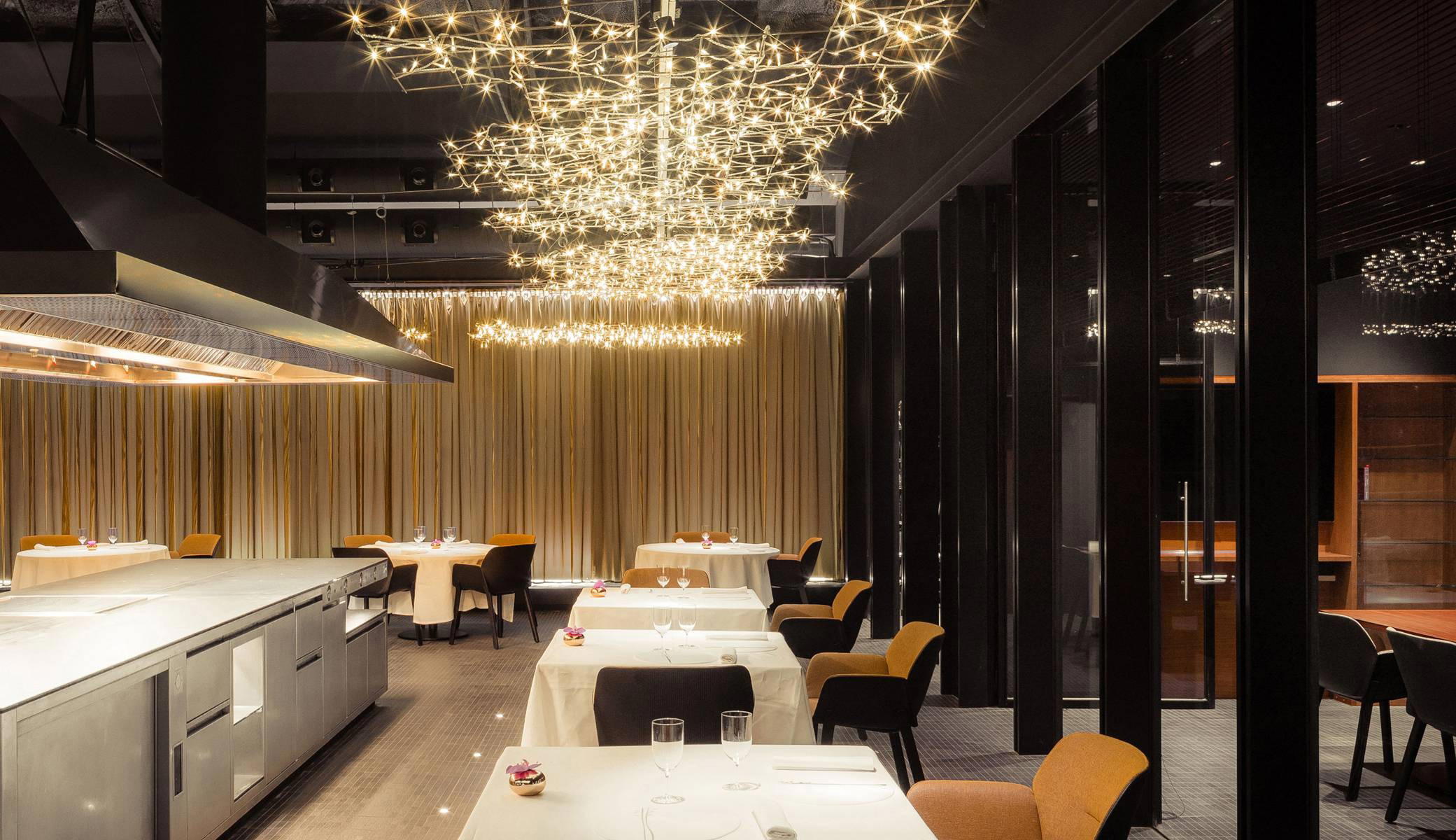
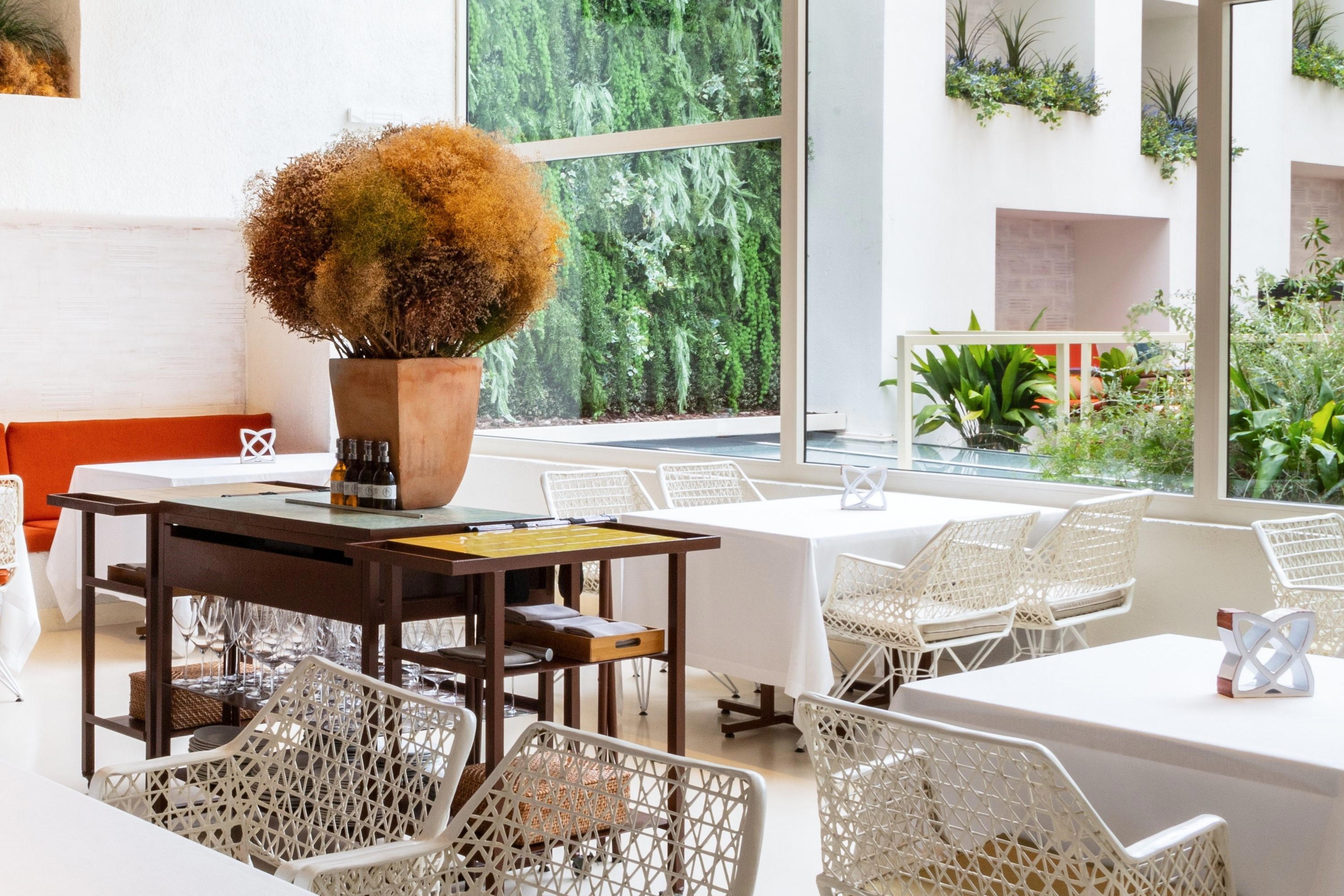
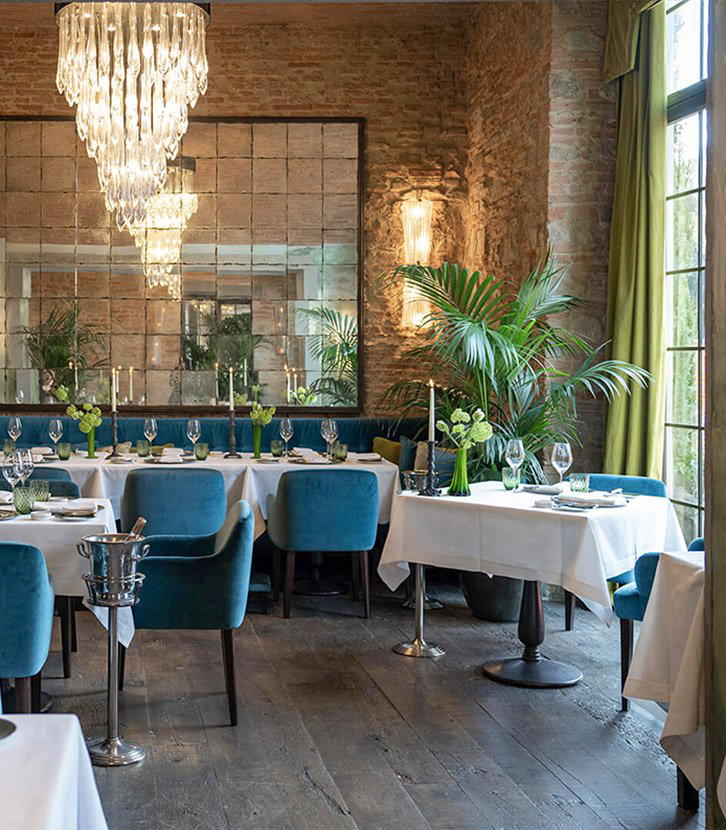
Bars in Barcelona
Browse all →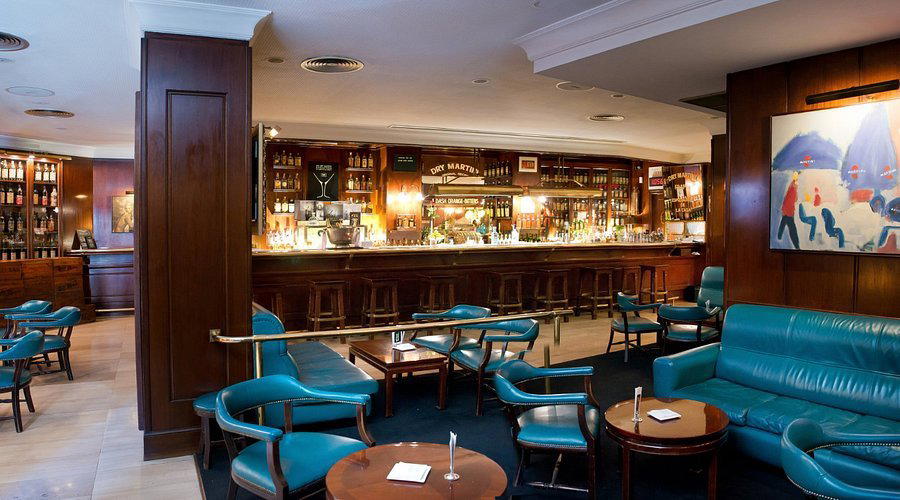
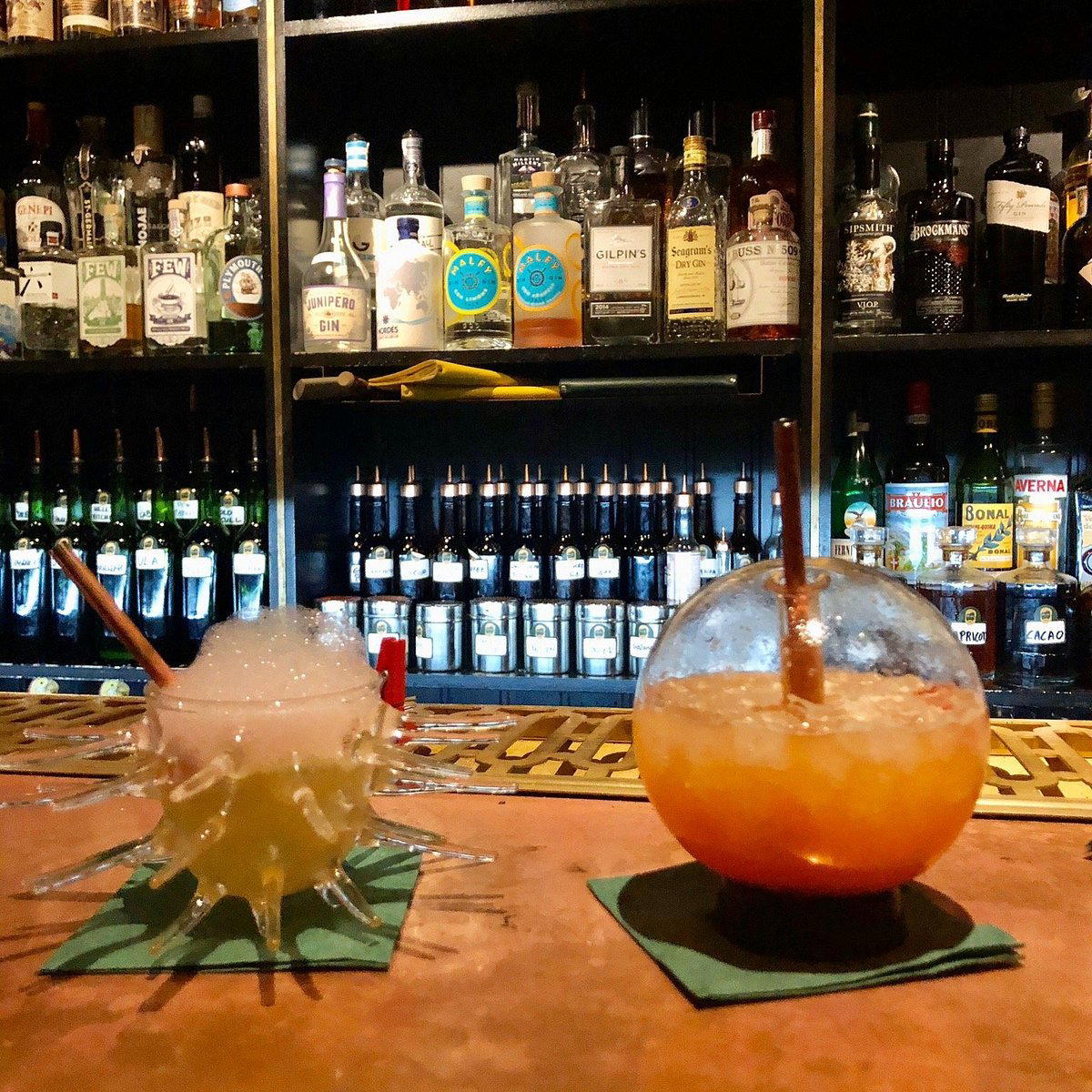
Hotels in Barcelona
Browse all →
At a Glance
- Modern
- Elegant
- Cozy
- Group Dining
- Business Dinner
- Casual Hangout
- Open Kitchen
- Local Sourcing
Current opening hours
- Monday
- Closed
- Tuesday
- 1–4 PM, 8:30–11 PM
- Wednesday
- 1–4 PM, 8:30–11 PM
- Thursday
- 1–4 PM, 8:30–11 PM
- Friday
- 1–4 PM, 8:30–11 PM
- Saturday
- 1–4 PM, 8:30–11 PM
- Sunday
- 1–4 PM
Hours can change for holidays and private events. Last verified .
Modern and elegant with a quiet, inviting atmosphere praised for its warm service and authentic local feel.