Aleño Brassafina belongs to Madrid’s growing interest in fire-led, ingredient-aware dining, a style that makes sourcing and heat management more important than decorative plating. With no public award, price, chef, or booking detail attached, the useful read is contextual: approach it as part of the city’s broader move from formal dining codes toward product-driven rooms built around the grill.
Pearl is the En Primeur Club membership app — saves, bookings, and concierge access live there. Same editors, same standards.
- Address
- Madrid, Spain
- Directions
- Get directions
 Saves & bookings on Pearl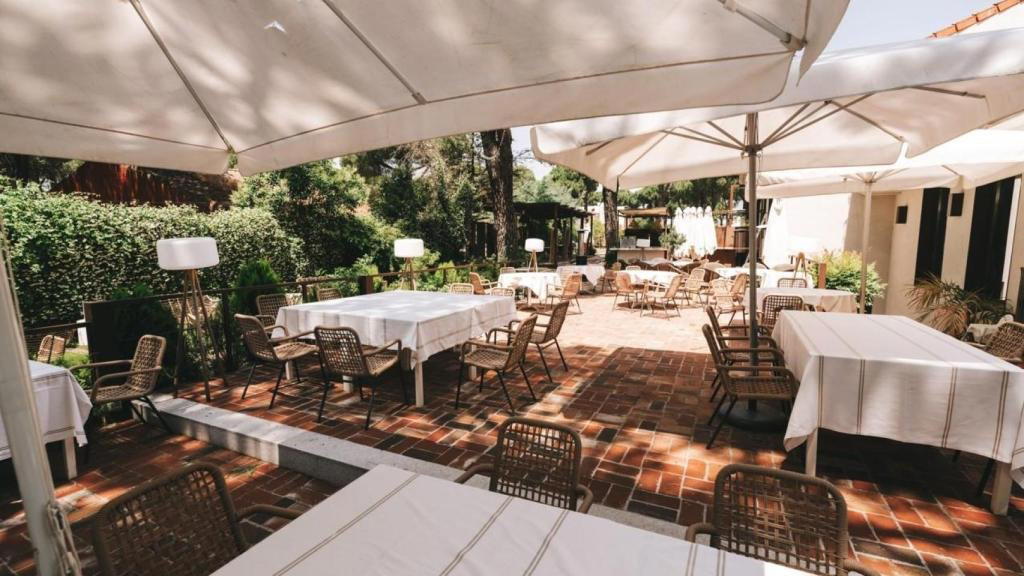
The first cue around Aleño Brassafina is not a fixed piece of ceremony but the promise of a recent Madrid opening entering a city already fluent in product worship. Markets, dining rooms, seafood counters, and Castilian tables have long trained diners to judge a meal by sourcing before technique. Aleño Brassafina fits into that wider Madrid grammar as a name now visible to serious restaurant watchers, with the editorial question less about spectacle than about how a new address earns attention in a crowded capital.
Madrid's dining culture is moving from rustic code to ingredient discipline
Ingredient-led cooking in Spain carries a wide range of regional languages. In some regions, it can mean seafood handled with restraint, simple country cooking, or the pared-back confidence of a room built around product. In Castile, the tradition often runs through lamb, suckling pig, and wood-fired ovens. Madrid absorbs many of those languages rather than owning a single one. The city’s current dining rooms increasingly treat heat, timing, and restraint as tools rather than themes, applying them across produce, seafood, meat, and other ingredients that need careful handling rather than theatrical excess.
That shift matters because Madrid diners are not short of restaurants built on appetite. The more interesting bracket is product-led: rooms where the sourcing logic can be read across the menu, where a tomato, a chop, or a piece of fish is not treated as garnish for a concept. Aleño Brassafina sits inside that conversation and has been listed by the MICHELIN Guide among Madrid’s newest restaurants, giving it a credible signal as a premium recent opening. The venue is better understood through the Madrid habit of letting the ingredient carry status. In this city, a restaurant succeeds when the kitchen knows when to stop.
The sourcing angle is also a useful filter for visitors. Madrid’s restaurant scene can appear broad from the outside: tapas counters, formal tasting menus, seafood houses, market cooking, hotel dining, and wine-led bistros all compete for the same evenings. A product-focused address belongs to the part of the city where the meal is judged by procurement and restraint. It asks different questions from a tasting menu: where the produce came from, how cleanly it was handled, whether the cooking added definition rather than weight.
The meal should be read through produce, not performance
In a city with a deep bar-and-table culture, a focused dining format works because it is legible. Diners can understand the premise quickly: order with the kitchen’s strengths in mind, let sourcing do the heavy lifting, and pay attention to sequencing. Vegetables often benefit from a different rhythm than fish or meat; shellfish and delicate cuts punish overstatement; heavier dishes need acidity, bitterness, or wine to keep the table moving. Those are general rules, but they explain why ingredient-first restaurants in Madrid feel different from dining rooms built around narrative menus.
Aleño Brassafina should be approached with that mindset. The draw is not a public checklist of trophies, but it does have a relevant recognition signal: inclusion by the MICHELIN Guide among Madrid’s newest restaurants. The current public footprint provided here does not supply hard specifics such as star ratings, seat count, a named chef, or a published tasting-menu format that would place it into a more formal luxury category. That changes the reader decision. This is a restaurant to evaluate through clarity, timing, and its place in Madrid’s current dining conversation, not through inflated trophy language.
For travellers planning a Madrid dining run, the useful pairing is category variety. A meal at Aleño Brassafina covers a different register from the city’s contemporary counters, wine bars, and regional specialists. EP Club’s Madrid restaurant coverage includes broader editorial browsing across other Madrid dining rooms, while Our full Madrid restaurants guide gives the broader city frame. For the rest of the trip, Our full Madrid hotels guide, Our full Madrid bars guide, Our full Madrid wineries guide, and Our full Madrid experiences guide help separate dinner planning from the rest of the itinerary.
How to place it within a Spain-focused eating itinerary
Madrid often functions as a connector city for Spain rather than a single-purpose food trip. That makes a product-led recent opening useful on a multi-stop itinerary: it gives a grounded Madrid meal between more regional expressions elsewhere. A traveller moving through Spain can read the contrast against Andalusian small-plate culture, Basque-country dining, island dining, Rioja-country tradition, Barcelona waterfront cooking, or Canary Islands dining without needing to force Aleño Brassafina into any single comparative bracket.
The broader point is not that every Madrid dining room belongs in the same class. It is that the city rewards diners who understand format before booking. A focused restaurant asks for a different appetite from a cocktail-led night, a tasting counter, or a long hotel dining room. Readers looking beyond Spain can map that same format thinking to other category-clear venues in a generic sense, where expectations are shaped before the first order. For Aleño Brassafina, the clean read is this: go for Madrid’s ingredient-led conversation, and judge the meal by sourcing, timing, and restraint.
- Garlic soup in clay pot
- Grilled red prawns
- Charcoal-roasted squab
- Wagyu tomahawk steak
- Angus sirloin
- Black Angus skirt steak
How It Compares
Comparable venues nearby, for context on price, style, and recognition.
| Venue | Cuisine | Price | Notes |
|---|---|---|---|
| Aleño BrassafinaThis venue — the venue you are viewing | Modern Spanish grill & charcuterie | $$$ | Not listed |
| Abascal | Modern Spanish Tapas | $$$ | Almagro |
| Cañadío | Traditional Cantabrian | $$$ | Lista |
| Verdejo | Seasonal Spanish Taberna with Modern Touches | $$$ | Salamanca |
| Terraza Tayrona Madrid | Modern Spanish Terrace | $$$ | Recoletos |
| Come Bebe Ama | Modern Extremaduran Spanish Gastrobar | $$$ | San Isidro |
Continue exploring
More in Madrid
Restaurants in Madrid
Browse all →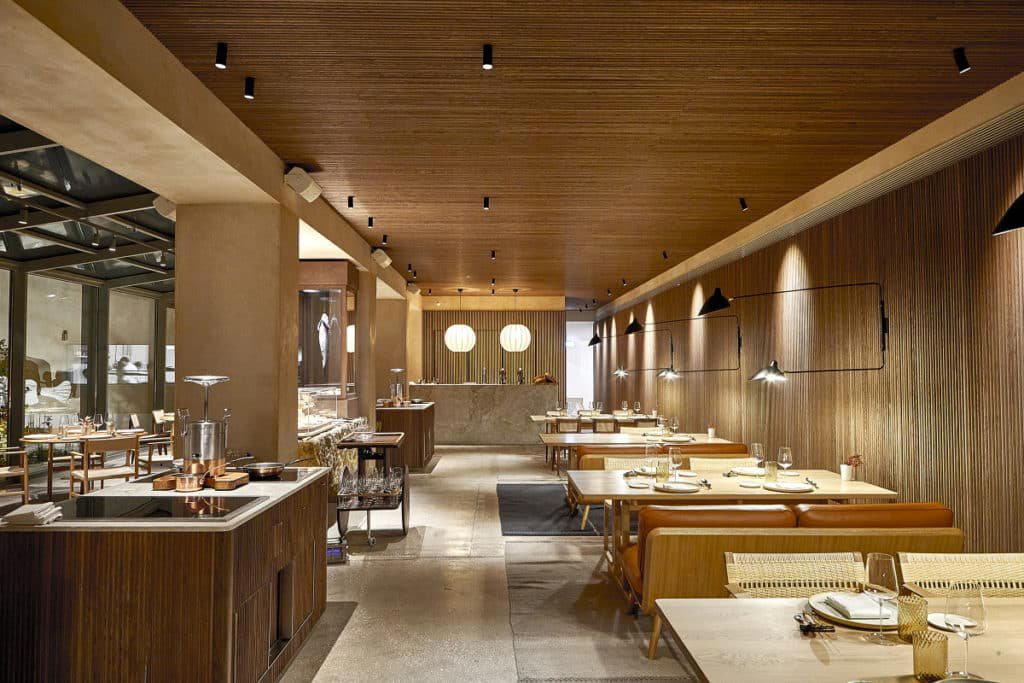
Bars in Madrid
Browse all →
Hotels in Madrid
Browse all →




At a Glance
- Modern
- Cozy
- Lively
- Trendy
- Date Night
- Group Dining
- Family
- Special Occasion
- After Work
- Casual Hangout
- Terrace
- Garden
- Standalone
- Design Destination
- Extensive Wine List
- Beer Program
- Local Sourcing
- Garden
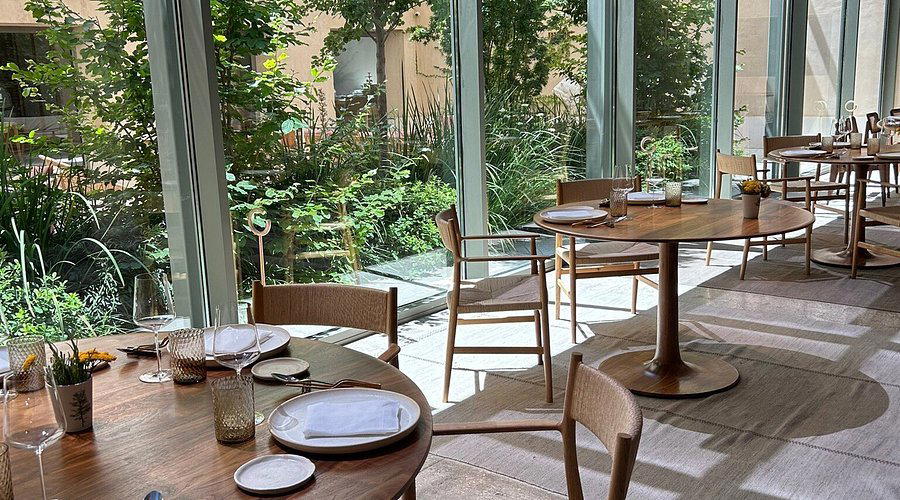
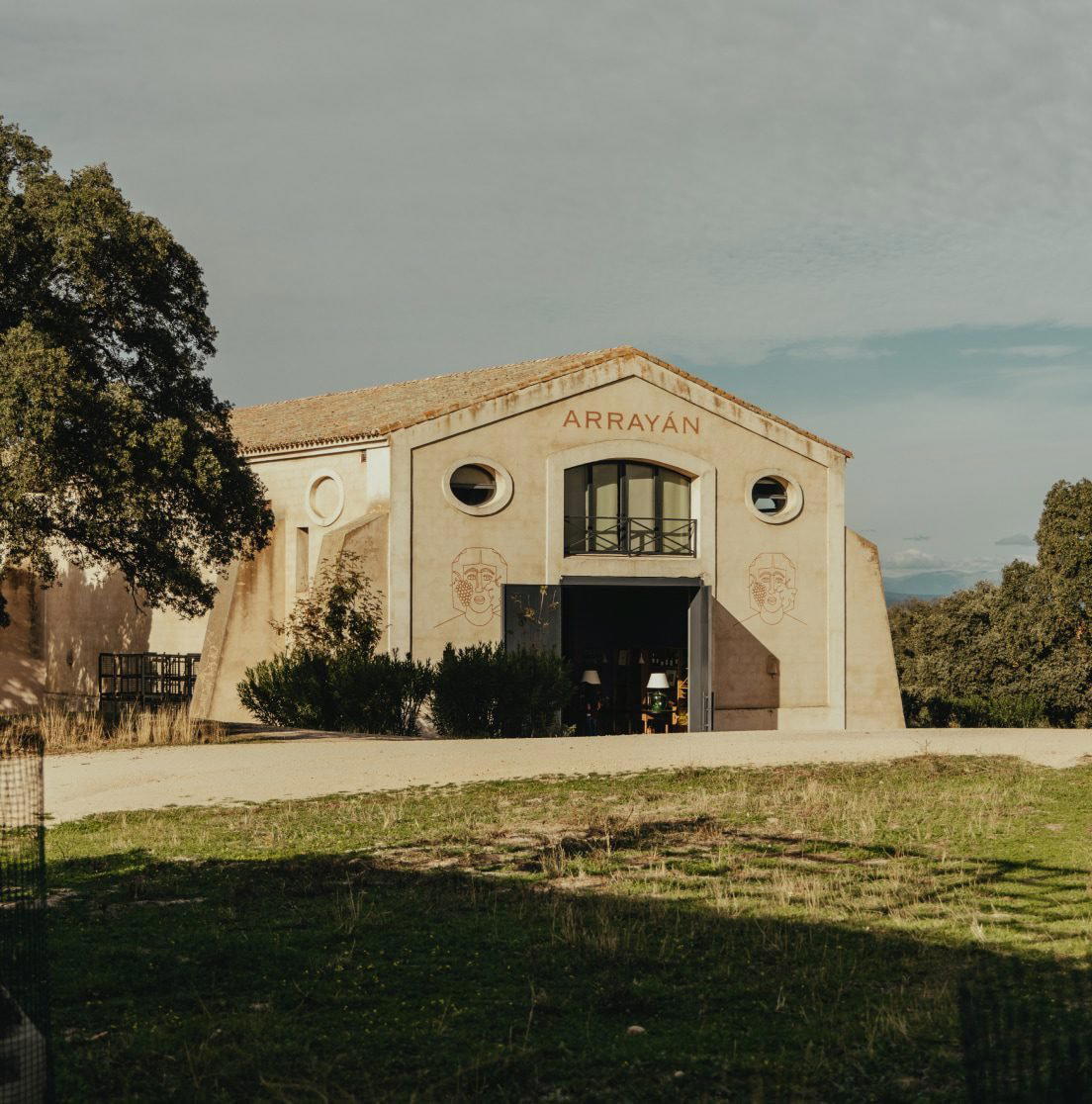
Warm and contemporary grill-house atmosphere with a strong fire element, comfortable indoor dining room decorated with sculptures and art, and a spacious leafy terrace that feels relaxed and lively rather than formal.
Know Before You Go
- Reservations
- Recommended
- Dress code
- Smart casual