
Hinadori Sonoda puts Shinagawa’s less-polished southern edge into focus: a compact chicken-dishes and izakaya address near Samezu, Aomono-yokocho, and Oimachi rather than the usual Ginza-Shibuya circuit. Its 2025 Tabelog 100 selection for chicken cuisine, 14-seat scale, and JPY 3,000–3,999 dinner band make it a precise pick for drink-led, small-room Tokyo dining.
Pearl is the En Primeur Club membership app — saves, bookings, and concierge access live there. Same editors, same standards.
- Address
- 5 Chome-14-11 Minamishinagawa, Shinagawa City, Tokyo 140-0004, Japan
- Phone
- +81 3-3471-2322
- Website
- tabelog.com
 Saves & bookings on Pearl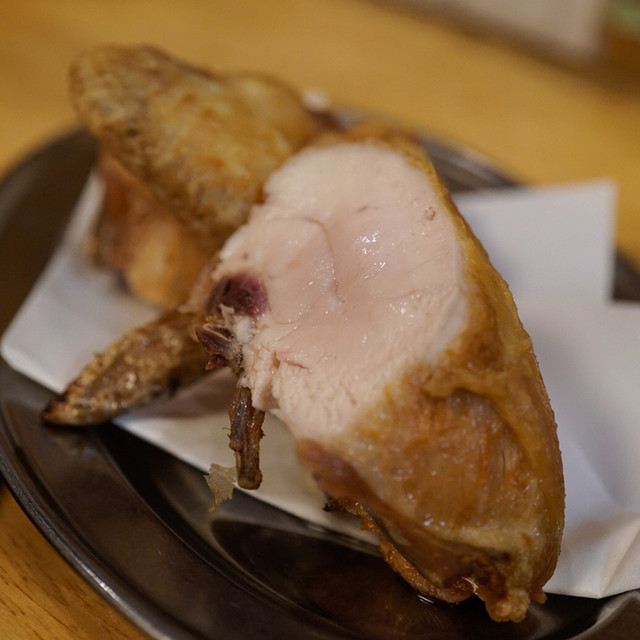
South of the central dining circuits, Shinagawa changes register. The streets around Minamishinagawa and Samezu are more workaday than theatrical, with rail lines, local taverns, and small counters setting the pace. In that context, chicken cuisine reads differently: less ceremony than high-price yakitori, more focus on the pleasures of a compact room where sake, shochu, wine, and fried or grilled bird belong to the same evening.
Hinadori Sonoda sits inside that Tokyo category with unusual clarity. It is not priced like the city’s trophy counters, nor does it behave like a casual chain izakaya. The useful signal is its selection for Tabelog 100 - Chicken cuisine - 2025, which places it among a curated national group for toriryori rather than among general-purpose pubs. The score attached to the listing, 3.60, matters less than the category: chicken dishes, kara-age, and izakaya cooking form the spine, with alcohol built into the format rather than treated as an afterthought.
Shinagawa chicken dining without the Ginza premium
Tokyo’s chicken spectrum is broad. At one end are reservation-heavy yakitori counters that price against sushi and kappo; at the other are fast fried-chicken shops and station-adjacent drinking rooms. Minamishinagawa suits the middle ground. The neighbourhood pulls in diners who understand the value of leaving the obvious hotel corridors, especially when a restaurant runs on small-room discipline rather than spectacle.
The competitive context helps. In Tokyo, Banraien sits in a far higher dinner band at JPY 30,000–39,999, while Pizzeria Bakka M’unica occupies JPY 4,000–4,999 and Unagi Marutomi overlaps at JPY 3,000–3,999. Oniyanma Higashishinagawa ten works in the sub-JPY 999 zone, and Wakadori Yaki Mobara sits at JPY 4,000–4,999. Against that spread, Hinadori Sonoda’s JPY 3,000–3,999 range gives it a clear role: serious enough to plan around, low enough to keep the evening grounded.
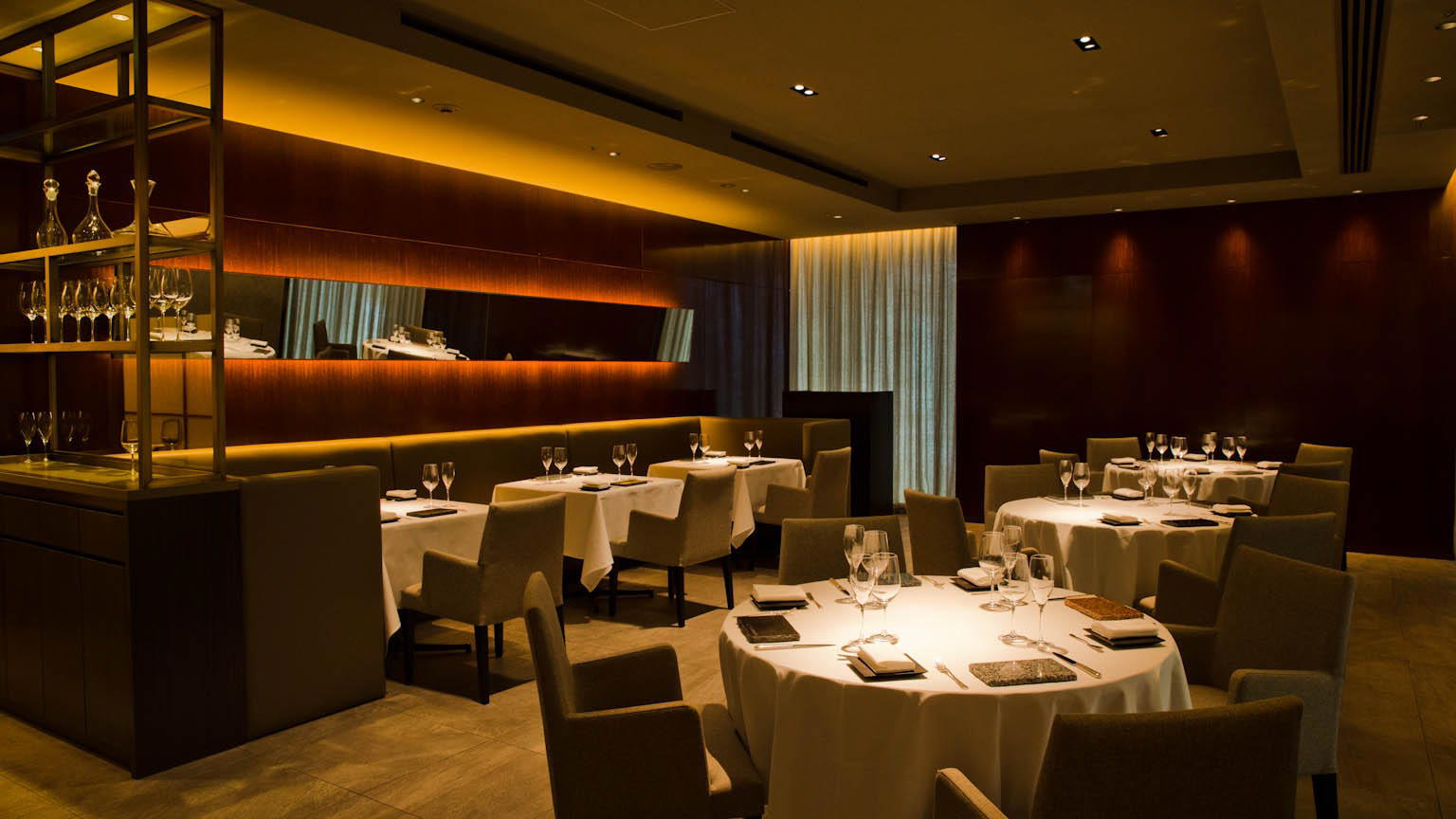
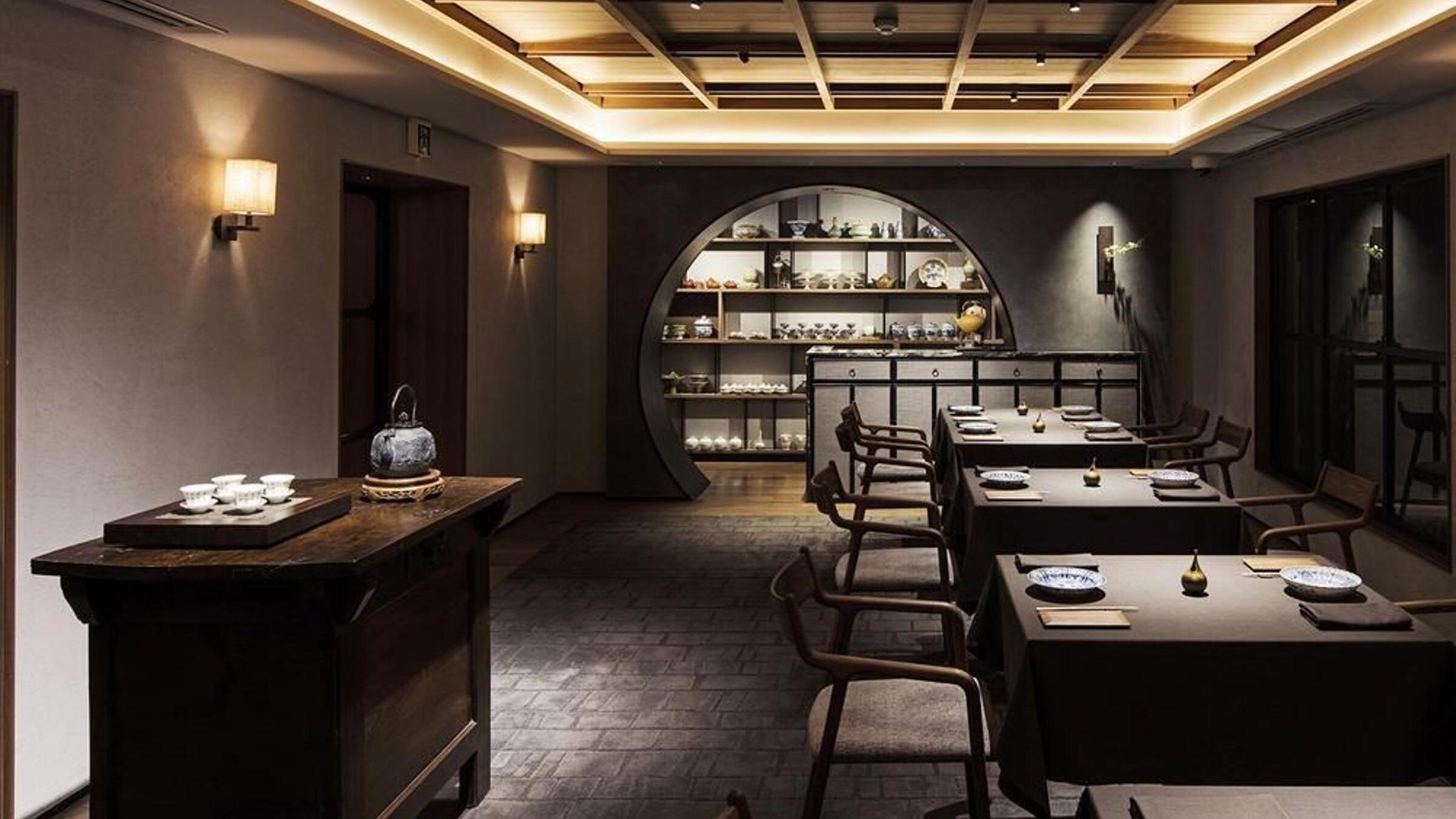
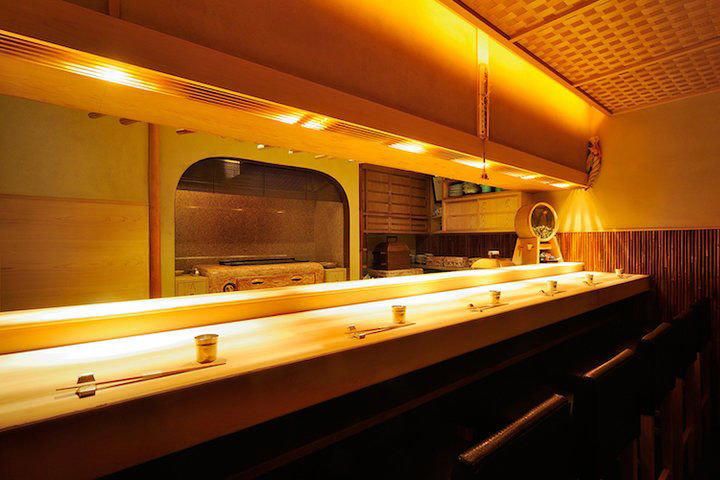
The room reinforces that reading. Fourteen seats, including eight at the counter and one six-seat table, create a format where party size matters. Tokyo has many small restaurants, but not all small restaurants behave the same way. Here, the scale favours pairs or close friends over large groups, and the counter-heavy layout makes it closer to an izakaya-counter hybrid than a private dining room. That matters for travellers: this is a dinner to fold into a Shinagawa evening, not a production built around formal tasting-menu pacing.
What the format says about the meal
Chicken in Japan carries several identities at once. Yakitori has its own ritual language of cuts, skewers, tare, salt, and grill management. Kara-age belongs to the democratic side of drinking culture, where crispness, heat, and beer or shochu do the work. Toriryori sits between those codes, broad enough to include specialist technique without demanding the hush of a luxury counter.
That middle position is the appeal here. The listed categories point to chicken dishes, kara-age, and izakaya, which means the evening should be understood as drink-led dining rather than a chef-driven course sequence. The drinks list includes sake, shochu, wine, and a stated emphasis on shochu. In Tokyo, that combination usually signals a room calibrated for repeat locals: enough range to support different orders across an evening, without turning the beverage program into the main act.
The 2025 Tabelog 100 recognition is the trust signal to take seriously, especially in a city where small specialty restaurants can be hard to parse from abroad. It does not make the place comparable to Tokyo’s Michelin-priced destination rooms; it makes it legible inside a Japanese user-review culture that rewards depth in narrow categories. For travellers already staying in Shinagawa, Oimachi, or along the Keikyu line, that distinction is useful. The reward is not bragging-right scarcity. It is category fluency: knowing which modest-looking doors carry more weight than their price band suggests.
Planning the evening around the neighbourhood
Samezu is the nearest station, with Oimachi and Aomono-yokocho also practical on foot. That geography changes the dining calculus. Visitors often treat Shinagawa as a transport district, useful for the shinkansen, Haneda access, and business hotels. Minamishinagawa adds a more local dining layer, where small counters and taverns make better sense than destination dining rooms that require crossing the city.
Several operational details are worth respecting. The restaurant opens for dinner only, 5 PM to 10 PM, with last order listed at 9 PM. Reservations are available, and calls for future dates are requested between 15:00 and 18:00. Same-day cancellations or reductions in party size carry a JPY 3,000 per-person fee, and arrival more than 15 minutes late without notice is treated as a no-show. Payment is cash or PayPay; credit cards and electronic money are not accepted. There is a JPY 500 seat charge per person, with a request that each guest order at least two food and drink items. Large luggage is not accepted because of the limited space, and parking is unavailable.
Families should read the policy carefully rather than assume standard izakaya flexibility. Children under 10 are asked not to enter, and the room is framed as a place to enjoy alcohol. That does not make it severe; it makes it a small adult dining room with rules that protect the experience for everyone inside.
For a broader Tokyo dining map, compare this address with . 鮪と炭火焼き うお炭 秋葉原店, 12/10 Shinjuku ten, 124. KAGURAZAKA (Yakitori), 2D Cafe, and 3 Chome no Curry Ya San. City planning can sit alongside Our full Tokyo restaurants guide, Our full Tokyo hotels guide, Our full Tokyo bars guide, Our full Tokyo wineries guide, and Our full Tokyo experiences guide. For wider Japan and abroad, see -Grilled beef Sukiyaki- KAMAKURA TANUKIAN 鎌倉 たぬき庵 in Kamakura.cafe in Osaka.know in Kumamoto, (Shoku) Vietnam in Kawasaki, [Curry Senmon Ten] Maruyama Kyoju. in Sapporo, [ki:] in Kyoto, Jōdo Saké Bar in Los Angeles, and Onigiri Time in Pasadena.
Comparable Spots, Quickly
Comparable venues to calibrate price, style, and recognition.
| Venue | Cuisine | Price | Notes |
|---|---|---|---|
| Hinadori SonodaThis venue — the venue you are viewing | Japanese chicken izakaya specializing in deep-fried young chicken | $$ | Not listed |
| Mahakala | Kushikatsu Izakaya | $$ | Meguro |
| Tsukiji Nagaya 6-7-7 | Fugu-focused Japanese Tachinomi | $$ | Chūō |
| 赤坂 炭火焼肉 金星 | Japanese Robatayaki | Not listed | Minato |
| Katsuretsu Yotsuya Takeda | Japanese Yoshoku & Tonkatsu | $$ | Shinjuku |
| Yakitori Miyagawa | Traditional Yakitori Izakaya | $$ | Chūō |
Recognition history
Dated appearances from independent guides and award organizations, with the underlying list record or original source where available.
Tabelog 100 #93 · No. 93
Tabelog · Tabelog 100 - Chicken cuisine - 2025









At a Glance
- Cozy
- Intimate
- After Work
- Casual Hangout
- Solo
- Group Dining
- Date Night
- Standalone
- Sake Program
- Beer Program
Current opening hours
- Monday
- 5–10 PM
- Tuesday
- 5–10 PM
- Wednesday
- 5–10 PM
- Thursday
- 5–10 PM
- Friday
- 5–10 PM
- Saturday
- 5–10 PM
- Sunday
- 5–10 PM
Hours can change for holidays and private events. Last verified .
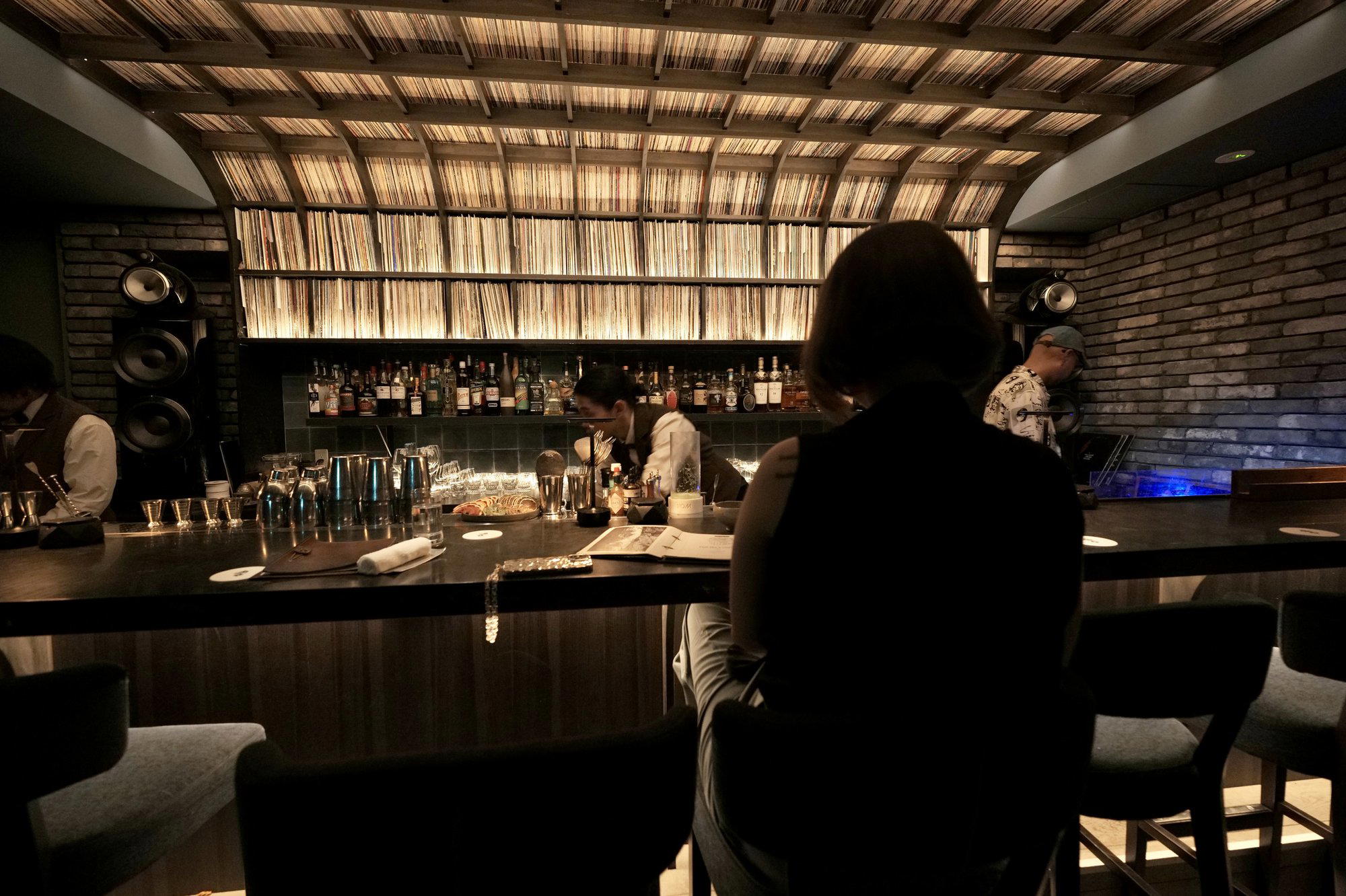
A small, non-smoking neighborhood hideout with just a counter and one table, relaxed lighting and a cozy, intimate feel, focused on adults enjoying chicken dishes and alcohol in a calm, laid-back izakaya atmosphere.