
Yotsuya’s everyday dining culture is built on small rooms, railway convenience, and menus that make Western-style frying feel native to Tokyo. Katsuretsu Yotsuya Takeda sits in that tradition with yoshoku, croquette, cafeteria-style comfort, Tabelog 100 Diner selection in 2026, and a compact counter-led format that rewards decisive ordering rather than ceremony.
Pearl is the En Primeur Club membership app — saves, bookings, and concierge access live there. Same editors, same standards.
- Address
- Japan, 〒160-0004 Tokyo, Shinjuku City, Yotsuya, 1 Chome−4−2 峯村ビル 1F
- Phone
- +81 3-3357-6004
- Website
- instagram.com
 Saves & bookings on Pearl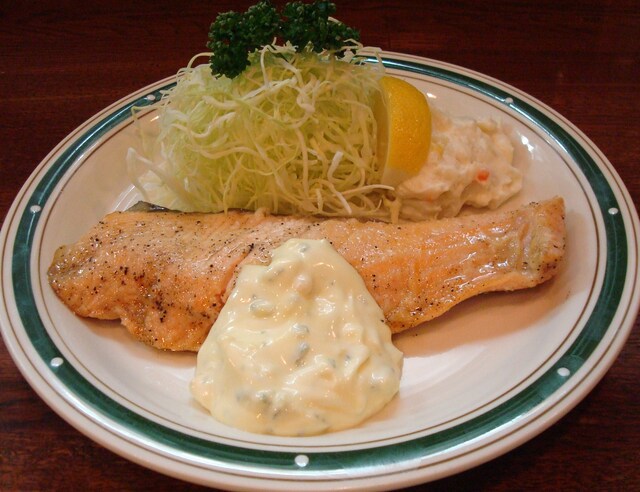
Yotsuya does not announce itself with Ginza gloss or Shinjuku scale. Around the station, the city tightens into office workers, students, small storefronts, and quick meals that have to justify both time and money. In that setting, yoshoku has a particular force: Western-derived dishes translated through Japanese habits of rice, cabbage, sauce, set meals, and counter speed. Katsuretsu Yotsuya Takeda belongs to that practical Tokyo tradition, where frying is not a novelty act but a daily discipline.
The useful way to read the place is through menu architecture rather than romance. Categories tell the story: cafeteria, croquette, and yoshoku. That combination places it closer to Tokyo’s democratic dining culture than to the city’s reservation-led luxury circuit. In the same neighbourhood orbit, 12/10 Shinjuku ten and 124. KAGURAZAKA (Yakitori) speak to other casual and specialist formats, while Yotsuya’s sushi names such as Sushi Sho Yotsuya, Mitani, and すし匠 belong to a different economic and ritual register. The contrast matters: Tokyo is not one dining culture but a stack of formats, and this one values turnover, clarity, and comfort.
Yoshoku in Yotsuya, built around frying rather than theatre
Yoshoku is often misunderstood by visitors as retro Western food. In Tokyo, it is more precise than that. It is a Japanese grammar for cutlets, croquettes, demi-glace, curry sauces, minced meat, rice, shredded cabbage, and set-meal pacing. The menu here points toward that grammar: fried dishes sit at the centre, with aged Mochibuta loin cutlet, aged fillet cutlet, minced meat cutlet, croquette, curry, demi-glace, and rock salt all appearing in the restaurant’s own highlights. Those details establish a kitchen concerned with variations inside a narrow form rather than a long list designed to impress.
That narrowness is a strength. Tokyo has plenty of restaurants where choice becomes theatre; yoshoku works when the structure is legible. A diner can understand the hierarchy quickly: pork cutlet for directness, croquette for nostalgia, minced meat cutlet for richness, sauce-led plates for a more Western-style register. The point is not reinvention. The point is repetition, heat control, texture, and the old Tokyo pleasure of a meal that feels complete without requiring an evening.
The Tabelog 100 Diner selection in 2026 gives the restaurant a useful external signal, especially in a category where international guidebooks pay less attention than they do to sushi, tempura, kaiseki, and French-influenced tasting menus. Its Tabelog score is 3.70, a number that means more inside Japan’s user-rating culture than it would on a looser global review platform. The 2026 recognition also follows earlier Tabelog 100 selections in diner and set-meal categories, placing the restaurant within a sustained local conversation rather than a sudden viral moment.
The room matches the menu: compact, counter-led, and built for decisions
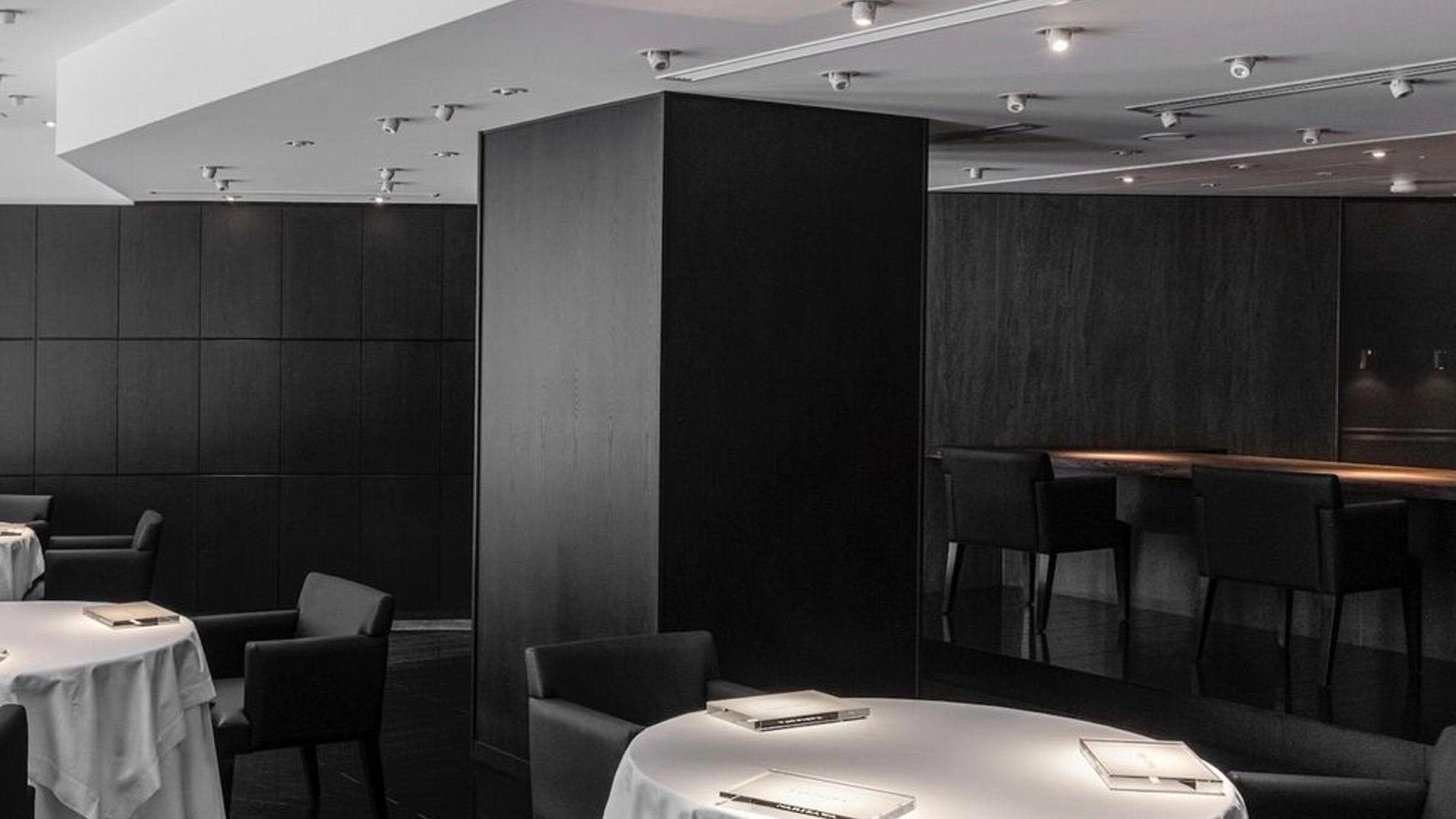
The format reinforces the food. Thirteen seats, including counter seating and two small tables, put the restaurant in the Tokyo micro-dining category where the room does not absorb indecision. This is not the slow choreography of an omakase counter, but it shares one trait with those more expensive rooms: proximity makes the meal feel immediate. In a small yoshoku restaurant, the counter is not a performance stage; it is an operating system.
Reservations are unavailable, which changes the visitor’s strategy. This is a queue-and-timing restaurant, not a concierge project. Weekday lunch and early dinner windows suit the format, while Saturday lunch concentrates demand into a shorter service. Sunday and public-holiday closure also matter for travellers, because Yotsuya is often folded into broader Tokyo itineraries rather than treated as a destination on its own. The station proximity makes it easy to combine with Akasaka, Shinjuku, Kagurazaka, or central Tokyo, but the small room means spontaneity has limits.
Price is part of the editorial argument. The listed range sits at JPY 1,000 to JPY 1,999, which places it far from Tokyo’s luxury dining economy and closer to the city’s serious everyday tables. That makes the comparison with Sushi Sho Yotsuya, listed at JPY 50,000 to JPY 59,999 for dinner, especially revealing. Same broad district, entirely different contract with the diner. One asks for time, money, planning, and ritual. The other asks for appetite, patience, and a clear order.
How to place it inside a Tokyo eating day
For travellers mapping Tokyo by food rather than landmarks, this is a useful corrective to the city’s high-end reputation. The capital’s dining identity is not only counter sushi, tasting menus, cocktail bars, and hotel restaurants. It is also the weekday set meal, the no-credit-card cash habit, the compact room, the no-smoking policy, the take-out option, and the family-friendly note that places children within ordinary urban dining rather than a separate hospitality category.
Payment details deserve attention because they shape the experience as much as cuisine. Credit cards and electronic money are not accepted, while PayPay is accepted. Parking is not provided, with coin parking nearby, though this is a restaurant better approached by train than by car. Information is shared through social media rather than an official website, another signal of the small Tokyo operation where the dining room carries more authority than digital polish.
The verdict is practical rather than sentimental: Katsuretsu Yotsuya Takeda is for diners who want to understand Tokyo’s yoshoku and set-meal culture at ground level. It is not a long evening, not a chef-biography pilgrimage, and not a luxury reservation. Its value lies in how clearly the format expresses a city habit: disciplined frying, compact seating, modest pricing, and a menu that knows exactly what lane it occupies.
For wider planning, see Our full Tokyo restaurants guide, plus the city rails for Tokyo hotels, Tokyo bars, Tokyo wineries, and Tokyo experiences. Nearby or category-adjacent restaurant reading includes. 鮪と炭火焼き うお炭 秋葉原店, 2D Cafe, and 3 Chome no Curry Ya San. Beyond Tokyo, compare casual Japanese formats at -Grilled beef Sukiyaki- KAMAKURA TANUKIAN 鎌倉 たぬき庵 in Kamakura.cafe in Osaka.know in Kumamoto, (Shoku) Vietnam in Kawasaki, [Curry Senmon Ten] Maruyama Kyoju. in Sapporo, [ki:] in Kyoto, Jōdo Saké Bar in Los Angeles, and Onigiri Time in Pasadena.
Nearby-ish Comparables
Comparable venues by category and price.
| Venue | Cuisine | Price | Notes |
|---|---|---|---|
| Katsuretsu Yotsuya TakedaThis venue — the venue you are viewing | Japanese Yoshoku & Tonkatsu | $$ | Not listed |
| Oboro | Japanese Izakaya | $$ | Minato |
| Nihon Saisei Sakaba | Traditional Japanese Grilled Offal Izakaya | $$ | Shinjuku |
| 焼肉あたご 虎ノ門 | Casual Counter Yakiniku | $$ | Minato |
| Kajitsuen Liber Tokyo ten | Fruit parlor & café with Japanese-style parfaits | $$ | Chiyoda |
| Tamacho Honten Yaesu ten | Nagoya-style miso nikomi udon & Nagoya regional cuisine | $$ | Chūō |
Recognition history
Dated appearances from independent guides and award organizations, with the underlying list record or original source where available.
Tabelog 100 #79 · No. 79
Tabelog · Tabelog 100 - Diner - 2026










At a Glance
- Cozy
- Classic
- Solo
- Casual Hangout
- After Work
- Standalone
Current opening hours
- Monday
- 11 AM–3 PM, 5–8:30 PM
- Tuesday
- 11 AM–3 PM, 5–8:30 PM
- Wednesday
- 11 AM–3 PM, 5–8:30 PM
- Thursday
- 11 AM–3 PM, 5–8:30 PM
- Friday
- 11 AM–3 PM, 5–8:30 PM
- Saturday
- 11 AM–3 PM
- Sunday
- Closed
Hours can change for holidays and private events. Last verified .
A classic, no-frills yoshoku diner atmosphere with a compact counter and a few tables, bright and bustling at peak times as guests line up outside for freshly fried cutlets.