Het Eethuisje van Delfshaven
A compact neighbourhood restaurant on the historic Mathenesserdijk in Delfshaven, Het Eethuisje van Delfshaven occupies one of Rotterdam's most architecturally intact waterfront streets. The kitchen works within a tradition of considered Dutch hospitality, unhurried, locally rooted, and oriented toward a meal that rewards patience. For those exploring Rotterdam beyond its Michelin-dense city centre, this address offers a different register entirely.
Pearl is the En Primeur Club membership app — saves, bookings, and concierge access live there. Same editors, same standards.
- Address
- Mathenesserdijk 436, 3026 GV Rotterdam, Netherlands
- Phone
- +31 10 425 4917
- Website
- facebook.com
- Directions
- Get directions
 Saves & bookings on Pearl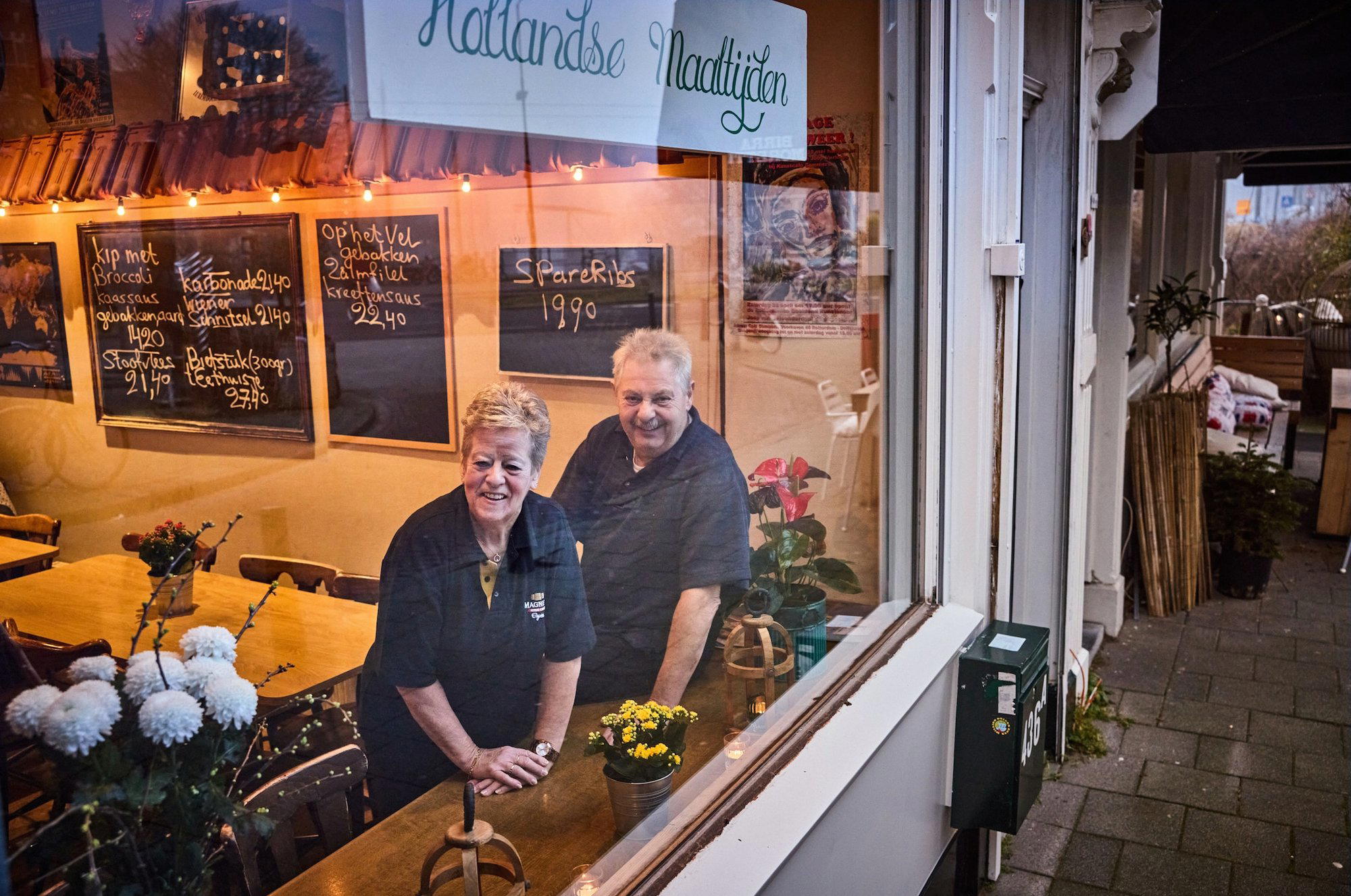
Delfshaven's Dining Character: Where Rotterdam Slows Down
Rotterdam's dining reputation is built largely on its city-centre tier: the creative tasting menus at FG - François Geurds, the precision French cooking at Fred, the long-standing Michelin presence of Parkheuvel on the Maas riverbank. That tier is well-documented, well-booked, and operates at a pace calibrated to occasion dining. Delfshaven sits at a remove from that circuit, both geographically and temperamentally. The neighbourhood is one of the few parts of Rotterdam that survived the 1940 bombing largely intact, and its waterfront streets retain a scale and texture that the post-war city centre never recovered. Dining here follows a different logic: smaller rooms, less theatre, and a relationship between kitchen and regular that accumulates over years rather than single visits.
Het Eethuisje van Delfshaven, on the Mathenesserdijk, belongs to this neighbourhood register. The address itself signals something about the experience before you arrive: the Mathenesserdijk runs along a historic inner harbour, lined with seventeenth-century facades that make it among the more photographed streets in the city. A restaurant on this strip is not positioning itself against the creative tasting-menu scene; it is operating within a different Dutch hospitality tradition, one where the meal is the occasion rather than the destination for a meal.
The Shape of the Meal: An Arc Rather Than a Showcase
Dutch neighbourhood restaurants of this type tend to organise the evening around a progression that feels unhurried by design. The opening moves are modest: something to settle the table, a small glass, bread that arrives warm. The middle courses carry the kitchen's real argument, proteins treated with attention, vegetables that reflect what is available rather than what is impressive on paper. The close is quiet, something sweet and not overstated. This structure, common across the Netherlands' better provincial and neighbourhood tables, works because it does not try to compete with the multi-course architectural formats of places like De Librije in Zwolle or Inter Scaldes in Kruiningen. The ambition is narrower and, for that reason, more consistent.
What distinguishes a meal that follows this arc well from one that merely follows it is execution density: how attentive is the kitchen at each transition, how well do the flavours of one course prepare the palate for the next, does the pacing allow conversation without stalling. These are the criteria against which a Delfshaven neighbourhood restaurant should be assessed, not against the benchmark of Rotterdam's Michelin-decorated upper tier. Seen in that light, proximity to the neighbourhood's historic character, the stone quays, the leaning gables, the stillness of the inner harbour in the evening, becomes part of the meal's architecture rather than merely a backdrop.
Neighbourhood Context: What Delfshaven Means for a Dinner Out
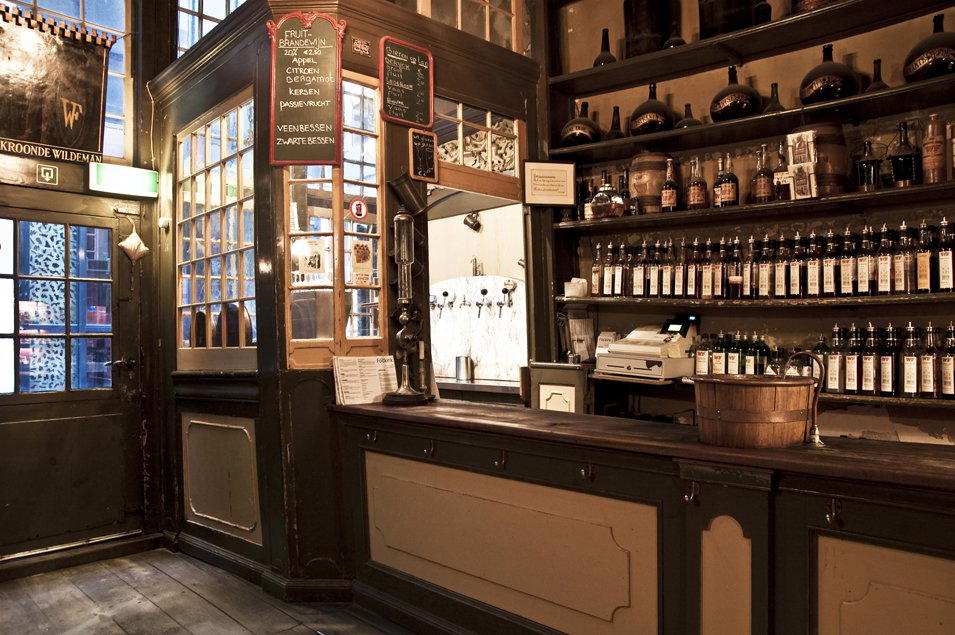
Delfshaven functions as a counterpoint to the architectural spectacle of central Rotterdam. The neighbourhood draws visitors for its preserved streetscape and the Pilgrim Fathers' history associated with the Oude Kerk, but its restaurant and bar scene is less oriented toward tourism than the Witte de Withstraat corridor or the Markthal area. Eating here on a weekday evening, the room at a restaurant like Het Eethuisje van Delfshaven will reflect the local residential mix: a table of neighbours, a couple celebrating something modest, a solo diner at the counter if there is one. That social composition shapes the atmosphere more reliably than any interior design decision.
For visitors arriving from Amsterdam or exploring Rotterdam after visits to its major museums and architectural landmarks, Delfshaven is a twenty-minute tram ride from the city centre (tram 4 connects Rotterdam Centrum directly to the Mathenesserdijk area). The neighbourhood's compact scale means that a pre-dinner walk along the harbour is a reasonable way to begin the evening, something that larger and busier Rotterdam dining districts do not easily accommodate.
Where Het Eethuisje van Delfshaven Sits in Rotterdam's Dining Map
Rotterdam's restaurant scene has a clearly stratified structure. At the leading, a cluster of creative and modern French addresses operate at €€€€ price points and compete for recognition with national peers including De Nieuwe Winkel in Nijmegen and De Lindehof in Nuenen. Below that, a mid-market tier includes places like Amarone and Fitzgerald, which offer considered cooking at lower commitment levels. Then there are neighbourhood restaurants, the category to which Het Eethuisje van Delfshaven belongs, where the relationship between kitchen and community is the primary product.
This third tier is underrepresented in most Rotterdam dining coverage, which tends to concentrate on the well-known addresses. Yet it is the tier where Dutch dining culture is most legibly itself: sociable, unfussy, ingredient-led, and oriented toward the meal as a social form rather than a culinary demonstration. International comparisons are imprecise, but the closest analogues in intent might be the community-oriented formats seen in places like Lazy Bear in San Francisco, where the communal frame matters as much as the cooking, or the philosophy behind smaller producer-driven tables at De Groene Lantaarn in Staphorst. The scale of ambition is different, but the underlying premise, that a meal works well when it serves the room rather than performs for it, is shared.
Visitors looking for the full range of Dutch fine dining should also note the broader national picture. The Netherlands has a concentration of serious kitchens outside its major cities: Tribeca in Heeze, De Lindenhof in Giethoorn, De Bokkedoorns in Overveen, De Treeswijkhoeve in Waalre, and Brut172 in Reijmerstok all represent the country's serious provincial dining tradition. Rotterdam's neighbourhood restaurants occupy a different register from these, but they are part of the same broader culture of taking the table seriously.
Planning a Visit
Delfshaven is a neighbourhood where arrival time shapes the experience. Coming early on a weekday allows for a walk along the Historische Haven before the light drops; arriving later on a Friday means a livelier room and a longer evening. The restaurant is open Monday to Friday from 4:00 pm to 8:30 pm, and is closed on Saturday and Sunday. The Mathenesserdijk address is well-served by public transport, and the surrounding streets offer parking for those arriving by car. Those planning around a broader Rotterdam dining itinerary should expect this meal to function as a counterpoint to the city's more produced dining experiences, not as a replacement for them. The two registers serve different needs, and both are worth understanding.
Recognition Snapshot
Comparable venues nearby, for context on price, style, and recognition.
| Venue | Cuisine | Price | Notes |
|---|---|---|---|
| Het Eethuisje van DelfshavenThis venue — the venue you are viewing | Traditional Dutch | $$ | Not listed |
| ALOHA - low waste foodbar | Low Waste Shared Dining | $$ | Struisenburg |
| café kiem | Modern European Small Plates | $$ | Provenierswijk |
| Nick Rotterdam | All-Day Breakfast & Brunch | $$ | Stadsdriehoek |
| Ayla | Mediterranean Fusion | $$ | Cool |
| BasQ Kitchen | Basque Spanish Tapas & Grill | $$ | Stadsdriehoek |
Continue exploring
More in Rotterdam
Restaurants in Rotterdam
Browse all →
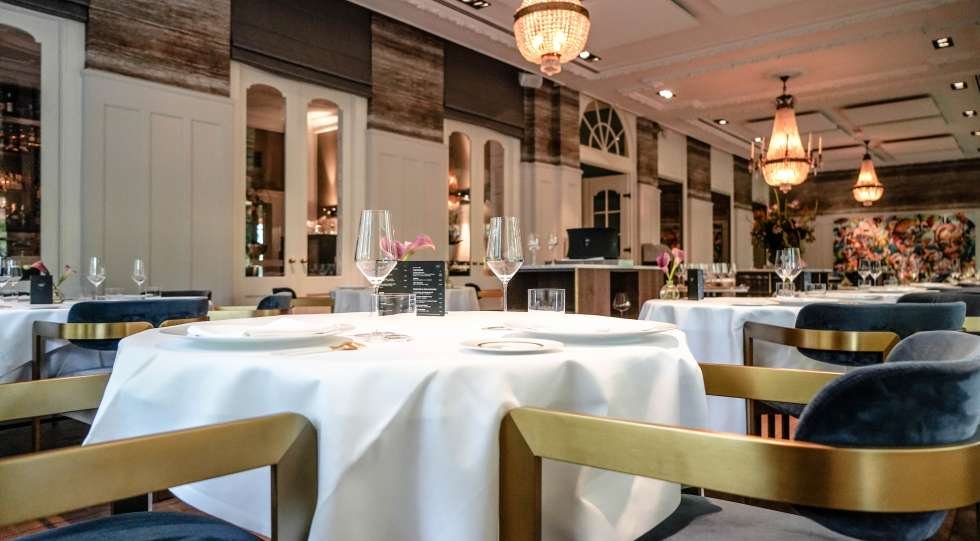
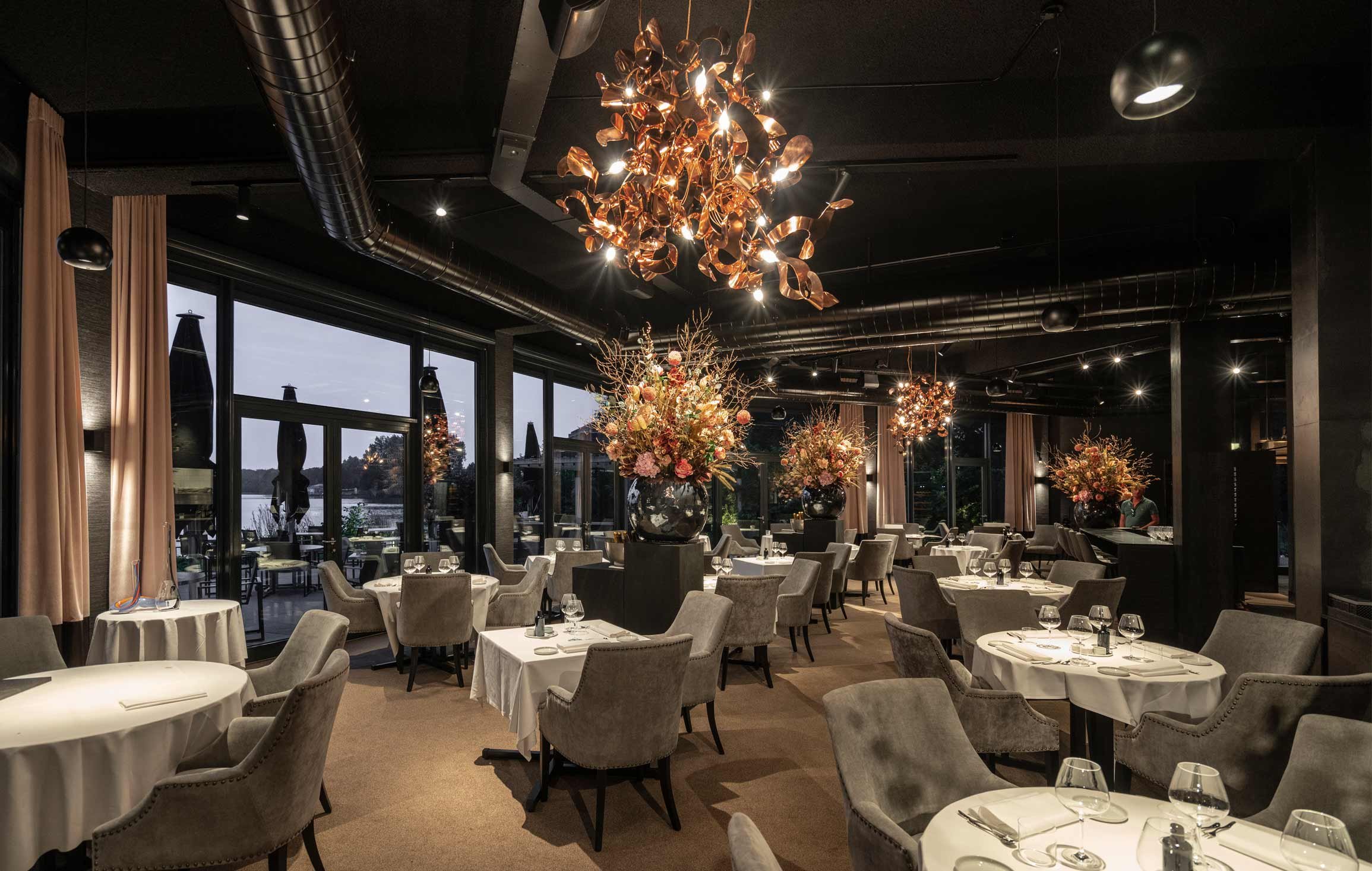
Bars in Rotterdam
Browse all →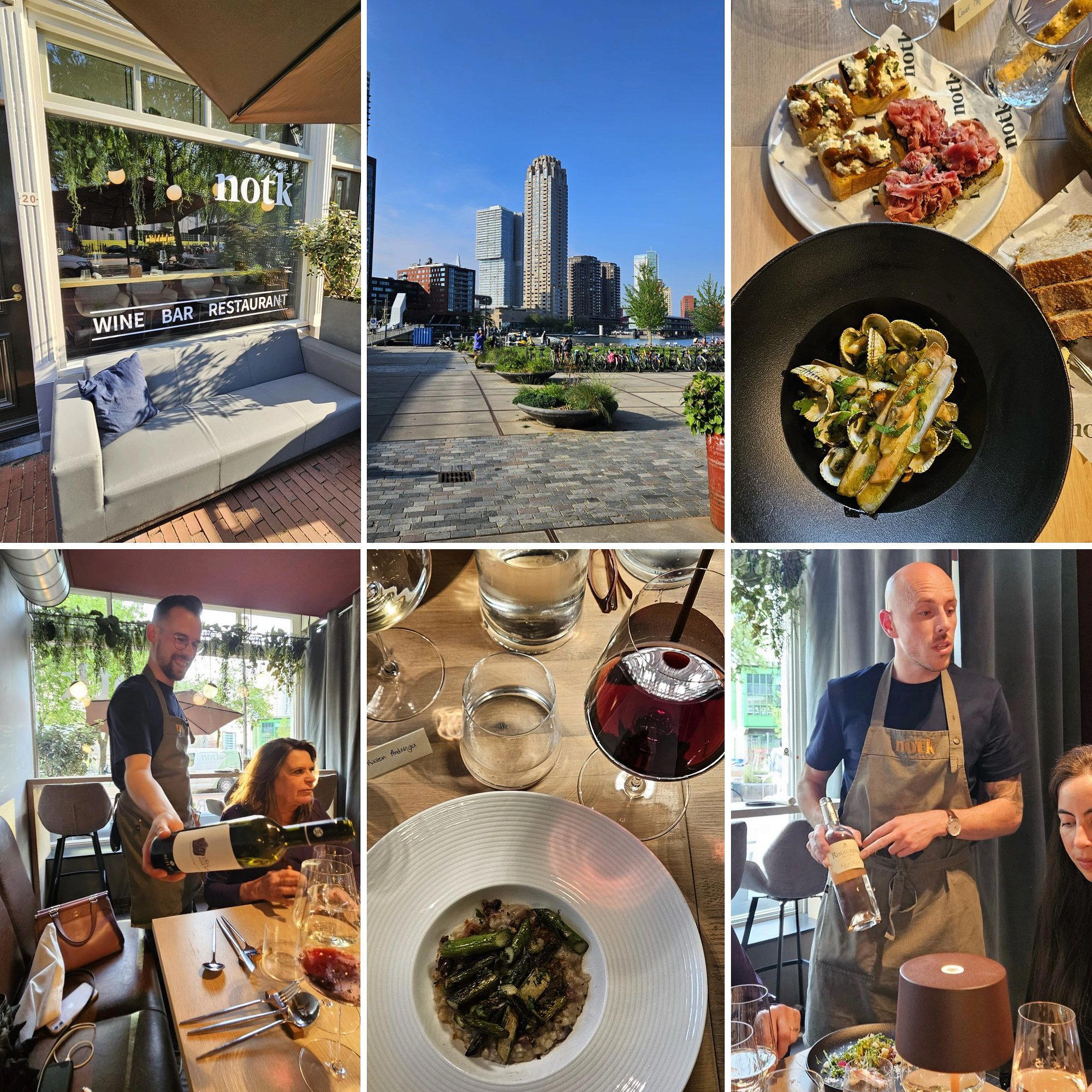
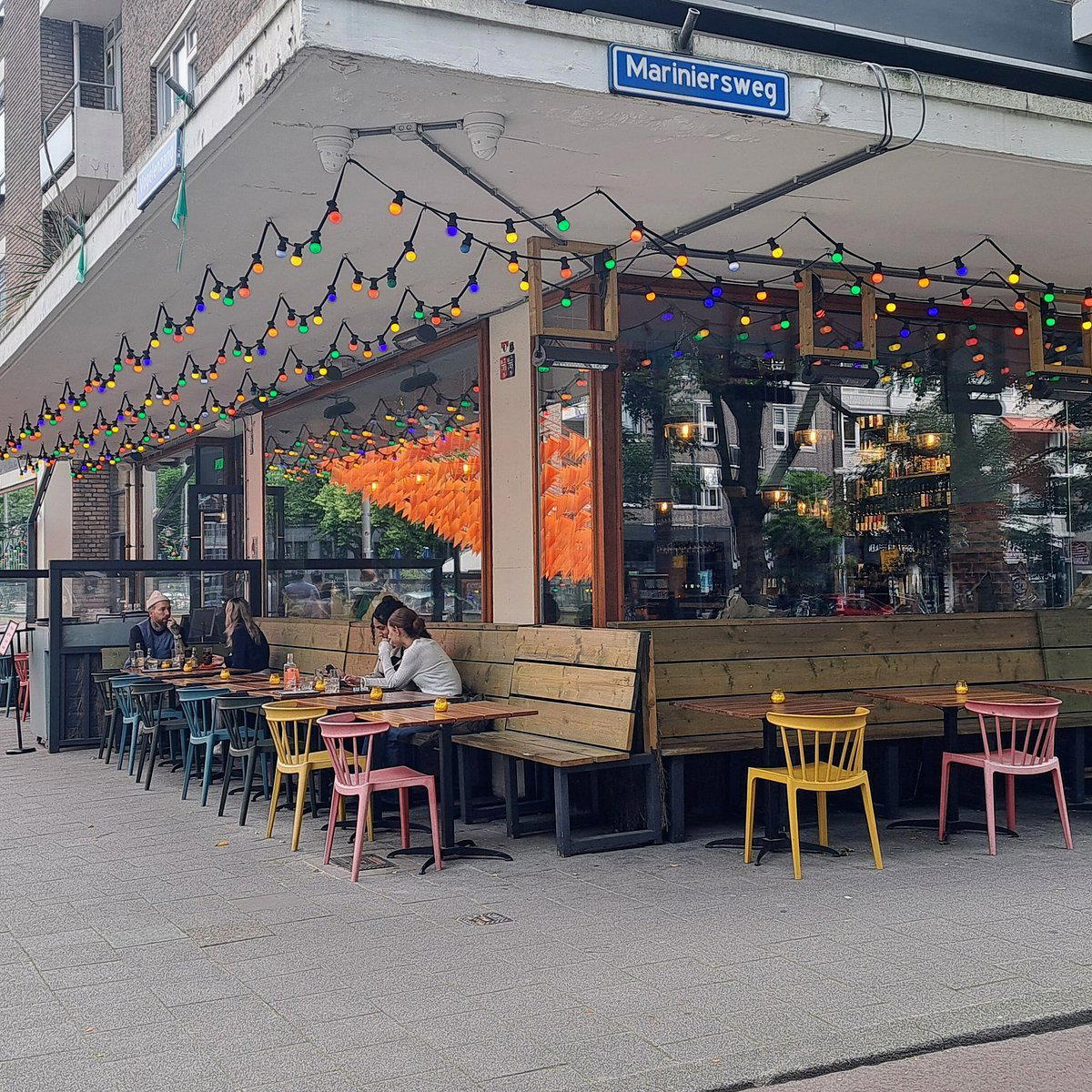
Hotels in Rotterdam
Browse all →
Wineries in Rotterdam
Browse all →
At a Glance
- Cozy
- Rustic
- Casual Hangout
- Family
- Historic Building
Current opening hours
- Monday
- 4–8:30 PM
- Tuesday
- 4–8:30 PM
- Wednesday
- 4–8:30 PM
- Thursday
- 4–8:30 PM
- Friday
- 4–8:30 PM
- Saturday
- Closed
- Sunday
- Closed
Hours can change for holidays and private events. Last verified .
Cosy with great family atmosphere.